The Dean Berlin sits within a city that has long resisted the conventions of luxury hotel design, offering a room-forward stay where the overnight experience takes precedence over lobby spectacle. Positioned in one of Europe's most architecturally complex capitals, the property draws travellers who want considered design and practical comfort rather than grand-hotel ceremony. Booking directly is advisable given Berlin's increasingly competitive midscale and upper-midscale hotel tier.
Pearl is the En Primeur Club membership app — saves, bookings, and concierge access live there. Same editors, same standards.
- Address
- Berlin, Germany
- Website
- thedeanberlin.com
 Saves & bookings on Pearl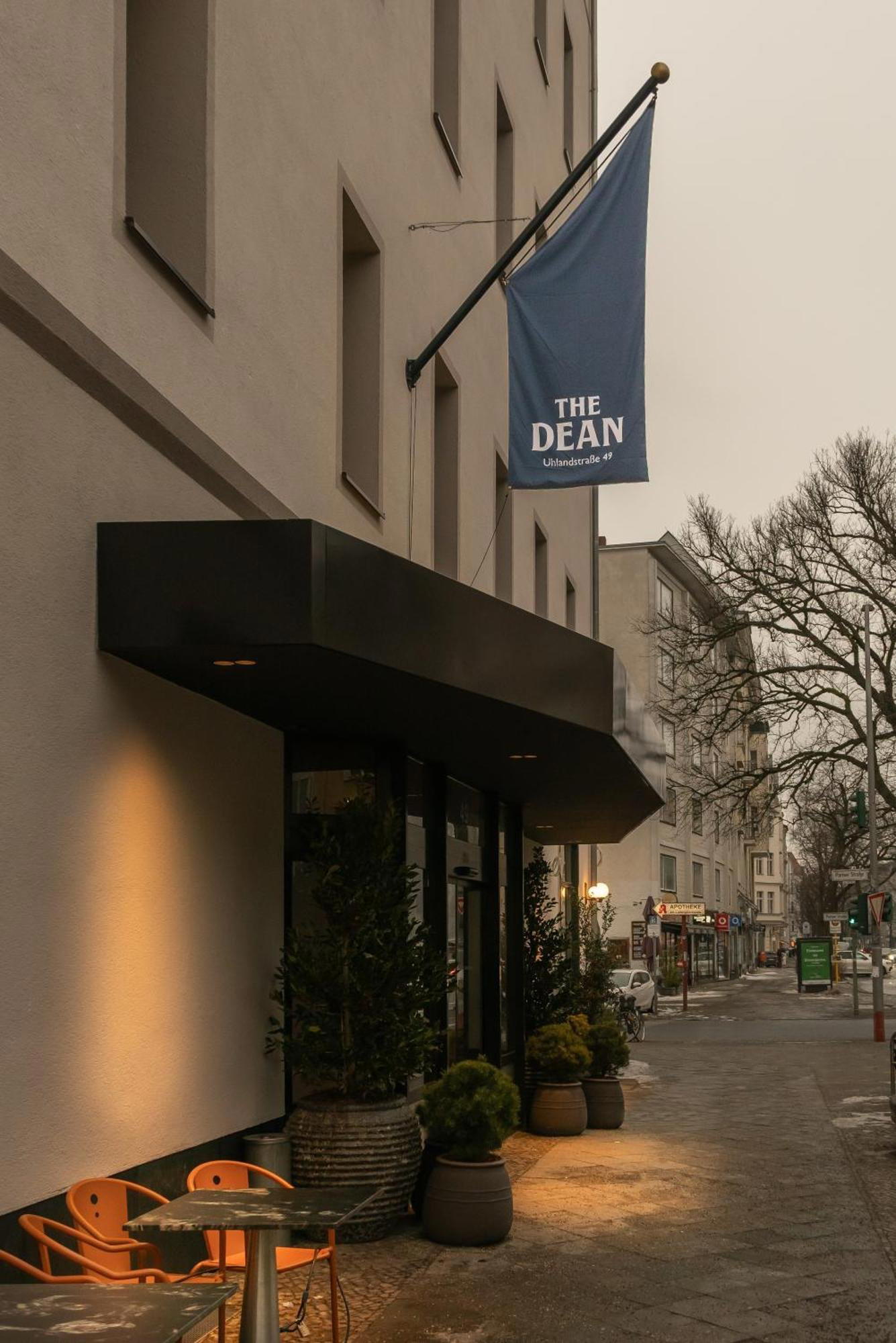
Berlin's Hotel Register and Where The Dean Sits
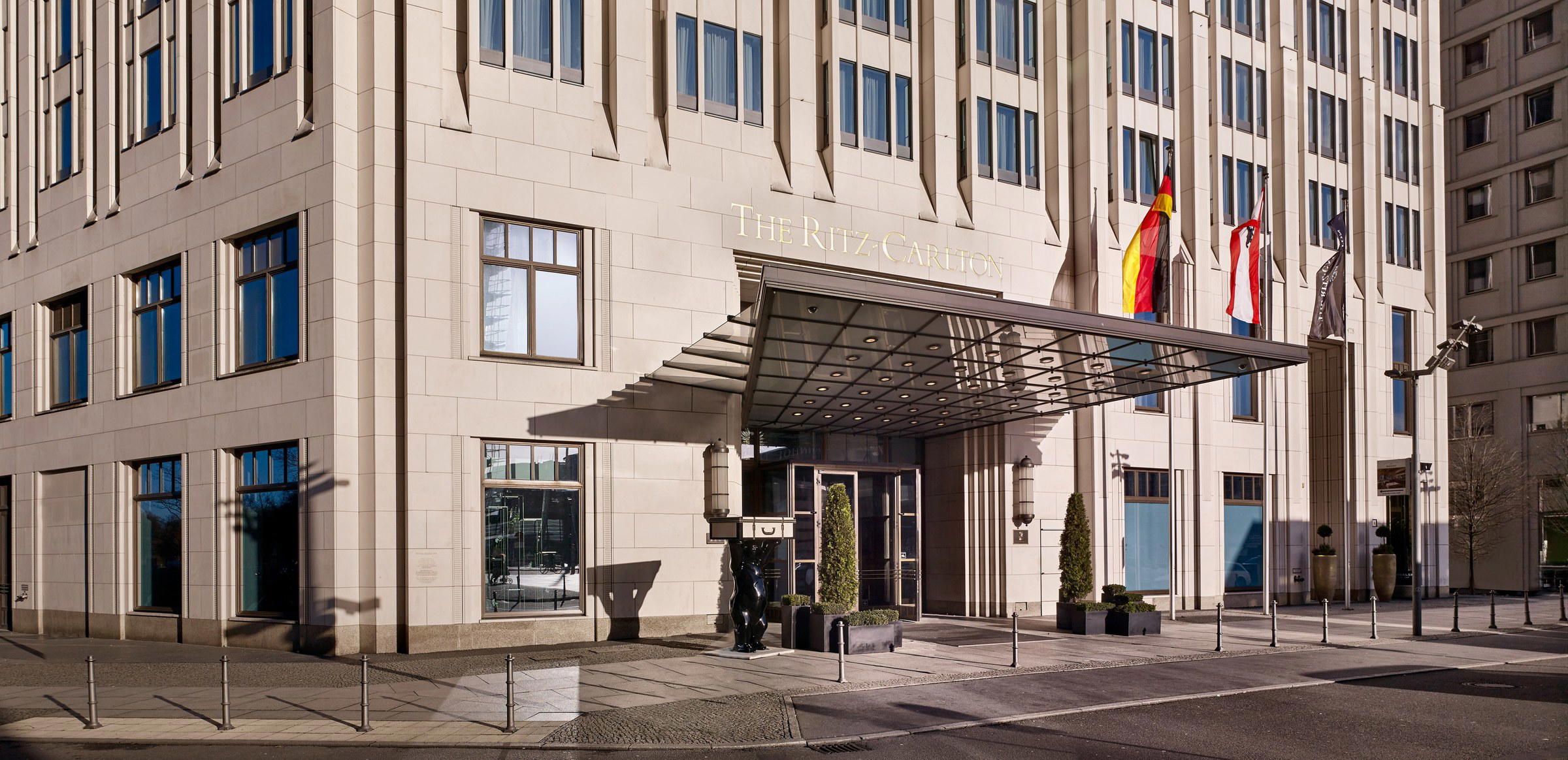
Berlin's accommodation sector has fractured into distinct tiers over the past decade. At the upper end, properties like The Ritz-Carlton, Berlin and Hotel de Rome compete on heritage, address, and formal service depth. Below that, a growing cohort of design-led, independently positioned hotels has emerged, properties that prioritise the room itself over grand public spaces, and where the quality of your night's sleep and the coherence of the room environment matter more than a celebrated restaurant address or a ballroom. The Dean Berlin is a 4-star hotel in Berlin, with 81 rooms and a nightly rate starting at $63. The Dean Berlin belongs to this second group. It is a stay defined by what happens behind the room door rather than what greets you in the lobby.
That positioning puts The Dean in conversation with hotels like Roomers Berlin Steinplatz, Autograph Collection and Casa Camper Berlin, properties that have built their identity around a specific guest relationship with the room rather than the full-service resort model. In a city that has historically attracted travellers more interested in neighbourhood immersion than hotel programming, this is a sensible read of demand.
The Room as the Point
In the segment of Berlin hotels where The Dean competes, the overnight experience is the product. This is distinct from the grand-hotel model, where the room functions as a retreat from an elaborate public offer, and from the budget-design model, where clever aesthetics compensate for thin amenities. The middle ground, considered room design, functional technology, a bathroom that works as well as it looks, is where properties earn or lose repeat visits.
Berlin travellers in this category tend to arrive with a programme already in hand: galleries in Mitte, restaurants in Prenzlauer Berg, record shops in Neukölln. They want a room that supports that agenda rather than competes with it. That means reliable blackout capacity for late returns, a desk that functions as a workspace, bathroom fittings that don't require a manual, and bedding that reads as deliberate rather than default. These are the metrics that matter in this tier, and they are the ones against which The Dean should be assessed.
For comparison, Telegraphenamt has built its room identity around the drama of a converted historic building, while 25hours Hotel Bikini Berlin leans into its Zoologischer Garten position and playful design language. The Dean operates with less overt concept, which suits guests who find strong hotel theming a distraction from the city itself.
Berlin as Context
Understanding what The Dean offers requires understanding what Berlin demands of its hotels. The city's centre of gravity has shifted repeatedly since reunification, from Mitte to Prenzlauer Berg to Friedrichshain and beyond, and each shift has created new clusters of activity that make location decisions genuinely consequential. A hotel positioned well for Charlottenburg gallery visits may require significant transit time to reach the restaurant scene in Kreuzberg. Berlin rewards hotels that either plant themselves in a specific neighbourhood with conviction or sit on a transit node that makes the whole city accessible.
The broader German hotel market offers useful comparators for understanding how design-led properties perform across different city types. Properties like Breidenbacher Hof Düsseldorf or Excelsior Hotel Ernst in Cologne serve their cities through deep institutional roots. Berlin, with its more fragmented identity, tends to produce hotels with narrower, more specific appeals, and The Dean fits that pattern.
Schloss Elmau Luxury Spa Retreat & Cultural Hideaway in Elmau and Althoff Seehotel Überfahrt in Rottach-Egern deliver their room experience within a landscape-driven context that Berlin, as a dense urban environment, cannot replicate. The Dean's room quality must do more work because there is no surrounding scenery to carry the atmosphere.
Peer Comparisons Worth Making
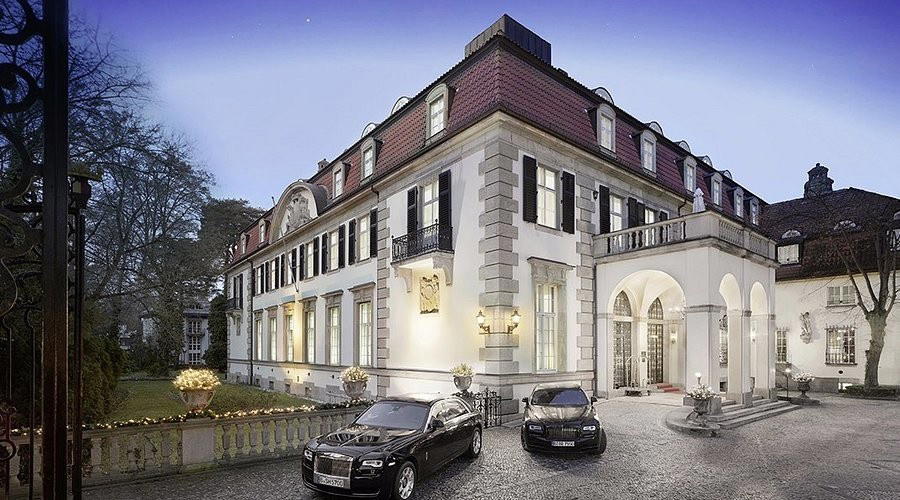
Within the Berlin market, the relevant competitive set for The Dean includes Adina Apartment Hotel Berlin Hackescher Markt, which offers a different format trade-off, more domestic space, less hotel finish, and Patrick Hellmann Schlosshotel, which occupies the heritage-luxury register at a meaningfully higher price point. The Dean sits between those poles: more finished than the apartment-hotel format, less ceremonial than the palace-hotel tier.
For travellers who have stayed at properties like Aman New York or The Fifth Avenue Hotel in New York, the Berlin design-hotel conversation will feel familiar in its basic structure, independent or semi-independent properties competing on room quality and neighbourhood positioning rather than brand scale, but the price ceiling in Berlin remains lower than Manhattan, which changes the value calculation at each tier.
Planning Your Stay
Berlin's hotel demand concentrates around trade fair periods, summer festival months, and the Christmas market season in late November and December. Outside those windows, availability is generally more open than in comparably sized European capitals, and rates reflect that. Travellers with flexibility on timing will find the shoulder periods, March through May and September through October, offer strong room availability without the compression of peak demand. For anyone visiting during Berlin's major cultural events or the ITB Berlin travel trade fair in early spring, advance booking is advisable across the entire mid-to-upper hotel tier.
Third-party platforms compress room differentiation in ways that can obscure meaningful distinctions between room categories, particularly relevant in a hotel where the room experience is the primary offer. Travellers extending their German trip beyond Berlin will find properties like Fairmont Hotel Vier Jahreszeiten in Hamburg, Hotel Bareiss in Baiersbronn, Das Kranzbach Hotel & Wellness Retreat, Der Öschberghof in Donaueschingen, and Gut Steinbach Hotel Chalets Spa each operating in distinct regional registers. Further afield, Bülow Palais in Dresden, BUDERSAND Hotel in Hörnum, Esplanade Saarbrücken, and Hotel Ketschauer Hof in Deidesheim round out a German hotel circuit for those with time to cover the country's range. For international reference points beyond Germany, Aman Venice represents the upper boundary of the design-led European hotel category.
Price and Positioning
Comparable venues nearby, for context on price, style, and recognition.
| Venue | Cuisine | Price | Awards | Notes |
|---|---|---|---|---|
| The Dean BerlinThis venue — the venue you are viewing | Not listed | $$$ | 4-Star | Not listed |
| Gorki Apartments | Not listed | $$$ | 4-Star | Scheunenviertel, Historic residential building restored as luxury serviced apartments |
| Adina Apartment Hotel Berlin Hackescher Markt | Not listed | $$$ | 4-Star | Mitte, contemporary apartment hotel with European design |
| Lux Eleven Berlin-Mitte | Not listed | $$$ | 4-Star | Mitte, Luxury apartment hotel in historic building with urban Berlin style. |
| Cosmo Hotel Berlin Mitte | Mitte, Contemporary urban design hotel | $$$ | 4-Star | Not listed |
| Michelberger Hotel | Not listed | $$ | 4-Star | Friedrichshain, Creative industrial boutique in a historic factory. |
Continue exploring
More in Berlin
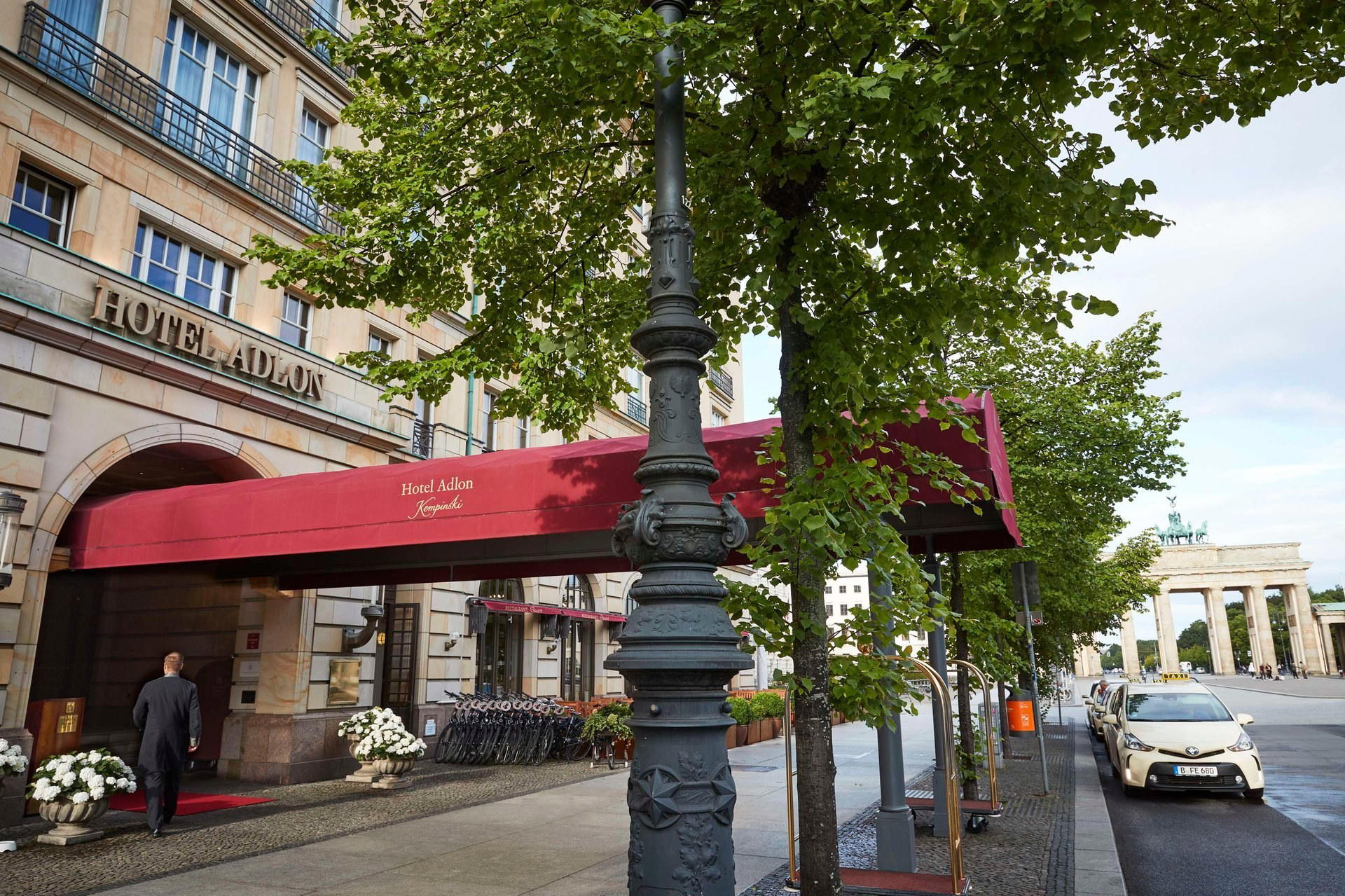
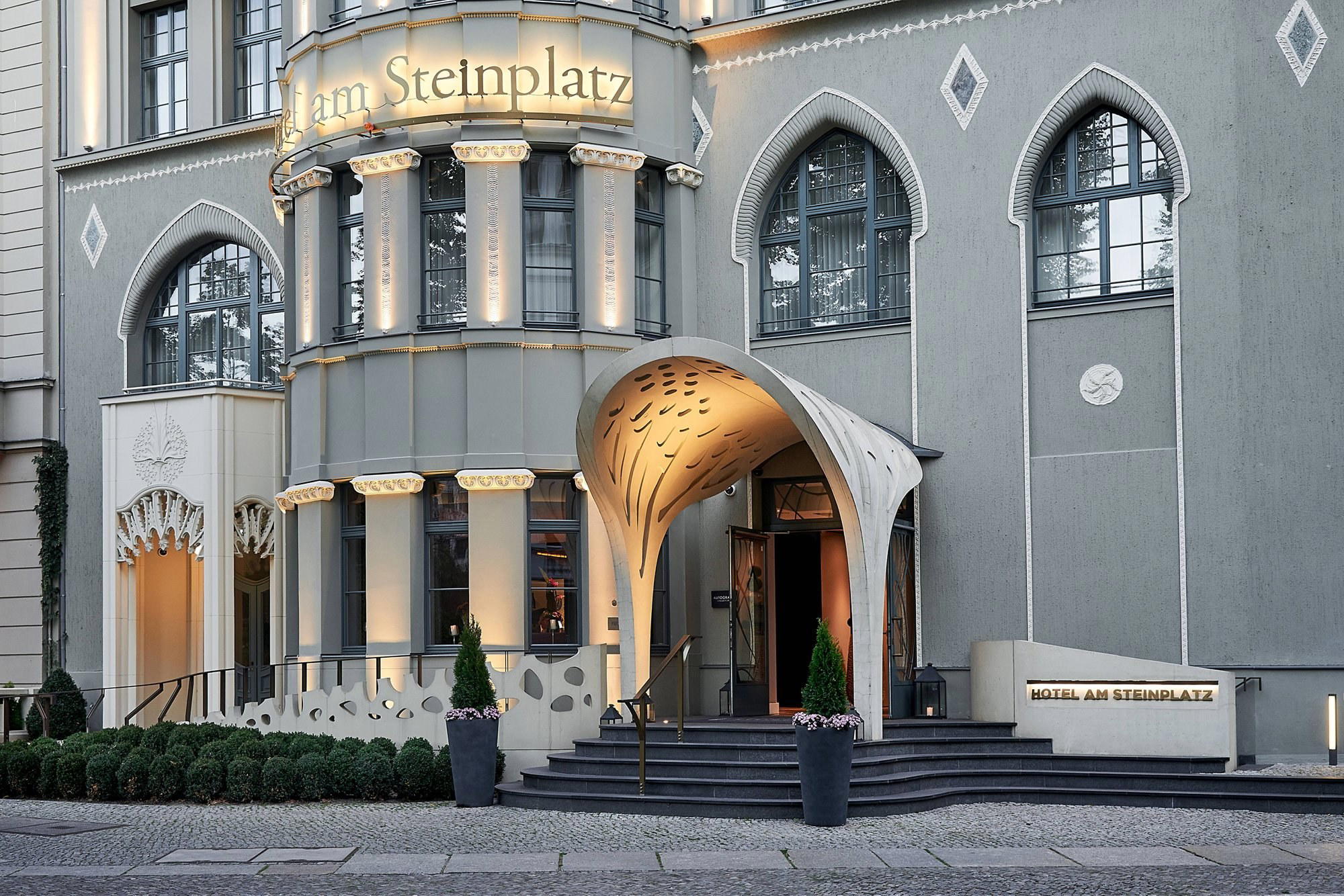
Hotels in Berlin
Browse all →
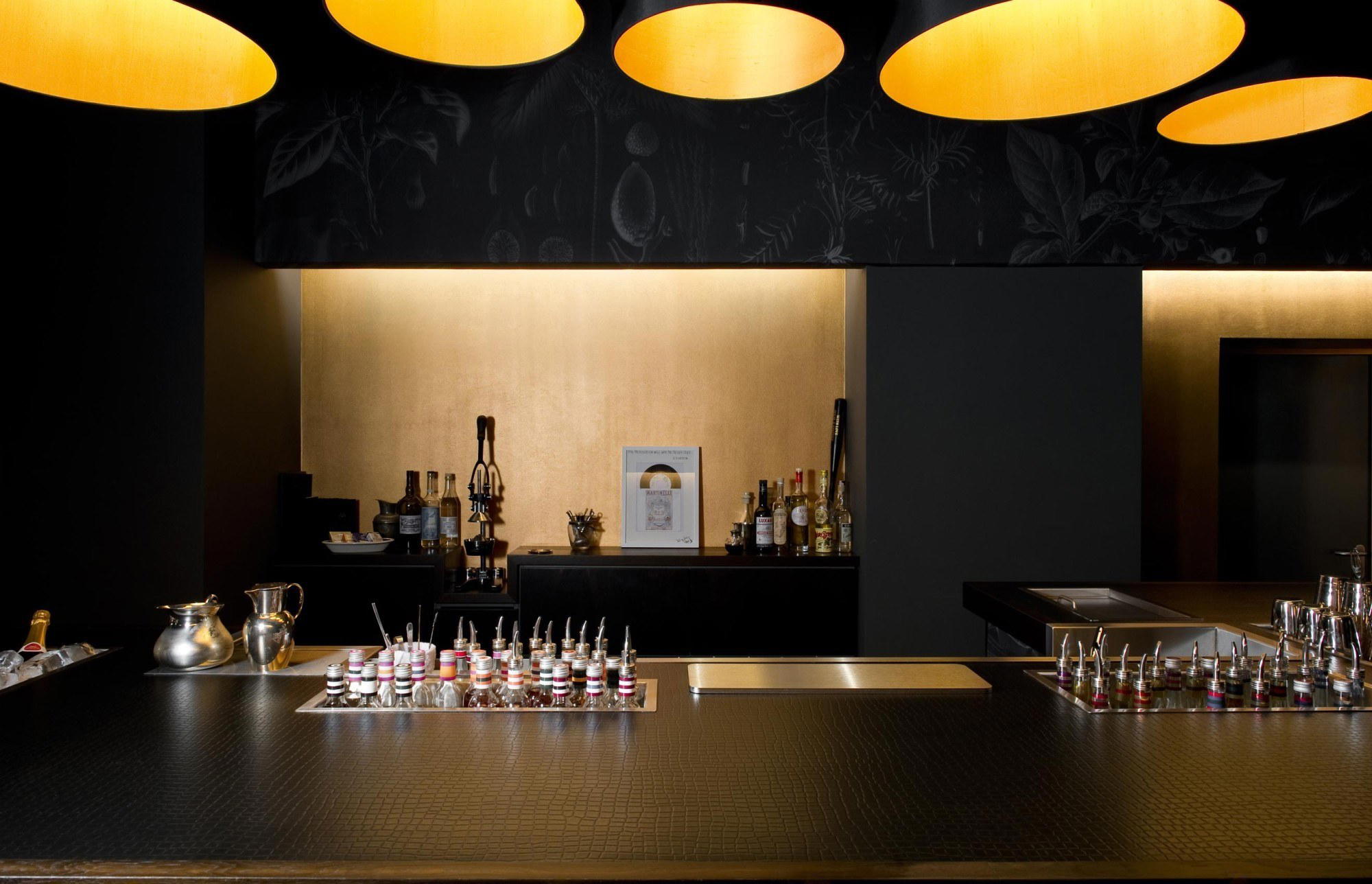
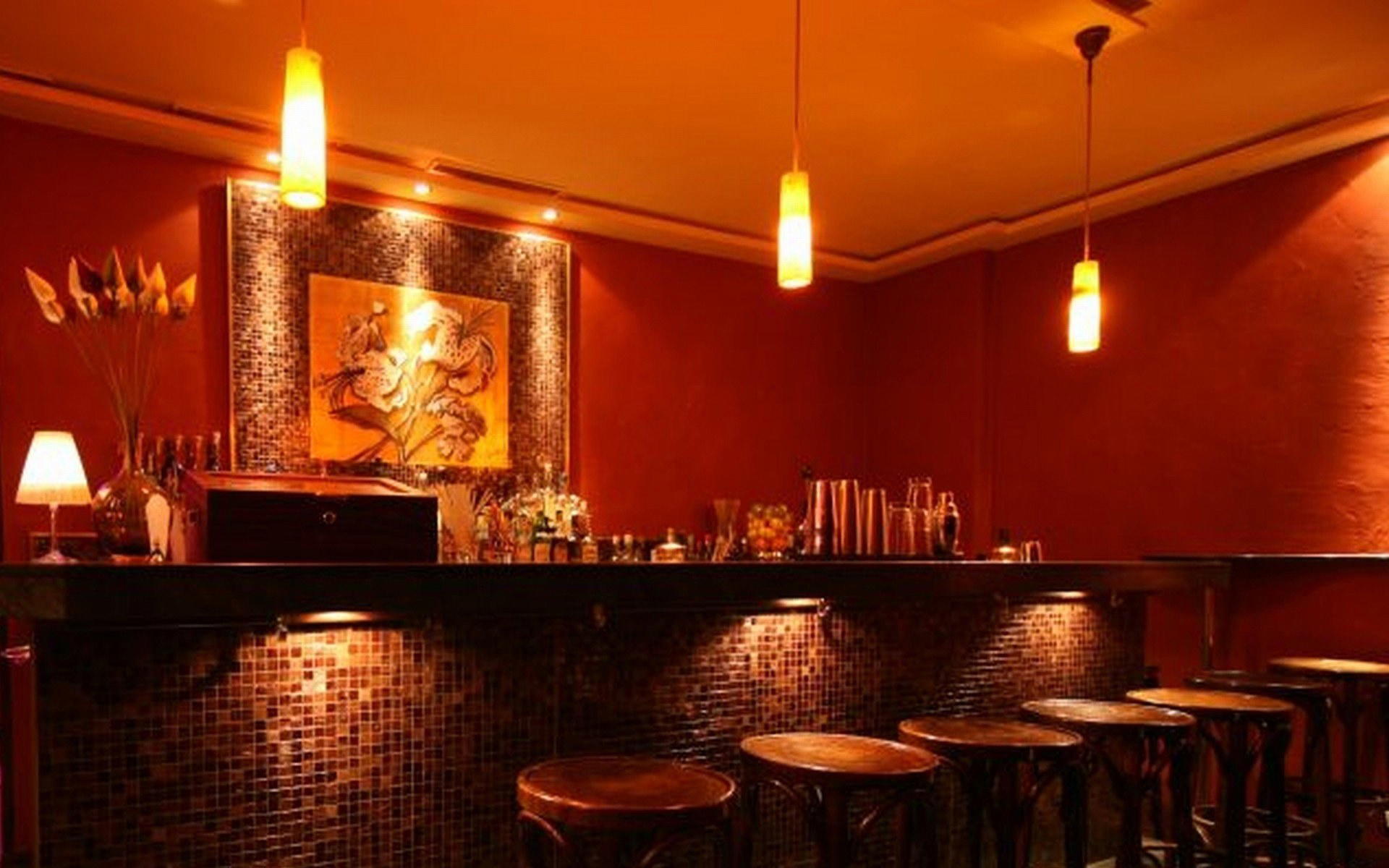
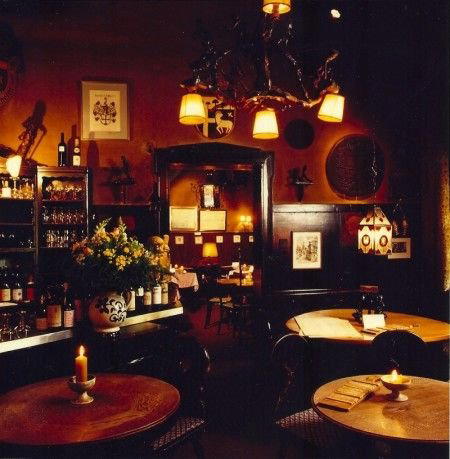
Bars in Berlin
Browse all →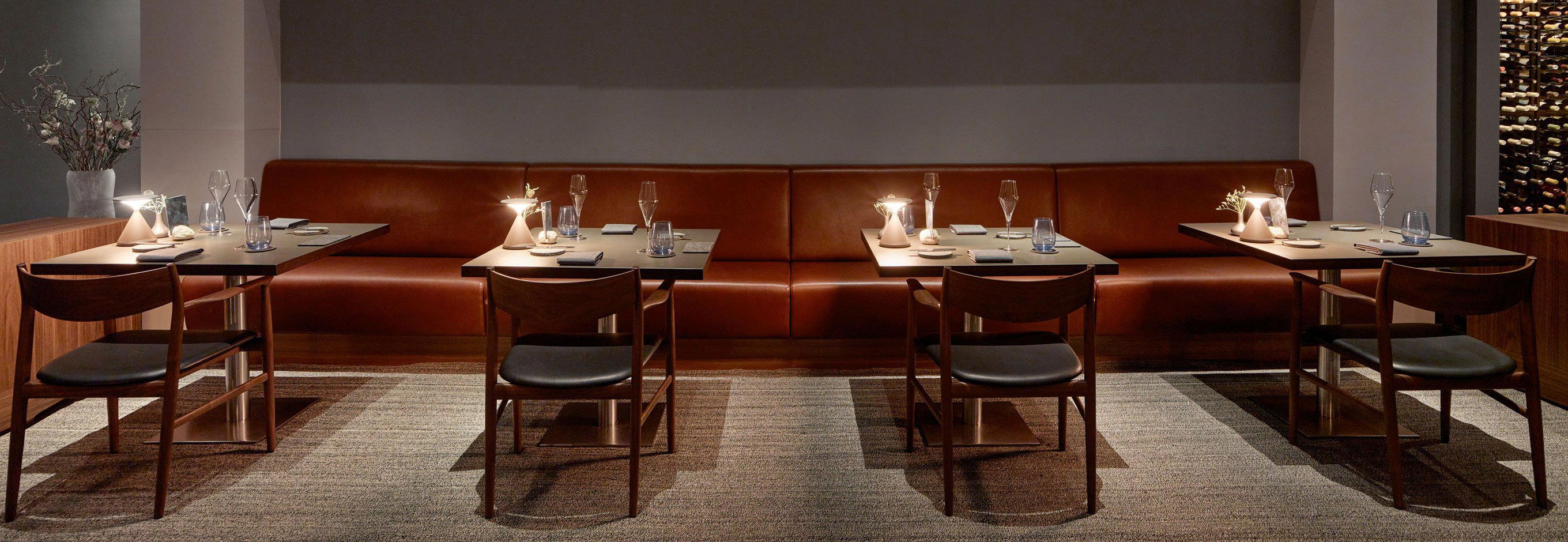
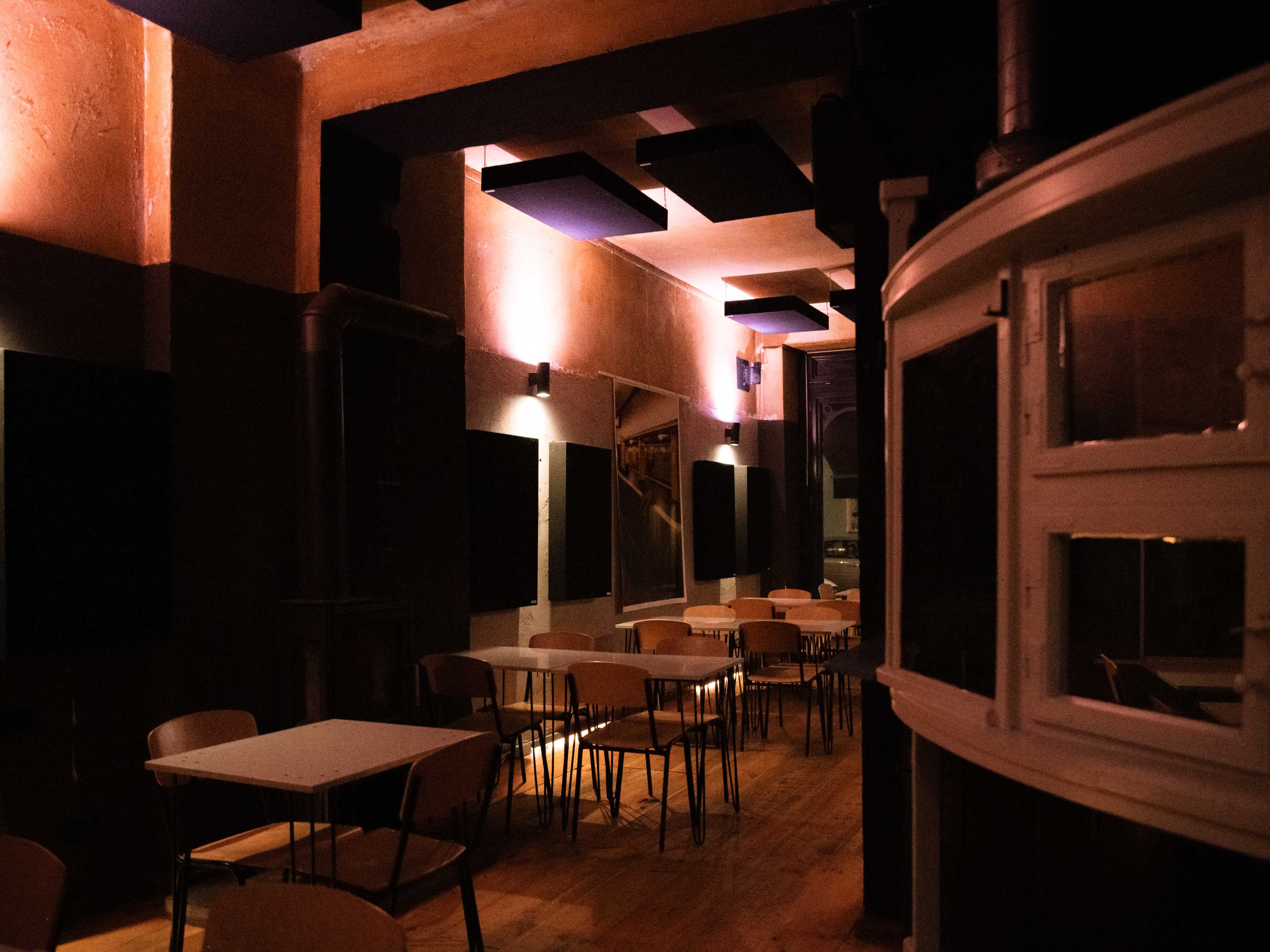
Restaurants in Berlin
Browse all →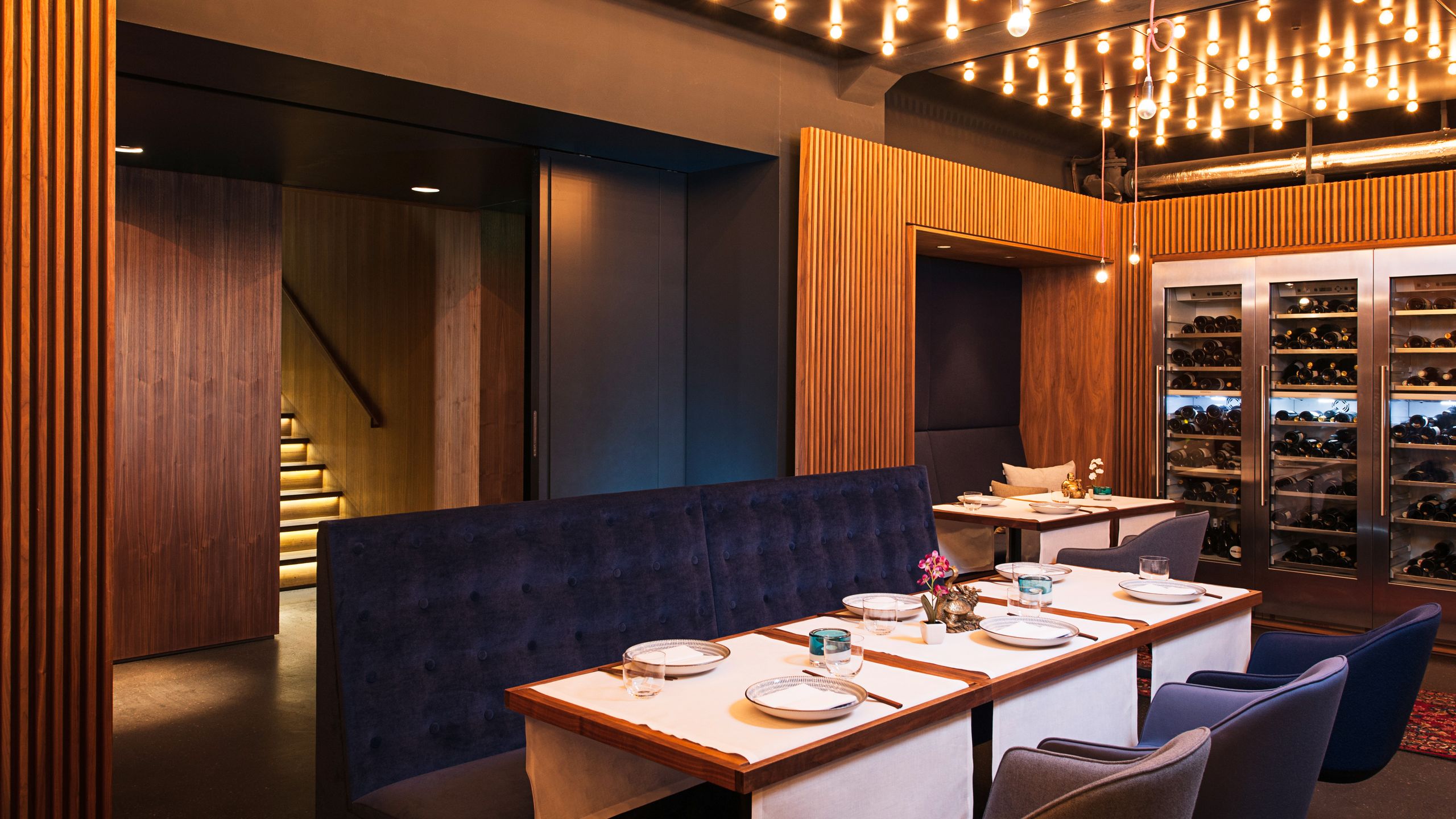
At a Glance
- Modern
- Elegant
- Trendy
- Business Trip
- Weekend Escape
- Design Destination
- Terrace
- Restaurant
- Bar
- Concierge
- 24 Hour Front Desk
- Bicycle Rental
- Street Scene
- Restaurant
- Bar
- Concierge
- 24 Hour Front Desk
- Bicycle Rental
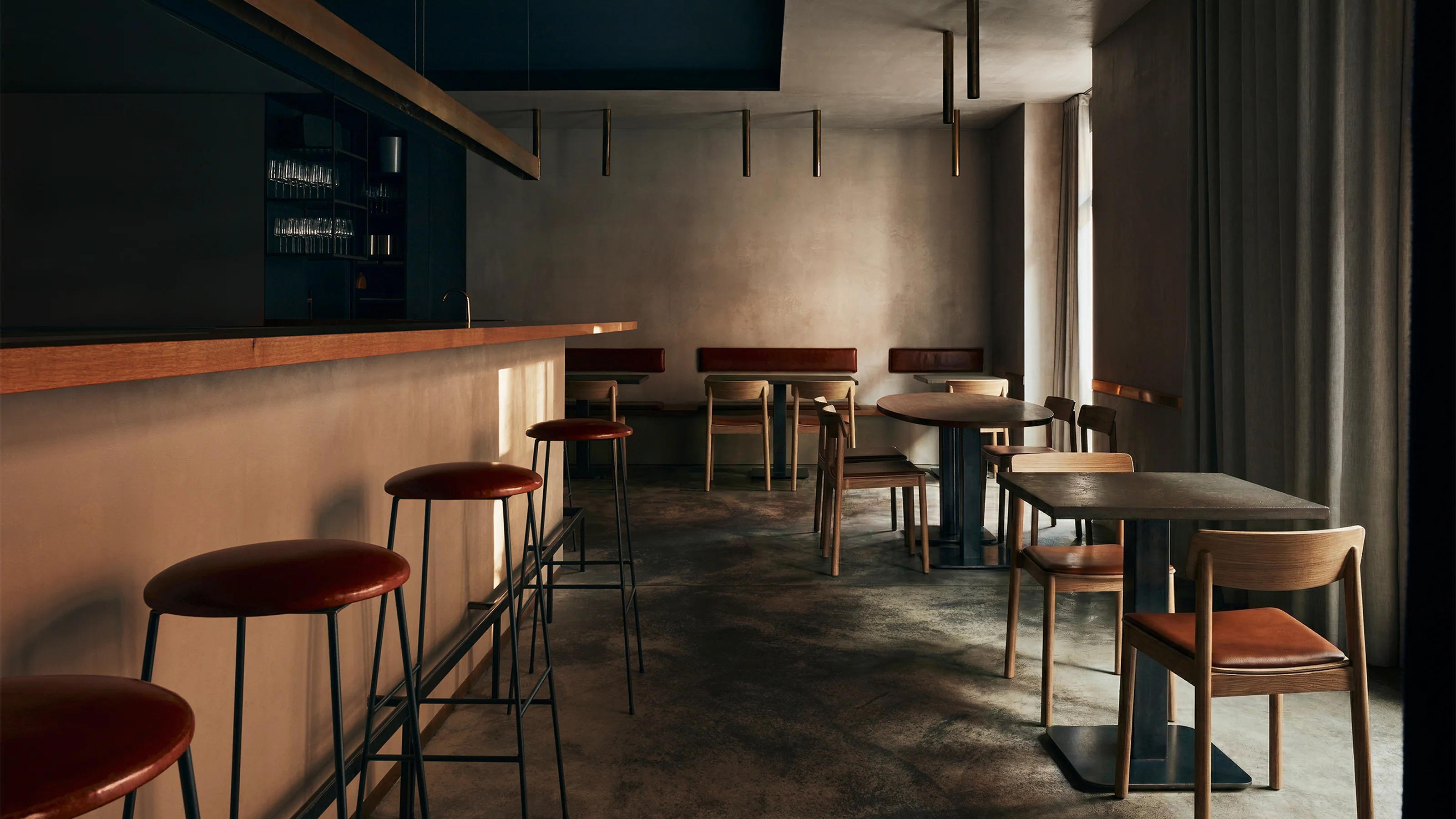
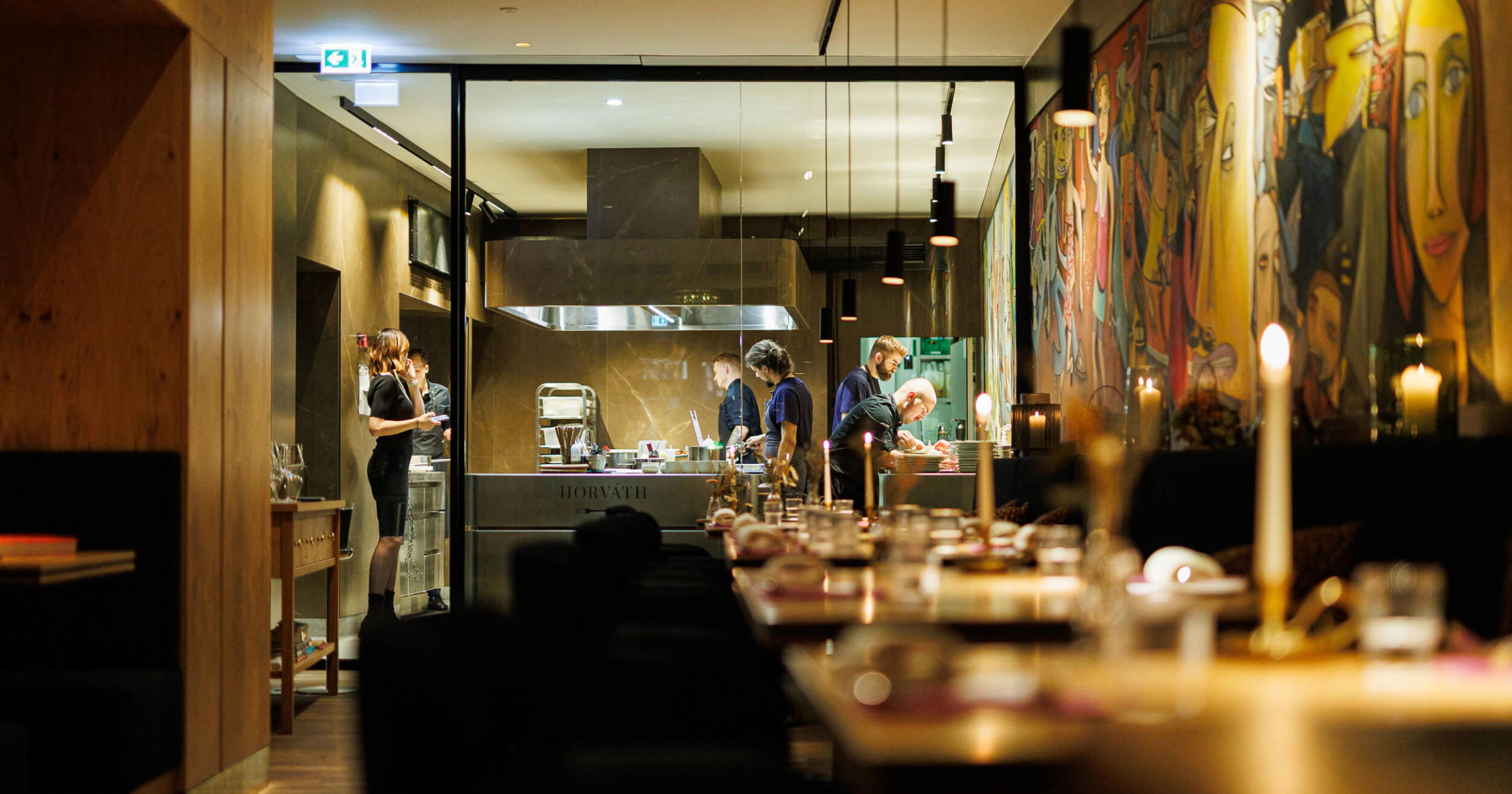
Contemporary and stylish with modern furnishings, sound-proofed windows, and a sophisticated lobby bar creating an upscale urban atmosphere.