





Operating from the same address in Hanoi's French Quarter since 1901, the Sofitel Legend Metropole is the reference point against which every other luxury hotel in the Vietnamese capital measures itself. With 358 rooms split between the colonial Heritage Wing and the neoclassical Opera Wing, seven dining and drinking outlets, and a La Liste Top Hotels 97-point rating, it draws a loyal clientele who return not for novelty but for the accumulated weight of the place.
 Discover on Pearl
Pearl is the En Primeur Club membership app — saves, bookings, and concierge access live there. Same editors, same standards.
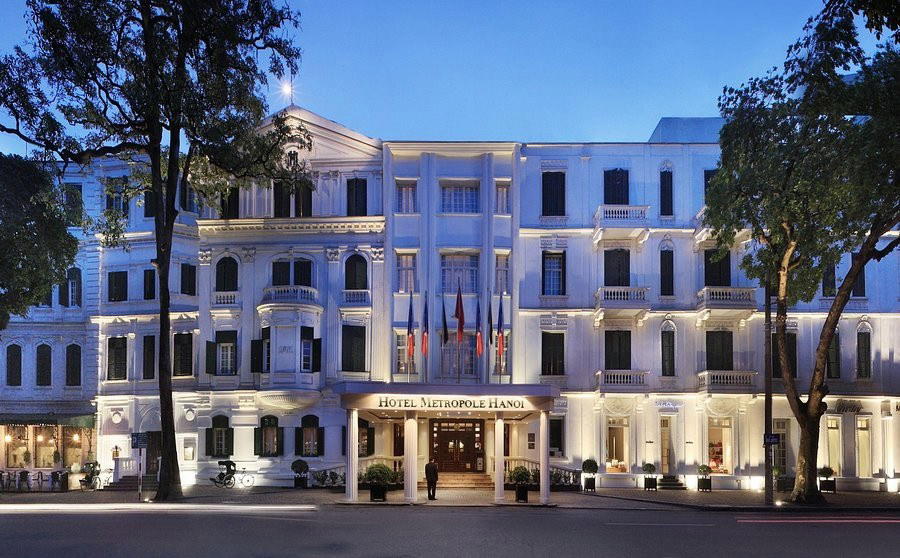
A Century of Habit in Hanoi's French Quarter
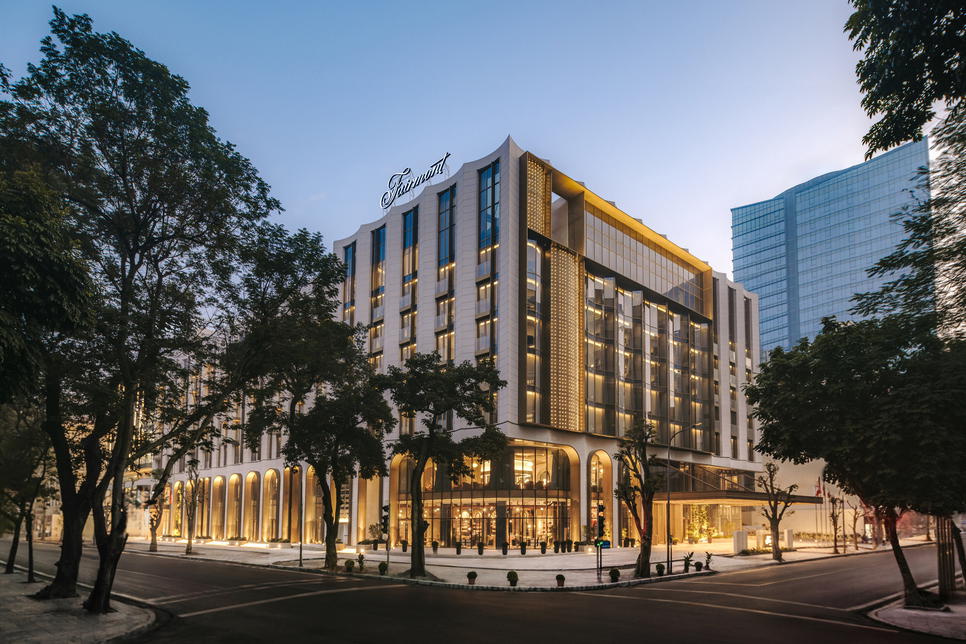
The white classical facade on Ngo Quyen Street does not announce itself aggressively. There are no floodlit towers or oversized signage. What you encounter instead is a building that has been doing what it does since 1901 and has long since stopped needing to impress anyone on first approach. The banyan trees shade the courtyard, the pool catches the afternoon light, and the hum of Hoan Kiem District filters in at a polite remove. For regulars, this calibrated quietness is exactly the point: the Metropole sits a short walk from the city's densest traffic and noise, yet maintains an internal atmosphere that has changed in texture but not in tone across several generations of visitors.
That combination — French Quarter address, colonial-era architecture, and enough institutional memory to have suites named after Graham Greene and Charlie Chaplin — places the Metropole in a category that newer Hanoi properties, however well-designed, cannot replicate on a compressed timeline. The Capella Hanoi and the Hilton Hanoi Opera represent a different model of luxury: contemporary, high-spec, and positioned around current amenity standards. The Metropole's competitive advantage is archival. Its peer set, internationally, is closer to properties like Aman Venice , hotels where the building's own history is the primary product , than to the newer large-format city hotels that have expanded Hanoi's luxury tier over the past decade.
What Keeps Regulars Returning
Loyalty at the Metropole is not accidental. Several rituals have accumulated enough repetition to qualify as Hanoi traditions in their own right, and they operate across different registers of the hotel's programming.
Le Club Bar is the most discussed. Cocktails here function as a social institution rather than a beverage programme, the bar having served as a gathering point for diplomats, correspondents, and long-stay guests across decades. The wartime bunker beneath the hotel, accessible via the Path of History tour, adds a layer of context that most city-centre hotels cannot manufacture: this is a building that sheltered guests during air raids, and the physical evidence is preserved and interpreted. The Metropole has a documented list of illustrious former guests whose stays are woven into the property's public narrative, and that roster continues to attract visitors who are drawn to the historical density of the place as much as to the thread count.
Turn-down service at the Metropole includes macarons as a nightly standard , a small but specific signal of where the hotel positions its expectations. La Terrasse, the Parisian-influenced coffee setting, and the Bamboo Bar, adjacent to the outdoor pool, each have their own rhythm of repeat visitors. None of these venues reinvent anything. What they do is execute with the kind of consistency that makes a traveller reorganise their Hanoi schedule to ensure they arrive in time for a particular drink at a particular table.
The hotel's staff presentation reinforces this sense of rootedness: ao dai uniforms, walls carrying local ceramics and art, and explanatory notes on Vietnamese culture distributed through the property. This is not applied decoration. It reflects a genuine institutional commitment to Vietnamese heritage that distinguishes the Metropole from Hanoi's international-brand competitors, including the JW Marriott Hotel Hanoi and the InterContinental Hanoi Landmark72, which operate at comparable price points but from a very different architectural and cultural starting position.
The Two Wings and How They Differ
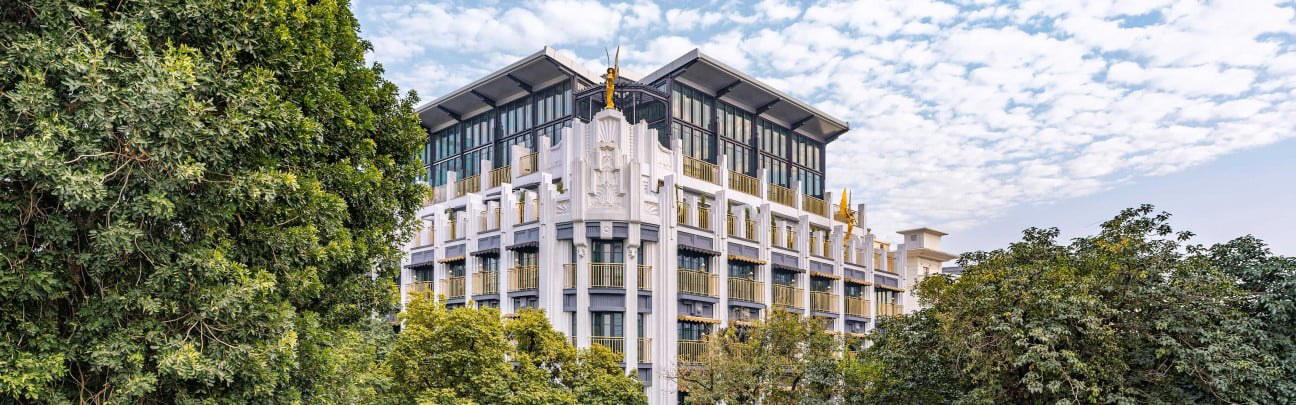
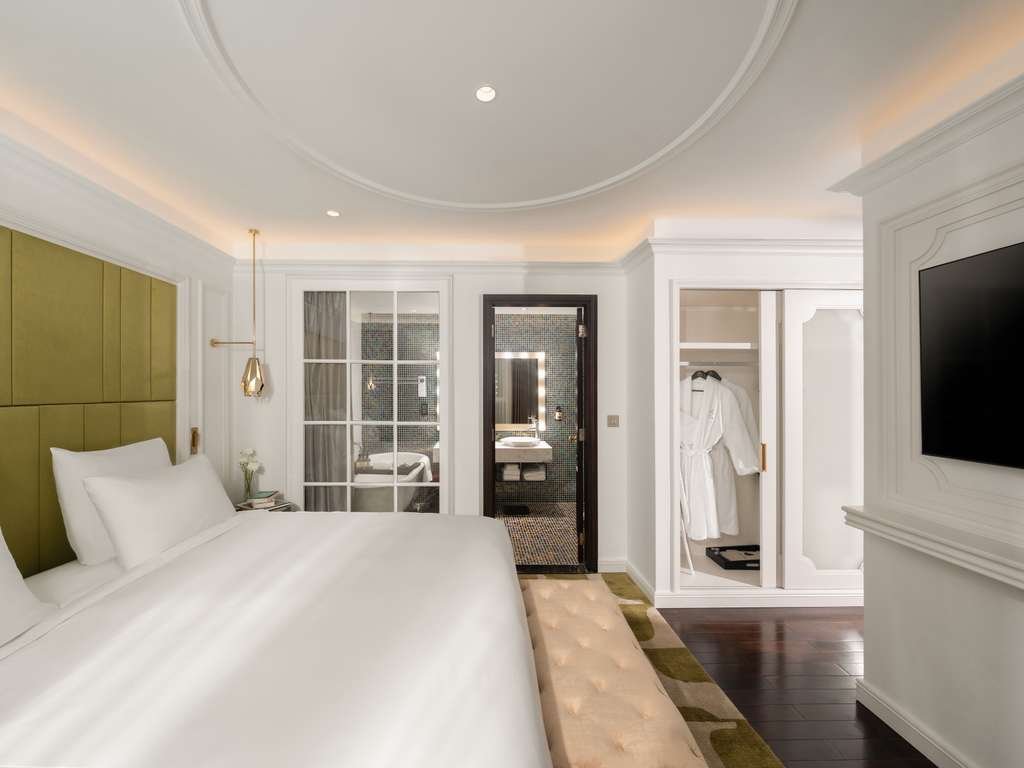
The 358 rooms and suites divide between the Heritage Wing and the Opera Wing in ways that matter for how a stay actually feels. The Heritage Wing is the original 1901 structure, restored over nearly two years to recover its colonial-era character: polished wood, creaking central stairs, Indochine-period magazine covers framed in corridors, and six Metropole Suites that occupy the most historically significant spaces in the building. Three Legendary Suites , the Somerset Maugham Suite among them , carry their own private-garden or singular artwork details. The Somerset Maugham Suite includes an original painting by Joan Baez, a piece of provenance that has no equivalent in Hanoi's newer properties.
Opera Wing takes its name from the proximity to the Hanoi Opera House and offers neoclassical contemporary rooms with the practical advantage of soundproofed windows , relevant in a location where the city's street-level activity filters in regardless of the hour. Light sleepers, particularly during the hotel's high-occupancy periods around the Christmas and New Year holiday window (when rooms are consistently booked out), are better served by the Opera Wing's acoustic insulation. The Heritage Wing's atmosphere is more arresting, but that comes with the trade-off of older construction that does not dampen traffic noise to the same degree.
Dining and the Food and Drink Programme
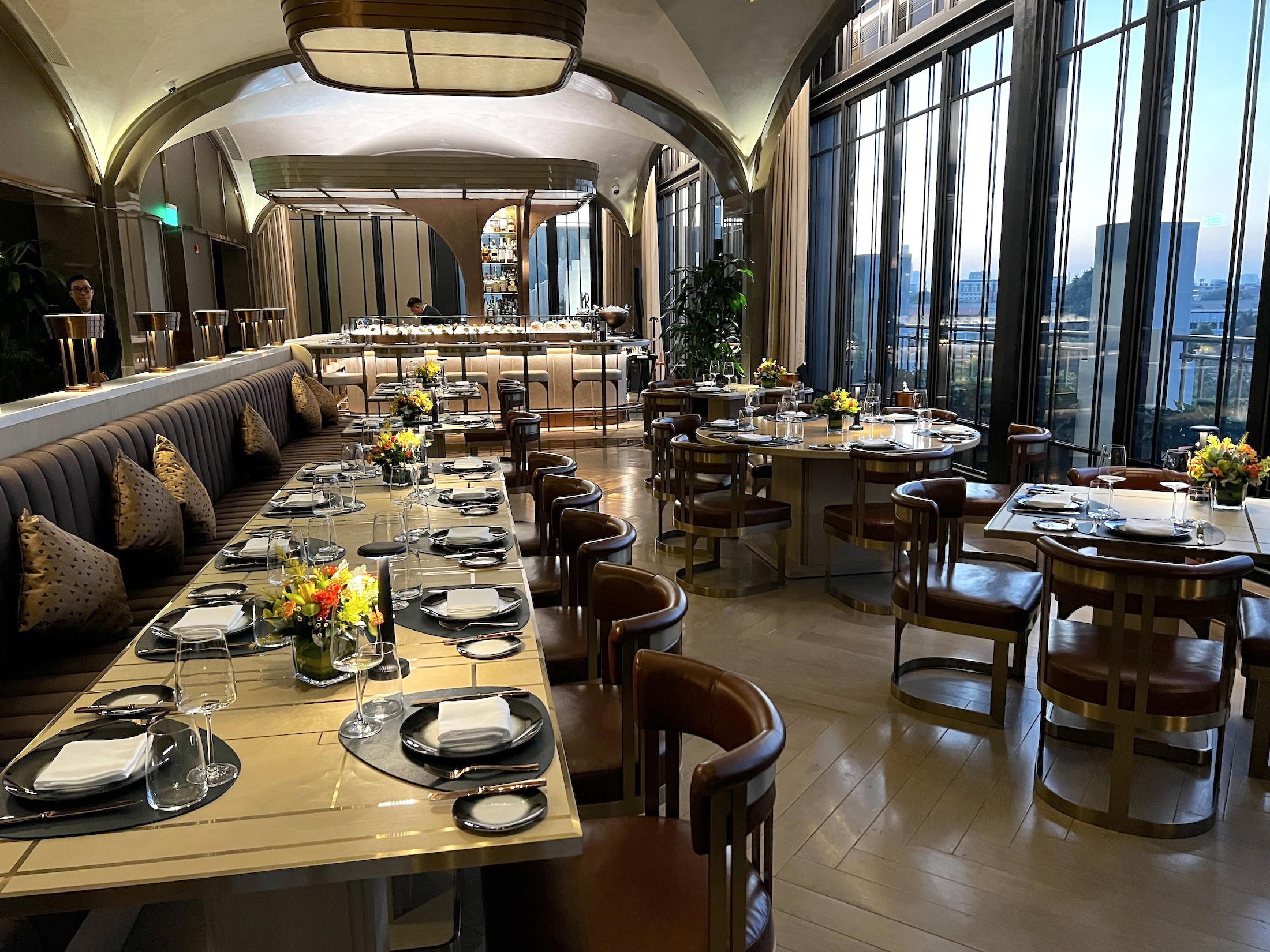
Seven outlets across the property cover a range wide enough that most guests find at least two or three they return to on each stay. Le Beaulieu handles French; Spice Garden addresses Vietnamese; Angelina Cocktail Bar and the Whisky Lounge and Restaurant (European and New World) operate as the more specialist drinking and dining propositions. L'Orangerie and Le Club Bar complete the roster. For Hanoi's broader dining and bar scene, see our full Hanoi restaurants guide.
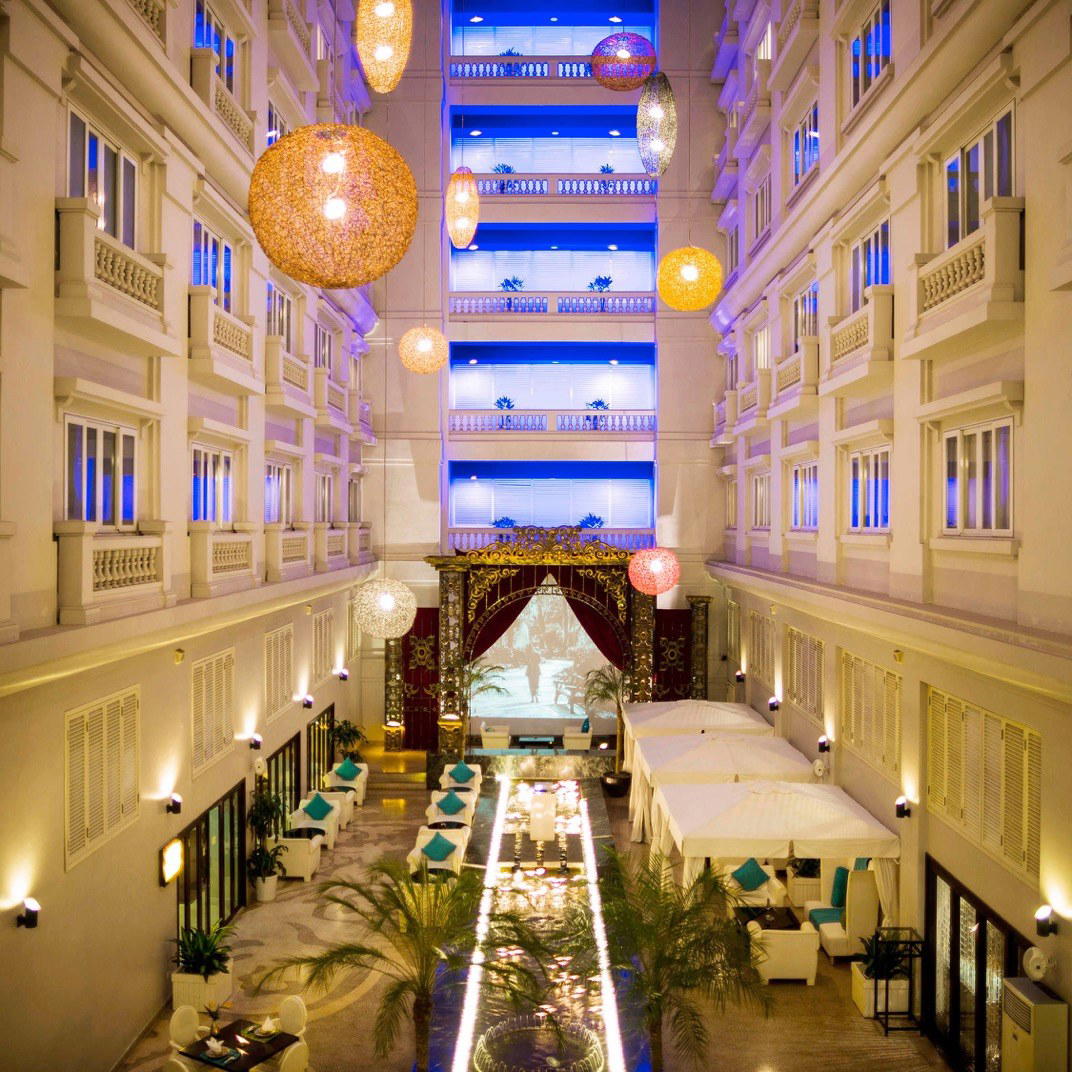
The kitchen programme runs in parallel with a wellness offer that is more developed than most city-centre hotels in Vietnam. Le Spa du Metropole is described in inspector notes as a specialist urban retreat, with ritual options including a Jet-lag Recovery treatment and a Vietnamese Journey. The SoFIT fitness centre was positioned as the first upscale boutique fitness centre in the country at its launch, and the Life Fitness cardiovascular equipment , each machine with a personal LCD screen , represents a level of specification that signals the hotel's expectations about the physical amenity standards its clientele requires. An outdoor pool, sauna, and sun-bed arrangement complete the leisure offer, all arranged around the central courtyard garden.
Positioning and Peer Context
La Liste placed the Metropole at 97 points in its 2026 Leading Hotels ranking , a specific, externally verifiable credential that positions it at the upper end of Hanoi's hotel market and within a global frame of reference for heritage luxury. Within Vietnam, the comparison set for properties operating with this combination of historical depth and physical scale is short. Azerai La Residence in Hue and the Dalat Palace Heritage Hotel share the colonial-era positioning, but neither operates at the Metropole's urban scale or depth of F&B; programming. The Hotel de l'Opera MGallery offers a comparable French Quarter address at a lower price point, and the Essence d'Orient Hotel and Spa and Hanoi Royal Palace Hotel 2 represent the boutique alternative for those who prioritise smaller-scale intimacy over institutional weight.
For travellers extending into the rest of Vietnam, the Metropole functions as the natural anchor for a country-wide itinerary. From Hanoi, a logical progression might include Amanoi in Vinh Hy, the Almanity Hoi An Wellness Resort, Anantara Quy Nhon Villas, or the Amiana Resort Nha Trang. Those heading north-east might consider the Hilton Quang Hanh Onsen Resort in Cam Pha. Southbound itineraries that include Amanaki Saigon, the Asteria Mui Ne Resort, or Banyan Tree Lang Co pair well with the Metropole as a northern starting point. The Emeralda Resort Ninh Binh is the closest day-trip or short-break option from Hanoi for those wanting to contrast the capital's density with the limestone karst scenery of the countryside.
Planning Your Stay
The hotel is part of Accor's Legend collection and sits at 15 Ngo Quyen Street in the Hoan Kiem District, within walking distance of Hoan Kiem Lake and the Hanoi Opera House. Limousine transfers from Noi Bai International Airport are available at additional cost, bookable through the hotel's concierge. The 24-hour room service, in-house doctor, business centre, and dry cleaning service reflect the profile of a property that handles extended stays and corporate itineraries as comfortably as leisure travel. La Boutique, the in-house retail space in the Heritage Wing, stocks lacquerware, silk, raw linen, jewellery, and accessories from Vietnamese designers and artisans. Google Reviews currently sits at 4.7 across more than 5,400 ratings, which at that volume represents a consistent cross-section of guest experience rather than a curated sample.
Similar Picks
A small set of peers for context, based on recorded venue fields.
| Venue | Cuisine | Price | Notes |
|---|---|---|---|
| Sofitel Legend Metropole Hanoi | This venue | ||
| Capella Hanoi | |||
| JW Marriott Hotel Hanoi | |||
| Park Hyatt Saigon | |||
| Pullman Danang Beach Resort | |||
| Regent Phu Quoc |
At a Glance
- Elegant
- Classic
- Sophisticated
- Opulent
- Iconic
- Honeymoon
- Romantic Getaway
- Anniversary
- Business Trip
- Historic Building
- Rooftop Pool
- Terrace
- Butler Service
- Pool
- Spa
- Fitness Center
- Room Service
- Concierge
- Business Center
- Valet Parking
- Garden
- Street Scene
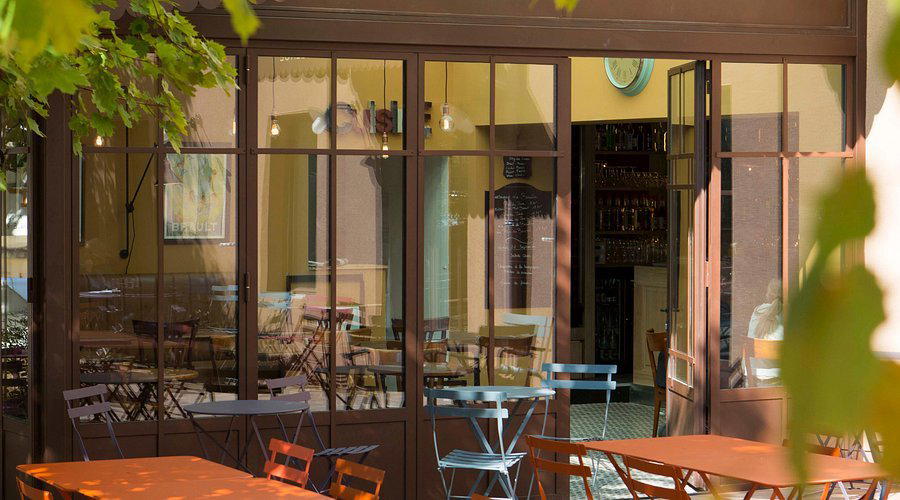
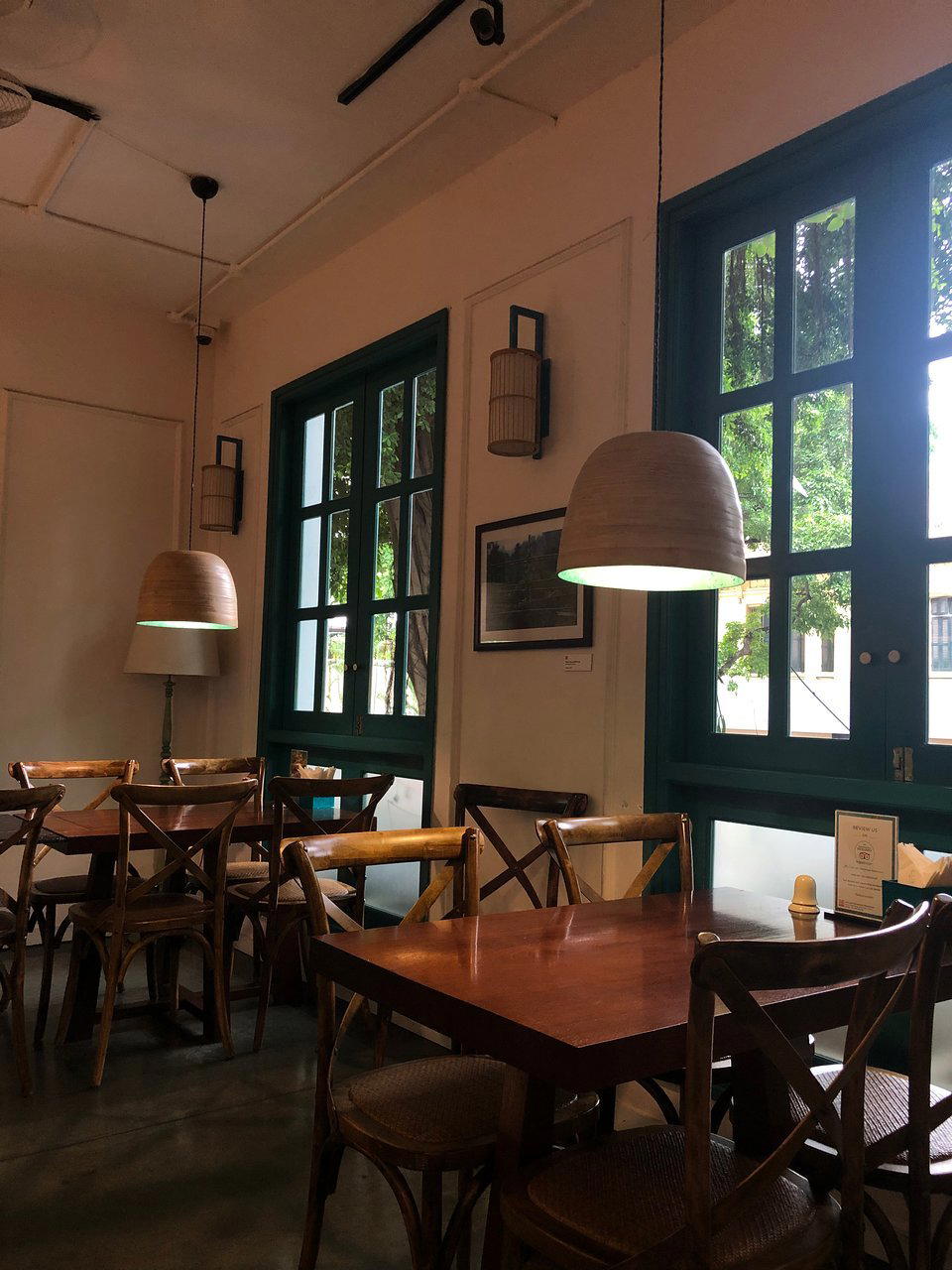
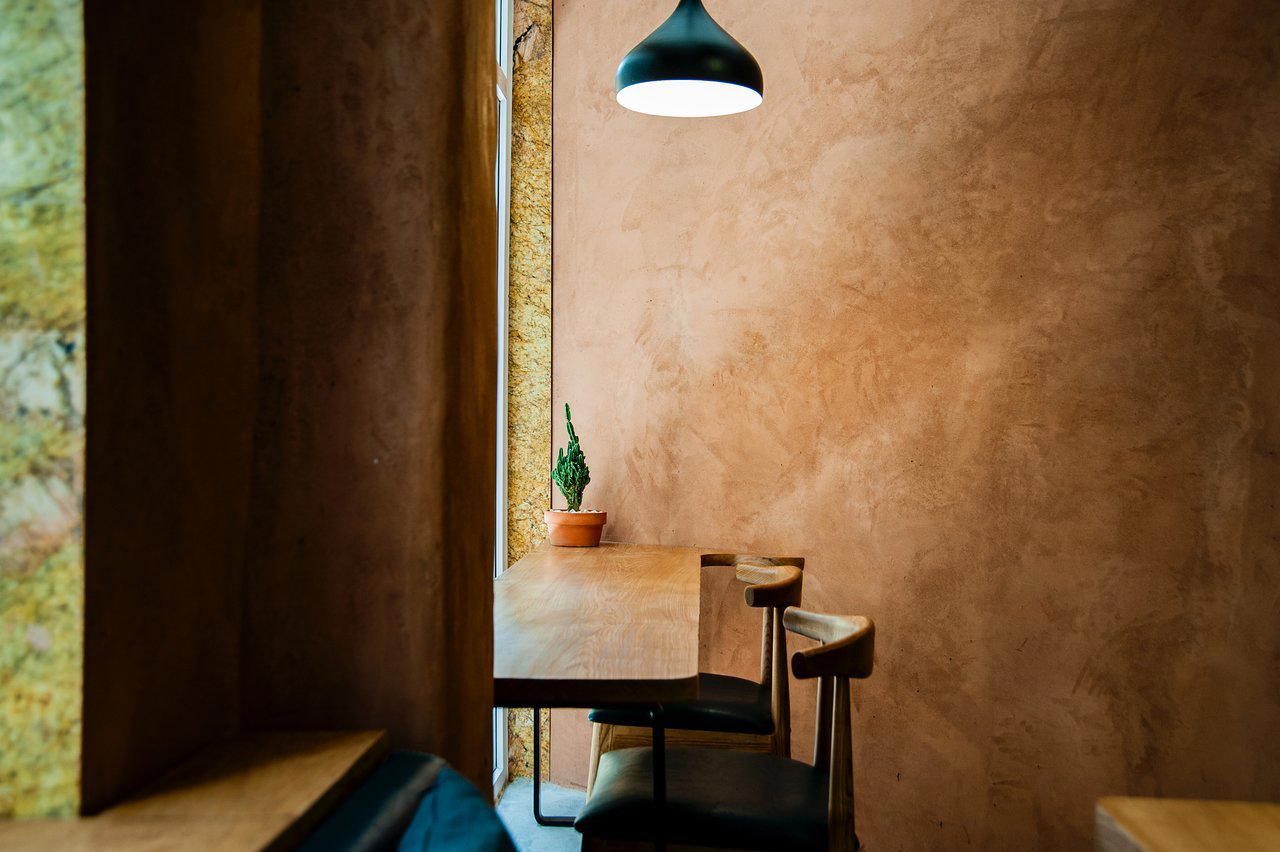
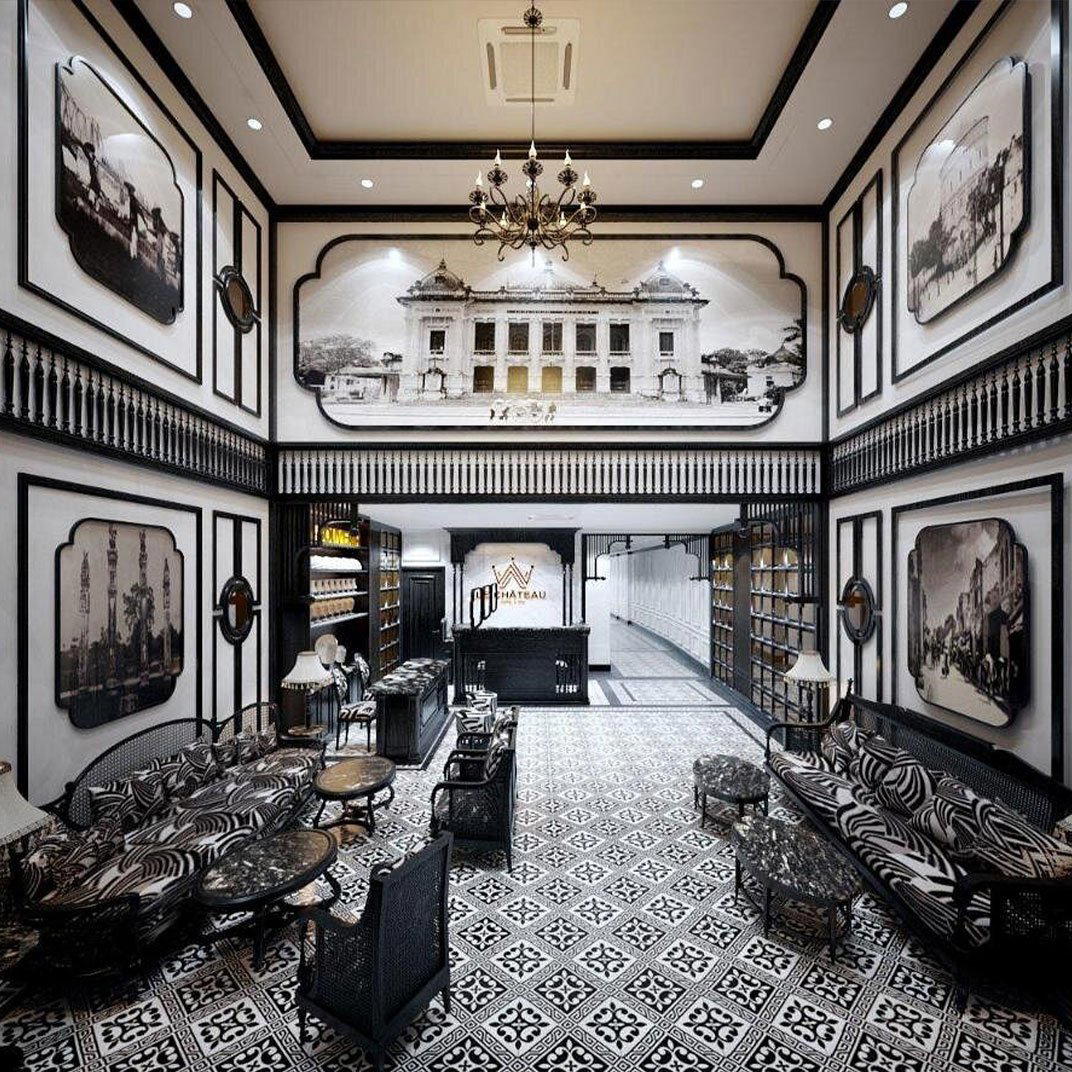
Elegant French colonial charm with neoclassical opulence, serene courtyard lighting, and timeless inviting atmosphere.