Positioned on Tạ Hiện Street in Hanoi's Old Quarter, Essence d'Orient Hotel & Spa sits at the centre of one of Southeast Asia's most concentrated historic districts. The property's spa-forward identity and oriental design aesthetic place it within a small cohort of boutique hotels that prioritise atmosphere and wellness over brand affiliation. Travellers who value proximity to the Old Quarter's street-level character will find this address hard to overlook.
- Address
- 22A P. Tạ Hiện, Hàng Buồm, Hoàn Kiếm, Hà Nội 100000, Vietnam
- Phone
- +84 24 3935 2485
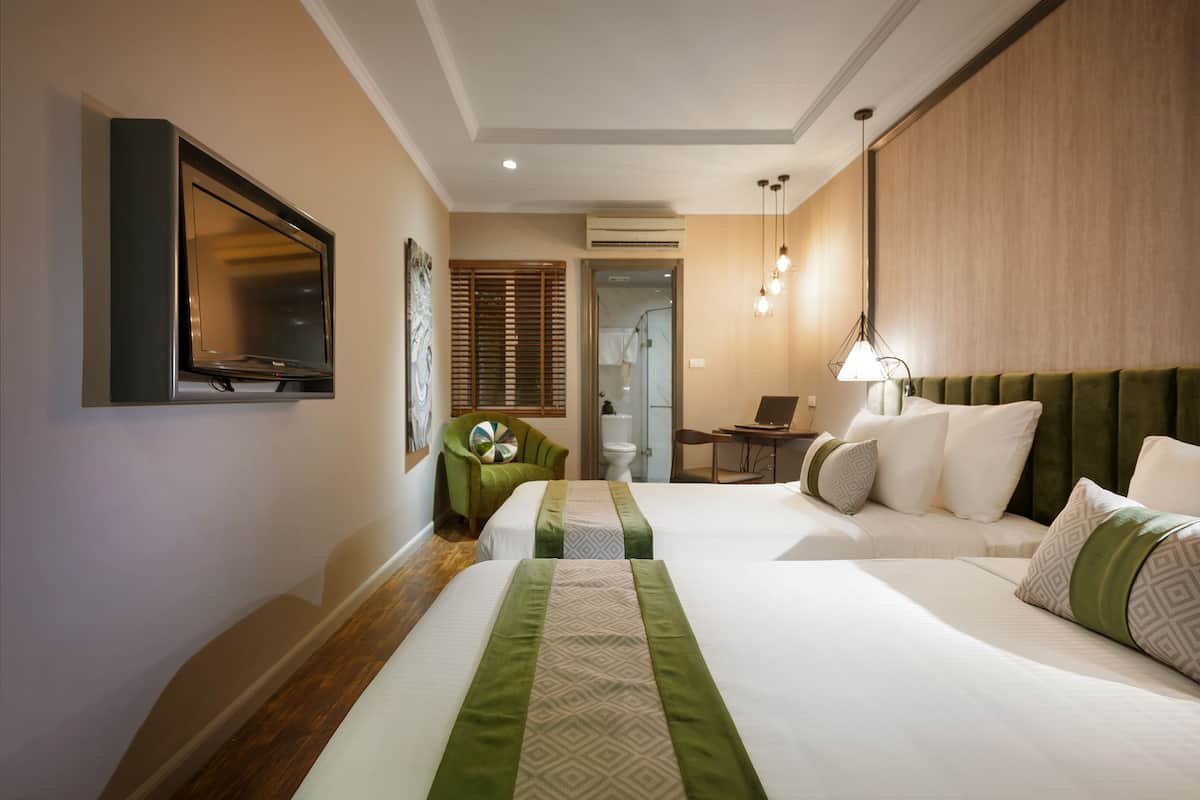
Old Quarter Address, Boutique Scale
Hanoi's Old Quarter operates on a different logic from the city's newer hotel corridors. The 36 guild streets of Hoàn Kiếm district compress centuries of merchant history into a walkable grid where the gap between a heritage guesthouse and a design-led boutique property can be a single doorstep. Essence d'Orient Hotel & Spa occupies that second category, positioned on Tạ Hiện Street, a lane that functions as one of the Old Quarter's most active evening circuits, while presenting an interior identity rooted in oriental craft and spa programming rather than the international-brand playbook.
That positioning matters because Hanoi's premium accommodation market has split into two largely separate tiers. The first is anchored by large international flags: properties like Hilton Hanoi Opera, JW Marriott Hotel Hanoi, and InterContinental Hanoi Landmark72 that trade on global loyalty programmes, full-scale conference facilities, and predictable service standards. The second tier is smaller, place-specific, and often defined by neighbourhood embeddedness rather than facility breadth. Essence d'Orient sits firmly in the second category, closer in character to the design-led boutiques proliferating across Hội An and Huế than to Hanoi's corporate towers.
The Old Quarter as Context
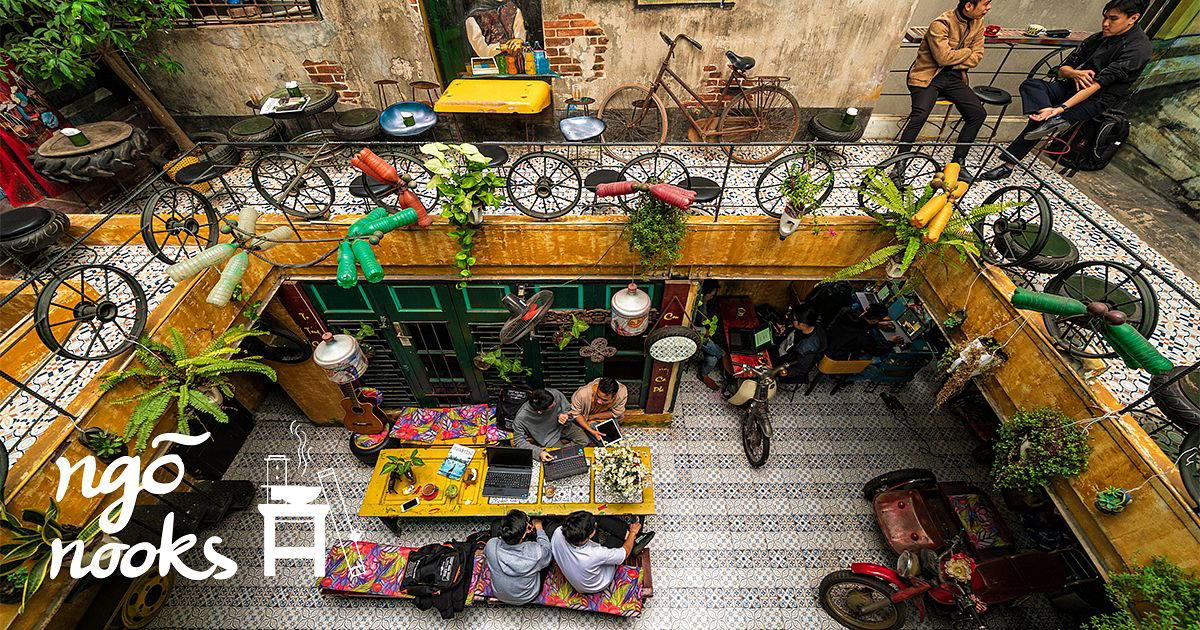
Understanding where Tạ Hiện sits within the Old Quarter is practical intelligence for travellers weighing their options. The street runs parallel to Hàng Buồm and sits within easy walking distance of Hoàn Kiếm Lake, the Đồng Xuân Market, and the dense network of speciality streets that give the district its character. At night, Tạ Hiện draws significant foot traffic as one of the area's informal social hubs, which means the hotel's street-level environment is animated rather than quiet. Travellers who prefer a calmer base after dark may want to factor that into their decision; those who want immediate immersion in the neighbourhood's rhythm will find the address convenient in a way that more peripheral hotels cannot replicate.
Compared with properties like Capella Hanoi, which draws on French colonial architecture and a more insulated luxury format, or Hotel de l'Opera - MGallery Hanoi with its operatic heritage positioning, Essence d'Orient operates at a different register: closer to the street, more directly connected to the Old Quarter's merchant-district texture, and oriented toward guests who treat neighbourhood access as part of the accommodation value.
Dining in the Old Quarter Context
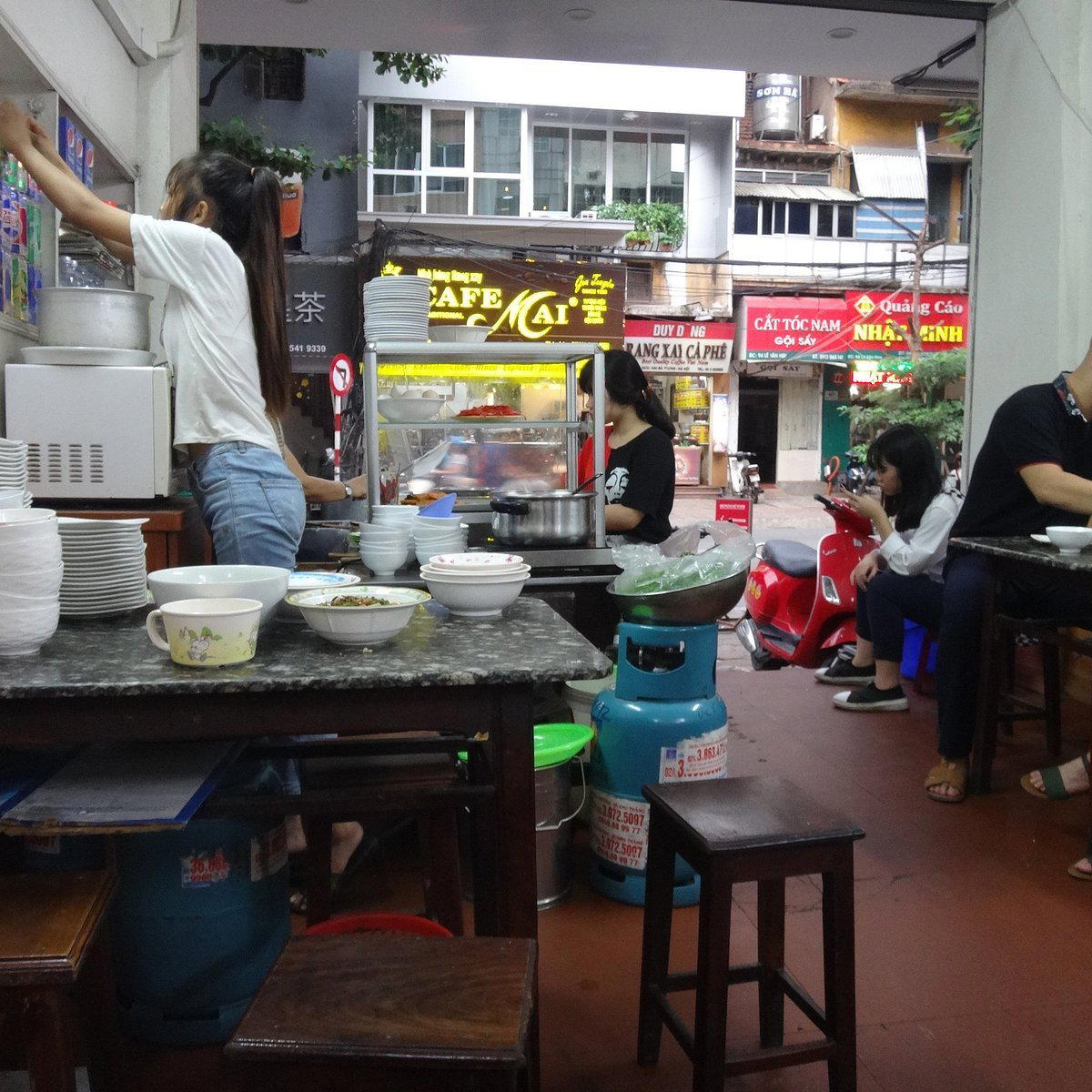
The editorial angle on hotel dining in this part of Hanoi requires a degree of honesty: the Old Quarter's street-food density is so high that any hotel restaurant operates in direct competition with particularly compelling food in Southeast Asia available within metres of the front door. Bún chả stalls, phở counters serving bowls from pre-dawn, and bánh mì vendors that draw queues from early morning all operate within the immediate neighbourhood. A hotel dining programme in this environment succeeds not by trying to replicate street food but by offering something structurally different, a more composed setting, a longer format, or a specific culinary perspective that the street cannot provide.
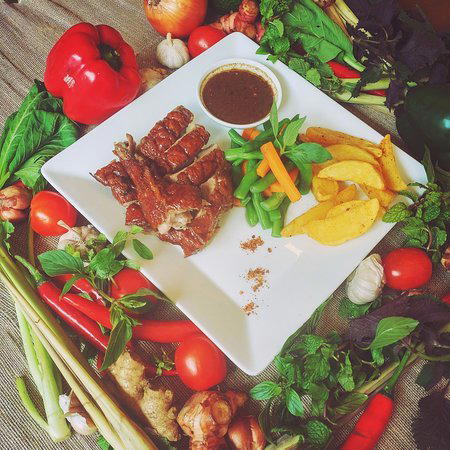
What can be said with confidence is that the hotel's spa-and-wellness identity, combined with its boutique scale, typically correlates with dining programmes that lean toward lighter Vietnamese preparations or a pan-Asian register rather than the heavy-format tasting menus more common at properties like InterContinental Hanoi Westlake by IHG. For travellers whose primary dining interest is the Old Quarter itself, the hotel's location is its strongest culinary asset: our full Hanoi restaurants guide maps the neighbourhood's leading options in detail.
Spa Identity and Wellness Positioning
Across Vietnam's boutique hotel sector, spa programming has become one of the primary differentiators between properties at similar price points. Hotels from Almanity Hoi An Wellness Resort in the centre to Amanoi in Vinh Hy on the coast have built their identities around treatment depth and ritual programming rather than room count or brand recognition. Essence d'Orient signals a similar orientation through its name and its spa designation, positioning itself within that wellness-forward cohort rather than the business-hotel tier.
In an Old Quarter context, that is a meaningful distinction. Most of the district's accommodation stock prioritises location efficiency over amenity depth. A property that combines Hoàn Kiếm proximity with a credentialled spa offer occupies a gap in the local market, serving travellers who want both neighbourhood immersion and some form of in-house recovery.
Placing Essence d'Orient in the Broader Vietnam Circuit
Hanoi increasingly functions as the northern anchor for itineraries that move down Vietnam's spine, connecting to heritage sites at EMERALDA RESORT NINH BINH in Ninh Binh, French colonial atmosphere at Azerai La Residence, Hue, and coastal resort properties further south including Anantara Quy Nhon Villas and Amiana Resort Nha Trang. Within that circuit, a Hanoi base at a boutique Old Quarter property serves a specific function: it anchors the northern section of the trip in the neighbourhood where the city's history is most legible, before the itinerary transitions toward beach or mountain formats.
For travellers building a Vietnam itinerary that ends in the south, options such as the Amanaki Saigon Boutique Hotel in Ho Chi Minh City offer a comparable boutique sensibility at the other end of the journey. The Hilton Quang Hanh Onsen Resort in Cam Pha and Banyan Tree Lăng Cô represent the resort tier for travellers whose itinerary includes the north-central coast.
Planning a Stay
Essence d'Orient Hotel & Spa is located at 22A Tạ Hiện Street, Hàng Buồm Ward, Hoàn Kiếm District, Hanoi. The address places it at the heart of the Old Quarter, within walking distance of Hoàn Kiếm Lake and the majority of the district's key sites. Tạ Hiện is accessible by taxi and ride-hailing services; the street itself is pedestrianised at certain hours during peak evenings, which affects vehicle access. Travellers comparing this tier of Old Quarter boutique hotel with larger Hanoi properties may also consider Hanoi Royal Palace Hotel 2 and Lotte Hotel Hanoi as reference points in adjacent categories.
A Pricing-First Comparison
Comparable venues nearby, for context on price, style, and recognition.
| Venue | Price | Awards | Notes |
|---|---|---|---|
| Essence d'Orient Hotel & SpaThis venue — the venue you are viewing | $$$ | 4-Star | Not listed |
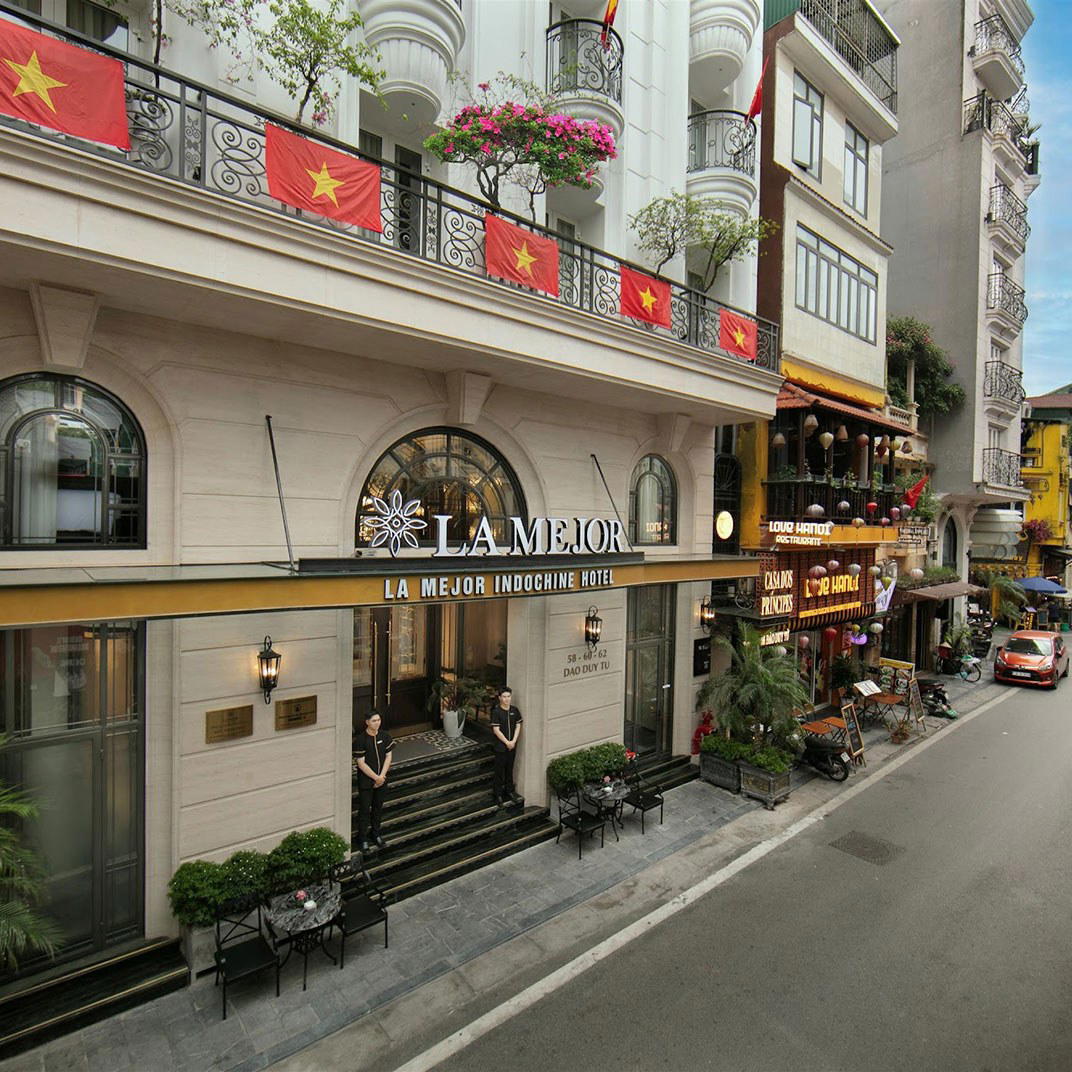
| La Mejor Indochine Hotel | $$$ | 5-Star | Hoan Kiem, Indochine style blending colonial French architecture with traditional Vietnamese aesthetics |
| La Passion Premium Cau Go | $$$ | 4-Star | Hoan Kiem, Modern luxury boutique with Indochinese influences |
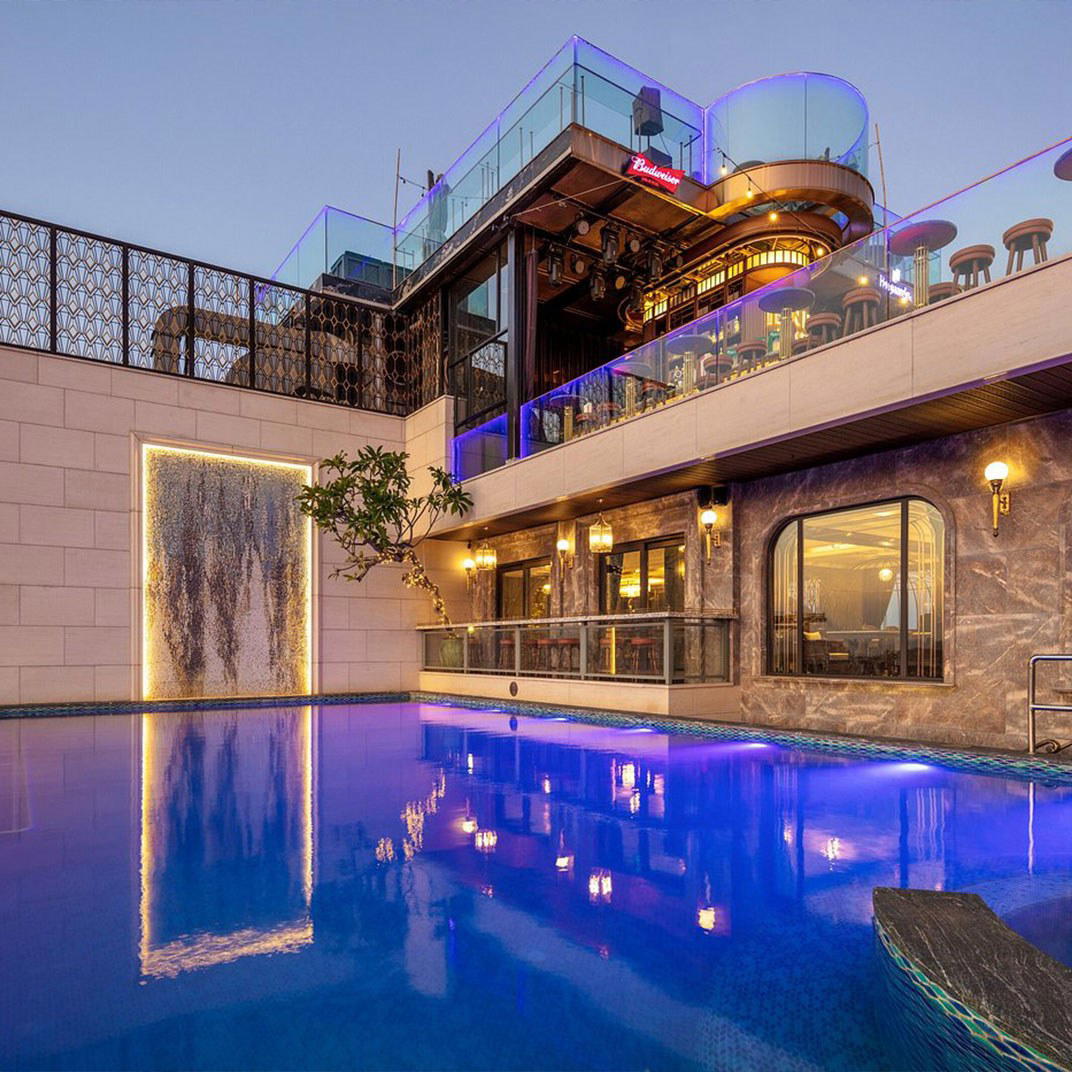
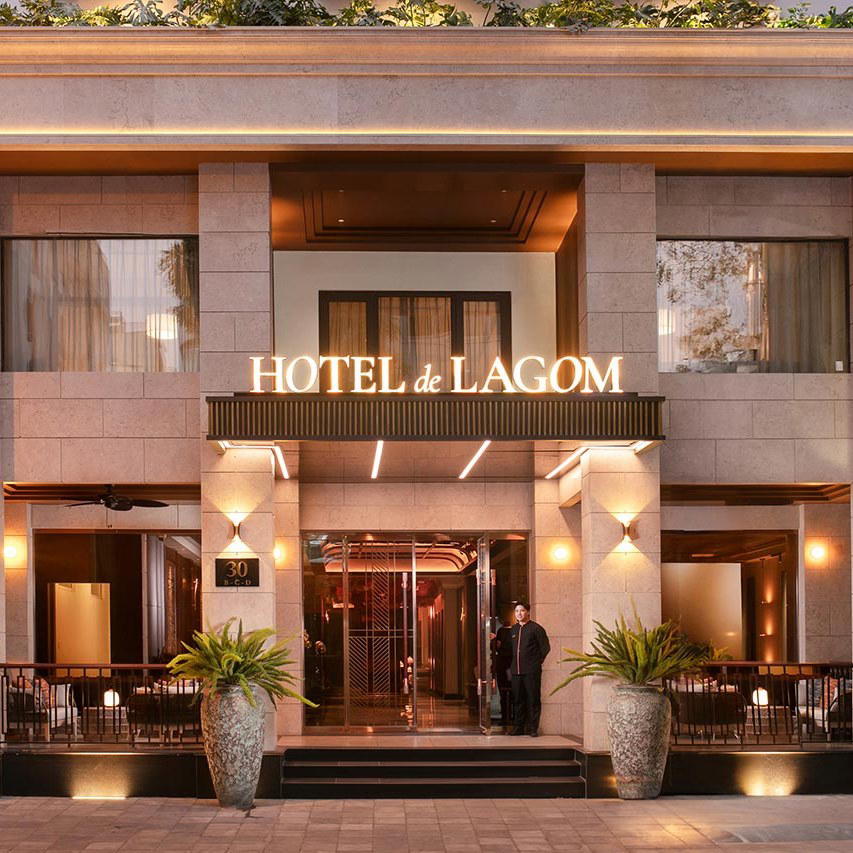
| Hotel de Lagom | $$$$ | 5-Star | Hoan Kiem, Boutique hotel fusing Scandi and Vietnamese design principles embodying balance. |
| Hotel de l'Opera - MGallery Hanoi | $$$$ | 5-Star | Hoan Kiem, French colonial architecture with contemporary furnishings and operatic interiors |
| Meritel Hanoi | $$$$ | 5-Star | Hoan Kiem, Luxury boutique hotel blending Indochine colonial elegance with contemporary Renaissance architectural details and modern amenities. |

At a Glance
- Elegant
- Modern
- Sophisticated
- Romantic Getaway
- Wellness Retreat
- Business Trip
- Destination Spa
- Terrace
- Historic Building
- Spa
- Restaurant
- Bar
- Wi Fi
- Fitness Center
- Room Service
- Airport Shuttle
- Kids Club
- Concierge
- Spa
- Restaurant
- Bar
- Wi Fi
- Fitness Center
- Room Service
- Airport Shuttle
- Kids Club
- Concierge
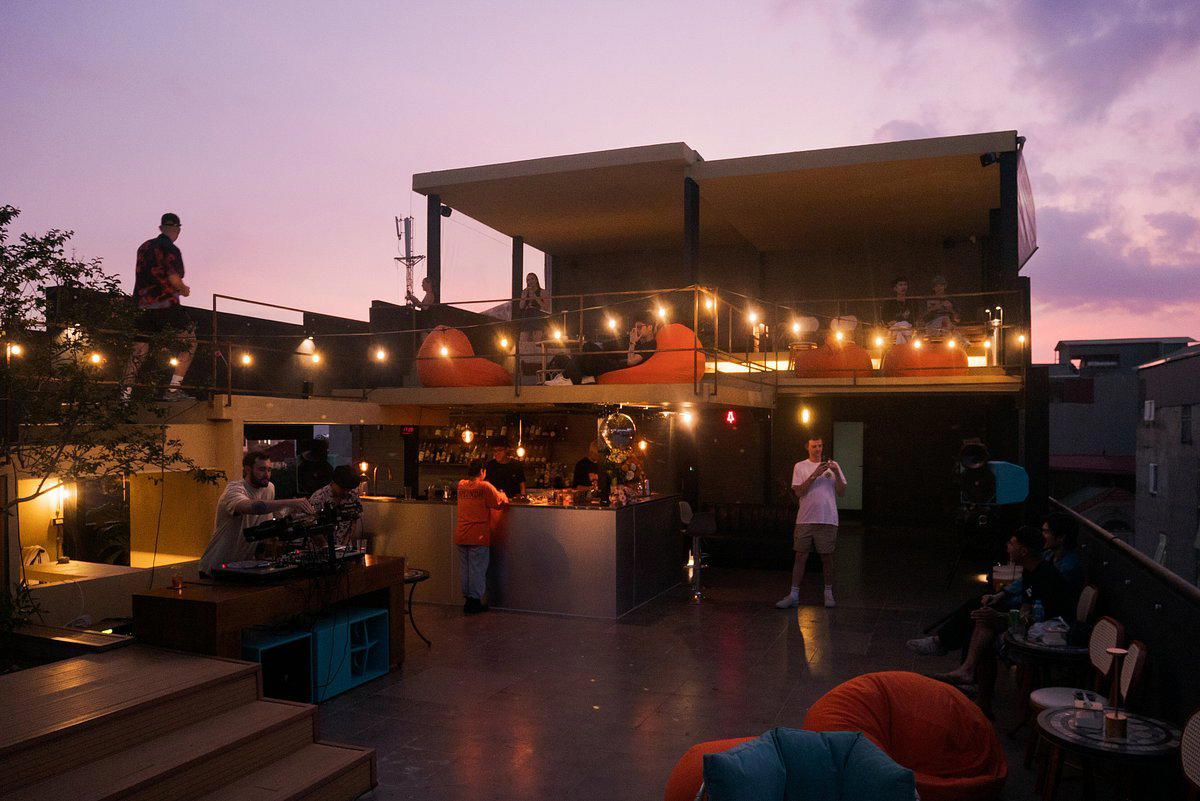
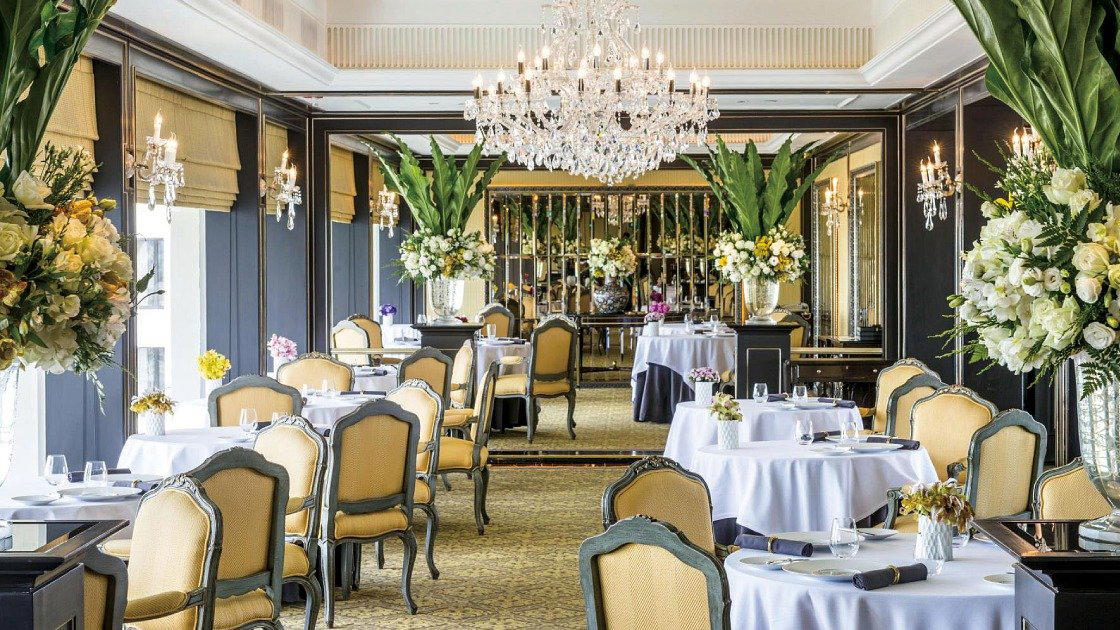
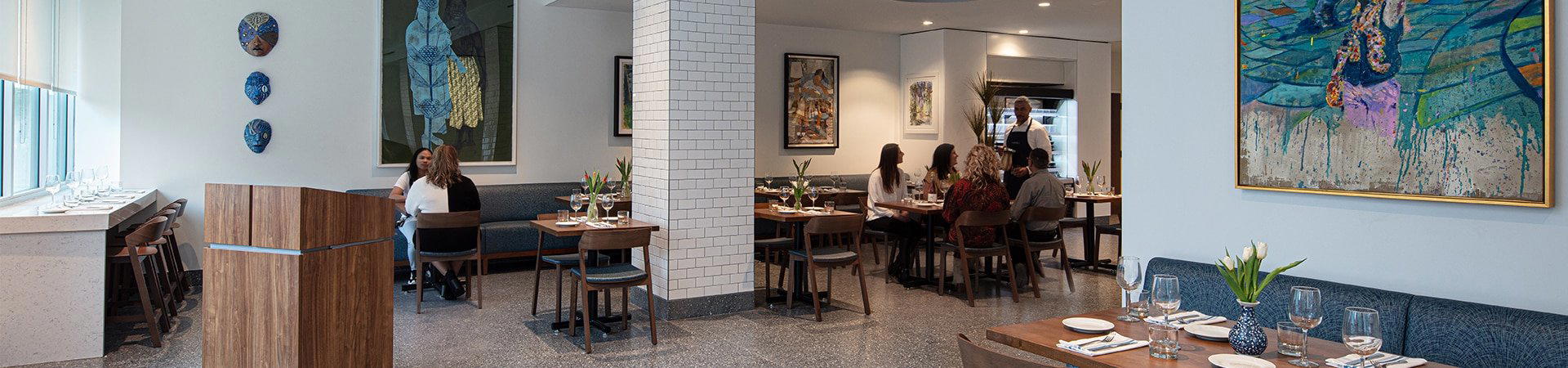
Sleek and stylish interiors with polished wooden floors and contemporary furnishings, offering a serene retreat in the bustling Old Quarter.