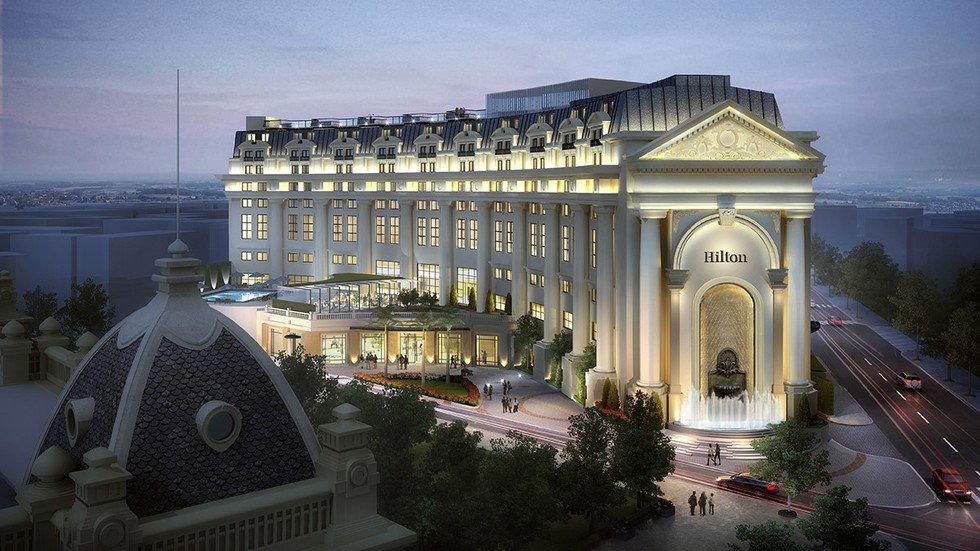
Positioned steps from the Hanoi Opera House in the Hoàn Kiếm district, Hilton Hanoi Opera occupies one of the city's most historically anchored addresses. The property sits inside a coherent bracket of full-service international hotels within walking distance of the Old Quarter, offering familiar Hilton infrastructure in a neighbourhood where colonial-era architecture sets the visual register. Booking directly through Hilton Honors remains the standard approach for rate transparency.
A French Quarter Address in a City of Competing Hotel Tiers
Hanoi's hotel market has stratified considerably over the past decade. At one end sit the ultra-boutique design properties, typified by Capella Hanoi, which operate on limited keys and premium positioning. At the other, a reliable tier of full-service international-brand hotels holds the Hoàn Kiếm and Ba Đình districts, offering travellers consistent infrastructure within walking reach of the Old Quarter. Hilton Hanoi Opera occupies a specific coordinate within that middle-to-upper bracket: a large-format property on Lê Thánh Tông Street, directly adjacent to the Hanoi Opera House, a French colonial building completed in 1911 that continues to anchor the surrounding neighbourhood's architectural character.
That adjacency is not incidental. The French Quarter, which spreads south and east from Hoàn Kiếm Lake, carries a different energy from the compressed alleyways of the Old Quarter. Streets here are wider, the tree canopy older, and the civic architecture more monumental. Staying in this zone means the Opera House, the Vietnam National Museum of History, and the northern edge of Hoàn Kiếm Lake are all within a ten-minute walk. For travellers who want proximity to Hanoi's administrative and cultural core without sacrificing the walkability that makes the city rewarding on foot, the address functions well.
In Hanoi's competitive set of full-service international brands, the Hilton Opera competes for the same traveller profile as properties like the Hotel de l'Opera - MGallery Hanoi and the Hanoi Royal Palace Hotel 2, as well as the larger-format towers like InterContinental Hanoi Landmark72 and JW Marriott Hotel Hanoi. The latter two sit further west and north respectively, near the business districts, which makes the Opera property's French Quarter location its clearest differentiator within the Hilton-and-above bracket.
The Room as the Core Argument
For a property of this scale in this location, the overnight experience is where the practical case either holds or softens. Large international-brand hotels in Southeast Asian capitals face a consistent challenge: the rooms must do enough work that a guest isn't spending the night wishing they had chosen a smaller, more characterful property instead. In Hanoi's case, that comparison pressure comes from genuinely compelling alternatives. Essence d'Orient Hotel and Spa and the InterContinental Hanoi Westlake by IHG each offer distinct spatial or atmospheric propositions that a generic room cannot answer.
What full-service Hilton properties at this tier typically deliver is a predictable physical standard: room sizing that permits actual workspace, bathroom fittings that function reliably, climate control calibrated for Vietnam's humidity range, and in-room technology consistent enough that the television input system doesn't require a call to the front desk. These are not trivial achievements in a city where boutique properties sometimes sacrifice operational consistency for aesthetic ambition. The question for any traveller choosing between this property and a design-led competitor is whether the reliability premium justifies the tradeoff against atmosphere.
Rooms that carry a view toward the Opera House itself represent the clearest case for booking this property over a peer competitor at a similar price point. The Opera House facade, illuminated after dark, provides a framing that no amount of room decor can replicate. That view is not guaranteed across all room categories, which means category selection matters more here than at properties where all orientations deliver comparable outlooks.
Planning the Stay: Logistics and Timing
Hanoi's climate runs in two distinct registers. The cooler, drier months from October through April suit walking-heavy itineraries, particularly for the Old Quarter and French Quarter, where heat and humidity in the May-to-September period can make midday movement uncomfortable. Travellers prioritising cultural walking and outdoor dining will find the October-to-March window more forgiving, though January and February carry the risk of Tết-period closures at smaller local restaurants and some attractions.
Nội Bài International Airport sits roughly 35 kilometres north of the Hoàn Kiếm district. Standard taxi and car service from the airport to the French Quarter runs 45 minutes to an hour depending on traffic, and afternoon arrival times frequently extend that range. The Hanoi city rail link (Cat Linh-Ha Dong line) does not yet connect directly to the airport, so road transfer remains the practical norm. The hotel's central address means that once in the district, most major sites are accessible without transport.
Booking through Hilton Honors provides the standard rate-matching and point-earning structure that frequent Hilton travellers will expect. For travellers without brand loyalty, OTA rates are competitive, though direct booking typically unlocks the most flexible cancellation terms. Advance booking during Tết and major Vietnamese national holidays is advisable, as Hanoi's central hotel inventory compresses significantly in those periods.
Vietnam Beyond Hanoi
Hanoi functions as one anchor of a longer Vietnam itinerary rather than a standalone destination for most international travellers. Halong Bay and Ninh Binh are the most common day-trip and overnight extensions from the capital, and properties like EMERALDA RESORT NINH BINH handle the Ninh Binh extension well for travellers who want to split time between the capital and the karst landscape to the south.
Further along the country, the central coast offers a different register entirely. Azerai La Residence in Hue and Banyan Tree Lăng Cô represent the upscale options between Hanoi and Da Nang, while Novotel Danang Premier Han River and Four Points by Sheraton Danang cover the beach-adjacent bracket in that city. South of Da Nang, Almanity Hoi An Wellness Resort offers a wellness-oriented option in Hoi An, while the Hilton network's own presence extends as far as Hilton Quang Hanh Onsen Resort in Cam Pha, near Halong Bay, for travellers who want brand consistency across the itinerary. For coast-focused segments, Amiana Resort Nha Trang and Anantara Quy Nhon Villas represent higher-end beach options further south. At the far end of the country, Amanaki Saigon Boutique Hotel and Asteria Mui Ne Resort cover Ho Chi Minh City and the Mui Ne coast for travellers completing a full north-to-south arc. For those with Aman preferences, Amanoi in Vinh Hy sits in a different category from any branded hotel in the country. For the full picture of what Hanoi's dining and hotel scene offers, the EP Club Hanoi guide covers the city's options across categories and price points. Travellers whose itineraries extend internationally might also consider how DALAT PALACE HERITAGE HOTEL fits within a highland detour before or after the coast.
At-a-Glance Comparison
| Venue | Price | Awards |
|---|---|---|
| Hilton Hanoi OperaThis venue (the venue you are viewing) | Not listed | Not listed |
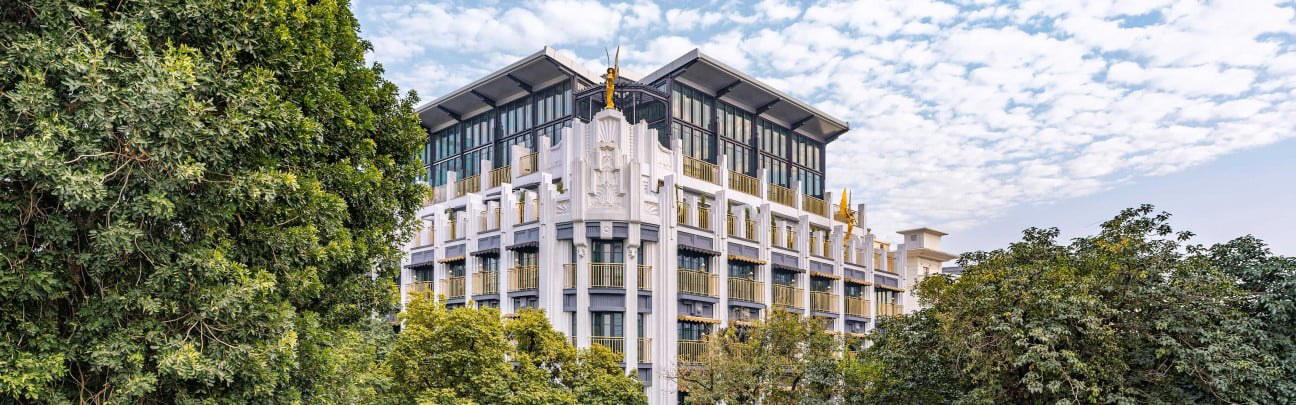
| Capella Hanoi | Not listed | 3 Michelin Keys · Michelin Guide New Hotels New Hotel |
| JW Marriott Hotel Hanoi | $100–200 | Michelin Selected · Forbes Recommended |
| Park Hyatt Saigon | $300–500 | 1 Michelin Key · La Liste Top Hotels |
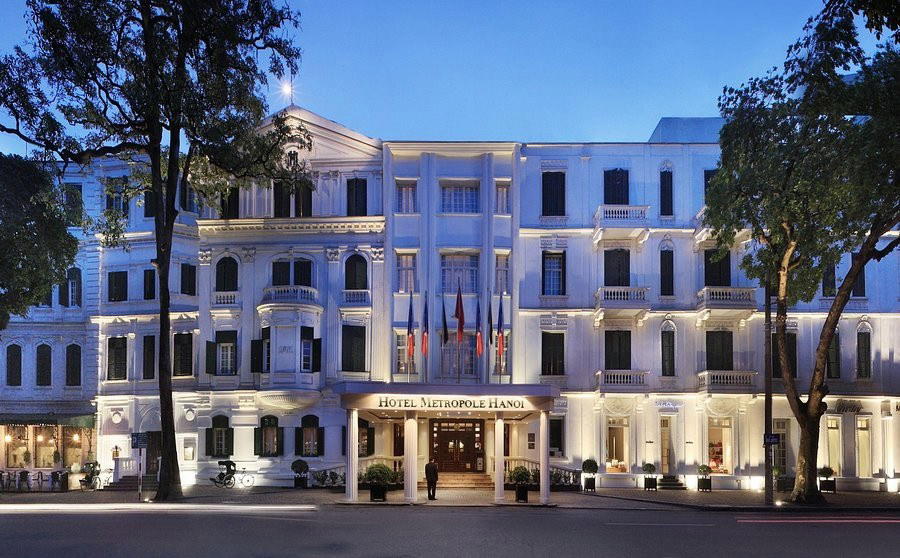
| Sofitel Legend Metropole Hanoi | $300–500 | 2 Michelin Keys · La Liste Top Hotels |
| Pullman Danang Beach Resort | $100–200 | Star Wine List · Forbes Recommended |
Continue exploring
More in Hanoi
Hotels in Hanoi
All hotels in Hanoi →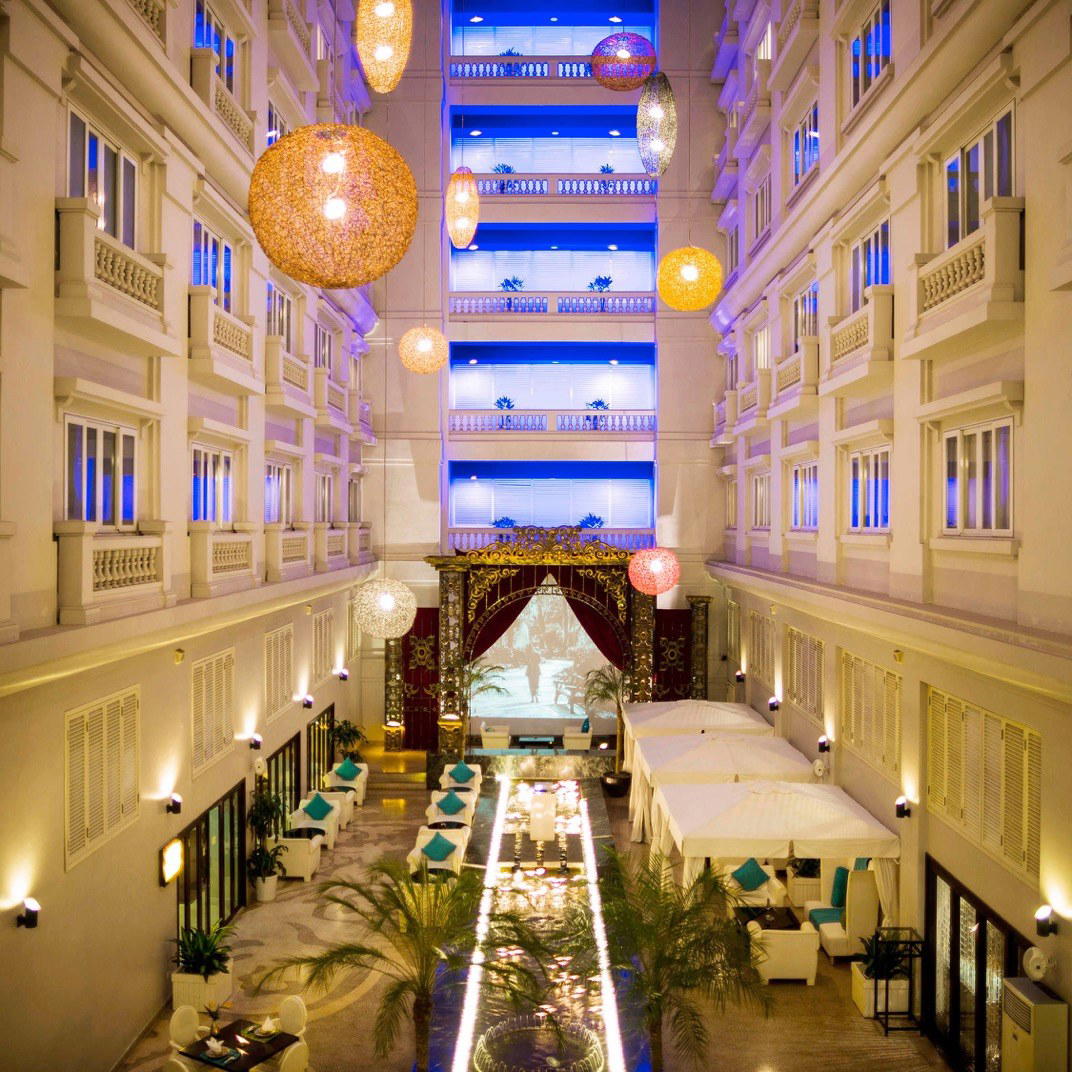
Bars in Hanoi
All bars in Hanoi →
Details
- Classic
- Elegant
- Sophisticated
- Business Trip
- Romantic Getaway
- Historic Building
- Terrace
- Wi Fi
- Pool
- Fitness Center
- Spa
- Room Service
- Concierge
- Business Center
- Skyline
- Wheelchair Accessible
- Elevator
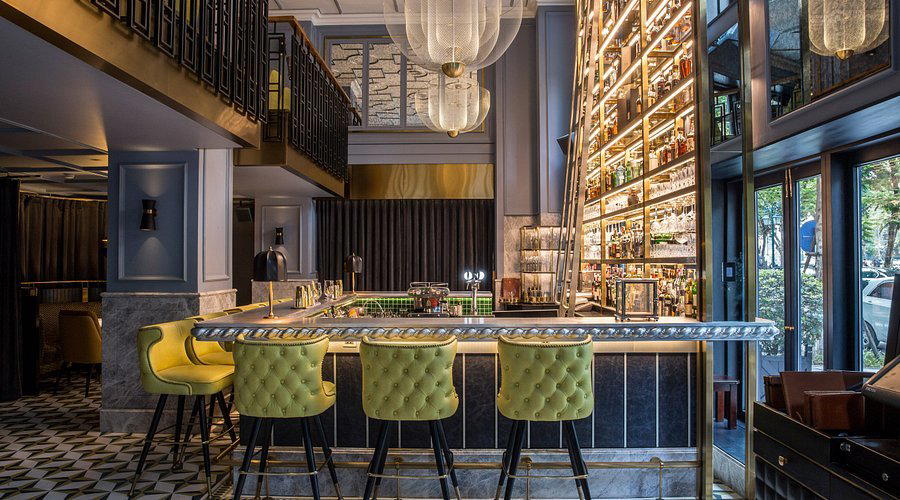
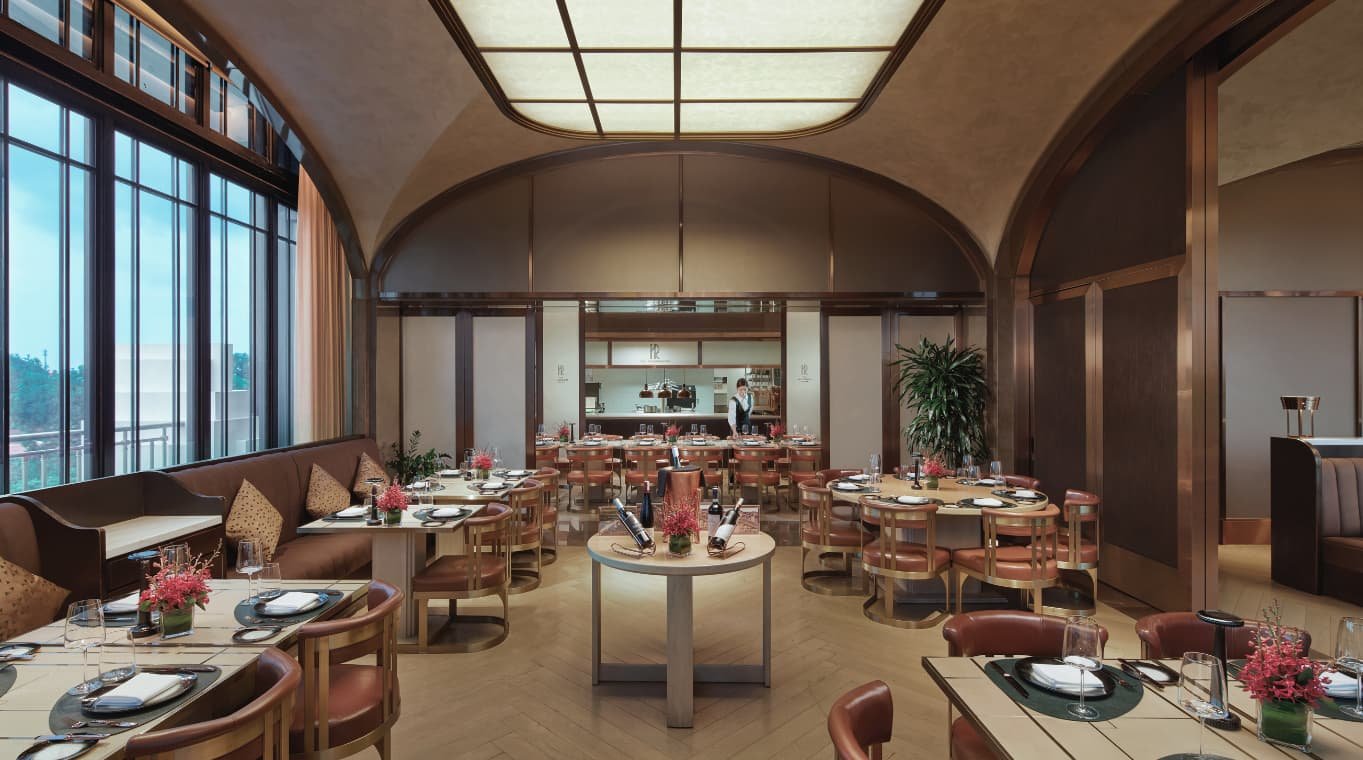
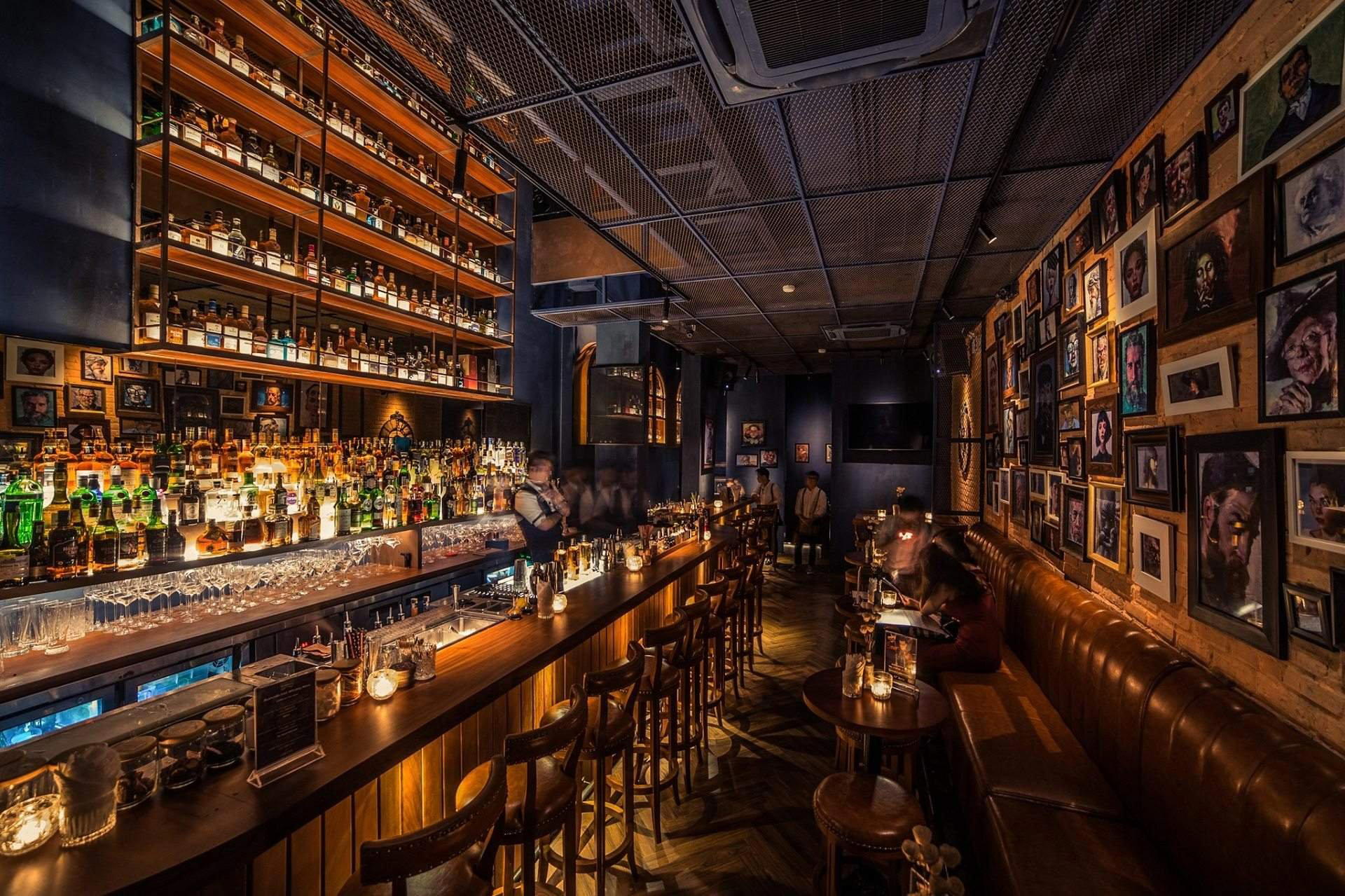
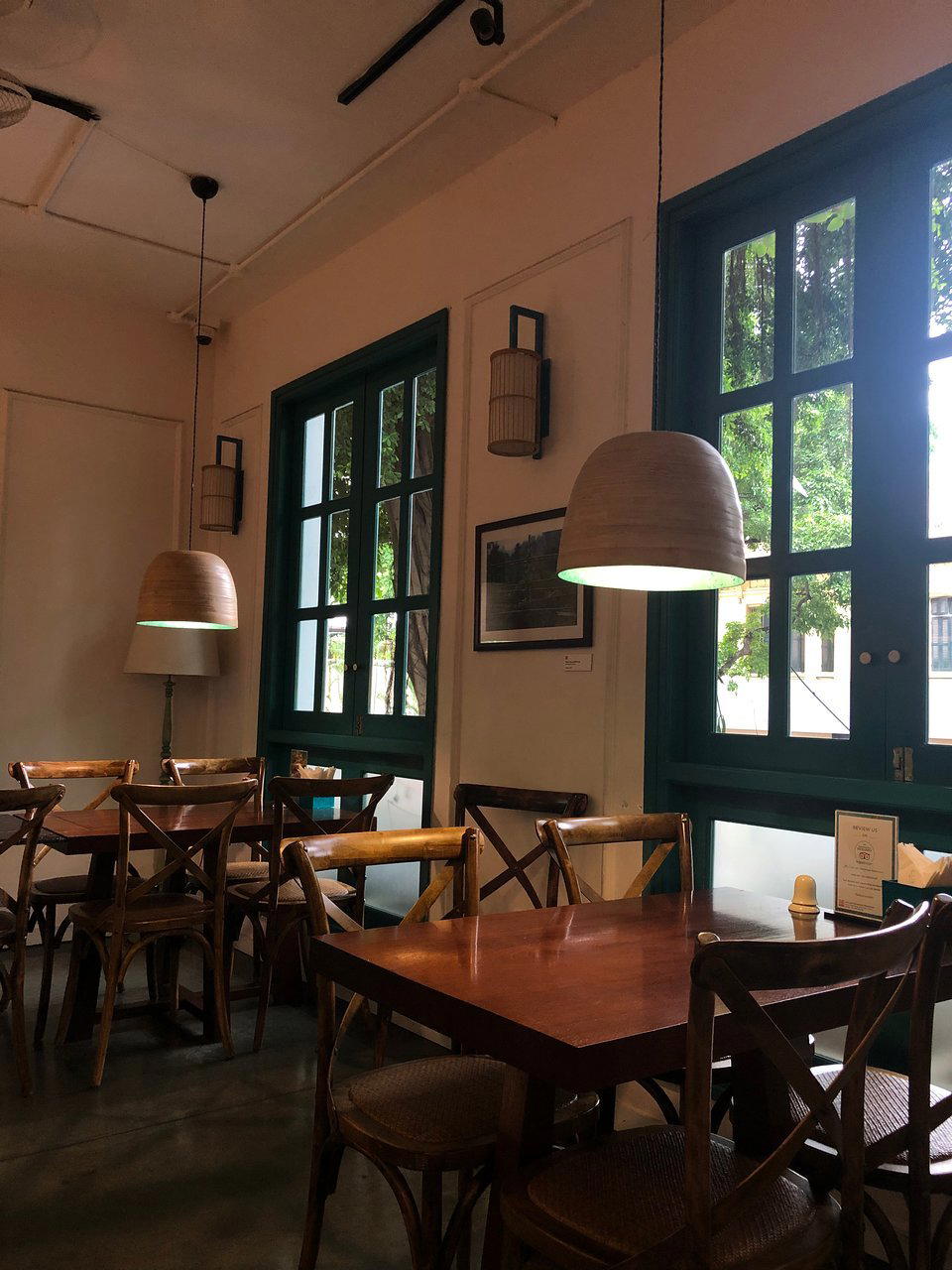
Vast lobby with high ceilings, marble pillars, chandelier lighting, and a retro neo-Baroque atmosphere blending French colonial grandeur with traditional Vietnamese room decor.