
World Luxury Hotel Awards WLHA Global Winner
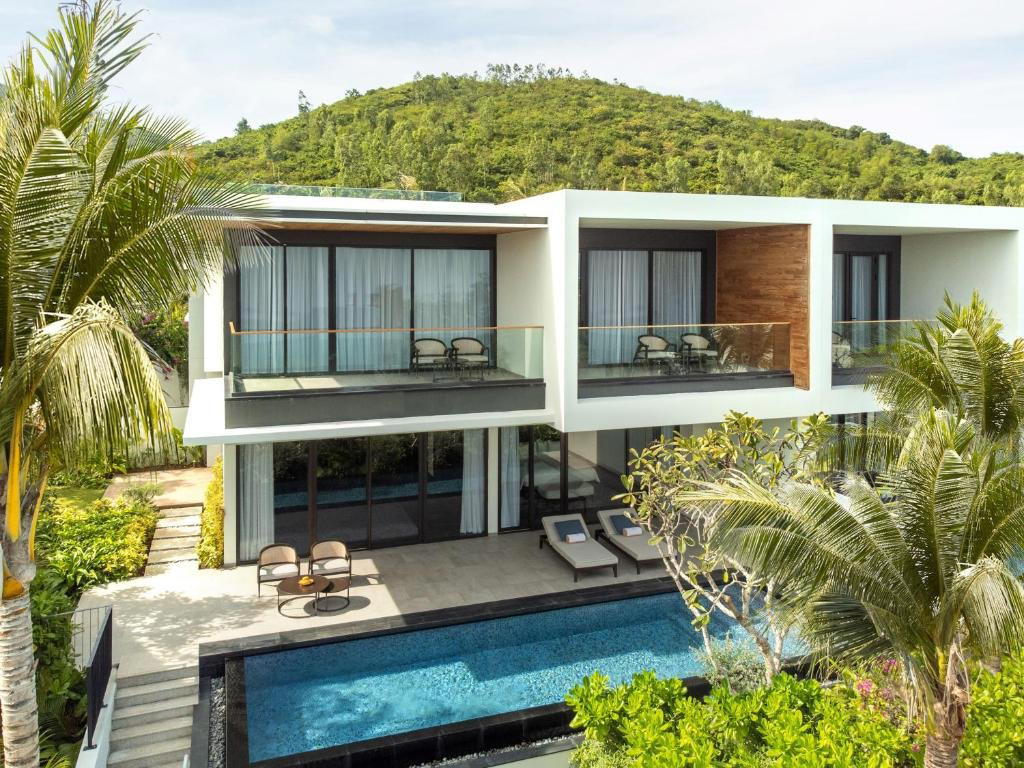
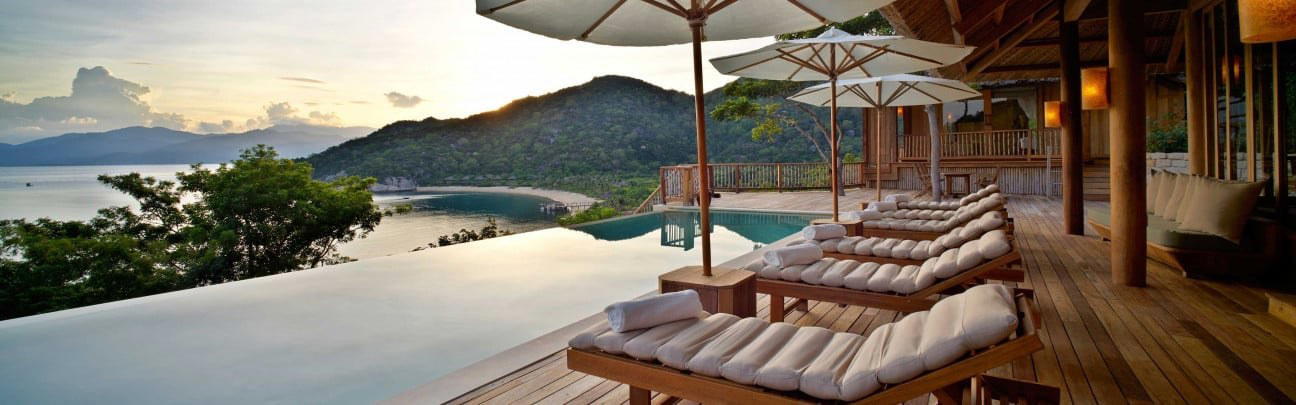
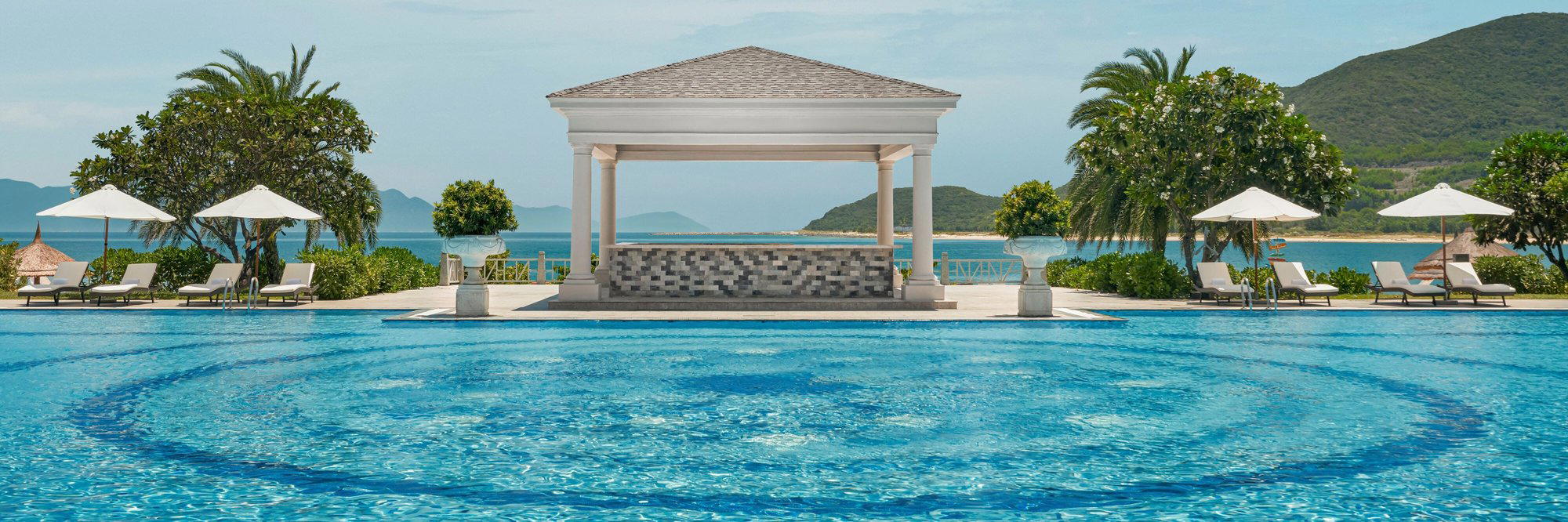
Amiana Resort sits on a private hillside peninsula above Nha Trang Bay, earning Global Winner status for Luxury Sustainable Resort and Country Winner for Luxury Lifestyle Resort. Its architecture draws the eye through a series of terraced villas and pools that step down toward the South China Sea. For travellers weighing Nha Trang's upper-tier resort options, Amiana occupies a distinct position as both an award-recognised sustainability leader and a design-led coastal retreat.

Pearl is the En Primeur Club membership app, where members save venues, book tables and use the concierge.
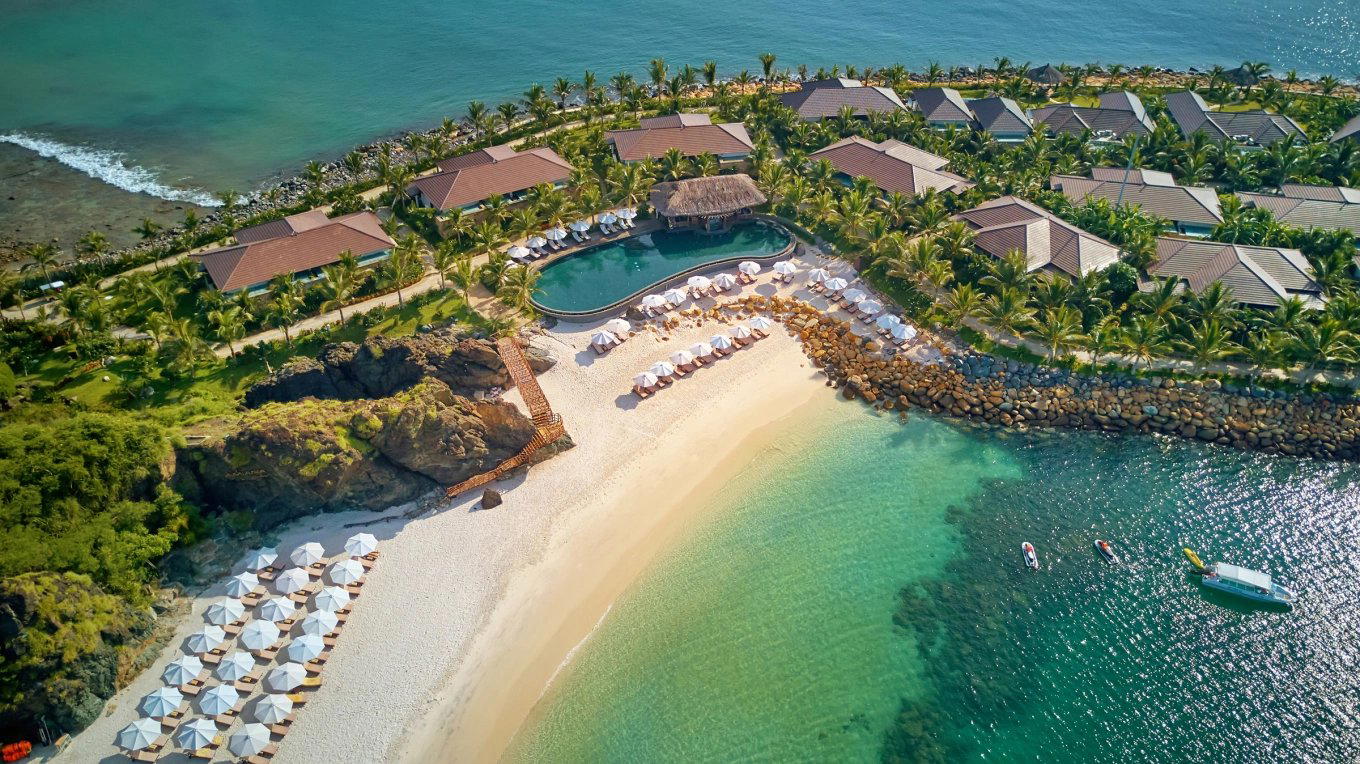
A Hillside Peninsula in Context: Where Amiana Sits in Nha Trang's Resort Spectrum
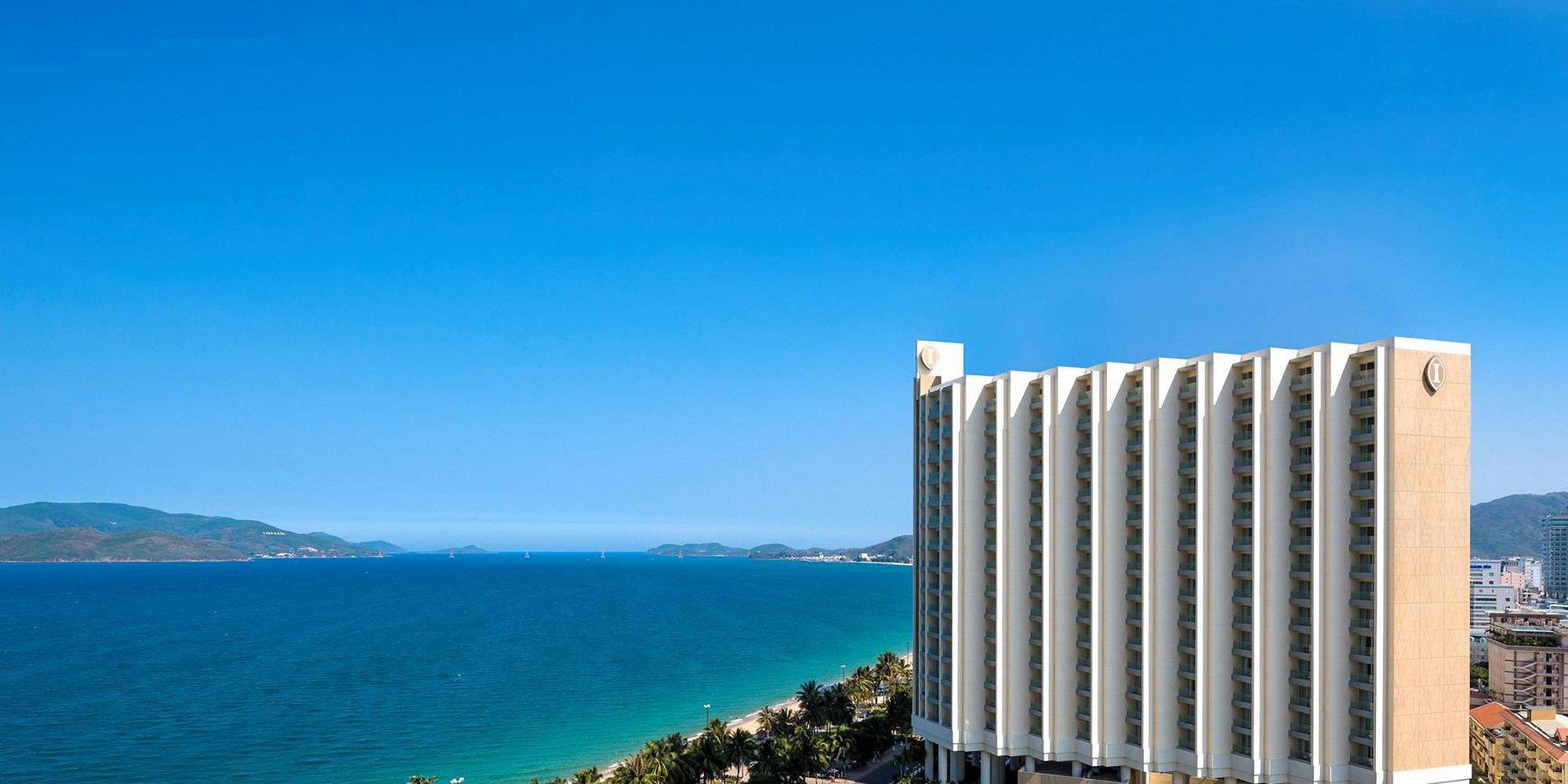
Nha Trang's resort market has split clearly over the past decade. One tier clusters along Tran Phu Boulevard, the beachfront strip where large international brands including InterContinental Nha Trang and Leading Western Premier Marvella Nha Trang Hotel operate at scale, offering high room counts and proximity to the city's commercial core. A smaller, quieter tier has emerged further along the bay, where lower-density properties use topography and natural separation as design assets rather than compensating for their absence. Amiana Resort Nha Trang belongs firmly to the second group.
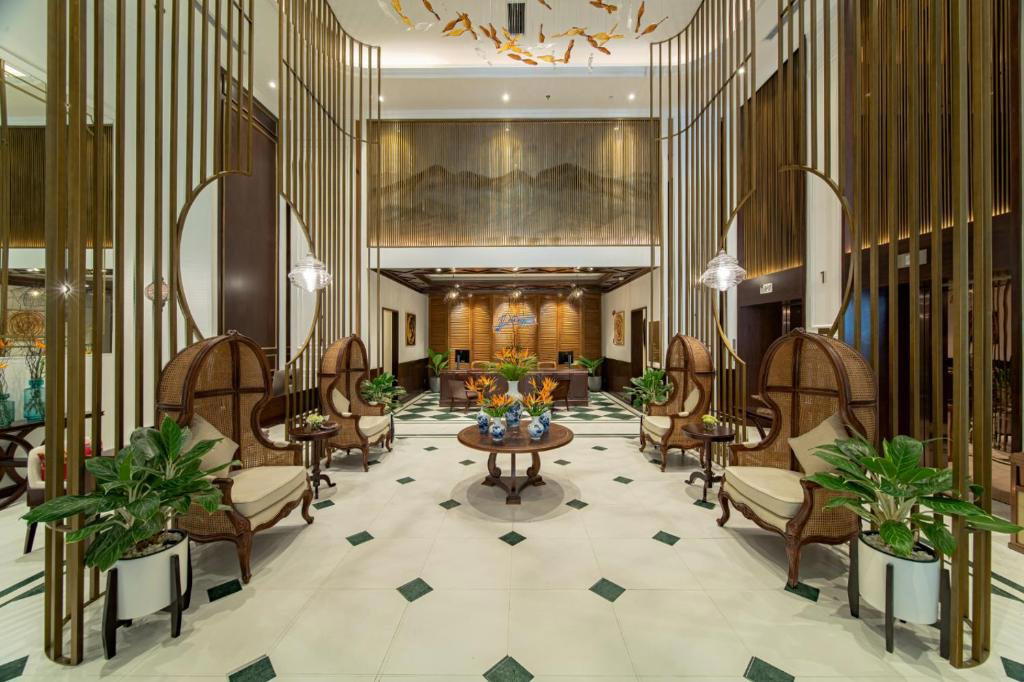
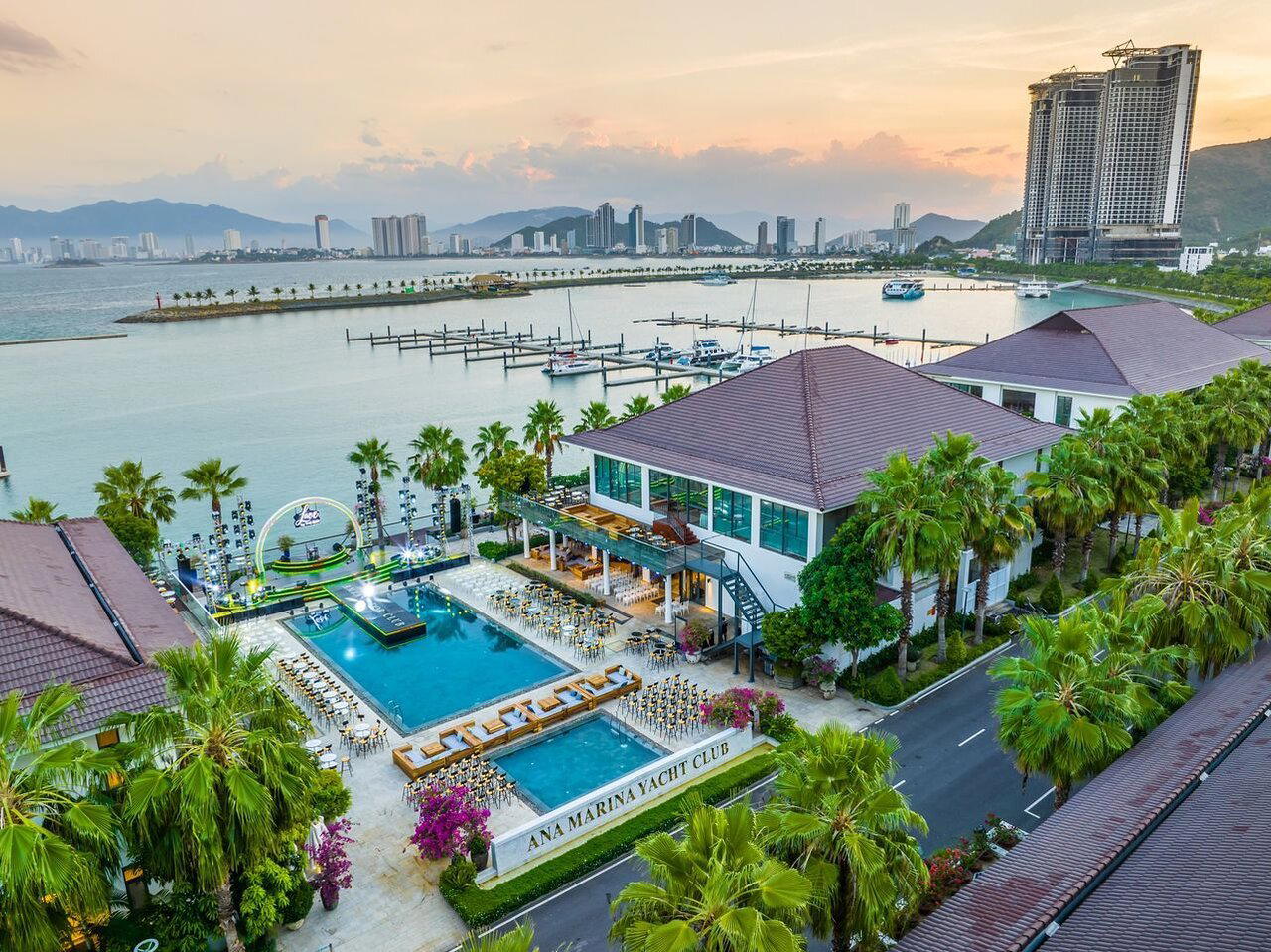
Located on Pham Van Dong road, on a hillside peninsula that curves away from Nha Trang's main tourist corridor, the resort occupies a position that is geographically distinct from the boulevard's density. That separation is not incidental, it is structural to the property's identity. The decision to build into a hillside rather than on flat reclaimed or beachfront land shapes everything from sightlines to architecture to the pace guests experience from the moment they arrive.
The Physical Argument: Architecture as Editorial Statement
Vietnam's premium coastal resorts have increasingly split between two architectural positions. The first replicates international luxury conventions: marble lobbies, symmetrical tower wings, infinity pools oriented for Instagram legibility. The second draws from the site itself, letting gradient, vegetation, and local material logic determine form. Amiana sits in the second camp, and its award record reflects that positioning.
The resort has earned three separate international recognitions: Global Winner for Luxury Sustainable Resort, Country Winner for Luxury Lifestyle Resort, and Continent Winner under the Luxury Collection Group category. Each of these awards points toward a different dimension of the same design philosophy. The sustainability designation signals that the physical infrastructure, not just the programming, has been built with environmental criteria in mind. The lifestyle category acknowledges that the spatial experience, rather than amenity count alone, drives the guest proposition.
For comparison, Nha Trang Marriott Resort & Spa, Hon Tre Island operates within the brand infrastructure of a global hotel group on a separate island, while Boma Resort Nha Trang and Potique Hotel represent the city's smaller boutique tier. Amiana occupies an intermediate position: not a boutique, but not operating at international chain scale either. The award profile suggests a property that has been assessed against global luxury benchmarks and positioned accordingly.
Within Vietnam more broadly, the design-led coastal resort model has found its most rigorous expression at properties like Amanoi in Vinh Hy and Six Senses Ninh Van Bay, both of which use natural topography and site separation as primary design moves. Amiana reads as part of that broader shift in how Vietnam's coastline is being developed at the upper end of the market.
Sustainability as Structure, Not Decoration
In regional luxury hospitality, sustainability designations have proliferated to the point where they require scrutiny. A Global Winner award for Luxury Sustainable Resort carries more weight than a self-reported green credential because it implies external assessment against a field of comparable properties. For Amiana, the designation suggests that sustainability is integrated into the physical structure and operational model, not layered on as marketing vocabulary.
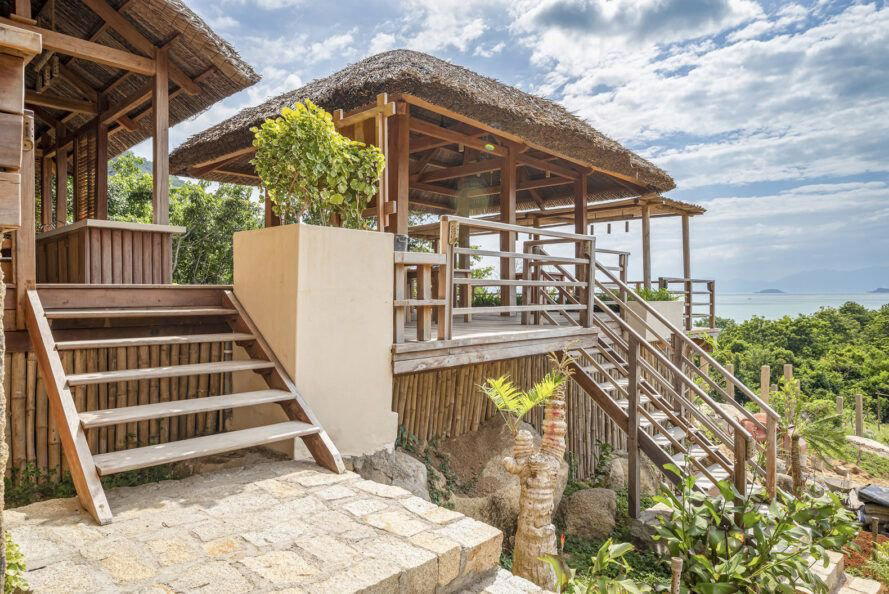
This matters architecturally. Properties that build sustainability into their design from the outset tend to make different spatial decisions: site coverage is typically lower, building materials reflect local sourcing logic, and the relationship between structure and landscape is more considered. These are not simply ethical choices, they produce a different aesthetic result, one that favours texture and integration over uniformity and spectacle. That quality is increasingly what separates design-led coastal properties from their volume-market peers across Southeast Asia. For further reference on how this approach plays out elsewhere in Vietnam, Almanity Hoi An Wellness Resort and Banyan Tree Lăng Cô represent comparable positions in their respective destinations.
Nha Trang as a Destination: Reading the City Through Its Upper Tier
Nha Trang is a genuinely complex destination to assess. Its beachfront is one of the most accessible in southern Vietnam, with direct flights connecting it to major regional hubs and a well-developed infrastructure for package tourism. But the city also sits within reach of a wider arc of coastal Vietnam that includes Anantara Quy Nhon Villas to the north and the concentrated luxury of Hoi An to the north again, where Four Seasons Resort The Nam Hai represents the ceiling of the central Vietnamese resort market.
Within Nha Trang itself, the upper-tier properties have largely differentiated by geography. The boulevard properties compete on proximity and brand recognition. The hillside and bay-adjacent properties, Amiana among them, compete on spatial quality and separation from the city's commercial energy. Travellers choosing between these tiers are effectively choosing between two different versions of a Nha Trang stay: engaged with the city, or insulated from it. For broader exploration of what Nha Trang's dining and hospitality scene offers, see our full Nha Trang restaurants guide.
For travellers building longer Vietnam itineraries, Nha Trang connects naturally to a sequence that might include Azerai La Residence, Hue for colonial-era heritage, Novotel Danang Premier Han River for a city-facing Da Nang stay, or DALAT PALACE HERITAGE HOTEL for the highlands. The resort is also reasonably positioned for those arriving via Ho Chi Minh City, where Amanaki Saigon Boutique Hotel offers a design-led base before or after a coastal stay.
Planning a Stay: Practical Considerations
Nha Trang's dry season runs from approximately January through August, with the heaviest rainfall concentrated between September and December. For a hillside property where outdoor space and sea views are central to the experience, timing a visit within the dry months is direct logic.
Given the resort's award profile and the limited-density model that typically accompanies properties in this category, advance booking is advisable, particularly for the January-to-March peak season when coastal Vietnam draws both international leisure travellers and domestic holiday traffic. Guests considering the broader upper tier of Nha Trang accommodation should weigh Amiana against Villa Le Corail, a Gran Meliá Hotel as an alternative design-led option in the same market. For those whose reference points extend beyond Vietnam, the spatial logic at Amiana has conceptual parallels with Aman Venice in its preference for site-specific architecture over generic luxury convention, though the two properties occupy very different contexts.
A Quick Peer Check
Comparable venues nearby, for context on price, style, and recognition.
| Venue | Cuisine | Price | Awards | Notes |
|---|---|---|---|---|
| Amiana Resort Nha TrangThis venue (the venue you are viewing) | Low-rise eco-resort with traditional Vietnamese architecture and private villas | Not listed | World Luxury Hotel Awards WLHA Global Winner | Not listed |
| Six Senses Ninh Van Bay | Traditional Vietnamese architecture with modern luxury villas integrated into jungle and bay landscape | $750–1,000 | 1 Michelin Key · Virtuoso Luxury Hotel Partner | Ninh Van Bay |
| Boma Resort Nha Trang | Luxurious beachfront resort with modern amenities and personalized service | Not listed | World Luxury Hotel Awards WLHA Regional Winner | Nha Trang |
| Villa Le Corail, Gran Meliá | All-villa beachfront resort combining Mediterranean elegance with Vietnamese tropical charm | $300–500 | Michelin Selected | Bãi Tiên |
| Villa Le Corail, a Gran Meliá Hotel | Luxury beach resort with private villas | $300–500 | Michelin Selected | Hon Tre Island |
| Best Western Premier Marvella Nha Trang Hotel | Contemporary upscale beachfront resort with internationally prominent facilities and modern luxury positioning. | $100–200 | World Luxury Hotel Awards WLHA Continent Winner | Loc Tho Ward |
Recognition history
Dated appearances from independent guides and award organizations, with the underlying list record or original source where available.
World Luxury Hotel Awards WLHA Global Winner
World Luxury Hotel Awards
Full recognition history (3 entries)
World Luxury Hotel Awards WLHA Country Winner
World Luxury Hotel Awards
World Luxury Hotel Awards WLHA Continent Winner
World Luxury Hotel Awards
Continue exploring
More in Nha Trang
Hotels in Nha Trang
All hotels in Nha Trang →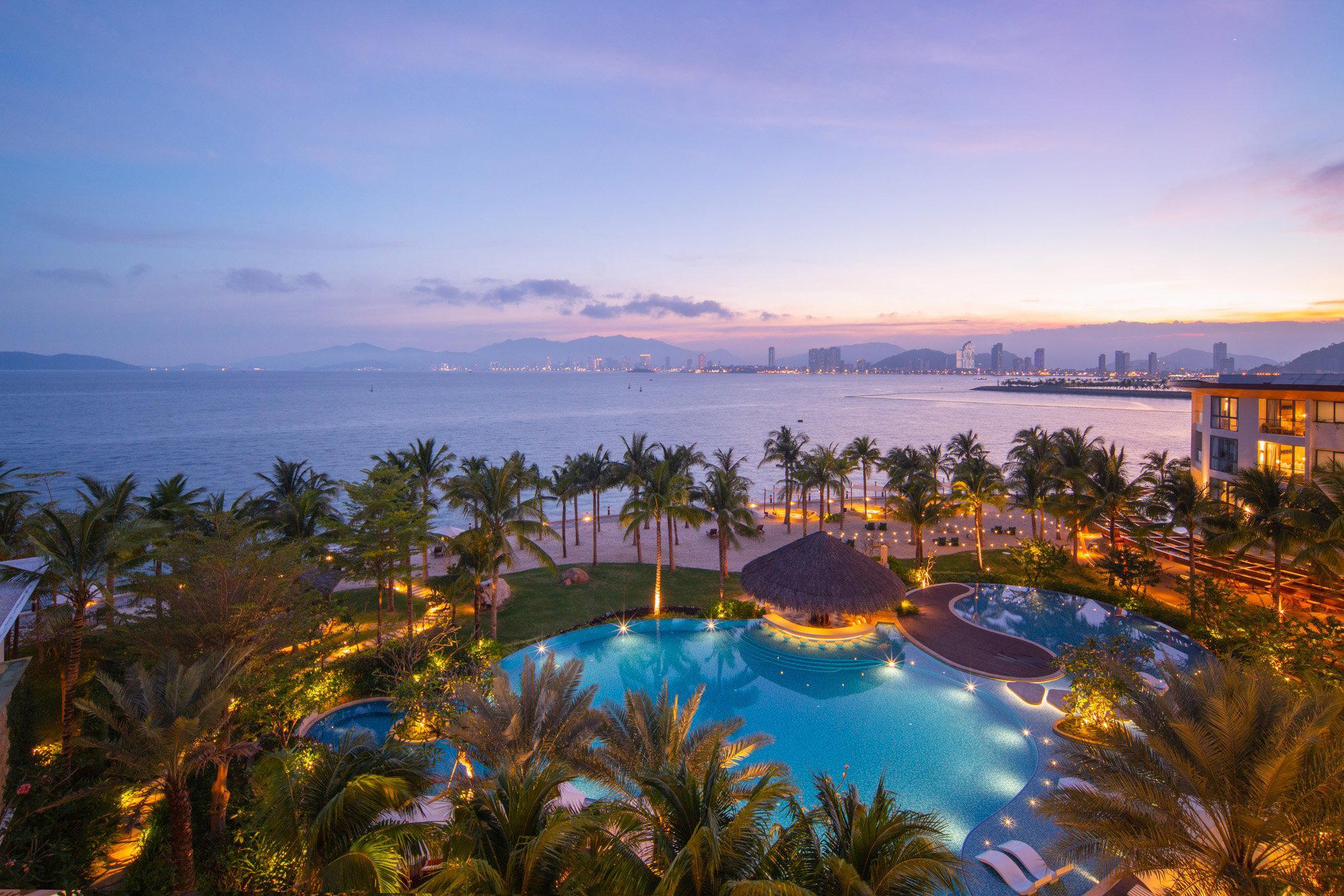
Details
- Romantic
- Scenic
- Elegant
- Quiet
- Sophisticated
- Honeymoon
- Family Vacation
- Romantic Getaway
- Wellness Retreat
- Beachfront
- Infinity Pool
- Private Villa
- Pool
- Spa
- Fitness Center
- Room Service
- Concierge
- Wi Fi
- Beach Access
- Kids Club
- Waterfront
- Garden
- Mountain
Relaxed and serene with panoramic ocean views, lush gardens, soundproofed rooms, and a peaceful bay atmosphere praised for quiet comfort.