
Almanity Hoi An Wellness Resort occupies a quiet address on Lý Thường Kiệt in Hoi An's Minh An ward, positioning itself within the city's growing cohort of design-led wellness properties. The resort draws guests seeking a slower, spa-oriented rhythm within walking distance of the Ancient Town. For travellers weighing wellness-focused stays against the broader Hoi An accommodation market, it represents a distinct category anchored by treatment depth rather than resort scale.

Pearl is the En Primeur Club membership app, where members save venues, book tables and use the concierge.
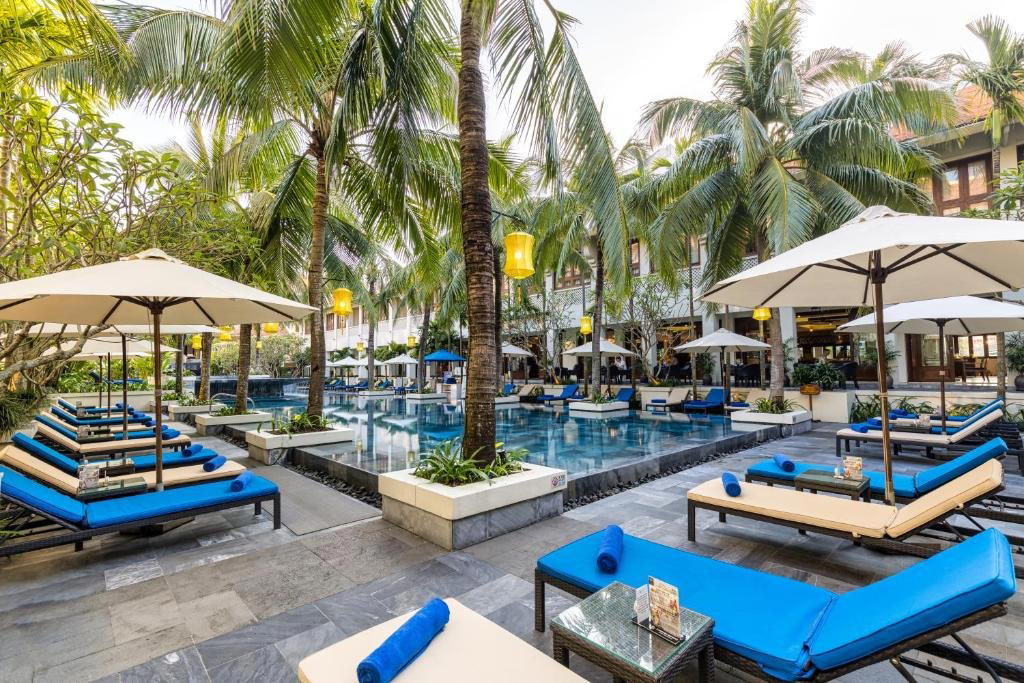
Where Wellness Architecture Meets the Hoi An Street Grid
Hoi An has spent the past decade splitting its accommodation offer into two recognisable camps: riverside resort complexes that position themselves as self-contained worlds, and smaller, more street-level properties that keep guests porous to the city around them. Almanity Hoi An Wellness Resort sits in the second camp, on Lý Thường Kiệt in the Minh An ward, close enough to the Ancient Town that the lantern-lit streets are a short walk away, yet sufficiently removed from the old-quarter tourist density to maintain a distinct, slower atmosphere.
That address matters. The Minh An ward is the residential and transitional buffer between the UNESCO-listed Ancient Town and the newer hotel corridors pushing toward An Bang Beach. Properties here tend to be mid-scale in footprint but deliberate in programming, and Almanity's wellness positioning fits that neighbourhood logic: guests are not marooned in a beach enclave or anchored to a river view, but placed within the actual urban fabric of Hoi An, with the city's market stalls, tailor shops, and Cao Lau vendors within reasonable reach.
The Design Premise
Wellness properties in Southeast Asia have broadly sorted into two design philosophies. The first borrows from Balinese spa vernacular: thatched pavilions, open-air treatment rooms, koi ponds, and a visual vocabulary inherited from Ubud's resort boom of the early 2000s. The second is more restrained, drawing on local craft traditions and a quieter material palette. Almanity belongs to the latter lineage, with an interior approach that reads as considered rather than theatrical.
The architecture at a property of this type in Central Vietnam tends to reference the region's preserved heritage streetscapes without mimicking them directly. Hoi An's Ancient Town is defined by its yellow-washed merchant houses, timber-framed interiors, and narrow frontages. A wellness resort cannot and should not replicate that vernacular wholesale, but the better properties in the city absorb its proportions and material warmth rather than importing an international spa template wholesale. How Almanity balances those influences is one of the more interesting design questions the property poses.
For comparison within the Hoi An market, properties like Anantara Hoi An Resort and Silk Sense Hoi An River Resort lean into the river-garden aesthetic, while Hoi An Memories Resort & Spa operates at a larger resort scale. Almanity's wellness-first positioning differentiates it from all three, occupying a niche where the spa program is the primary product rather than an amenity appended to a room offering.
The Wellness Category in Central Vietnam
Central Vietnam has developed a credible wellness circuit over the past several years, anchored by the thermal spring traditions of the broader region and the spa culture that developed alongside the country's luxury hotel expansion. Properties like Banyan Tree Lăng Cô in Lăng Cô and Azerai La Residence in Hue sit further along the coast and represent different points on the wellness spectrum: Banyan Tree at a large-footprint resort scale, Azerai at a heritage-property intimacy. More recently, Hilton Quang Hanh Onsen Resort in Cam Pha has brought geothermal bathing into the northern part of the region.
Almanity occupies a different register within this circuit: an urban wellness property rather than a beach or spa-resort destination. That format has specific appeal for guests who want treatment depth without the logistical overhead of a remote resort, and for those spending multiple nights in Hoi An who prefer a stay that compounds wellness programming with city access, rather than choosing between the two.
Across Vietnam more broadly, the wellness accommodation category has matured considerably. Amanoi in Vinh Hy represents the category's apex for destination-spa guests; Amiana Resort in Nha Trang blends wellness with a beach-facing setting. Almanity's street-level Hoi An position is a distinct proposition within that national conversation.
Hoi An as a Wellness Context
The city's suitability as a wellness destination is underwritten by practical factors beyond any single property. Hoi An's Ancient Town imposes a largely vehicle-free zone within its historic core, which changes the sensory register of moving through the city on foot. The pace is slower than Da Nang, thirty kilometres north, and the street-level temperature of tourism, while high in peak season, tends to reward guests who structure their days around the early morning and late afternoon. Wellness programming that begins before the tourist rush and offers structured afternoon retreat fits that city rhythm well.
Seasonal timing matters here. November through January brings cooler temperatures and the possibility of rain, but the light is softer and the crowds thinner. February through April is the dry season's primary window, with heat building through May. Guests planning a wellness-focused stay should weigh the October-to-November shoulder period, when the city is preparing for its lantern festival and the sensory environment of the Ancient Town is particularly charged without being overwhelming.
Within Hoi An, the accommodation market has diversified significantly. The Pearl Hoi An, Namia River Retreat, and Hotel Royal Gallery Hoi An each occupy different positions across the style and price spectrum. At the beach end, Wyndham Hoi An Royal Beachfront Resort & Villas targets a different traveller entirely. For the full spectrum of options in the city, the EP Club Hoi An guide maps the category across price tiers and style preferences.
Almanity's positioning as a wellness-led property in the mid-city fabric of Hoi An is a deliberate choice that implies a guest who prioritises treatment access and restorative programming over pool size or river vista. That is not a compromise; it is a different kind of brief. The design decisions and programming depth at a property like this are leading evaluated on those terms, not against beach resorts or heritage river hotels.
For travellers building a longer Vietnam itinerary around wellness, the region offers logical combinations. Four Seasons Resort The Nam Hai outside Hoi An represents the top tier of the beach-adjacent luxury category, while Anantara Quy Nhon Villas to the south offers a more isolated coastal setting. In the north, InterContinental Hanoi Westlake provides an urban anchor point. Almanity slots into that itinerary as the Hoi An node for guests who want the city experience without sacrificing structured wellness time.
Planning a Stay
Almanity is located at 326 Lý Thường Kiệt, in Hoi An's Minh An ward, within the Quảng Nam province. The property sits between the Ancient Town and the outer hotel corridors, reachable from Da Nang International Airport in approximately 45 minutes by road depending on traffic conditions. Guests arriving by train can use Da Nang station as their regional hub. Booking and pricing details should be confirmed directly with the property or through a preferred travel agent, as rate structures and availability vary across seasons. Given the wellness-forward format and the city's popularity in peak months, early reservation is advisable for stays between February and April or during the October lantern festival period.
A quick peer reference to anchor this venue in its category.
| Venue | Cuisine | Price | Awards |
|---|---|---|---|
| Almanity Hoi An Wellness ResortThis venue (the venue you are viewing) | This venue | $100–200 | Not listed |
| Anantara Hoi An Resort | Not listed | $300–500 | Virtuoso Luxury Hotel Partner |
| Hoi An Memories Resort & Spa | Not listed | $100–200 | World Luxury Hotel Awards WLHA Continent Winner |
| Hotel Royal Gallery Hoi An | Not listed | Not listed | World Luxury Hotel Awards WLHA Country Winner |
| Namia River Retreat | Not listed | Not listed | Virtuoso Luxury Hotel Partner · Tatler Listed in Best Hotels Asia-Pacific |
| Wyndham Hoi An Royal Beachfront Resort & Villas | Not listed | Not listed | World Luxury Hotel Awards WLHA Continent Winner |
Recognition history
Dated appearances from independent guides and award organizations, with the underlying list record or original source where available.
World Spa Awards Vietnam's Best Wellness Retreat 2025 Nominee
World Spa Awards
Continue exploring
More in Hoi An
Hotels in Hoi An
All hotels in Hoi An →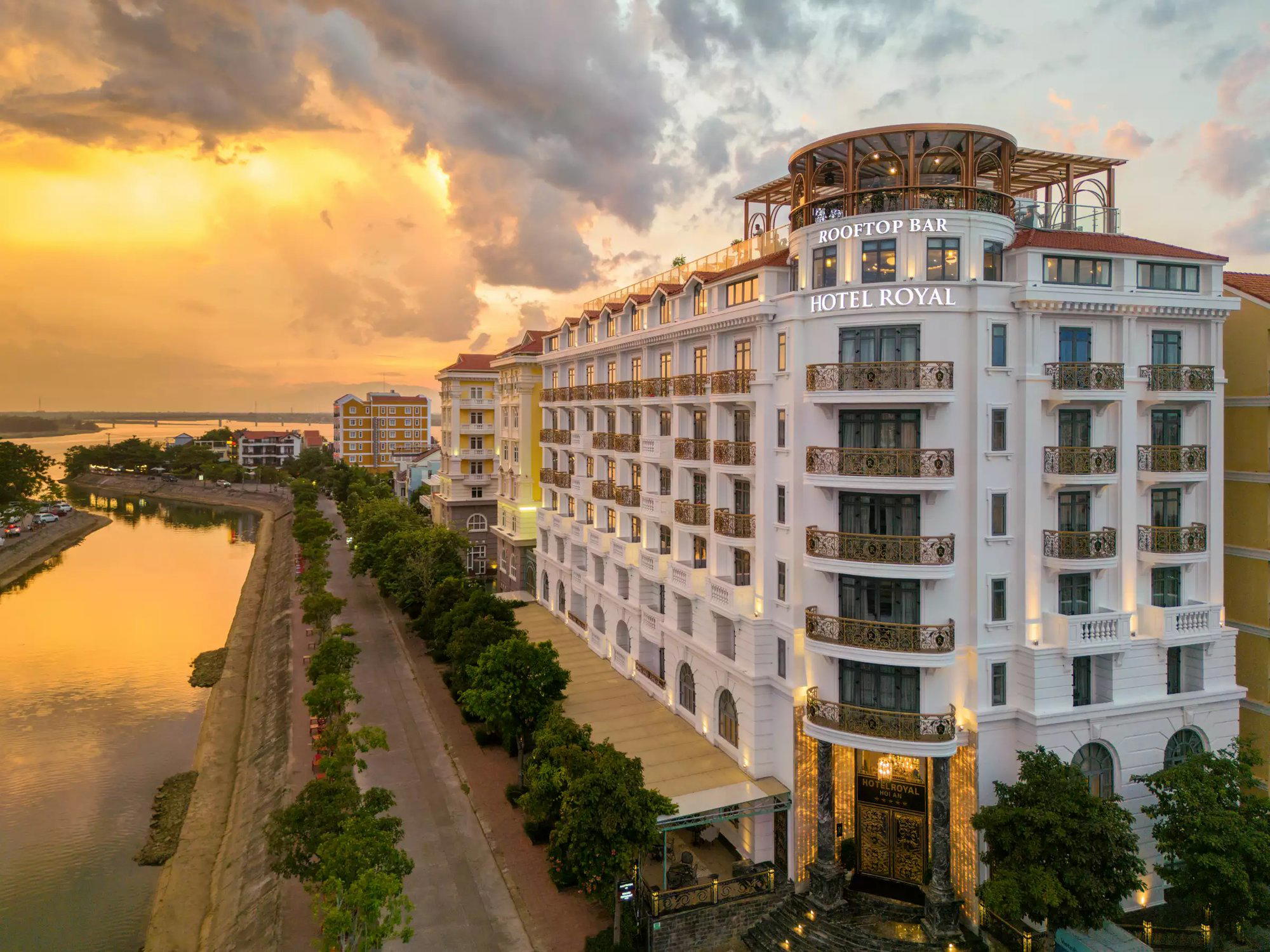
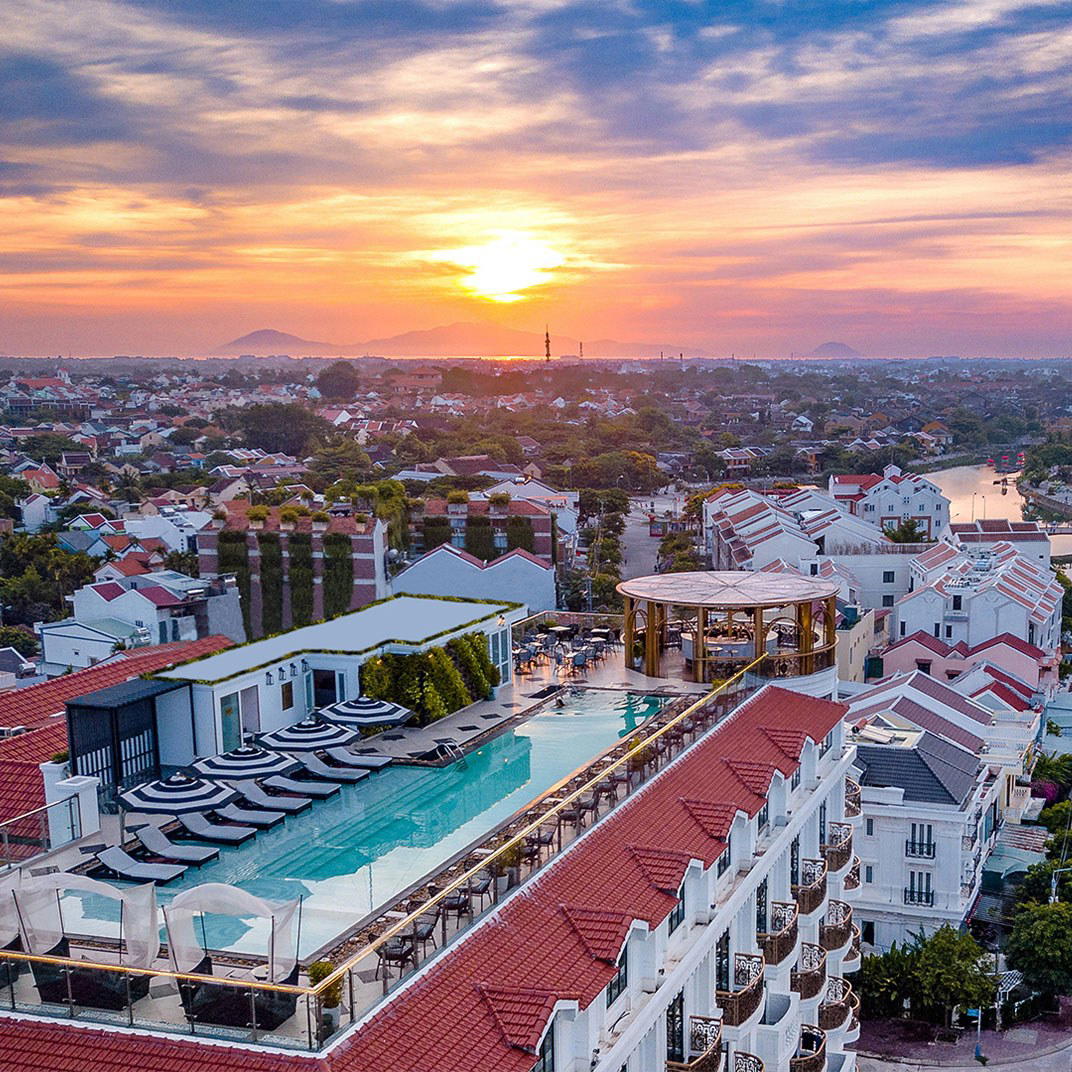
Details
- Quiet
- Elegant
- Minimalist
- Scenic
- Wellness Retreat
- Romantic Getaway
- Honeymoon
- Infinity Pool
- Destination Spa
- Garden
- Wi Fi
- Pool
- Spa
- Fitness Center
- Room Service
- Concierge
- Kids Club
- Garden
- Wheelchair Accessible
- Elevator
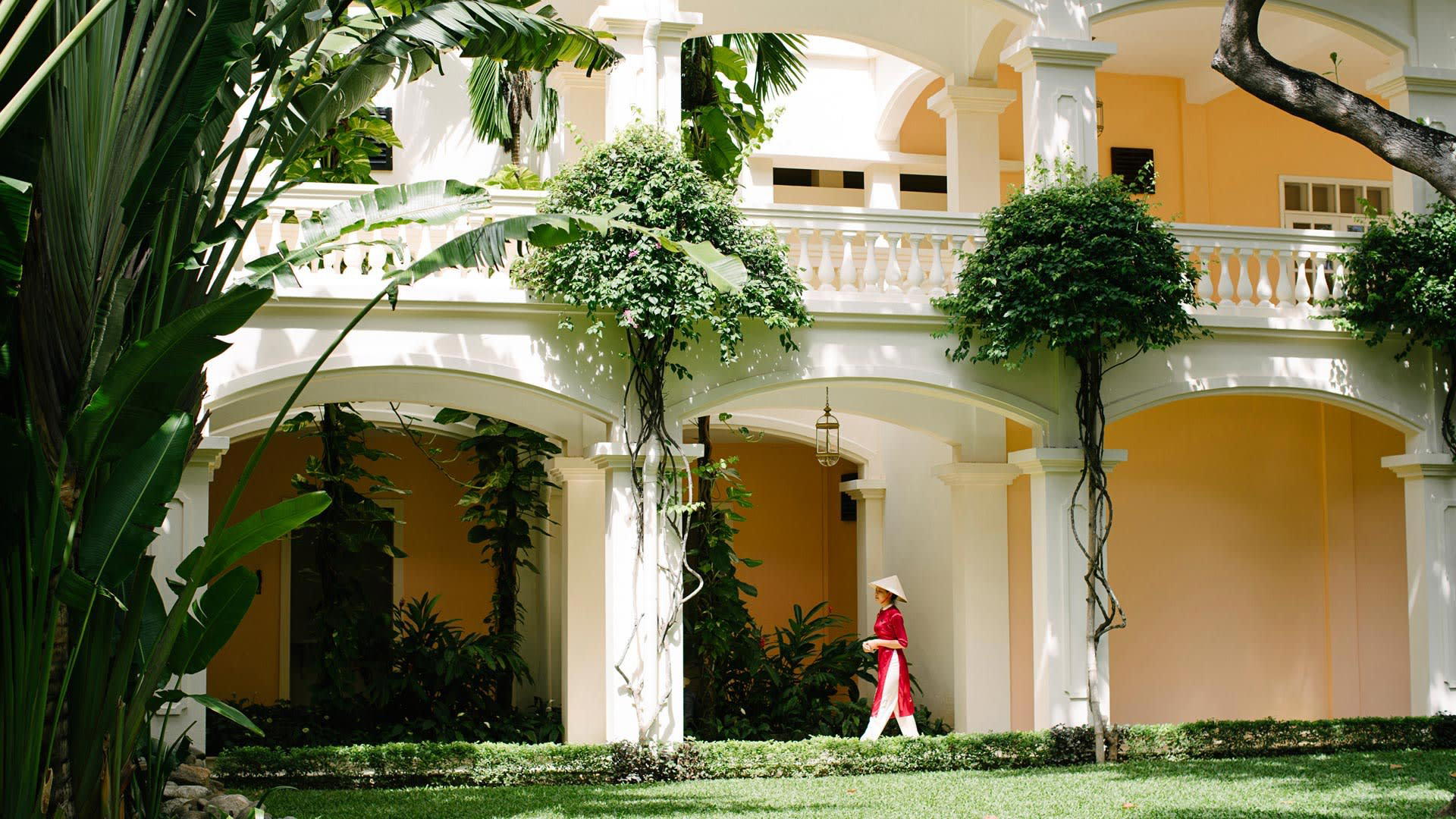
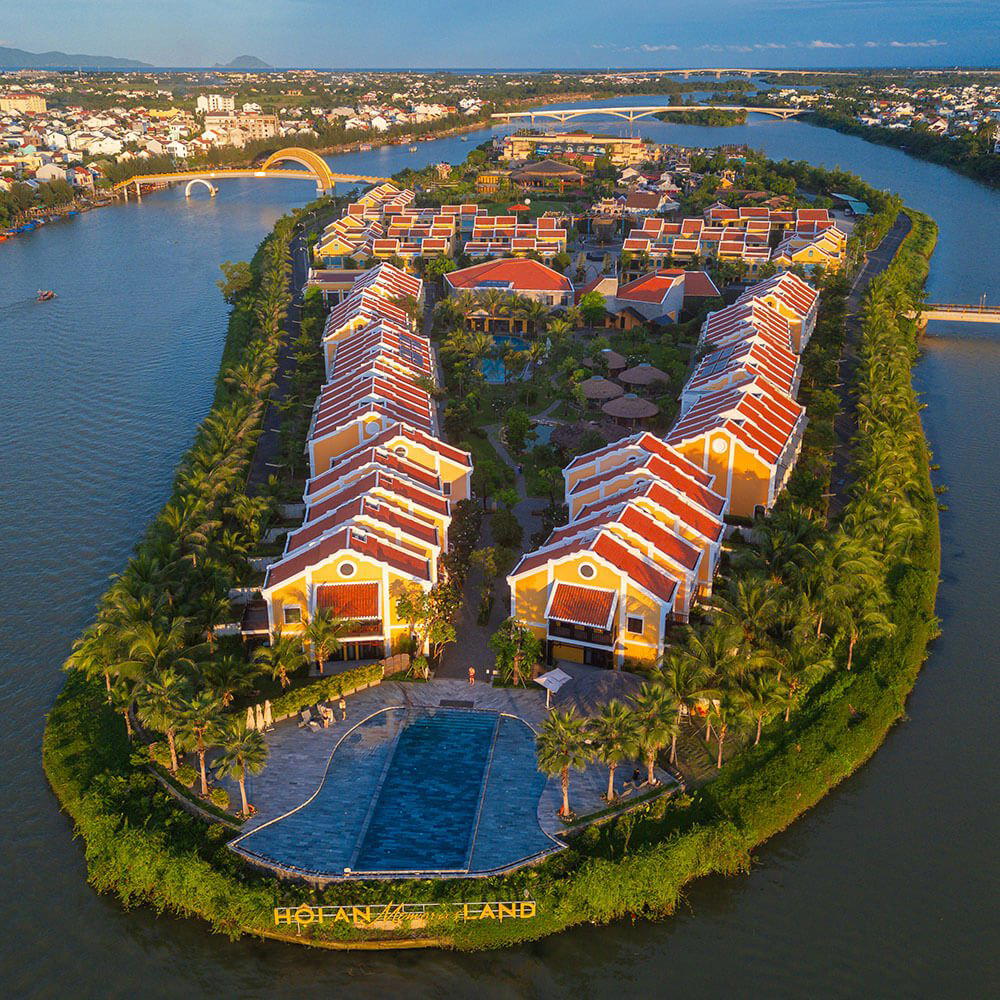
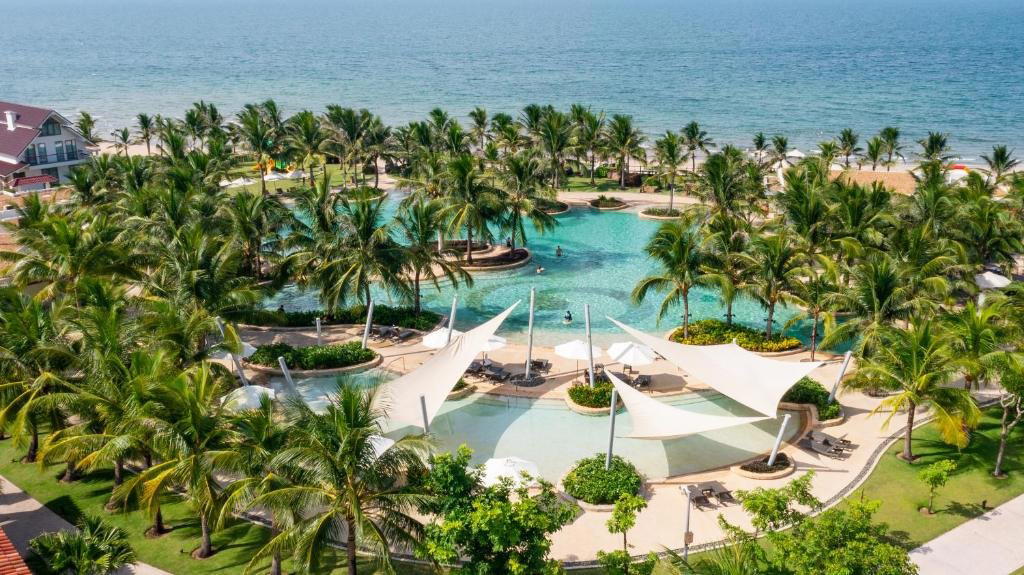
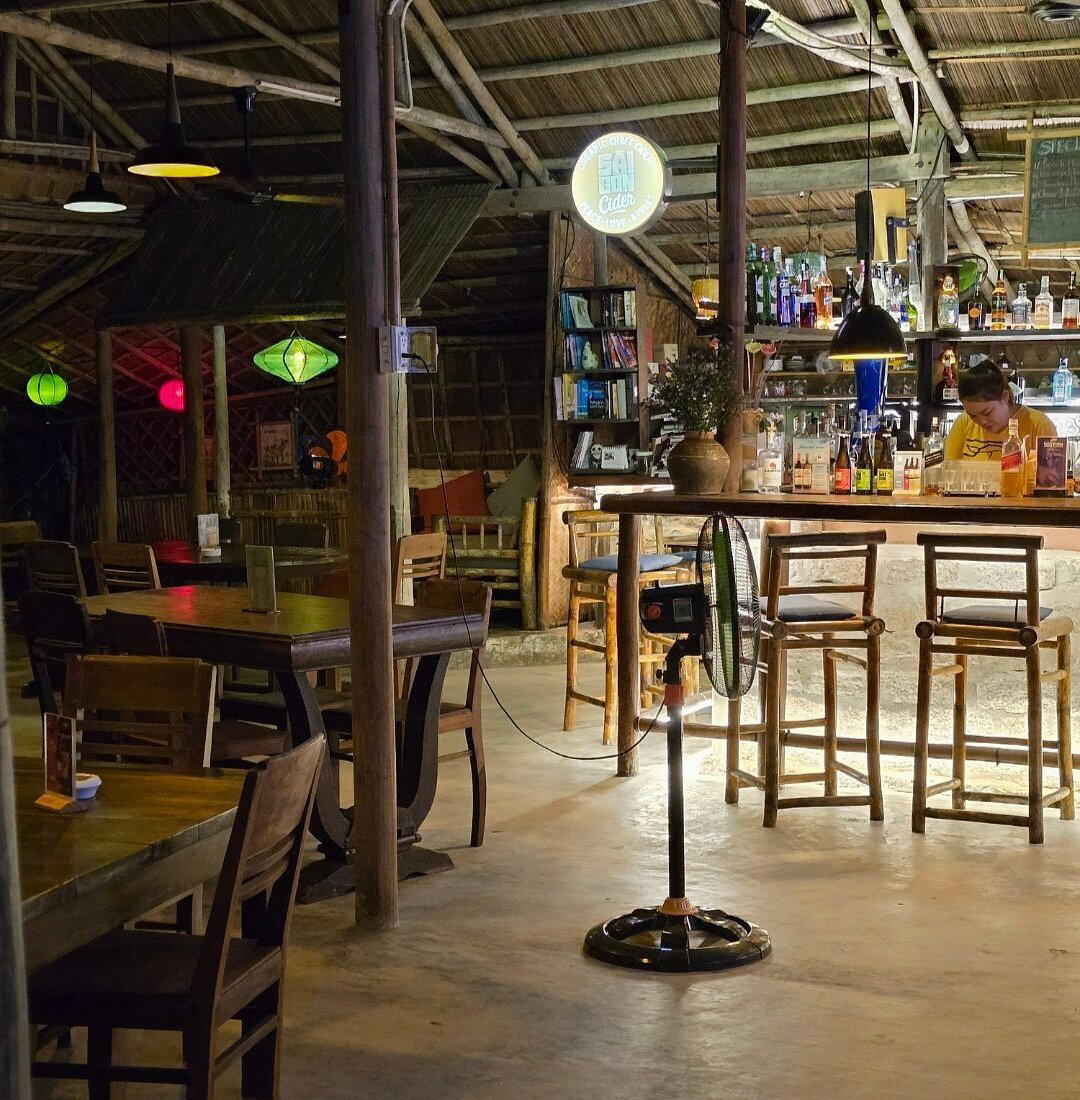
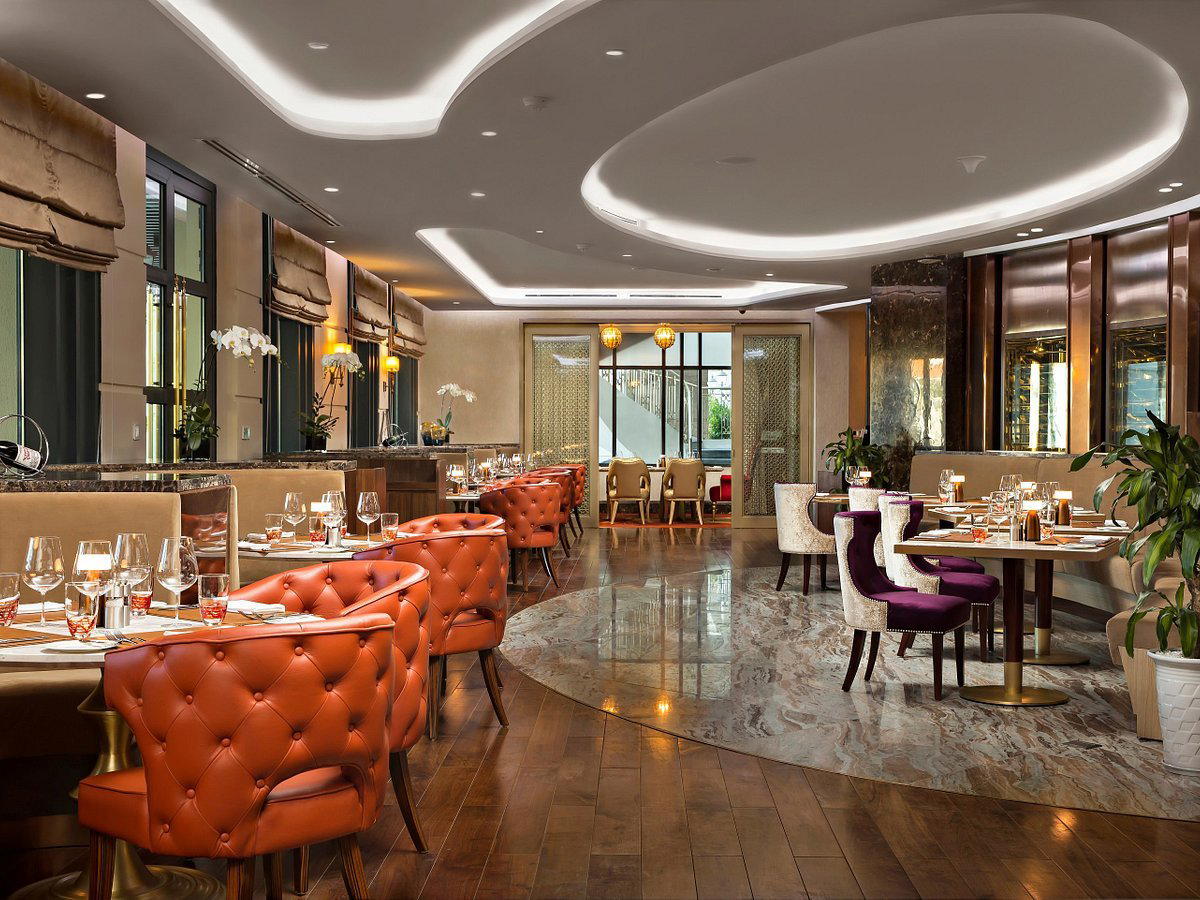
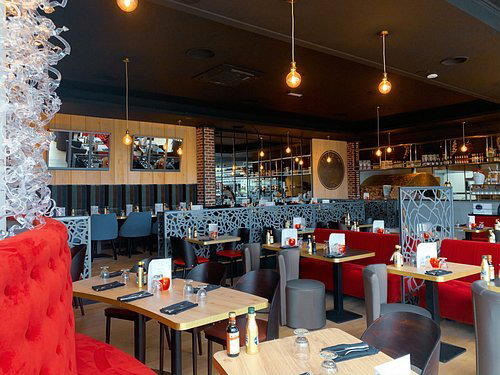
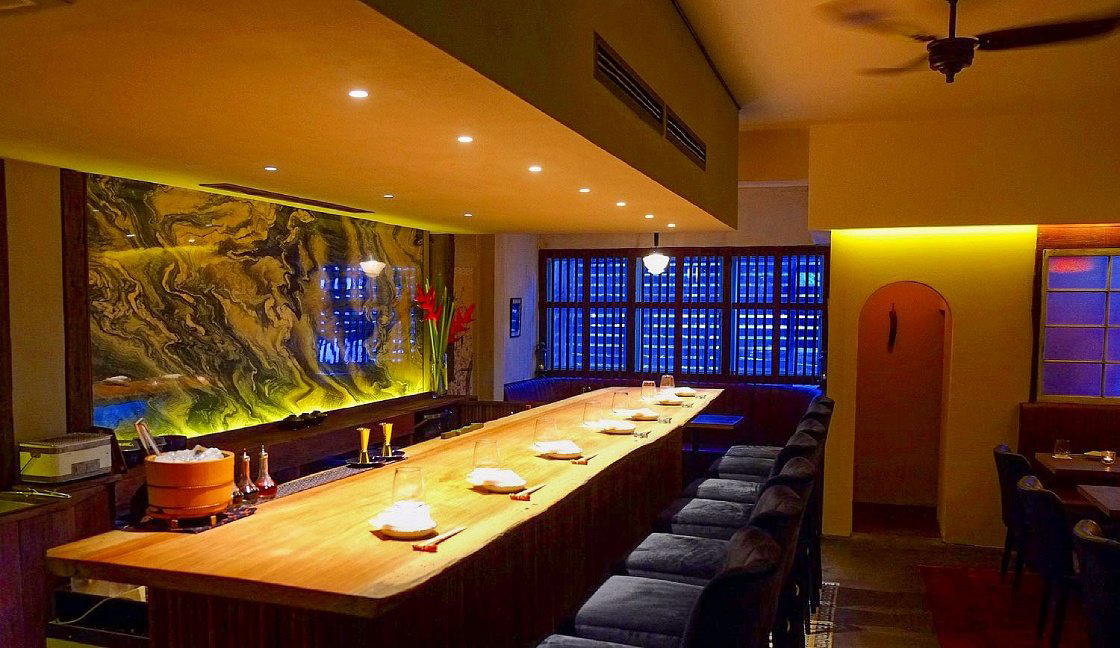
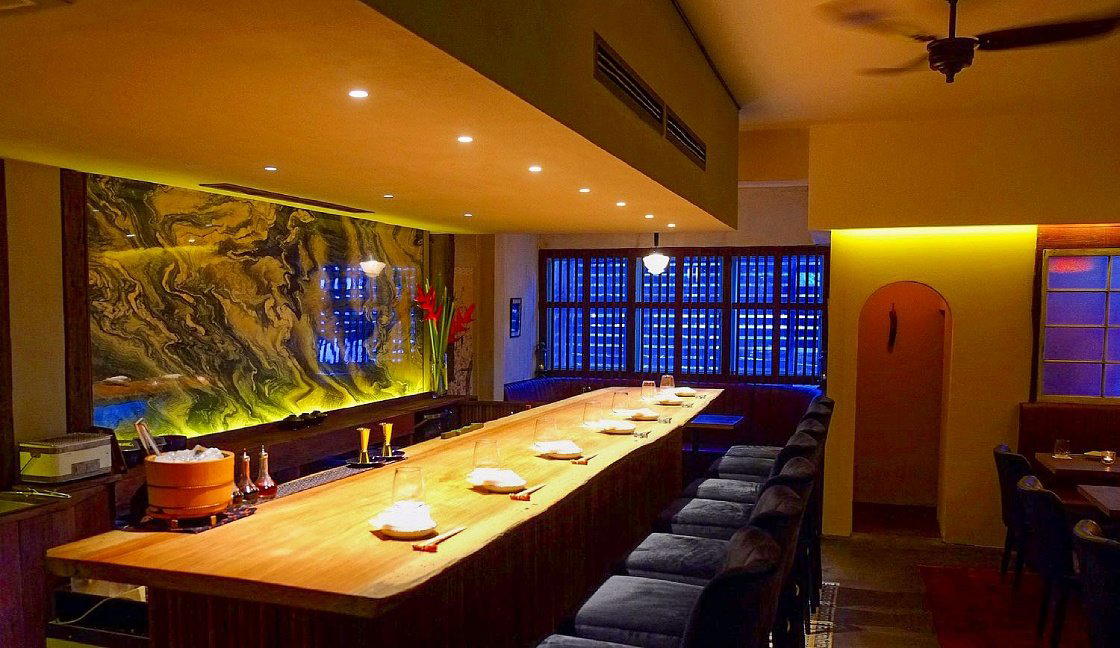
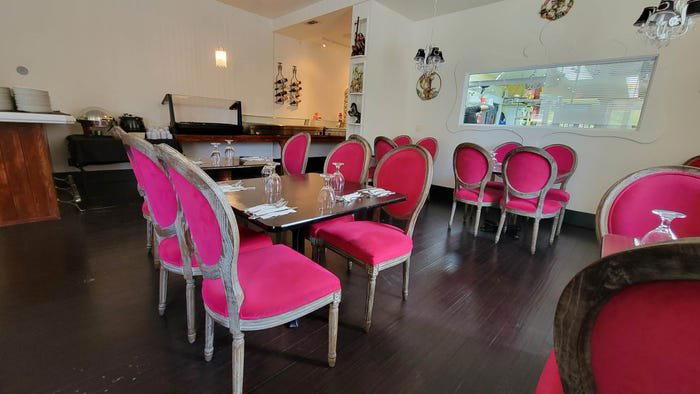
Tranquil and peaceful oasis blending traditional architecture with minimalist modern design, lush gardens, and soft natural lighting.