
World Luxury Hotel Awards WLHA Country Winner
Occupying the upper floors of Keangnam Hanoi Landmark Tower, once the tallest building in Vietnam, the InterContinental Hanoi Landmark72 holds a Global Winner award for Luxury Business Hotel and a Country Winner for Luxury Banquet and Event Hotel. It sits at the edge of Cau Giay's corporate district, a different axis from the Old Quarter hotels, and pitches itself squarely at the large-scale conference and event market alongside senior business travellers.

Pearl is the En Primeur Club membership app, where members save venues, book tables and use the concierge.
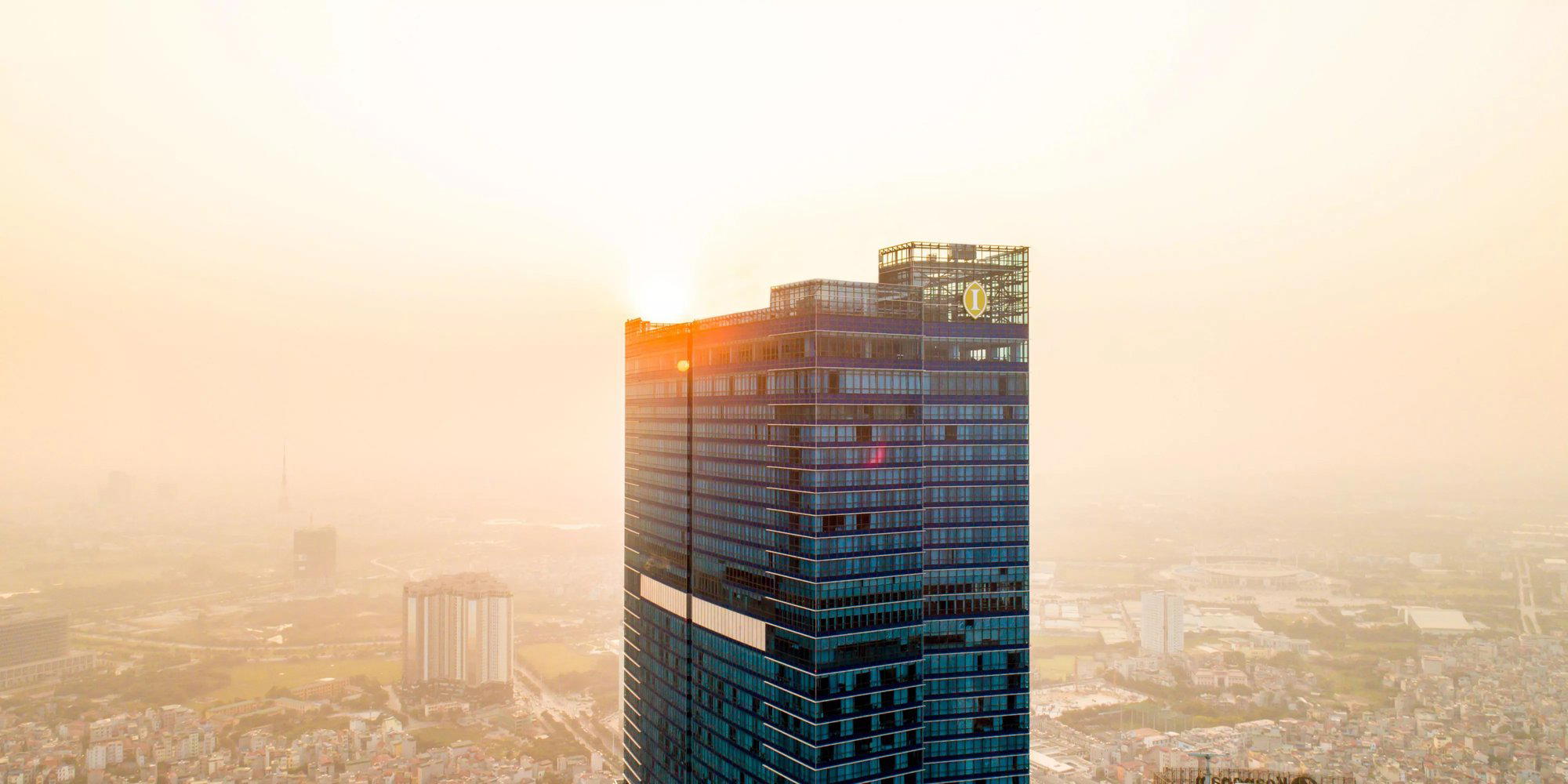
Above the City, at a Different Altitude Than the Old Quarter Hotels
Hanoi's premium hotel market divides along a clear geographic fault line. The Old Quarter and Hoan Kiem clusters, where Capella Hanoi and Hotel de l'Opera - MGallery Hanoi trade on heritage and intimacy, occupy a different competitive register from the Cau Giay corridor to the west. The InterContinental Hanoi Landmark72 belongs to that second category: a large-format, high-altitude property inside Keangnam Hanoi Landmark Tower, a building that held Vietnam's tallest-structure record after its completion. The physical position matters here. Arriving at the tower means entering a modern urban complex rather than a French colonial streetscape, and the hotel experience is calibrated accordingly: scale, event infrastructure, and panoramic reach rather than neighbourhood texture.
For travellers accustomed to measuring Hanoi hotels against the atmospheric properties near Hoan Kiem Lake, this is a deliberate recalibration. The Landmark72 competes not with Essence d'Orient Hotel & Spa or Hanoi Royal Palace Hotel 2 on boutique warmth, but with properties like the JW Marriott Hotel Hanoi and Lotte Hotel Hanoi on the grounds of conference capacity, room volume, and corporate-grade service consistency.
The hotel holds two verified awards: a Global Winner designation for Luxury Business Hotel and a Country Winner for Luxury Banquet and Event Hotel. Those two categories tell a precise story about where this property sits in the Vietnam hotel market. A global win in the business hotel category signals that the property is being evaluated against an international cohort, not just Southeast Asian competitors. A country win in banquet and event infrastructure confirms that within Vietnam, the Landmark72's event capacity ranks at the upper end. These are not awards that speak to intimate dining or neighbourhood immersion. They point to a hotel whose strength is in large-scale hosting, extended corporate stays, and the logistics of bringing significant numbers of people together in one place.
That positioning separates it from properties that win on design language or culinary programming. The Hilton Hanoi Opera or the InterContinental Hanoi Westlake by IHG, for instance, operate in different registers despite sharing brand family proximity in the latter case. The Landmark72's award profile reflects a specific institutional strength, and travellers selecting it on those grounds will find a property that has been recognised for delivering exactly what it promises.
The Cau Giay Context: Hanoi's Corporate District
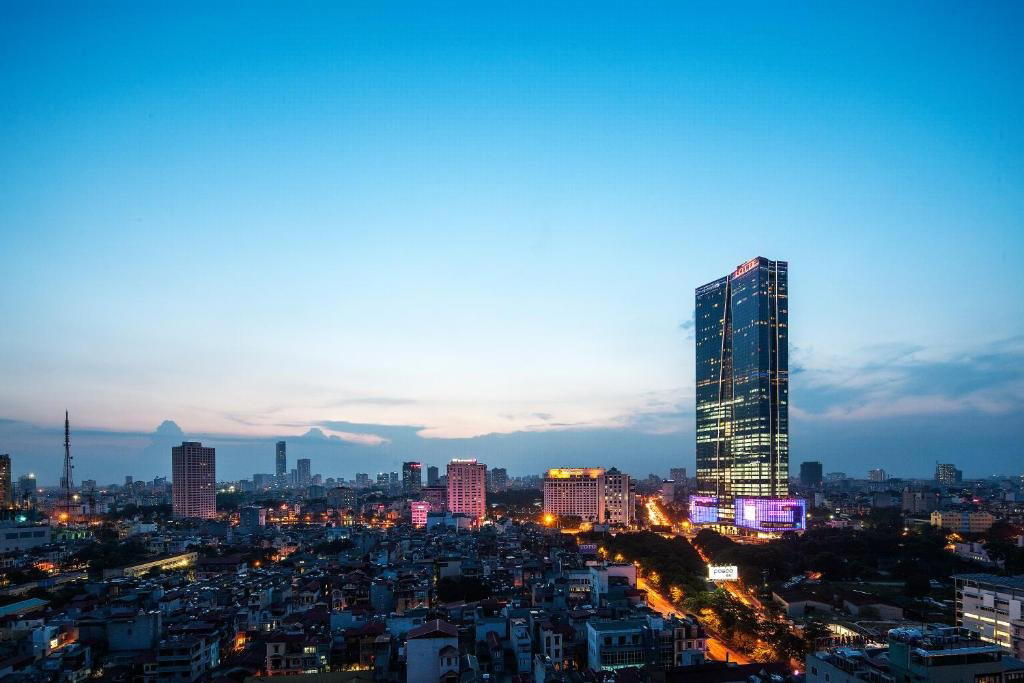
The Cau Giay district, where the Landmark Tower sits, has developed as Hanoi's principal office and technology corridor over the past two decades. International companies, Vietnamese conglomerates, and government-affiliated enterprises cluster here in a way that the Old Quarter never could accommodate. For a business traveller whose meetings are in Cau Giay or the adjacent My Dinh area, staying at the Landmark72 removes a significant logistical friction: Hanoi's traffic, particularly during morning and evening peak hours, can make a journey from Hoan Kiem to Cau Giay a slow and unpredictable one. The vertical distance between floors at the Landmark72 produces city views that compress Hanoi into a map, which gives guests an orienting sense of the capital's sprawl and the West Lake that distinguishes this city from other Vietnamese urban centres.
Travellers who want to explore the Old Quarter's street food scene or walk the shores of Hoan Kiem Lake will need to factor in transit time from this location. That is not a criticism of the property but a calibration point: the Landmark72 is positioned for efficiency within its district, not for pedestrian access to Hanoi's older urban fabric. For deeper exploration of Vietnam's other destinations, the country's infrastructure makes day-trip or onward travel viable, from the coastal resort towns of Nha Trang to the mountain-edged bays of Vinh Hy, or the World Heritage-listed town of Hoi An.
How the Landmark72 Fits a Broader Vietnam Stay
Hanoi functions most usefully as a northern anchor within a multi-city Vietnam itinerary. Travellers beginning in the capital before moving south might continue through Hue, where the former imperial capital offers a different historical register entirely, or drop into the onsen-distinguished resort at Cam Pha. Further south, the luxury tier branches across distinct environments: beach resort enclaves at Quy Nhon or Phan Thiet, heritage spa properties like Banyan Tree Lang Co, and the colonial-era hill station atmosphere of Dalat City. Ho Chi Minh City's boutique tier, represented by properties like Amanaki Saigon, offers a southern counterpoint to the capital.
For travellers pairing Vietnam with international departures, the Landmark72's proximity to Noi Bai International Airport, which sits northwest of Hanoi and is more accessible from Cau Giay than from the Old Quarter, is a practical advantage worth noting. Readers planning their broader Hanoi dining and neighbourhood programme can find additional context in our full Hanoi restaurants guide. For global reference points in the luxury hotel tier, properties like Aman New York, The Fifth Avenue Hotel, and Aman Venice illustrate the different ways top-tier properties calibrate their identity, whether through urban density, heritage architecture, or intimate scale.
Northern Vietnam's Ninh Binh province, accessible as a day excursion from Hanoi, is anchored by Emeralda Resort Ninh Binh, offering limestone karst scenery as a contrast to the capital. Central Vietnam's Da Nang corridor, a natural midpoint on any north-to-south journey, offers options from the river-facing Novotel Danang Premier Han River to the beach-fronting Four Points by Sheraton Danang.
Planning Your Stay
The Landmark72's position in the Cau Giay district means it is leading approached as a base for the western business corridor rather than a launching point for Old Quarter exploration. Guests whose programme centres on the city's corporate district, or who need the event and banquet infrastructure the property has been awarded for, will find the location logical. Those whose priority is atmospheric proximity to Hanoi's historic centre would find the Capella Hanoi or Hilton Hanoi Opera more aligned with that intent. Specific room rates, dining outlet details, and booking access are available directly through the IHG booking system, which handles the InterContinental brand's reservations globally.
Where It Fits
Comparable venues nearby, for context on price, style, and recognition.
| Venue | Cuisine | Price | Awards | Notes |
|---|---|---|---|---|
| InterContinental Hanoi Landmark72This venue (the venue you are viewing) | Contemporary luxury high-rise hotel positioned as Hanoi's premier business and leisure destination with emphasis on panoramic views and sophisticated service. | $200–300 | World Luxury Hotel Awards WLHA Country Winner | Not listed |
| Fairmont Hanoi | Urban luxury flagship blending a mixed‑use tower with a high‑end Fairmont hotel, spa, and large‑scale event facilities in the historic heart of Hanoi. | $300–500 | Not listed | Hoan Kiem |
| Sofitel Legend Metropole Hanoi | Well-known French colonial luxury hotel blending heritage preservation with modern elegance. | $300–500 | 2 Michelin Keys · La Liste Top Hotels | Hoan Kiem |
| Meritel Hanoi | Luxury boutique hotel blending Indochine colonial elegance with contemporary Renaissance architectural details and modern amenities. | $100–200 | Michelin Selected · World Luxury Hotel Awards WLHA Regional Winner | Hoan Kiem |
| Hotel de Lagom | Boutique hotel fusing Scandi and Vietnamese design principles embodying balance. | $1–100 | Michelin Selected | Hoan Kiem |
| Hotel de l'Opera Hanoi | Boutique luxury with theatrical opera theme | $100–200 | Michelin Selected | Hoan Kiem |
Recognition history
Dated appearances from independent guides and award organizations, with the underlying list record or original source where available.
World Luxury Hotel Awards WLHA Country Winner
World Luxury Hotel Awards
Full recognition history (2 entries)
World Luxury Hotel Awards WLHA Global Winner
World Luxury Hotel Awards
Continue exploring
More in Hanoi
Hotels in Hanoi
All hotels in Hanoi →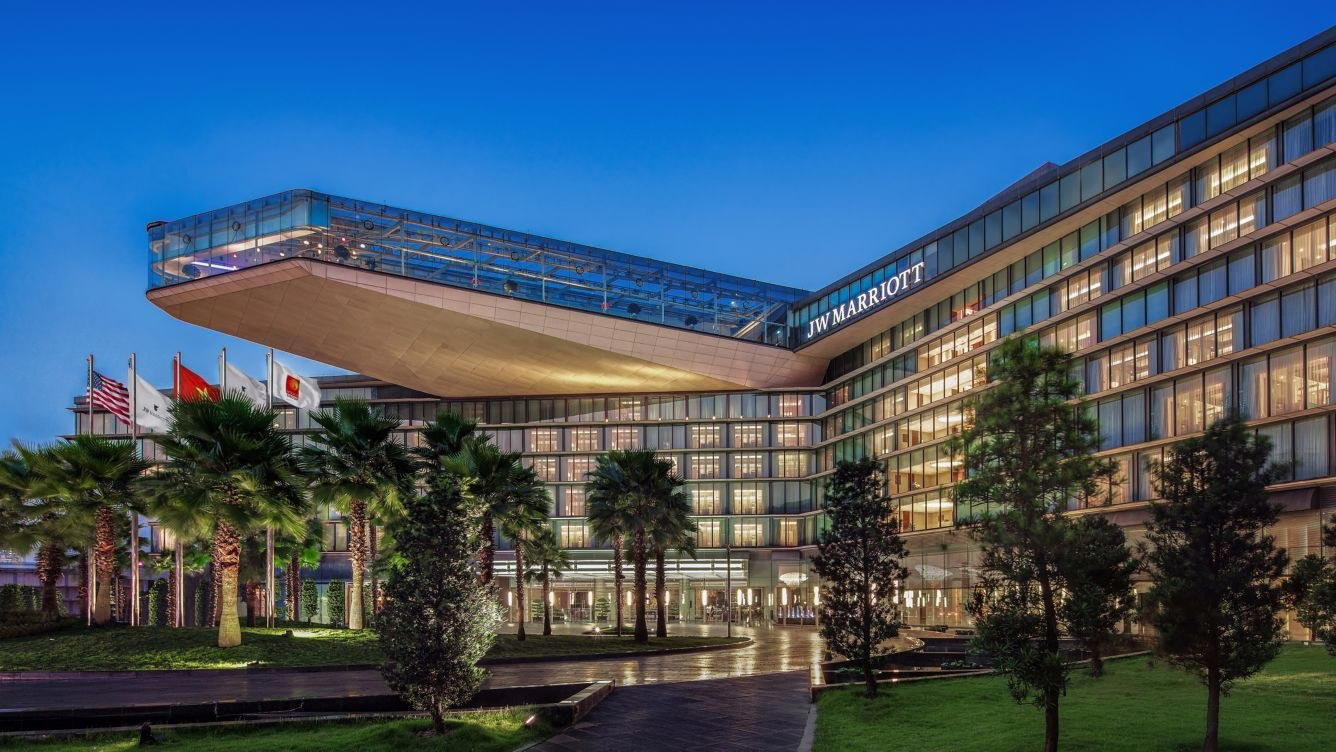
Details
- Sophisticated
- Modern
- Elegant
- Scenic
- Business Trip
- Romantic Getaway
- Celebration
- Panoramic View
- Rooftop Pool
- Destination Spa
- Terrace
- Design Destination
- Wi Fi
- Pool
- Spa
- Fitness Center
- Room Service
- Concierge
- Business Center
- Restaurant
- Bar
- Sauna
- Skyline
- Wheelchair Accessible
- Elevator
- Accessible Restroom
- Accessible Parking
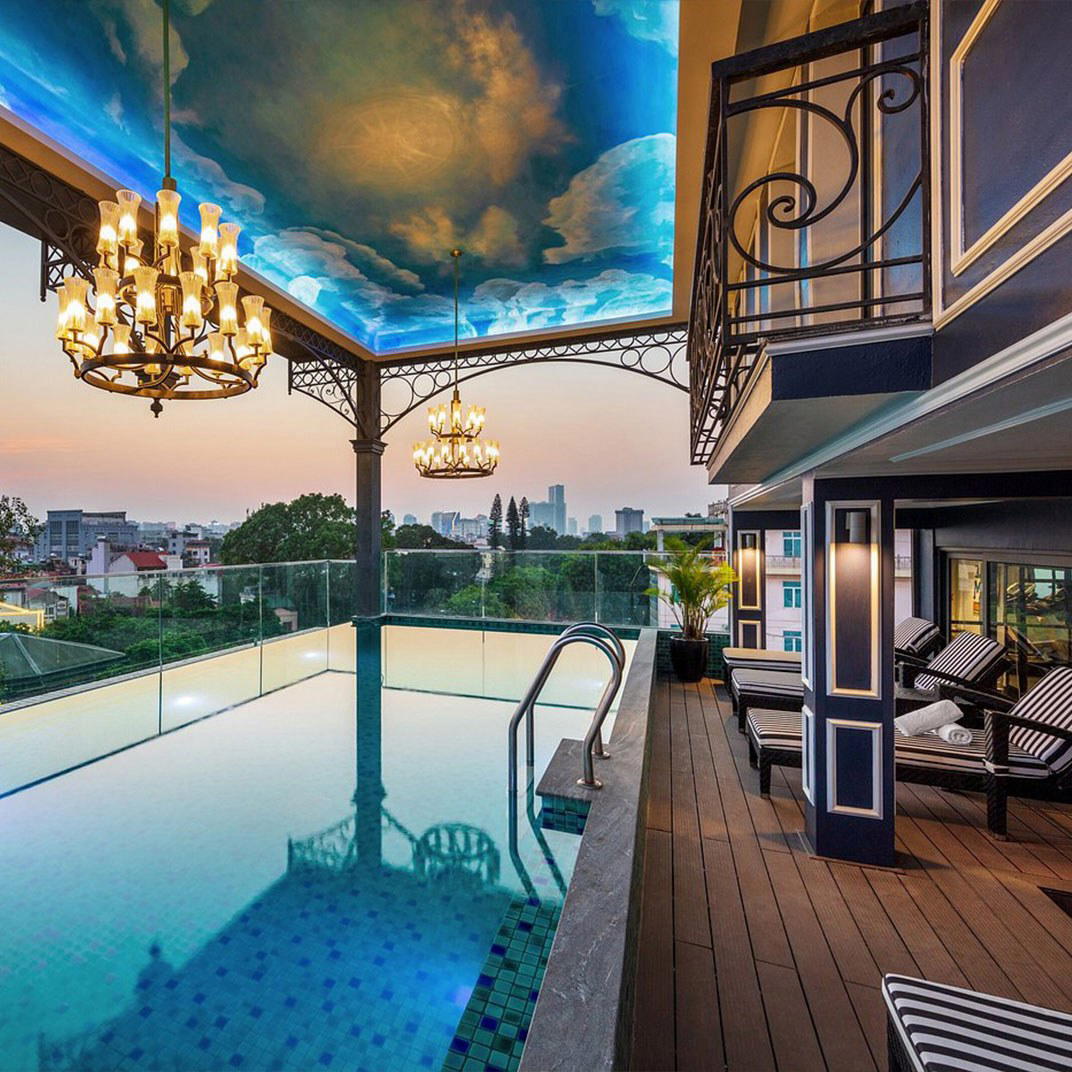
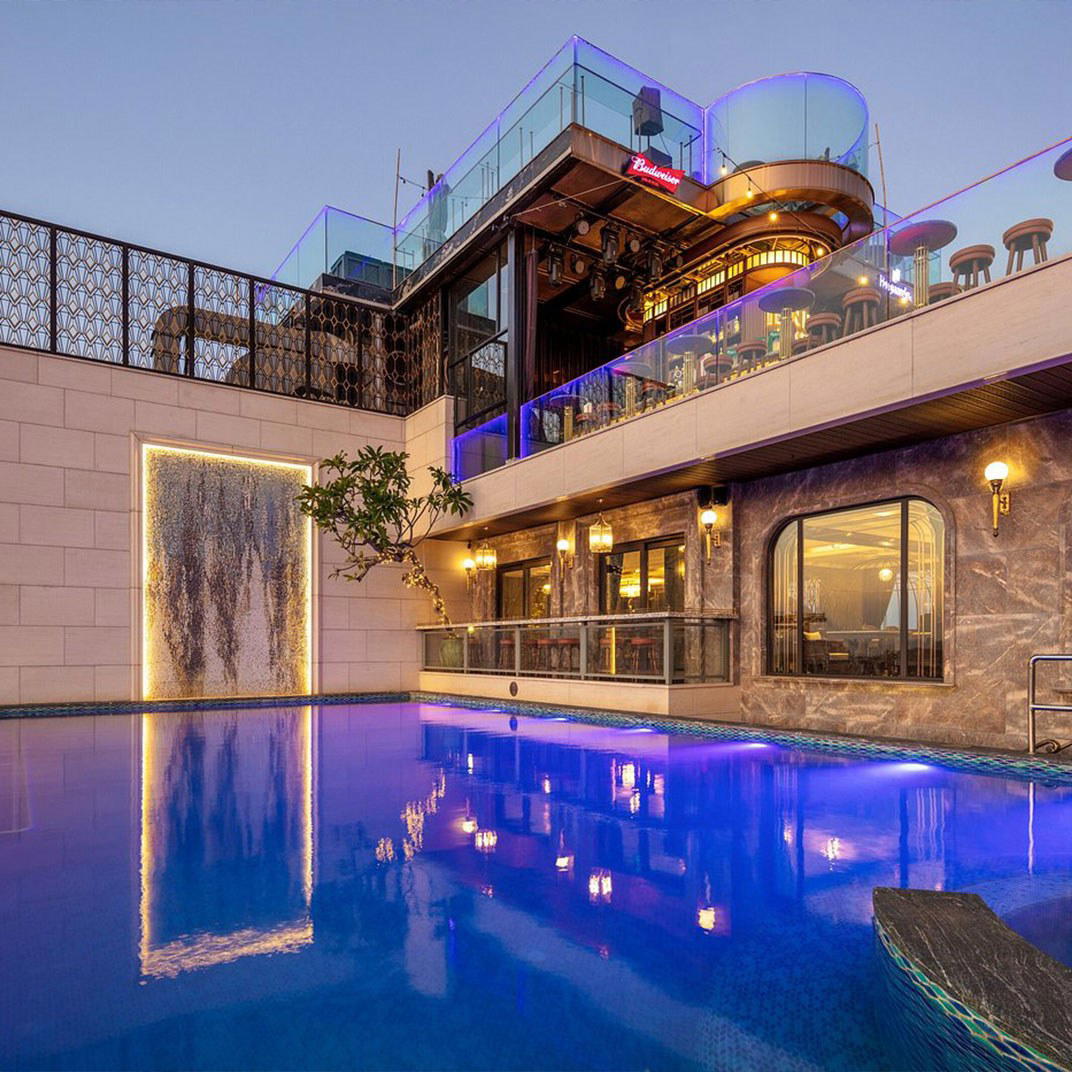
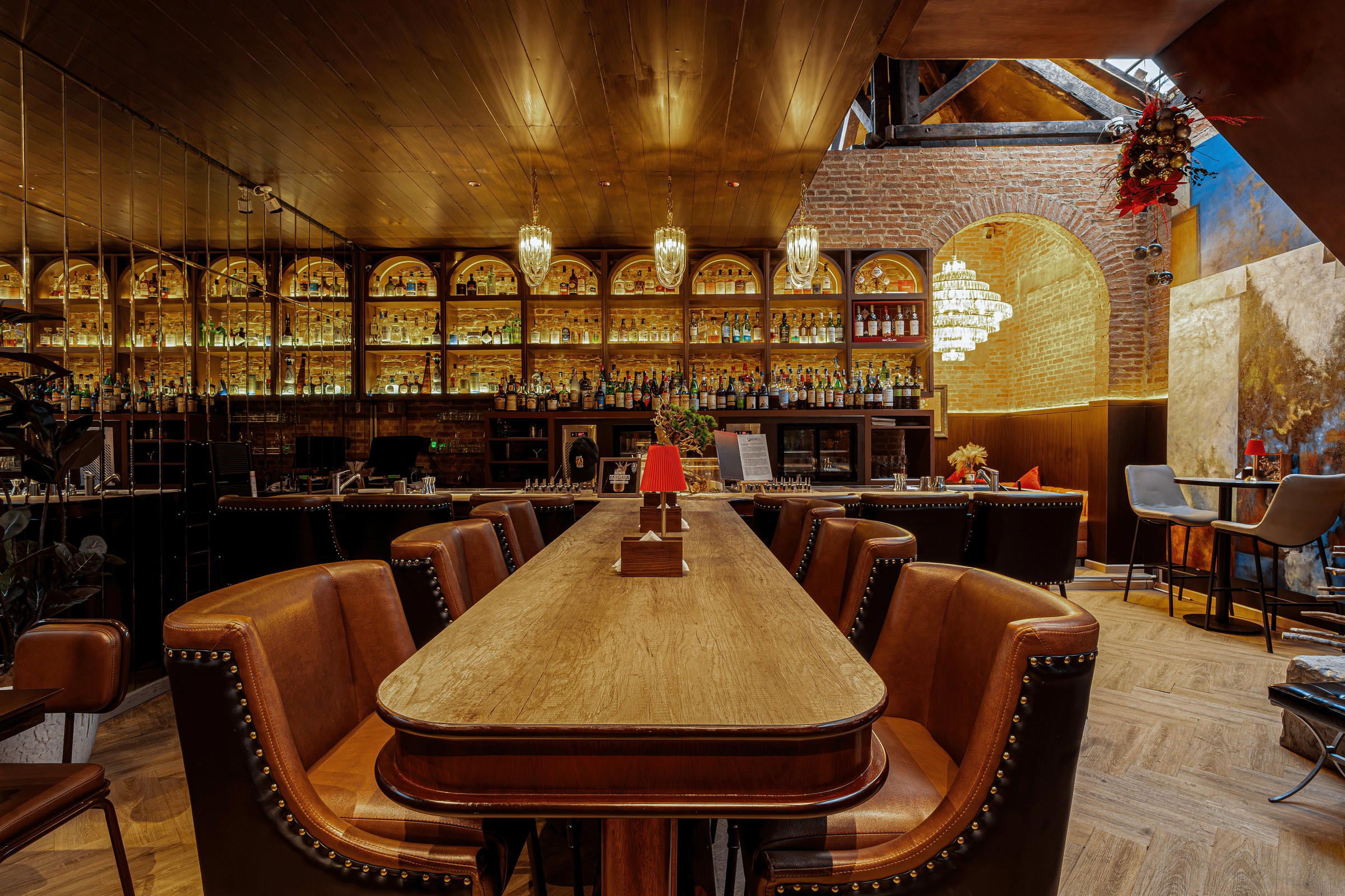
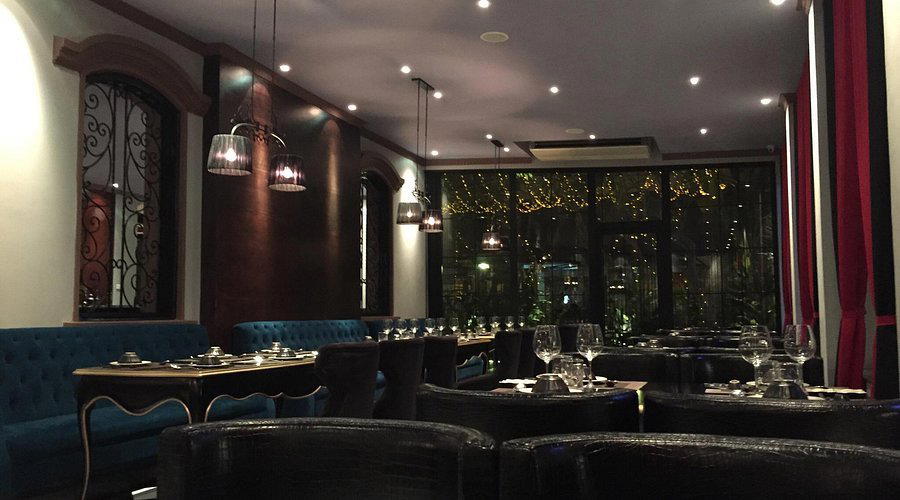
Bright, contemporary luxury with floor-to-ceiling windows framing dramatic Hanoi skyline; sophisticated lobby lounge with evening drinks overlooking the city; well-lit, modern interiors with premium furnishings.