Hilton Quang Hanh Onsen Resort occupies a category that remains rare in northern Vietnam: an international-branded property built around natural hot spring access in Cam Pha, the coal-country gateway to Halong Bay's eastern reaches. The resort positions geothermal bathing at the centre of its offer rather than treating it as an amenity, placing it in a distinct niche within Vietnam's expanding wellness hotel market.

Pearl is the En Primeur Club membership app — saves, bookings, and concierge access live there. Same editors, same standards.
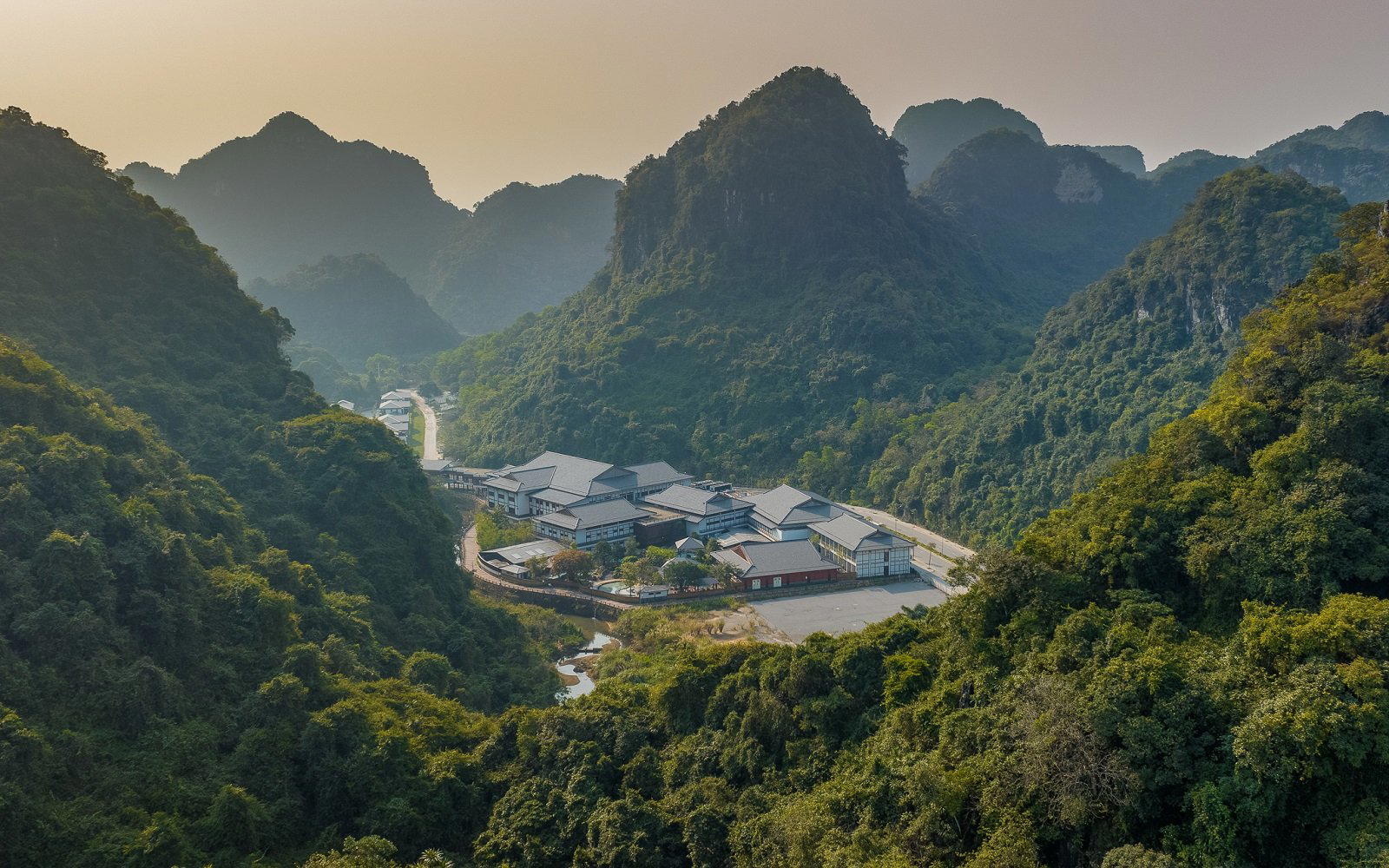
Where Industrial Coast Meets Geothermal Architecture
Cam Pha sits at an unusual intersection in Vietnamese geography. It is a working coal city, roughly 60 kilometres east of Ha Long City along Quang Ninh Province's coastal industrial belt, and it holds almost no profile in the standard Vietnam luxury circuit. Yet the area sits atop one of the country's most substantial natural hot spring systems, the Quang Hanh thermal field, which has been drawing health-focused Vietnamese travellers for decades. Hilton Quang Hanh Onsen Resort is a 5-star hotel in Cam Pha, Vietnam, with 216 rooms, and it draws on Quang Hanh's thermal springs.
The design challenge at this type of property is considerable. Hot spring resorts built around industrial or semi-industrial landscapes must do two things simultaneously: create genuine enclosure and retreat, while honestly engaging with the geothermal resource that defines the property's reason for being. Particularly successful examples in Asia, from Japanese ryokan architecture to South Korea's jjimjilbang-adjacent resort formats, resolve this tension through material honesty, using stone, water, and thermal steam as primary architectural elements rather than ornament. How the Hilton Quang Hanh property approaches that resolution is the central question for any visitor evaluating it against the broader category of onsen-format resort design in Southeast Asia.
The Geothermal Proposition: Context and Competitive Position
Vietnam's wellness resort market has expanded rapidly over the past decade, but it has overwhelmingly concentrated on coastal and mountain settings, spas powered by imported mineral water, or forest-bathing concepts. Properties built on genuine geothermal infrastructure are rare. The Quang Hanh spring system produces naturally mineralised water at temperatures that require little artificial heating, which places any serious resort development here in a structurally different position from the spa-led hotels that dominate the Vietnam wellness tier. The closest international reference points are less Hoi An or Da Nang and more Beppu or Hakone in Japan, where the geology itself is the attraction and the architecture is expected to serve it.
Within Vietnam's current hotel offerings, the Hilton Quang Hanh Onsen Resort occupies a niche without a direct domestic peer in the international-branded segment. Properties like Almanity Hoi An Wellness Resort in Hoi An and Amiana Resort Nha Trang represent the coastal wellness format, while mountain properties such as Hotel de la Coupole in Sapa occupy the highland retreat category. The geothermal format sits apart from both. Emeralda Resort Ninh Binh and Oakwood Ha Long are geographically proximate comparators in northern Vietnam's non-beach segment, but neither is structured around a thermal water offer. For the international traveller, this absence of direct competition in the branded segment is the strongest positioning signal the Hilton Quang Hanh property carries.
Architectural Reading: What a Thermal Resort Should Deliver
Onsen resort architecture operates under a specific discipline that conventional hotel design does not. The sequencing of spaces, from dry arrival zones through transitional changing and preparation areas to the pools themselves, is not decorative; it governs the physiological and psychological experience of thermal bathing. Properties that treat the hot spring as one amenity among many, accessible via an elevator ride to a basement spa, consistently fail to deliver the thermal experience that geothermal resorts promise. The architecture must make the water feel central because it is central.
At properties of this category, particularly defensible design decisions tend to be especially material-specific: the choice of stone around pool edges, the management of steam and sightlines, the relationship between indoor and outdoor thermal pools, and the degree to which accommodation units offer private thermal access versus shared bathing in a Japanese communal format. The latter distinction is particularly significant for international guests unfamiliar with shared-bathing culture, and how a property calibrates that choice shapes its accessible market substantially. For travellers considering this property, understanding which format the Hilton Quang Hanh has prioritised is a meaningful planning variable.
Visitors comparing luxury thermal options across the region may also want to reference Amanoi in Vinh Hy, which represents the high-design wellness resort model in a Vietnamese context, or Anantara Quy Nhon Villas for the villa-format coastal wellness approach. Neither offers the geothermal element, but both represent the design discipline and service depth that premium wellness travellers in Vietnam will use as their baseline expectation.
Getting There and Practical Context
Cam Pha is accessible from Van Don International Airport, positioned as the gateway to Quang Ninh Province's eastern attractions, including this stretch of coast and the outer Halong Bay islands. The drive from Van Don to central Cam Pha runs under an hour. Travellers already familiar with the InterContinental Hanoi Westlake corridor or considering extensions from Hanoi into Quang Ninh Province will find Cam Pha sits logistically at the end of the Ha Long circuit.
For broader Vietnam planning, the country's premium hotel spread runs from Azerai La Residence in Hue and Four Seasons The Nam Hai near Hoi An in the centre to Amanaki Saigon and Banyan Tree Lang Co further south and north respectively. None of them operate in the geothermal space that defines Cam Pha's singular offer.
In Context: Similar Options
Comparable venues nearby, for context on price, style, and recognition.
| Venue | Cuisine | Price | Awards | Notes |
|---|---|---|---|---|
| Hilton Quang Hanh Onsen ResortThis venue — the venue you are viewing | Japanese ryokan-style resort with modern Hilton comforts | $$$$ | 5-Star | Not listed |
| Namia River Retreat - Wellness Inclusive Resort | Sustainable luxury wellness resort inspired by local Vietnamese villages and nature | $$$$ | 5-Star | Cẩm Thanh |
| Four Seasons Resort, The Nam Hai | Contemporary interpretation of traditional Central Vietnamese garden house architecture with feng shui principles, featuring timber frames, pitched tile roofs, and split-level design elements. | $$$$ | 5-Star | Ha My Beach, Hoi An |
| Peridot Grand Luxury Boutique Hotel | Art deco flair with Vietnamese influences in a contemporary luxury setting | $$$$ | 5-Star | Hoan Kiem |
| Zannier Bai San Ho | rustic Vietnamese tribal-inspired villas blending into tropical landscapes | $$$$ | 5-Star | Xuan Canh Commune |
| Mia Saigon – Luxury Boutique Hotel | Luxury boutique riverside sanctuary blending French Indochine with modern luxury. | $$$$ | 5-Star | District 2 |
At a Glance
- Quiet
- Scenic
- Elegant
- Sophisticated
- Honeymoon
- Romantic Getaway
- Family Vacation
- Wellness Retreat
- Infinity Pool
- Destination Spa
- Panoramic View
- Wi Fi
- Pool
- Spa
- Fitness Center
- Room Service
- Concierge
- Kids Club
- Mountain
- Garden
- Wi Fi
- Pool
- Spa
- Fitness Center
- Room Service
- Concierge
- Kids Club
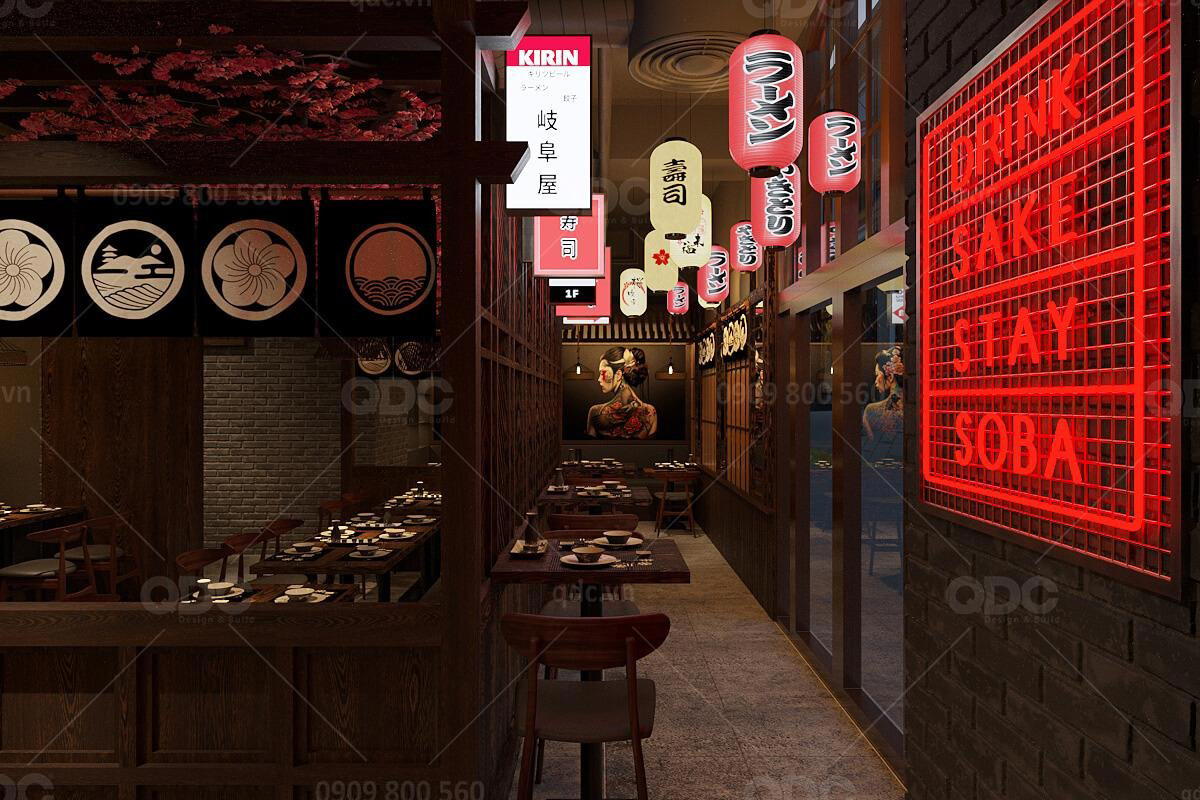
Serene and elegant Japanese-inspired atmosphere with relaxing onsen baths, zen gardens, and mountain views, blending traditional wellness with modern luxury.