

A Michelin Plate wine bar and kitchen counter in Hoàn Kiếm, Etēsia runs a 350-vintage Old World wine list alongside modern Mediterranean-leaning dishes shaped by Asian ingredients. The 18-seat counter format keeps the experience close and unhurried. Homemade pasta is the kitchen's acknowledged centrepiece, and a Coravin program means serious bottles open without commitment.
Pearl is the En Primeur Club membership app — saves, bookings, and concierge access live there. Same editors, same standards.
- Address
- 14B P. Lò Sũ, Lý Thái Tổ, Hoàn Kiếm, Hà Nội 11007, Vietnam
- Phone
- +84 986 868 042
- Website
- facebook.com
- Directions
- Get directions
 Saves & bookings on Pearl
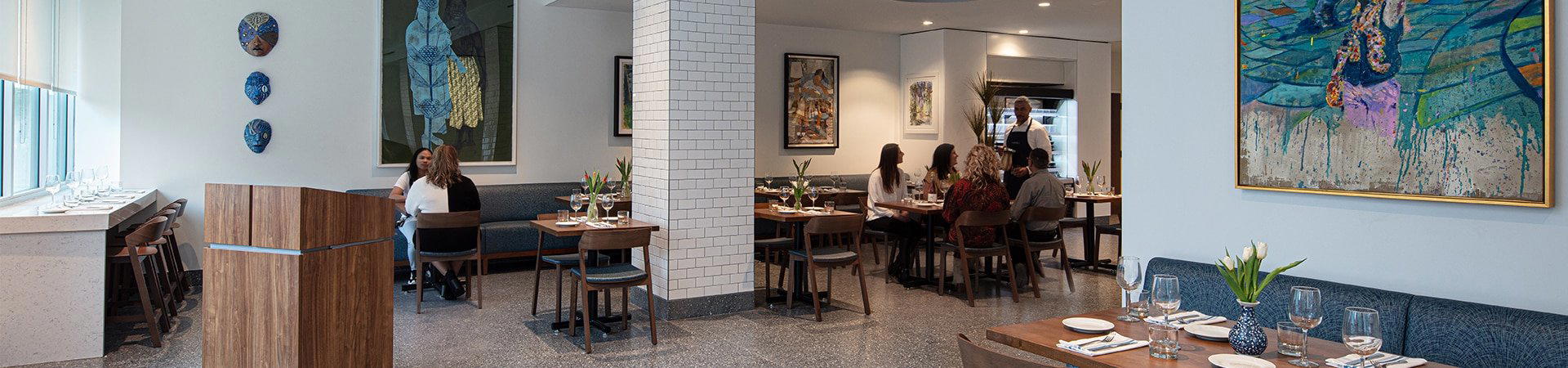
The open kitchen announces itself before you've found your seat. At Etēsia on Phố Lò Sũ, the counter runs the length of the room, close enough to watch pasta being worked and plates being composed. Rows of empty wine bottles line the shelves. The room holds 18 seats at the counter, and at that scale, the meal is less a transaction than a shared sequence: you watch the kitchen move, you pace with it, and the staff read the room rather than manage a floor.
Counter Dining as a Format
The counter-dominant format is still relatively uncommon in Hanoi at this price tier. Most of the city's European-influenced kitchens operate as conventional table-service restaurants, where the kitchen stays behind a wall and the meal arrives in courses without much visible craft. Etēsia's layout inverts that: the kitchen is the room, and the 18-seat configuration means the pacing of your evening is set by what you see in front of you as much as by a printed menu.
That format places Etēsia in a smaller comparable set regionally. Zén in Singapore and Ad Astra in Taipei both operate within European contemporary traditions in Asia, though at higher price points and with more formal service codes. Closer to home, Akuna in Ho Chi Minh City works a comparable Mediterranean-influenced register. Etēsia's price tier puts it well below those reference points, and a 2025 Michelin Plate at this level is unusual in any Asian capital.
The Ritual of the Meal Here
At an 18-seat counter, the customs that govern a meal are different from those in a larger dining room. You arrive knowing where you'll sit. The meal moves with the kitchen rather than on a clock you set. Wine becomes part of the conversation from the start, because 350 Old World vintages are hard to ignore and the staff are clearly built to talk about them. The Coravin program expands access considerably: wines that would otherwise require a full bottle commitment open at the glass, which shifts how you approach pairing across a meal.
Mediterranean-at-heart cooking with an Asian inflection is a format that requires careful calibration. Applied loosely, it produces menus that feel neither here nor there. Michelin's 2025 Plate recognition, which cites "accurate, well-judged flavours," signals that the kitchen has found those calibrations. The homemade pasta is the kitchen's centrepiece, and in Hanoi's European contemporary niche it signals both a supply chain commitment and a technical priority. Getting fresh pasta right in a tropical climate demands attention to humidity, flour, and timing that shortcuts tend to reveal.
Where Etēsia Sits in Hanoi's Dining Pattern
Hanoi's Michelin-recognised restaurants in 2025 span a wide price and style range. At the leading end, Gia and Hibana by Koki both hold one Michelin Star at ₫₫₫₫, four price-tier steps above Etēsia on the local scale. Tầm Vị holds a Star at ₫₫, matching Etēsia's tier but working within Vietnamese tradition rather than European contemporary. That makes Etēsia's position somewhat singular: European contemporary, Michelin-recognised, and accessible within a two-price-tier band that most of Hanoi's serious dining has moved away from.
The Hoàn Kiếm address matters, with the Old Quarter's street-food density and the lake-adjacent streets where international restaurants cluster. Phố Lò Sũ is in the quieter eastern fringe of the district, which at 18 seats is the correct setting: the restaurant doesn't need foot traffic, it needs guests who have looked it up. Compare that model to Habakuk and Labri, both working the city's small-format European register from different angles.
Across the European contemporary category in Asia more broadly, the tension between Mediterranean tradition and local ingredient availability shapes almost every kitchen at this scale. EHB in Shanghai, IGNIV in Bangkok, and Caractère in London each navigate that tension differently. In Etēsia's case, the described "Asian twist" and Mediterranean core suggests a kitchen using local produce and flavour logic to extend, rather than replace, the European frame, a more durable approach than kitchens that impose a European format wholesale. For a regional comparison in Vietnam, La Maison 1888 in Da Nang works the European-in-Vietnam register at a much higher price point and inside a heritage hotel setting. Schwarzer Adler in Hall in Tirol shows the category operating in its home terrain for further contrast.
Planning a Visit
Etēsia is at 14B Phố Lò Sũ in Hoàn Kiếm, walkable from Hoan Kiem Lake and the surrounding hotel cluster. The ₫₫ price tier makes the per-head cost accessible relative to the city's Starred competition, and the wine-by-the-glass and Coravin formats allow for serious bottles without the commitment of a full purchase. If pasta is the kitchen's focus, ordering it is the clearest way to understand the menu.
For broader context across Hanoi's dining, drinking, and hotel options, our full editorial guides cover the city's current scene:
What to Eat at Etēsia
Q: What should I eat at Etēsia?
Homemade pasta is the kitchen's focal point, and that's where to start. The broader menu sits in a Mediterranean-with-Asian-inflection register, with dishes described as "accurate and well-judged" in the 2025 Plate citation. On the wine side, the 350-vintage Old World list and Coravin program are both worth engaging: the staff are equipped to guide by-the-glass choices across a meal rather than defaulting to house pours. Given the 18-seat counter format, the meal rewards a slower pace: let the kitchen set the rhythm rather than rushing to a next course. See also: Gia for Vietnamese contemporary at the Starred tier, and Tầm Vị for a Starred Vietnamese option at a comparable price point.
The Essentials
Comparable venues nearby, for context on price, style, and recognition.
| Venue | Cuisine | Price | Notes |
|---|---|---|---|
| EtēsiaThis venue — the venue you are viewing | European Contemporary | $$$$ | Not listed |
| Backstage | Not listed | $$$ | Hoan Kiem, Modern Northern Vietnamese Fine Dining |
| Izakaya by Koki | Not listed | $$$$ | Hoan Kiem, Modern Japanese Izakaya & Teppanyaki |
| Vị An | Not listed | $$$ | Dong Da, Authentic Northern Vietnamese Homestyle |
| T.U.N.G dining | Not listed | $$$$ | Hoan Kiem, Modern Vietnamese Fusion Tasting Menu |
| Habakuk | Not listed | $$ | Hoan Kiem, Modern European Bistro with Mediterranean Influences |
Recognition history
Dated appearances from independent guides and award organizations, with the underlying list record or original source where available.
Star Wine List
Star Wine List
Michelin Plate
Michelin
Michelin Plate
Michelin

At a Glance
- Intimate
- Sophisticated
- Trendy
- Cozy
- Elegant
- Date Night
- Special Occasion
- Chefs Counter
- Open Kitchen
- Wine Cellar
- Extensive Wine List
- Sommelier Led
Current opening hours
- Monday
- 5–9:30 PM
- Tuesday
- 5–9:30 PM
- Wednesday
- 5–9:30 PM
- Thursday
- 5–9:30 PM
- Friday
- 5–9:30 PM
- Saturday
- 5–9:30 PM
- Sunday
- 5–9:30 PM
Hours can change for holidays and private events. Last verified .
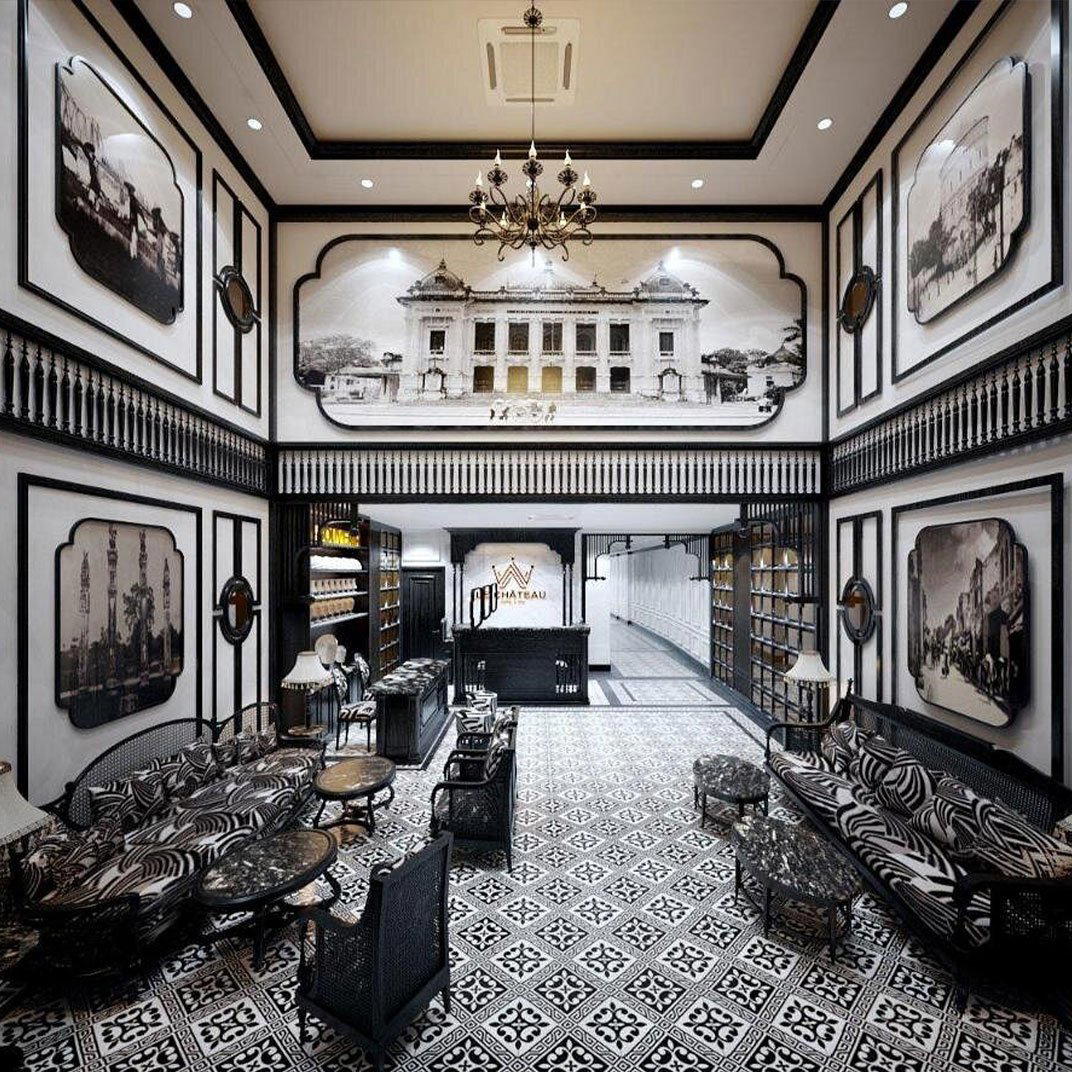
Snug, buzzy wine bar with low-hanging rattan lights, backlit organic alcoves evoking Cycladic cave houses, warm modern-rustic atmosphere around the open kitchen.