




1 Michelin Key · La Liste Top Hotels · Forbes 4-Star
Occupying the heritage-protected shell of Berlin's former Royal Danish Embassy on the Tiergarten's southern edge, SO/ Berlin Das Stue pairs a Patricia Urquiola interior with French brasserie dining and a bar stocked with rare whiskies unavailable elsewhere in the German capital. With 78 rooms, a Susanne Kaufmann spa, and a 2025 World Travel Awards win for Germany's Leading Boutique Hotel, it operates in a distinct tier above the city's larger luxury properties.

Pearl is the En Primeur Club membership app — saves, bookings, and concierge access live there. Same editors, same standards.
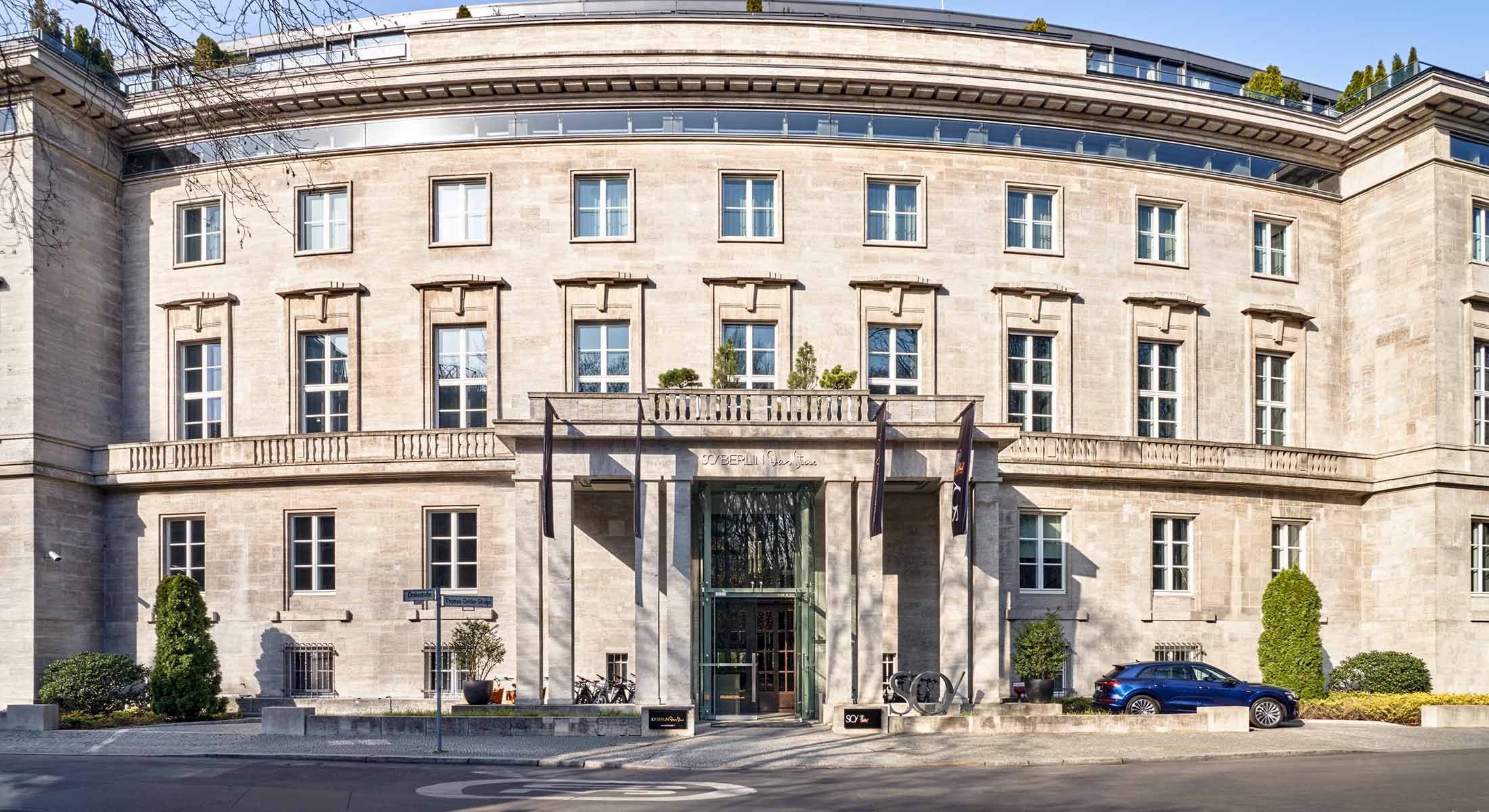
A Diplomatic Address Repurposed for Considered Luxury
Approaching Drakestraße 1 from the Tiergarten, the former Royal Danish Embassy reads as civic architecture first and hotel second. Designed in the late 1930s by Johann Emil Schaudt, the architect behind KaDeWe, the building was conceived to project institutional authority, and that quality survived the conversion. Annette Axthelm oversaw the architectural overhaul; Patricia Urquiola handled the interior. The result sits apart from the glass-and-steel new-build luxury that characterises much of Berlin's recent hotel development. Where properties like The Ritz-Carlton, Berlin operate from purpose-built towers at Potsdamer Platz, Das Stue draws from the specific physical logic of a heritage building: high ceilings, a courtyard orientation, and a relationship with the surrounding greenery that a new structure simply cannot manufacture.
That greenery matters. The Tiergarten is not a city park in the decorative sense; it is a dense, 210-hectare urban forest, and the hotel sits at its southern fringe with an unobstructed view across to the Berlin Zoo. The Zoologischer Garten district stretching west along Kurfürstendamm and Kantstraße offers a concentrated run of restaurants, shops, and galleries within a fifteen-minute walk through the park. Berlin's boutique luxury tier, which also includes Telegraphenamt and Roomers Berlin Steinplatz at Steinplatz, has consistently favoured residential neighbourhoods over the central tourist corridor, and Das Stue's Tiergarten address belongs to that same logic.
The Dining Programme: French Classicism in a Brasserie Format
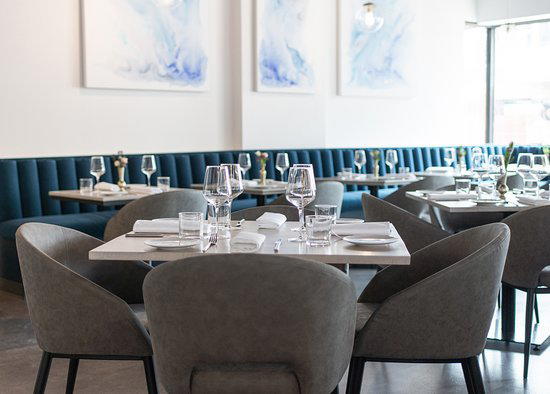
Berlin's luxury hotel dining has generally moved in two directions over the past decade: either toward ambitious tasting-menu formats that compete with the city's independent restaurant scene, or toward accessible all-day programmes that serve the hotel's own guests first. Das Stue's CARTE BLANCHE restaurant sits in the second category, and does so without apology. The format is brasserie: classic French dishes, a cosy room, and a menu anchored in tradition rather than experimentation. An Entrecôte, truffle pasta, and crème brûlée are cited as representative dishes, which signals something deliberate. This is not a restaurant positioning itself against the Michelin-tracked independents; it is a dining room that treats French technique as a reliable foundation and executes within that framework using high-quality sourcing.
That positioning is not unusual for this category of hotel in European capitals. What it means in practice is that guests can eat well without the reservation pressure that accompanies the city's more ambitious programmes, and that the food functions as a complement to the broader stay rather than a separate destination event. For properties at this price tier, around $425 per night, a competent in-house restaurant that does not demand advance planning is often a more useful amenity than a high-concept kitchen that requires the same booking discipline as the hotel itself.
STUE BAR: Spirits as Editorial Statement
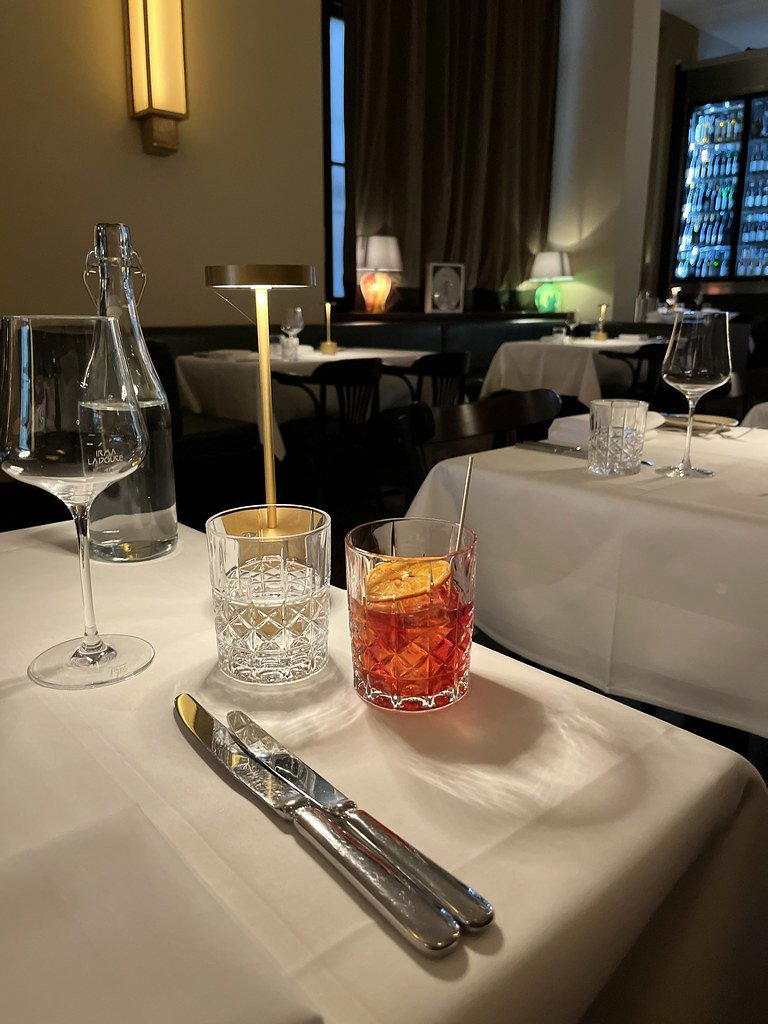
The bar programme at Das Stue operates on a different register from the restaurant. The STUE BAR occupies the rear zone of the lounge with terrace access overlooking the zoo, and its whisky and vermouth selection includes expressions not otherwise available in the German capital. That is a specific and verifiable claim, and it places the bar in a niche occupied by a small number of European hotel bars that treat their spirits list as a genuine point of differentiation rather than a standard luxury amenity. The interior carries a playful quality beneath its sophistication, consistent with the SO/ brand's design philosophy, but the collection of unusual whiskies and cognacs gives the programme substance beyond aesthetics.
The terrace's zoo adjacency also delivers an amenity that no competitor can replicate: guests of the hotel gain exclusive access to the Zoologischer Garten through the bar's terrace, with tickets purchasable at the front desk. It is an arrangement that works as effectively for travelling adults as it does for families, given that the zoo is one of the largest and most visited in Europe.
78 Rooms, Three Categories, One Coherent Aesthetic
Room count of 78 places Das Stue firmly in boutique territory. Rooms divide into three categories: Stue, Embassy, and Suites. The base category delivers the essentials at a high standard: subdued colour palettes in creams, browns, and greys, Arne Jacobsen Egg chairs, hardwood floors, rain showers with Molton Brown products, and Apple TV and Nespresso as standard. The Danish Embassy heritage surfaces most visibly in the furniture selection; Jacobsen's Egg chair is not a decorative nod but a direct material link to Danish design history. For a balcony, terrace, or freestanding bathtub, an upgrade to an Embassy Room or Suite is required, and those categories also offer improved sightlines across the Tiergarten and the zoo. Eleven rooms across the property feature terraces or balconies.
Art throughout the public areas merits separate attention. The collection draws on early fashion photography and portraiture from Harper's Bazaar and Vogue commissions of the 1950s and 1960s, with works attributed to photographers including Horvat, Steichen, Newton, Penn, Avedon, and Bohrmann. The subjects include Dorian Leigh, Marilyn Monroe, and Marlene Dietrich. Sculptures commissioned specifically for the property, among them Quentin Garel's crocodile head and Benedetta Mori's wire-mesh animals, reference the adjacent zoo. The collection functions as a consistent editorial voice across all shared spaces rather than a decorative afterthought.
The Spa and Its German Credentials
Ground-floor Spa by Susanne Kaufmann operates on a distinctly German framework. Kaufmann's brand has built a reputation for combining holistic and evidence-based approaches, and the spa at Das Stue delivers three treatment rooms, a 46-foot indoor swimming pool, a glass sauna, and a gym. The courtyard-facing design means the space opens outward when light conditions allow, giving a connection to the building's outdoor architecture that treatment rooms in basement-level hotel spas typically cannot achieve. For guests comparing this with other properties in the city, Patrick Hellmann Schlosshotel in Grunewald and Hotel de Rome at Bebelplatz each offer spa facilities, but the Susanne Kaufmann brand carries specific wellness credentials that distinguish it from standard hotel spa programming.
Recognition and Competitive Position
Those credentials place it above properties that compete primarily on location or design without the operational consistency that awards tracking requires. Among Berlin's luxury tier, it occupies a specific position: smaller than The Ritz-Carlton and more architecturally specific than most SO/ brand properties globally, but with a dining and bar programme that functions as a genuine part of the offer rather than a secondary amenity.
For travellers comparing Das Stue against Germany's broader luxury hotel market, the reference points shift beyond Berlin. Properties like Schloss Elmau in the Bavarian Alps or Fairmont Hotel Vier Jahreszeiten in Hamburg occupy different categories by size and setting, while Hotel Bareiss in Baiersbronn represents a resort-format alternative. Within the German boutique category specifically, Das Stue's urban positioning and heritage-building credentials give it a profile that resort-focused properties cannot match. See our full Berlin restaurants and hotels guide for broader context on how Das Stue fits within the city's current offer. For travellers curious about similarly design-led boutique properties elsewhere, Casa Camper Berlin represents a more restrained approach within the city, while internationally, Aman Venice offers a comparable heritage-conversion model at higher scale.
Planning Your Stay
The hotel's address at Drakestraße 1 sits in the Tiergarten district, with the S-Bahn at Zoologischer Garten roughly fifteen minutes on foot and multiple bus connections serving the immediate area. Room rates begin at approximately $425 per night. The front desk can facilitate zoo tickets directly, which removes the need for separate pre-booking during high-season periods when queues at the zoo entrance extend considerably. The Tiergarten's walking paths, including the route to the Landwehr Canal, are accessible from the hotel's immediate perimeter. For guests interested in other properties across Germany's quality spectrum, Breidenbacher Hof in Düsseldorf, Excelsior Hotel Ernst in Cologne, and Bülow Palais in Dresden each offer points of comparison at similar or adjacent price tiers. Further afield, Althoff Seehotel Überfahrt in Rottach-Egern and Das Kranzbach in the Bavarian foothills represent strong wellness-led alternatives for those extending a German trip beyond the capital.
The Short List
Comparable venues nearby, for context on price, style, and recognition.
| Venue | Price | Awards | Notes |
|---|---|---|---|
| SO/ Berlin Das StueThis venue (the venue you are viewing) | $300–500 | 1 Michelin Key · La Liste Top Hotels | Not listed |
| Hotel Adlon Kempinski | Not listed | 1 Michelin Key · La Liste Top Hotels | Mitte, Well-known five-star luxury heritage property |
| Hotel Orania. Berlin | $300–500 | 1 Michelin Key · La Liste Top Hotels | Kreuzberg, Modern luxury boutique hotel blending contemporary design with cultural heritage, privately run with emphasis on authenticity and personalized hospitality. |
| Château Royal Berlin | Not listed | 1 Michelin Key · Mr & Mrs Smith Seal of Approval | Mitte, Historic Art Deco boutique hotel blending vintage and contemporary design. |
| HOTEL ZOO BERLIN | $200–300 | 1 Michelin Key · La Liste Top Hotels | Charlottenburg, Historic boutique hotel blending tradition with modern luxury on Ku'damm |
| Roomers Berlin Steinplatz, Autograph Collection | $300–500 | 1 Michelin Key | Charlottenburg, Historic Art Nouveau landmark reimagined as a contemporary luxury boutique hotel blending 1920s-inspired design with modern amenities. |
Recognition history
Dated appearances from independent guides and award organizations, with the underlying list record or original source where available.
Michelin 1 Key
Michelin
La Liste Top Hotels
La Liste
Forbes 4-Star
Forbes
Virtuoso Luxury Hotel Partner
Virtuoso
World Travel Awards
World Travel Awards
Full recognition history (7 entries)
Forbes 4-Star
Forbes
Michelin 1 Key
Michelin
Continue exploring
More in Berlin
Hotels in Berlin
All hotels in Berlin →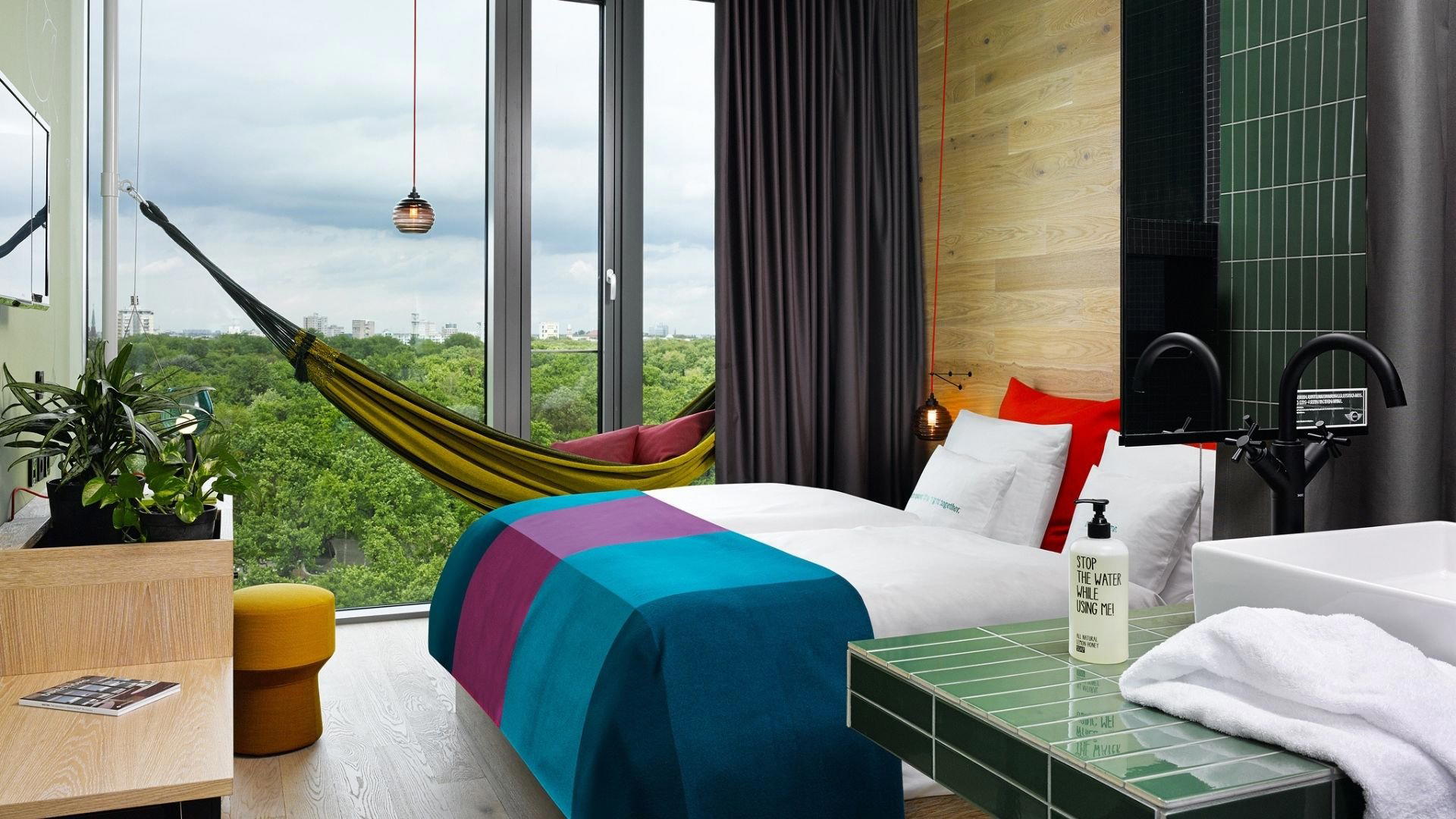
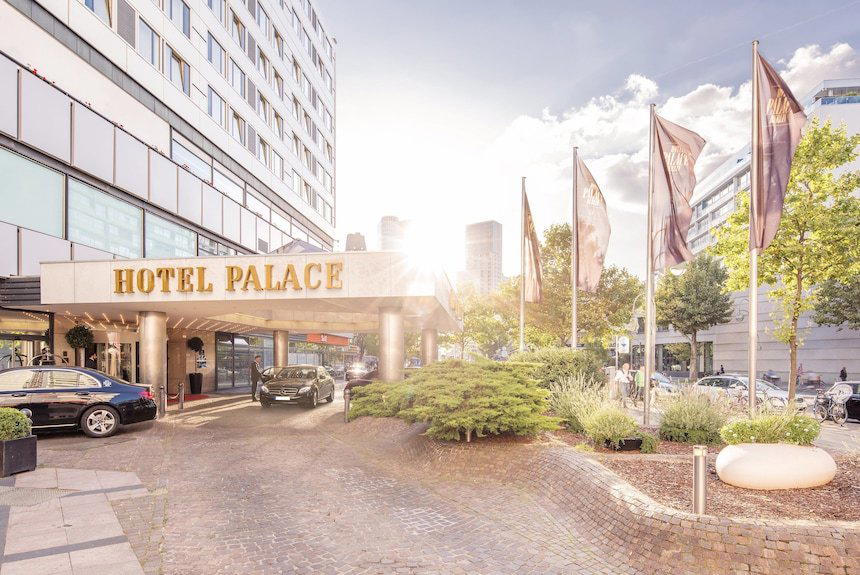
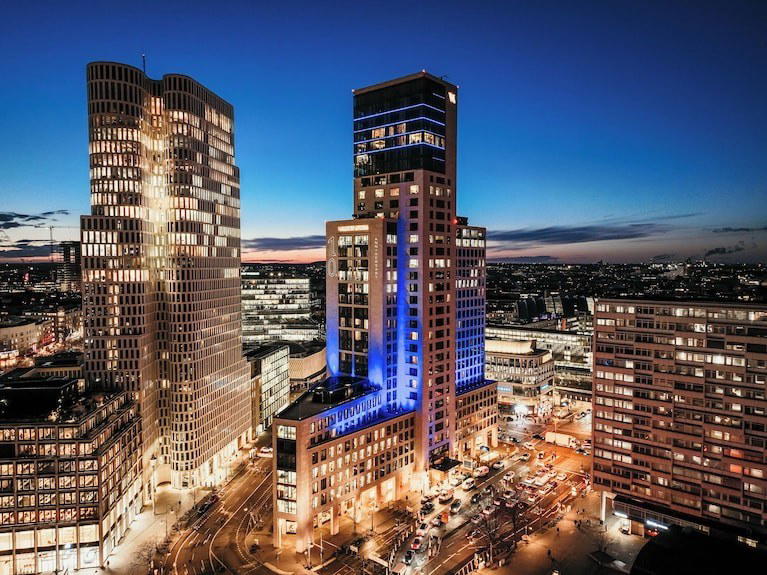
Bars in Berlin
All bars in Berlin →
Restaurants in Berlin
All restaurants in Berlin →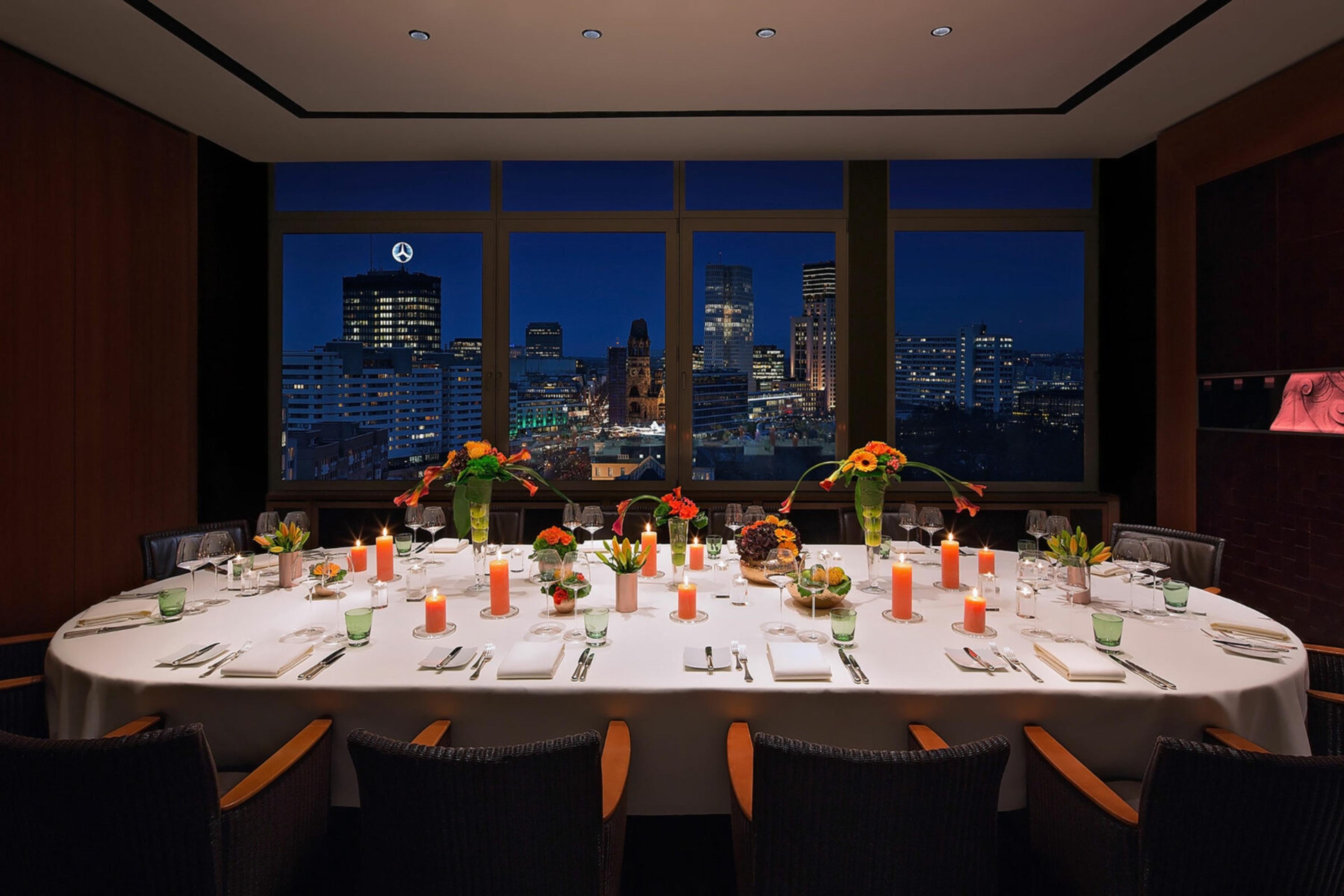

Details
- Elegant
- Modern
- Sophisticated
- Intimate
- Romantic Getaway
- Business Trip
- Anniversary
- Historic Building
- Panoramic View
- Terrace
- Wi Fi
- Pool
- Spa
- Fitness Center
- Room Service
- Concierge
- Sauna
- Restaurant
- Bar
- Garden
- Skyline
- Wheelchair Accessible
- Step Free Entrance
Sophisticated lounge atmosphere with curated modern decor, natural light from large windows overlooking park and zoo, and a serene, stylish retreat from urban bustle.