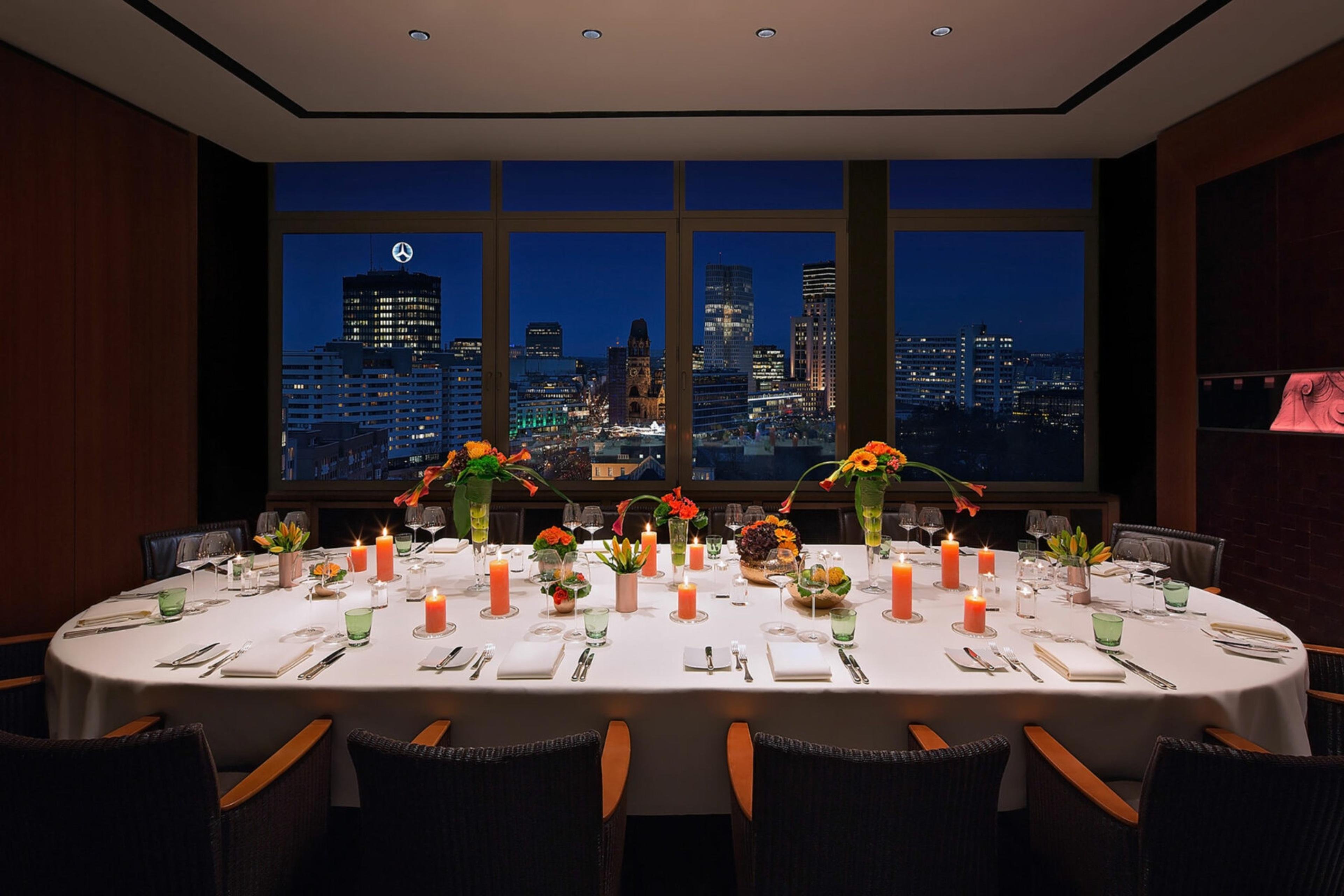
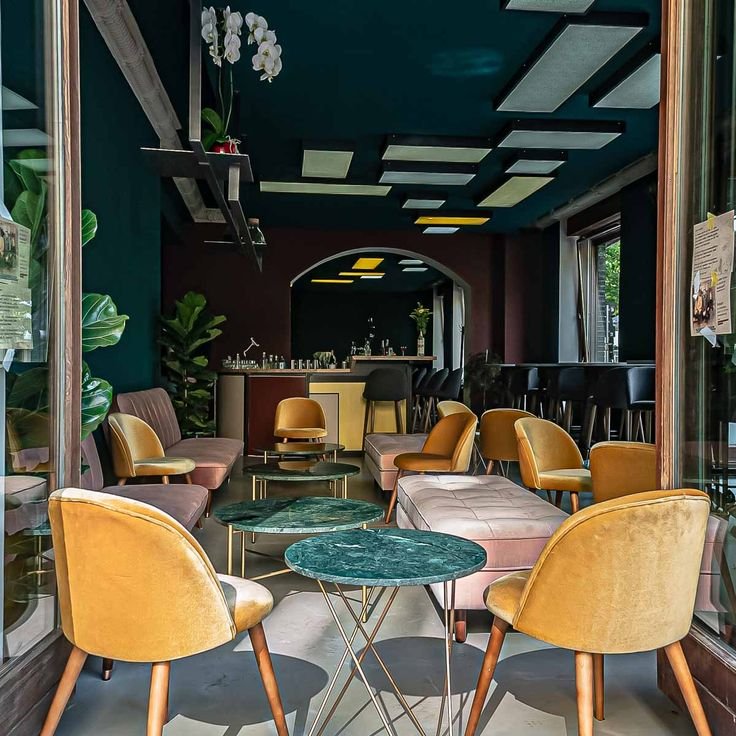
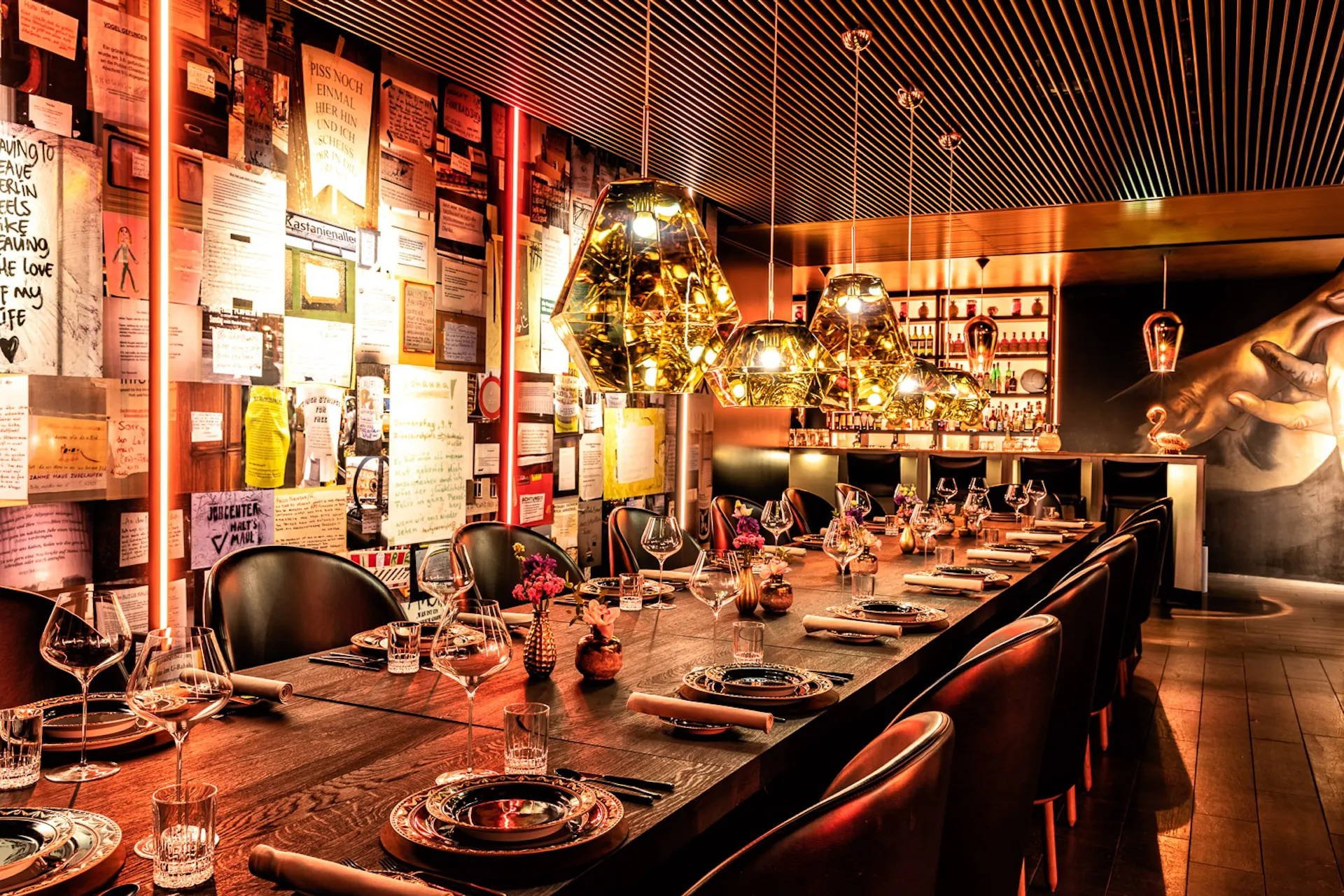
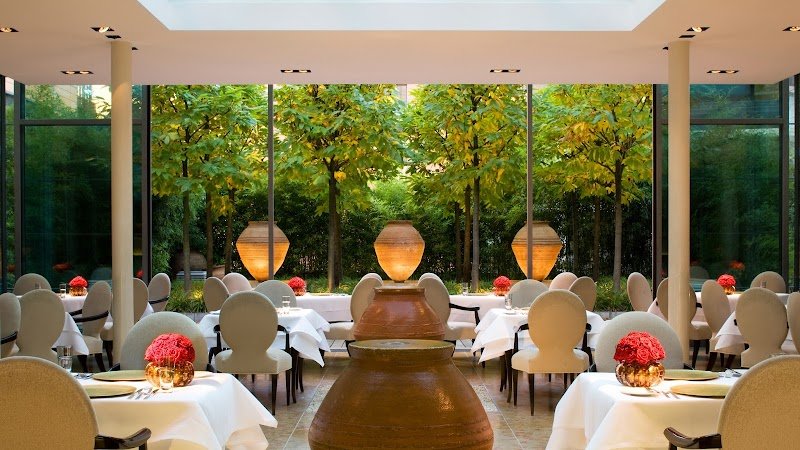
Positioned at the edge of the Tiergarten on Budapester Strasse, 25hours Hotel Bikini Berlin sits above the historic Bikini Haus complex with direct views over the zoo's treetops. The hotel belongs to a generation of European design properties that treat public spaces — bars, terraces, communal areas — as neighbourhood anchors rather than guest-only enclaves. Its rooftop and ground-floor programming draw a mixed Berlin crowd well beyond the hotel's room count.
 Discover on Pearl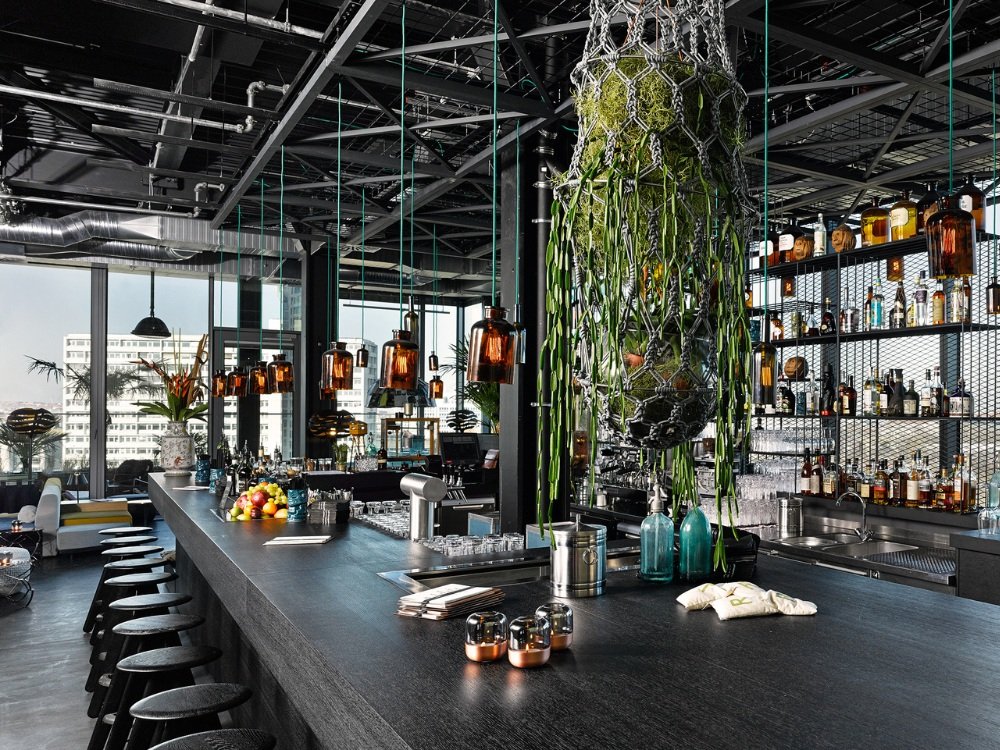
West Berlin's Commercial Spine, Reconsidered
Budapester Strasse doesn't carry the same editorial glamour as Mitte or Prenzlauer Berg, but the stretch around Breitscheidplatz has been central to Berlin's western commercial identity since the postwar decades. The Bikini Haus complex, a 1950s structure originally conceived as a mixed retail and office block, sat underused for years before a wave of redevelopment repositioned it as a design and retail destination. 25hours Hotel Bikini Berlin occupies the upper floors of that complex, and its address at Budapester Str. 40 puts it within walking distance of the Kurfürstendamm, the zoo entrance, and the Tiergarten's eastern edge — a genuinely central west Berlin position that the hotel's design program is built to reflect.
The broader 25hours group operates in the tier of European lifestyle hotels that treat each property as a response to its specific city rather than a brand template applied across markets. In Berlin's hotel scene, that places 25hours Bikini in a cohort distinct from both the international luxury chains near Gendarmenmarkt and the stripped-back budget design hostels that populate Friedrichshain. The property competes on atmosphere and spatial character rather than room count or facilities breadth.
What the Rooftop Communicates
In Berlin, rooftop access has become a standard expectation at mid-to-upper tier hotels, but the quality of what that access delivers varies considerably. The Monkey Bar at 25hours Bikini became a known reference point in the city's bar conversation early in the hotel's life — not because of a particularly complex drinks program, but because of its zoo-facing position and the democratic ease with which it operates. The bar sits on the tenth floor, and the view across the Berlin Zoo's tree canopy toward the Tiergarten gives it a spatial quality that interior bars simply can't replicate.
Berlin's cocktail scene elsewhere has moved decisively toward technical precision and lower-volume formats. Buck & Breck operates as a reservation-only counter with a tight spirits-focused program. Lebensstern and Stagger Lee each occupy a more neighbourhood-bar register with distinct character. Velvet sits in its own lane as a lounge-format venue. Monkey Bar operates in a different register from all of these , higher-volume, hotel-anchored, and designed around accessibility rather than exclusivity. That's a deliberate positioning choice, and it reflects how the 25hours group calibrates its public spaces: they're meant to function as city amenities, not curated experiences for a filtered guest list.
The Menu Structure as Positioning Signal
Hotels in the 25hours tier typically structure their food and beverage offering around two distinct modes: the casual, all-day format and the destination evening bar. At Bikini Berlin, Neni , the restaurant concept operating within the hotel , takes the all-day brief and frames it through a Middle Eastern and Mediterranean lens. That decision is worth reading as a positioning signal rather than simply a menu choice.
Berlin's restaurant scene has absorbed significant influence from Israeli, Persian, and Levantine cooking traditions over the past decade, particularly in the Mitte and Charlottenburg areas. Neni, which operates as a standalone brand with locations across several European cities, fits into that broader pattern at the hotel format level: a recognisable regional cuisine executed with enough consistency to function across multiple properties, but localised sufficiently to feel appropriate in a specific city. The menu architecture at a hotel like this one tends to prioritise range over depth , dishes that read well across a broad audience, with enough regional specificity to feel considered. That's a different brief than a destination-dining kitchen, and the food should be read in that context.
For the bar program, the rooftop format drives the decision-making. Long drinks, accessible cocktail formats, and wine-by-the-glass hold more weight in a space designed around view and volume than a short, technique-heavy spirits list would. This is consistent with how hotel rooftop bars across European capitals structure their offerings , the spatial experience is the primary product, and the drinks program supports rather than leads.
Where This Fits in the Berlin Bar and Hotel Picture
Germany's major cities each have their own version of the lifestyle hotel with a notable bar component. Goldene Bar in Munich operates within a cultural institution context. Le Lion Bar de Paris in Hamburg sits in the serious cocktail tier. The Parlour in Frankfurt on the Main occupies a different register again. Bar Trattoria Celentano in Cologne and Uerige in Dusseldorf each reflect deeply local drinking cultures. Further afield, Kieler Brauerei am Alten Markt in Kiel and Bar Leather Apron in Honolulu illustrate how bar identity can be shaped by regional specificity. Against all of these, Monkey Bar at Bikini Berlin represents the high-volume, view-led end of the hotel bar category , a place where the physical position does significant work that the drinks list alone could not.
Within Berlin specifically, the hotel's west-side location means it draws a different demographic than bars east of Mitte. The tourist density around Ku'damm and the zoo is high, and the hotel's public spaces absorb that mix. Visitors staying nearby for the Kurfürstendamm retail corridor, the Kaiser Wilhelm Memorial Church, or the Tiergarten will find the Monkey Bar a reasonable evening option without needing to commit to a reservation or a dress standard.
Planning a Visit
The hotel sits at Budapester Str. 40 in Charlottenburg, directly accessible from Zoo station, which serves both S-Bahn and U-Bahn lines. That makes it one of the more direct hotel locations in central Berlin for visitors arriving from Tegel or Schönefeld, or moving between the east and west sides of the city. The rooftop bar draws walk-in traffic from the neighbourhood as well as hotel guests, so weekend evenings can be busy , arriving before 19:00 gives better odds of a window position. The restaurant operates on longer all-day hours, which makes it a flexible option for late arrivals or early departures. For a deeper look at how this property fits into Berlin's broader food and drink offer, see our full Berlin restaurants guide.
A Credentials Check
A fast peer set for context, pulled from similar venues in our database.
| Venue | Awards | Cuisine | Notes |
|---|---|---|---|
| 25hours Hotel Bikini Berlin | This venue | ||
| Buck & Breck | World's 50 Best | ||
| Velvet | World's 50 Best | ||
| Wax On | World's 50 Best | ||
| Lebensstern | World's 50 Best | ||
| Stagger Lee | World's 50 Best |