

1 Michelin Key · Small Luxury Hotels of the World Member
A 16th-century palazzo on Via di Mezzo, The James Suite Hotel Firenze 1564 was built in the same year Michelangelo died and Galileo was born. Hand-painted ceiling frescoes and soaring arched ceilings set the scene, while custom contemporary furniture grounds the space in the present. For travellers who want Florence's history to be something you sleep inside, not just something you queue to see.

Pearl is the En Primeur Club membership app, where members save venues, book tables and use the concierge.
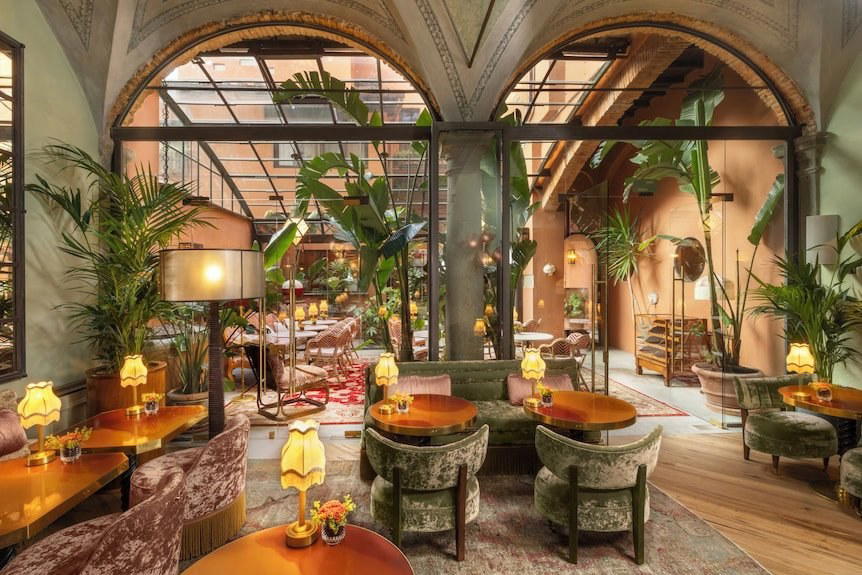
A Palazzo Conceived in the Year Florence Changed Forever
Via di Mezzo is not one of Florence's headline addresses. It runs quietly through the Sant'Ambrogio quarter, east of the Duomo and south of the market, lined with independent workshops, small wine bars, and the kind of residential fabric that survives in cities only when tourists haven't yet colonised it. The James Suite Hotel Firenze 1564 sits along this street inside a palazzo that dates to 1564, the year Michelangelo died in Rome at 88 and Galileo was born in Pisa. The building's age is not incidental decoration: it places this structure at the hinge point of Renaissance and Baroque Florence, when the Medici were consolidating power and the city's courtly architecture was reaching its most assured expression. Among Florentine hotels occupying historic palazzi, the property's specific date of construction gives it an unusually precise cultural anchor.
That context matters when you consider what Florence's upper accommodation tier looks like today. The Four Seasons Hotel Firenze operates from a 15th-century convent with formal gardens and a full luxury-brand infrastructure. The Palazzo Portinari Salviati Residenza D'Epoca draws on Dante-era associations and a meticulously restored interior. Both represent the large-footprint, heritage-as-spectacle model. The James 1564, by contrast, operates at a smaller, more residential scale, in a neighbourhood where the surrounding streetlife is authentically local rather than curated for visitors.
The Architecture as Experience
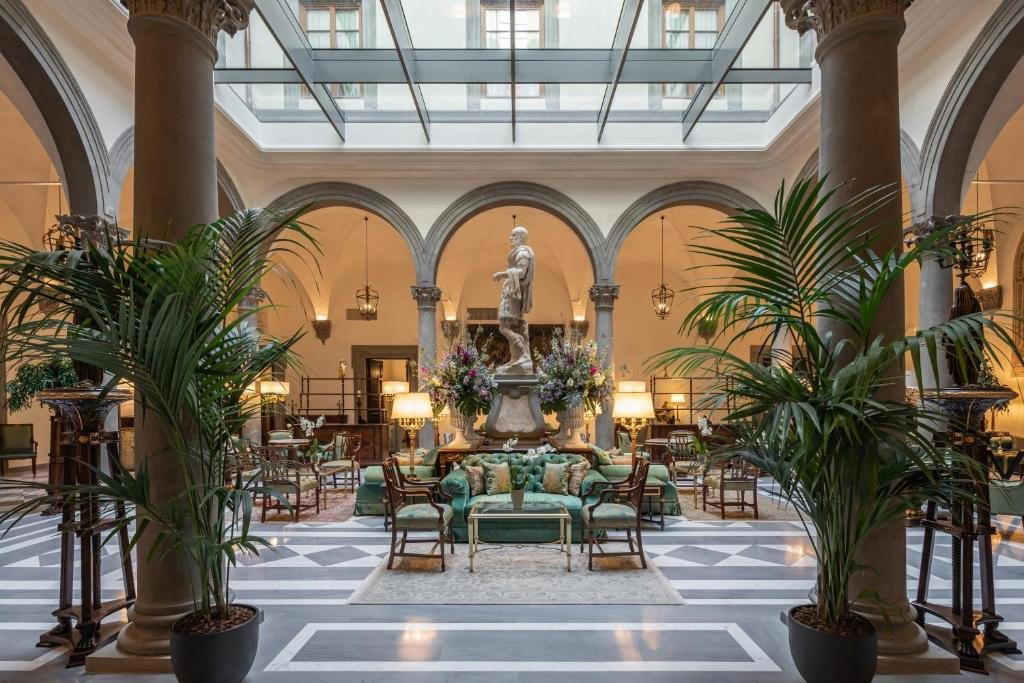
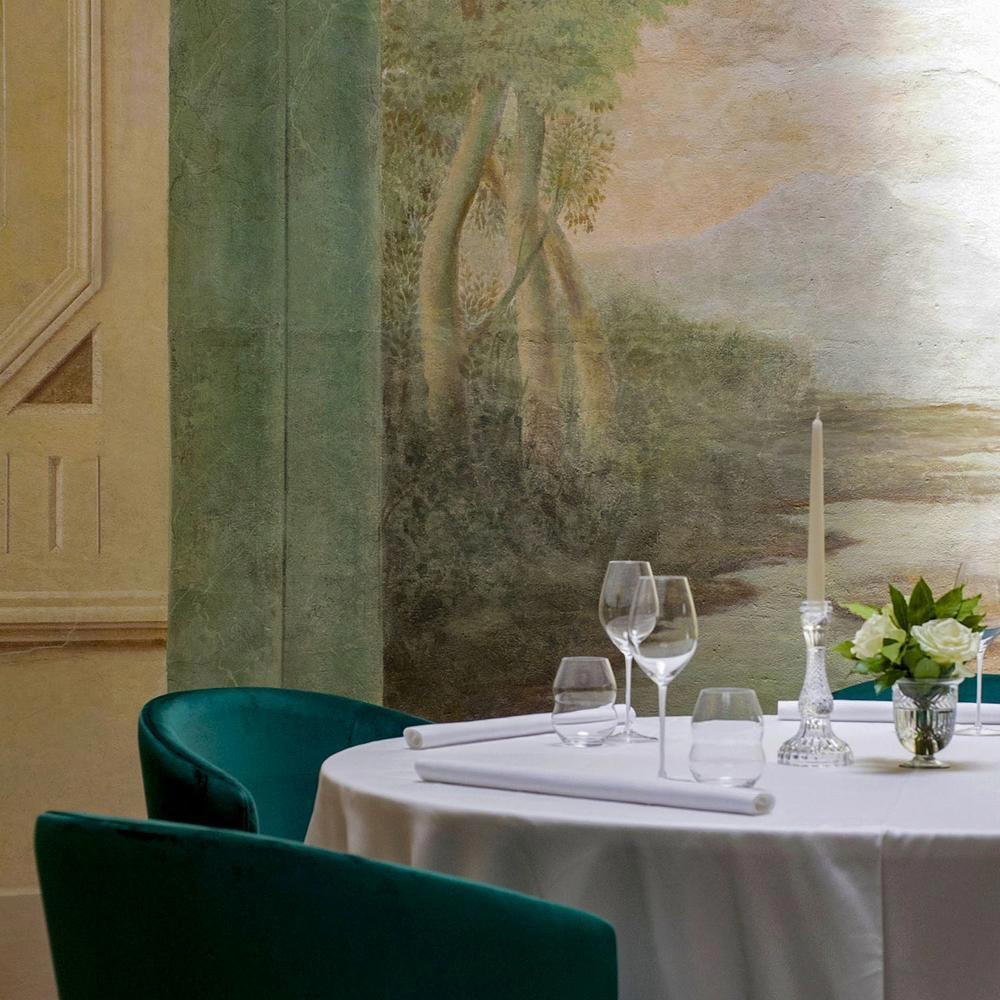
Entering from Via di Mezzo, the transition from the narrow street to the grand lobby is the kind of spatial shift that Florentine palazzo architecture was designed to produce: compression followed by release. Inside, the ceilings rise to soaring arches, and hand-painted frescoes spread across the vaulted surfaces in the manner that 16th-century noble residences commissioned as expressions of wealth and humanist learning. This was a building designed to communicate status through space, and the proportions have not been lost in conversion.
What distinguishes the interior approach here from the restoration-museum mode is the decision to set original classical details against custom-made contemporary furniture. The frescoes remain; the furnishings do not attempt to replicate period pieces. This is a recognisable positioning in European historic-property hospitality, but it requires careful calibration. When it works, the contemporary pieces provide visual breathing room that lets the original architecture read more clearly. The effect at the James 1564, as described in the property's own documentation, is one of seamless integration between the building's courtly origins and a sophisticated present-tense aesthetic.
Properties in this category, where a single historic building is converted to a small-key suite hotel with a strong design identity, compete on a different axis than large branded hotels. The comparison set includes properties like Ad Astra and Hotel Calimala in Florence, as well as Italian palazzo conversions elsewhere in the country, among them Aman Venice and Castello di Reschio in Umbria. What they share is the proposition that the building itself is the primary experience, with service and amenities functioning in support rather than as the lead narrative.
The Sant'Ambrogio Quarter as a Frame
Where a property sits in a city shapes what a stay actually feels like, and Via di Mezzo places the James 1564 in a part of Florence that operates at a different rhythm than the tourist-dense corridor between the Duomo and Ponte Vecchio. The Sant'Ambrogio market, a short walk away, is one of the city's working food markets, frequented by residents buying produce rather than by visitors buying souvenirs. The neighbourhood's bars and trattorie serve a local clientele, which means the ambient culture of the area is that of a functioning Florentine quarter rather than a hospitality district performing Florentine-ness for an outside audience.
For travellers who take seriously the difference between staying in Florence and staying adjacent to Florence's attractions, this location is a substantive distinction. It also positions the property differently from hotels along the Arno such as Hotel Lungarno or the grander addresses near Piazza della Repubblica, where the setting is more overtly spectacular but the surrounding environment is correspondingly more touristic. The James 1564 asks guests to live temporarily inside a residential Florence, which is a different kind of offer.
How to Approach the Stay
A palazzo suite hotel of this type rewards a particular approach to arrival and pacing. The building's historic architecture is leading absorbed slowly: arriving without the pressure of an immediate itinerary, spending time in the lobby to read the ceiling frescoes, and allowing the scale of the arched spaces to settle before moving through the property. The suite format means the stay is structured around occupying a significant historic space rather than moving quickly through hotel amenities, which suits travellers who treat accommodation as an active part of the trip rather than a logistical necessity.
Via di Mezzo 20 is in the 50121 postal district, within walking distance of Santa Croce, the Bargello, and the Sant'Ambrogio market. The address is practical for exploring eastern Florence on foot. For guests arriving from other parts of Italy, the property is well-positioned relative to Santa Maria Novella station, Florence's main rail hub, which connects directly to Rome, Milan, Venice, and Bologna. For a broader sense of how the city's accommodation options are distributed across neighbourhoods and price tiers, our full Florence guide maps the range.
Travellers planning an itinerary that extends beyond Florence into other parts of Italy will find the surrounding region well-served by comparable properties in different registers: Rosewood Castiglion Del Bosco in Montalcino for wine-country immersion, Casa Maria Luigia in Modena for a food-focused base, or Borgo Santandrea on the Amalfi Coast for a complete change of topography. Within Florence itself, Villa Cora and Villa La Massa represent the villa-outside-the-city model, while Brunelleschi Hotel offers a central historic address in the tower-and-church format. Each occupies a distinct niche; the James 1564's niche is the intimate residential palazzo, located in a neighbourhood that still belongs to the city rather than to its visitors.
Practical Notes
Booking details, current rates, and room availability for the James Suite Hotel Firenze 1564 are best confirmed directly through the property. Given the small scale of a suite-format palazzo hotel, availability is limited relative to large branded properties, and advance planning is advisable particularly during Florence's high-demand periods: spring (April to June), September, and the weeks surrounding major cultural events and trade fairs. The address at Via di Mezzo 20 is accessible on foot from most central Florence points, and the surrounding Sant'Ambrogio quarter has reliable taxi and ride-hail coverage for onward journeys to the station or the airport.
Fast Comparison
Comparable venues nearby, for context on price, style, and recognition.
| Venue | Cuisine | Price | Awards | Notes |
|---|---|---|---|---|
| The James Suite Hotel Firenze 1564This venue (the venue you are viewing) | 16th-century Renaissance palazzo with modern luxury restyling | $750–1,000 | 1 Michelin Key · Small Luxury Hotels of the World Member | Not listed |
| Velona's Jungle Luxury Suites | Luxurious jungle-themed boutique B&B in a historic building with Art Deco architecture. | Not listed | 1 Michelin Key | San Jacopino |
| Palazzo Firenze | Eighteenth-century residence offering the intimacy of a private palazzo with luxury services. | Not listed | Leading Hotels of World Member · Forbes Recommended | San Niccolo |
| Ville sull'Arno | Historic villa resort with modern renovations | $100–200 | Michelin Selected | Gavinana |
| Residence Hilda | Historic townhouse renovated with modern comforts and privacy of home-like apartments | $100–200 | Michelin Selected | San Niccolo |
| Borgo Pignano Florence - A Virtuoso Preview Property | Historic Tuscan estate blending Renaissance heritage with contemporary luxury and artistic curation | Not listed | Virtuoso Luxury Hotel Partner | La Pietra |
Recognition history
Dated appearances from independent guides and award organizations, with the underlying list record or original source where available.
Michelin 1 Key
Michelin
Small Luxury Hotels of the World Member
Small Luxury Hotels of the World
Full recognition history (3 entries)
Michelin Selected
Michelin
Continue exploring
More in Florence
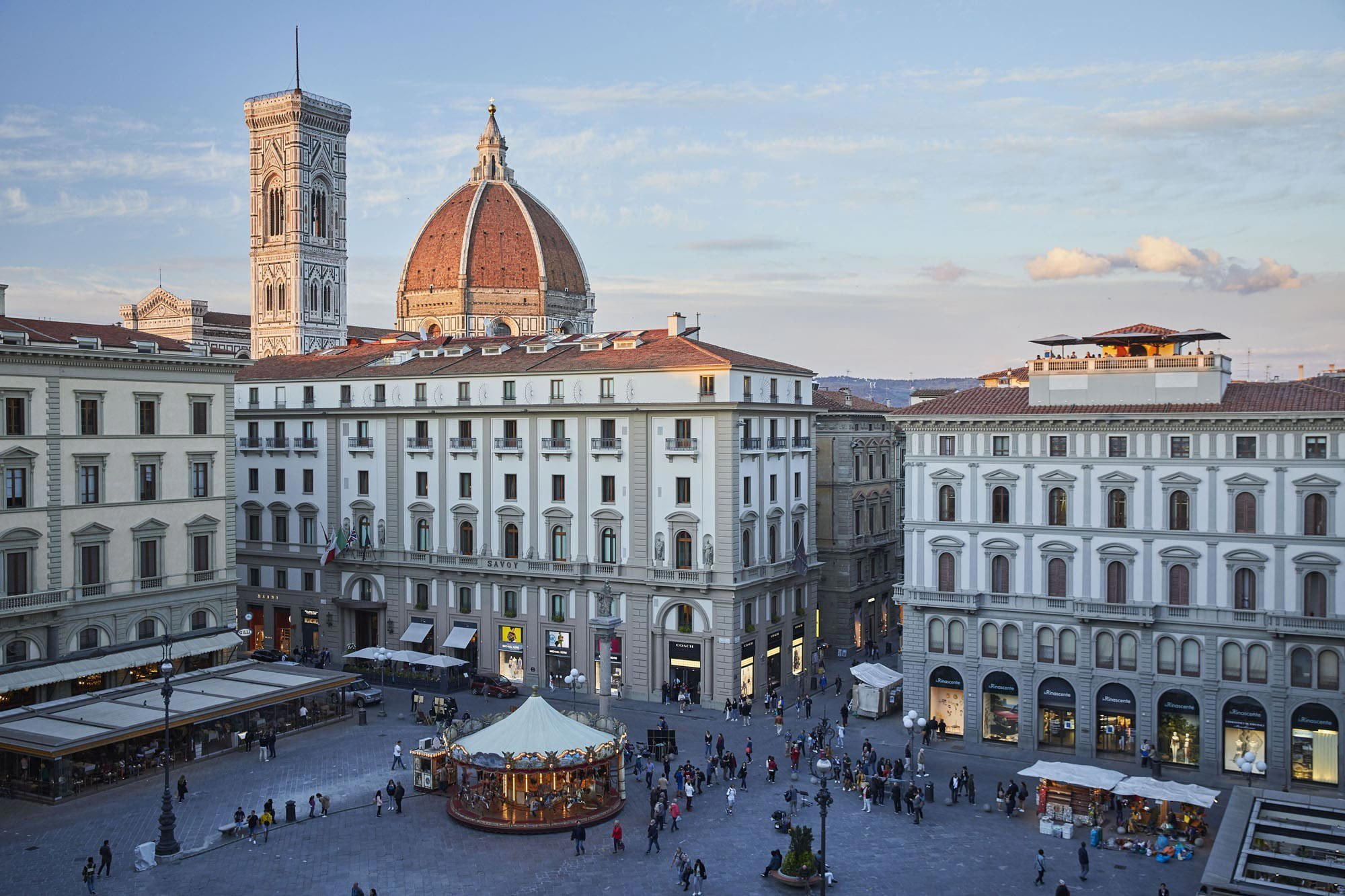
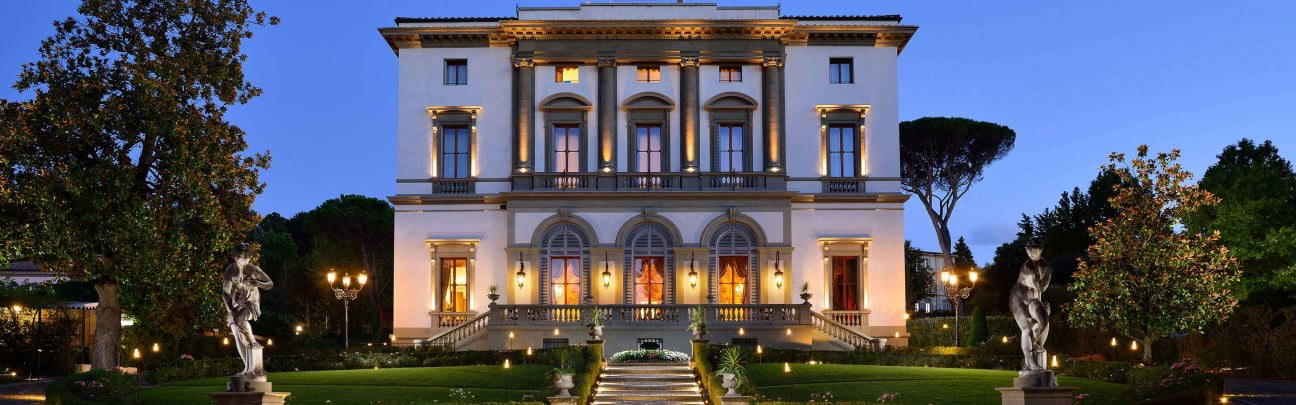
Hotels in Florence
All hotels in Florence →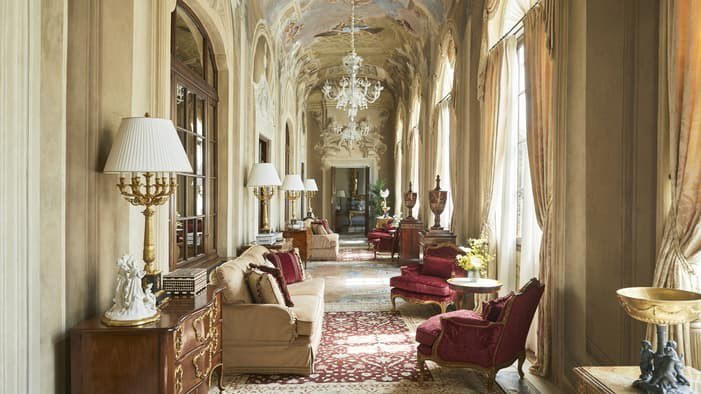
Bars in Florence
All bars in Florence →
Restaurants in Florence
All restaurants in Florence →

Details
- Elegant
- Intimate
- Sophisticated
- Romantic
- Classic
- Romantic Getaway
- Anniversary
- Honeymoon
- Historic Building
- Terrace
- Wi Fi
- Room Service
- Concierge
- Restaurant
- Bar
- Air Conditioning
- Laundry Service
- Street Scene
- Skyline
- Elevator
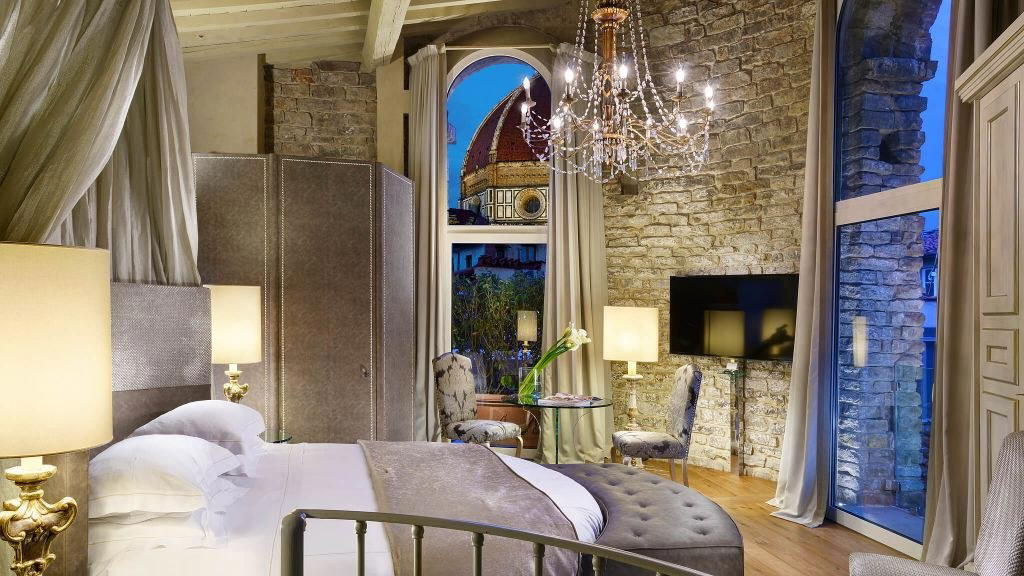
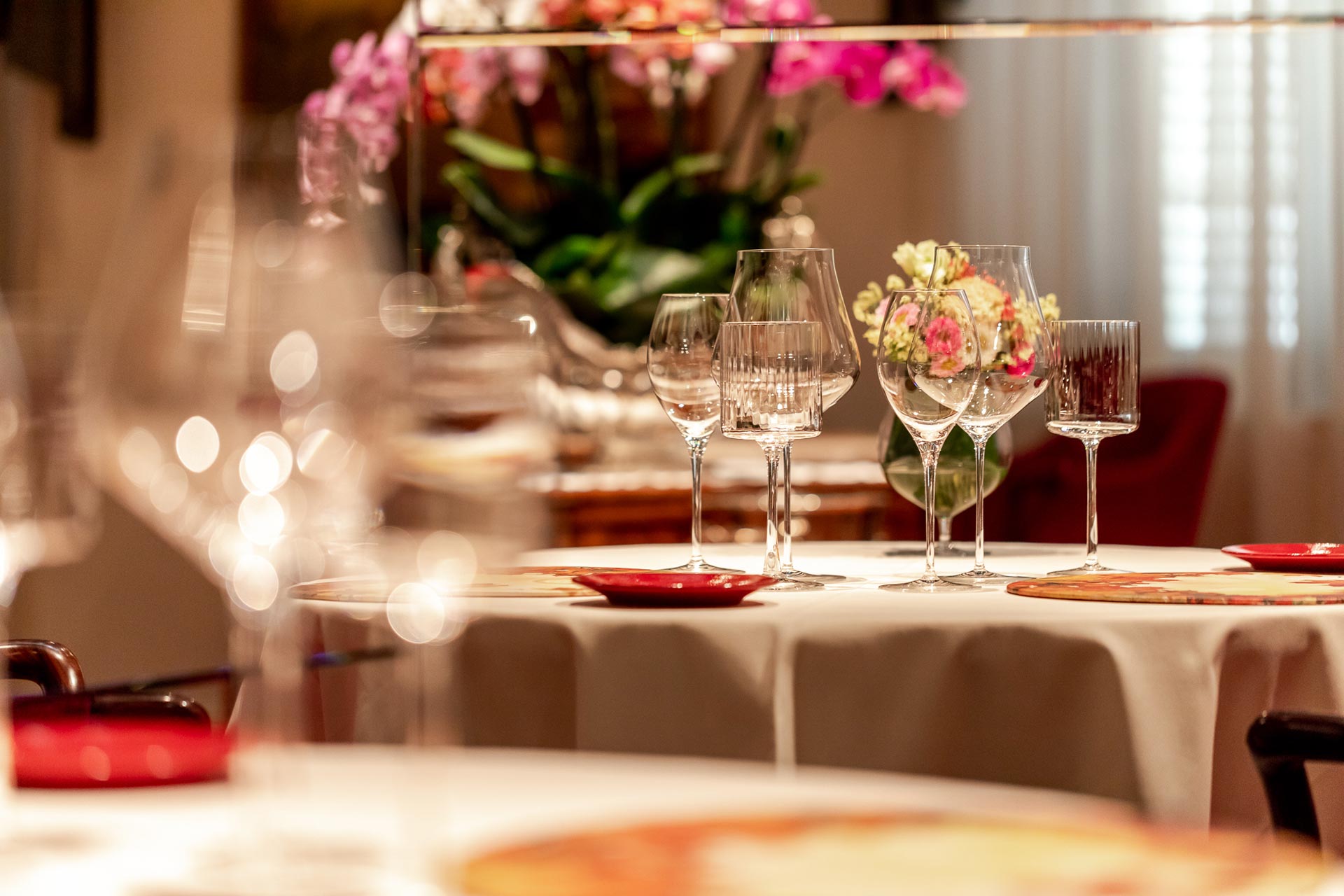
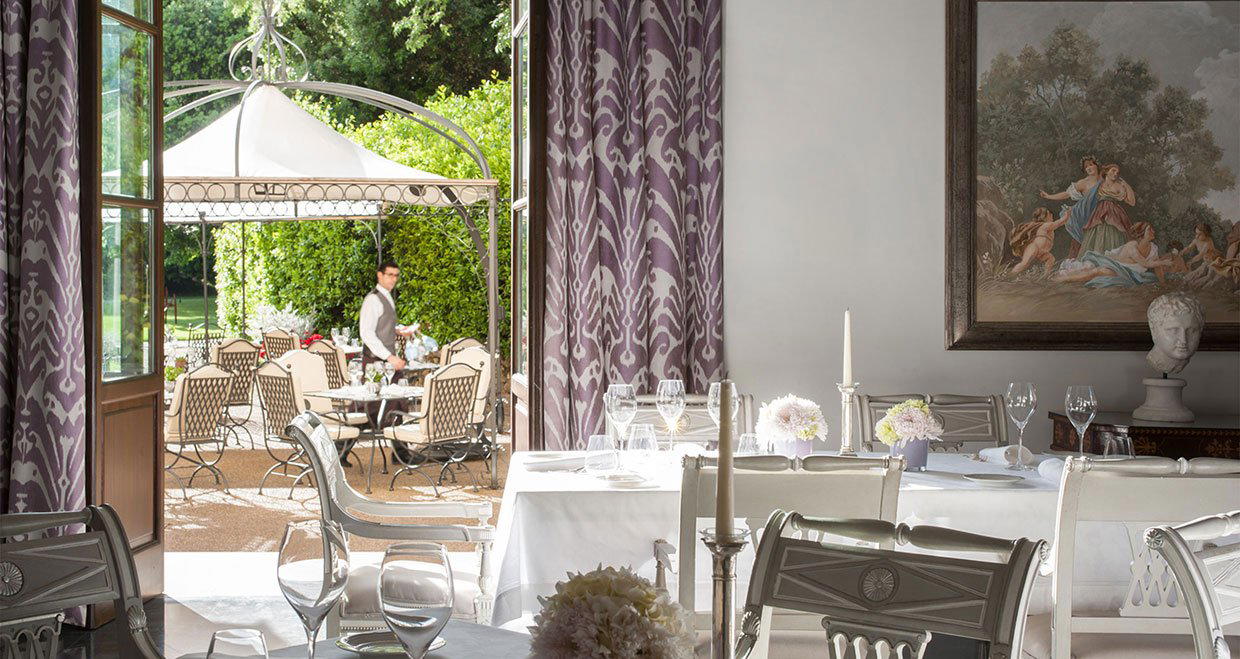
Intimate and elegant with calibrated lighting, vaulted ceilings, Renaissance frescoes, and a peaceful retreat atmosphere.