Hotel Première Abano
Hotel Première Abano belongs to Abano Terme’s thermal-hotel tradition, where architecture, treatment culture, and the rhythm of long spa stays matter as much as room category.
Pearl is the En Primeur Club membership app — saves, bookings, and concierge access live there. Same editors, same standards.
- Address
- Via Marzia, 73, 35031 Abano Terme PD, Italy
- Phone
- +39 049 667755
- Website
- premiereabano.it
- Directions
- Get directions
 Saves & bookings on Pearl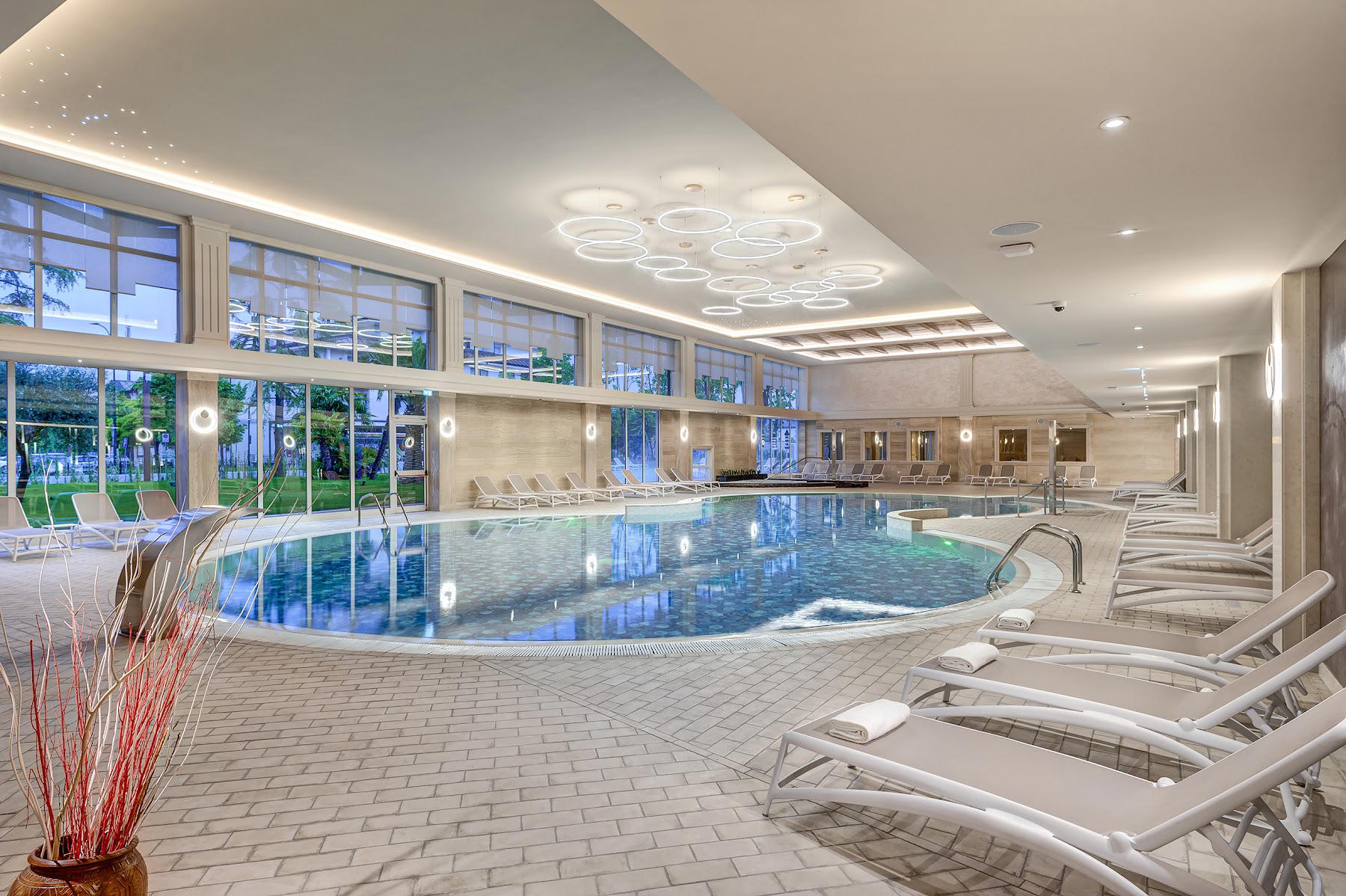
Abano Terme, read through its hotel architecture
Approaching Abano Terme, the mood changes before any hotel entrance comes into view. The town sits at the edge of the Euganean Hills, where thermal hospitality has shaped the built environment for generations: broad hotel frontages, spa-focused floor plans, gardens used as part of the recovery ritual, and interiors that often serve a slower guest rhythm than the short-stay city hotel. This is not the theatrical Italy of palazzo staircases and aperitivo rooms designed for spectacle. Abano is a treatment town, and its hotels are judged by a different grammar: circulation, quiet, daylight, water access, and the ability to make a multi-day stay feel coherent rather than clinical.
Hotel Première Abano should be read within that tradition. In Abano Terme, architecture is rarely just decorative. It has to support the cadence of thermal bathing, mud therapy culture, long lunches, afternoon rest, and guests who may return to the same address across seasons. A hotel that works here is not merely attractive; it understands that the spa town operates on time, heat, treatment schedules, and repeat comfort.
The thermal-hotel model is the real subject
Abano Terme is part of one of Europe’s established spa territories, tied to the Euganean thermal basin in Veneto. The local hospitality model differs from resort Italy on the coast and from city luxury in Venice, Florence, Milan, or Rome. Guests are often comparing the town’s hotels less by nightlife or destination dining and more by treatment infrastructure, room comfort, pool access, medical or wellness orientation, and the atmosphere of the public rooms. That makes design a functional question. Corridors, lifts, lounges, terraces, and treatment areas carry more weight than a dramatic lobby photograph.
This is where the town’s hotel scene becomes interesting. A stay in Abano asks whether the building can absorb repetition. A guest may move between room, breakfast, spa, garden, and dining room several times a day. The design has to make those movements feel calm rather than institutional. In a city hotel, a compact room can be forgiven if the surrounding neighbourhood does the work. In a thermal hotel, the property itself carries the day. That is the lens through which Hotel Première Abano belongs in a serious Abano Terme conversation.
For travellers building a local shortlist, the natural comparison starts with Abano Grand Hotel and then broadens through Our full Abano Terme hotels guide. The town rewards comparison because its hotels may appear similar at first glance, yet the experience can vary by spa emphasis, room style, service rhythm, dining ambition, and the degree to which the public spaces feel residential rather than medical. The more specific the reason for visiting, the more carefully the hotel should be matched to the trip.
Design matters differently in a spa town
Italian hotel design is often discussed through heritage: palazzi, villas, monasteries, farm estates, and grand seaside addresses. Abano Terme asks for a more technical form of taste. The question is not whether a lobby photographs well, but whether the interiors support privacy after treatment, whether the public areas have enough softness for long stays, and whether the atmosphere feels adult without becoming stiff. That distinction separates thermal hospitality from the more image-led end of Italian luxury.
Compare the design signals across Italy and the contrast sharpens. Aman Venice in Venice operates inside the logic of the canal palace. Four Seasons Hotel Firenze in Florence belongs to the city-garden grand hotel tradition. Portrait Milano in Milan speaks the language of fashion-city discretion. Bulgari Hotel Roma in Rome sits in a contemporary luxury register tied to brand, materials, and capital-city polish. Abano’s design challenge is quieter: thermal comfort over social display, duration over arrival drama.
That does not make the category less sophisticated. It makes it more demanding in a practical sense. A spa hotel that feels convincing after the third day has achieved something different from a hotel that impresses in the first ten minutes. The test is cumulative. Lighting, acoustics, pool access, seating, room temperature, and the distance between the bedroom and the wellness areas all become part of the design experience.
How to position it against Italy's design hotels
The Italian hotel map has split into several strong design families. There are aristocratic restorations, such as Passalacqua in Moltrasio and Rosewood Castiglion Del Bosco in Montalcino. There are highly controlled coastal properties, including Borgo Santandrea in Amalfi Coast, JK Place Capri in Capri, Il San Pietro di Positano in Positano, and Il Pellicano in Porto Ercole. There are rural and cultural addresses where the building is part of the narrative, from Castello di Reschio in Lisciano Niccone to Casa Maria Luigia in Modena and Corte della Maestà in Civita di Bagnoregio.
Abano Terme belongs to another category: therapeutic resort town rather than villa fantasy, urban palace, or coastal social address. That difference should shape expectations. The draw is not a single architectural gesture but the accumulated logic of wellness hospitality. That reason is usually recovery, routine, water, and access to the town’s spa infrastructure, not a maximalist hotel scene.
For a wider benchmark, look at how other destination hotels define themselves through setting. Borgo Egnazia in Savelletri di Fasano uses an invented village format in Puglia. Il Sereno in Torno turns Lake Como modernism into the main proposition. Savoia Excelsior Palace Trieste – Starhotels Collezione in Trieste draws on the Adriatic grand-hotel tradition. Abano’s hotels have a less photographed but equally specific brief: make wellness infrastructure feel hospitable over time.
Dining, drinking, and the town around the stay
That absence matters because Abano Terme is not primarily a destination driven by restaurant pilgrimage in the way Modena, Florence, Milan, or Rome can be. The dining question here is usually integrated with the stay: meal timing, comfort, dietary structure, and whether the hotel’s food rhythm suits spa days. Travellers who want a dining-led itinerary should use the hotel as one part of a broader plan rather than assume the property will carry the entire culinary program.
For that reason, the useful planning move is to pair hotel research with local category guides. Start with Our full Abano Terme restaurants guide for dining context, then check Our full Abano Terme bars guide if evening drinking matters to the trip. Wine-focused travellers should consult Our full Abano Terme wineries guide, while those treating the town as a wellness base can compare formats through Our full Abano Terme experiences guide. Abano works well when the stay is planned as a system: hotel, treatments, meals, walks, and short excursions rather than isolated reservations.
This is also where expectations should be disciplined. Without verified hotel-level restaurant data, it would be irresponsible to claim a signature room, dish, chef-led concept, cellar depth, or bar identity. The more useful editorial point is that Abano’s hotels often compete through the total stay rather than a single culinary headline. Travellers who judge hotels mainly by destination restaurants may want to build in meals elsewhere; travellers who want a settled spa routine may find that integrated dining is part of the appeal.
Who this hotel category suits
The Abano thermal-hotel model suits travellers who value structure. A two-night dash can feel too short if treatments, pool time, and rest are the point. A longer stay allows the architecture to do its work: the repeated route to breakfast, the pause between appointments, the usefulness of lounges and quiet corners, the way a room functions after a spa session. That is why this category tends to reward guests who are intentional about pace rather than those looking for constant novelty.
Formality is harder to pin down without verified dress code, service, or price data, but the town itself leans adult and composed rather than casual in the beach-resort sense. The correct expectation is polished spa-town comfort, not a fashion-week hotel lobby and not a rural agriturismo. Guests should confirm the current service style, meal arrangements, and room category details directly with the hotel or through their booking channel, especially if the trip depends on a particular treatment schedule or accessibility need.
International comparisons help clarify the decision. The Fifth Avenue Hotel in New York City uses urban density and design eccentricity as part of its appeal. Hôtel de Paris Monte-Carlo in Monte Carlo trades on the ritual of a grand European address. Badrutt's Palace Hotel in St. Moritz is tied to alpine seasonality and social history. Abano is quieter, more therapeutic, and less dependent on scene. That is not a compromise; it is the category’s defining strength when chosen for the right reason.
Planning the stay
Confirm the current room category, spa access, treatment availability, meal plan, cancellation terms, and arrival logistics before committing. In a thermal destination, those details are not administrative afterthoughts. They determine whether the stay feels smooth or fragmented.
Advance planning is sensible in Abano Terme, particularly for travellers tying the hotel stay to specific wellness treatments or a fixed rail-and-driver itinerary in Veneto. The town is close enough to wider regional touring to combine with Padua, Venice, or the Euganean Hills, but the better Abano stays are not overpacked. Leave space in the day. Thermal hotels work poorly when treated as a place to sleep between constant excursions.
A smart approach is to decide first whether the trip is spa-led, food-led, or region-led. If spa-led, prioritize treatment access and room comfort. If food-led, compare the hotel with the local restaurant guide and plan meals deliberately. If region-led, consider whether Abano’s slower rhythm will feel restorative after day trips or inconvenient compared with a city base. Hotel Première Abano fits the conversation as an Abano Terme thermal address, but the final decision should rest on confirmed current details rather than assumptions borrowed from other Italian hotel categories.
How It Compares
Comparable venues nearby, for context on price, style, and recognition.
| Venue | Cuisine | Price | Awards | Notes |
|---|---|---|---|---|
| Hotel Première AbanoThis venue — the venue you are viewing | Luxury 5-star thermal spa resort in a renovated Art Nouveau building surrounded by a large private park. | $$$$ | 5-Star | Not listed |
| Abano Grand Hotel | Modern spa palace with classical opulence | $$$$ | 5-Star | Abano Terme |
| Masseria Corsano | Traditional Puglian masseria transformed into a luxury boutique hotel | $$$$ | 5-Star | Nardò |
| Hotel Chalet Mirabell | Luxurious design hotel in Tyrolean chalet style | $$$$ | 5-Star | Avelengo |
| Hotel Bella Riva | Historic neo-classical villa renovated with modern luxury | $$$$ | 5-Star | Gardone Riviera |
| Il Giardino Grande - Dimora in Salento | Historic 19th-century estate with modern luxury renovations | $$$$ | 5-Star | Parabita |
Continue exploring
More in Abano Terme
Hotels in Abano Terme
Browse all →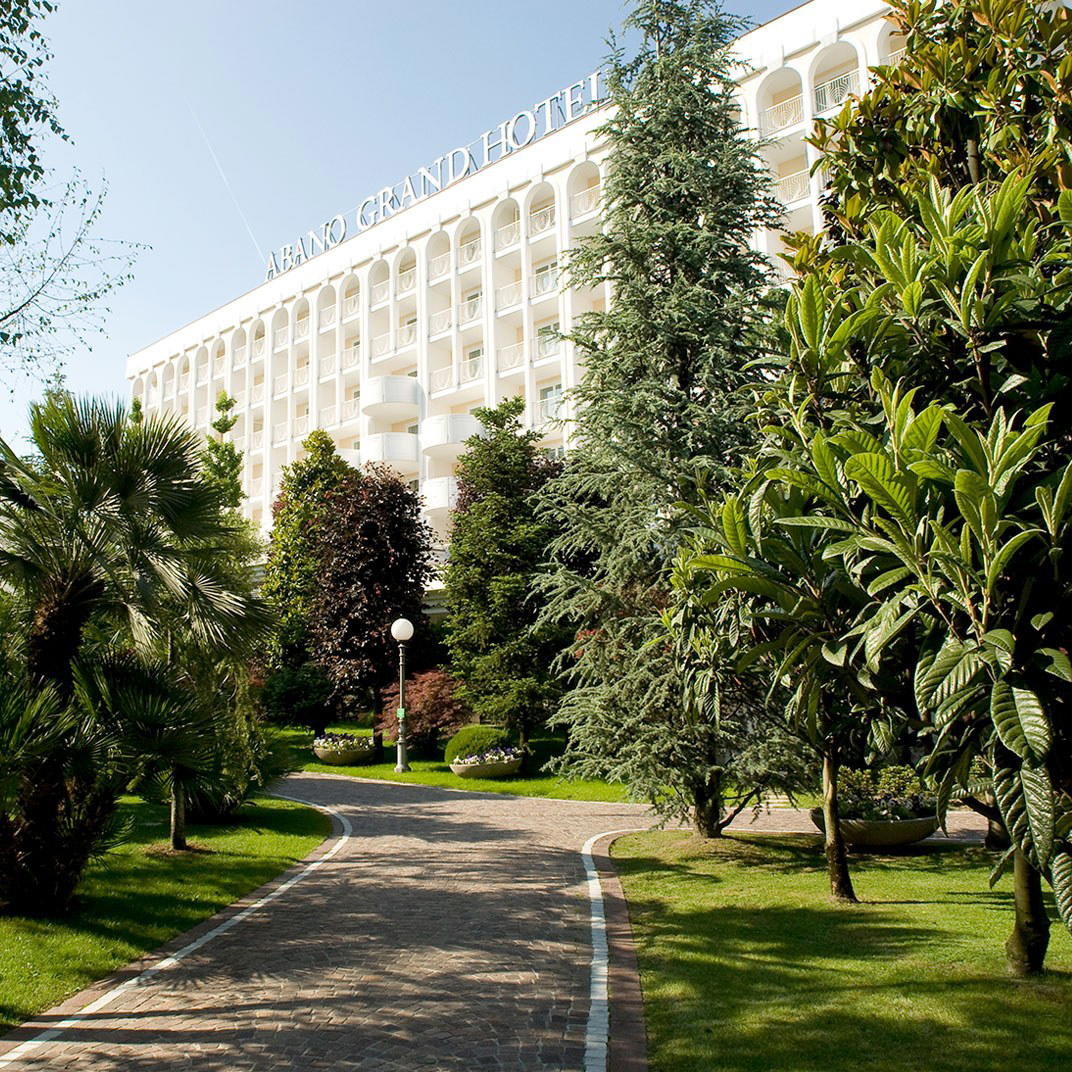
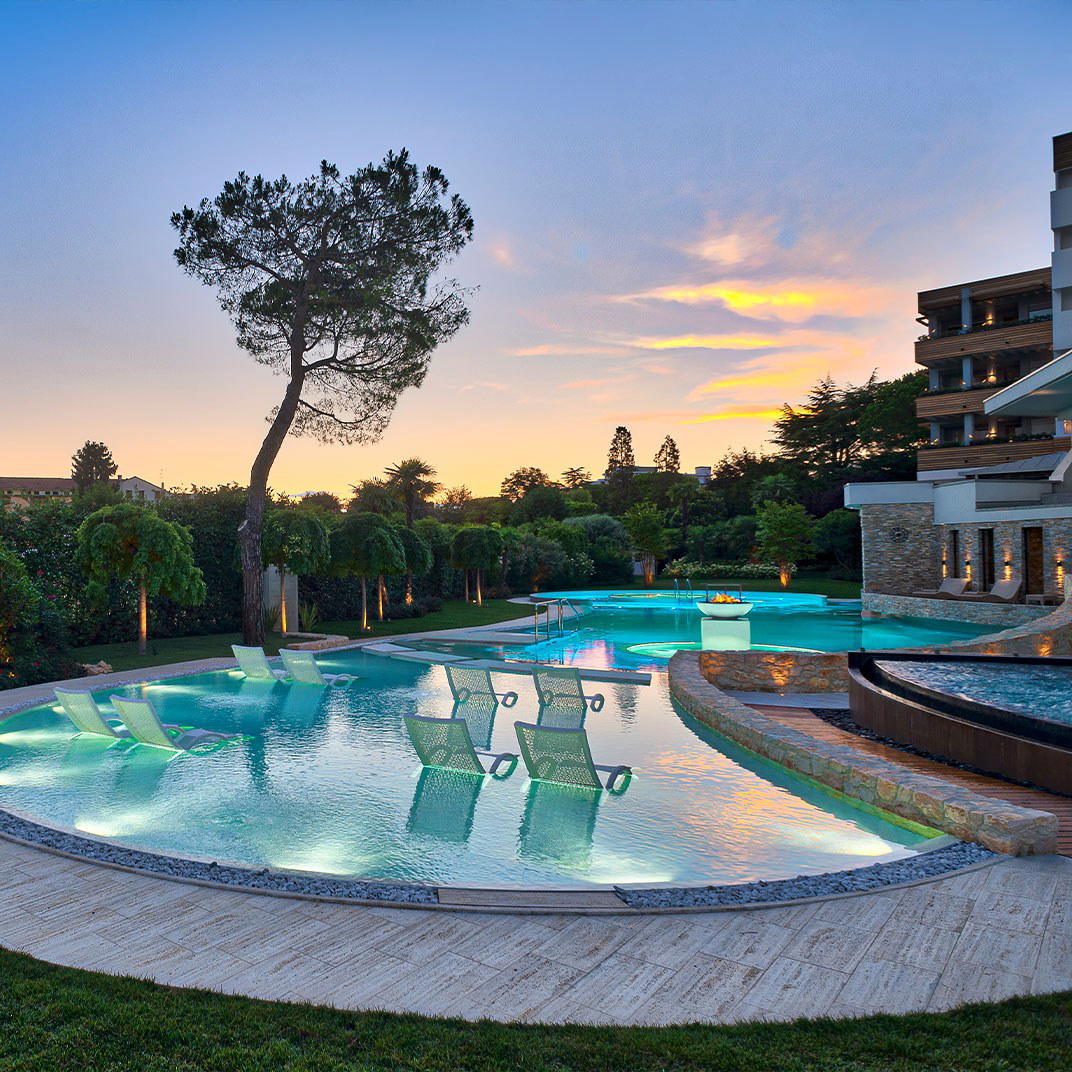
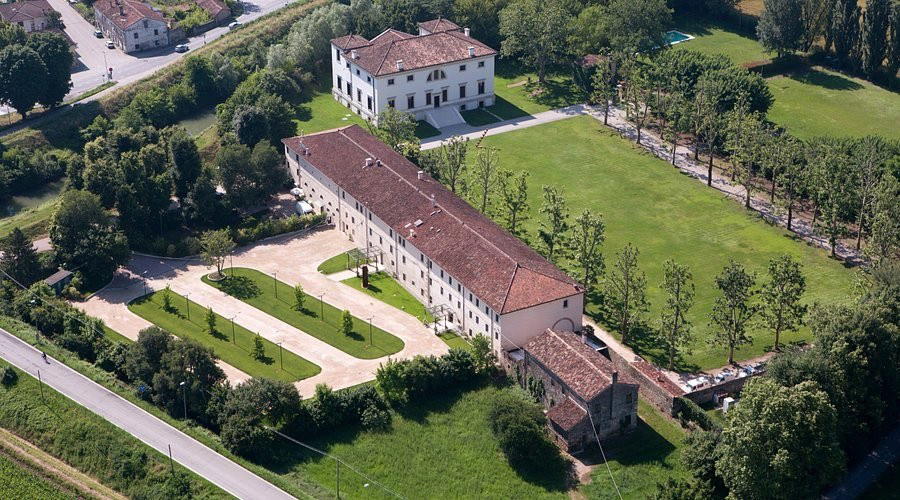
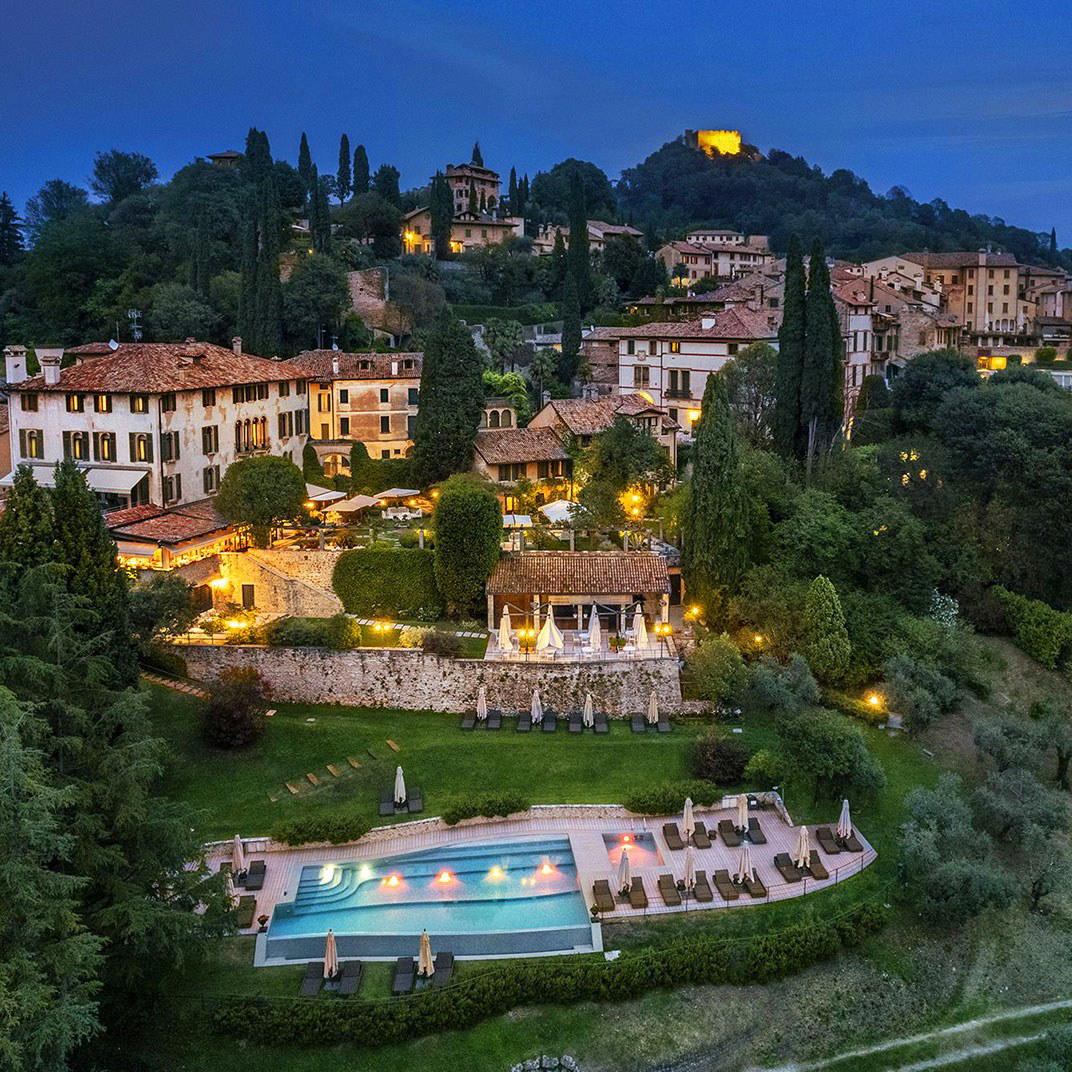
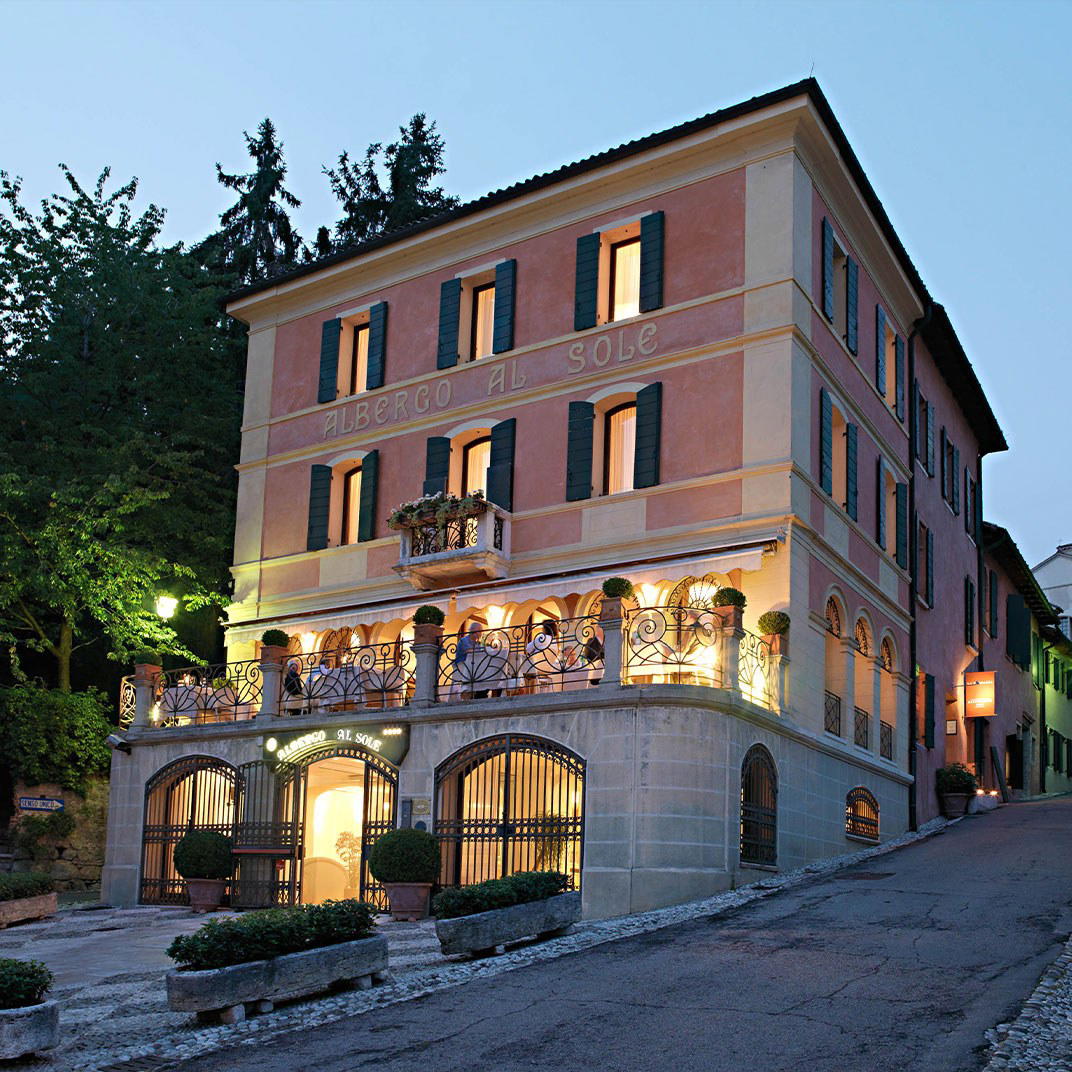
Bars in Abano Terme
Browse all →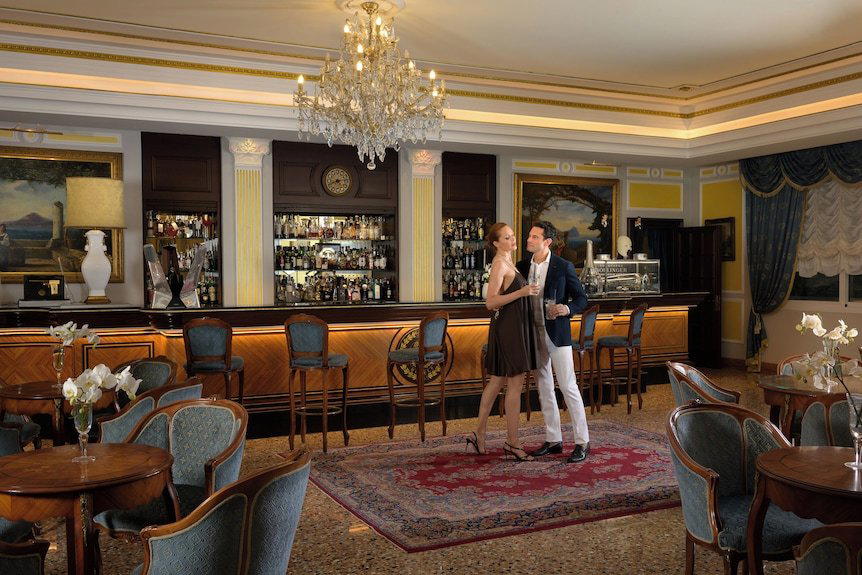
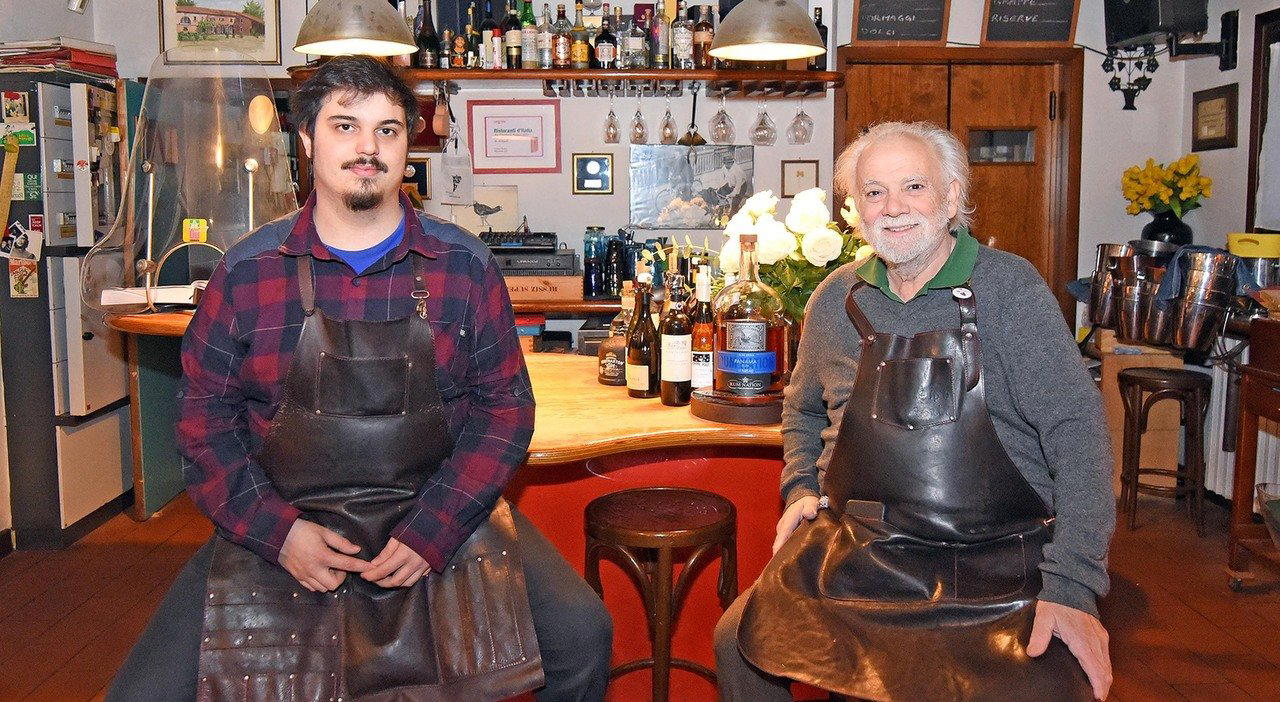
Restaurants in Abano Terme
Browse all →
At a Glance
- Elegant
- Sophisticated
- Modern
- Romantic
- Scenic
- Quiet
- Wellness Retreat
- Romantic Getaway
- Weekend Escape
- Anniversary
- Family Vacation
- Group Retreat
- Destination Spa
- Garden
- Historic Building
- Design Destination
- Panoramic View
- Terrace
- Wi Fi
- Pool
- Spa
- Fitness Center
- Room Service
- Concierge
- Business Center
- Valet Parking
- Golf Course
- Kids Club
- Garden
- Mountain
- Wi Fi
- Pool
- Spa
- Fitness Center
- Room Service
- Concierge
- Business Center
- Valet Parking
- Golf Course
- Kids Club
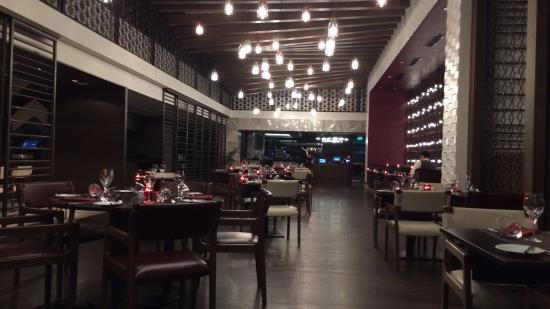
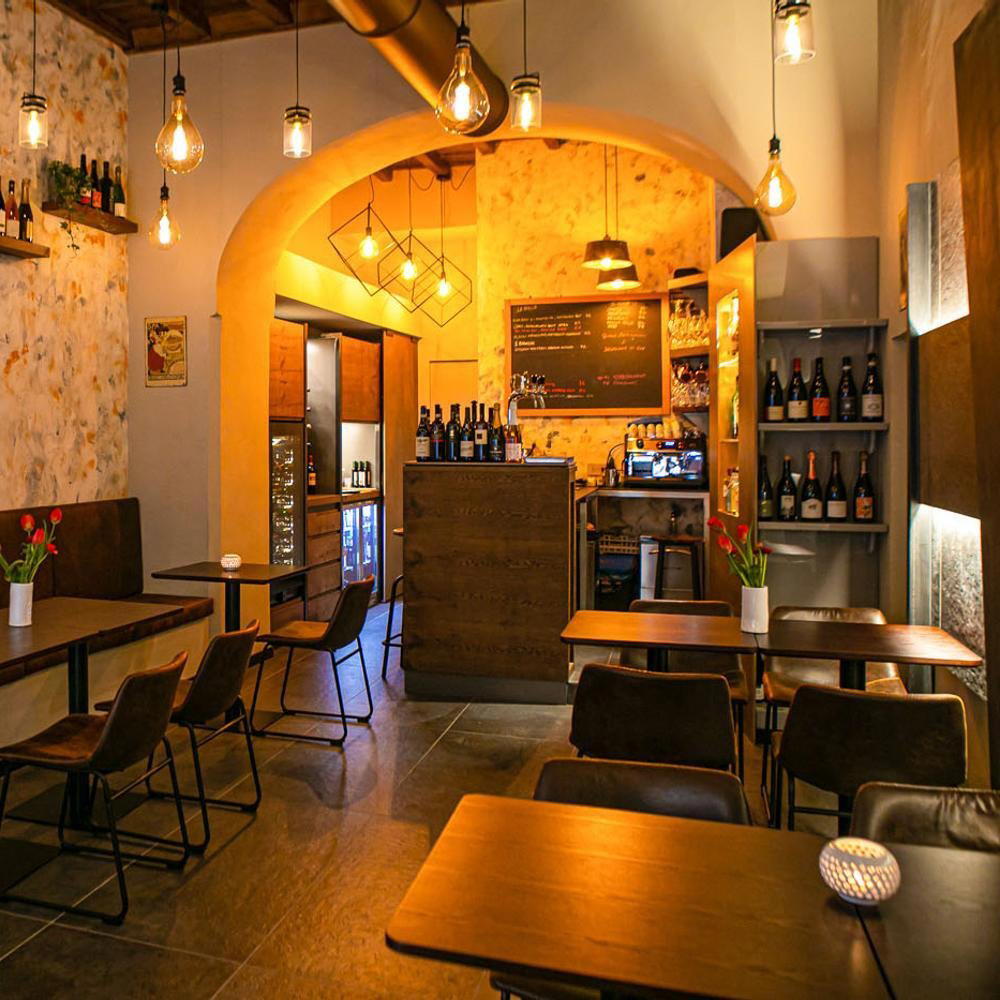
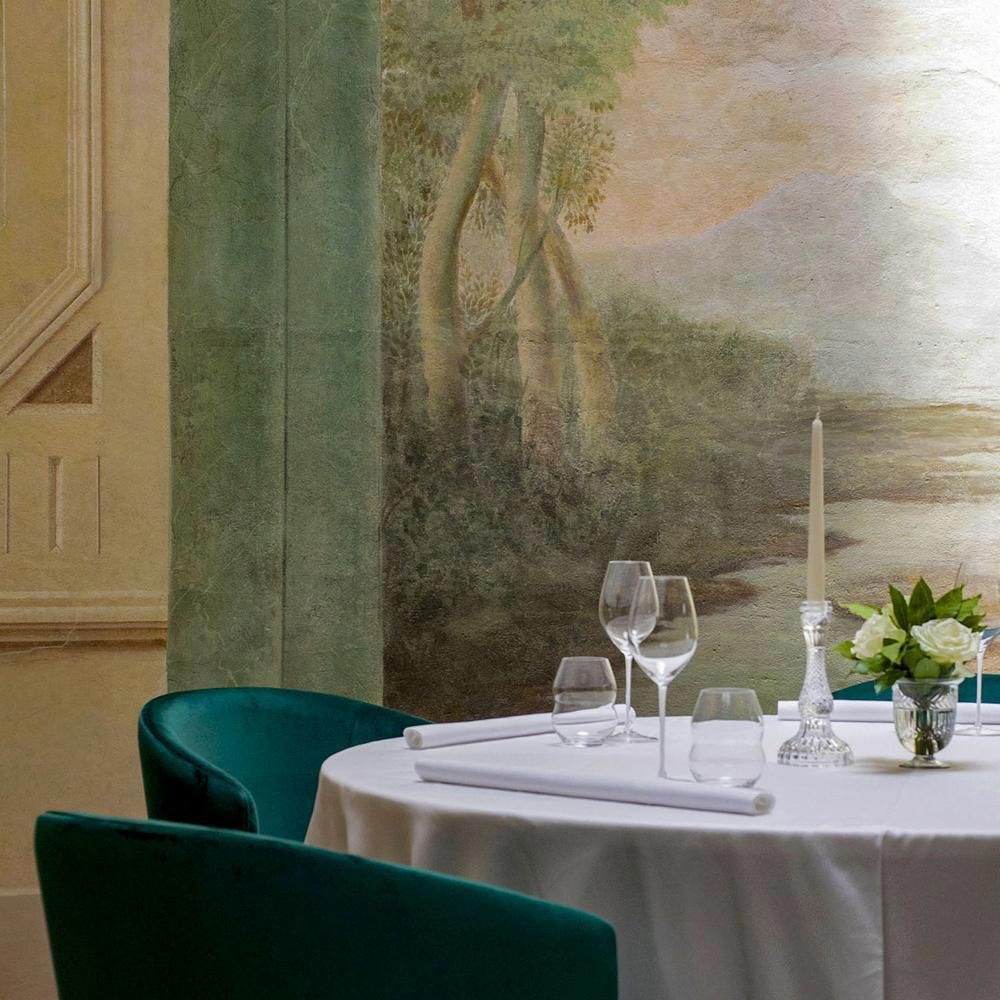
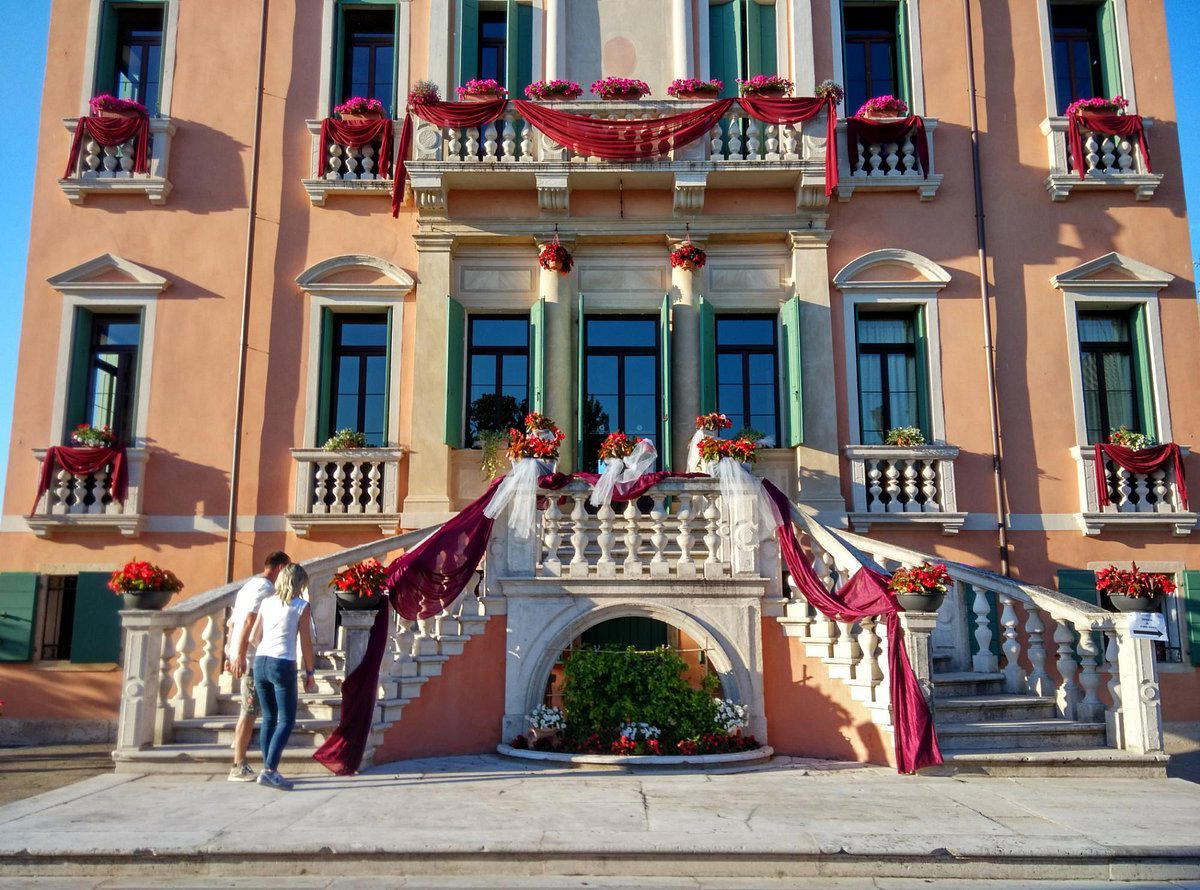
Luxurious and tranquil, combining fully renovated Art Nouveau architecture with Parisian-style interiors, marble and Murano glass details, soft lighting, and a strong focus on wellness and relaxation amid greenery and hill views.
Know Before You Go
- Getting there
- Via Marzia, 73, 35031 Abano Terme PD, Italy