Ostel - Das DDR Design Hostel occupies a particular niche in Berlin's accommodation spectrum: a property where Cold War-era East German design is the primary experience, not merely a decorative layer. The hostel translates Ostalgie — the cultural nostalgia for GDR aesthetics and objects — into a functioning sleep concept, positioning it against Berlin's design-conscious budget tier rather than its luxury circuit.
 Discover on Pearl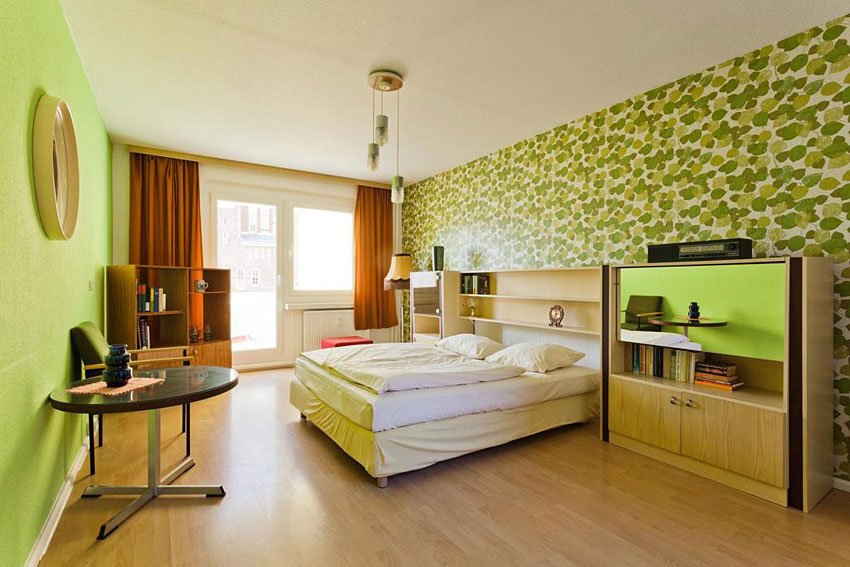
Where Ostalgie Meets Overnight
Berlin's accommodation market has always had a talent for concept-driven properties, but few commit to a single aesthetic era as completely as the DDR-themed hostel format. Across the city, properties at the premium end — Hotel de Rome, Patrick Hellmann Schlosshotel, and The Ritz-Carlton, Berlin — draw on pre-war grandeur or contemporary luxury codes. Ostel does something structurally different: it mines the design language of the German Democratic Republic, the period between 1949 and 1990 when East Berlin operated under Soviet-aligned governance, and turns that language into a liveable hospitality product.
The concept sits inside a broader Berlin pattern. The city has long processed its divided history through culture , museums, street art, guided walks , but hospitality has been slower to engage. The DDR-design hostel format represents one of the more committed attempts to make that history tactile rather than merely referenced. Laminates, Formica surfaces, retro GDR furniture lines, and period-accurate colour palettes replace the neutral linen-and-timber interiors standard across most European budget accommodation. For guests who have seen the DDR Museum on Karl-Liebknecht-Straße or walked through the preserved sections of East Berlin's Plattenbau districts, staying here extends the encounter from a few hours into an overnight one.
The Sustainability Dimension of Reuse and Preservation
The hostel's design approach carries an environmental logic that is easy to miss if you read it only as nostalgia. Salvaging, restoring, and repurposing mid-century East German furniture and fixtures , rather than specifying new production runs , is materially different from the fast-fitout model that dominates budget hospitality globally. Most hostels in a comparable price tier cycle through standardised flat-pack procurement, producing significant embodied-carbon loads with every refurbishment cycle. A property anchored in preserved period pieces sidesteps much of that cycle by treating its inventory as a collection rather than a consumable.
This is not a formally certified green operation in the manner of properties pursuing EU Ecolabel or BREEAM standards, but the preservation-first model does reduce material throughput in ways that align with waste-reduction principles. The sourcing of authentic GDR objects also connects to a local and regional supply chain , estate sales, auctions, specialist dealers in the former East , rather than the globalised procurement networks that supply most hospitality FF&E. Whether intentional or structural, the result is a lower-churn, higher-retention approach to interior material that differs from the industry default.
For travellers whose accommodation choices are partly shaped by environmental priorities, the calculus here is worth understanding: the trade-off is between comfort-level compromises typical of the hostel category and a furniture-and-fixtures philosophy that extends object lifetimes rather than replacing them. That trade-off looks different depending on what the traveller is optimising for. Properties like Schloss Elmau Luxury Spa Retreat & Cultural Hideaway in Elmau or Das Kranzbach Hotel & Wellness Retreat in Kranzbach approach sustainability from a luxury-wellness frame with formal certifications and structured programmes. The DDR hostel operates from a fundamentally different position: scarcity-era design preserved out of cultural conviction, with sustainability as an emergent property rather than a marketing platform.
The Berlin Context: Budget Accommodation as Cultural Practice
Berlin's budget accommodation tier is denser and more differentiated than in most European capitals. The city's long history of cheap rents, creative migration, and cultural infrastructure built on post-reunification gaps in the real estate market produced a hostel culture that, at its more considered end, goes beyond dormitory beds and coin-operated lockers. The DDR-design format fits within a subset of that culture where the property's concept is part of what the city has to offer, not separate from it.
Staying in this part of Berlin places guests within reach of a specific east-of-centre geography. The former East Berlin districts , Mitte, Friedrichshain, Prenzlauer Berg , hold most of the surviving GDR-era urban fabric, from the TV Tower at Alexanderplatz to the Karl-Marx-Allee boulevard's socialist classicist apartment blocks. A hostel that mirrors that aesthetic in its interiors effectively extends the city's architectural argument into the room itself. For comparison, guests at Telegraphenamt or Roomers Berlin Steinplatz, Autograph Collection are paying for a different relationship with the city , contemporary design, western Berlin adjacency, full hotel services. The Ostel positions against neither of those; its competitive set is the design-literate, historically curious traveller for whom conceptual coherence matters alongside price point.
Booking and Practical Planning
Berlin's tourist season concentrates between May and September, with a secondary spike around the Christmas markets in November and December. Visiting outside those windows , particularly in February and March , tends to free up availability across all accommodation tiers and brings Berlin's gallery and cultural programming into the foreground without summer-crowd density. For a concept hostel of this kind, where the experience is primarily interior and cultural rather than dependent on weather, the off-season argument is particularly strong.
Guests arriving from further afield in Germany will find useful comparisons in the wider German hotel network: Fairmont Hotel Vier Jahreszeiten in Hamburg, Excelsior Hotel Ernst in Cologne, and Bülow Palais in Dresden sit at an entirely different tier of the market but represent the range of what German hospitality covers across the country. For those routing through Berlin on a broader European trip that includes Aman Venice in Venice or The Fifth Avenue Hotel in New York City, Berlin's concept-hostel offer provides a point of contrast that many travellers find useful for calibrating what design-led hospitality can mean across categories.
Additional Berlin options at varying price tiers include 25hours Hotel Bikini Berlin, Adina Apartment Hotel Berlin Hackescher Markt, and Casa Camper Berlin, each representing different takes on the design-driven mid-market. For dining and broader city coverage, see our full Berlin restaurants guide.
Peers You’d Cross-Shop
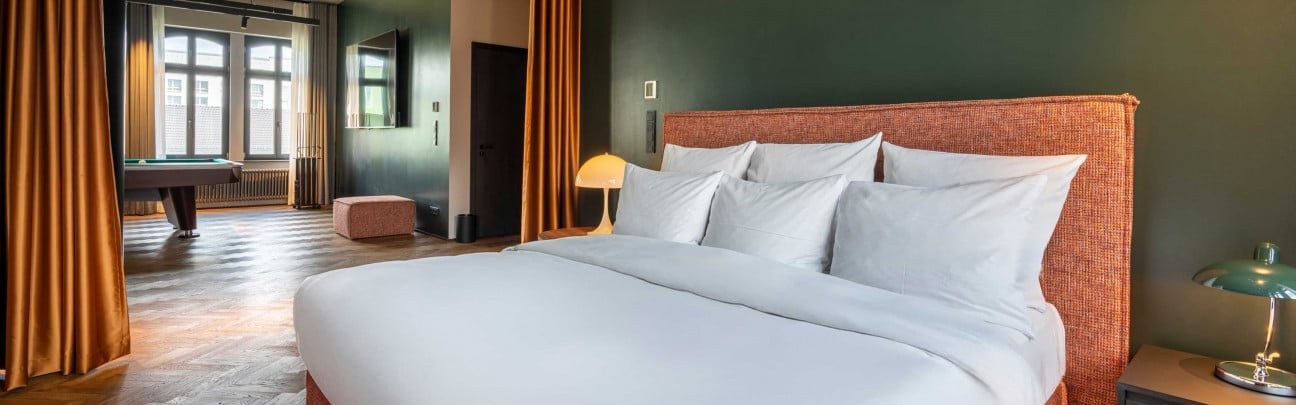
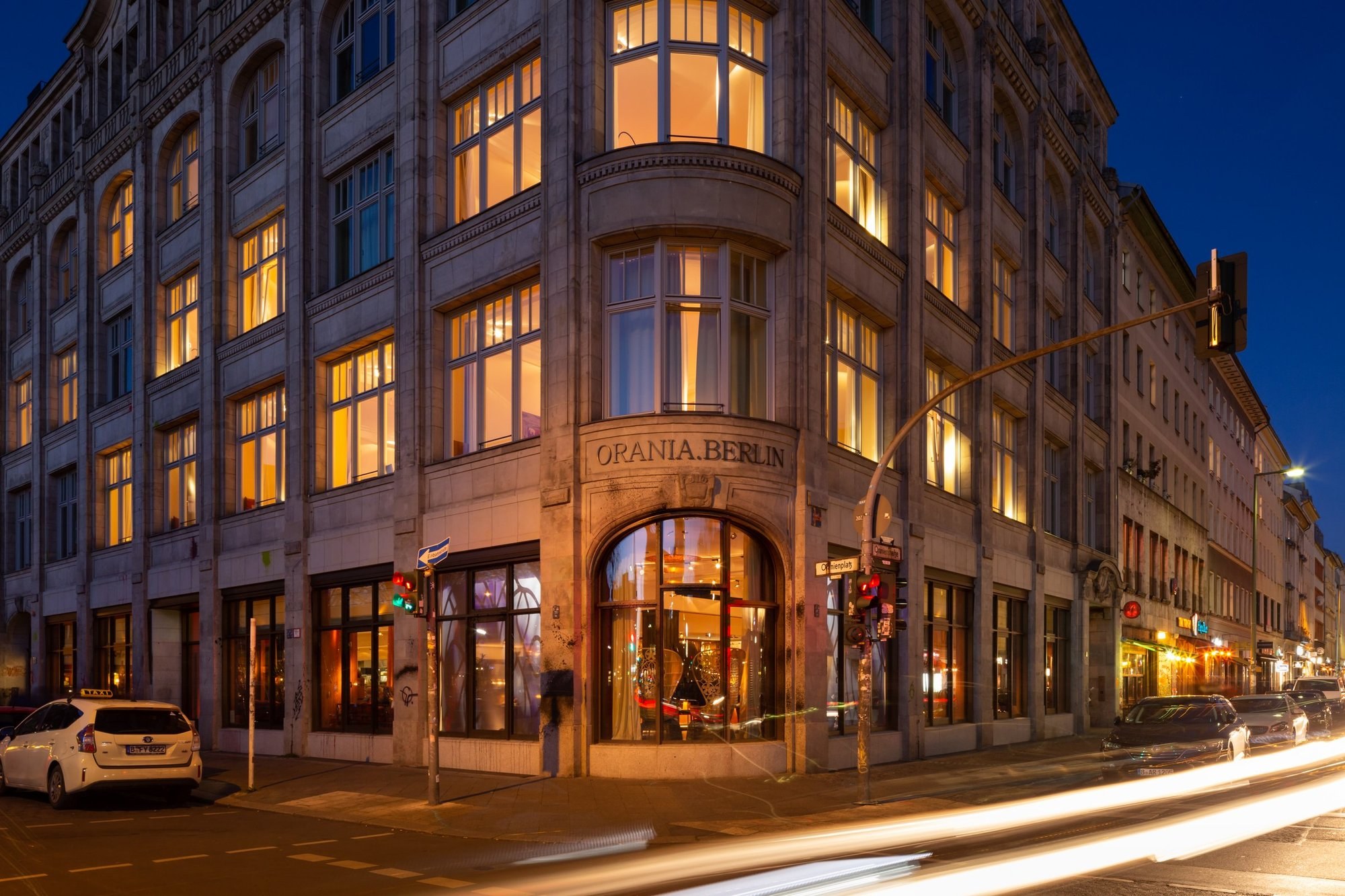
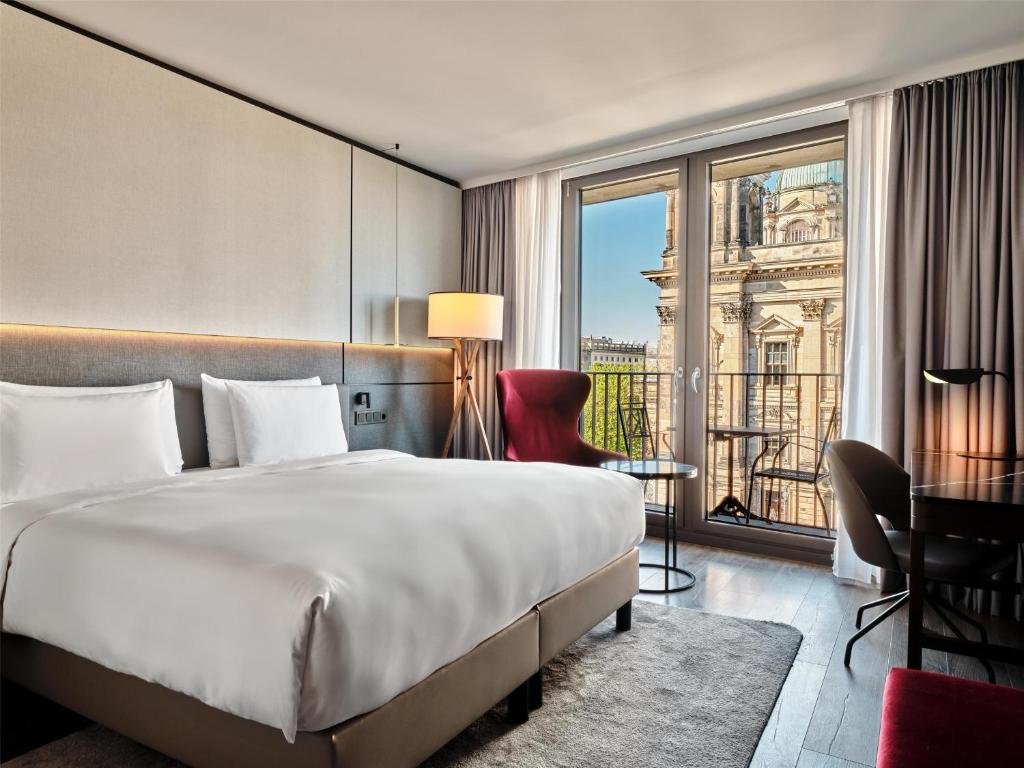
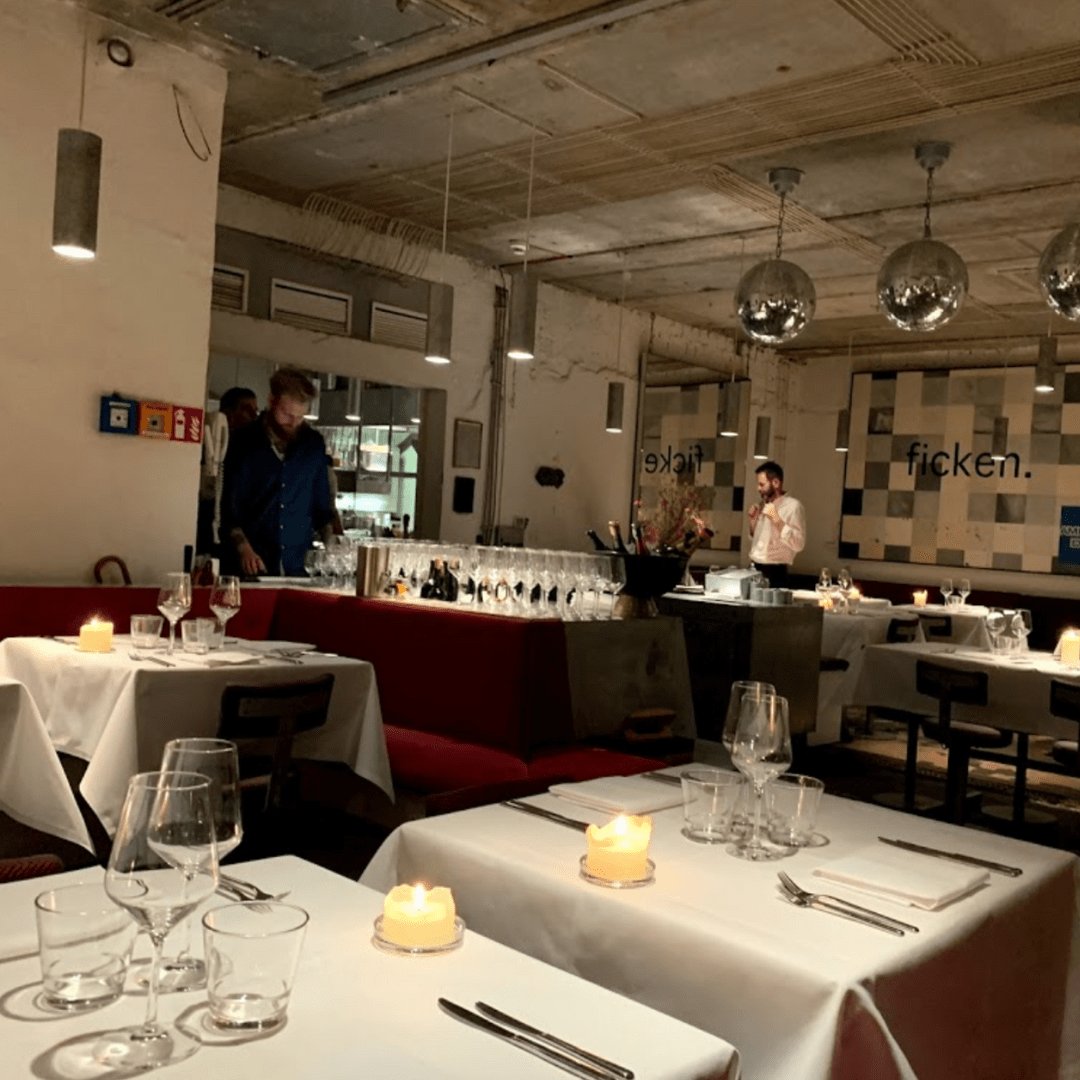
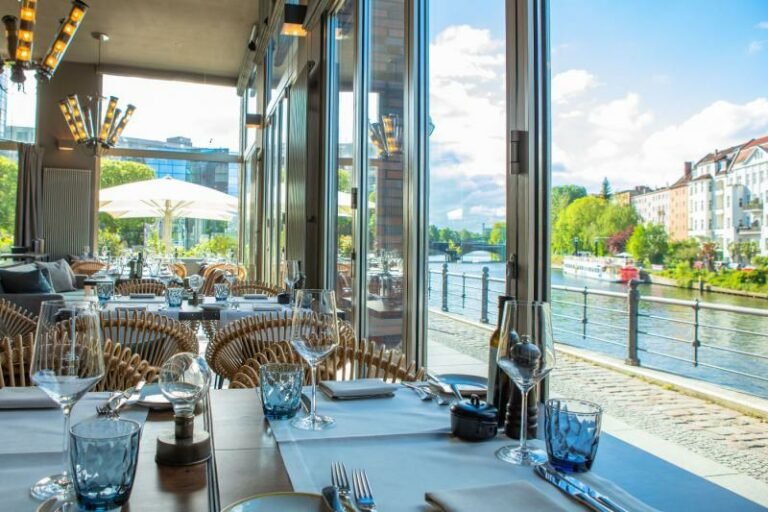
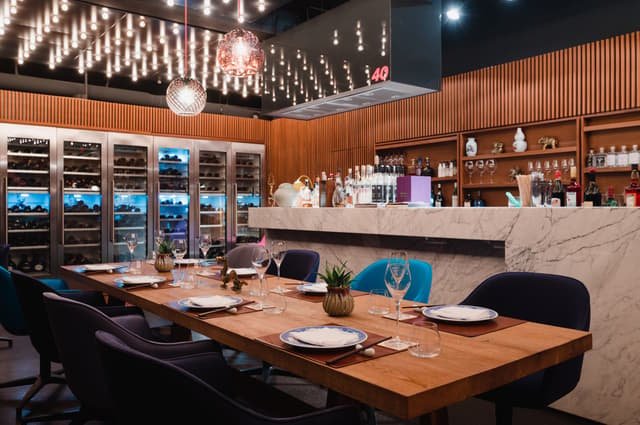
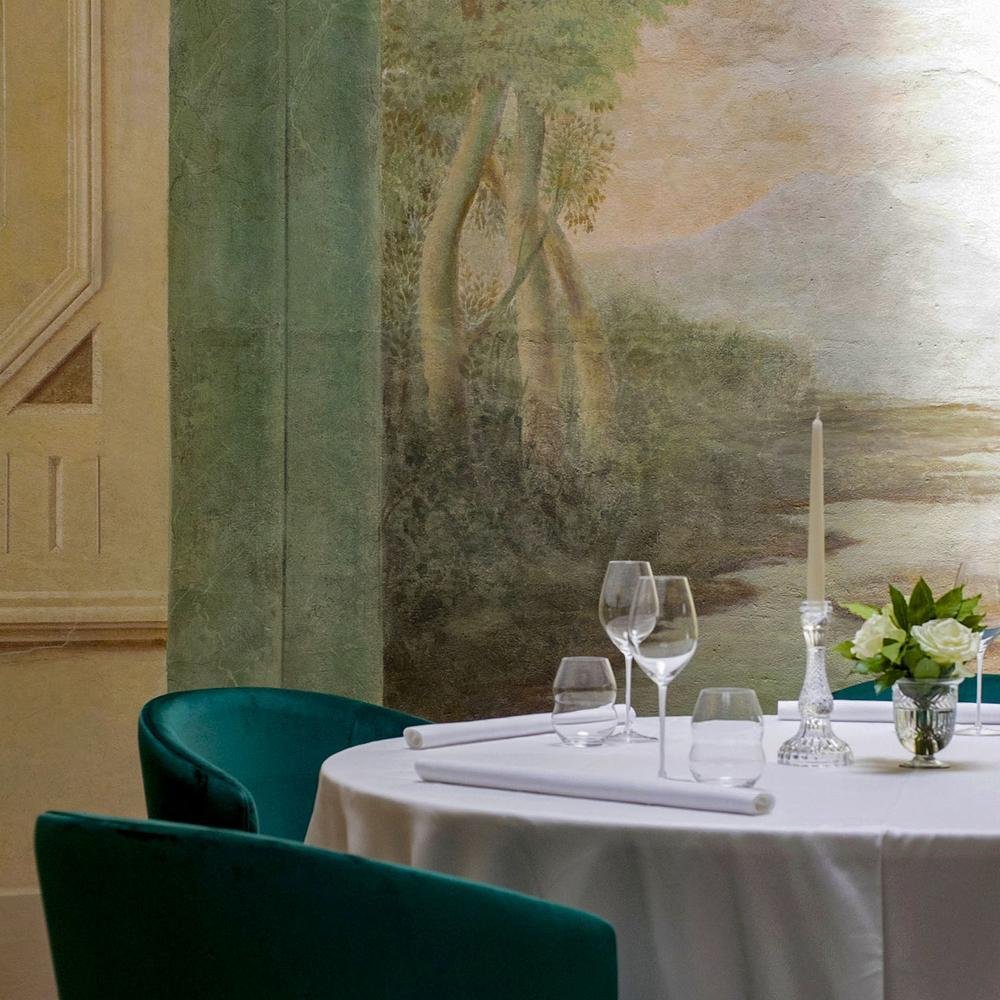
These are the closest comparables we have in our database for quick context.
At a Glance
- Retro
- Bohemian
- Whimsical
- Weekend Escape
- Group Retreat
- Historic Building
- Design Destination
- Wifi
- Parking
- Laundry Service
- 24hr Front Desk
- Safe
- Luggage Storage
- Rooftop Terrace
Nostalgic and immersive with 1970s wallpaper, retro furniture, vintage radios, and period-appropriate decor throughout; warm and comfortable with a quirky, time-travel atmosphere that transports guests to Cold War-era Eastern Europe.