

Positioned on the architecturally arresting Piazza della Repubblica, INEO brings an internationally inflected kitchen to one of Rome's grandest addresses. Chef Heros De Agostinis draws on experience across restaurants worldwide, producing a menu that moves between European technique and global ingredients. Recognised by the Michelin Guide with a Plate distinction and ranked 137th in the 2025 Opinionated About Dining Classical Europe list, it occupies a specific niche in Rome's fine-dining tier.
Pearl is the En Primeur Club membership app — saves, bookings, and concierge access live there. Same editors, same standards.
- Address
- P.za della Repubblica, 46, 00184 Roma RM, Italy
- Phone
- +39 06 4893 8061
- Website
- ineorestaurant.com
- Directions
- Get directions
 Saves & bookings on Pearl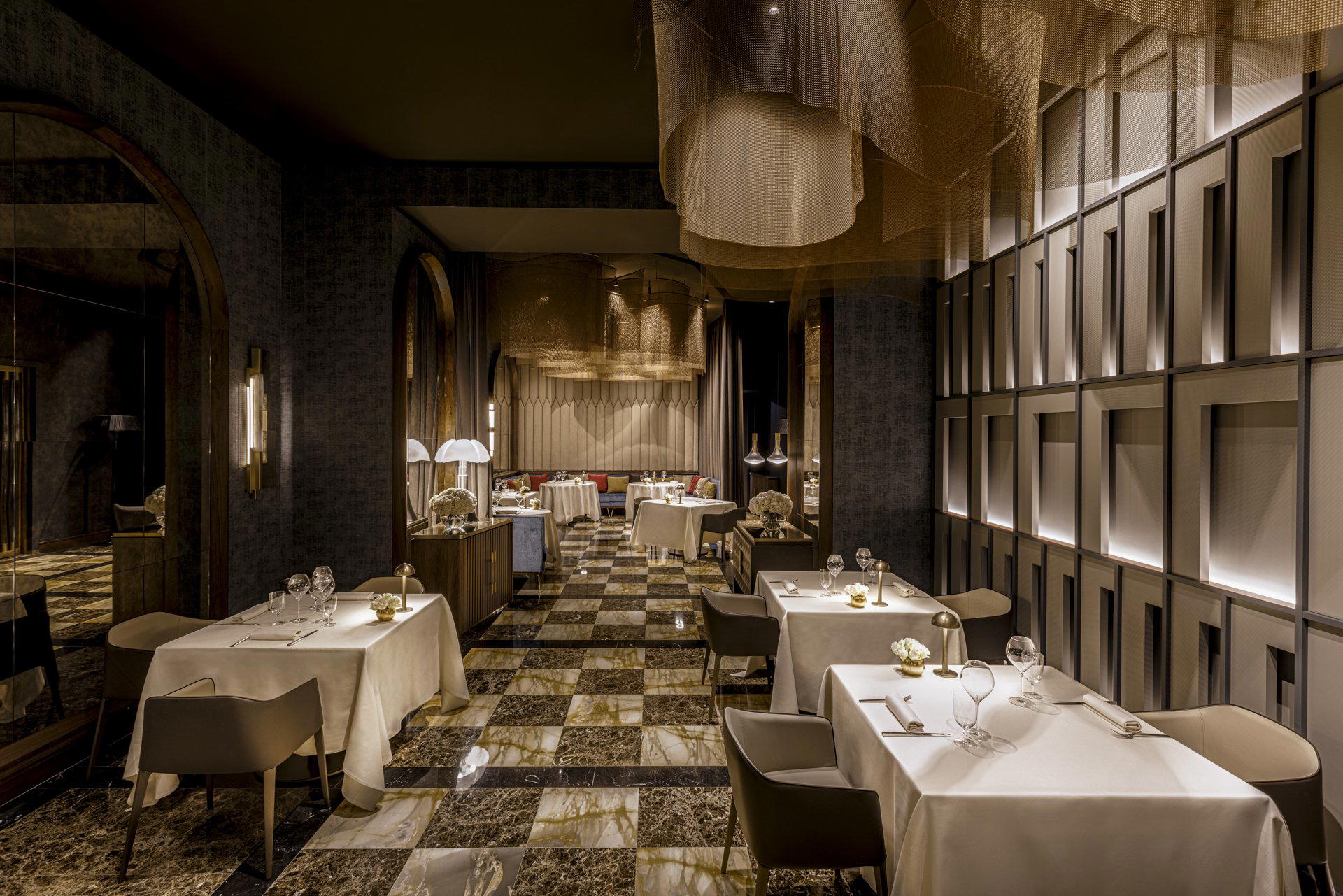
A Piazza That Sets Expectations Before You Sit Down
Piazza della Repubblica is not a quiet side-street address. The semi-circular colonnade of the former Terme di Diocleziano frames one of Rome's most formally proportioned public spaces, and arriving at INEO means walking into a room that carries that architectural weight with it. Before a menu appears or a glass is poured, the setting has already established the register of the evening: deliberate, considered, oriented toward ceremony rather than casualness.
Rome's fine-dining addresses tend to sort themselves by neighbourhood character as much as by kitchen credentials. The strip running from the historic centre toward Termini trades tourist proximity for architectural grandeur, and INEO's position on that arc places it in a peer conversation that includes hotel dining rooms and destination restaurants drawing international visitors alongside resident clientele. That mix shapes how an evening unfolds here, and how the kitchen has been conceived.
The Ritual of the International Table in a Roman Room
Rome's most formally recognised restaurants have long operated within a tension between rootedness and ambition. La Pergola, the city's three-Michelin-star benchmark, remains committed to Mediterranean architecture. Il Pagliaccio and Enoteca La Torre, both holding two stars, draw on Italian identity while pressing outward toward creative formats. INEO operates on a different axis entirely: its kitchen is framed as international from the outset, placing it closer in spirit to certain European counterparts than to the territory-first approach that defines much of Rome's fine-dining canon.
That framing matters because it changes the grammar of the meal. When a kitchen announces itself as internationally inflected, the diner enters with different interpretive expectations. The arrival of a sauce built on spices from outside the Italian pantry is not a deviation from the menu's logic; it is the logic. The sequence of the meal becomes a kind of structured comparison, course by course, between cooking traditions that rarely share a table. Italy provides the formal setting and the occasion; the kitchen provides the itinerary.
This approach has earned INEO a Michelin Plate in 2025 and a ranking of 137th in the Opinionated About Dining Classical Europe list for the same year. The OAD ranking is a particularly useful signal here: the Classical Europe list draws heavily on input from frequent restaurant-goers and industry professionals who prioritise coherence and craft over spectacle, which suggests the kitchen's international reach is disciplined rather than eclectic for its own sake.
Chef Heros De Agostinis and the Geometry of Influence
Within Rome's fine-dining tier, a kitchen shaped by international training represents a specific structural choice. The city has produced chefs who built careers in Rome itself, and others who left, absorbed external influences, and returned. The latter group tends to produce restaurants that sit slightly outside the mainstream local conversation, occupying a niche that international visitors often find more immediately readable than those deeply embedded in Roman culinary codes.
Chef Heros De Agostinis belongs to that broader pattern across European fine dining, where experience in multiple international kitchens feeds back into a cooking identity that draws from several traditions simultaneously. The result is a menu in which sauces, spices, and ingredients from across the globe appear as structural elements rather than garnishes. Comparing this approach to peers like Acquolina or Achilli al Parlamento, both of which maintain stronger anchors in Italian product and tradition, clarifies the competitive position INEO has carved for itself.
Across Italy more broadly, this style of internationally oriented fine dining appears at various points in the country's premium tier. Enrico Bartolini in Milan works with multi-referential influences across multiple properties; Le Calandre in Rubano has long maintained a creative disposition that extends beyond regional identity. INEO's Rome positioning fits within that pattern at the national level, and within Europe it shares territory with internationally framed kitchens like Loumi in Berlin and, at a different scale, the cross-cultural formats visible at Haubentaucher in Rottach-Egern.
Pacing and Protocol: How the Meal Moves
The dining ritual at a formally recognised international restaurant in a European capital tends to follow a specific tempo. Service proceeds in discrete chapters: the opening sequence of smaller preparations, a middle passage through more substantial courses, a dessert arc that functions as its own resolution. The pace is set by the kitchen and communicated through service rather than negotiated at the table.
At INEO's price point, €€€€ in the city's ranking structure, that protocol is the expected format. The room's setting on Piazza della Repubblica amplifies the formality: you arrive through one of Rome's landmark public spaces, which makes the transition from street to table feel calibrated rather than incidental.
For comparison with Italian fine dining at the highest tier, Osteria Francescana in Modena and Dal Pescatore in Runate both operate multi-course formats with strong regional anchors. Atelier Moessmer Norbert Niederkofler in Brunico and Enoteca Pinchiorri in Florence sit within the same formal register but with different geographic and product orientations. INEO's distinction within this national tier is that its reference points are deliberately non-territorial, which gives the meal a different kind of internal coherence.
Where INEO Sits in the Rome Fine Dining Order
Rome's €€€€ tier is smaller than Milan's or London's but carries significant symbolic weight given the city's global profile. The Michelin Guide's Rome selection in 2025 spans one three-star address, a cluster of two-star properties, and a longer tail of single-star and Plate-recognised kitchens. INEO's star places it within that tail: cooking assessed as meeting the Guide's quality threshold.
The OAD Classical Europe ranking at 137th provides a complementary data point. OAD rankings reward consistency and the kind of sustained quality that returns diners rather than first-visit spectacle, so the appearance on that list alongside a Michelin Plate suggests a kitchen that has established credibility within the professional and enthusiast audience that shapes European fine-dining conversation.
For visitors constructing a Rome dining programme, INEO occupies a specific slot: formal enough to sit alongside the city's starred addresses in occasion and price, internationally oriented enough to offer a different perspective from the Roman and Italian-anchored kitchens that dominate the top tier.
Know Before You Go
- Address: Piazza della Repubblica 46, 00184 Roma
- Price range: €€€€
- Cuisine: International
- Recognition: Michelin Plate (2025); OAD Classical Europe #137 (2025) 9 (56 reviews)
A Tight Comparison
Comparable venues nearby, for context on price, style, and recognition.
| Venue | Cuisine | Price |
|---|---|---|
| INEOThis venue — the venue you are viewing | International | $$$$ |
| Glass Hostaria | Trastevere, Modern Italian Fine Dining | $$$$ |
| Pipero Roma | Parione, Modern Roman Fine Dining | $$$$ |
| Al Madrigale | Nuova Cucina Rurale | Tivoli, Nuova Cucina Rurale | $$$$ |
| Moma | Trevi, Modern Italian Fine Dining | $$$ |
| La Terrazza | Ludovisi, Modern Italian Fine Dining | $$$ |
Recognition history
Dated appearances from independent guides and award organizations, with the underlying list record or original source where available.
Michelin 1 Star
Michelin
Opinionated About Dining Classical in Europe Ranked #150
Opinionated About Dining
Michelin Plate
Michelin
Opinionated About Dining Classical in Europe Ranked #137
Opinionated About Dining
Continue exploring
More in Rome
Restaurants in Rome
Browse all →
Bars in Rome
Browse all →
Hotels in Rome
Browse all →

At a Glance
- Elegant
- Sophisticated
- Intimate
- Modern
- Date Night
- Special Occasion
- Hotel Restaurant
- Open Kitchen
- Extensive Wine List
- Sommelier Led
- Local Sourcing
Current opening hours
- Monday
- Closed
- Tuesday
- 7–11 PM
- Wednesday
- 7–11 PM
- Thursday
- 7–11 PM
- Friday
- 7–11 PM
- Saturday
- 7–11 PM
- Sunday
- Closed
Hours can change for holidays and private events. Last verified .
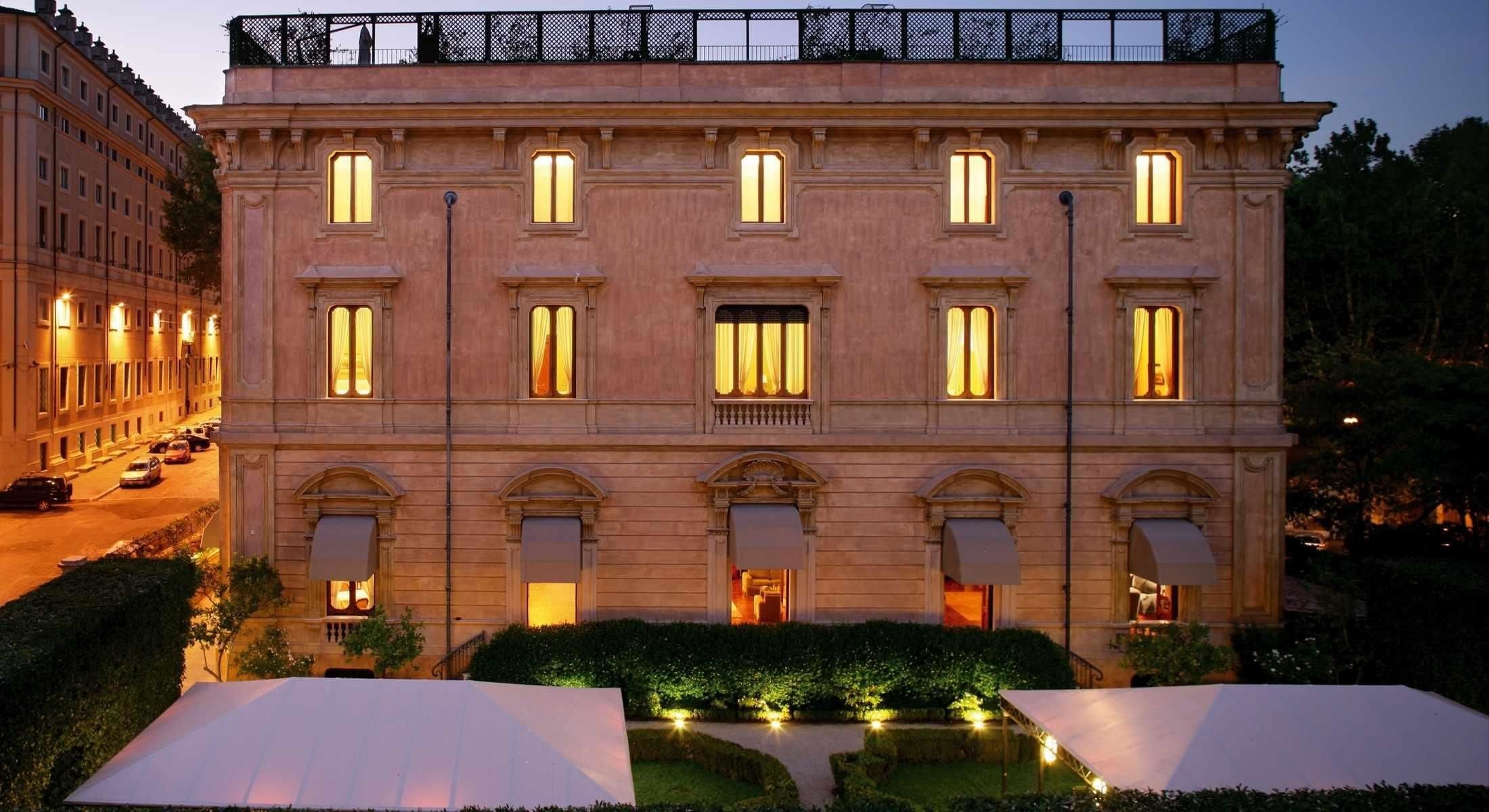
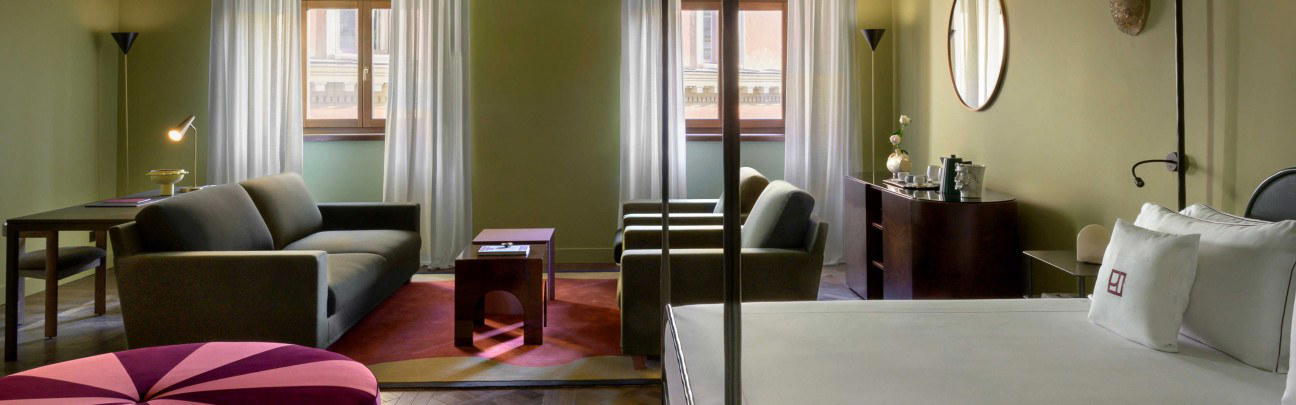
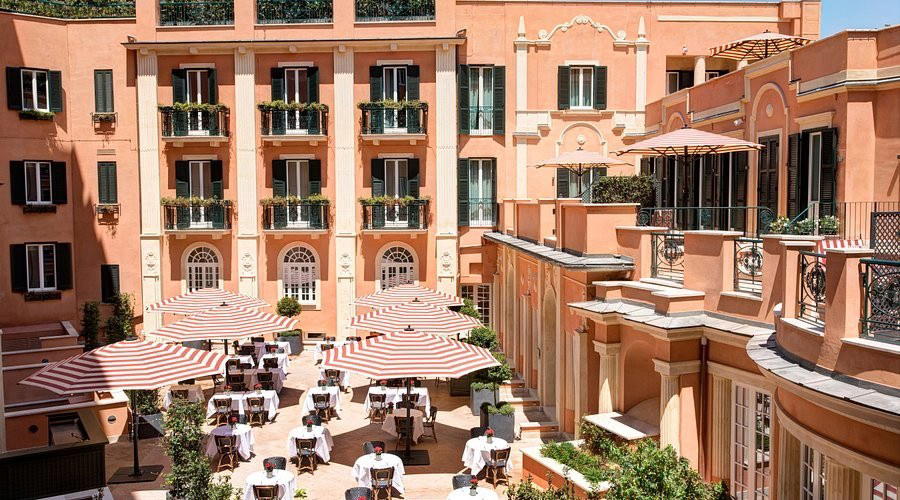
Elegant, cozy, and intimate atmosphere in a historic palace hotel with minimalist decor and warm, attentive service.