
A Michelin Selected hotel on Willy-Brandt-Strasse, Le Méridien Stuttgart positions itself within the upper tier of international chain properties in a city better known for engineering precision than hotel ambition. The food and beverage programme anchors the stay, and the address puts major corporate and cultural destinations within easy reach of the city centre.
Pearl is the En Primeur Club membership app — saves, bookings, and concierge access live there. Same editors, same standards.
- Address
- Willy-Brandt-Straße 30, 70173 Stuttgart, Germany
- Phone
- +49 711 22210
- Website
- marriott.com
- Directions
- Get directions
 Saves & bookings on Pearl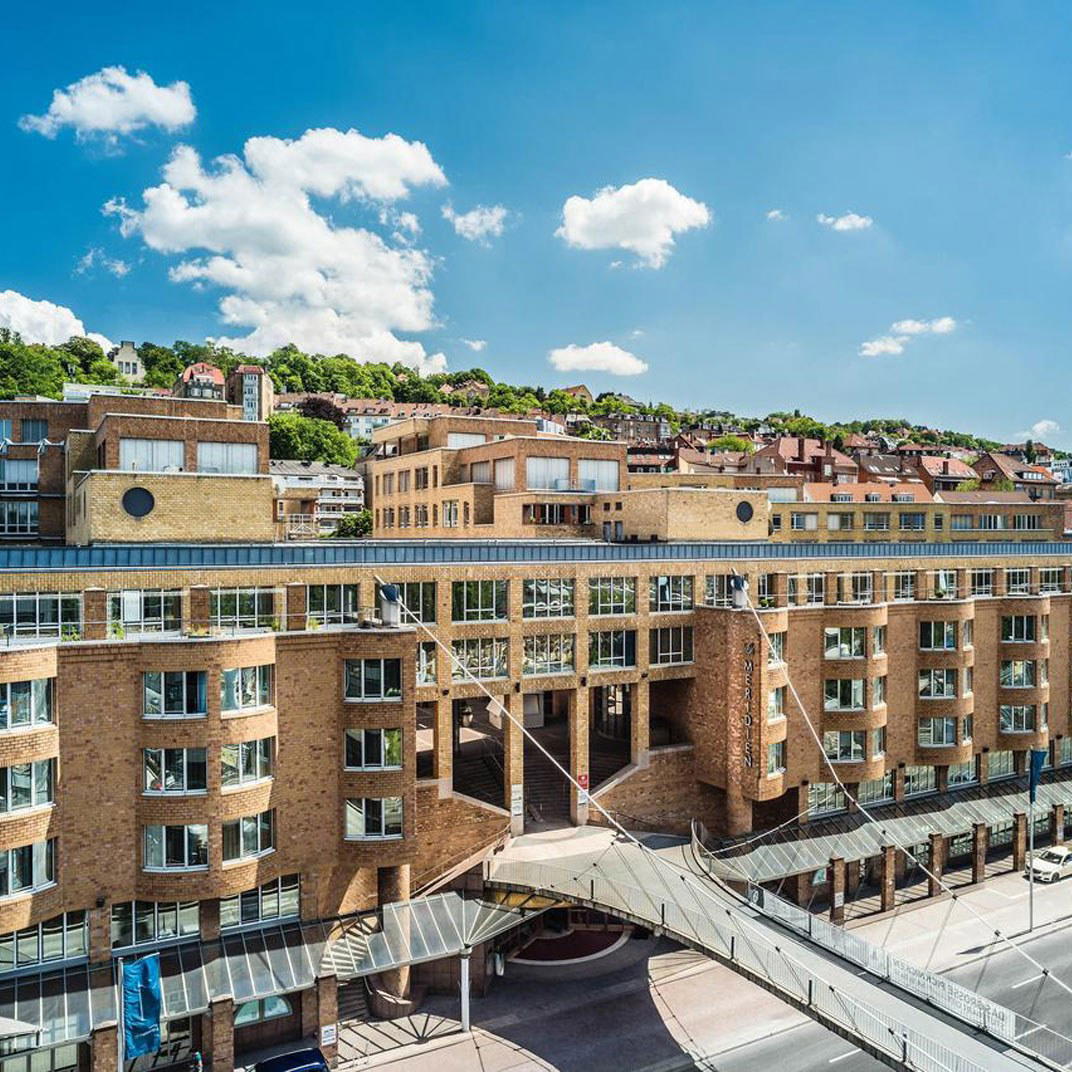
Stuttgart's International Hotel Tier, and Where Le Méridien Sits Within It
Stuttgart is not a city that trades on hospitality mythology. Its economy runs on Porsche, Bosch, and Mercedes-Benz, and its hotel market reflects that: the dominant demand is corporate, the design language tends toward functional modernity, and the properties that succeed here do so by delivering consistency rather than theatre. Within that context, international branded properties occupy a distinct middle-to-upper tier, and Le Méridien Stuttgart is a 5-star hotel at Willy-Brandt-Strasse 30 in Stuttgart, Germany, with 293 rooms. Its 2025 Michelin Selected designation confirms a standard of comfort and service that clears the bar for inclusion in the guide, placing it alongside a curated set of properties across Germany rather than in the broader, undifferentiated mass of business hotels.
The Michelin hotel guide's Selected tier is not awarded for a single standout feature. It recognises a baseline of quality across room standard, service delivery, and overall guest experience. For Stuttgart, where the hotel supply skews corporate and the independent luxury segment is thin compared to Munich or Hamburg, a Michelin Selected property carries weight as a reliable reference point for travellers who want a known standard without auditing every review platform individually.
The Food and Beverage Position in a City With Serious Culinary Credentials
Baden-Württemberg is one of Germany's most decorated culinary regions. The Black Forest corridor running south through Baiersbronn (where Hotel Traube Tonbach operates multiple Michelin-starred restaurants) and properties like Luisenhöhe in Horben demonstrate that the region takes its food seriously at the highest level. Stuttgart itself has a compact but credible restaurant scene, and what a hotel chooses to do with its dining programme in this context matters: travellers with genuine food interest will not stay in the hotel for convenience when there are serious options within the city.
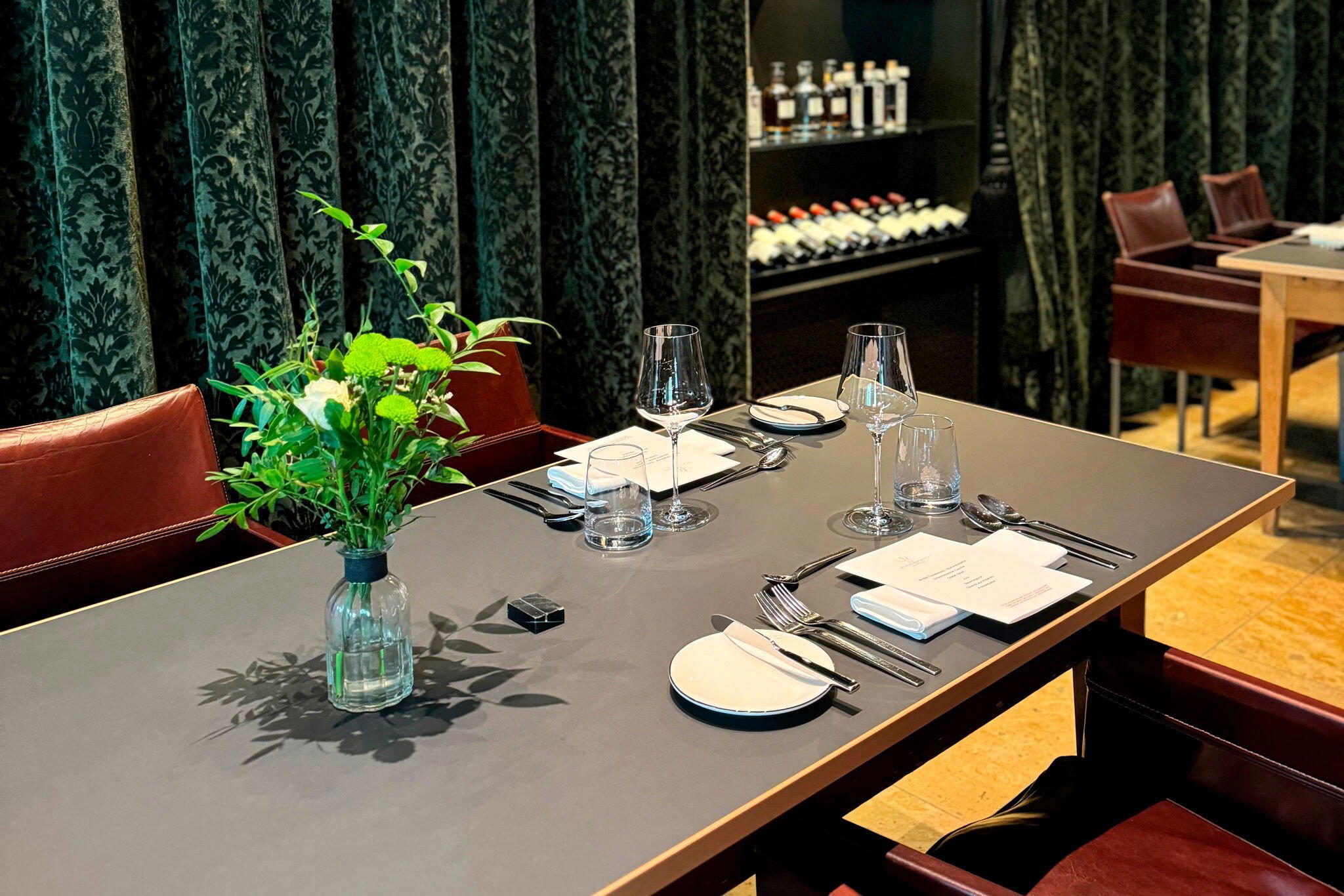
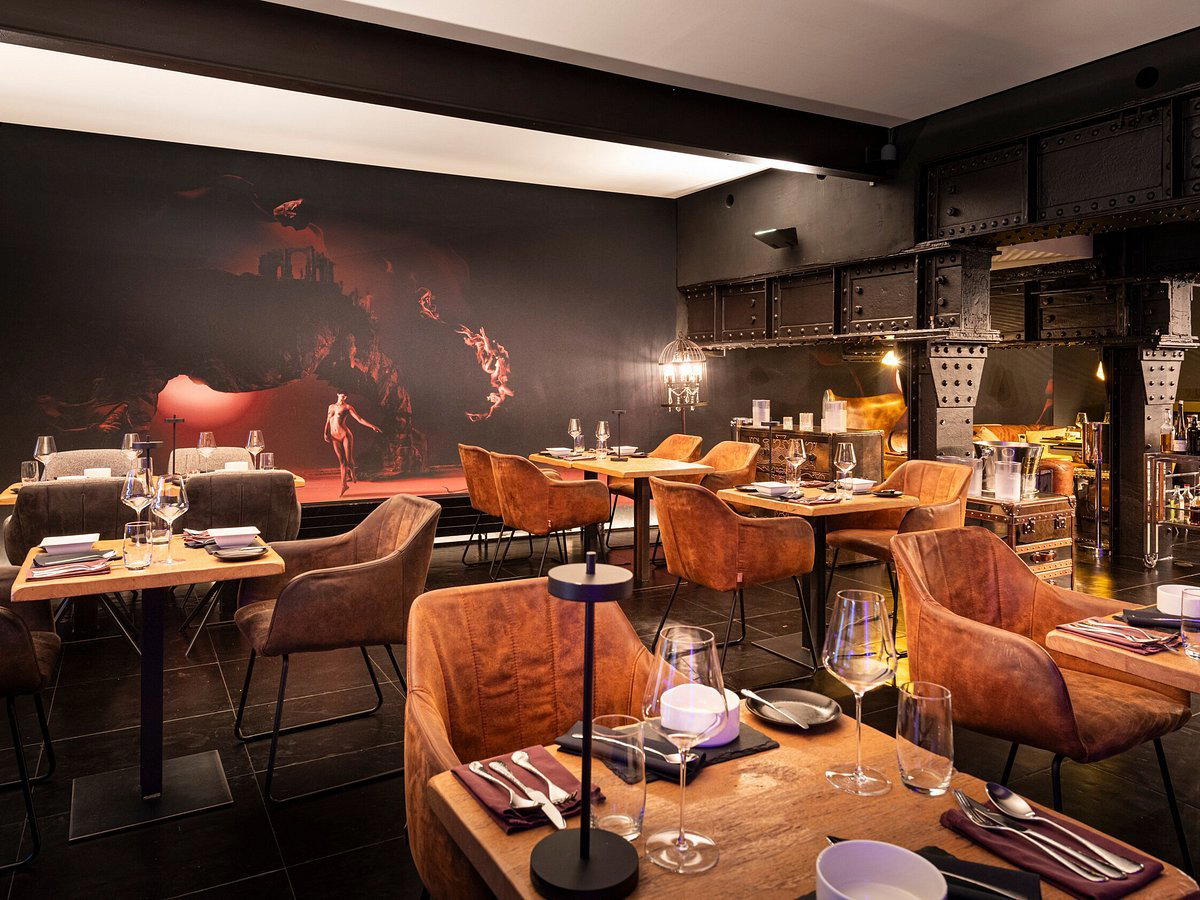
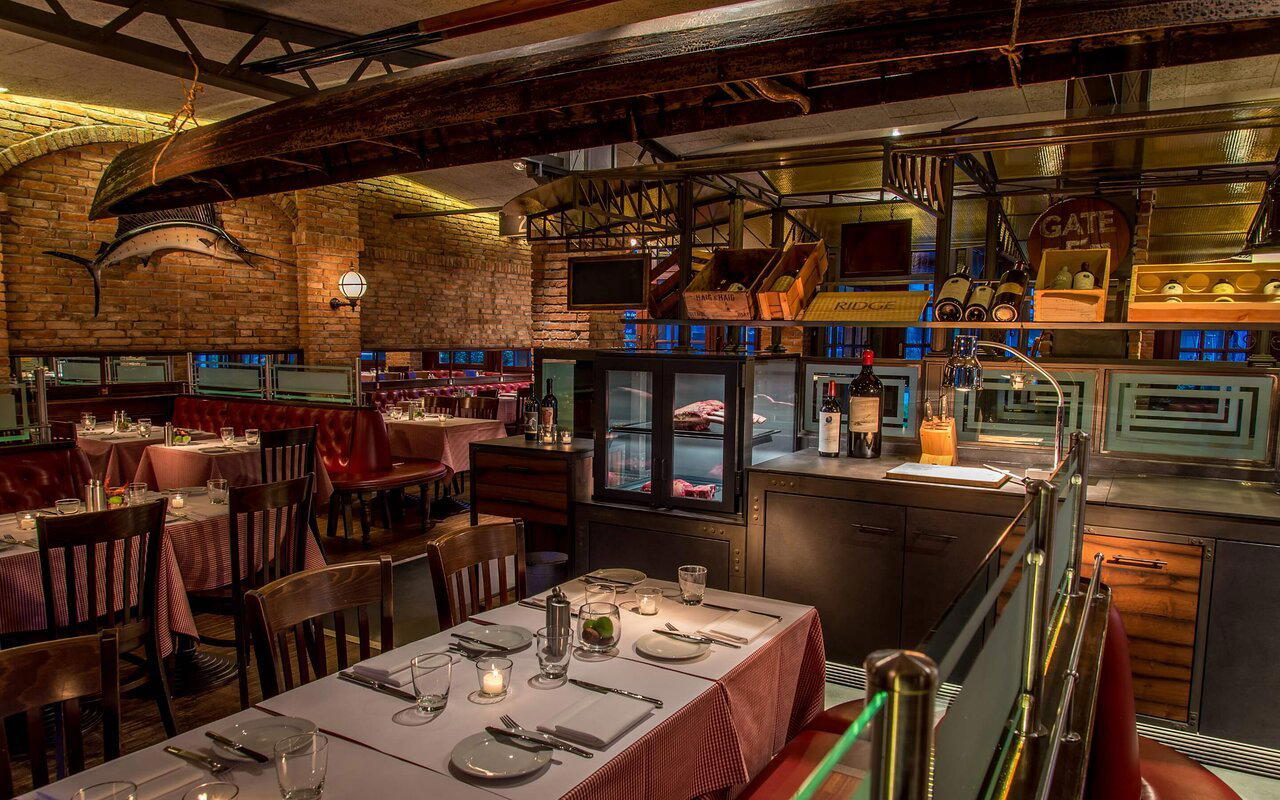
That dynamic shapes the strategic position of any hotel dining room in Stuttgart. The food and beverage offer at a Michelin Selected international property is not expected to compete with destination restaurants, but it is expected to hold a clear identity: a bar programme that functions as a genuine social space, a breakfast or all-day offer that matches the room standard, and in some cases a restaurant that gives business guests a reason to eat in rather than out. Hotel dining in German cities with strong local restaurant cultures tends to succeed when it focuses on one format done with discipline rather than attempting to be all things to all guests.
Le Méridien as a brand globally has leaned into arts and culture programming alongside its food and drink identity. That positioning is relevant in Stuttgart, where the Staatsgalerie and a dense schedule of classical music and theatre programming create a natural audience for a property that functions as more than a place to sleep between meetings. Whether the Stuttgart property executes that positioning at the level of the brand's stronger European outposts is something individual stays will confirm, but the Michelin Selected status suggests the underlying standards are in place.
Comparing the Stuttgart Luxury Tier
Stuttgart's upper hotel segment is more limited than Germany's larger hospitality cities. In Hamburg, properties like the Fairmont Hotel Vier Jahreszeiten carry a century of institutional weight. In Frankfurt, the Sofitel Frankfurt Opera operates within a more competitive luxury tier. In Cologne, the Excelsior Hotel Ernst holds a similar branded-luxury position. Stuttgart's locally rooted options include the Althoff Hotel am Schlossgarten, which occupies a more traditional luxury positioning with its own Michelin recognition, and the Jaz in the City Stuttgart, which targets a music and lifestyle-oriented guest profile at a different price point.
Le Méridien sits between those poles: internationally branded and consistent, Michelin-verified, and positioned for guests who want a known quality standard and a central address without the premium attached to Stuttgart's most formal luxury option. That's a coherent position in a city where corporate travel volumes support a functioning mid-to-upper hotel tier year-round.
The Address and Its Practical Logic
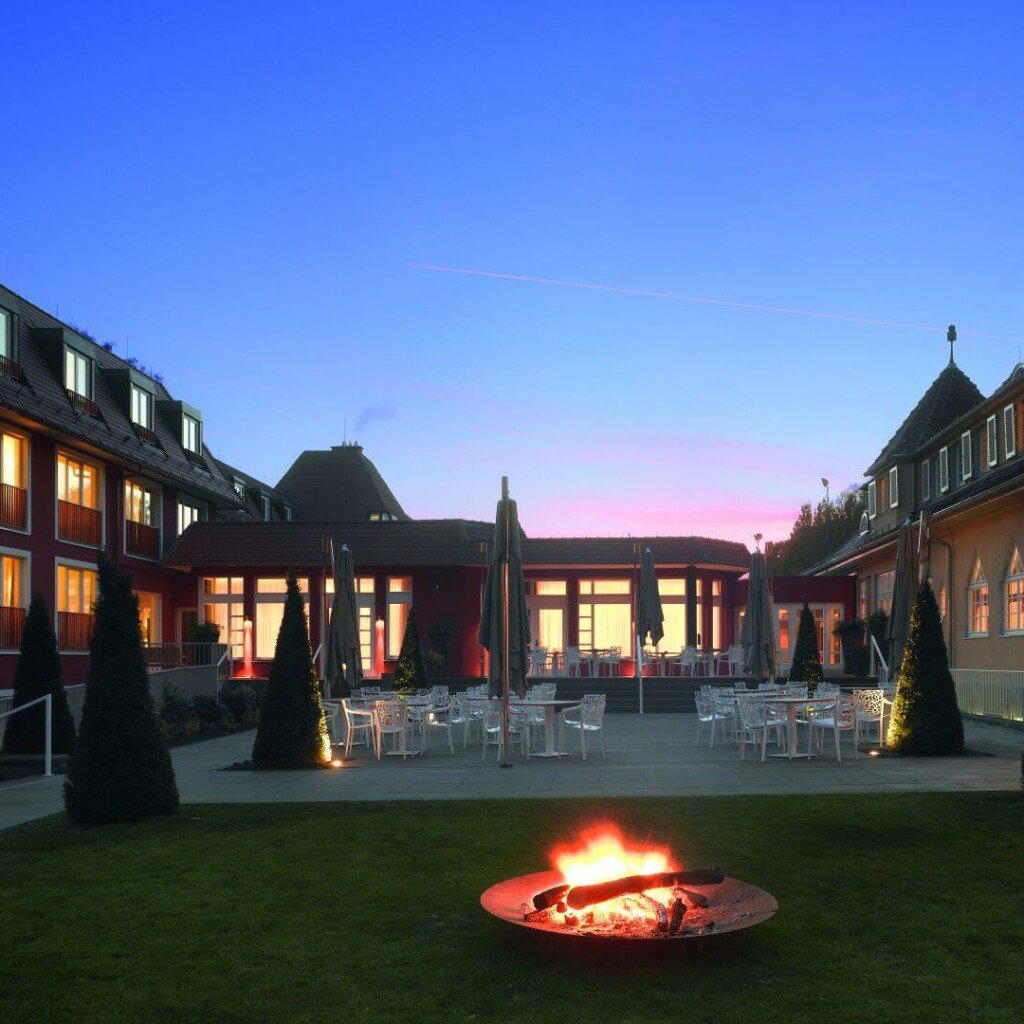
Willy-Brandt-Strasse 30 places the hotel at a practical distance from the main railway station (Stuttgart Hauptbahnhof), which serves as the hub for regional connections into the Swabian countryside and high-speed rail links to Munich and Frankfurt. Stuttgart Airport connects the city internationally, and the S-Bahn line runs between the airport and the city centre, making the hotel accessible without relying on taxis for direct arrivals. For guests attending trade fairs at Messe Stuttgart or events at the Porsche and Mercedes-Benz museums, the central base point works in both directions.
Booking the property through its brand channels or through Michelin's own hotel platform gives access to the standard rate structure. For Germany's hotel market in a major city, corporate rates and weekend leisure rates often diverge significantly.
Travellers planning broader itineraries across southern Germany will find the Stuttgart base useful for day connections. The Althoff Seehotel Überfahrt in Rottach-Egern and Schloss Elmau in Elmau are within rail or road range for extended trips through Bavaria and the Alpine foothills, while Der Öschberghof in Donaueschingen sits to the southwest for those tracking the Black Forest circuit. For the broader German hotel picture, our guides to properties including Villa Contessa in Bad Saarow, Söl'ring Hof in Sylt, BUDERSAND Hotel in Hörnum, Seezeitlodge Hotel & Spa in Gonnesweiler, Esplanade Saarbrücken, LA MAISON in Saarlouis, Das Kranzbach in Kranzbach, Gut Steinbach in Reit im Winkl, Weissenhaus Private Nature Luxury Resort, Breidenbacher Hof in Düsseldorf, and Telegraphenamt in Berlin cover the range from rural retreats to city-centre flagships. For international comparisons across the same brand tier, properties including The Fifth Avenue Hotel in New York City, Badrutt's Palace Hotel in St. Moritz, and Hôtel de Paris Monte-Carlo illustrate how the Michelin hotel selection operates across different market contexts.
Price Lens
Comparable venues nearby, for context on price, style, and recognition.
| Venue | Price | Awards | Notes |
|---|---|---|---|
| Le Méridien StuttgartThis venue — the venue you are viewing | $$$$ | 5-Star | Not listed |
| Althoff Hotel am Schlossgarten | $$$$ | 5-Star | Gablenberg, Cosmopolitan eight-story hotel of unusual angular design dating to the 1960s. |
| Jaz in the City Stuttgart | $$$ | 4-Star | Berg, Casual lifestyle hotel reflecting the dynamic rhythm of the city with music and art. |
| Scandic Stuttgart Europaviertel | $$ | 4-Star | Europaviertel, Contemporary Nordic-inspired city hotel focused on business, events, and leisure stays in a central urban location. |
| TITANIC Gendarmenmarkt Berlin | $$$$ | 5-Star | Mitte, Contemporary classic in converted historic warehouse |
| Villa Kennedy, a Rocco Forte Hotel | $$$$ | 5-Star | Sachsenhausen, Historic villa blending classic Frankfurt architecture with modern luxury. |
Recognition history
Dated appearances from independent guides and award organizations, with the underlying list record or original source where available.
Michelin Selected
Michelin
Continue exploring
More in Stuttgart
Hotels in Stuttgart
Browse all →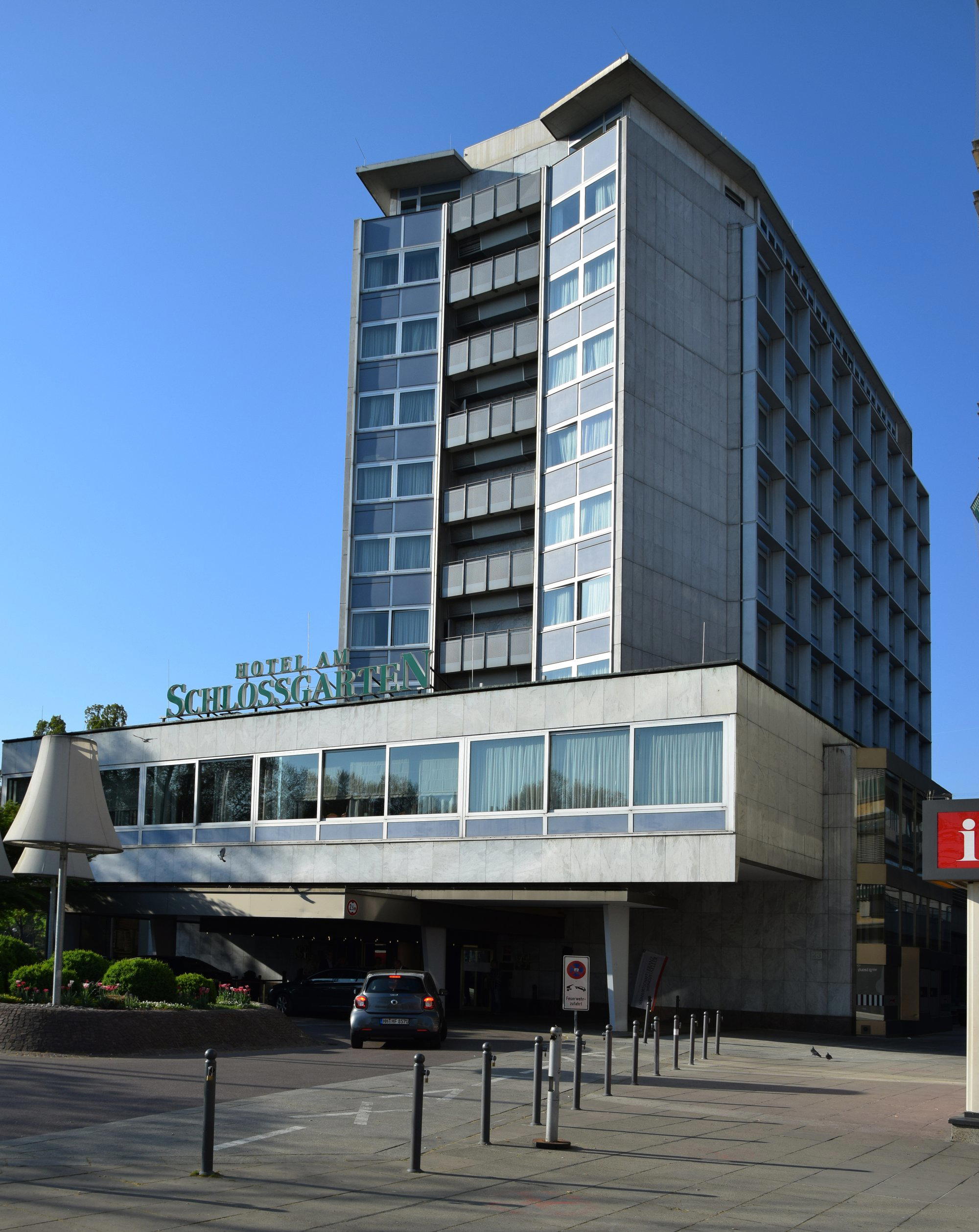
Bars in Stuttgart
Browse all →

Restaurants in Stuttgart
Browse all →
At a Glance
- Modern
- Elegant
- Sophisticated
- Business Trip
- Wellness Retreat
- Weekend Escape
- Spa
- Pool
- Fitness Center
- Room Service
- Concierge
- Business Center
- Restaurant
- Wi Fi
- Garden
- Spa
- Pool
- Fitness Center
- Room Service
- Concierge
- Business Center
- Restaurant
- Wi Fi
Modern and chic with clean-lined contemporary design, tranquil tones, and a sophisticated yet welcoming atmosphere.