
A Michelin-starred address on Bolzstraße holding one star in both 2024 and 2025, restaurant 5 sits inside Stuttgart's tightly contested fine-dining tier where modern cuisine meets sustained critical recognition. Chef Alexis Albrecht drives a kitchen that has earned consistent Michelin validation against a city field that includes two-star Speisemeisterei and several other one-star peers.
Pearl is the En Primeur Club membership app — saves, bookings, and concierge access live there. Same editors, same standards.
- Address
- Bolzstraße 8, 70173 Stuttgart, Germany
- Phone
- +49 711 65557011
- Website
- 5.fo
- Directions
- Get directions
 Saves & bookings on Pearl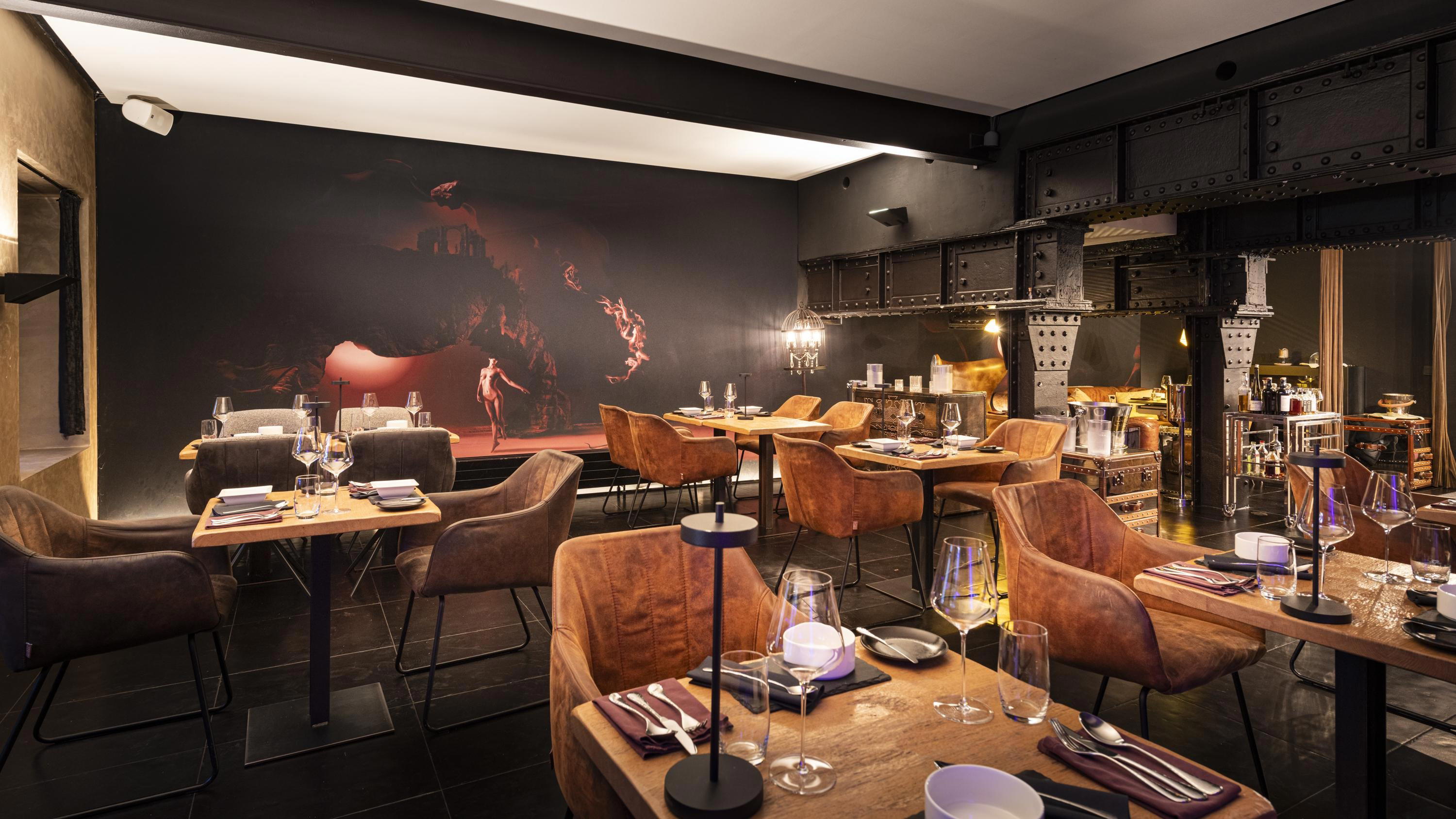
Stuttgart's Fine-Dining Tier and Where 5 Sits Within It
Stuttgart does not announce itself as a fine-dining city the way Munich or Berlin does, but the Michelin map tells a different story. The Baden-Württemberg capital holds a cluster of starred addresses that punch well above what the city's international profile might suggest. Within that cluster, a clear hierarchy has formed: Speisemeisterei anchors the two-star tier, while a group of one-star kitchens, including Laesâ, Hegel Eins, and Der Zauberlehrling, compete on proximity, format, and culinary identity. Restaurant 5 on Bolzstraße 8 occupies that one-star band, and it has done so across consecutive Michelin cycles in 2024 and 2025, which in this city is the signal that matters most.
Consecutive recognition is worth pausing on. A single Michelin star in a first year can reflect a strong opening run; retaining it signals that the kitchen has stabilised and that the inspectors are returning to a consistent experience. For 5, two consecutive stars indicate that what Alexis Albrecht's kitchen produces is not a flash of early ambition but a repeatable standard. In Stuttgart's competitive one-star tier, that consistency is what separates the durable addresses from the ones that cycle in and out of the guide.
The Address and Its Context
Bolzstraße 8 places 5 inside Stuttgart's city centre, within walking distance of the commercial and cultural core. This is not the kind of address that trades on scenic remove or destination pilgrimage, it sits in urban Stuttgart, accessible and deliberate. That positioning matters for how the restaurant functions: it draws a mix of business diners, special-occasion tables, and the kind of food-focused traveller who plans an itinerary around a confirmed Michelin reference rather than a speculative recommendation.
The city-centre location also means that 5 competes on merit rather than novelty. Diners have options nearby, including Délice and other starred and near-starred addresses, so the kitchen cannot rely on exclusivity of location.
Chef Alexis Albrecht and the Modern Cuisine Framework
The chef's approach is instructive here not as biography but as context for what the restaurant produces. Modern cuisine, as a Michelin classification, is deliberately broad: it encompasses kitchens that reference classical French structure, those that draw on regional German ingredients, and those that operate in a more internationally-inflected idiom. What the classification does signal is a departure from strict tradition, a kitchen that is making choices rather than executing a received canon.
Within German fine dining, the modern cuisine category has expanded as chefs trained across multiple countries and culinary systems have brought hybrid approaches back to domestic kitchens. Albrecht's kitchen at 5 sits in that broader shift. The restaurant's ability to hold its 5 star across two consecutive years under that classification suggests a coherent culinary point of view rather than a kitchen chasing trend cycles. 5 inspectors reward consistency of expression, not novelty for its own sake, and a two-year retention in the modern cuisine tier is evidence of a kitchen that knows what it is doing and repeats it at a high level.
For comparative reference elsewhere in Germany, one-star modern cuisine addresses operate in different register across the country. JAN in Munich and ES:SENZ in Grassau illustrate how the modern cuisine label accommodates significant variation in approach and setting. At the multi-star level, Aqua in Wolfsburg and Vendôme in Bergisch Gladbach represent the ceiling of what the category reaches in Germany. 5 occupies the one-star tier of that national field, and within Stuttgart specifically, it does so with a price range (€€€€) that places it at the summit of the city's spend bracket, alongside Hegel Eins and Speisemeisterei, rather than in the mid-tier where Der Zauberlehrling sits at €€€.
Price, Peers, and What the €€€€ Tier Signals
Stuttgart's €€€€ fine-dining tier is a small group. Speisemeisterei at two stars anchors the leading; 5 and Hegel Eins occupy the one-star level within the same price bracket. Choosing between them involves format and culinary personality rather than a significant pricing difference. This is important for anyone planning a Stuttgart dining visit: the decision point is preference, the style of cuisine, the physical environment, and whether consecutive Michelin recognition or a particular chef's approach carries more weight in the booking decision.
What the €€€€ designation indicates in practical terms is a commitment. This is not a spontaneous booking; it is a planned evening with a spend level that places it in the special-occasion or deliberate food-travel category. At that level, the, it suggests that the experience consistently meets the expectations set by the price and the Michelin signal, without the steep drop-off in satisfaction that can affect restaurants where the star has pulled bookings beyond what the kitchen can sustain.
Stuttgart's Broader Scene and How 5 Fits
For visitors building a Stuttgart dining programme, the city offers range. The one-star tier alone spans classic French at Wielandshöhe, creative formats at Der Zauberlehrling, and the modern cuisine positioning that 5 and Hegel Eins share. Above that, Speisemeisterei's two-star creative format represents the city's highest current recognition. Across those options, 5 occupies a specific position: modern cuisine at the leading price tier, with a chef-led kitchen that has demonstrated sustained Michelin-level consistency over two consecutive cycles.
If Stuttgart sits within a wider German travel itinerary, the Black Forest is close enough to make Schwarzwaldstube in Baiersbronn a viable add-on. At the European level, Frantzén in Stockholm and FZN by Björn Frantzén in Dubai illustrate where the modern cuisine category reaches internationally. For something formally experimental at the dessert-forward end of modern cuisine, CODA Dessert Dining in Berlin represents a different branch of the same genre.
Planning a Visit to 5
Restaurant 5 is at Bolzstraße 8, 70173 Stuttgart, in the city centre. Booking ahead is standard practice for any dinner here.
Comparison Snapshot
Comparable venues nearby, for context on price, style, and recognition.
| Venue | Cuisine | Price | Awards | Notes |
|---|---|---|---|---|
| 5This venue — the venue you are viewing | Modern Fusion Fine Dining | $$$$ | Michelin 1 Star | Not listed |
| Hegel Eins | Modern Fusion Fine Dining | $$$$ | Michelin 1 Star | Gablenberg |
| Der Zauberlehrling | Modern Fusion Fine Dining | $$$$ | Michelin 1 Star | Gablenberg |
| ZUR WEINSTEIGE | Modern German-Japanese Fusion | $$$$ | Michelin 1 Star | Gablenberg |
| Délice | Modern Mediterranean Fine Dining | $$$$ | Michelin 1 Star | Gablenberg |
| Hupperts | Modern German Fine Dining | $$$ | 5 | Heslach |
Recognition history
Dated appearances from independent guides and award organizations, with the underlying list record or original source where available.
Michelin 1 Star
Michelin
Michelin 1 Star
Michelin
Michelin 1 Star
Michelin
Continue exploring
More in Stuttgart
Restaurants in Stuttgart
Browse all →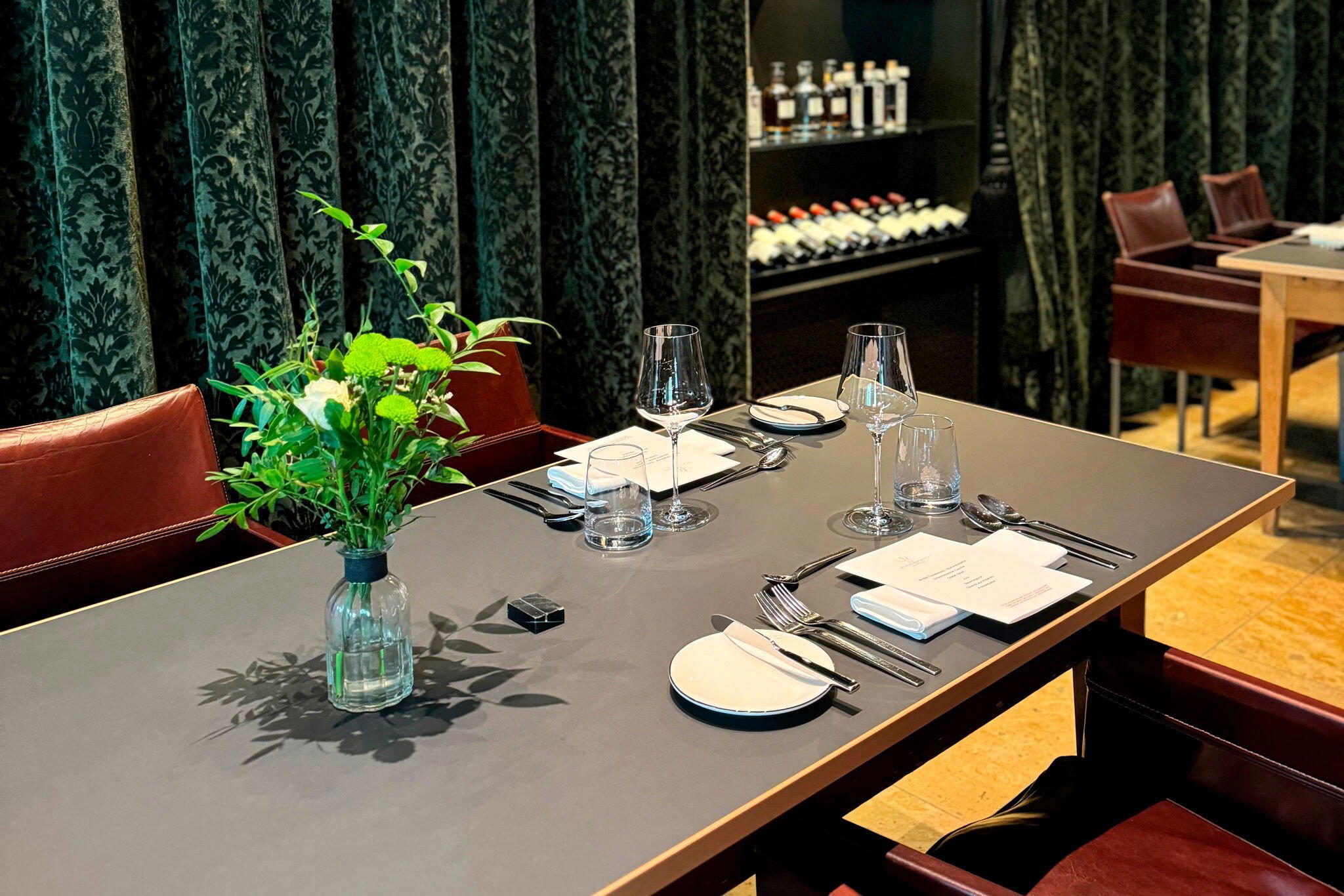
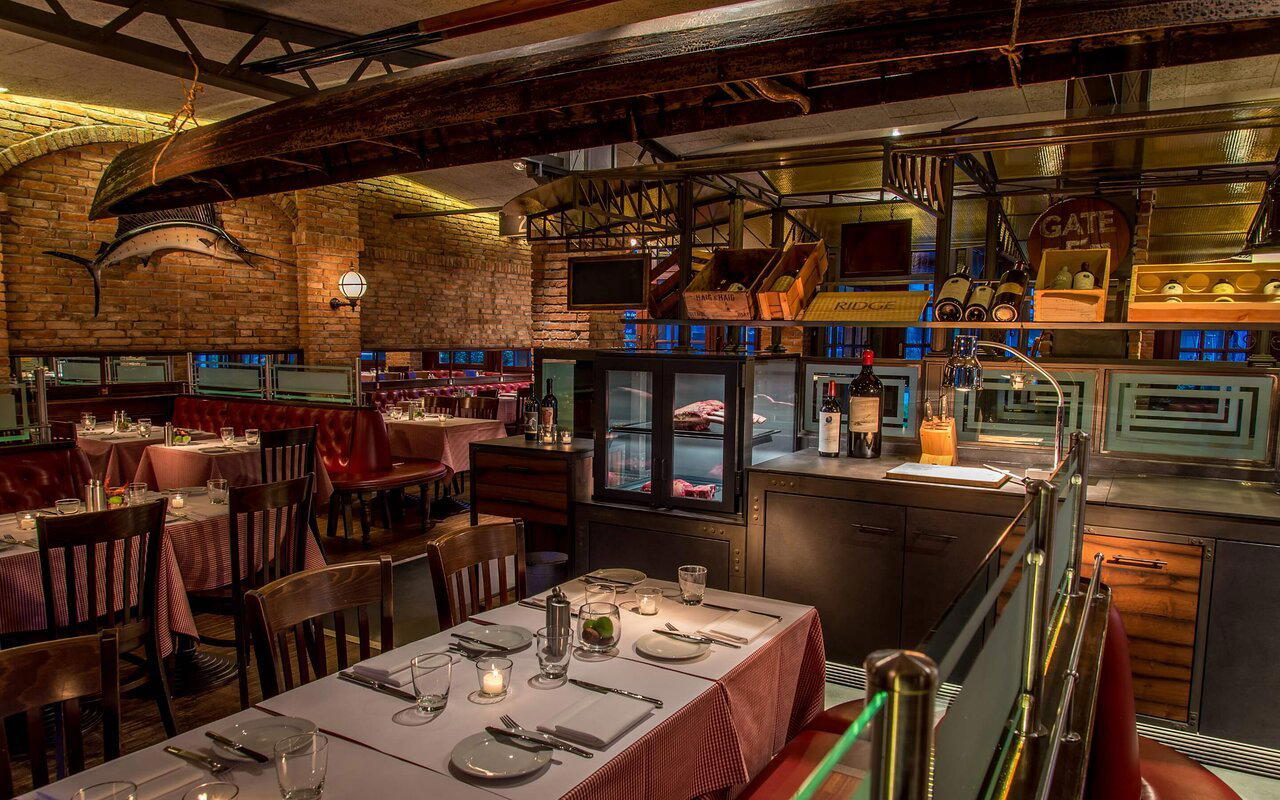
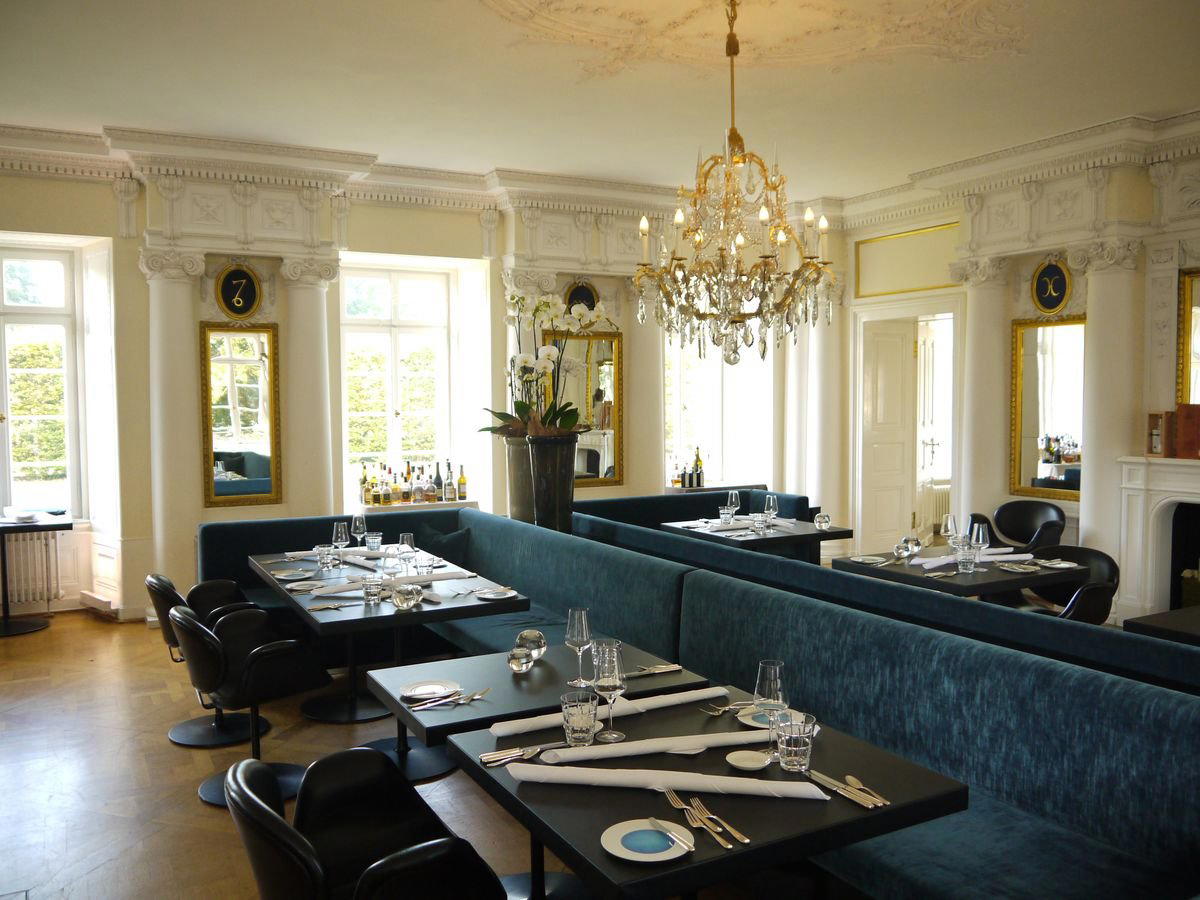
Bars in Stuttgart
Browse all →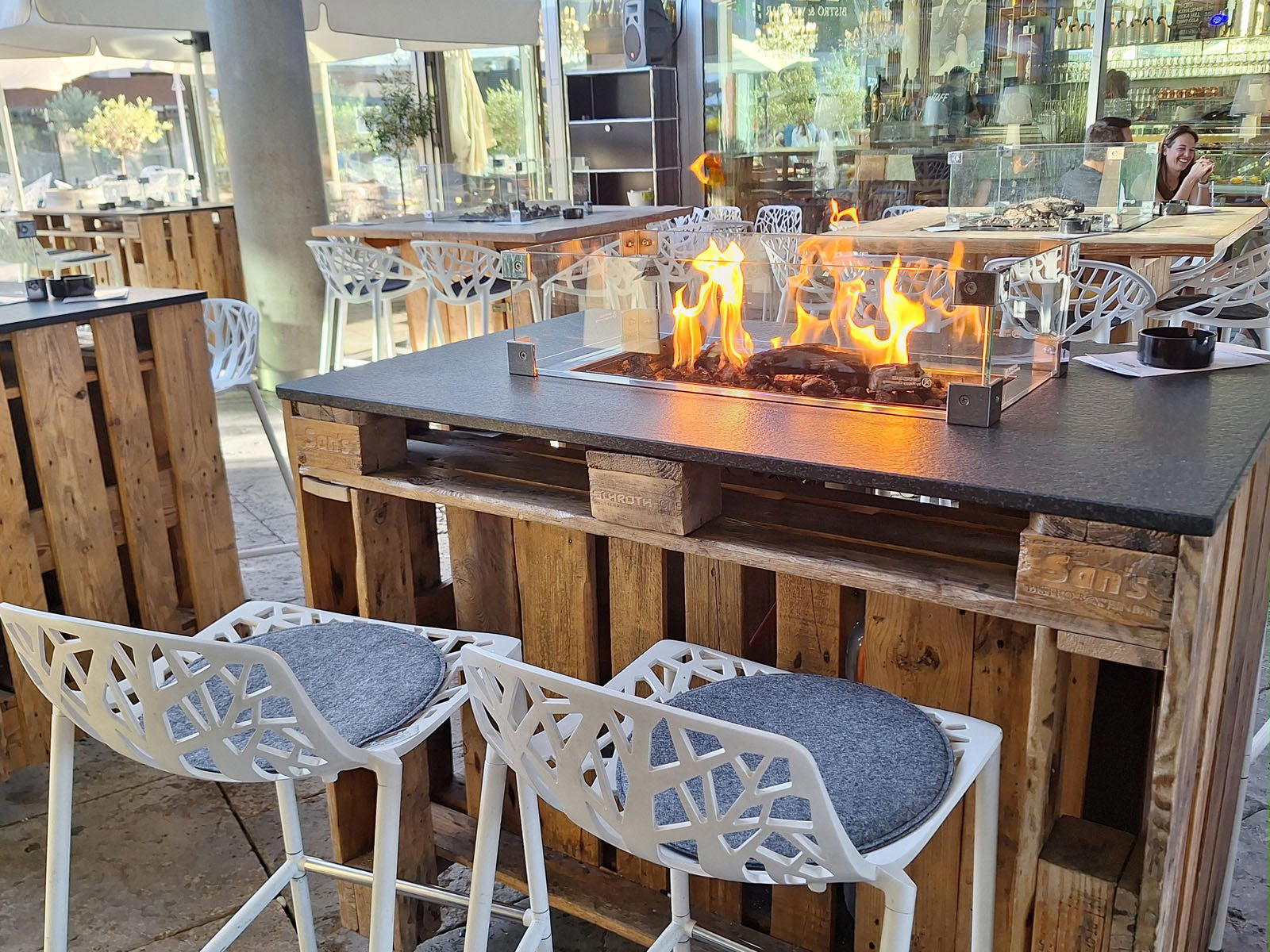
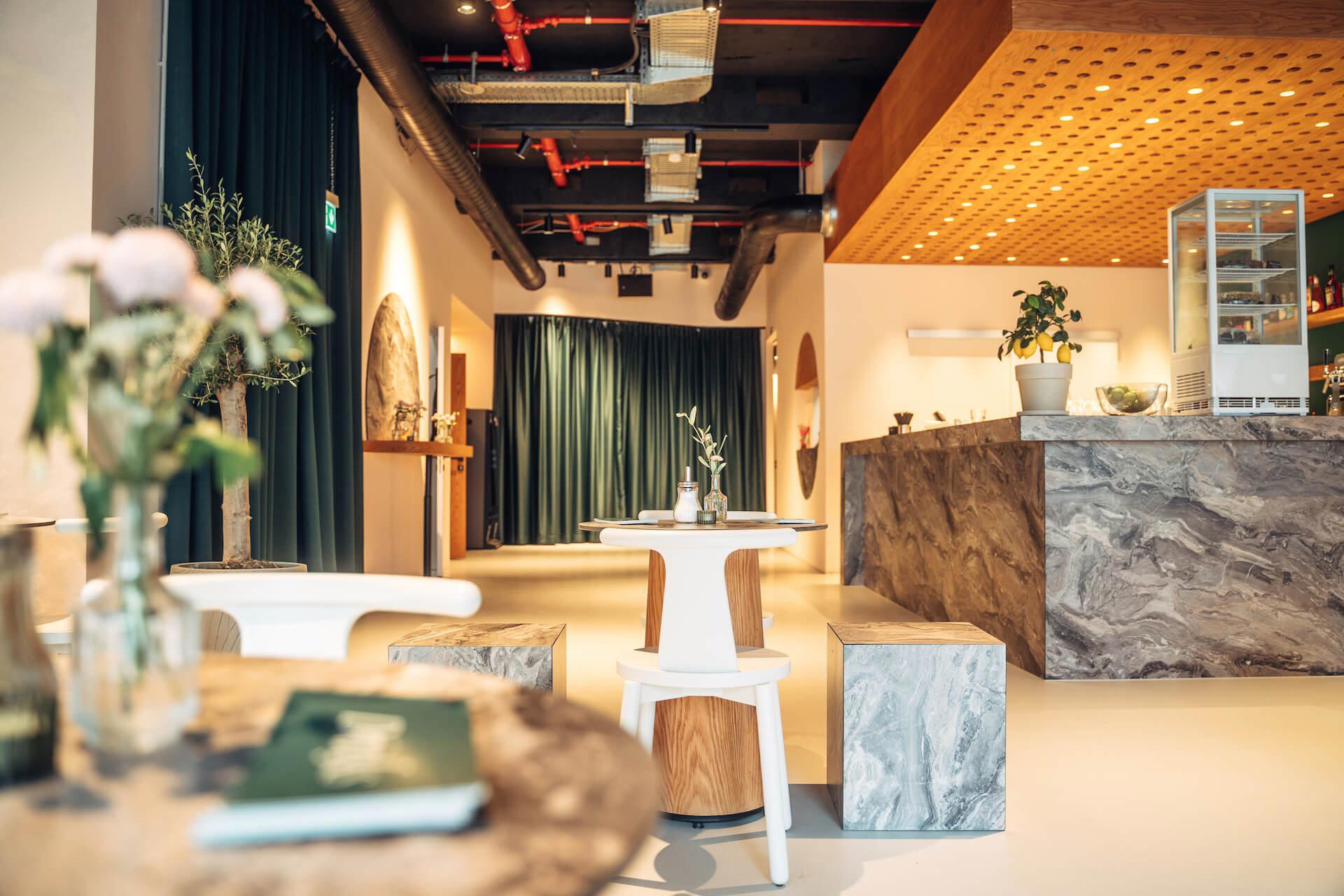

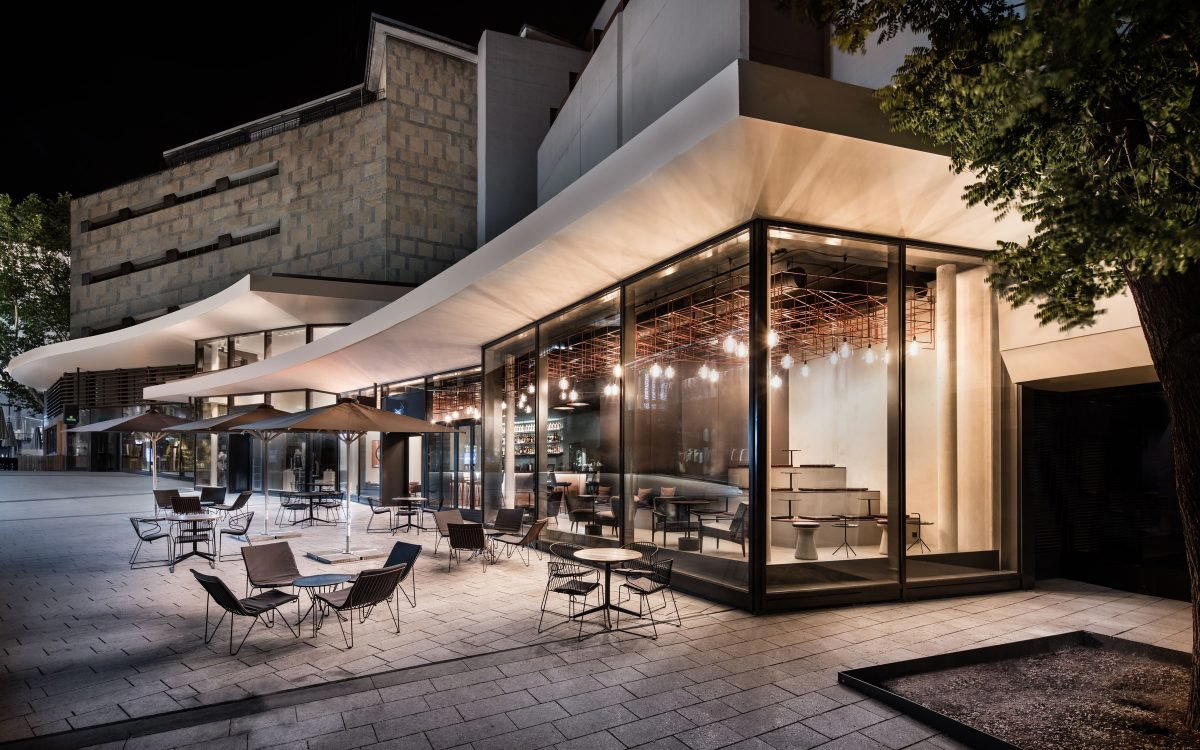

Hotels in Stuttgart
Browse all →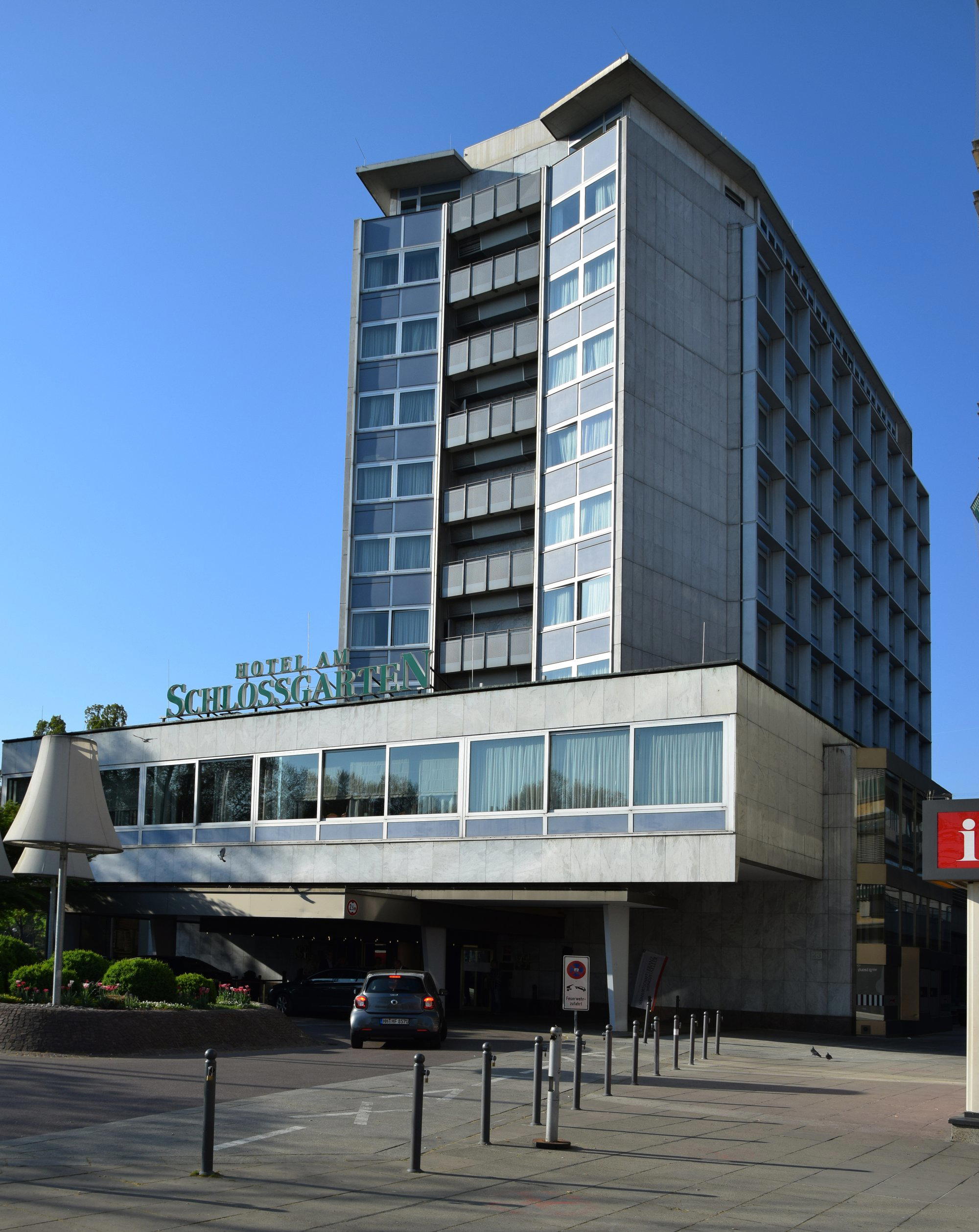
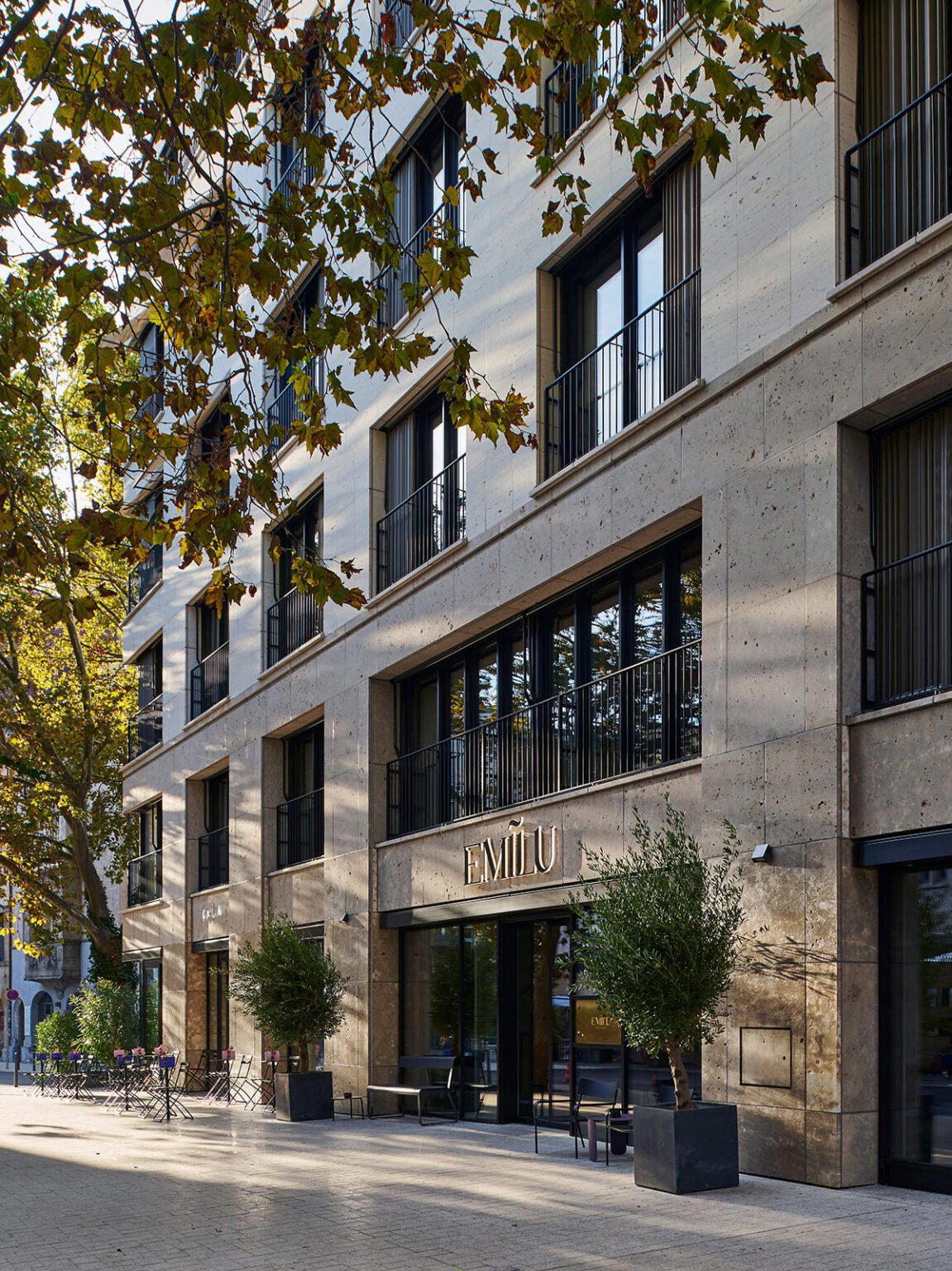
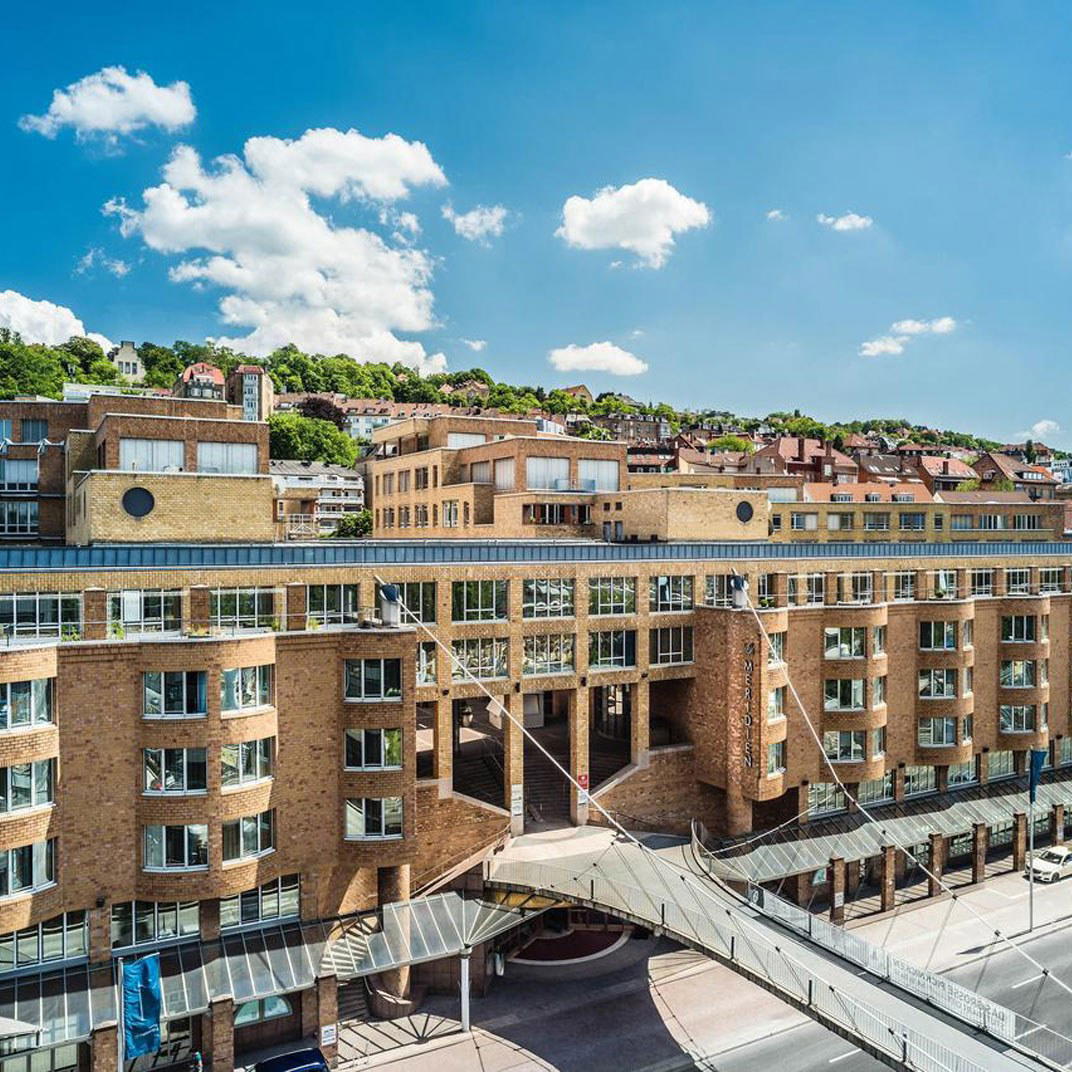

At a Glance
- Elegant
- Modern
- Sophisticated
- Cozy
- Intimate
- Date Night
- Special Occasion
- Business Dinner
- Historic Building
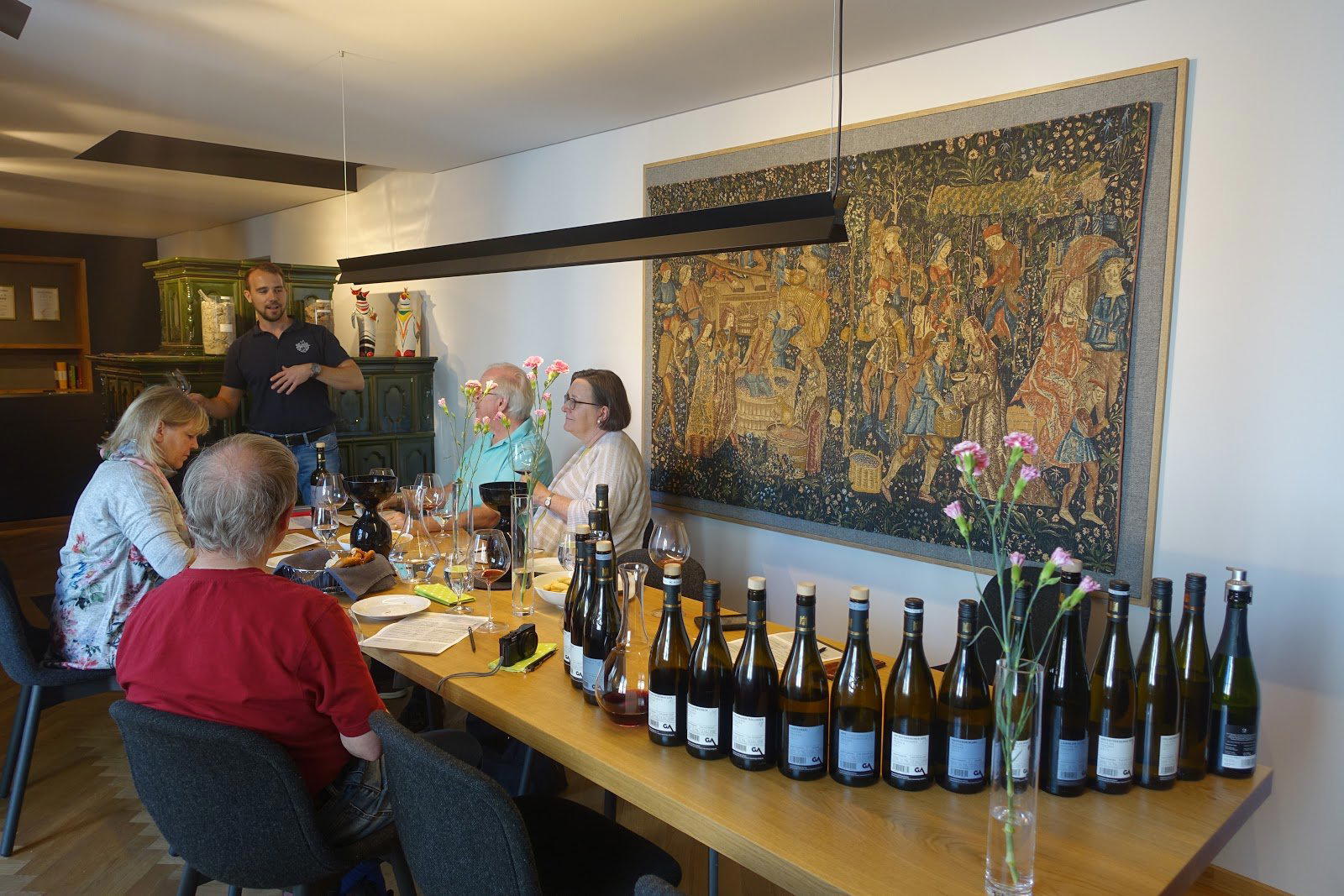
- Extensive Wine List
- Sommelier Led
Current opening hours
- Monday
- 5:30–11 PM
- Tuesday
- 11:30 AM–2:30 PM, 5:30–11 PM
- Wednesday
- 11:30 AM–2:30 PM, 5:30–11 PM
- Thursday
- 11:30 AM–2:30 PM, 5:30–11 PM
- Friday
- 11:30 AM–2:30 PM, 5:30–11 PM
- Saturday
- 11:30 AM–2:30 PM, 5:30–11 PM
- Sunday
- 5:30–11 PM
Hours can change for holidays and private events. Last verified .
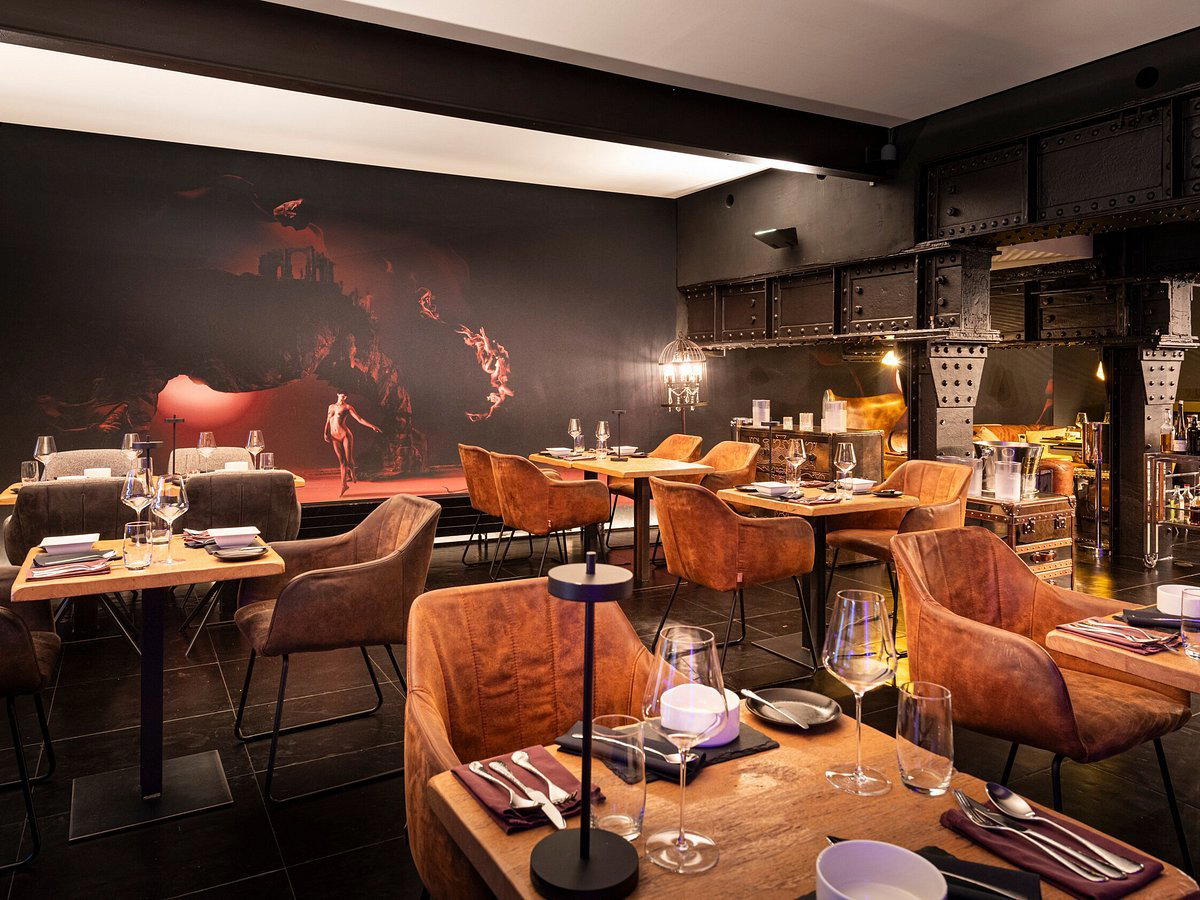
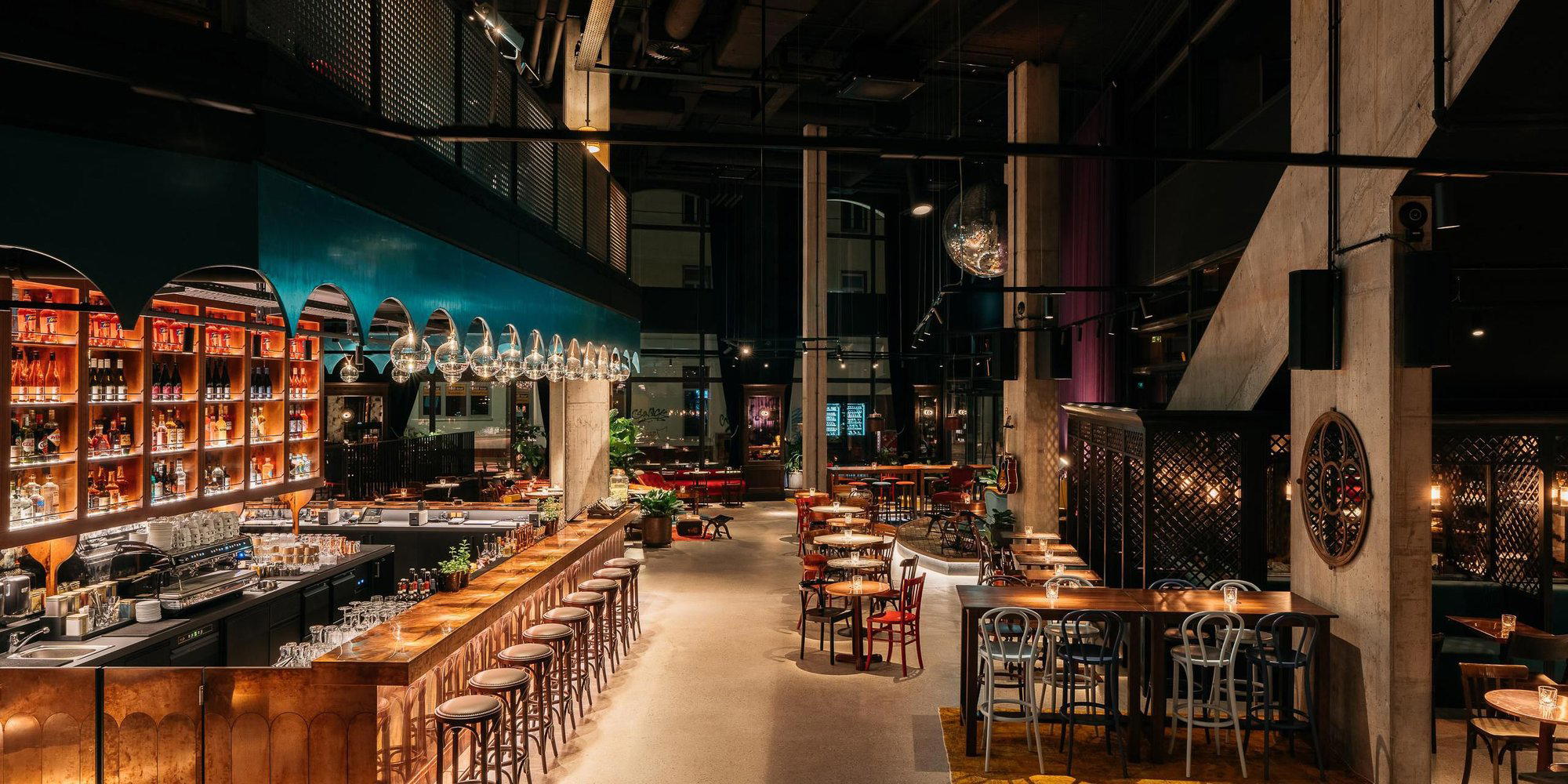
Elegant and relaxed atmosphere with romantic lighting, cozy seating, and laid-back urban vibe.