



A 73-room Neo-Renaissance property on Neuturmstraße, steps from the Bavarian Opera House and Marienplatz, the Mandarin Oriental Munich earned Michelin 2 Keys (2024) and a La Liste Top Hotels score of 96.5 points (2026). A complete nine-month refurbishment in 2020 introduced Matsuhisa Munich, the first Nobu-concept restaurant in Germany, alongside redesigned rooms with local art and alpine views.
Pearl is the En Primeur Club membership app — saves, bookings, and concierge access live there. Same editors, same standards.
- Address
- Neuturmstraße 1, 80331 München
- Phone
- +49 89 290980
- Website
- mandarinoriental.com
- Directions
- Get directions
 Saves & bookings on Pearl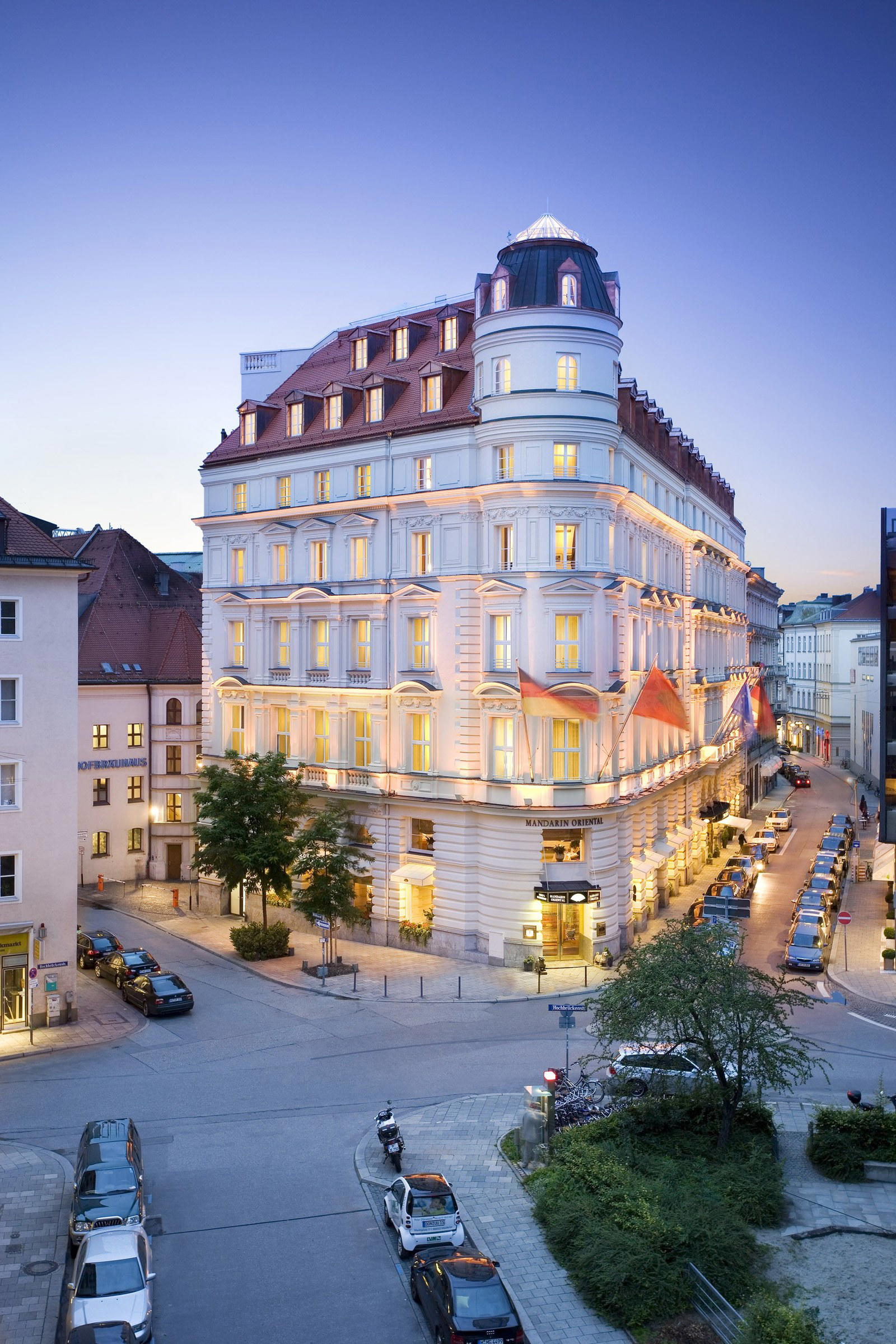
Old Town Altitude: What Munich's Historic Core Asks of Its Hotels
Munich's Altstadt sets a demanding stage. The neighbourhood around Marienplatz and Maximilianstrasse carries the weight of Bavarian civic architecture, and any hotel operating here contends with a built environment that makes glass-and-steel minimalism feel incongruous. The properties that endure in this zone tend to be those that work with the fabric rather than against it, occupying historic shells and furnishing them with contemporary substance. Mandarin Oriental Munich is a 5-star hotel in Munich with 73 rooms and 2 Michelin Keys, set on Neuturmstraße 1 in the Altstadt. It sits squarely in that tradition. Its facade has remained intact through changes of ownership, renovation cycles, and the broader transformation of Munich's luxury hotel market over the past three decades.
At 73 rooms and suites across 48 rooms and 25 suites, the property operates at a scale closer to a considered boutique than to the large-footprint international hotel. That ratio matters in a city where several competitors occupy larger buildings and carry proportionally larger operations. The Mandarin Oriental Munich's Michelin 2 Keys recognition (2024) and La Liste Leading Hotels score of 96.5 points (2026) position it in a comparable set defined by personalised service depth rather than amenity breadth.
Arrival and the Sensory Register of Neuturmstraße
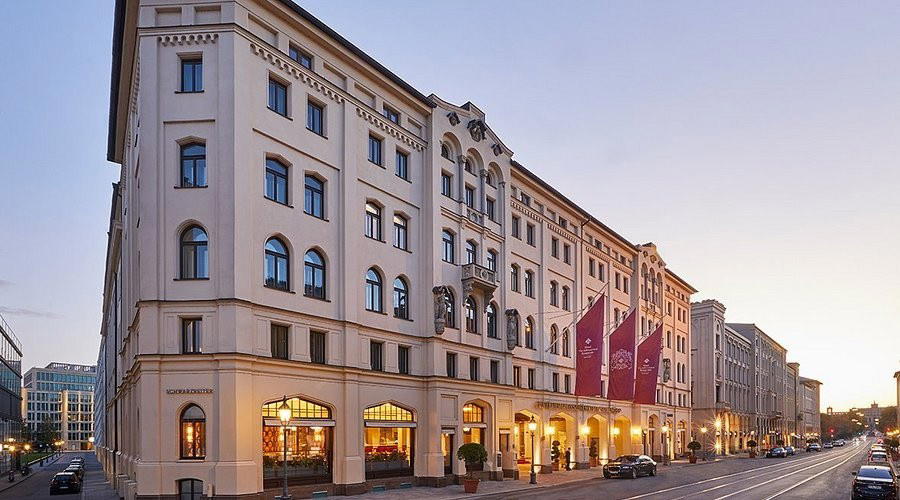
Approaching from Maximilianstrasse or the direction of Marienplatz, the building announces itself through architectural proportion rather than signage. The Neo-Renaissance stonework carries the visual grammar of 19th-century Munich civic confidence, and the entrance sits in a streetscape that includes the Hofbräuhaus a matter of steps away. That proximity is contextually significant: this corner of the Altstadt absorbs both heritage tourism and serious cultural traffic from the Bavarian State Opera, and the hotel's position at Neuturmstraße 1 places it within walking distance of both without being consumed by either.
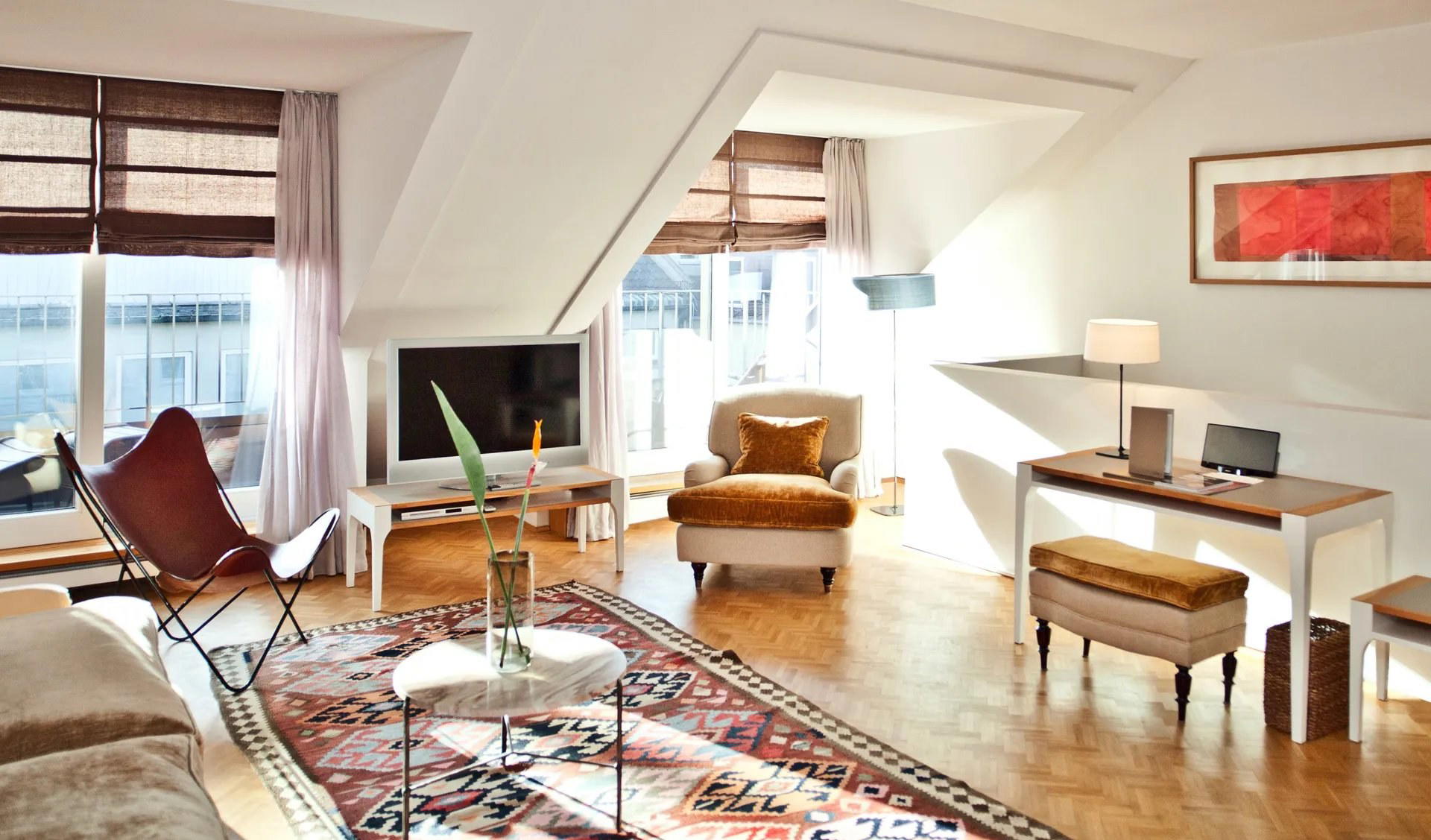
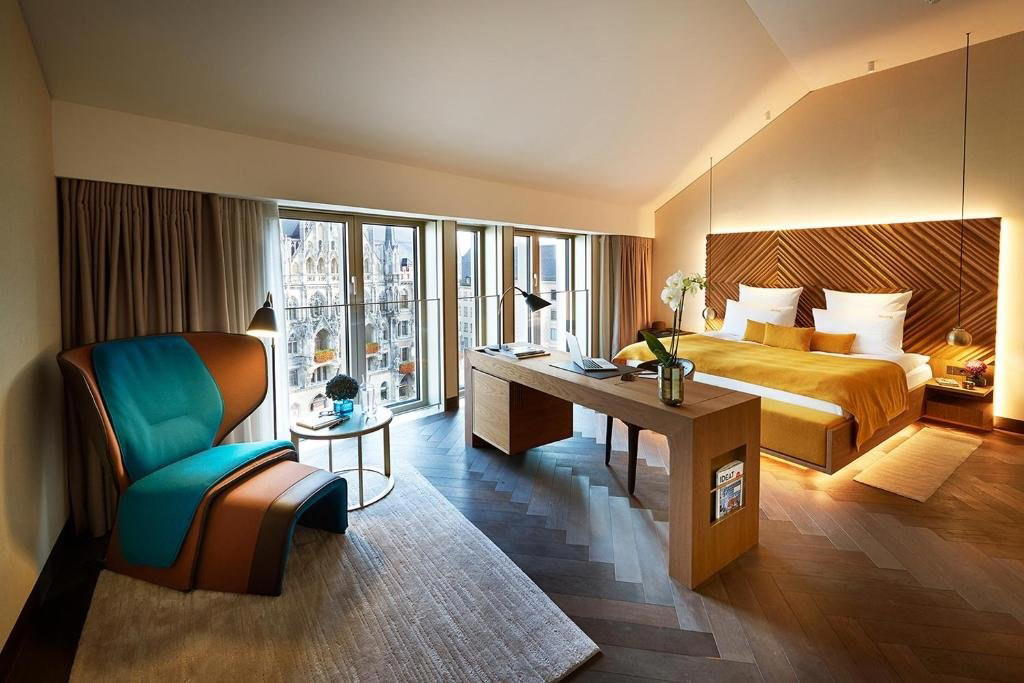
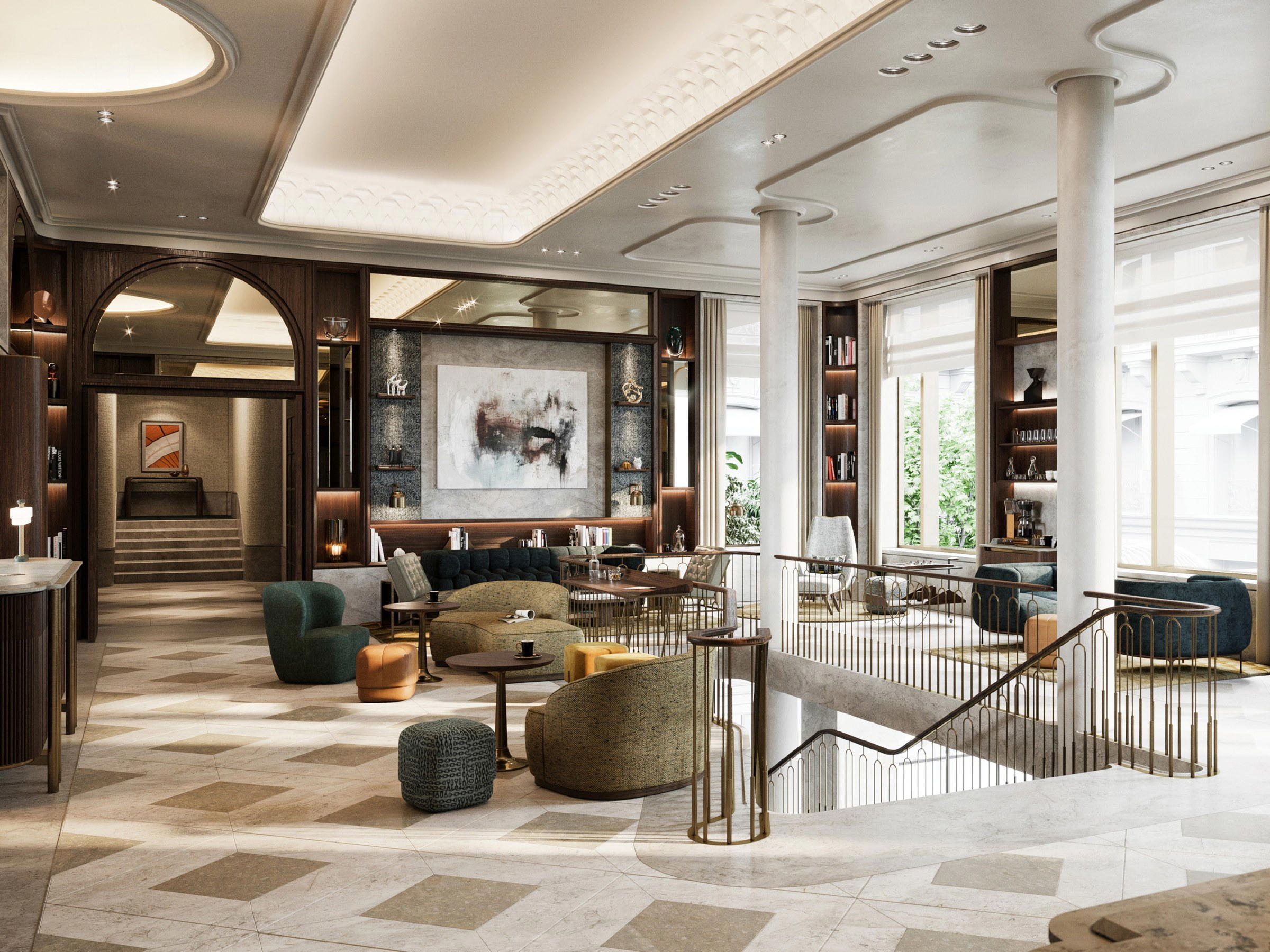
Inside, the 2020 renovation shifted the atmosphere toward something residential without erasing the building's period character. Antique prints and etchings remain throughout, including works connected to the building's earlier identity as the Rafael Hotel. The air carries flowers arranged through the public areas. The curved staircase rising to the first floor sets the tone for a circulation sequence that feels deliberate, framing the ascent to Matsuhisa Munich as part of the hotel's narrative rather than an afterthought. Rooms are fitted with wood floors, area rugs, and mountain photography by Munich-based artist Felix Rehfeld, whose images place the Alps within the frame of a city that regards the mountains as a near-constant backdrop.
Matsuhisa Munich and What It Means for the Altstadt Dining Scene
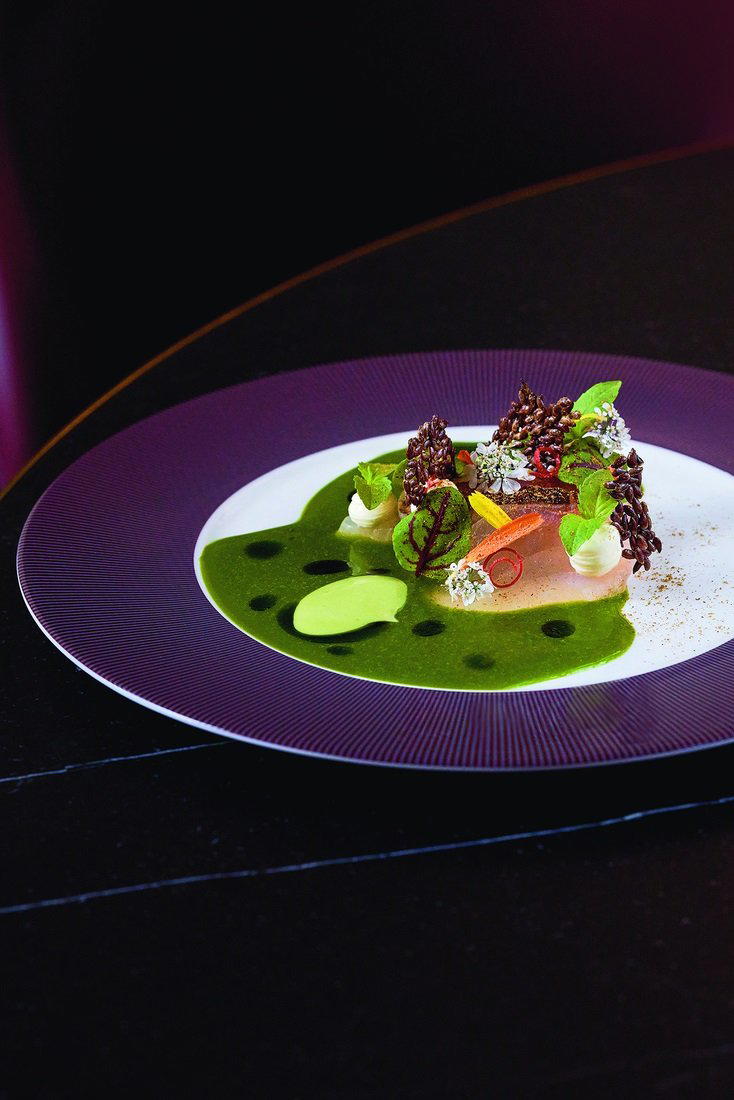
Munich's fine-dining ecosystem has historically skewed toward Bavarian and Central European cooking, with international formats occupying a smaller share of the city's upper-tier restaurant space. The arrival of Matsuhisa Munich in 2020 represented a specific kind of shift: the introduction of Nobu Matsuhisa's New Style Japanese-Peruvian format to Germany for the first time. This is not a generic pan-Asian concept dropped into a hotel dining room. The Nobu format carries a documented culinary lineage, with signature dishes including Black Cod, Yellowtail Sashimi Jalapeño, and Nobu's Tacos appearing consistently across the global network. In Munich's context, the absence of this format prior to 2020 made the Matsuhisa opening a meaningful addition to the city's options at the premium dining tier.
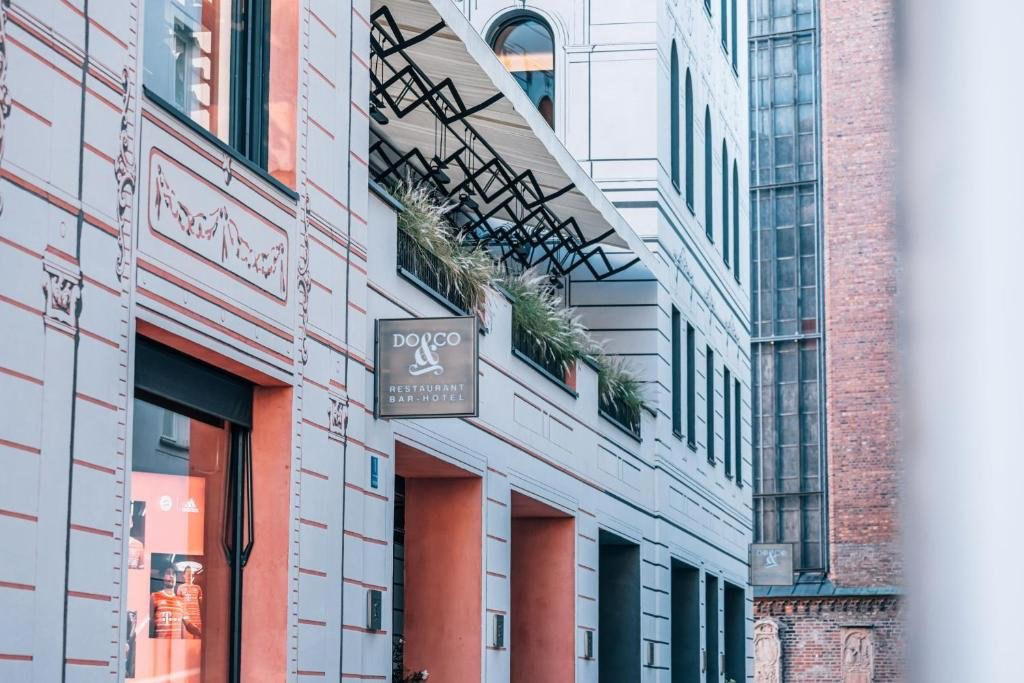
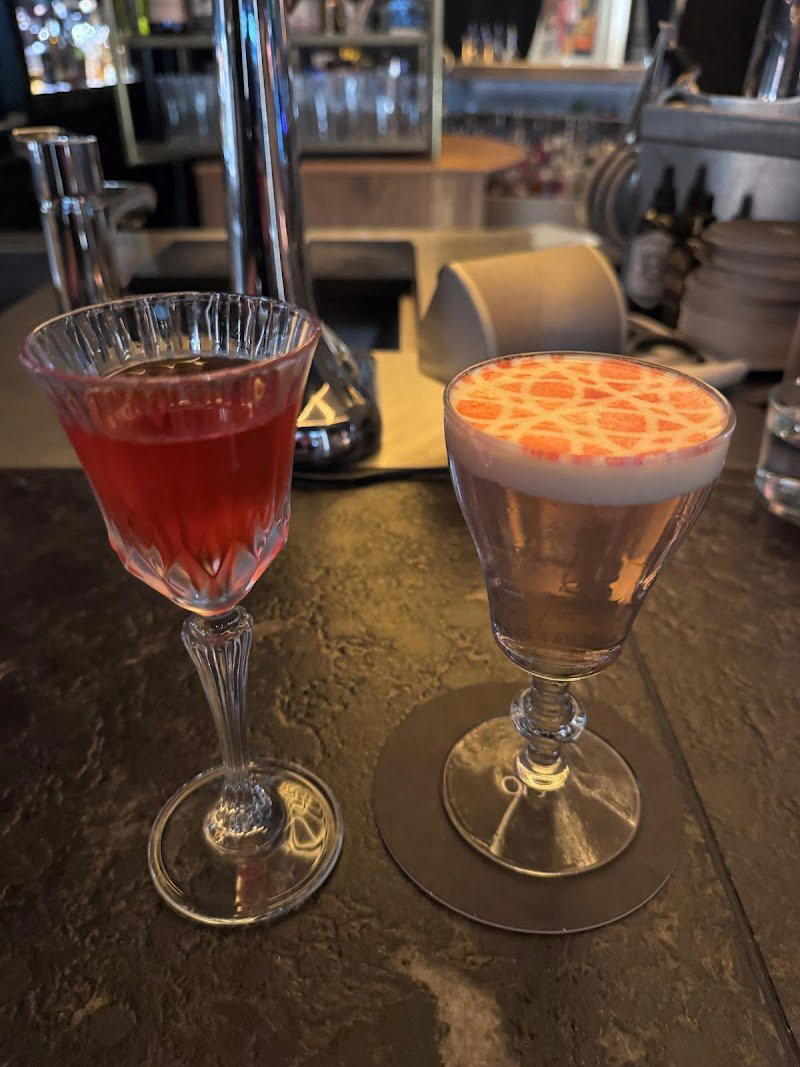
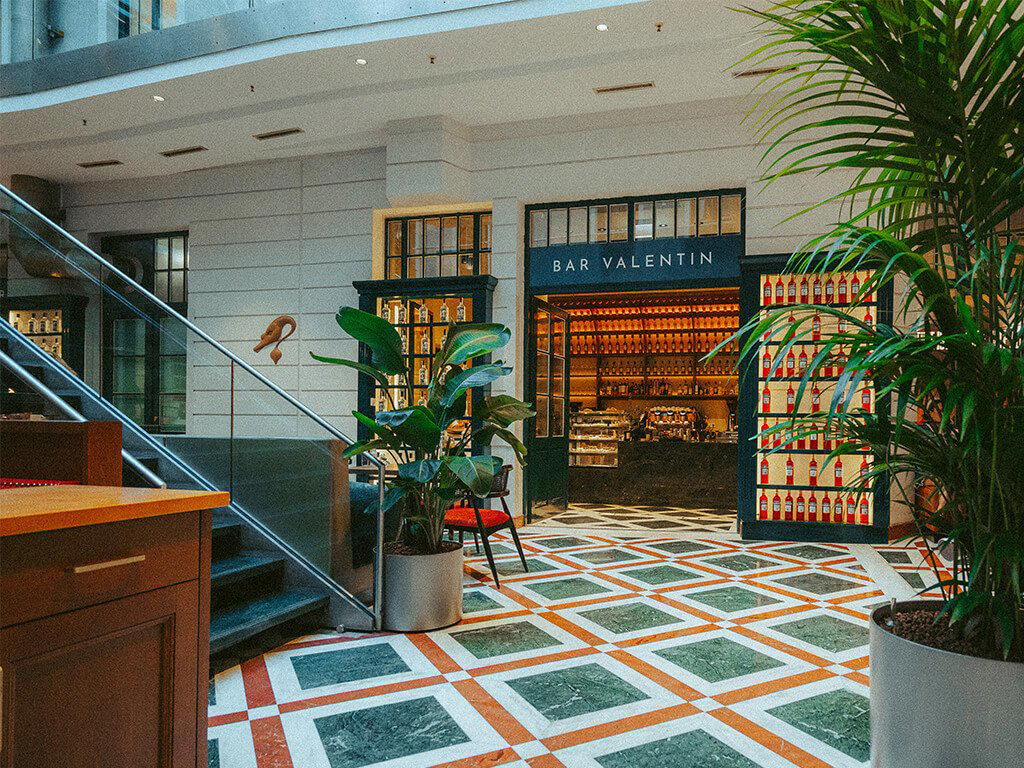
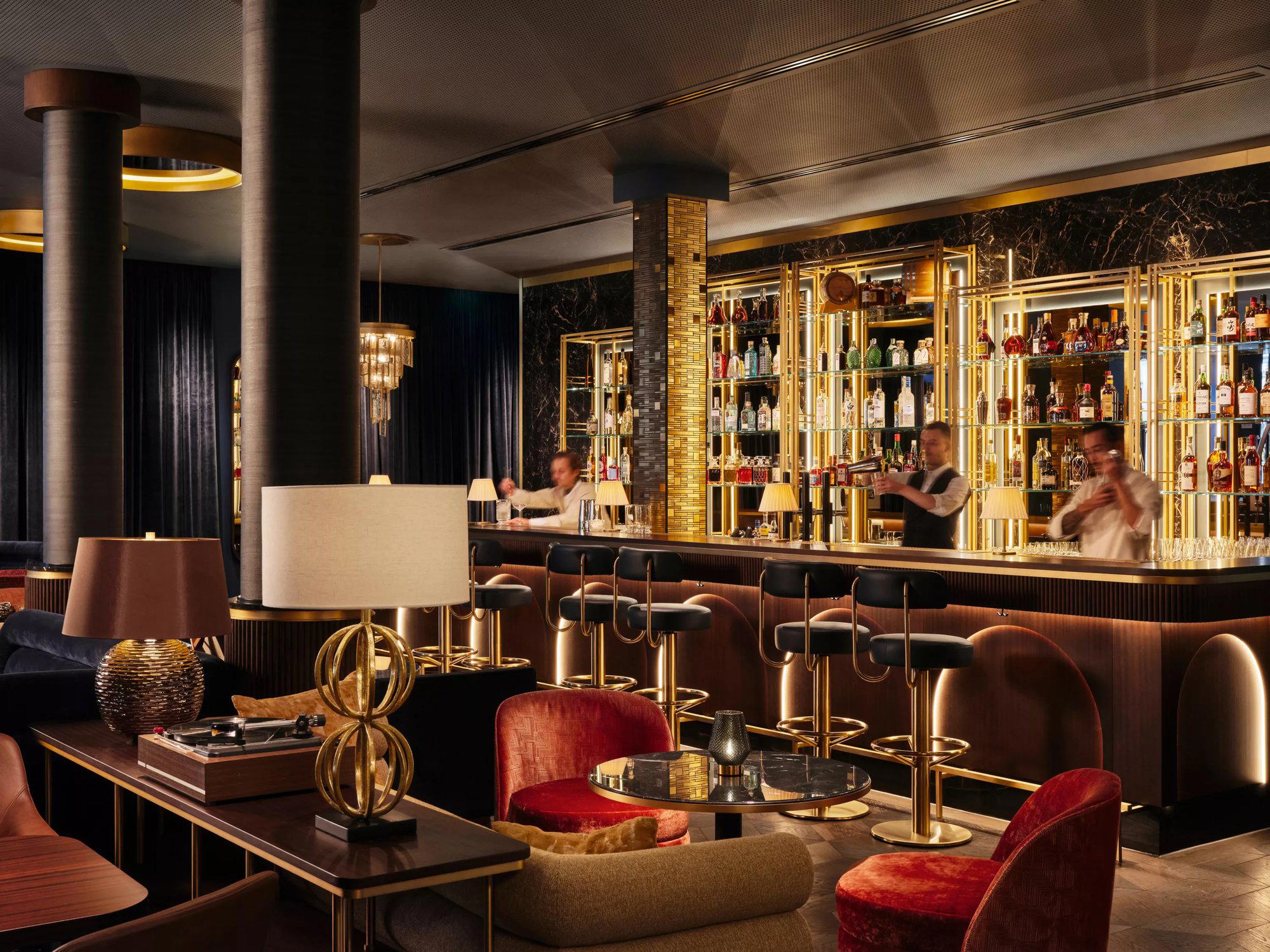
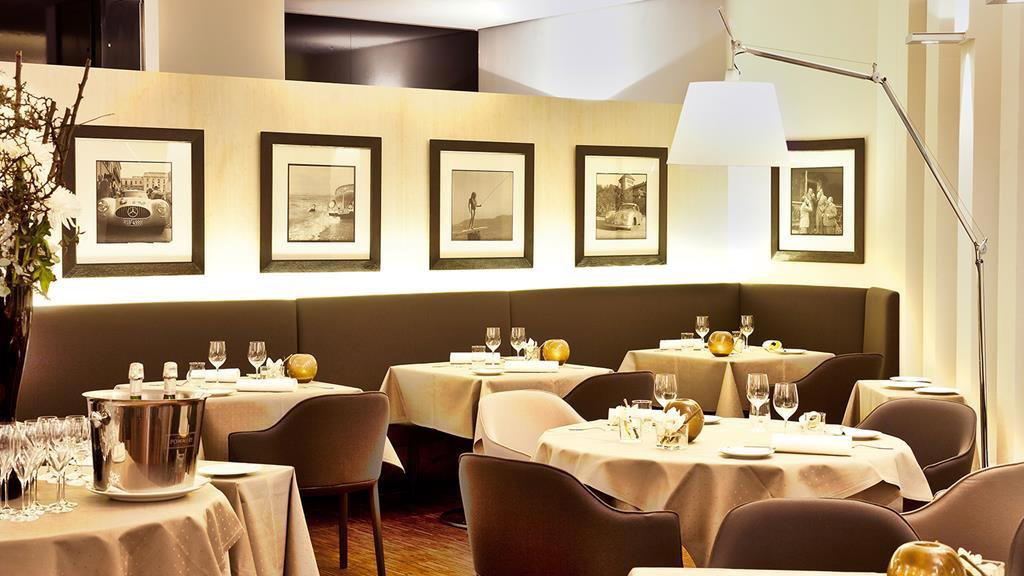
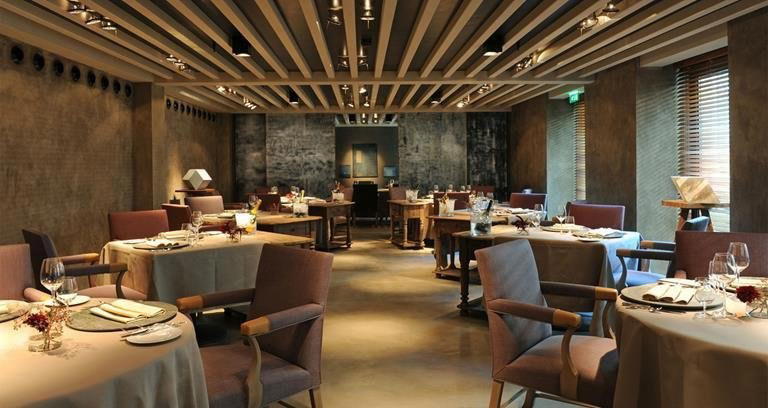
The restaurant occupies the first floor, positioned atop the curved staircase. At lunch, the menu extends to include bento boxes, giving the space a daytime identity distinct from its dinner format. The combination of Japanese-Peruvian plates with an adventurous cocktail and champagne program at Bar31 creates a dining sequence that has no direct equivalent elsewhere in Munich's Altstadt. Do & Co Hotel Munich offers an alternative format for hotel dining with a different culinary orientation.
The Rooms: Architecture as Amenity
The building's 19th-century bones create rooms that do not conform to the standardised rectangular layouts of purpose-built hotels. Architectural quirks, including turret spaces and tower configurations, produce suite formats that function as genuine differentiators. The Tower and Bavaria suites occupy the building's towers: the Tower suite features a circular sitting room and dining room, while the Bavaria suite arranges its round bedroom around the tower geometry. These are not cosmetic novelties; the circular plans fundamentally alter the spatial experience of occupying the room.
Presidential Suite at 1,292 square feet includes a wrap-around terrace, a glass-enclosed dining area seating four, a kitchen with Bulthaup appliances, and a marble bathroom with a steam room and Jacuzzi. Across all room categories, bathrooms feature black and white polished stone, walk-in showers, separate bathtubs, and underfloor heating. The technology infrastructure includes Samsung UHD flat-screen televisions with over 400 channels, high-speed wireless connectivity, and centrally controlled lighting adjustable from the entrance or the bed. Flat-screen televisions also appear in the marble bathrooms. At a published rate of approximately $966 per night, the property prices against a comparable set of Altstadt boutique properties with comparable service depth rather than against larger chain offerings. Among nearby alternatives, Cortiina Hotel and BEYOND by Geisel represent Munich's design-boutique tier at different price points.
The Rooftop and the Alpine Sightline
Rooftop terrace is the property's most distinctive single space. From this elevation, sightlines extend across the Altstadt roofscape to the Alps on clear days, a view that is geographically specific to Munich's position at the northern edge of the Bavarian foothills. The terrace operates as an alfresco bar and dinner setting, with a menu that draws on Asian, Mediterranean, and Arabic influences rather than the Matsuhisa format below. The heated pool extends the terrace's seasonal range. The combination of the Alpine sightline, the pool, and a kitchen oriented toward lighter international cooking makes the rooftop a meaningfully different proposition from the first-floor restaurant, giving the property two distinct dining atmospheres across its vertical stack.
Service Architecture and the Long-Stay Guest
Mandarin Oriental Munich converted to hotel use in 1990, and the property has accumulated a guest base notable for its repeat frequency. Conductor Zubin Mehta's association with the hotel, returning each time he leads the Opera series, exemplifies the pattern: guests oriented toward Munich's cultural institutions, particularly the Bavarian State Opera a short walk away, have treated the property as a consistent base over decades. The concierge operation reflects this: mini-bar contents are complimentary, the morning newspaper is a standard inclusion, and the concierge will arrange spa treatments at the on-property Amour Fou Spa de Beauté in the absence of an in-house spa facility. A 24-hour fitness centre with a Kinesis wall and computerised wellness assessments, plus an adjacent sauna and steam room, covers the wellness baseline that the Mandarin Oriental brand maintains across its portfolio.
A children's programme, including bathrobes, slippers, a dedicated check-in card, and a children's menu, extends the property's utility for family travellers. For guests arriving by air, Hilton Munich Airport covers the transit tier. For those considering a wider Bavarian itinerary, Althoff Seehotel Überfahrt in Rottach-Egern and Schloss Elmau Luxury Spa Retreat & Cultural Hideaway in Elmau offer complementary Alpine experiences at the same premium tier. Across Germany's wider luxury hotel circuit, relevant peers include Fairmont Hotel Vier Jahreszeiten in Hamburg, Hotel Bareiss in Baiersbronn, Hotel de Rome in Berlin, Excelsior Hotel Ernst in Cologne, Breidenbacher Hof Düsseldorf, Bülow Palais in Dresden, BUDERSAND Hotel in Hörnum, Das Kranzbach Hotel & Wellness Retreat in Kranzbach, Der Öschberghof in Donaueschingen, Esplanade Saarbrücken, and Gut Steinbach Hotel Chalets Spa in Reit im Winkl. For international comparisons at a similar service register, Aman New York, The Fifth Avenue Hotel in New York City, and Aman Venice provide useful reference points, while Andaz Munich Schwabinger Tor covers a different Munich neighbourhood with a distinct design identity.
Planning a Stay
The property is at Neuturmstraße 1, 80331 München, placing it within the Altstadt with the Bavarian State Opera, Marienplatz, Maximilianstrasse, and the Hofbräuhaus all reachable on foot in under ten minutes. Given the property's 73-room scale, advance booking is advisable particularly during the opera season, Oktoberfest, and Munich's trade-fair calendar. The hotel carries Michelin 2 Keys, alongside its Michelin 2 Keys (2024) recognition.
Price Lens
Comparable venues nearby, for context on price, style, and recognition.
| Venue | Price | Awards | Notes |
|---|---|---|---|
| Mandarin Oriental MunichThis venue — the venue you are viewing | $$$$ | Michelin 2 Key | Not listed |
| Rosewood Munich | $$$$ | Michelin 2 Key | Lehel, Contemporary residential elegance in historic Bavarian buildings |
| Rocco Forte Charles Hotel | $$$$ | Michelin 2 Key | Isarvorstadt, Contemporary luxury with traditional Bavarian hospitality; modern design that complements Munich's architectural heritage without excessive opulence. |
| Bayerischer Hof Munich | $$$$ | Michelin 1 Key | Isarvorstadt, Grand historic palace hotel blending Bavarian tradition with modern luxury. |
| Do & Co Hotel Munich | $$$$ | Michelin 1 Key | Altstadt, Luxurious boutique hotel blending modern design with central historic location |
| Hotel Vier Jahreszeiten Kempinski Munich | $$$$ | Michelin 1 Key | Lehel, Historic luxury grand hotel blending tradition with modern living. |
Recognition history
Dated appearances from independent guides and award organizations, with the underlying list record or original source where available.
La Liste Top Hotels
La Liste
Virtuoso Luxury Hotel Partner
Virtuoso
Forbes 4-Star
Forbes
Michelin 2 Keys
Michelin
Michelin 2 Keys
Michelin
At a Glance
- Elegant
- Sophisticated
- Ornate
- Romantic Getaway
- Business Trip
- Anniversary
- Rooftop Pool
- Historic Building
- Terrace
- Spa
- Pool
- Fitness Center
- Room Service
- Concierge
- Valet Parking
- EV Charging
- Street Scene
- Spa
- Pool
- Fitness Center
- Room Service
- Concierge
- Valet Parking
- EV Charging
Elegant and tranquil atmosphere with bright, airy rooms featuring natural themes, parquet flooring, and sophisticated East-meets-West design, enhanced by soundproofing for quiet luxury.