Weingut Dautel

Weingut Dautel operates from Bönnigheim in the Württemberg wine region. The estate sits within a region historically overshadowed by Riesling country to the north and west, yet producing serious red and white wines from a limestone and marl geology that rewards attention.
Pearl is the En Primeur Club membership app — saves, bookings, and concierge access live there. Same editors, same standards.
- Address
- Lauerweg 55, 74357 Bönnigheim
- Phone
- +49 7143 870326
- Website
- weingut-dautel.de
- Directions
- Get directions
 Saves & bookings on Pearl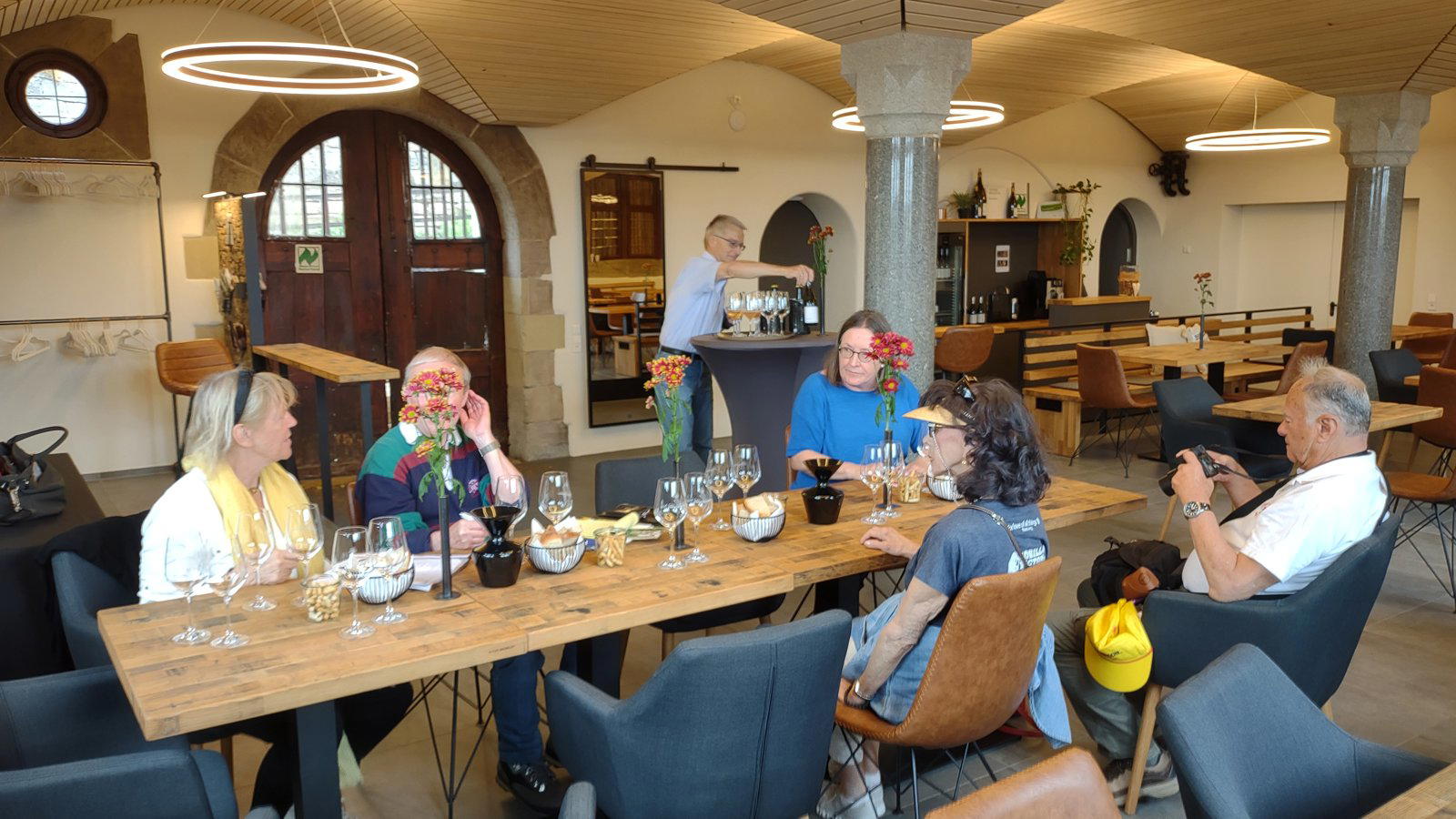
Württemberg's Limestone Belt and What It Asks of Its Growers
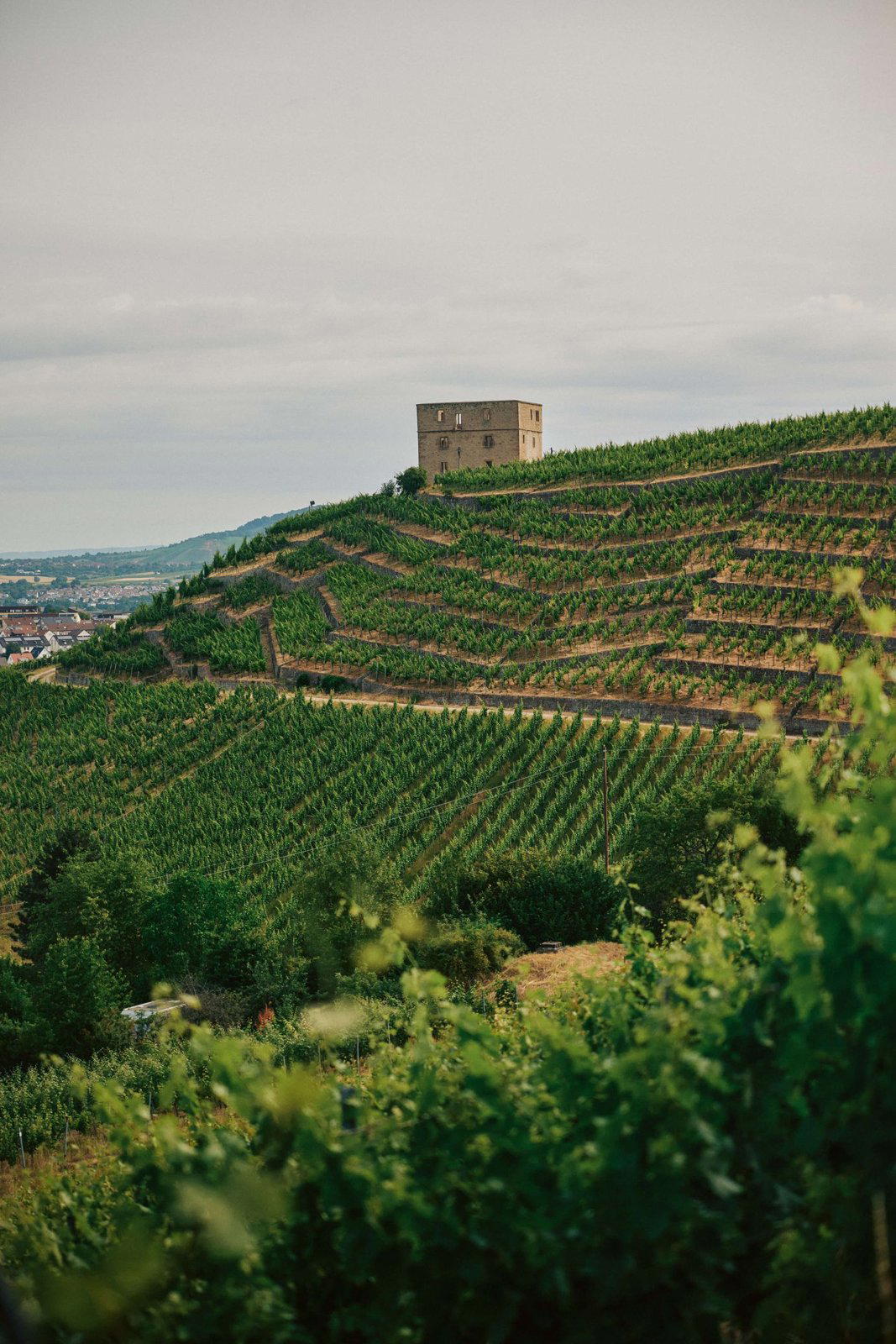
The town of Bönnigheim sits in the Zabergäu, a quietly productive stretch of the Württemberg wine region where the soils shift between Muschelkalk limestone and marl in a pattern that shapes how wines taste. This is not the part of Germany that first comes to mind when serious wine is discussed. Riesling estates on the Mosel, like Weingut Fritz Haag in Brauneberg or Weingut Clemens Busch in Pünderich, tend to dominate international conversations about German terroir expression. Württemberg has historically been a region that drank its own production, with little pressure to perform for export audiences. That insularity shaped the wines in ways that are now being reconsidered.
Weingut Dautel, located at Lauerweg 55 in Bönnigheim, operates within this context.
What the Zabergäu Terrain Does to a Wine
The Muschelkalk limestone that underlies much of the Zabergäu is the same geological formation that runs through Burgundy's Côte d'Or in a different expression, and through parts of the Pfalz where estates like Weingut Dr. Bürklin-Wolf in Wachenheim and Weingut Bassermann-Jordan in Deidesheim have built reputations on its particular influence. In Württemberg, that same limestone structure tends to produce wines with marked mineral tension and moderate to firm natural acidity. The climate here is relatively warm for Germany, buffered from cold northerlies by the Swabian Forest, which means the ripeness levels that the limestone's drainage and heat retention encourage can be genuine rather than forced.
For red varieties, and Württemberg has historically been Germany's most serious red wine region, this combination of warm mesoclimate and limestone drainage creates conditions that produce structured, age-worthy wines without excessive alcohol or flabby fruit. Lemberger, known internationally as Blaufränkisch, performs notably well in these soils, alongside Spätburgunder (Pinot Noir) planted on steeper slopes where shade management keeps the wines from going heavy. Estates across the Pfalz and Rheinhessen, such as Weingut A. Christmann in Neustadt an der Weinstraße and Weingut Battenfeld-Spanier in Hohen-Sülzen, have shown what disciplined site work can extract from this same geological family. In Württemberg, fewer estates have pushed that argument through to international visibility. Dautel's 2025 recognition suggests it is among those making a credible case.
Reading the 2 Star Prestige Signal
Award tiers in German wine tend to function as shorthand for competitive positioning within a comparable set. Comparable award levels among German estates, whether in the Rheingau at addresses like Kloster Eberbach in Eltville and Weingut Georg Breuer in Rüdesheim am Rhein, or in Franconia at Weingut Bürgerspital zum Heiligen Geist in Würzburg, typically indicate estates with disciplined site selection, attention to harvest timing, and cellar work that respects rather than overrides what the vineyard delivers.
The distinction between a 1 Star and 2 Star rating in this framework is usually a question of consistency across vintages and across the range, not just individual standout bottles. Achieving 2 Star Prestige level in a region that receives less critical attention than the Mosel or Rheingau requires making wines that hold up in direct comparison with peers from more famous appellations. That is a harder argument to sustain than the same rating in a region where critical infrastructure and existing reputation already provide a tailwind.
Württemberg in the Broader German Wine Conversation
German wine criticism in the last decade has moved steadily toward acknowledging regions that were previously treated as peripheral. The Mosel's Riesling estates, from Weingut Grans-Fassian in Leiwen to Weingut Heymann-Löwenstein in Winningen, have long set the international benchmark for what German terroir expression means at its most concentrated. The Rheingau and Pfalz have followed with increasingly sophisticated Riesling and Spätburgunder programs. Württemberg has been slower to build that external narrative, partly because its wines were historically consumed regionally and partly because its signature red varieties, particularly Trollinger and Lemberger, have less international reference frame than Riesling or Pinot Noir.
What has changed is the growing critical appetite for terroir-driven reds from continental European regions, and the recognition that warm, limestone-influenced sites can produce wines that age and develop complexity in ways that colder-climate reds sometimes cannot. Estates in Württemberg that have invested in site-specific work and cellar restraint are finding an audience that simply did not exist for them ten years ago. Dautel's 2025 award recognition is partly a product of that shift in critical attention, and partly a reflection of consistent quality that was there before the attention arrived.
Visiting and Planning
Bönnigheim is a small town roughly 30 kilometres north of Stuttgart. Visits to Weingut Dautel at Lauerweg 55 are recommended by advance contact with the estate. Visitors combining wine estate visits across southwestern Germany would find Bönnigheim manageable as a day trip from Stuttgart or as part of a longer itinerary through the Zabergäu, pairing it with other regional addresses before heading north toward the Pfalz or Rheingau.
Weingut Allendorf in Oestrich-Winkel in the Rheingau to producers beyond Germany entirely, such as Accendo Cellars in St. Helena or Aberlour in Aberlour, which illustrates how terroir-focused production translates across completely different traditions.
Comparable Venues
Comparable venues nearby, for context on price, style, and recognition.
| Venue | Cuisine | Price | Notes |
|---|---|---|---|
| Weingut DautelThis venue — the venue you are viewing | Riesling, Spätburgunder | $$ | Not listed |
| Domdechant Werner’sches Weingut | Riesling, Spätburgunder | $$ | Hochheim am Main |
| Weingut Rainer Sauer | Silvaner, Müller-Thurgau | $$ | Escherndorf |
| Weingut Thörle | Riesling, Silvaner | $$ | Saulheim |
| Weingut Rainer Schnaitmann | Pinot Noir, Lemberger | $$$ | Fellbach |
| Weingut Schmitt’s Kinder | Silvaner, Riesling | $$ | Randersacker |
Recognition history
Dated appearances from independent guides and award organizations, with the underlying list record or original source where available.
Falstaff Winery - 5 Stars
Falstaff
Continue exploring
More in Bönnigheim
Wineries in Bönnigheim
Browse all →
Bars in Bönnigheim
Browse all →

Restaurants in Bönnigheim
Browse all →
At a Glance
- Rustic
- Scenic
- Classic
- Elegant
- Wine Education
- Solo Exploration
- Special Occasion
- Vineyard Tour
- Estate Grounds
- Organic
- Vineyard
- Württemberg
- Riesling
- Spätburgunder
- Lemberger
- Weissburgunder
- Trollinger
- Chardonnay
- Still Red
- Still White
- Cave Tasting