Kempinski Hotel Berchtesgaden

2 Michelin Keys
Set 1,000 metres above Berchtesgaden in the Bavarian Alps, the Kempinski Hotel Berchtesgaden pairs mountain scenery of genuine scale with a contemporary interior built from quality materials. Across 138 rooms and suites, two distinct restaurants, and a spa, the property earned Michelin's 2 Keys distinction in 2024. Rates from $489 place it at the upper end of alpine Germany's hotel market.

Pearl is the En Primeur Club membership app, where members save venues, book tables and use the concierge.
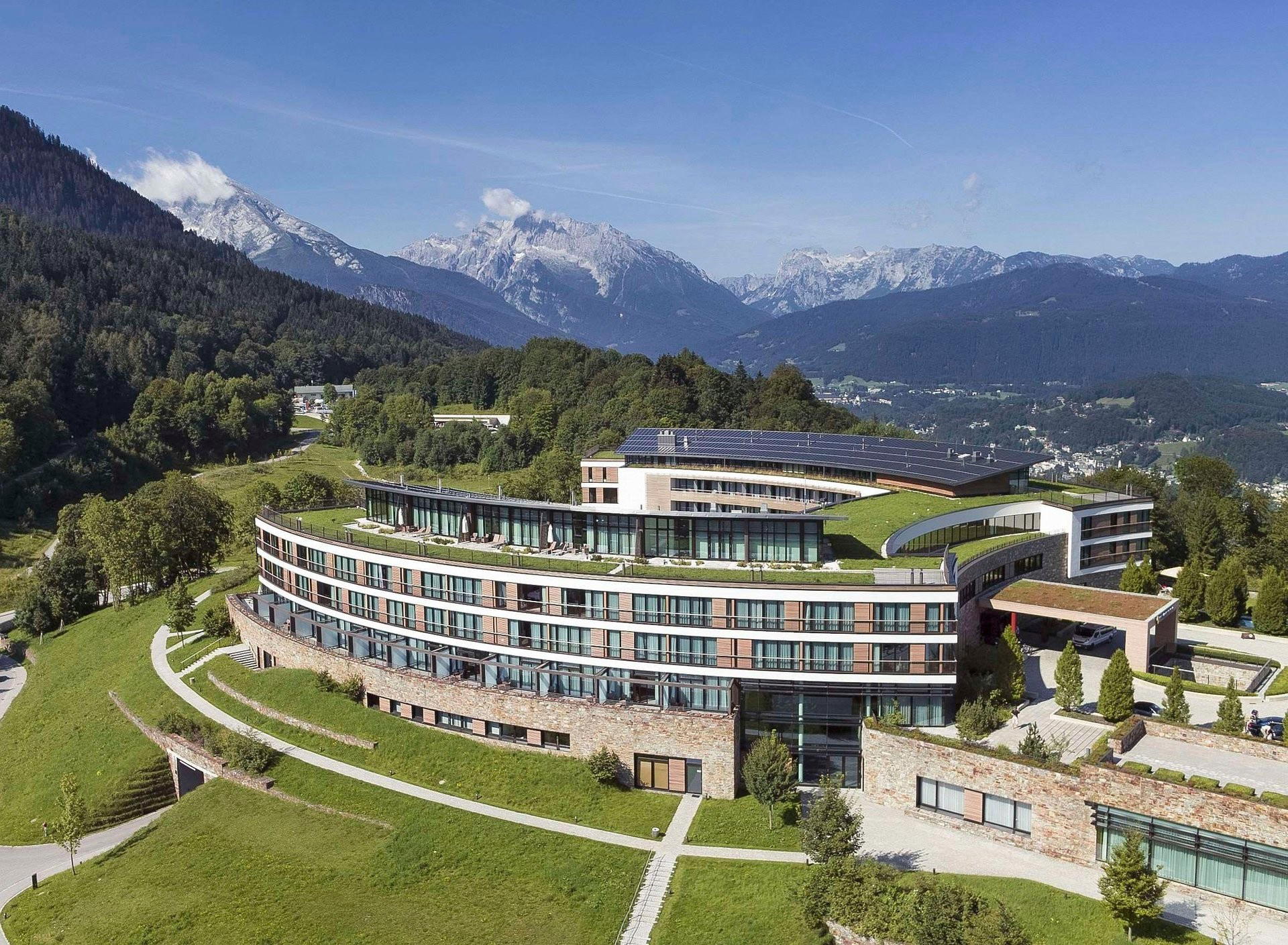
A Hotel Framed by the Watzmann
Alpine hotels occupy a narrow design spectrum: they tend toward either the rustic-timber vernacular of the traditional Gasthof or the international-blank minimalism of a franchise property that could be anywhere. The Kempinski Hotel Berchtesgaden sits at neither extreme. At 1,000 metres above the valley floor, with the Watzmann massif as a near-constant visual reference, the architecture and interior work with the setting rather than competing with it. The materials are quality, the lines contemporary, and the overall effect is one of deliberate calm rather than theatrical alpine pastiche. Michelin recognised the property with its 2 Keys distinction in 2024, a credential that speaks to the coherence of the experience rather than any single element.
That coherence starts before you enter the building. Arriving at Hintereck 1, you are already above the noise of the town: the road climbs, the valley opens behind you, and the hotel appears as a horizontal form against a vertical landscape. It is a positioning that very few German alpine properties can claim at this price tier.
What the Interior Actually Does
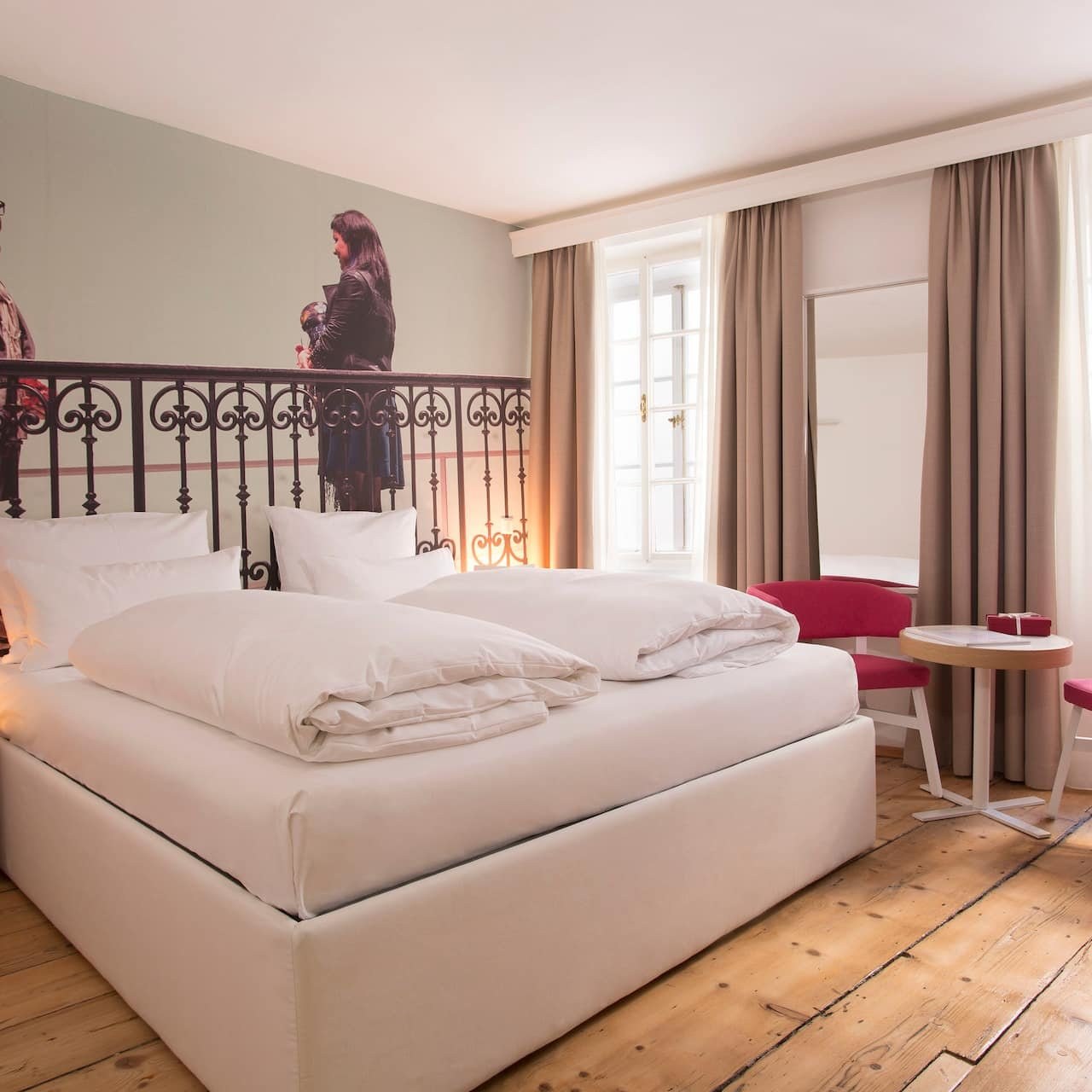
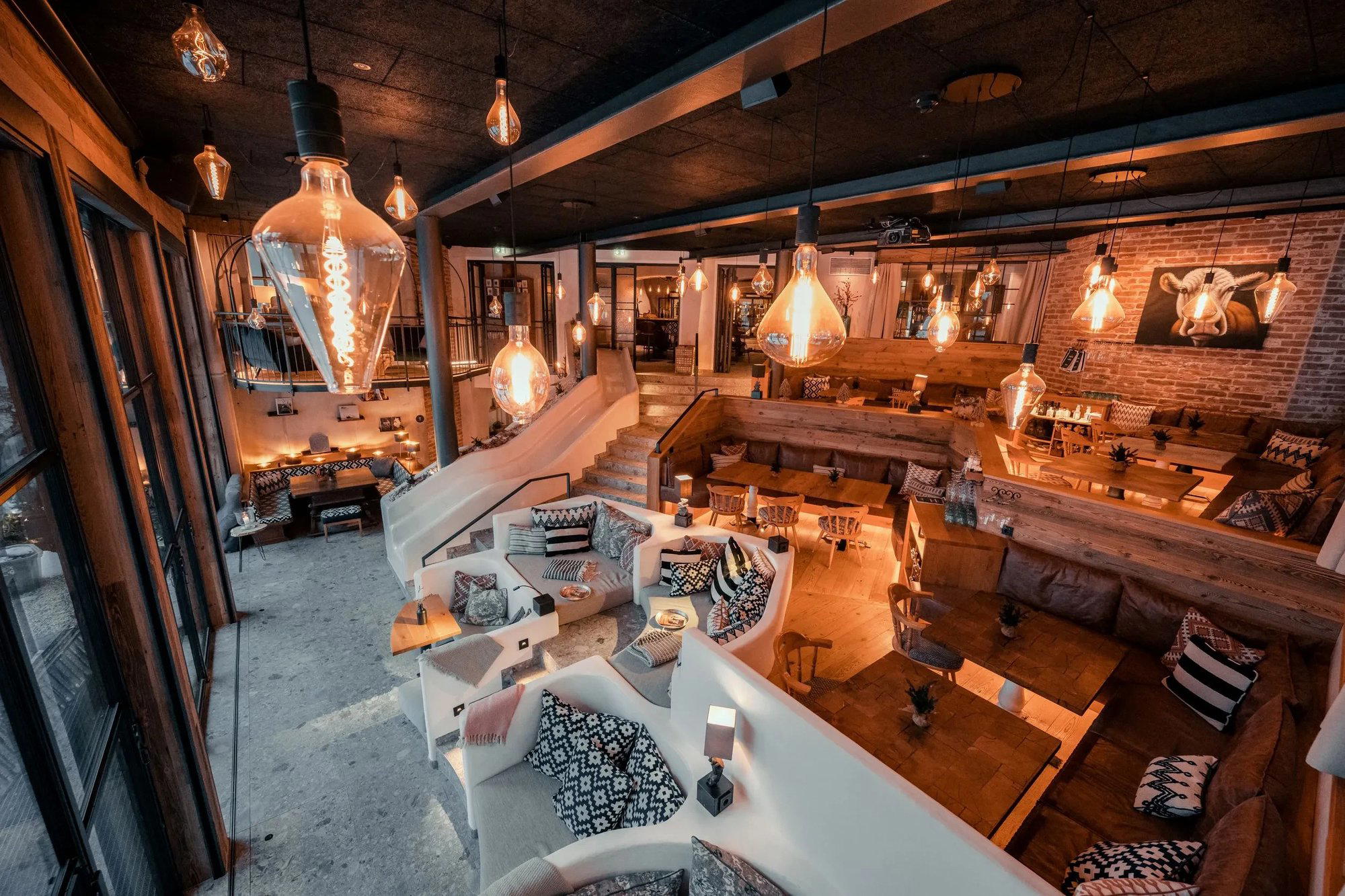
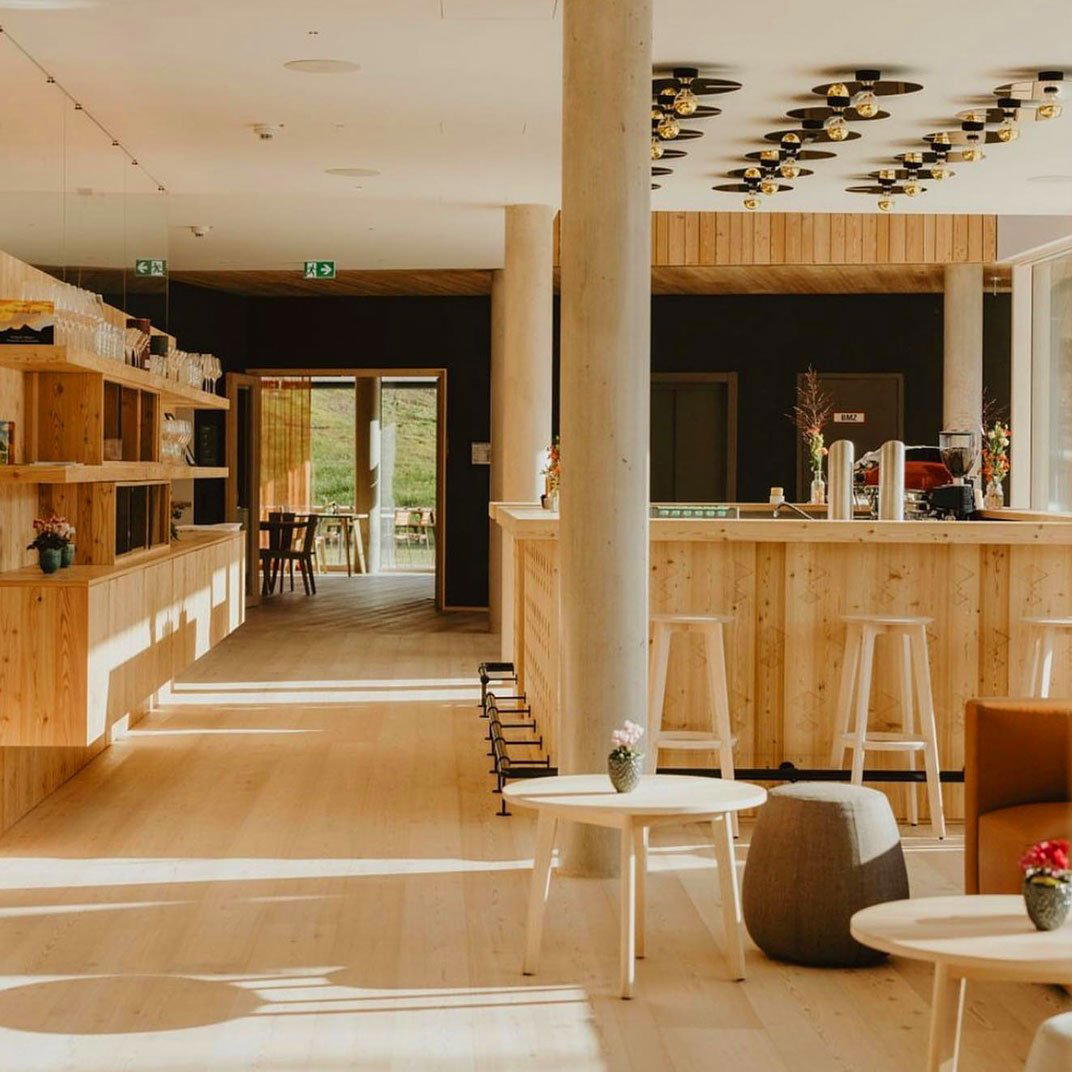
The design language inside leans toward what might be described as harmonious chic, a term worth unpacking rather than accepting at face value. The interiors use materials that read as considered rather than merely expensive: there is a legible difference between a hotel that spends on finishes to signal luxury and one that selects materials because they hold up aesthetically under sustained use and scrutiny. The Kempinski Berchtesgaden belongs to the latter category. Clean lines and a restrained palette let the mountain views function as the dominant visual element in most public spaces, which is architecturally the correct decision at this altitude.
Across the broader German luxury hotel market, the properties that earn sustained critical attention tend to make a similar choice. Schloss Elmau Luxury Spa Retreat & Cultural Hideaway in Elmau grounds its identity in culture and craft materials specific to the Wetterstein landscape. Das Kranzbach Hotel & Wellness Retreat in Kranzbach works with the English Arts and Crafts tradition embedded in its original architecture. What unites properties at this level is an interior that has a point of view, not simply a price point. The Kempinski Berchtesgaden's contemporary-harmonious position is its own answer to the same question.
Rooms and the Case for the Penthouse Duplex
The property runs 138 rooms. That scale brings operational consistency but it also demands that the upper room categories do meaningful work to anchor the property's premium positioning. They do. The penthouse duplex suites with private roof terraces function as a distinct tier within the hotel: the combination of double-height space, quality detailing, and direct mountain sightlines justifies the rate differential in concrete rather than aspirational terms. At a base rate from $489, the entry-level rooms represent the floor of the pricing structure; the penthouse suites represent its ceiling, and the two are far enough apart to give the property genuine range.
For context on what that $489 entry rate implies within German alpine hospitality: properties at comparable altitude and with comparable design ambition, such as Gut Steinbach Hotel Chalets Spa in Reit im Winkl, operate in adjacent price territory. The Kempinski brand brings a specific set of service standards and international recognition that those properties don't always share, which positions the Berchtesgaden hotel against a slightly different booking profile: travellers who want the alpine setting but also the infrastructure of an established luxury chain.
Two Restaurants and a Bar Worth Knowing About
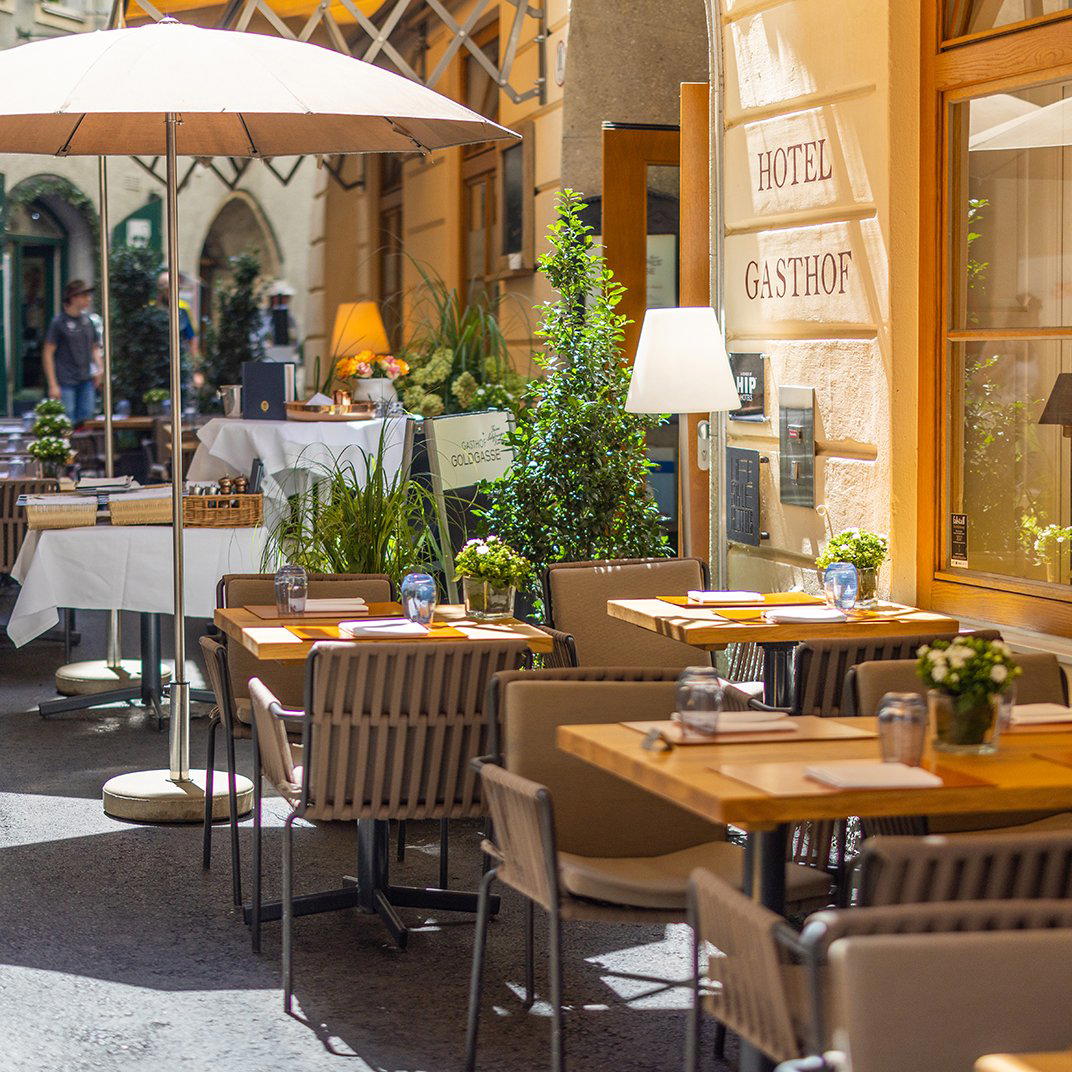
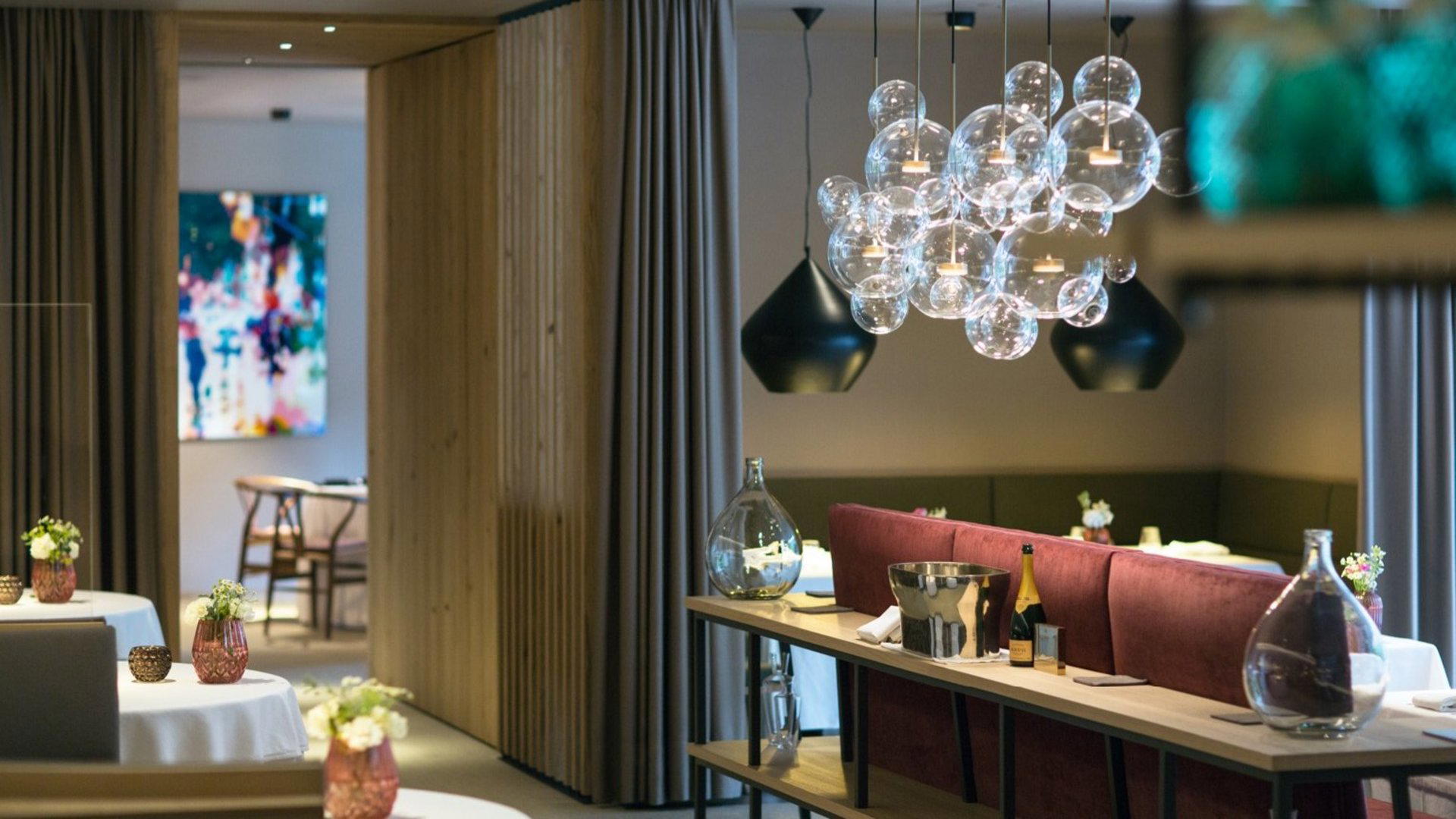
The Kempinski Berchtesgaden runs two distinct dining formats. The Johann Grill takes the formal restaurant role, while PUR operates as a sleeker, more contemporary counterpoint. This two-track dining structure has become standard in larger German luxury hotels: the Fairmont Hotel Vier Jahreszeiten in Hamburg runs multiple dining formats across its footprint, as does the Mandarin Oriental Munich in Munich. The rationale is direct: a 138-room hotel at altitude needs dining options that serve both the resident guest spending a week in the mountains and the day visitor arriving for lunch with a view. One format cannot serve both well.
The more interesting food and beverage note is the fireplace bar, which serves the Eckerbichl-Torte, a regional cake specific enough to function as a genuine local signal rather than a generic alpine prop. At properties of this scale, the bar often becomes the most honest expression of local character, less curated than the restaurant and more responsive to what guests actually want at the end of a day on the mountain. The fireplace setting is a concrete detail rather than a design metaphor: at 1,000 metres in the Bavarian Alps, the physical warmth is as relevant as the atmospheric one.
The Spa in the Context of Alpine Wellness
Mountain wellness in southern Germany has moved well beyond sauna-and-pool standardisation. Properties like Luisenhöhe in Horben have built their entire identity around medical-grade wellness programming. The Kempinski Berchtesgaden's spa sits within the broader conversation about what a resort hotel at altitude should offer in terms of physical recovery and restoration, particularly given that most guests arrive having been active in the landscape. The spa is rated as first-rate within the property's own data, a claim that requires the physical infrastructure to support it: treatment rooms, thermal facilities, and the spatial logic to make recovery feel deliberate rather than incidental.
Berchtesgaden as a Location Decision
The town of Berchtesgaden is one of the more historically loaded destinations in Bavaria, which is itself a region of considerable historical density. The Berchtesgadener Land national park surrounds the area, and the Königssee, a glacially formed lake of considerable depth and visual force, sits within easy reach. For visitors comparing mountain bases in Germany, the choice between Berchtesgaden, the Bavarian foothills west of Munich, or the Allgäu region further west comes down to what they want the landscape to do. Berchtesgaden's topography is more dramatic and more vertical than most alternatives at comparable driving distance from Munich.
Nearby alternatives in the Berchtesgaden area include Kulturhof Stanggass, which operates at a different scale and with a different aesthetic brief. For a longer alpine Germany itinerary, properties such as Althoff Seehotel Überfahrt in Rottach-Egern on the Tegernsee offer a lakeside counterpoint to the mountain-focused character of Berchtesgaden. See our full Berchtesgaden restaurants guide for the wider dining picture across the town and its surroundings.
Planning a Stay
The Kempinski Hotel Berchtesgaden runs 138 rooms with rates from $489. The property holds Michelin 2 Keys recognition (2024), which reflects the overall guest experience rather than a single restaurant distinction. Booking through the Kempinski group's own channels typically provides the most direct access to room category availability, particularly for the penthouse duplex suites, which represent a genuinely distinct product within the hotel. Peak season in the Bavarian Alps aligns with both summer hiking months (July and August) and the winter ski season (December through March), when lead times for properties at this level extend accordingly. The shoulder months of May, June, September, and October offer more availability and the same mountain setting without the concentration of demand that compresses room selection in peak periods.
For comparison shopping within premium German hotels, the EP Club covers a broad range of properties from Hotel Bareiss in Baiersbronn in the Black Forest to Weissenhaus Private Nature Luxury Resort in Weissenhaus on the Baltic coast, each operating with its own regional logic. The Berchtesgaden property's argument rests on altitude, design coherence, and a location that the German alpine market does not have in abundance at this service tier.
In Context: Similar Options
Comparable venues nearby, for context on price, style, and recognition.
| Venue | Cuisine | Price | Awards | Notes |
|---|---|---|---|---|
| Kempinski Hotel BerchtesgadenThis venue (the venue you are viewing) | Modern alpine resort blending minimalist design with pristine Bavarian landscape | $500–750 | 2 Michelin Keys | Not listed |
| Kulturhof Stanggass | Modern sustainable alpine retreat | Not listed | 1 Michelin Key | Bischofswiesen |
| Rosewood Munich | Contemporary residential elegance in historic Bavarian buildings | $1,000–1,500 | 2 Michelin Keys · Virtuoso Luxury Hotel Partner | Lehel |
| Gut Steinbach Hotel Chalets Spa | rustic country house with modern wellness chalets | Not listed | 2 Michelin Keys · Relais Chateaux Award | Reit im Winkl |
| Parkhotel Egerner Höfe | Traditional elegance blended with modern luxury in the Bavarian Alps | $300–500 | 2 Michelin Keys | Rottach-Egern |
| Rocco Forte Charles Hotel | Contemporary luxury with traditional Bavarian hospitality; modern design that complements Munich's architectural heritage without excessive opulence. | $300–500 | 2 Michelin Keys · La Liste Top Hotels | Isarvorstadt |
Recognition history
Dated appearances from independent guides and award organizations, with the underlying list record or original source where available.
Michelin 2 Keys
Michelin
Full recognition history (3 entries)
Michelin 2 Keys
Michelin
Michelin 2 Keys
Michelin
Continue exploring
More in Berchtesgaden
Hotels in Berchtesgaden
All hotels in Berchtesgaden →
Bars in Berchtesgaden
Browse all →
Details
- Scenic
- Elegant
- Quiet
- Sophisticated
- Cozy
- Romantic Getaway
- Wellness Retreat
- Family Vacation
- Weekend Escape
- Panoramic View
- Ski In Ski Out
- Infinity Pool
- Destination Spa
- Spa
- Pool
- Sauna
- Fitness Center
- Room Service
- Concierge
- EV Charging
- Valet Parking
- Mountain
- Wheelchair Accessible
Ornate and serene with cozy lobby fireplaces, modern minimalist design, and dramatic mountain vistas enhancing a relaxing, luxurious atmosphere.