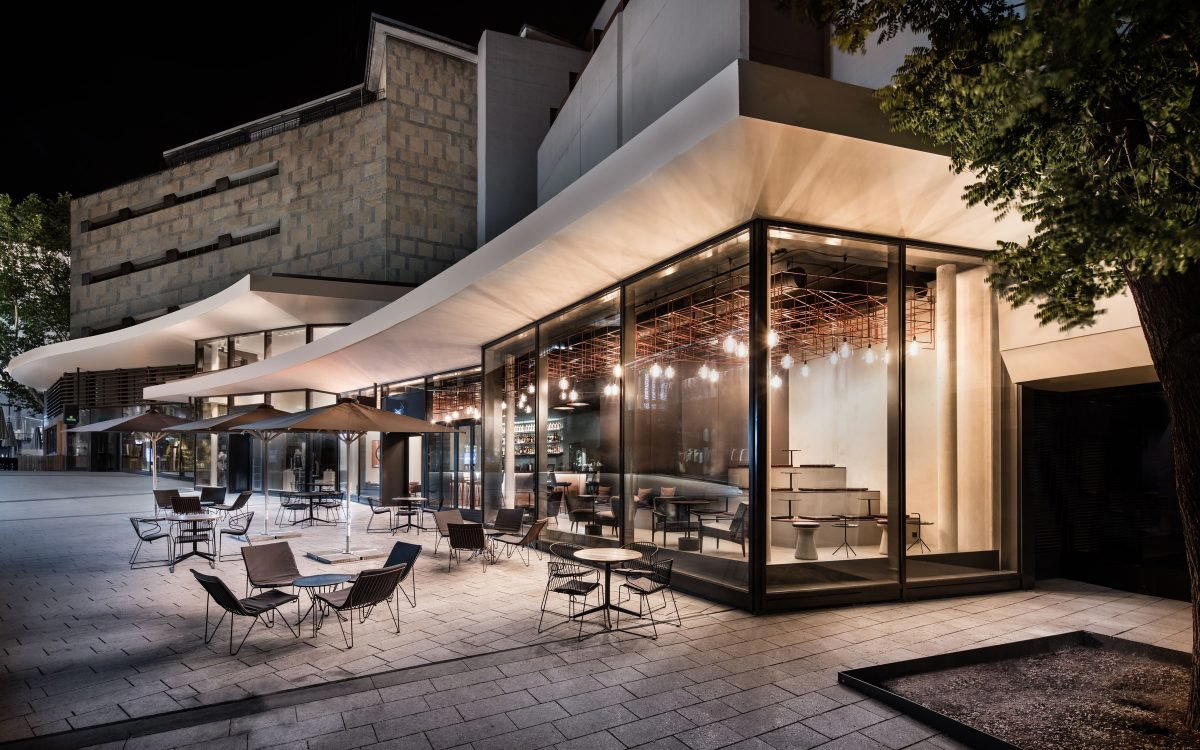
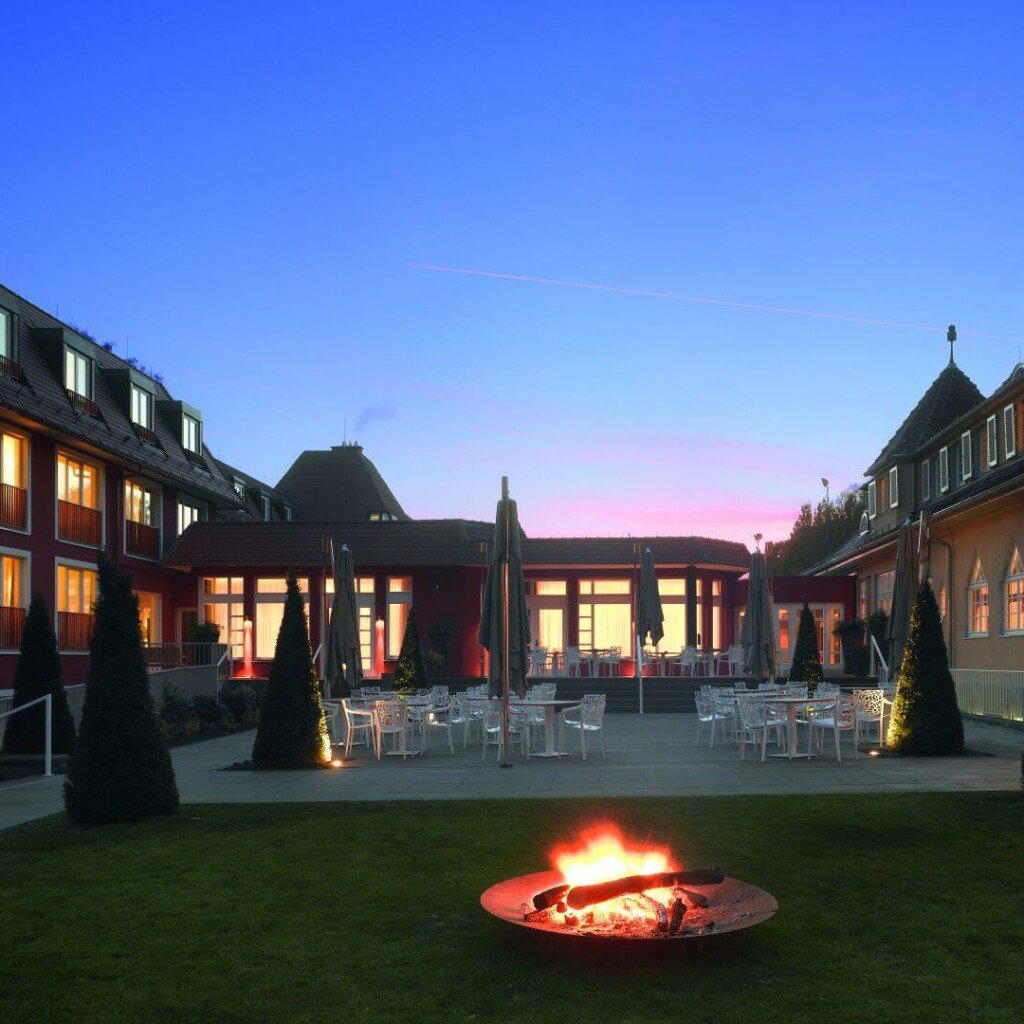
Positioned beside the Schlossgarten in Stuttgart's civic core, the Althoff Hotel am Schlossgarten is one of the city's most architecturally coherent addresses for premium accommodation. Its location at Schillerstraße 23 places guests within walking distance of the Staatstheater and the Kunstmuseum, setting a cultural register that shapes the stay from arrival onward. For travellers orienting around design, history, and the quieter side of Baden-Württemberg's capital, it occupies a clear and well-defined tier.

Pearl is the En Primeur Club membership app — saves, bookings, and concierge access live there. Same editors, same standards.
- Address
- Schillerstraße 23, 70173 Stuttgart, Germany
- Phone
- +49 711 20260
- Website
- althoffcollection.com
- Directions
- Get directions
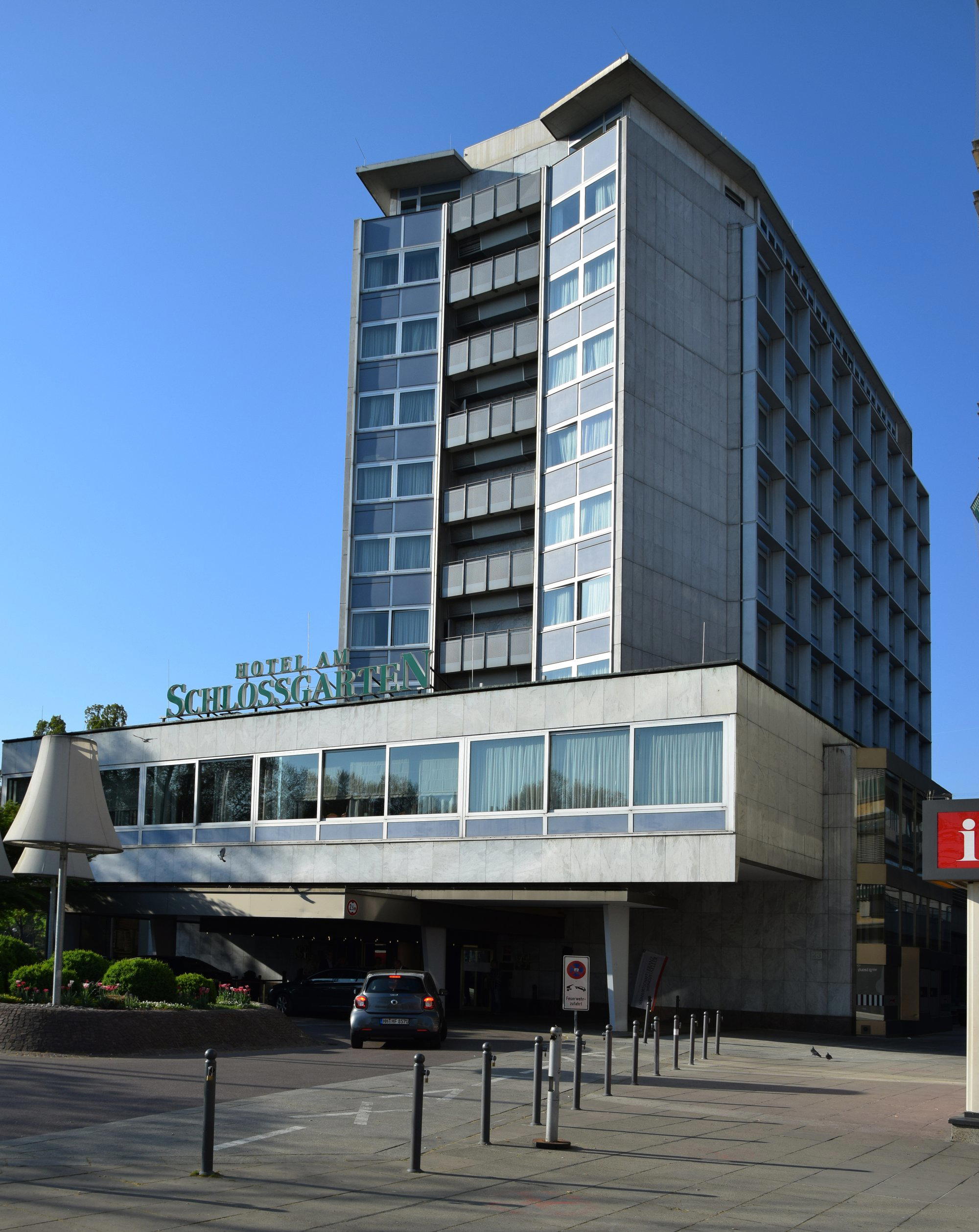
Where Stuttgart's Civic Architecture Sets the Tone
Arriving at Schillerstraße 23 in central Stuttgart, the immediate reference point is not the hotel itself but the green corridor of the Schlossgarten stretching northward — one of the longest urban park sequences in southern Germany. This geographic placement is not incidental. Hotels that position themselves along this axis in Stuttgart are making a deliberate choice about register: civic, restrained, and oriented toward the city's institutional character rather than its commercial spine. The Althoff Hotel am Schlossgarten occupies exactly that position, and the built environment around it — the Staatstheater to the north, the Kunstmuseum a short walk south, the Neues Schloss visible across the formal gardens, functions as an architectural argument for what kind of stay this is.
Stuttgart's premium hotel sector has historically operated in a narrower band than comparable German cities. Frankfurt carries its financial district hotels; Munich competes across international brand flags and historic independents like the Mandarin Oriental Munich; Hamburg anchors legacy luxury around the Alster, with the Fairmont Hotel Vier Jahreszeiten as its clearest institutional reference. Stuttgart's premium tier is smaller and more concentrated, which makes the spatial and architectural identity of each address matter considerably more. The Schlossgarten position carries weight in that context.
The Architectural Register of the Address
The hotel's address at the edge of the Schlossgarten places it within Stuttgart's nineteenth- and early twentieth-century civic building fabric. This part of the city was heavily reconstructed after the Second World War, which means the urban texture combines pre-war remnants, postwar civic architecture, and more recent insertions. Hotels operating within this fabric either work with it or against it. Properties that succeed in this zone tend to use interior design to compensate for or complement the ambiguity of the exterior context, establishing a coherent aesthetic identity that the streetscape alone cannot always provide.
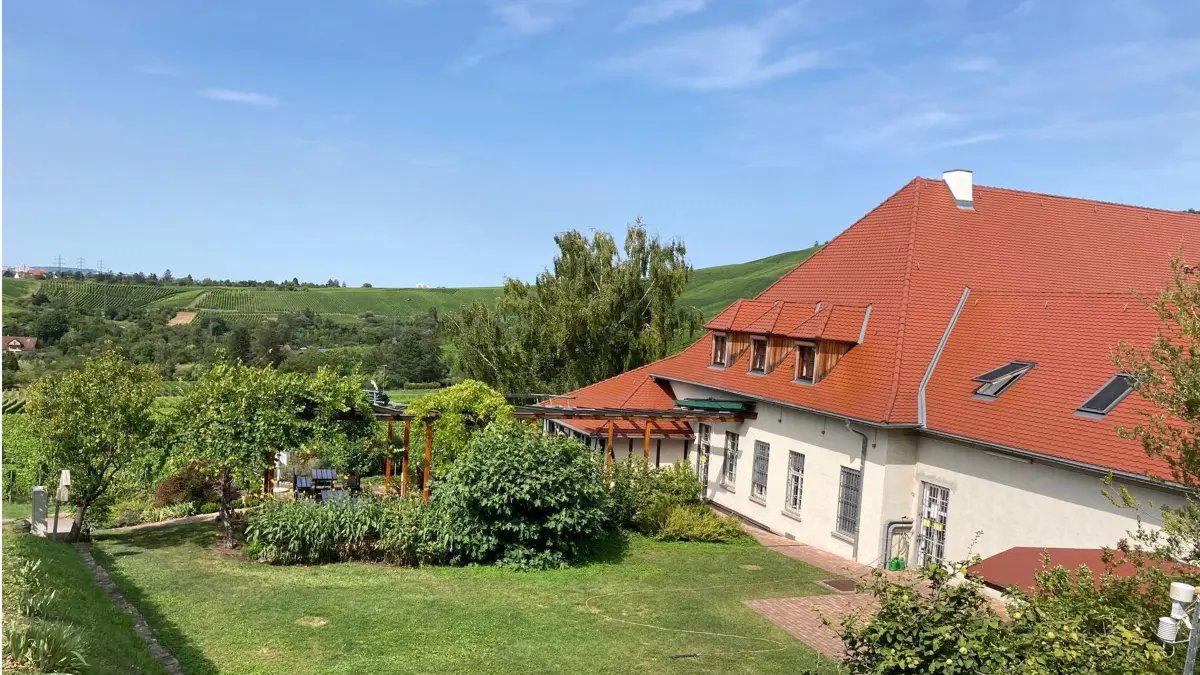
The Althoff group, which also operates the Althoff Seehotel Überfahrt in Rottach-Egern on Lake Tegernsee, tends to position its properties around a concept of rooted European luxury rather than international-flag standardisation. At the Schlossgarten address, this translates to an interior approach that respects the formality of the surroundings without reproducing them literally. The Schlossgarten itself, visible from certain orientations within the property, functions as borrowed landscape in the classical sense: the hotel draws on the park's scale and seasonal character without enclosing it.
For comparison, the approach contrasts with the alpine resort format seen at properties like Kempinski Hotel Berchtesgaden or the Black Forest wellness model at Das Kranzbach Hotel in Kranzbach. The Schlossgarten hotel is fundamentally an urban address, and its design logic follows from that, it serves the city, not an escape from it.
Placing the Hotel in Stuttgart's Visitor Context
Stuttgart is frequently underread as a destination. Its reputation outside Germany defaults to the automotive industry, Mercedes-Benz and Porsche both maintain significant museum presences here, but the city's cultural infrastructure is denser than that shorthand suggests. The Staatsgalerie Stuttgart, housed partly in a postmodern extension by James Stirling that remains one of the more discussed pieces of late twentieth-century civic architecture in Europe, sits within easy reach of the Schlossgarten. The Staatstheater operates one of Germany's most active opera and ballet programmes. The wine villages of the Württemberg wine region begin within the city limits, a fact that surprises many visitors encountering Stuttgart through its industrial reputation.
For guests using the hotel as a base for the broader Baden-Württemberg region, the geography extends usefully in multiple directions. The Black Forest is accessible within an hour to the west; the Swabian Alb begins to the south and east; and the Bodensee corridor is reachable as a day trip. Properties like Der Öschberghof in Donaueschingen and Luisenhöhe in Horben represent the region's wellness and resort alternatives; the Schlossgarten address serves a different function, as a city-anchored base for cultural and gastronomic programming rather than retreat. Our full Stuttgart restaurants guide covers the dining options most worth building time around during a stay here.
Within Germany's independent and semi-independent luxury hotel sector, the Althoff group operates in a recognisable tier alongside properties that prioritise location integrity and architectural coherence over brand infrastructure. The Bülow Palais in Dresden and the Excelsior Hotel Ernst in Cologne occupy comparable positions in their respective cities, each defined more by civic adjacency and long-standing local authority than by international loyalty programmes. The Hotel de Rome in Berlin and the Breidenbacher Hof in Düsseldorf represent a slightly different model, adaptive reuse of historically significant buildings, but the guest expectation overlaps: architectural legibility, cultural proximity, and a stay that reflects the specific city rather than a globalised hotel template.
For travellers calibrating expectations, this places the Althoff Hotel am Schlossgarten closer to the Hotel Ketschauer Hof in Deidesheim or the Villa Contessa in Bad Saarow in terms of conceptual positioning, properties where the setting does significant editorial work, than to the large-footprint alpine resorts or North Sea properties such as BUDERSAND Hotel in Hörnum or Weissenhaus Private Nature Luxury Resort. The reference set helps locate the experience before arrival: this is a hotel for people who want Stuttgart, not a hotel that could be transplanted to any city without loss.
Planning a Stay
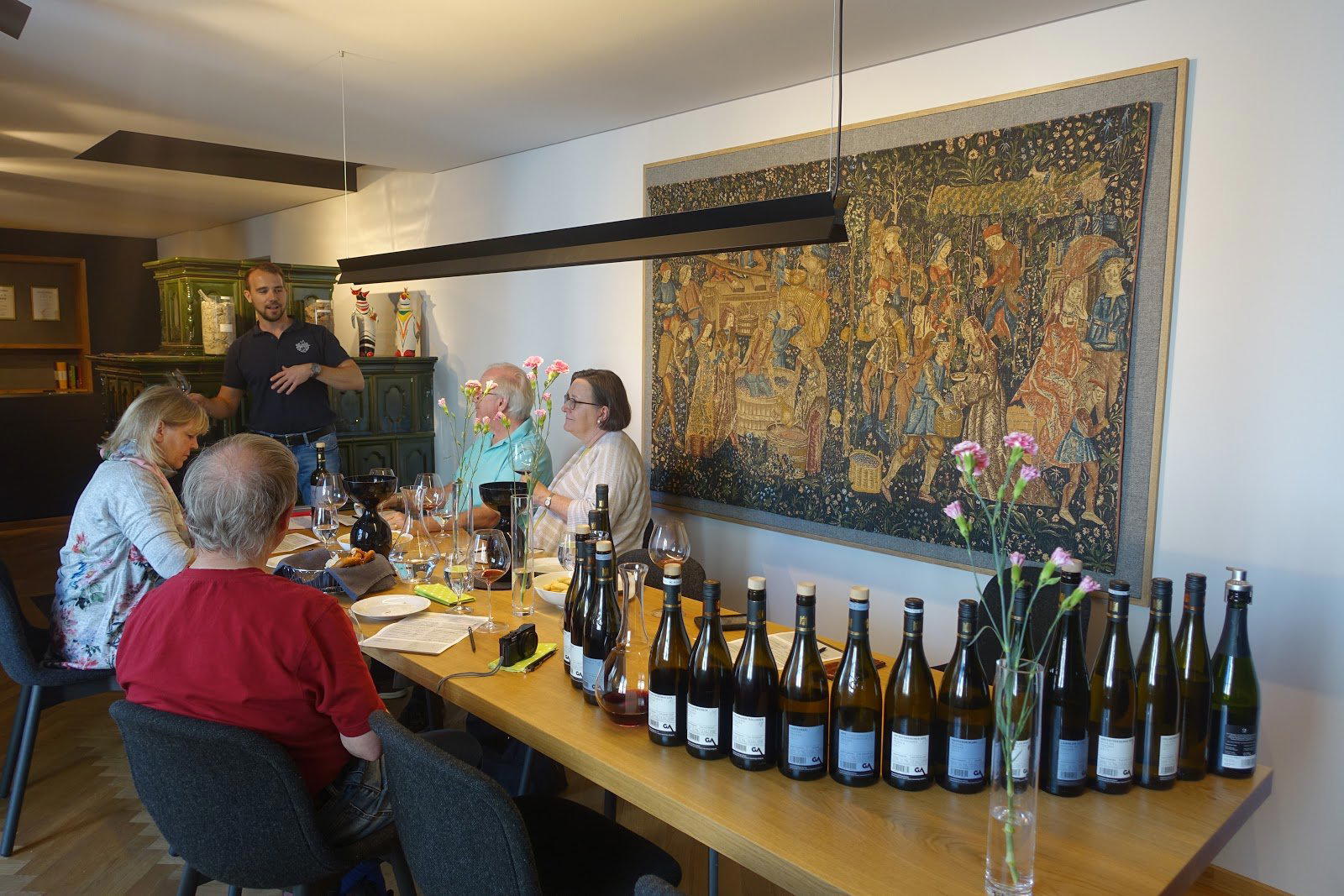
The hotel sits at Schillerstraße 23 in Stuttgart's central district, placing it within walking distance of the main cultural institutions and the Königstraße shopping axis. Stuttgart Hauptbahnhof is within ten minutes on foot, which makes the property direct to reach by rail from Frankfurt, Munich, or Zurich without requiring a car. The Stuttgart region is a wine-producing area of some depth, and guests with an interest in Württemberg Trollinger and Lemberger should plan time in the surrounding Neckar valley villages, several of which are accessible by regional train. For those combining the Stuttgart stay with broader German itineraries, the Schloss Elmau Luxury Spa Retreat in the Bavarian Alps and the Hotel Bareiss in Baiersbronn in the northern Black Forest both represent logical extensions of a Baden-Württemberg circuit for those calibrating between city and countryside.
At-a-Glance Comparison
| Venue | Price | Awards |
|---|---|---|
| Althoff Hotel am SchlossgartenThis venue — the venue you are viewing | $200–300 | Not listed |
| Fairmont Hotel Vier Jahreszeiten | $300–500 | 3 Michelin Keys · La Liste Top Hotels |
| Kempinski Hotel Berchtesgaden | $500–750 | 2 Michelin Keys |
| Kempinski Hotel Taschenbergpalais | $300–500 | 2 Michelin Keys · Virtuoso Luxury Hotel Partner |
| Mandarin Oriental Munich | Not listed | 2 Michelin Keys · La Liste Top Hotels |
| Rocco Forte Charles Hotel | $300–500 | 2 Michelin Keys · La Liste Top Hotels |
Continue exploring
More in Stuttgart
Hotels in Stuttgart
Browse all →
Bars in Stuttgart
Browse all →

Restaurants in Stuttgart
Browse all →

Details
- Elegant
- Sophisticated
- Classic
- Business Trip
- Romantic Getaway
- Historic Building
- Garden
- Wi Fi
- Room Service
- Concierge
- Restaurant
- Airport Transfer
- Business Center
- Laundry Service
- Bicycle Rental
- Garden
- Elevator
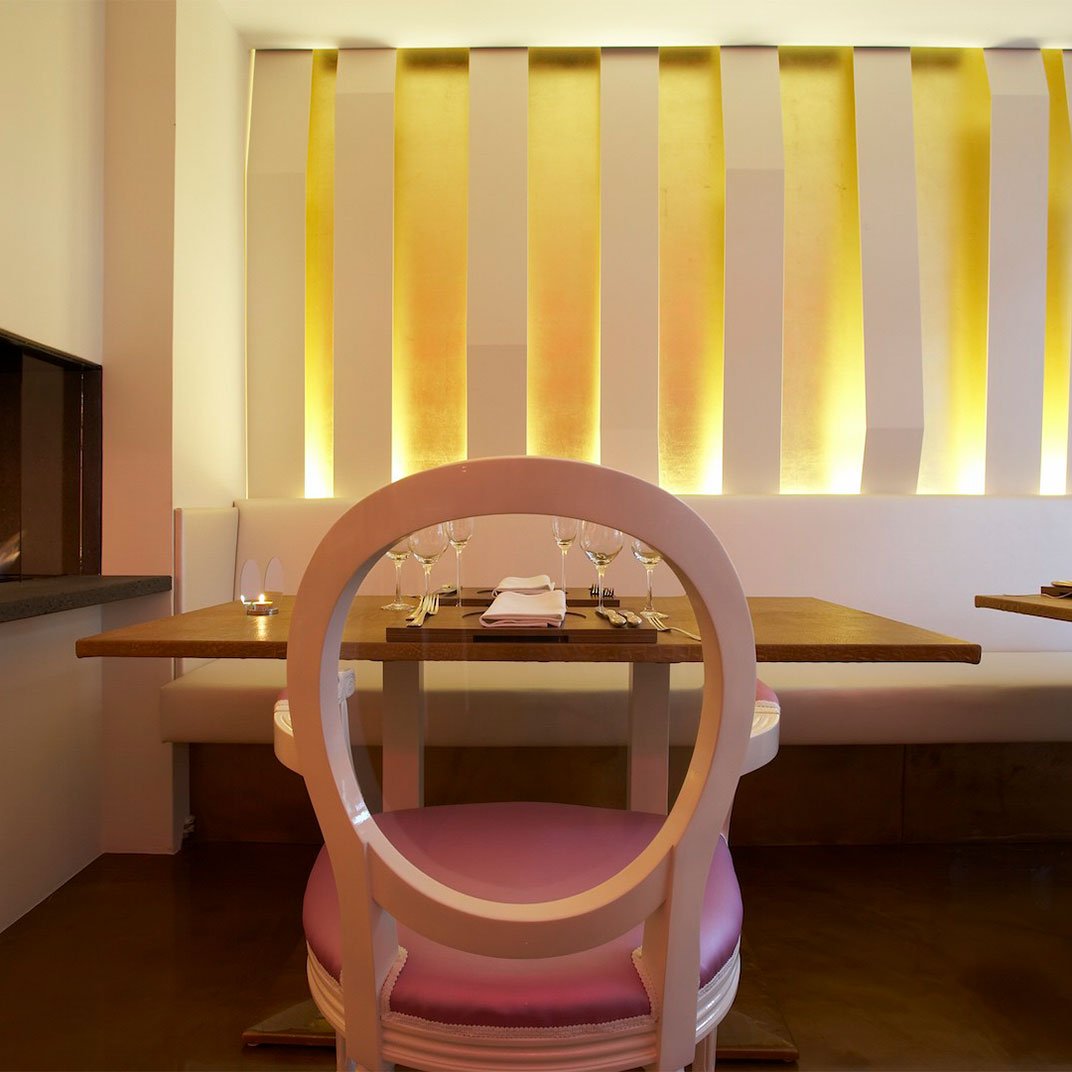
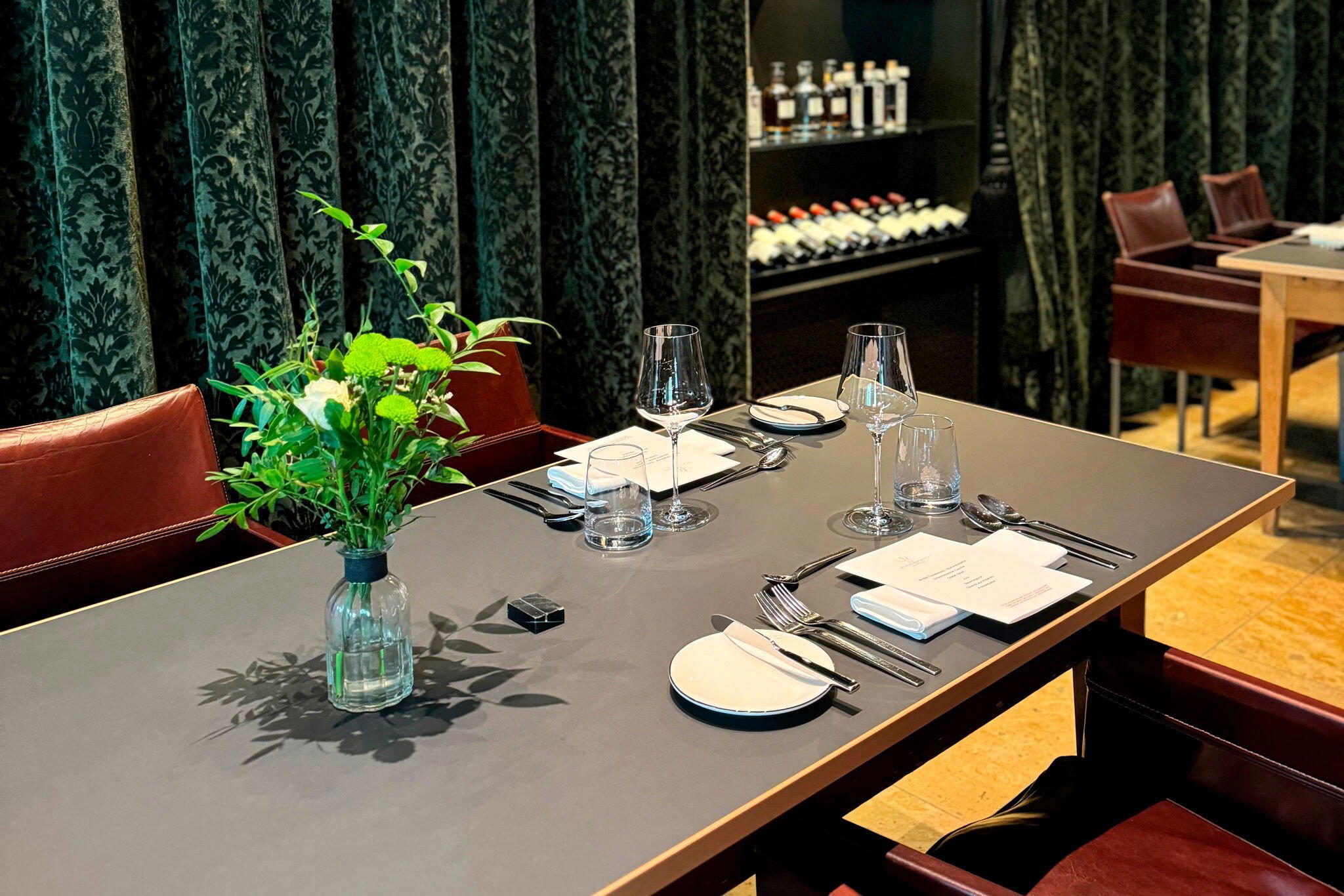
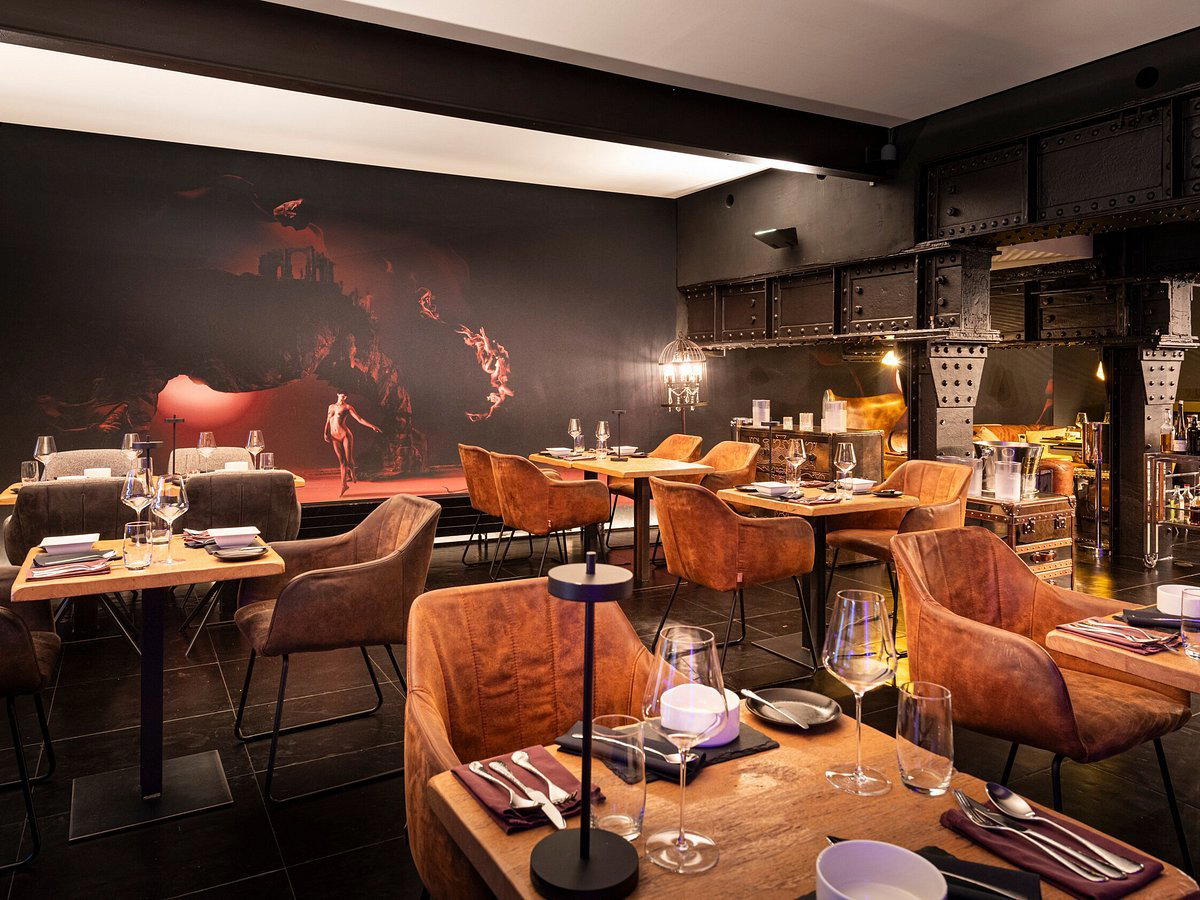
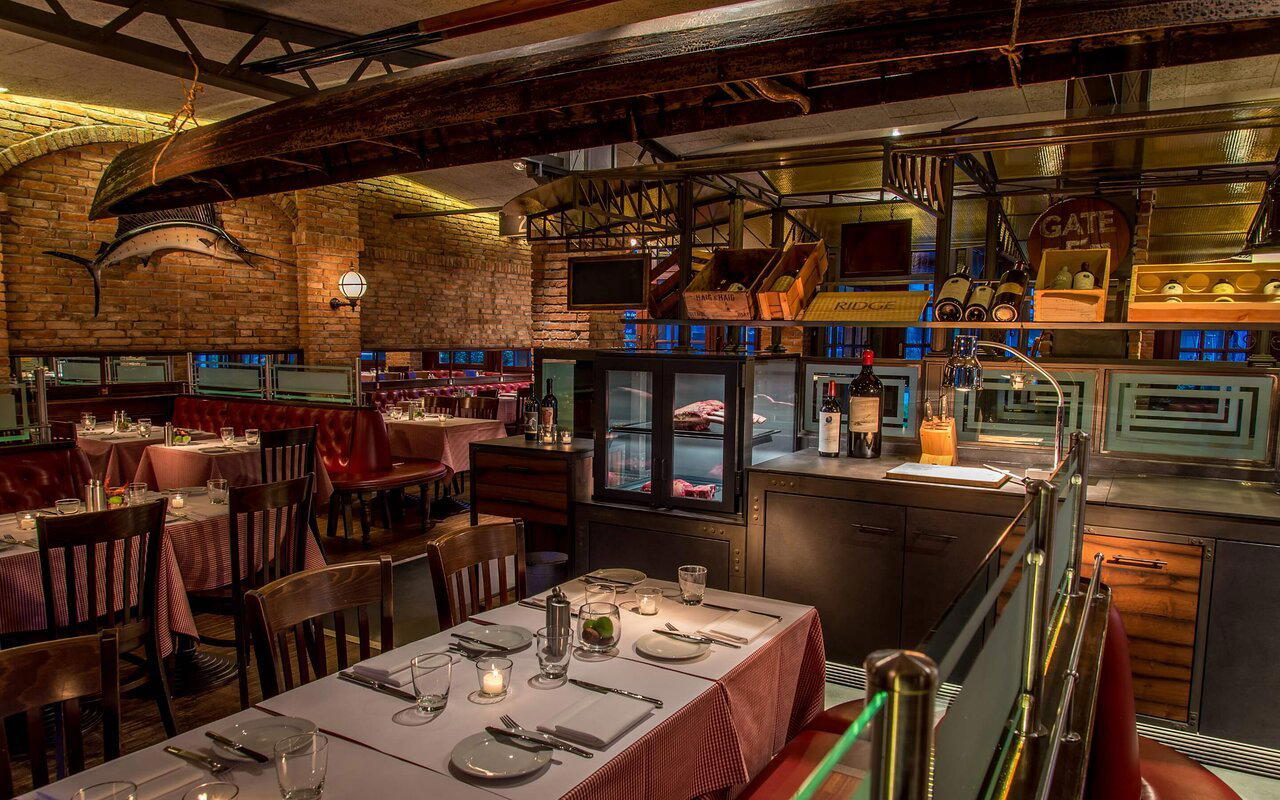
Classic elegant atmosphere with some dated design elements like purple satin sheets, comfortable reception area, and live piano music in the lounge.