
Michelin Selected
A Michelin Selected masseria sitting outside Matera's historic centre in the Borgo Venusio contrada, Masseria Fontana di Vite offers a rural counterpoint to the sassi cave hotels that define the city's accommodation scene. Stone architecture, working farmland surroundings, and the quieter pace of the Basilicata countryside place it in a distinct tier for travellers prioritising space and calm over urban proximity.

Pearl is the En Primeur Club membership app — saves, bookings, and concierge access live there. Same editors, same standards.
- Address
- c.da Fontana di Vite snc, Borgo Venusio, Matera, Italy
- Phone
- 0039 08351824169
- Directions
- Get directions
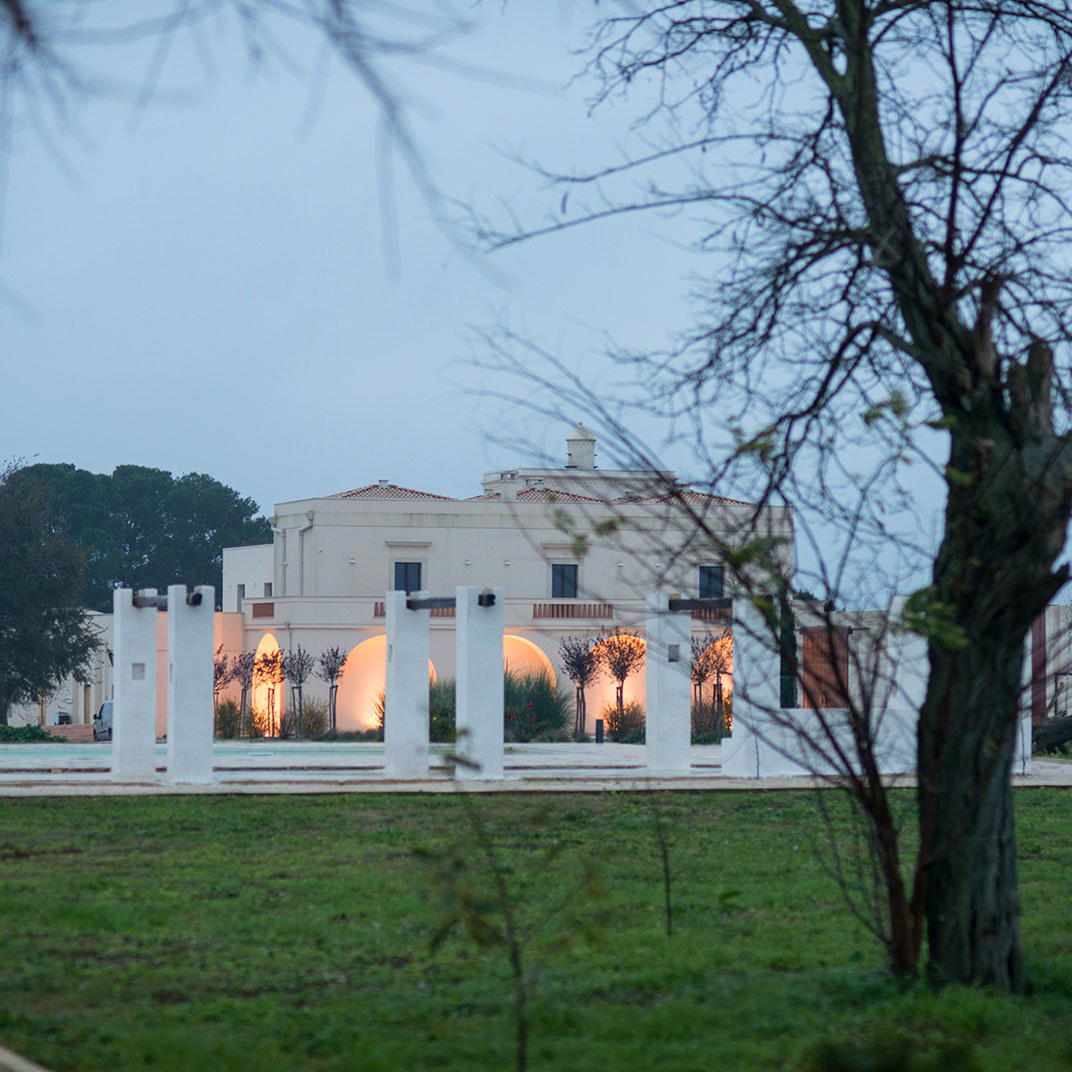
Where the Countryside Answers Back
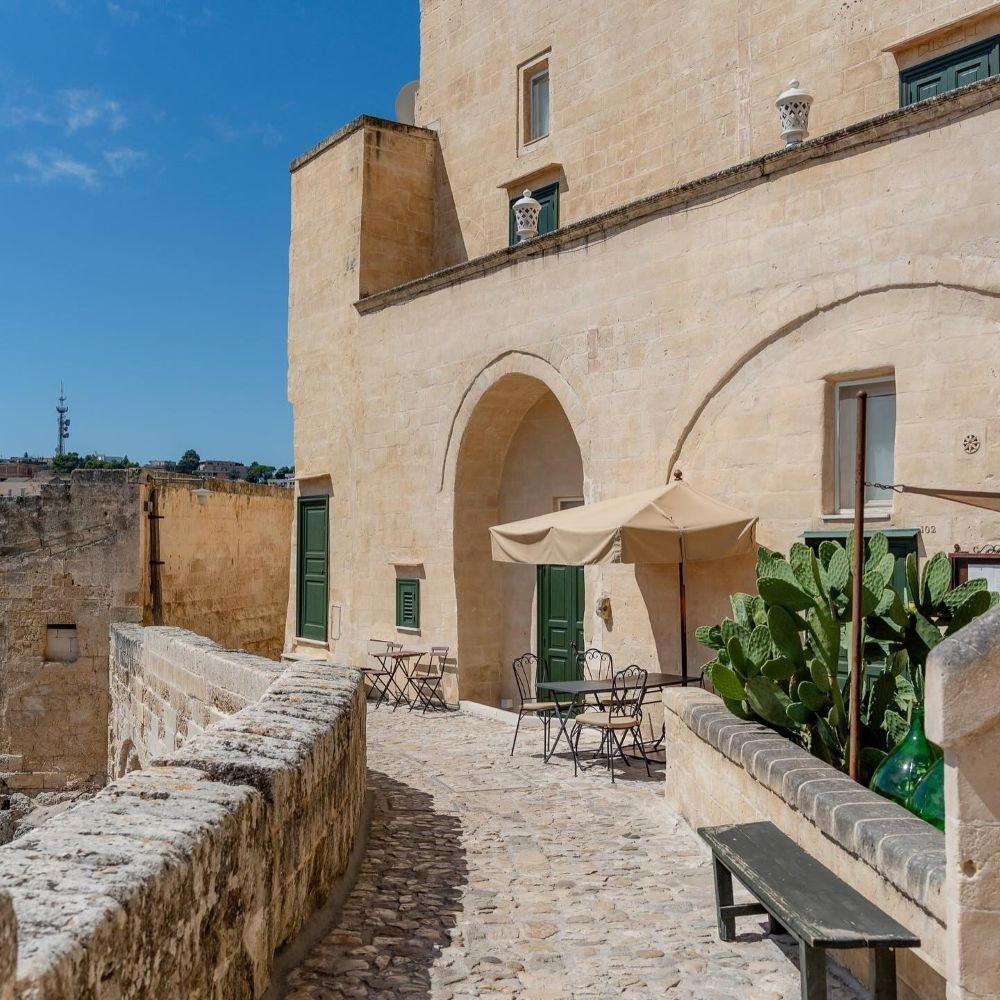
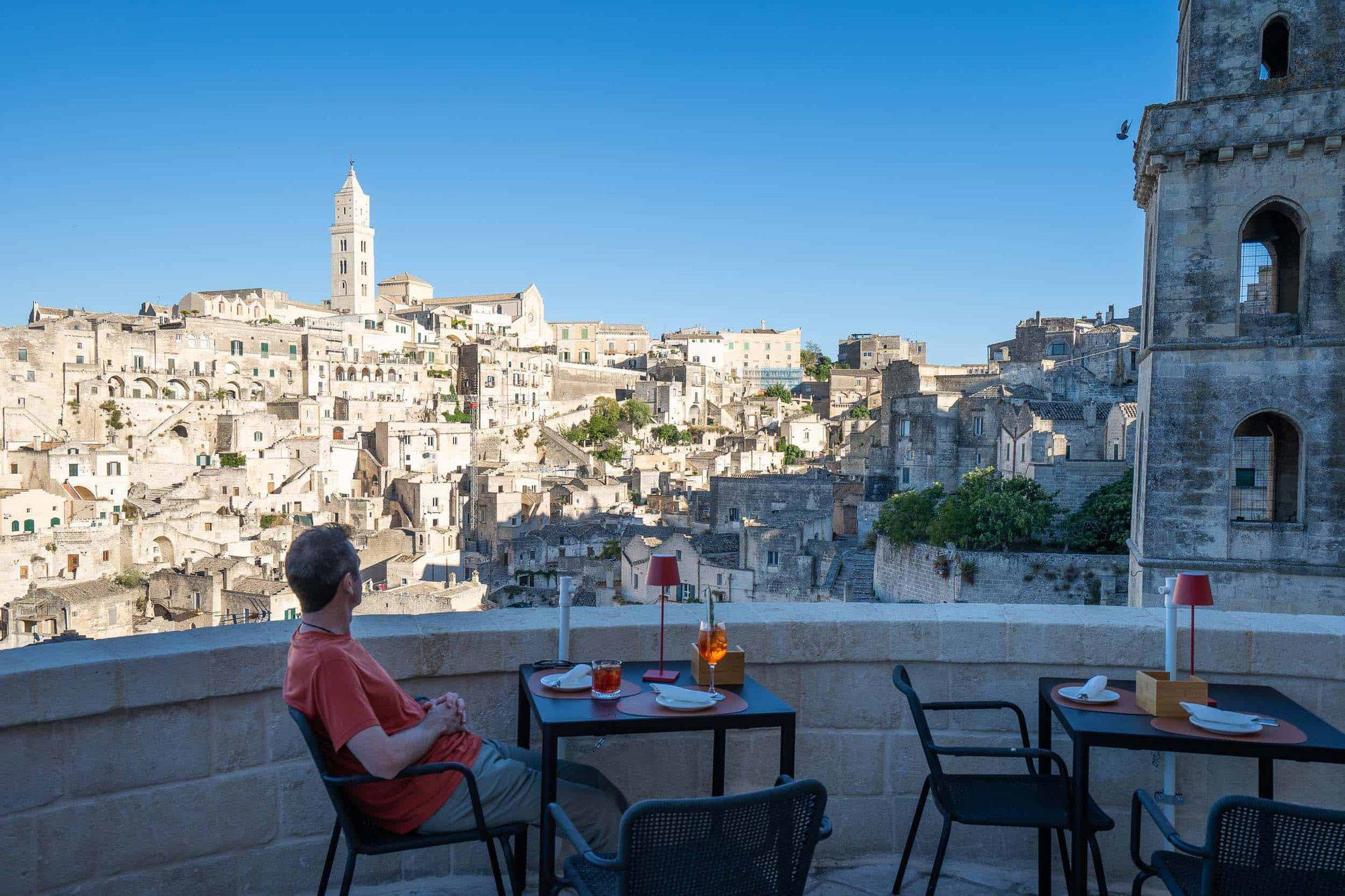
The road into Matera's Borgo Venusio district arrives before the city does. Fields stretch out on either side, the light flattens across the plateau, and the density of the sassi — those tightly packed cave dwellings that made Matera a UNESCO World Heritage site and European Capital of Culture in 2019 — gives way to something altogether more open. Masseria Fontana di Vite occupies this outer territory: a working farm building recast as a place to stay, set in the contrada of the same name and operating on the logic that the most effective retreat from a medieval city is a few kilometres of Lucanian countryside.
This is a distinct positioning within Matera's accommodation market. The cave hotels in the sassi, places like Sextantio Le Grotte della Civita and Sant'Angelo Matera, deliver the city's geological drama at close range: rough-cut stone, ancient vaulting, the feeling of sleeping inside a hillside. Fontana di Vite trades that proximity for something else: the masseria format's particular combination of agricultural setting, open air, and the slower rhythms of rural southern Italy.
The Masseria as a Wellness Architecture
Southern Italy's masseria tradition is, at its core, a model for slowing down. These fortified farmhouses, built across Puglia and Basilicata from the 16th century onward to anchor and protect agricultural estates, were self-contained worlds: food grown and processed on site, water drawn from wells, days organised around the land's demands rather than the clock's. That historical structure has become, in the contemporary hospitality reading, an almost instinctively wellness-aligned format.
A masseria stay organises itself differently from a city hotel. There is no street noise calibrating your waking hour. The boundary between interior and exterior is more porous, terraces, courtyards, and agricultural land replace the lobby as the default gathering space. The Basilicata countryside around Matera, dry and mineral-rich with its clay gullies and olive groves, offers the kind of open horizon that encourages a different kind of attention: slower, more deliberate, less curated than anything found inside the sassi.
For the traveller approaching Matera with a recovery or decompression agenda rather than a sightseeing itinerary, the masseria model offers structural advantages that a cave hotel cannot. Space, quiet, and distance, not as deficits, but as the core product.
Michelin's Selection and What It Signals
Masseria Fontana di Vite holds a MICHELIN Selected designation in the Michelin Hotels guide for 2025. In the context of the guide's tiering, this places it within the set of properties that Michelin's inspectors consider worth recommending on grounds of quality and character, without the additional Michelin Key distinctions awarded to properties at the very best of the luxury segment. For Matera, where the cave hotels carry the loudest international reputation, a Michelin Selected rural masseria occupies a quieter but no less deliberate niche.
The comparable cave properties in the city, Palazzo Gattini Luxury Hotel, Corte San Pietro, and Palazzo Del Duca Hotel and Restaurant, each bring their own architectural statement. Fontana di Vite's selection signals that the guide is recognising something different: the agricultural setting, the rural character, and the specific appeal of a property that doesn't compete on proximity to the sassi but on the quality of what it offers apart from them. The same logic applies at the Italian scale: properties like Rosewood Castiglion Del Bosco in Montalcino and Castello di Reschio in Lisciano Niccone demonstrate how rural estate properties can hold their own against the gravity of urban luxury anchors by doubling down on setting and space.
Matera's Broader Accommodation Picture
Matera's hotel market is dominated by the sassi conversion hotels, and for good reason: there is nowhere else in Europe where you can sleep inside a cave complex that was continuously inhabited for over 9,000 years, then abandoned mid-20th century, and subsequently recast as a destination. The UNESCO designation in 1993 and the Capital of Culture year in 2019 brought the city onto the international circuit and raised the quality ceiling for accommodation across the board.
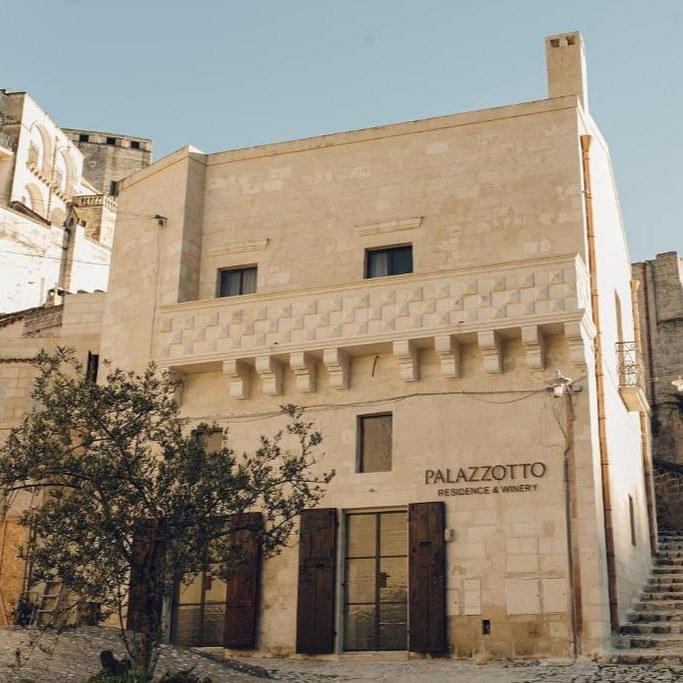
But the sassi hotels share certain structural realities. They are built into rock, which means their footprints are constrained. Outdoor space is limited and often vertical rather than horizontal, a terrace cut into a cliff face rather than a garden spreading outward. For guests whose retreat agenda includes morning walks across open land, the sound of silence rather than the echo of stone corridors, or simply a view of the plateau rather than down into the ravine, the city-centre cave format has inherent limits. Vetera Matera and Il Palazzotto I Residence and Winery each approach this tension from different angles. Fontana di Vite sidesteps it entirely by operating outside the sassi geography altogether.
Across Italy, a similar dynamic plays out in other cities. Urban luxury in Florence, represented by the Four Seasons Hotel Firenze, competes on a different axis from countryside retreats. In the south, Borgo Santandrea on the Amalfi Coast holds a cliffside position that has more in common with Matera's cave hotels than with the flat-land agricultural calm of a Basilicata masseria. The rural-versus-urban split is a recurring structural feature of Italian premium accommodation, and Matera is no exception.
Planning Your Stay
Masseria Fontana di Vite is located at contrada Fontana di Vite snc, Borgo Venusio, outside central Matera, a positioning that makes a car the practical choice for guests intending to move between the property and the sassi during their stay. Matera itself is most comfortably approached from Bari, roughly 65 kilometres to the northeast, with road connections preferable to rail for this leg. The city's strongest visitor season runs spring through early autumn, when the plateau light is at its finest and the surrounding countryside is at its greenest. For those planning around the retreat and decompression model, shoulder season, April through May or September through October, delivers quieter roads, fewer day-trippers in the sassi, and cooler afternoon temperatures that make walking the terrain more comfortable. Specific rate, booking, and room-type information should be confirmed directly through the property. For a broader picture of where Fontana di Vite sits within the city's full accommodation and dining offer, see our full Matera restaurants guide.
A Credentials Check
Comparable venues nearby, for context on price, style, and recognition.
| Venue | Cuisine | Price | Awards | Notes |
|---|---|---|---|---|
| Masseria Fontana di ViteThis venue — the venue you are viewing | Restored historic masseria blending heritage architecture with modern hospitality | $100–200 | Michelin Selected | Not listed |
| Palazzo Del Duca Hotel & Restaurant | Historic luxury palace hotel with scattered hospitality in restored Sassi buildings | $200–300 | Michelin Guide New Hotels New Hotel · Michelin Selected | Sassi di Matera |
| Il Palazzotto I Residence & Winery | Restored historic cave residence with winery | Not listed | Michelin Selected | Sasso Barisano |
| Sant’Angelo Matera | Diffuse cave hotel in historic Sassi district | Not listed | Michelin Selected · Small Luxury Hotels of the World Member | Sassi di Matera |
| Palazzo Gattini Luxury Hotel | Restored 16th-century noble palazzo blending historic grandeur with contemporary luxury | $100–200 | Michelin Selected | Sassi di Matera |
| Corte San Pietro | Restored cave dwellings in a historic palazzo forming a village-like micro district. | Not listed | Michelin Selected | Sassi di Matera |
Recognition history
Dated appearances from independent guides and award organizations, with the underlying list record or original source where available.
Michelin Selected
Michelin
Continue exploring
More in Matera
Hotels in Matera
Browse all →
Bars in Matera
Browse all →
Restaurants in Matera
Browse all →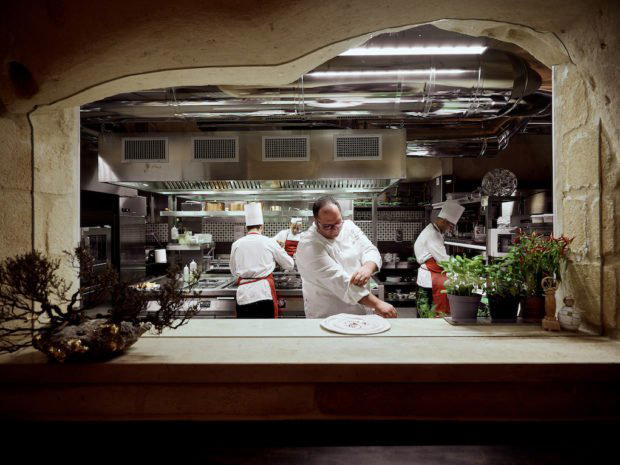

Details
- Romantic
- Rustic
- Elegant
- Scenic
- Cozy
- Sophisticated
- Romantic Getaway
- Honeymoon
- Anniversary
- Weekend Escape
- Destination Wedding
- Historic Building
- Panoramic View
- Garden
- Terrace
- Wi Fi
- Pool
- Restaurant
- Spa
- Bicycle Rental
- Garden
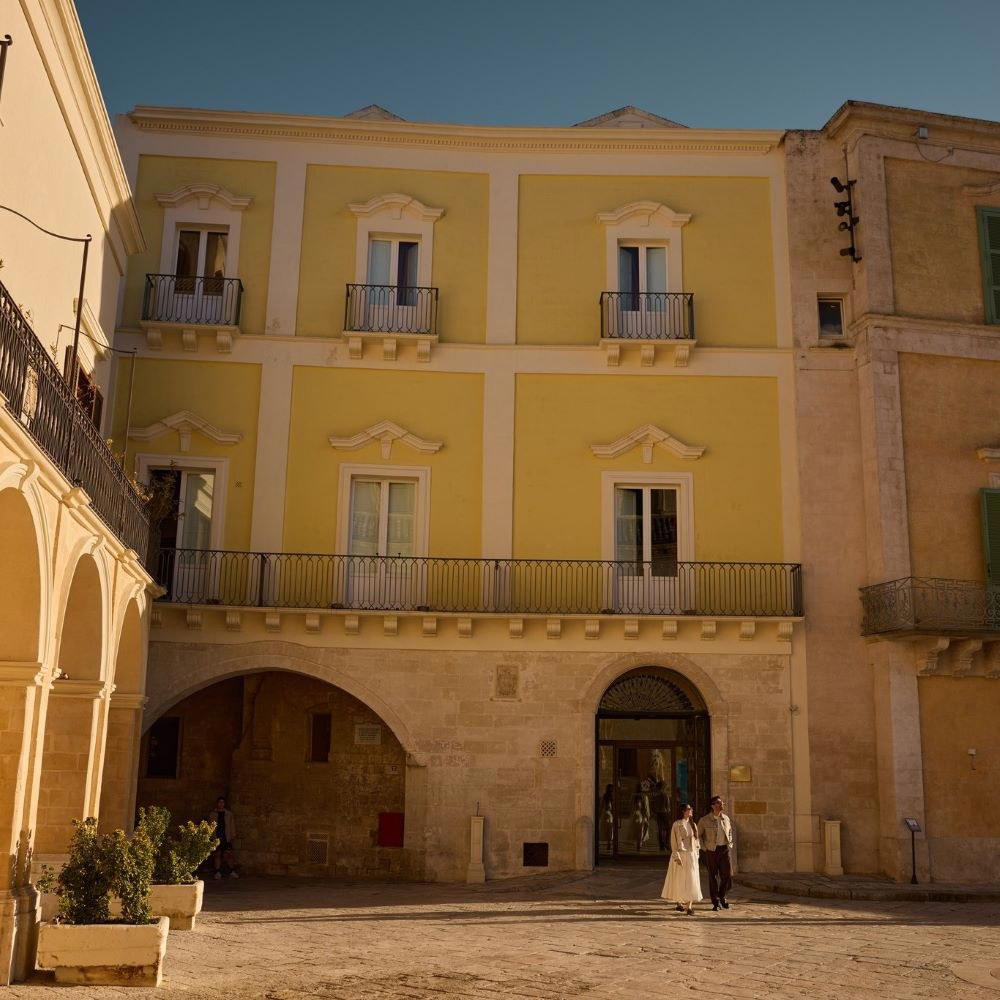
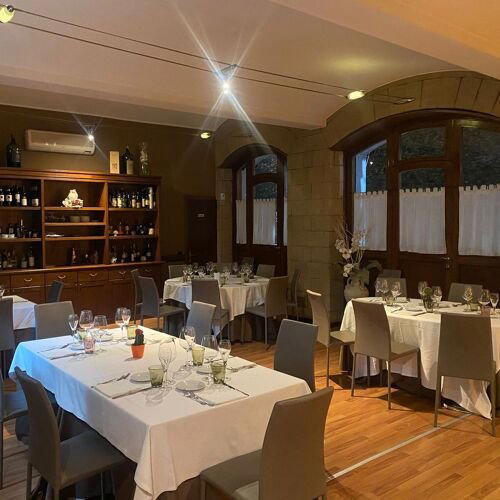
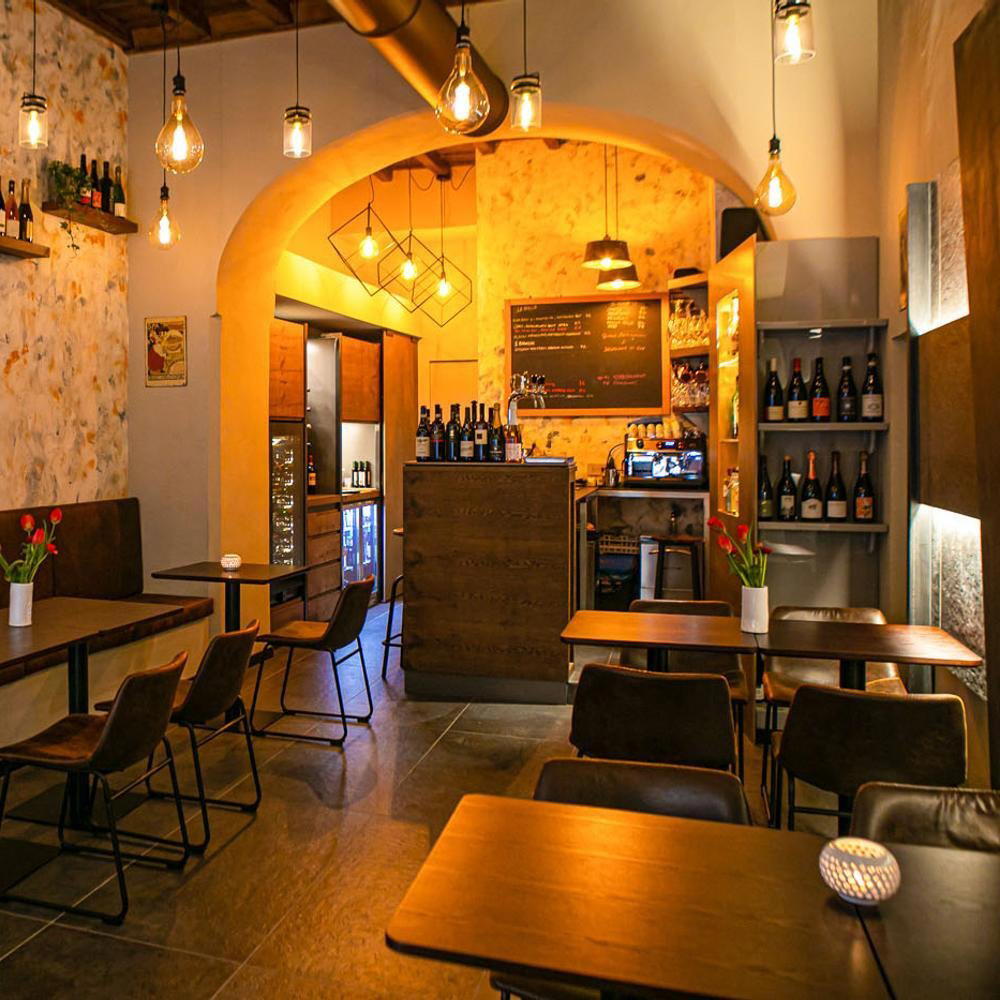
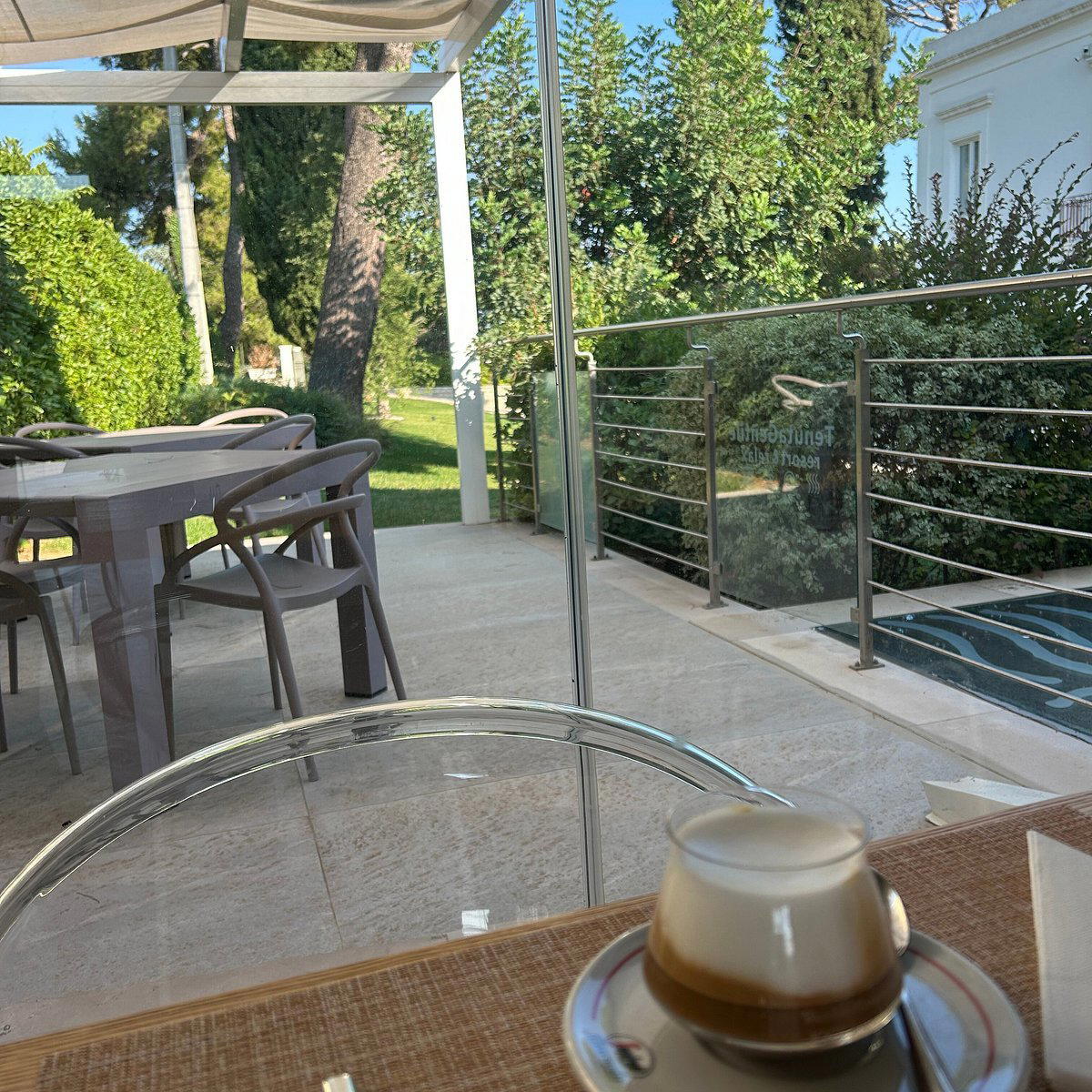
Tranquil and elegant atmosphere with pristine white walls, high ceilings, and sweeping countryside views from balconies and poolside, blending historic charm with contemporary art.