
Gallery Hotel Art holds a Michelin Selected distinction for 2025, placing it among Florence's editorially recognised design-led stays. Located steps from the Ponte Vecchio on the quiet Vicolo dell'Oro, it occupies a niche between full-service grand hotels and boutique independents, with a contemporary art program that distinguishes it from the city's predominantly palazzo-style accommodation.
Pearl is the En Primeur Club membership app — saves, bookings, and concierge access live there. Same editors, same standards.
- Address
- Vicolo dell'Oro, 5, 50123 Firenze FI, Italy
- Phone
- +39 055 3963
- Website
- lungarnocollection.com
- Directions
- Get directions
 Saves & bookings on Pearl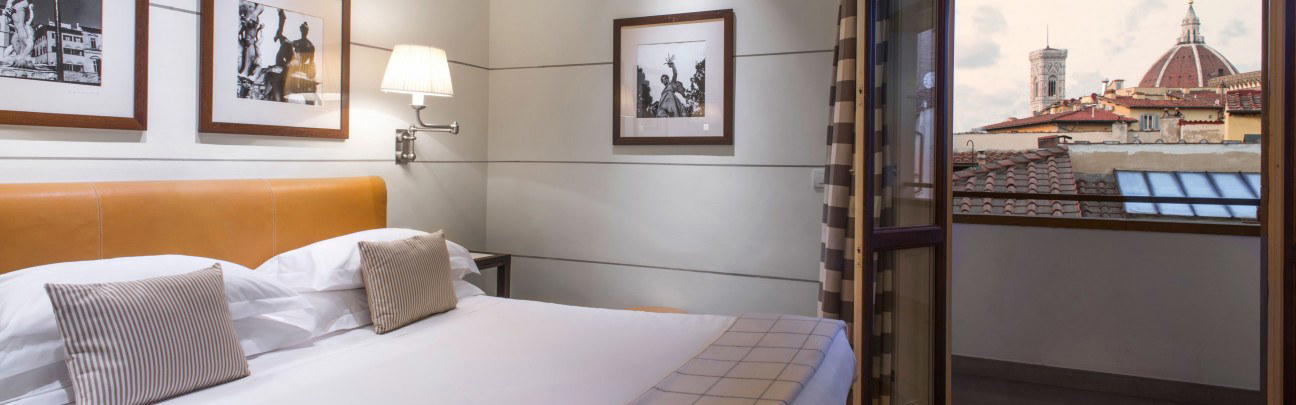
A Different Register of Florentine Hospitality
Florence's hotel scene divides along a fairly clear line. On one side sit the grand palazzo conversions, where frescoed ceilings and cortile gardens do much of the atmospheric work: properties like the Four Seasons Hotel Firenze or Palazzo Portinari Salviati fall squarely into that category. On the other sits a smaller cohort of design-conscious properties that treat contemporary culture as a primary material rather than a decorative afterthought. Gallery Hotel Art belongs to this second group, and its address on Vicolo dell'Oro, a narrow lane that opens almost directly onto the Ponte Vecchio, frames that position precisely: maximum access to Renaissance Florence, filtered through a resolutely contemporary sensibility.
The 2025 Michelin Selected recognition confirms what the property's long-running reputation among design-focused travellers has suggested for years.
The Art Program as Structural Logic
In Italian cities with this density of cultural heritage, contemporary art programming in hotels risks feeling performative, a gesture toward relevance layered over assets that already speak for themselves. Gallery Hotel Art sidesteps that trap by treating the art program as structural rather than decorative. The lobby functions as a working exhibition space, with rotating shows that give the ground floor a different character from one season to the next. For guests staying multiple nights, or returning across trips, that temporal variability changes the experience of the building itself.
This approach aligns with a broader shift in design-led hospitality across Italian cities, visible also at properties like Portrait Milano in Milan, where the relationship between the built environment and cultural programming defines the stay rather than supplements it. The difference in Florence is that the competition for attention is steeper: a hotel that wants to operate as a cultural space is doing so within walking distance of the Uffizi. The art program has to earn that comparison, or at minimum, articulate why the contemporary moment matters alongside five centuries of accumulated excellence.
Responsible Luxury in a Saturated Heritage City
Florence receives several million visitors annually, concentrated in a relatively small historic core. The sustainability pressure on that core, from overtourism to the energy demands of maintaining historic fabric, is well-documented. For hotels operating within the UNESCO-protected centro storico, responsible practice is less a brand differentiator than a structural requirement, built into planning regulations, waste management protocols, and increasingly, guest expectations at the premium end of the market.
Design-led properties in this tier, including Gallery Hotel Art and comparably positioned independents like Hotel Calimala and Hotel Lungarno, tend to operate with smaller footprints than the major palace hotels, which creates a different set of tradeoffs. Fewer keys mean lower aggregate resource consumption but also less capacity to invest in the kind of large-scale infrastructure projects, solar installations, grey-water systems, that full-service properties can justify. The community impact argument, however, runs the other direction: smaller properties with strong cultural programming tend to attract guests who engage with the city at a neighbourhood level, spending in local businesses rather than concentrating spend inside the hotel's own F&B; operations.
The Vicolo dell'Oro address reinforces this dynamic. The lane sits between the Arno and the Piazza della Signoria, in a part of the centro storico that has been shaped by Florentine commerce for centuries. Staying in that specific pocket means engaging with the city's working grain rather than retreating from it, which carries its own low-impact logic regardless of what the hotel's formal environmental reporting says.
Where It Sits in the Florence Hierarchy
Positioning the hotel in Florence's broader accommodation hierarchy requires holding two facts in mind simultaneously. First, it is not trying to compete with the full-service palace hotels on amenity breadth. Properties like Villa Cora, Villa La Massa, or Ad Astra operate at a different register of service depth and spatial generosity. Second, its Michelin Selected status and design credentials place it well above the mid-market boutique tier, where the differentiation between properties is often thin.
The relevant comparison set is small: design-forward, centrally located Florence hotels with editorial recognition and a cultural program that goes beyond sourcing local honey for breakfast. Brunelleschi Hotel occupies adjacent territory on the design-heritage axis, though its Byzantine tower setting pulls it toward a different kind of historical narrative. The hotel's contemporary orientation makes it closer, in spirit if not geography, to properties like Aman Venice, which similarly uses a notable Italian address to frame a program that looks forward rather than exclusively backward.
Across the wider Italian circuit, properties making a comparable wager on contemporary culture include Casa Maria Luigia in Modena and Castello di Reschio in Umbria, though those operate in rural settings where the cultural programming bears a different weight. In a city centre, the question is always what the hotel adds to what the street already offers. The hotel answers that question with a consistent editorial point of view rather than a longer amenity list.
Planning a Stay
The hotel's address at Vicolo dell'Oro 5 places it within a few minutes' walk of the Ponte Vecchio, the Uffizi, and the Oltrarno riverfront. Florence's centro storico is compact and largely pedestrianised in its core, so location on this street means most of the city's primary sites are reachable without transport.
Guests drawn to contemporary design-led stays elsewhere in Italy might also consider Bulgari Hotel Roma in Rome, Il Pellicano on the Tuscan coast, or Rosewood Castiglion Del Bosco in Montalcino for wine country contrast. Outside Italy, comparable design-and-culture framings appear at The Fifth Avenue Hotel in New York, Badrutt's Palace Hotel in St. Moritz, and Hôtel de Paris Monte-Carlo.
Budget Reality Check
Comparable venues nearby, for context on price, style, and recognition.
| Venue | Price | Awards | Notes |
|---|---|---|---|
| Gallery Hotel ArtThis venue — the venue you are viewing | $$$$ | 4-Star | Not listed |
| Residence Hilda | $$$$ | 4-Star | San Niccolo, Historic townhouse renovated with modern comforts and privacy of home-like apartments |
| Dimora Palanca Boutique & SPA | $$$$ | 5-Star | Historic Centre, Timeless five-star elegance harmonizing classic architecture with bold modern art. |
| Leone Blu Suites | $$$$ | 4-Star | Santo Spirito, Boutique luxury palazzo hotel emphasizing heritage and exclusivity with contemporary design integration. |
| Porta Rossa Hotel Firenze, Colbert Collection | $$$$ | 5-Star | Centro Storico, Historic luxury hotel in a restored landmark building |
| Hotel Continentale | $$$$ | 4-Star | Santo Spirito, Mid-century Italian glamour in a historic tower. |
Recognition history
Dated appearances from independent guides and award organizations, with the underlying list record or original source where available.
Mr & Mrs Smith Smith Seal of Approval
Mr & Mrs Smith
Michelin Selected
Michelin
Continue exploring
More in Florence
Hotels in Florence
Browse all →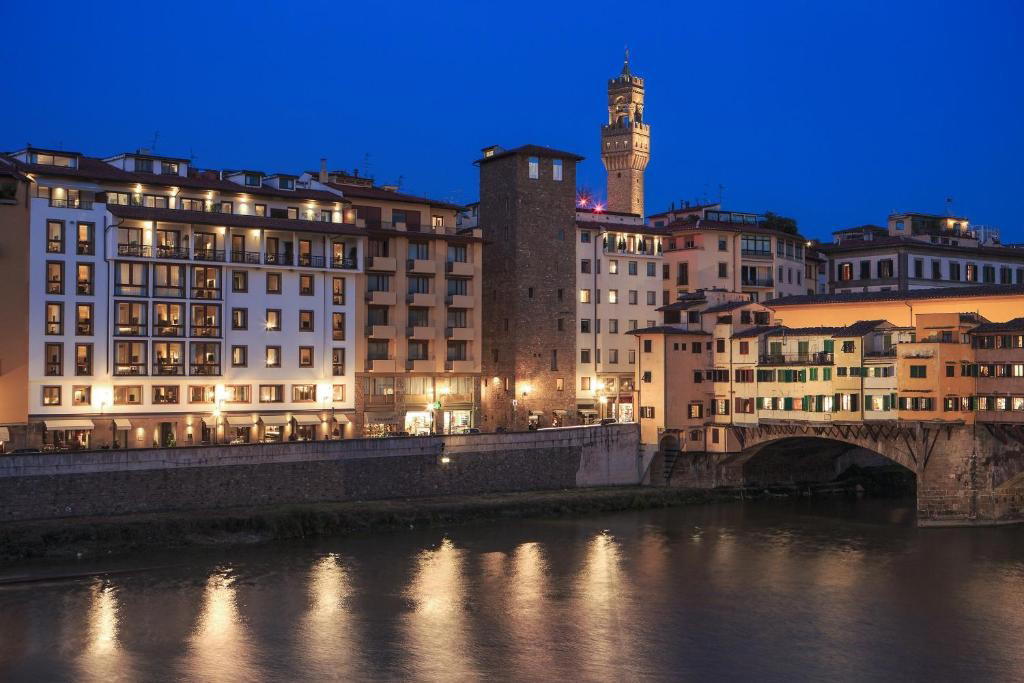
Bars in Florence
Browse all →
Restaurants in Florence
Browse all →
At a Glance
- Modern
- Elegant
- Sophisticated
- Quiet
- Romantic Getaway
- Business Trip
- Weekend Escape
- Waterfront
- Historic Building
- Design Destination
- Terrace
- Wi Fi
- Spa
- Restaurant
- Bar
- Airport Shuttle
- Laundry Service
- Concierge
- Waterfront
- Street Scene
- Wi Fi
- Spa
- Restaurant
- Bar
- Airport Shuttle
- Laundry Service
- Concierge
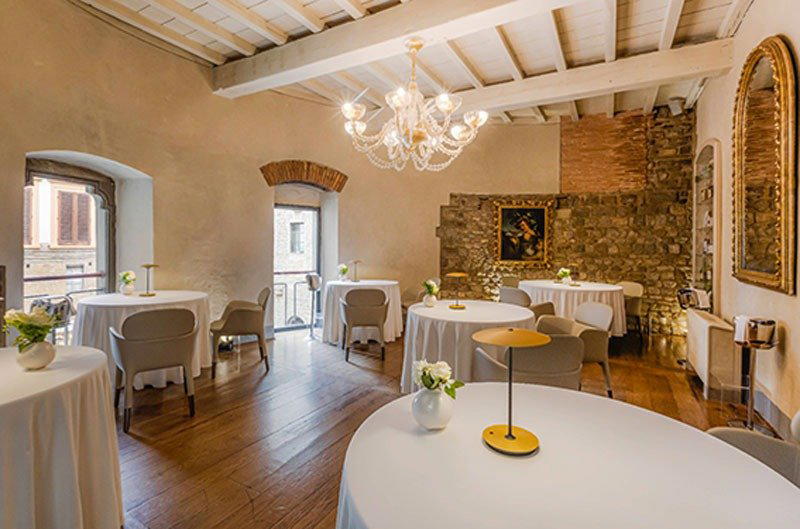
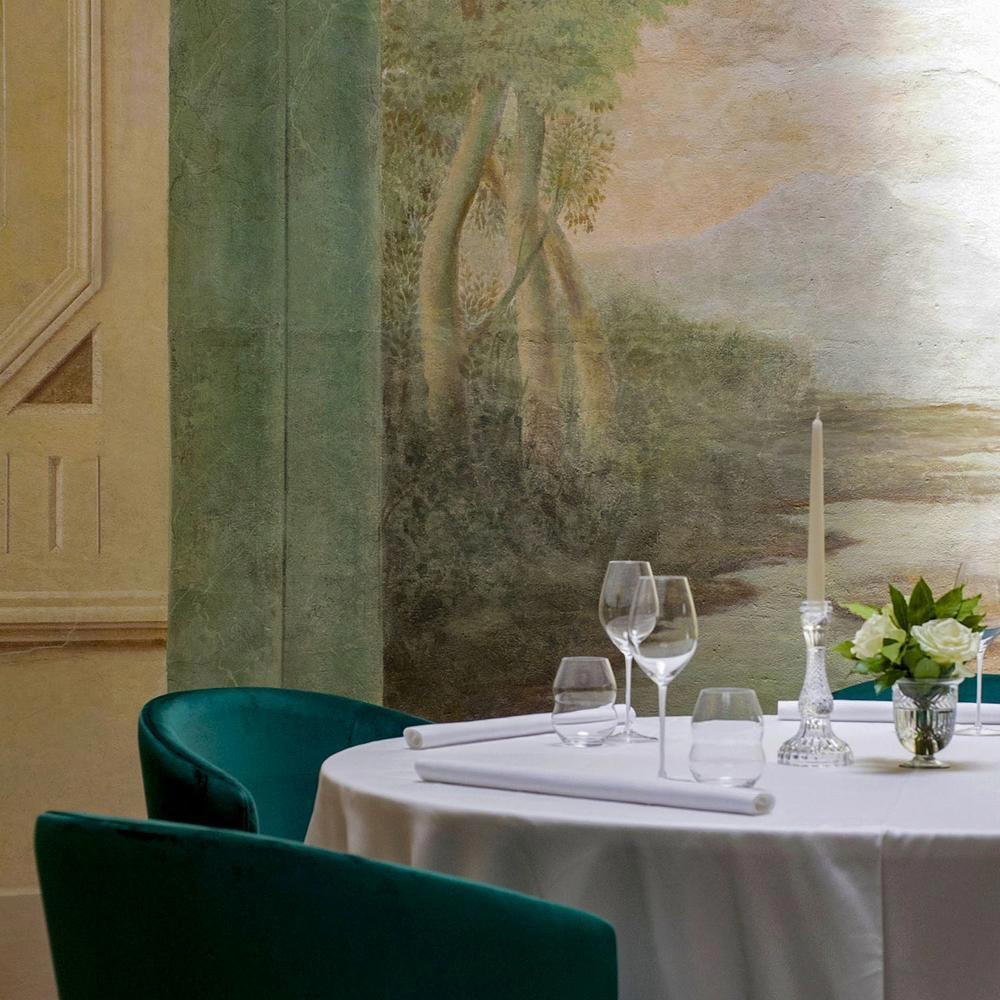
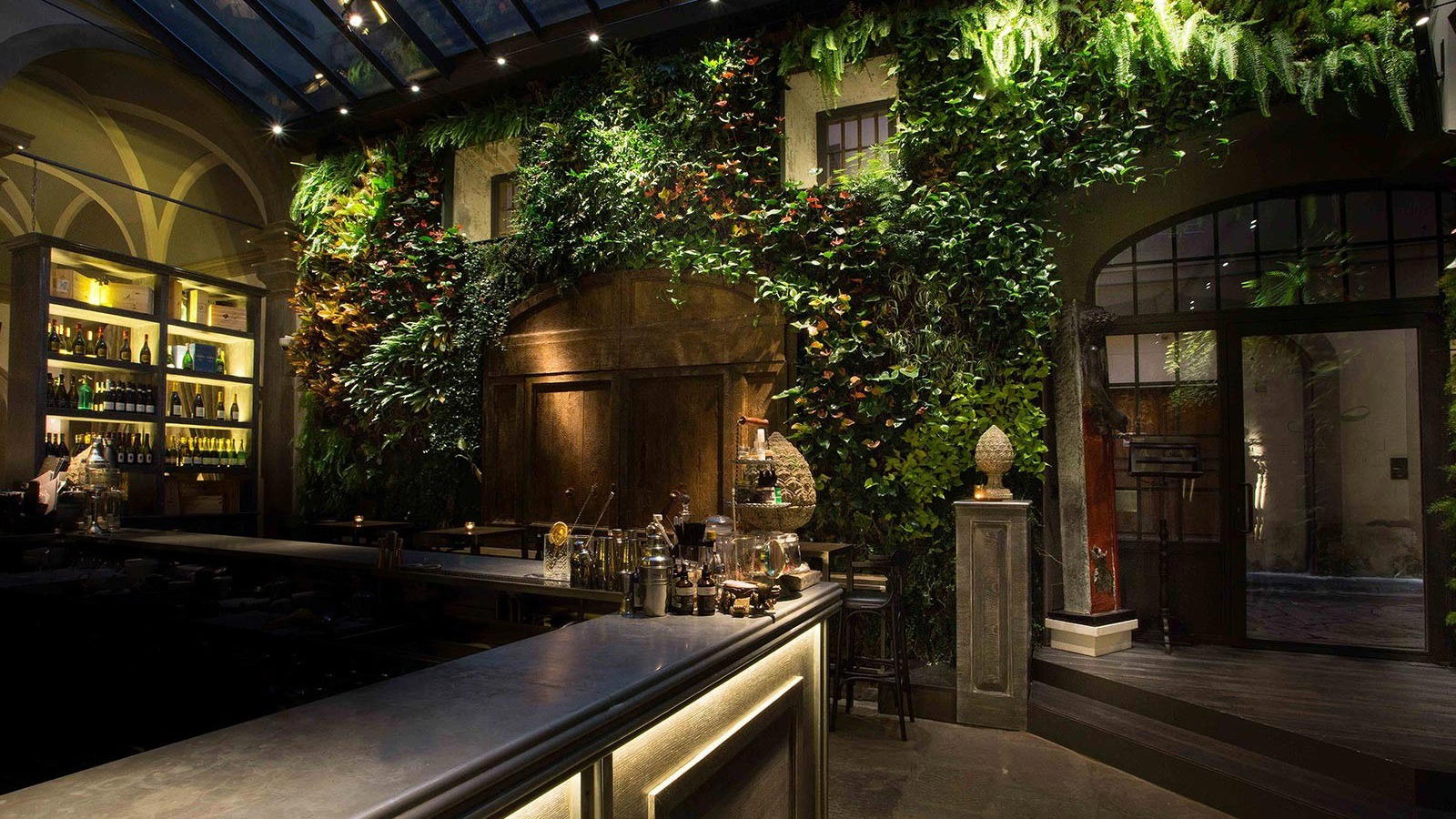
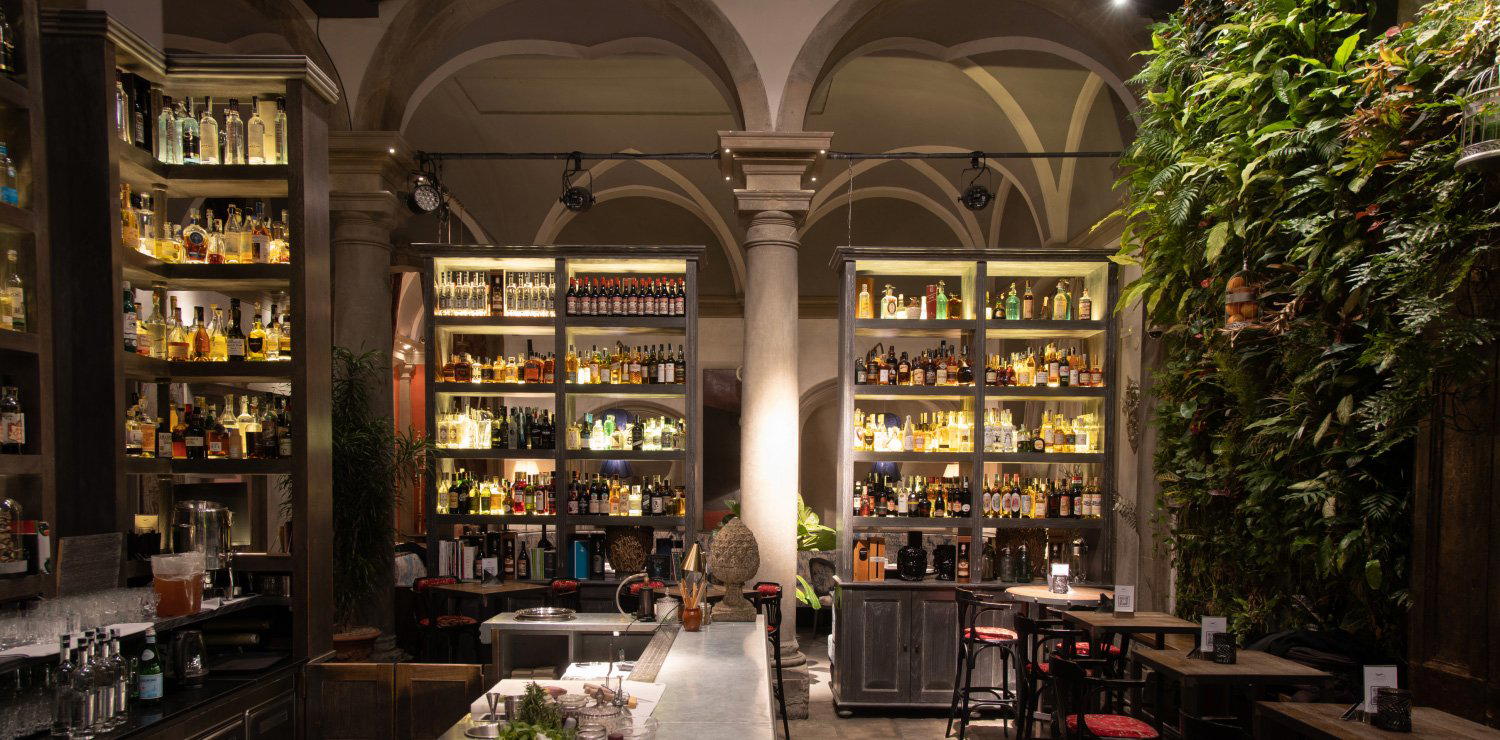
Contemporary minimalist design with high-end finishes, sophisticated lounge-library atmosphere, and refined artistic ambiance throughout.