

1 Michelin Key · Mr & Mrs Smith Seal of Approval
A 16th-century manor house in the heart of La Rioja wine country, Hotel Santa María Briones holds a 2024 Michelin Key and 16 rooms that pair period stone walls with contemporary furnishings. At 256 USD per night, it sits at the upper end of boutique wine-country hotels in northern Spain, with an in-house restaurant, a serious regional wine cellar, and the Vivanco Wine Museum within walking distance.

Pearl is the En Primeur Club membership app, where members save venues, book tables and use the concierge.
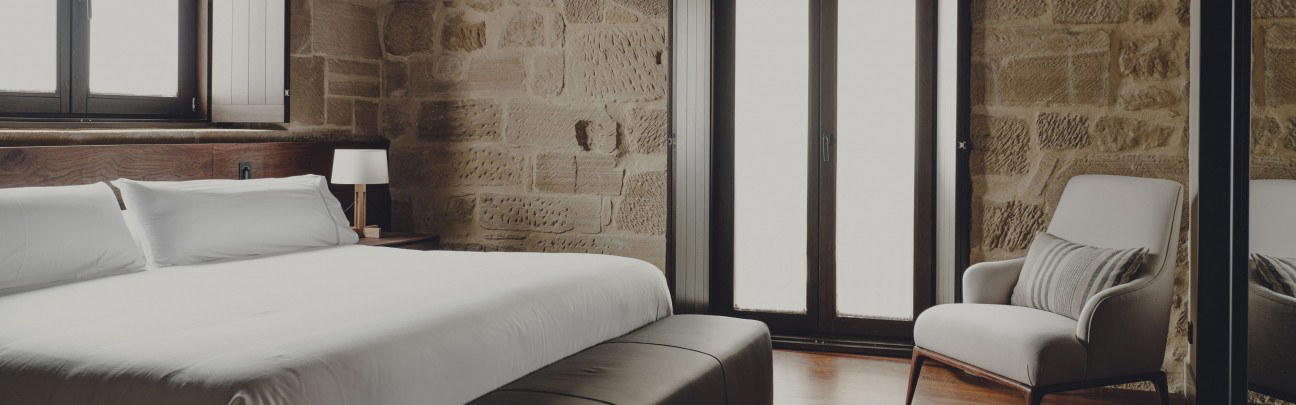
Stone, Light, and the Architecture of Rioja Calm
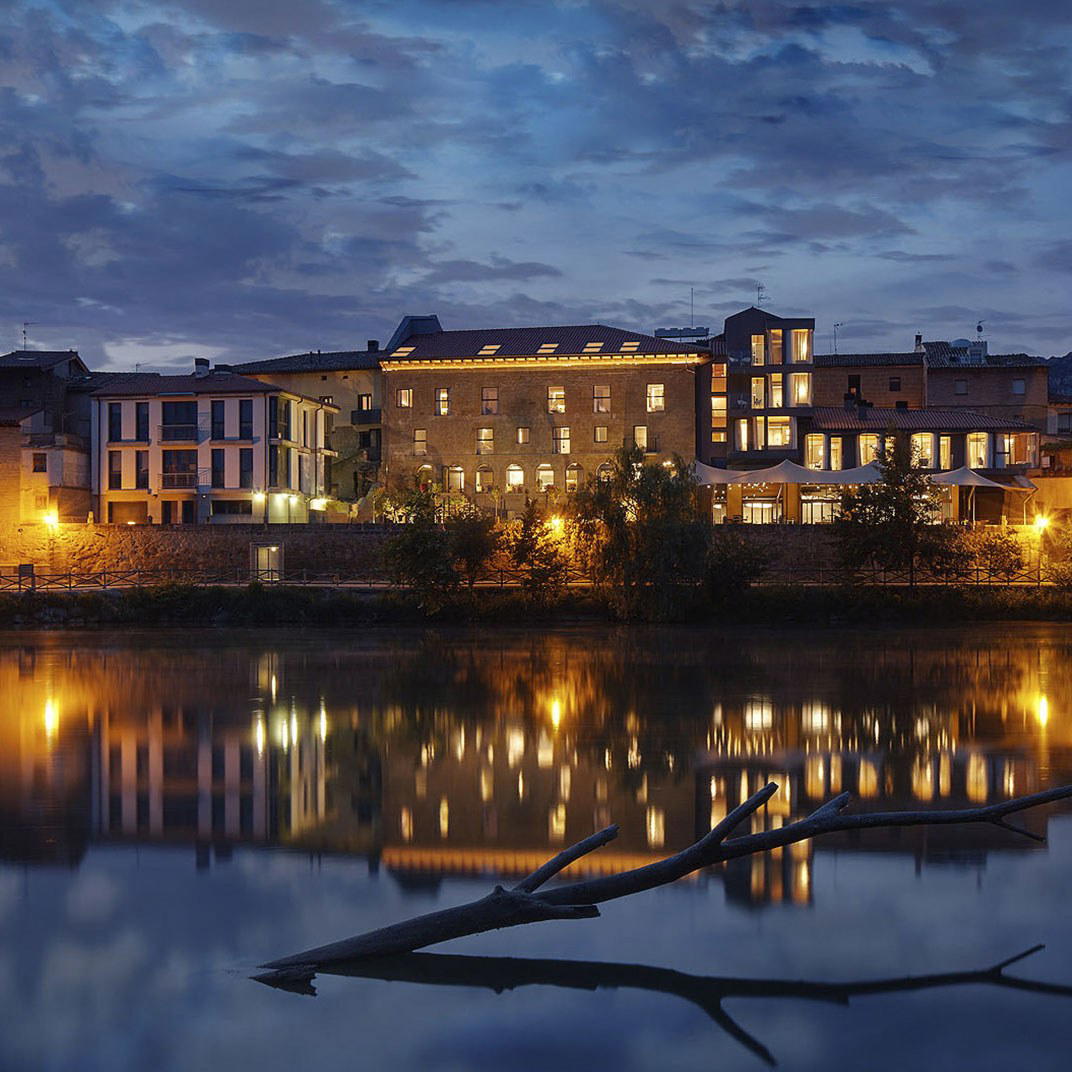
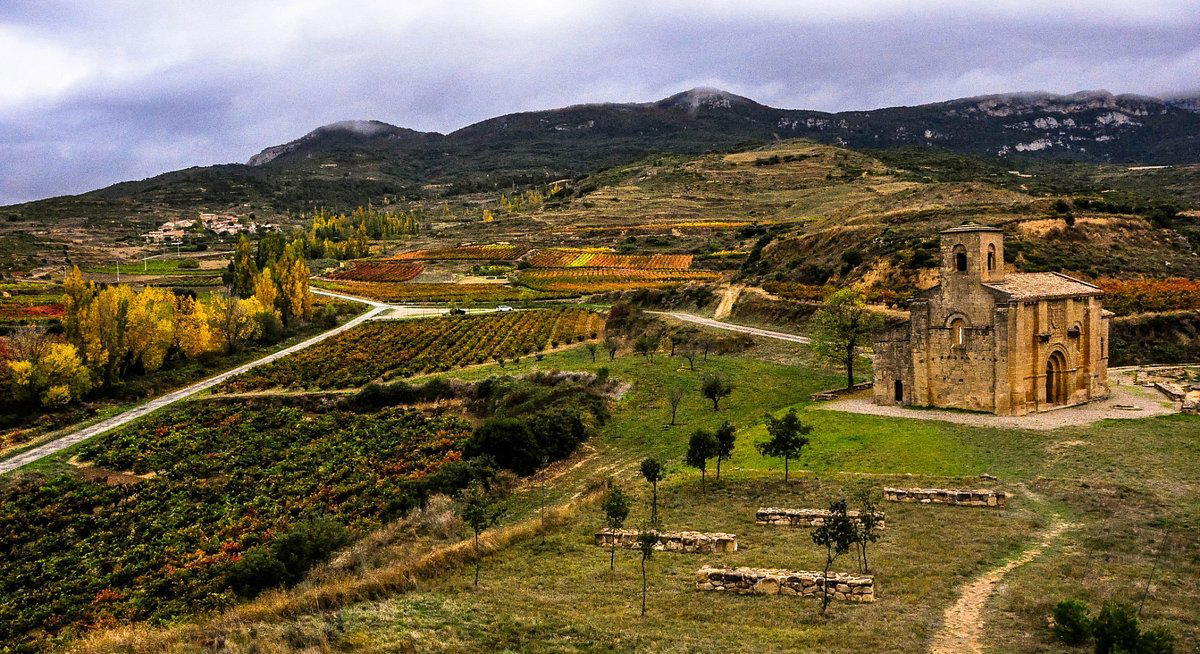
The approach to Briones itself sets the register. The village sits on a sandstone ridge above the Ebro river, its roofline barely changed since the 16th century, the surrounding slopes stitched with vines that have been cultivated here longer than most European wine regions have had formal appellations. In this context, Hotel Santa María Briones does not attempt to impose a new aesthetic on the landscape. It occupies an existing one: a manor house built in the 1500s, its exterior walls of dressed stone absorbing the afternoon light in a way that no modern cladding quite replicates.
Within the broader pattern of wine-country hotel development across Spain, two models have emerged. The first is the winery-resort hybrid, where a producing estate builds accommodation to anchor longer visits and direct sales. The second, rarer format is the village-based boutique property that uses historic architecture as its primary asset, positioning itself as a base from which to move through the wider region. Hotel Santa María Briones belongs to the second category. Its 16 rooms are contained within a single historic structure, its scale deliberately limited, its relationship to Briones the village as important as its relationship to Rioja the wine region. For context on the winery-estate approach taken elsewhere, Abadía Retuerta LeDomaine in Teruel and Torre del Marqués Hotel Spa & Winery in Sardoncillo illustrate the contrast clearly.
The Interior Logic: Period Structure, Contemporary Detail
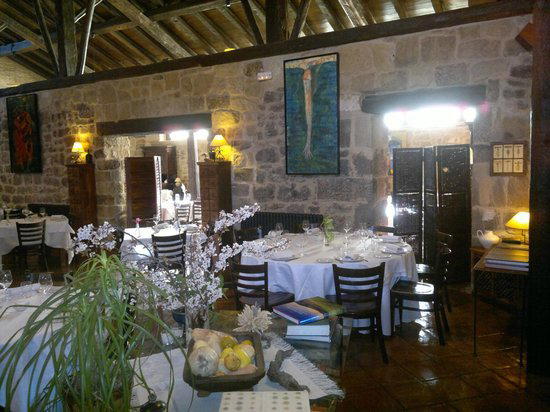
The design approach here follows a logic common to the most convincing historic conversions in Spain: heavy structural elements, the timber beams, thick stone walls, and original masonry, are preserved and made conspicuous rather than concealed behind plaster or uniform finishes. Against these period surfaces, the rooms introduce modern furniture and contemporary textiles in rich colours, a pairing that works not because of aesthetic compromise but because the contrast itself becomes the design statement. The old structure provides weight and permanence; the current fittings provide precision and comfort. Neither element pretends to be the other.
Natural light is used as an active design variable. Rooms can be opened to views of the Ebro river, the surrounding vineyards, or the village itself, depending on aspect, which means the choice of room is also a choice about which version of the Rioja environment you want framing your mornings. At 16 rooms total, the property operates at a scale where this kind of specificity is possible without the logistical complexity of a larger hotel. Comparably scaled historic conversions elsewhere in Spain, such as Atrio Restaurante Hotel in Cáceres and Can Alberti 1740 Hotel Boutique in Mahón, operate in a similar register: small counts, historic shells, contemporary interiors that rely on architectural contrast for their effect.
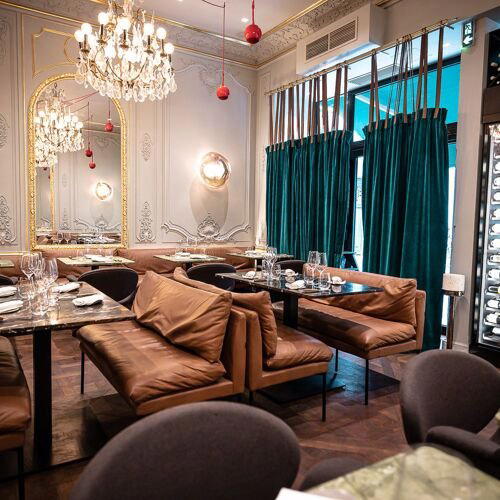
The comforts, by the venue's own account, are high-end and modern despite the subdued aesthetic. This is a pattern across the better boutique hotel conversions in northern Spain, where the instinct is to understate luxury rather than perform it, letting thread counts and water pressure do the work that lobby chandeliers do elsewhere.
Allegar: Rioja on the Plate
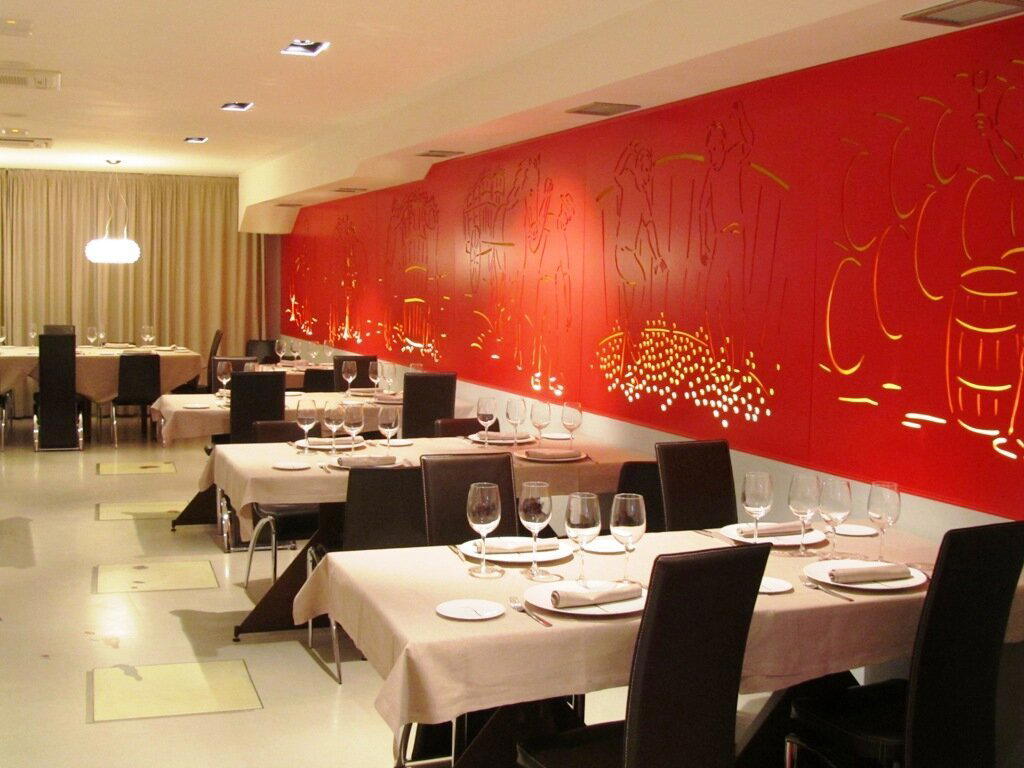
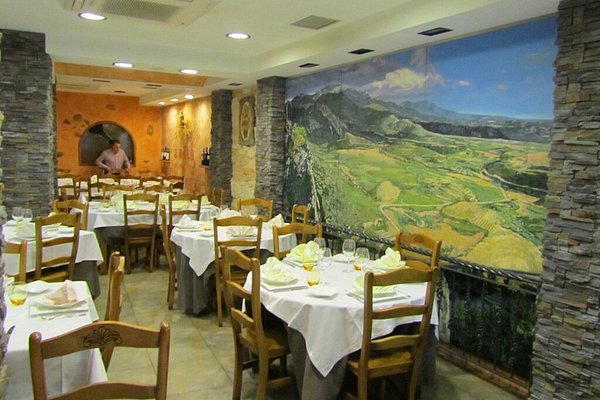
The restaurant, Allegar, is the gastronomic engine of the property. Its position within the hotel reflects a broader shift in how premium wine-country hotels across Europe have structured their food offering: not as a functional amenity, but as a credentialed program that can hold its own in the regional conversation. Chef Juan Cuesta works from the classic flavour vocabulary of the Rioja region and moves it into the register of modern gastronomy, a translation rather than a reinvention. The wine bar component operates in parallel, drawing from a cellar stocked with bottles from local producers across the denomination.
2024 Michelin Key recognition the hotel received places Hotel Santa María Briones within a relatively small cohort of Spanish hotels where the accommodation and culinary programs are both considered worthy of formal recognition. Michelin Keys, introduced to the hotel category in 2024, are awarded on the quality of the overall stay rather than the restaurant alone, which means the distinction reflects the design, the hospitality, and the food program in combination. Among Spanish wine-country hotels, that combined credential is not common.
For comparison, the food-and-hotel pairing model at properties like Pepe Vieira Restaurant & Hotel in Poio or Akelarre in San Sebastián shows how northern Spain has developed a distinctive approach to the restaurant-hotel integration, where the culinary program is the primary draw and the rooms provide the context for staying longer. Hotel Santa María Briones sits within that tradition, though its village scale gives it a quieter register than the Basque coast properties.
The Rioja Context: Why Briones Specifically
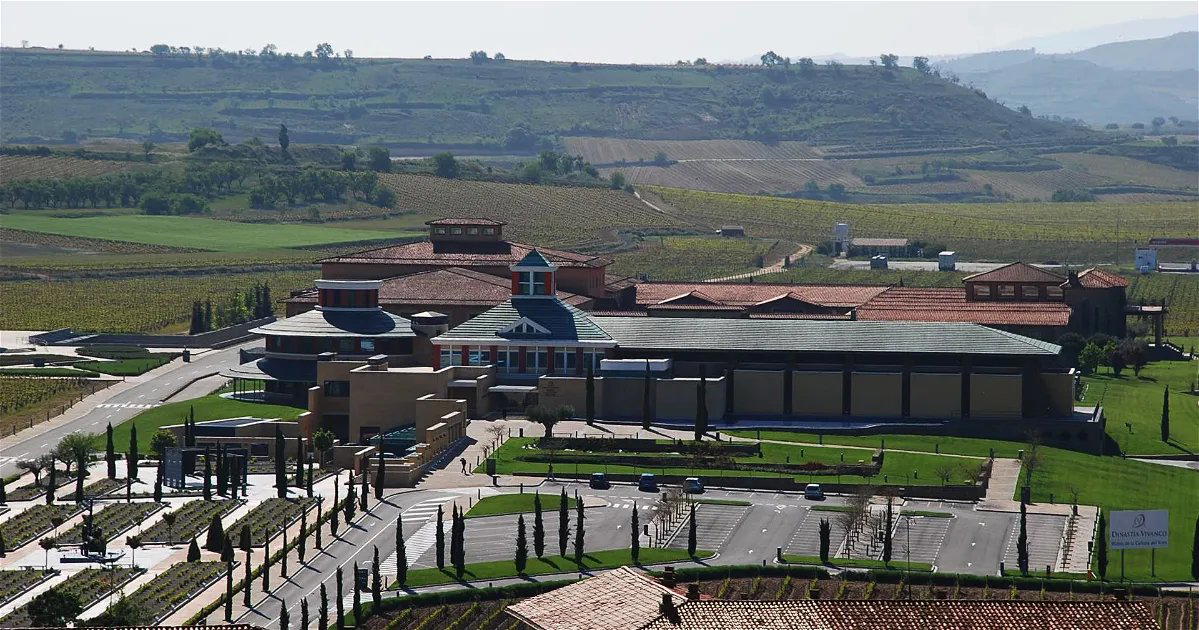
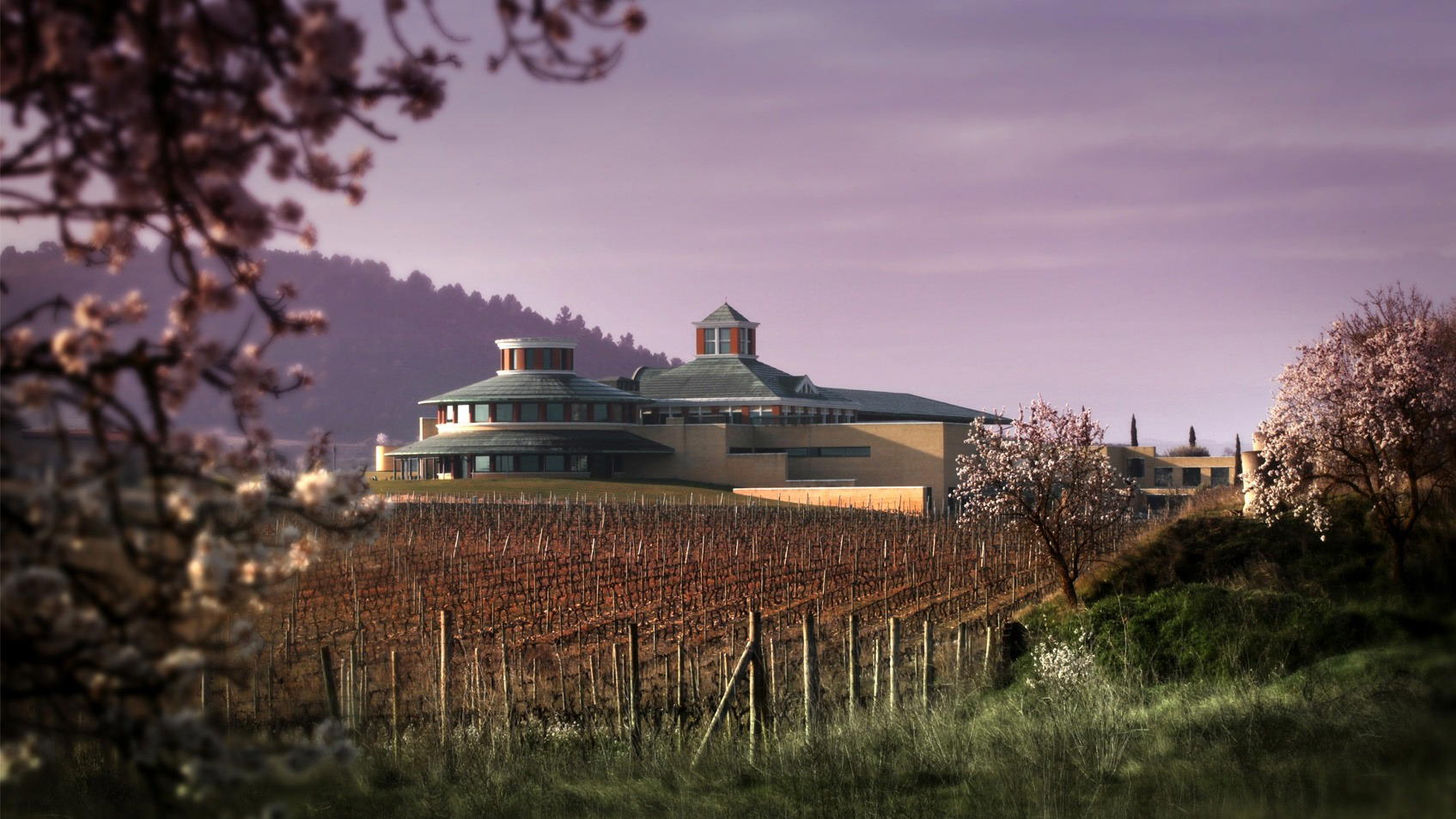
Northern Spain's interior wine regions have historically attracted a narrower visitor profile than the Mediterranean coast, but this has shifted measurably over the past decade as Rioja Alta in particular has gained recognition as a destination in its own right. Briones sits in Rioja Alta, the subregion associated with the most structured and age-worthy expressions of Tempranillo, and the village holds enough architectural coherence to feel like a place worth arriving at rather than passing through. The Vivanco Wine Museum, within walking distance of the hotel, is one of the more substantive wine culture institutions in Spain, which means stays here can be structured around a combination of the cellar, the restaurant, the museum, and the surrounding producer landscape without requiring a car for every excursion.
This positions Hotel Santa María Briones differently from the large resort hotels that occupy the Rioja wine tourism segment, properties that offer wine-branded experiences as a programme but whose scale and aesthetic belong more to the international resort category. At 16 rooms and 256 USD per night, this property is priced and sized for travellers who have made Rioja specifically the destination rather than those passing through on a broader Spanish circuit. See our full Briones restaurants guide for context on the wider dining scene in the village and surrounding area.
Where It Sits in the Spanish Boutique Hotel Market
Spain's premium boutique hotel market has developed several distinct regional identities. The Balearic model, represented by properties like La Residencia, A Belmond Hotel in Mallorca, Hotel Can Cera in Palma, and Hotel Can Ferrereta in Santanyí, tends toward Mediterranean warmth and outdoor living. The Catalan coast model, found at places like Mas de Torrent Hotel & Spa in Torrent and Terra Dominicata in Escaladei, integrates wine culture with rural Catalan architecture. The northern inland model, of which Hotel Santa María Briones is a clear example, uses age, stone, and the specific terroir identity of Rioja as its primary design material. That model is inherently smaller in inventory and more contingent on the specific place.
At the upper end of the Spanish market, urban flagships like Mandarin Oriental Ritz in Madrid and Mandarin Oriental Barcelona operate at a completely different scale and price point. The Michelin Key positions it at the recognised end of that smaller category.
Planning a Stay
At 256 USD per night, the hotel sits in the upper bracket for boutique accommodation in La Rioja, a region where most lodging options are priced considerably lower. The 16-room count means availability at peak harvest periods, September and October in particular, requires advance planning. Briones is accessible by road from Logroño (around 30 kilometres), which has rail connections to Madrid and Bilbao. Guests combining the stay with a wider northern Spain itinerary will find the property a practical base for the Rioja Alta producing villages. For a broader look at comparable wine-country accommodation programs across Spain and beyond, Cap Rocat in Cala Blava, A Quinta da Auga Hotel & Spa in Santiago de Compostela, and Canfranc Estación in Canfranc-Estación provide useful reference points for how Spanish historic-building conversions handle the tension between architectural fidelity and modern hotel comfort.
Fast Comparison
Comparable venues nearby, for context on price, style, and recognition.
| Venue | Cuisine | Price | Awards | Notes |
|---|---|---|---|---|
| Hotel Santa María BrionesThis venue (the venue you are viewing) | Historic boutique blending stone walls with modern luxury design | Not listed | 1 Michelin Key · Mr & Mrs Smith Seal of Approval | Not listed |
| Lasala Plaza Hotel | Historic building with modern luxury renovations | Not listed | 1 Michelin Key | San Sebastián Centro |
| Hotel Villa Favorita | Historic villa converted boutique hotel | $100–200 | 1 Michelin Key · Mr & Mrs Smith Seal of Approval | La Concha |
| Castillo del Buen Amor | Restored 15th-century castle blending historical charm with boutique luxury | $100–200 | 1 Michelin Key | Topas |
| Hotel Cortijo del Marqués | Restored historic Andalusian cortijo with thick stone walls, patios, fountains, and outbuildings turned into characterful suites. | $200–300 | 1 Michelin Key · Mr & Mrs Smith Seal of Approval | Albolote |
| Helguera Palacio Boutique & Antique | Restored 17th-century palace with bespoke antique decor | $500–750 | 1 Michelin Key · Relais Chateaux Award | Las Presillas |
Recognition history
Dated appearances from independent guides and award organizations, with the underlying list record or original source where available.
Michelin 1 Key
Michelin
Mr & Mrs Smith Seal of Approval
Mr & Mrs Smith
Full recognition history (4 entries)
Michelin 1 Key
Michelin
Michelin 1 Key
Michelin
Continue exploring
More in Briones
Hotels in Briones
All hotels in Briones →
Bars in Briones
Browse all →
Restaurants in Briones
All restaurants in Briones →
Details
- Romantic
- Elegant
- Quiet
- Cozy
- Sophisticated
- Romantic Getaway
- Anniversary
- Weekend Escape
- Historic Building
- Terrace
- Panoramic View
- Wi Fi
- Fitness Center
- Restaurant
- Bar
- Room Service
- Concierge
- Garden
- Vineyard
- Wheelchair Accessible
- Elevator
Soft lighting in comfortable lounges, soundproof rooms, cozy shared spaces with art books and fireplace, serene courtyard atmosphere.