Alejandro Serrano



1 Michelin Star · Guía Repsol 1 Sol · Macarfi 7.9 Food Rating
Our verdict
Alejandro Serrano distills Castilla y León’s soul through a poised, contemporary lens, crafting tasting menus that balance memory, emotion, and aesthetic precision. Drawing on formative training at the Basque Culinary Center and luminary kitchens such as Azurmendi, Coque, and DiverXO, Serrano returns to his roots with two distinct narratives: Aquende, a tribute to regional ingredients and time‑honored flavors; and Allende, a refined, sea‑forward journey that feels quietly radical in landlocked León. In an elegant, modern setting, guests experience cuisine that is intimate yet ambitious, where each course reveals a thoughtful dialogue between terroir, technique, and feeling.

Pearl is the En Primeur Club membership app — saves, bookings, and concierge access live there. Same editors, same standards.
- Address
- C. Alfonso VI, 49, 09200 Miranda de Ebro, Burgos, Spain
- Phone
- +34 947 31 26 87
- Hours
- Mon–Tue ClosedWed–Sun 2–3:30 PM
- Website
- serranoalejandro.es
- Directions
- Get directions
- Booking
- Book on TheFork
The menu
What to order
- Bosque Marino S
- Bosque Marino L
- Ensalada Rosa
- Pasta Carbonara
An Inland Sea in the Heart of Castile
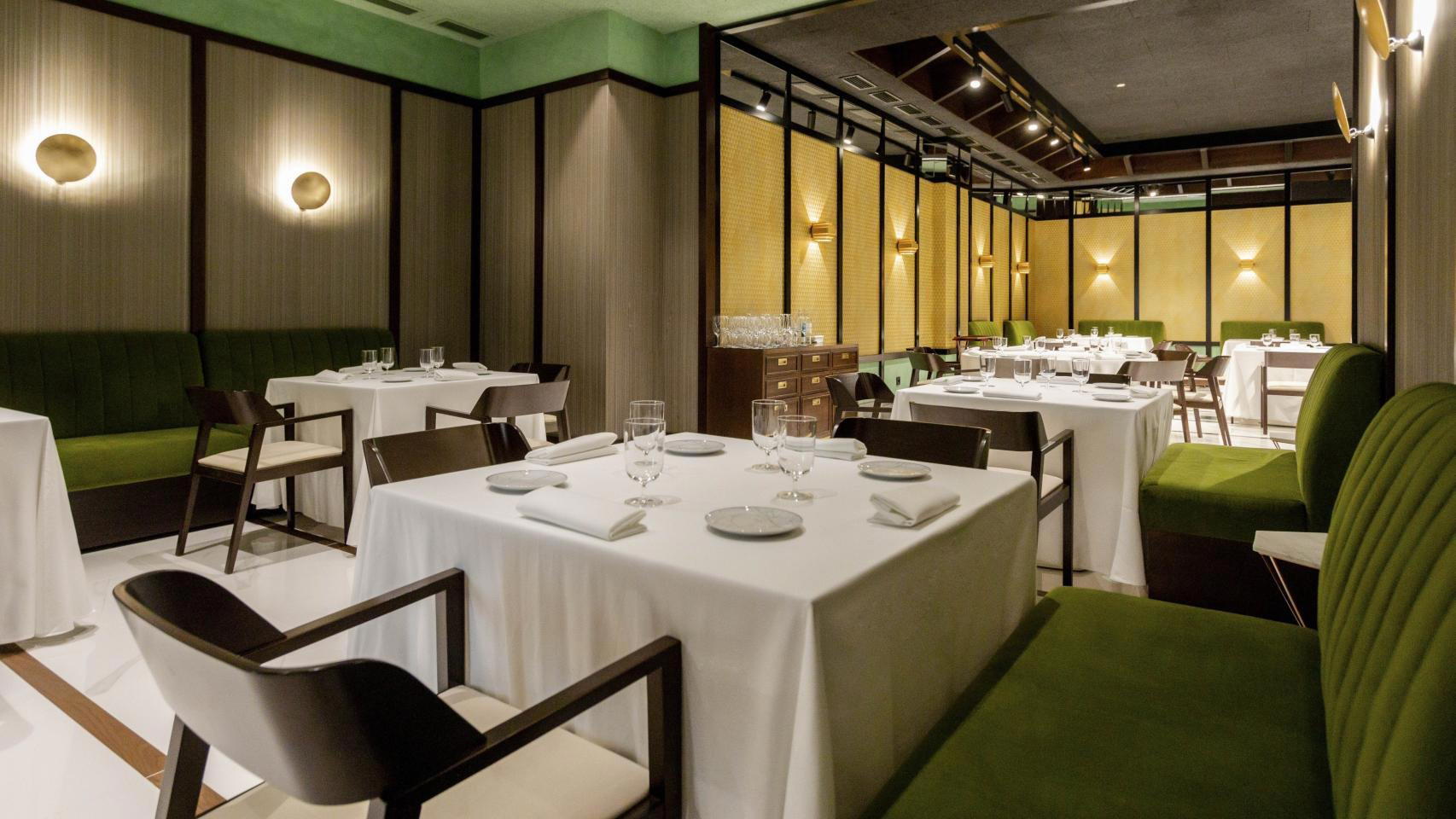
Miranda de Ebro sits on the rail corridor between Madrid and Bilbao, a mid-sized Castilian city that most travellers pass through rather than stop in. The restaurant at Calle Alfonso VI, 49 occupies that contradiction deliberately. The dining room reads as contemporary without being cold: clean lines, considered lighting, a quietness that focuses attention on what arrives at the table rather than on ambient performance. It is the kind of room that signals the kitchen has decided to do the heavy lifting.
Spanish fine dining has long been concentrated in a handful of recognisable corridors: the Basque Country, Catalonia, the Valencian coast, Madrid. The emergence of a Michelin-starred table in a provincial Castilian city of around 35,000 people is itself an editorial statement about where ambitious cooking can take root. Arzak in San Sebastián and El Celler de Can Roca in Girona drew the map of Spanish gastronomy around certain postal codes. Alejandro Serrano is drawing a different kind of map.
El Mar de Castilla: Where the Ingredient Story Begins
The conceptual engine of the kitchen here is a culinary-historical idea the chef calls "El Mar de Castilla." It requires a brief explanation that unlocks the entire menu. Castile is landlocked, hundreds of kilometres from the nearest coast, yet for centuries its inland markets ran on salted and aged fish: salt cod, dried anchovies, preserved tuna. The logistics of pre-refrigeration trade meant that the region developed a sophisticated relationship with cured and transformed seafood, not as a poverty substitute but as a distinct ingredient category with its own flavour grammar. Salting concentrates, drying intensifies, curing adds depth that fresh fish cannot replicate. That tradition is the sourcing philosophy here.
This is an ingredient story about time and transformation rather than proximity and freshness. It places the kitchen in an interesting comparative position against Spain’s coast-facing restaurants. Aponiente in El Puerto de Santa María draws meaning from its estuarine location; Quique Dacosta in Dénia works from Mediterranean immediacy. The approach in Miranda de Ebro inverts that logic entirely, treating distance from the sea as a generative condition rather than a limitation. The aged and salted traditions of the Castilian interior become the point, not a workaround.
That distinction matters for how you read what arrives on the plate. The sourcing is not about farm-to-table proximity or named fishing ports. It is about a category of ingredient preparation that carries centuries of regional logic. The kitchen uses those preserved and transformed seafood traditions as a foundation, then builds upward through contemporary technique. The Michelin guide’s assessment of the restaurant’s working philosophy references three organising concepts: flavour, feeling, and aesthetics. All three arrive through the lens of that core ingredient framework.
The Tasting Menu Format and What It Signals
The menu structure is two tasting formats: Bosque Marino S, the shorter version, and Bosque Marino L, the longer one. The naming reinforces the maritime-forest conceptual framing that runs through the kitchen’s identity. Both menus sit at the €€€€ price tier, positioning the restaurant at the upper bracket of Miranda de Ebro’s dining options and within the broader Spanish tasting-menu tier occupied by one-star houses elsewhere in the country.
In the Spanish fine-dining context, the two-length tasting menu format has become a practical standard at this level. It allows first-time visitors to calibrate their investment while offering returning guests a deeper experience. Azurmendi in Larrabetzu and Martin Berasategui in Lasarte-Oria, both operating at higher star counts, use similar structural logic. At the one-star level, the format signals seriousness of intent without requiring the kind of multi-hour commitment that can feel burdensome on a weekday afternoon.
The kitchen’s training lineage adds context for where the technical register sits. The Basque Culinary Center in Bilbao is Spain’s most rigorous formal training institution for contemporary cooking. Azurmendi represents the sustainability-focused, terroir-grounded strand of Basque haute cuisine. DiverXO in Madrid, where training also took place, operates at the maximalist, boundary-pushing end of Spanish creativity, holding three Michelin stars and a reputation for theatrical provocation. Coque, the Madrid house also listed in the formative stages, works at a different register again: a family-run multi-generational project with precise classical foundations. The combination suggests a kitchen that can work across tonal registers, from technical rigour to flavour-first directness.
Miranda de Ebro in the Broader Dining Picture
Within the city itself, the dining scene is small enough that peer positioning is legible at a glance. Erre de Roca operates in the contemporary tier with its own Michelin recognition, making Miranda de Ebro a two-Michelin-restaurant city, which is disproportionate to its size and demographic profile. La Vasca represents the traditional Castilian register at a considerably lower price point, and Alex Cool Club adds a different character to the city’s evening options. The concentration of serious cooking in a mid-sized provincial city has parallels with smaller European cities where a single restaurant of genuine ambition reshapes how the place is perceived from outside.
Internationally, the category of formally trained chefs returning to overlooked home towns to open destination restaurants is a recognisable contemporary pattern. Frantzén in Stockholm and FZN by Björn Frantzén in Dubai represent the globalised high-end version of that model. The Miranda de Ebro version is more rooted, more specific to a particular regional food history, and operates without the scaffold of an international-city dining scene to support it.
For guests approaching from outside the city, Miranda de Ebro is accessible by train on the Madrid-Bilbao line, which makes it a plausible stopover or deliberate detour. The restaurant’s service window runs Wednesday through Sunday, lunch only, from 2 PM to 3:30 PM, with Monday and Tuesday closed. That compressed schedule is common at this level of Spanish fine dining, where kitchen focus is prized over availability. Anyone planning a visit should treat the booking as the first logistical priority, not an afterthought.
For a fuller picture of what else Miranda de Ebro offers, see our full Miranda de Ebro restaurants guide, our full Miranda de Ebro hotels guide, our full Miranda de Ebro bars guide, our full Miranda de Ebro wineries guide, and our full Miranda de Ebro experiences guide. The city is smaller than its culinary ambition suggests, and a single day is enough to build a coherent programme around the meal.
Compared with the broader Spanish one-star tier that includes restaurants at Cocina Hermanos Torres in Barcelona, the Miranda de Ebro table makes a different kind of argument: that the depth of a regional food tradition, applied with technical seriousness, does not require a major city audience to find its level. The 2024 Michelin Star awarded to the restaurant is the external confirmation of an internal logic that was always coherent on its own terms.
Planning Your Visit
The restaurant operates Wednesday through Sunday for lunch only, with service from 2 PM to 3:30 PM. It is closed on Mondays and Tuesdays. The address is Calle Alfonso VI, 49, 09200 Miranda de Ebro, Burgos. The €€€€ price tier places this alongside comparable one-star Spanish tasting-menu formats; plan your budget accordingly and allocate time for the longer Bosque Marino L format if the itinerary allows.
Frequently asked questions
at Alejandro Serrano?
The kitchen offers two tasting menu formats: Bosque Marino S and Bosque Marino L. Both are built around the "El Mar de Castilla" concept, which draws on Castile’s historical tradition of aged and salted fish. The longer menu, Bosque Marino L, gives the kitchen more space to develop the ingredient narrative across more courses and is the format for anyone making a special trip. The Michelin guide specifically singles out the cuisine’s focus on flavour, feeling, and aesthetics as the organising philosophy, so the tasting menu format, rather than any single dish, is the correct frame for the experience here.
How It Stacks Up
| Venue | Cuisine | Price | Awards | Notes |
|---|---|---|---|---|
| Alejandro SerranoThis venue — the venue you are viewing | Contemporary Spanish Fine Dining | $100–150 | 1 Michelin Star · Guía Repsol 1 Sol | Not listed |
| Erre de Roca | Modern Spanish Fine Dining | $50–100 | 1 Michelin Star | Contemporary |
| La Vasca | Traditional Spanish Basque | $20–30 | Michelin Bib Gourmand · Macarfi 7.2 Food Rating | Not listed |
| Alex Cool Club | Contemporary Spanish | $30–50 | Michelin Plate · Macarfi 7.2 Food Rating | Not listed |
Recognition history
Dated appearances from independent guides and award organizations, with the underlying list record or original source where available.
Michelin 1 Star
Michelin
Guía Repsol 1 Sol
Guía Repsol
Macarfi 7.9 Food Rating
Macarfi
Full recognition history (5 entries)
Michelin 1 Star
Michelin
Michelin 1 Star
Michelin
Continue exploring
More in Miranda de Ebro
Restaurants in Miranda de Ebro
Browse all →
Bars in Miranda de Ebro
Browse all →
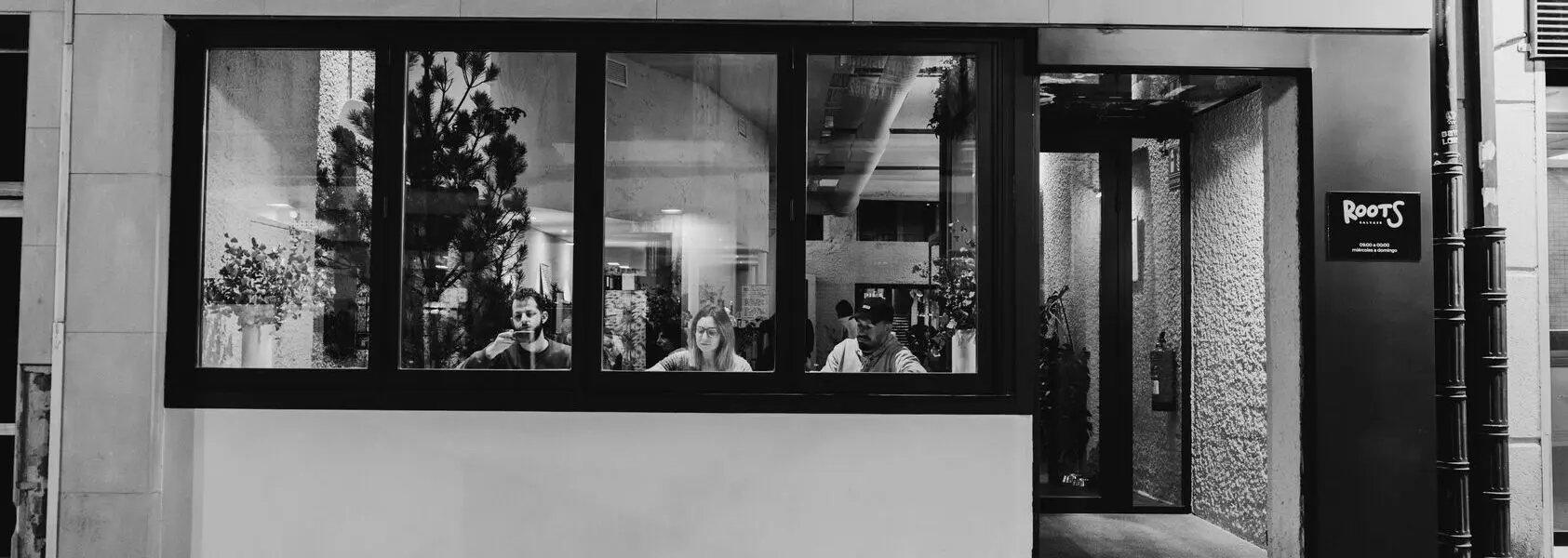
Hotels in Miranda de Ebro
Browse all →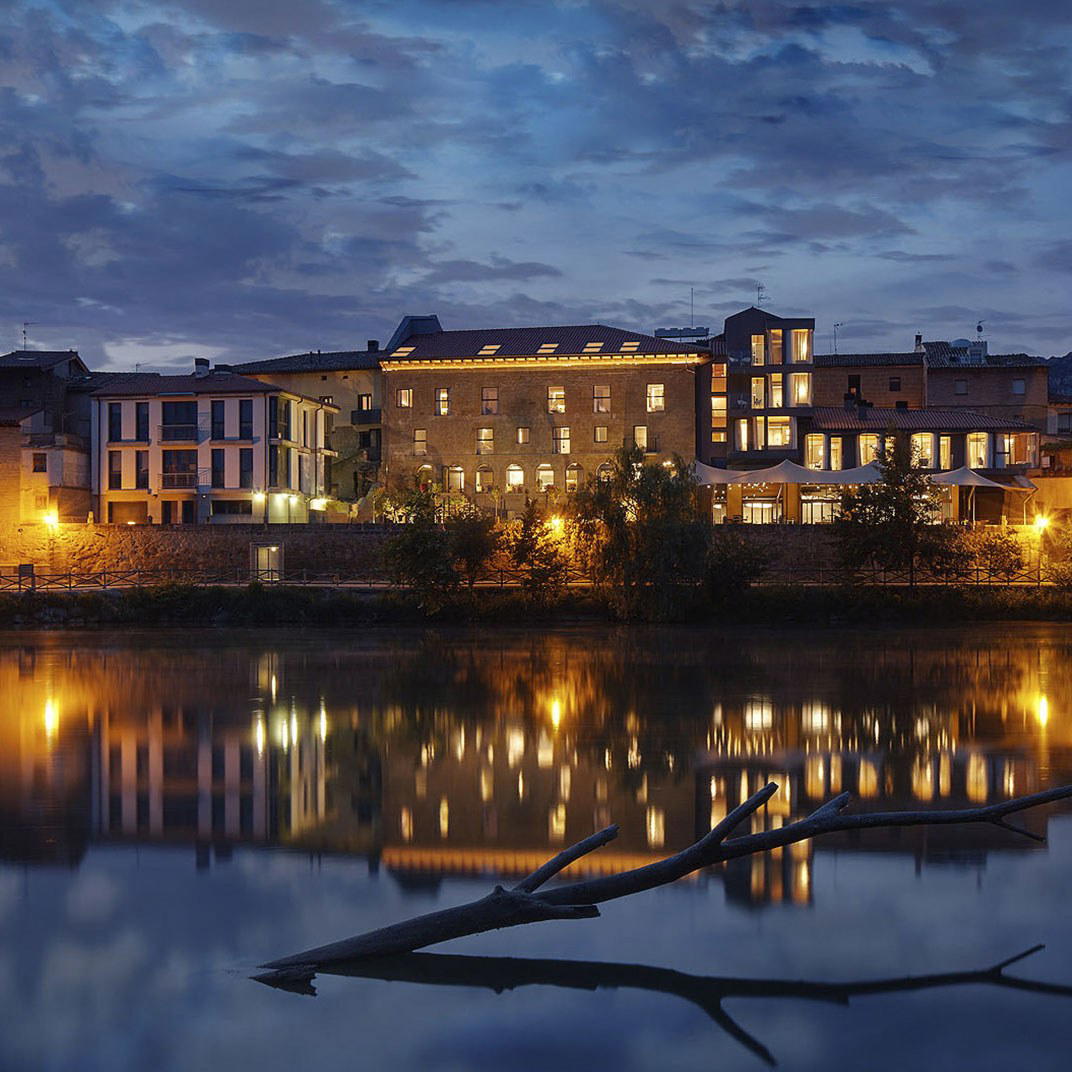
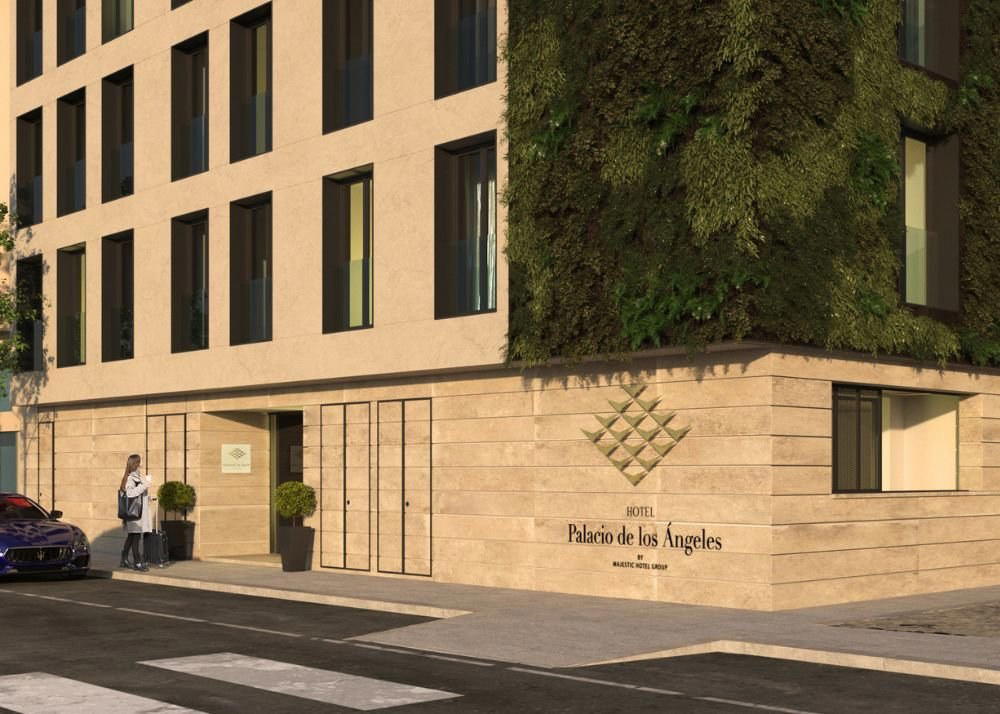
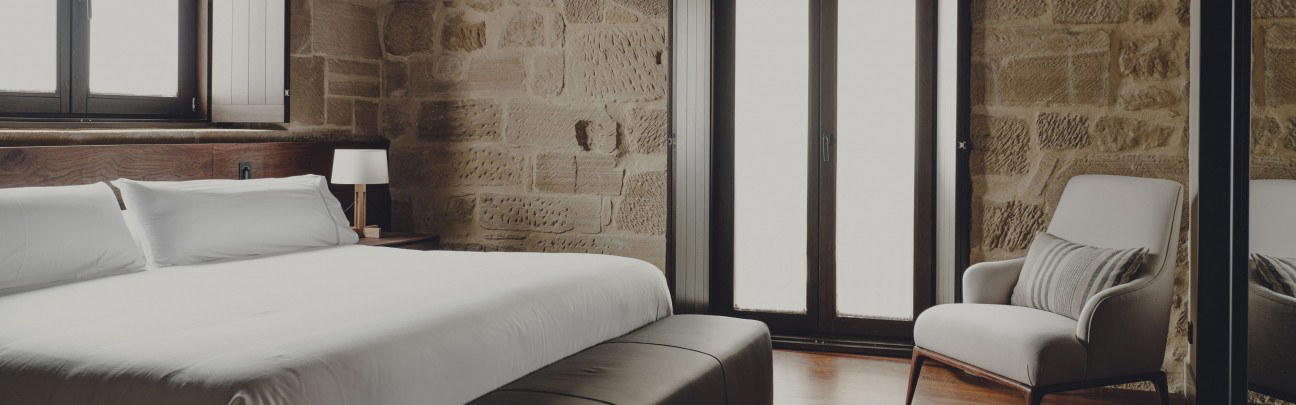
Details
- Elegant
- Intimate
- Modern
- Sophisticated
- Whimsical
- Date Night
- Celebration
- Special Occasion
- Open Kitchen
- Design Destination
- Standalone
- Sommelier Led
- Local Sourcing
- Tasting Menu
- Prix Fixe
- Wine Pairing
- Vegetarian Friendly
- Vegan Options
- Pescatarian Friendly
- Allergy Accommodating
Current opening hours
- Monday
- Closed
- Tuesday
- Closed
- Wednesday
- 2–3:30 PM
- Thursday
- 2–3:30 PM
- Friday
- 2–3:30 PM
- Saturday
- 2–3:30 PM
- Sunday
- 2–3:30 PM
Hours can change for holidays and private events. Last verified .
Elegantly contemporary and minimalist space with sober charm, prudently separated tables, and carefully curated lighting that creates an intimate, refined atmosphere conducive to focused culinary appreciation.