Lumbre



Michelin Plate · Guía Repsol 1 Sol · Macarfi 8.7 Food Rating
Our verdict
Set inside a 17th-century bodega in Casalarreina, La Rioja, Lumbre holds consecutive Michelin Plate recognition (2024 and 2025) and structures its kitchen around three distinct tasting menus. The experience opens in underground calados — historic wine-ageing tunnels — before moving through elegant dining rooms fitted for both small parties and groups. Price range sits at €€€, placing it among the more serious contemporary tables in rural Rioja.

Pearl is the En Primeur Club membership app — saves, bookings, and concierge access live there. Same editors, same standards.
- Address
- Tr.ª Jardines, 15, 26230 Casalarreina, La Rioja, Spain
- Phone
- +34 941 32 41 22
- Hours
- Mon–Tue 1:30–3:30 PMWed ClosedThu–Sun 1:30–3:30 PM
- Website
- lumbrerestaurante.com
- Directions
- Get directions
- Booking
- Book on the venue's website
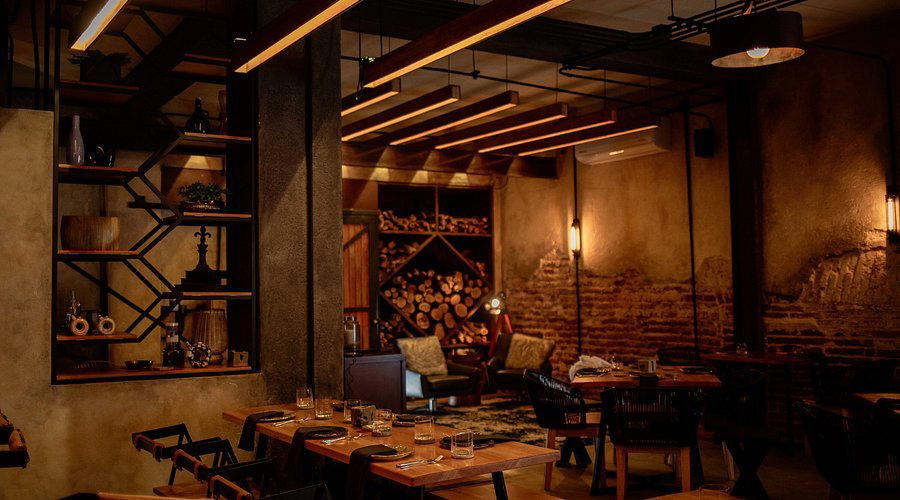
Stone, Smoke, and the Weight of Rioja's Wine Country
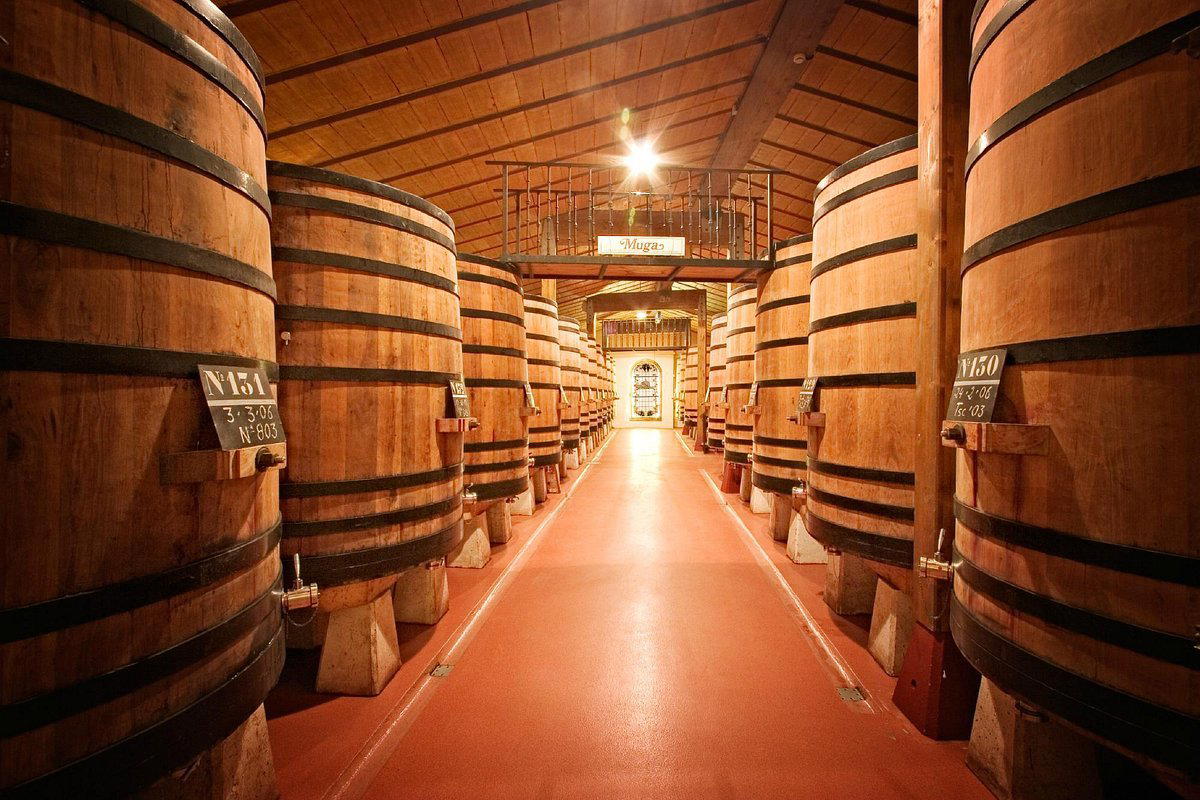
There is a particular kind of gravity that comes with eating inside a building older than most modern nations. In Casalarreina, a small town in La Rioja where the architecture still belongs to an earlier century, Lumbre occupies a 17th-century bodega — a structure built not to impress diners but to store and age wine. The thick stone walls, the vaulted ceilings, the subterranean passages that predate any conversation about contemporary Spanish cuisine: all of it creates a context that no amount of interior design budget can manufacture. The physical environment here is not decoration; it is an argument about where this food comes from and what it is trying to say.
Rioja is one of the most recognized wine regions in Spain, yet its villages remain largely absent from the kind of restaurant tourism that animates San Sebastián or Barcelona. Lumbre has held a Michelin Plate in both 2024 and 2025 — a signal of consistent kitchen quality, if not yet the star recognition earned by destinations like Arzak in San Sebastián or Azurmendi in Larrabetzu. The Michelin Plate does not carry the cultural weight of a star, but two consecutive years of recognition suggests the inspectors are watching, and that the kitchen is not coasting.
Beginning Underground: The Calados Ritual
The structure of the experience at Lumbre reflects a self-conscious relationship with Riojan history. Meals begin in the calados, the underground tunnels that run beneath the bodega and once served as the ageing cellar for the wines stored above. In Rioja's viticultural past, these subterranean passages were functional, not theatrical; the cool, stable temperature was simply what the wine required. At Lumbre, they have been repurposed as the setting for the opening sequence of appetisers, called La Huerta, before guests move into the main dining rooms for the tasting menu proper.
This approach mirrors a broader shift in high-end Spanish dining over the past decade, where the physical and cultural heritage of a site is treated as part of the meal's architecture rather than background scenery. Places like El Celler de Can Roca in Girona and Quique Dacosta in Dénia have established that in Spain, a restaurant's sense of place can be as deliberate as its technique. Lumbre's calados sequence reads as a regional variation on that principle, rooted specifically in the wine culture that has shaped La Rioja's economy and identity for centuries.
Three Menus, One Kitchen's Position
Lumbre does not offer an à la carte option. The kitchen works exclusively through three tasting menus: Origen, available midweek only; Fuego; and the eponymous Lumbre. The decision to restrict the format this way is consistent with how serious contemporary Spanish restaurants position themselves, prioritising kitchen coherence and seasonal pacing over the flexibility that larger volumes of covers might require. At €€€ pricing, Lumbre sits a tier below the flagship Spanish addresses that command €€€€ (operations like DiverXO in Madrid or Aponiente in El Puerto de Santa María), but the format discipline is comparable.
The differentiation between the three menus appears to reflect both budget and occasion, Origen's midweek-only availability positions it as the accessible entry point, while Fuego and Lumbre presumably offer greater depth and length. For guests travelling specifically for the meal, the Lumbre menu is the natural choice; for those combining a visit with wine country exploration, Origen provides a lighter commitment.
The Bodega as Dining Architecture
Beyond the calados, the full building encompasses multiple spaces that allow Lumbre to function differently depending on the size and nature of a booking. Individual guests and small groups occupy the principal dining rooms; larger parties can be accommodated within the broader bodega structure. An attic-style lounge serves as a post-dinner setting for drinks, which extends the arc of the evening beyond the table and gives the experience a more residential, unhurried rhythm. That approach to spatial sequencing, aperitivo in the underground tunnels, dinner in the vaulted rooms, drinks in the upper lounge, creates a version of the extended Spanish meal that is physically embedded in the building rather than simply cultural habit.
In a regional context, this architecture of spaces distinguishes Lumbre from more direct village restaurants in La Rioja. For guests exploring the broader Rioja wine region and looking for a dining anchor that reflects the area's viticultural culture as well as its contemporary kitchen ambitions, the bodega setting does considerable work. Compare the offer at La Vieja Bodega, Casalarreina's other notable dining address, which operates in a more traditional register, and Lumbre reads as the contemporary counterpart, the same materials and geography, a different set of culinary intentions.
Cultural Roots and Regional Identity
Contemporary Spanish cuisine has spent decades building a reputation for technical innovation, from the molecular work that came out of Ferran Adrià's kitchen at elBulli to the more recent produce-led restraint practised at addresses like Mugaritz in Errenteria or Martin Berasategui in Lasarte-Oria. What is less commonly documented is how that ambition has migrated into smaller regional towns where the agricultural substrate is genuine and the hospitality infrastructure is thinner. Lumbre's position in Casalarreina is an example of that migration: a kitchen operating at tasting-menu level, with consecutive Michelin recognition, in a village that most international visitors would pass through on the way to a wine estate visit rather than stop in for dinner.
La Rioja's identity is inseparable from its vineyards, and a restaurant that begins its meal in an actual wine-ageing tunnel is making a statement about that relationship, one that contemporary kitchens in larger cities sometimes simulate but cannot authentically replicate. For diners whose interest in Spain extends to how its regions eat as well as how they pour, Lumbre offers a version of that inquiry that is specific to the landscape and the history of the Alto Ebro valley.
Internationally, the tasting-menu format in a heritage setting has analogs at places like Jungsik in Seoul and César in New York City, where contemporary technique operates against a considered sense of place. Lumbre's specific claim is that its sense of place is not curated but inherited, the bodega was already there, and the kitchen has built itself around it.
Planning a Visit
Casalarreina sits in the Haro comarca of La Rioja, a short drive from Haro itself, which remains the most practical base for visitors combining wine estates with this kind of dining. The address, Travesía Jardines, 15, 26230 Casalarreina, is findable by car; public transport connections to the village are limited, and most guests arriving from further afield will be self-driving or using a hired car as part of a broader Rioja itinerary. Reservations are necessary; walk-ins at a tasting-menu restaurant of this kind are not a realistic option, particularly on evenings when both Fuego and Lumbre menus are running. The midweek-only Origen menu reduces competition for those tables if flexibility in the itinerary allows it.
For wider planning, see our full Casalarreina restaurants guide, our Casalarreina hotels guide, our bars guide, our wineries guide, and our experiences guide for Casalarreina.
Frequently asked questions
at Lumbre?
The kitchen works exclusively through three tasting menus, so there is no à la carte selection. Given Lumbre's consecutive Michelin Plate recognition and the full deployment of the bodega's spaces, the eponymous Lumbre menu is the most complete version of what the kitchen is aiming for. The opening sequence in the calados, where La Huerta appetisers are served in the historic wine-ageing tunnels, is the most place-specific element of the meal and part of what distinguishes the experience from a standard tasting-menu format. If budget or occasion calls for something shorter, the Fuego menu offers a middle option; Origen is available midweek only and positioned as the more accessible entry point.
Is Lumbre formal or casual?
The setting, a 17th-century bodega with vaulted dining rooms, underground calados, and an attic lounge, reads as inherently serious without demanding strict formality. At €€€ pricing with consecutive Michelin recognition, Lumbre occupies a register similar to what you would find at other Riojan restaurants with ambitions beyond the regional norm: the occasion calls for considered dress without the rigidity that a €€€€ starred address in a major city might impose. Casalarreina is a small town rather than a culinary capital, and the atmosphere reflects that: grounded and unhurried rather than performative.
Is Lumbre good for families?
Tasting-menu-only format and €€€ price range make Lumbre better suited to adults with a specific interest in contemporary Spanish cooking than to families with younger children. The sequential structure, calados for aperitivos, dining rooms for the menu, attic lounge for post-dinner drinks, is designed for an unhurried evening over multiple hours, which is a significant ask for younger diners. The bodega setting and multiple spaces could work well for a celebratory family meal among adults, and the restaurant does note capacity for groups. For families looking for a broader picture of eating and drinking in Casalarreina, our full Casalarreina restaurants guide covers the range of options available at different price points and formats. Disfrutar in Barcelona and Ricard Camarena in València are further reference points for what the broader Spanish contemporary scene looks like at comparable and higher tiers.
Price Lens
| Venue | Cuisine | Price | Awards |
|---|---|---|---|
| LumbreThis venue — the venue you are viewing | Contemporary Spanish Fine Dining | $50–100 | Michelin Plate · Guía Repsol 1 Sol |
| Aponiente | Progressive - Seafood, Creative | Not listed | Michelin 3 Star |
| Arzak | Modern Basque, Creative | Not listed | Michelin 3 Star |
| DiverXO | Progressive - Asian, Creative | Not listed | Michelin 3 Star |
| El Celler de Can Roca | Progressive Spanish, Creative | Not listed | Michelin 3 Star |
| Quique Dacosta | Creative | Not listed | Michelin 3 Star |
Recognition history
Dated appearances from independent guides and award organizations, with the underlying list record or original source where available.
Michelin Plate
Michelin
Guía Repsol 1 Sol
Guía Repsol
Macarfi 8.7 Food Rating
Macarfi
Full recognition history (5 entries)
Michelin Plate
Michelin
Michelin Plate
Michelin
Continue exploring
More in Casalarreina
Restaurants in Casalarreina
Browse all →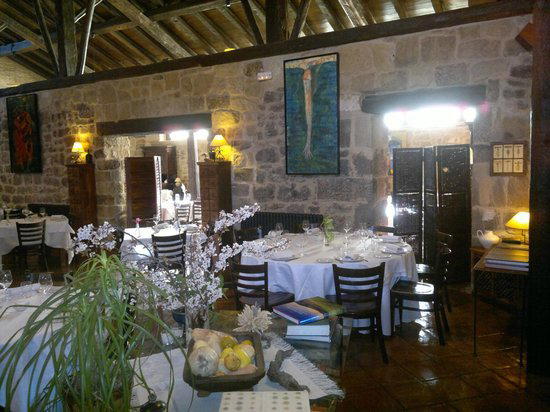
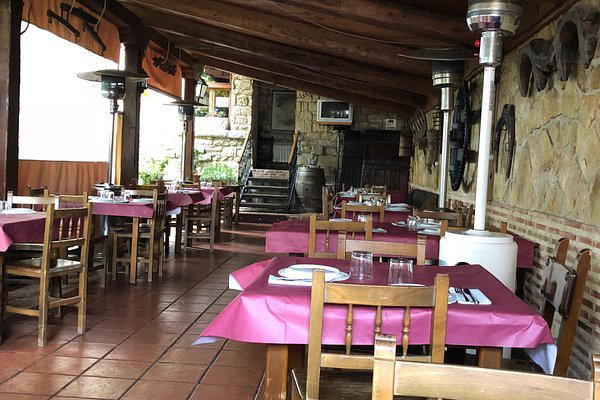
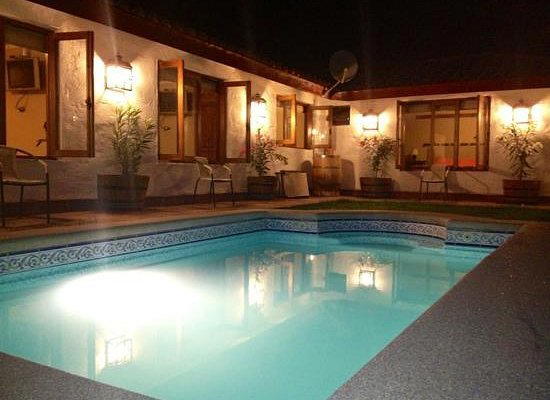
Bars in Casalarreina
Browse all →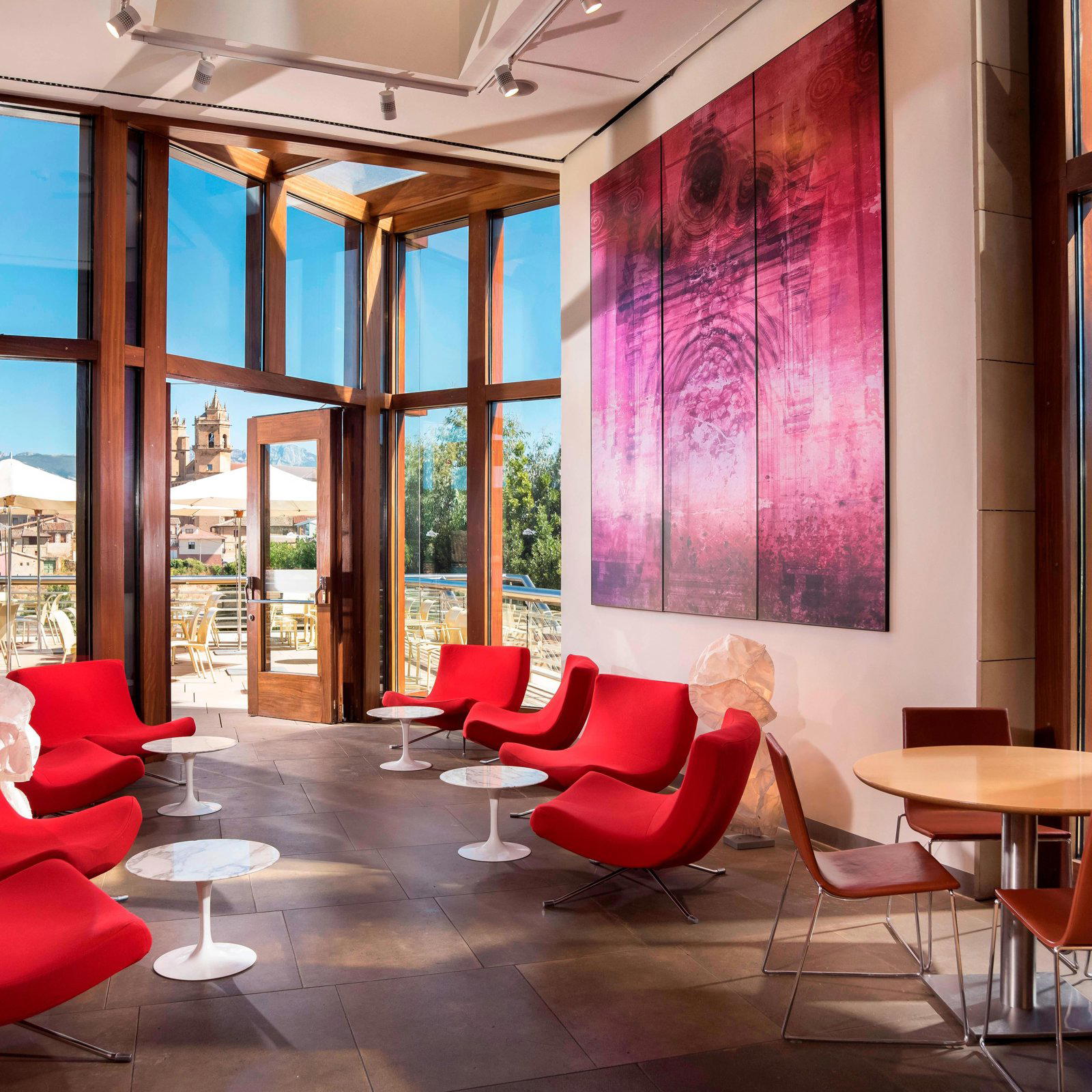
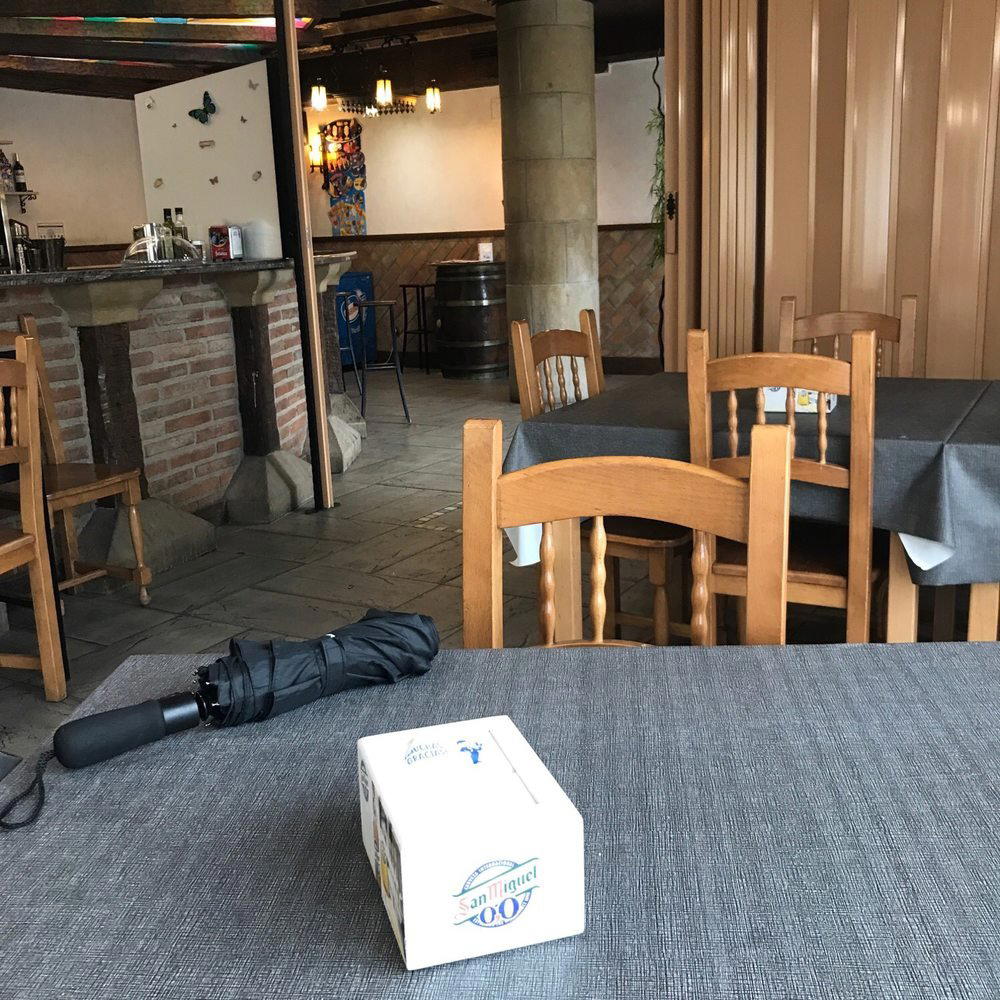
Hotels in Casalarreina
Browse all →
Details
- Elegant
- Intimate
- Cozy
- Sophisticated
- Rustic
- Date Night
- Special Occasion
- Historic Building
- Wine Cellar
- Private Dining
- Extensive Wine List
- Sommelier Led
- Local Sourcing
- Tasting Menu
- Vegetarian Friendly
Current opening hours
- Monday
- 1:30–3:30 PM
- Tuesday
- 1:30–3:30 PM
- Wednesday
- Closed
- Thursday
- 1:30–3:30 PM
- Friday
- 1:30–3:30 PM
- Saturday
- 1:30–3:30 PM
- Sunday
- 1:30–3:30 PM
Hours can change for holidays and private events. Last verified .
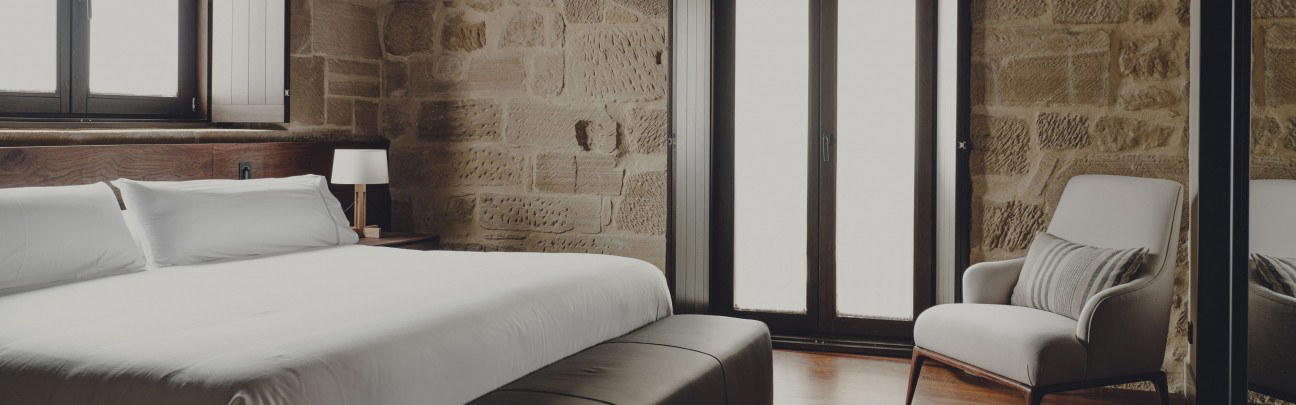
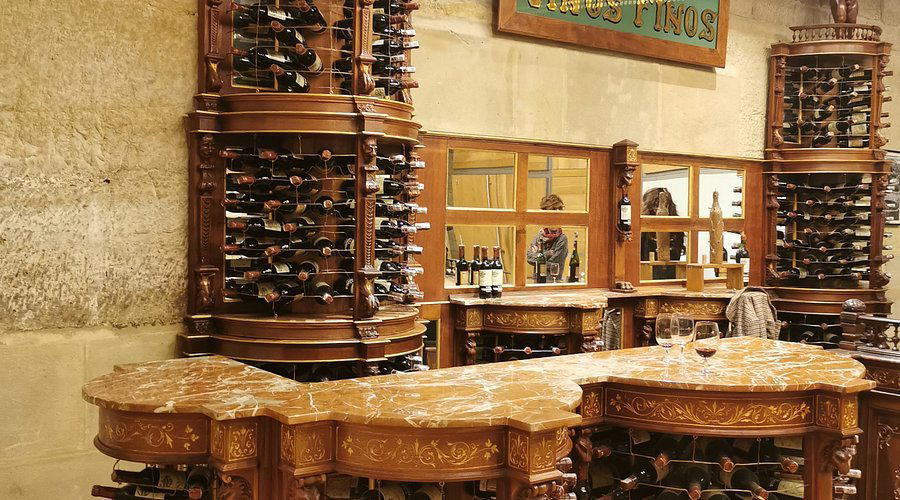
Stone-lined rooms with warm wood, embers glow, and an intimate, comfortable atmosphere.