

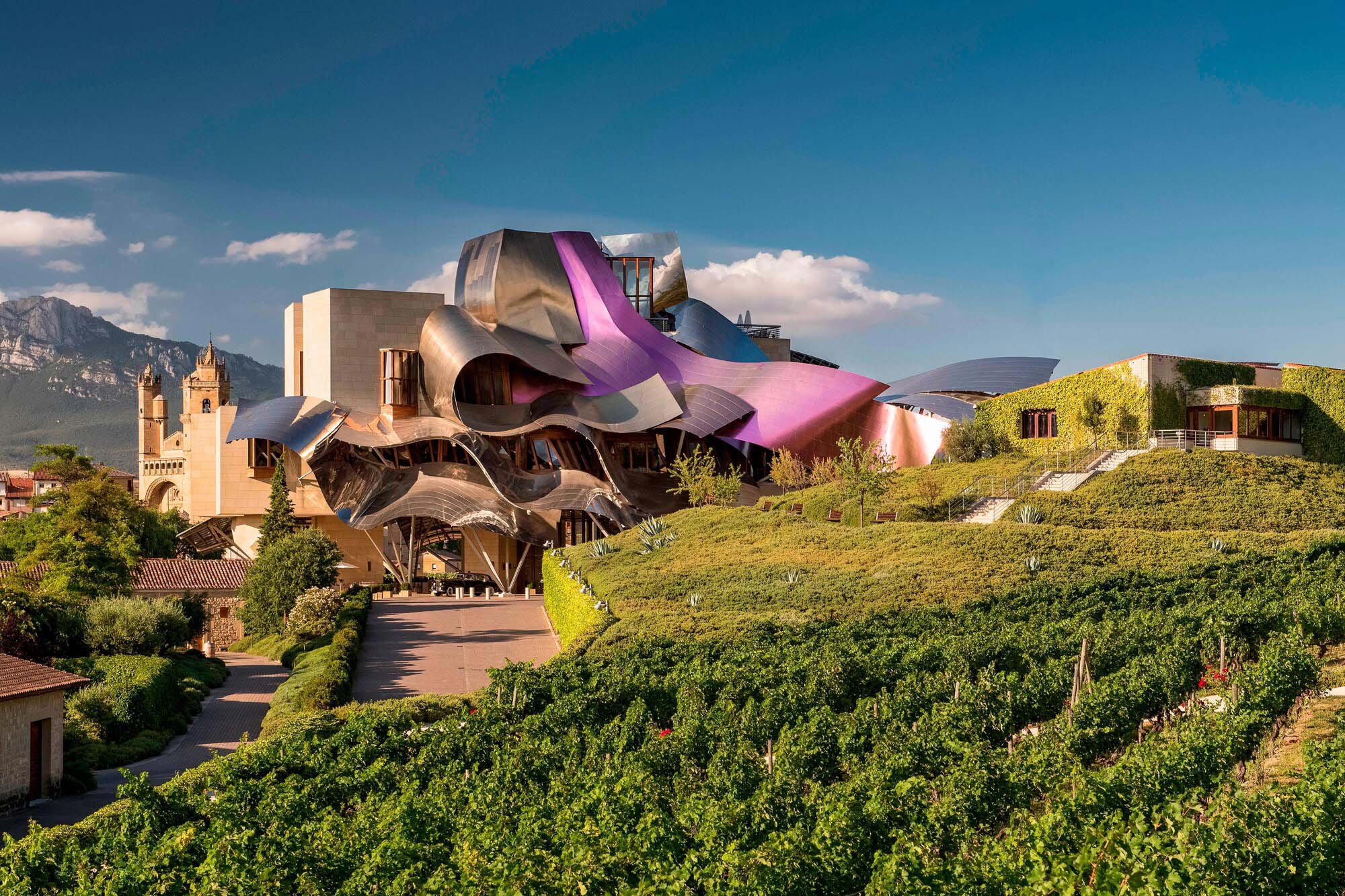
Frank Gehry's titanium-clad hotel at the Marqués de Riscal winery in Elciego is one of Spain's most architecturally ambitious hospitality projects, earning a Michelin Key in 2024. Sixty-one rooms split between the sculptural main building and a more conventional outbuilding, with a Caudalie Vinothérapie spa, a Michelin-starred restaurant drawing on Echaurren's two-star lineage, and direct access to the winery's vineyards and cellars. Rates from $612 per night.
Pearl is the En Primeur Club membership app — saves, bookings, and concierge access live there. Same editors, same standards.
- Address
- C. Torrea Kalea, 1, 01340 Elciego, Álava
- Phone
- +34 945 18 08 80
- Website
- marriott.com
- Directions
- Get directions
 Saves & bookings on Pearl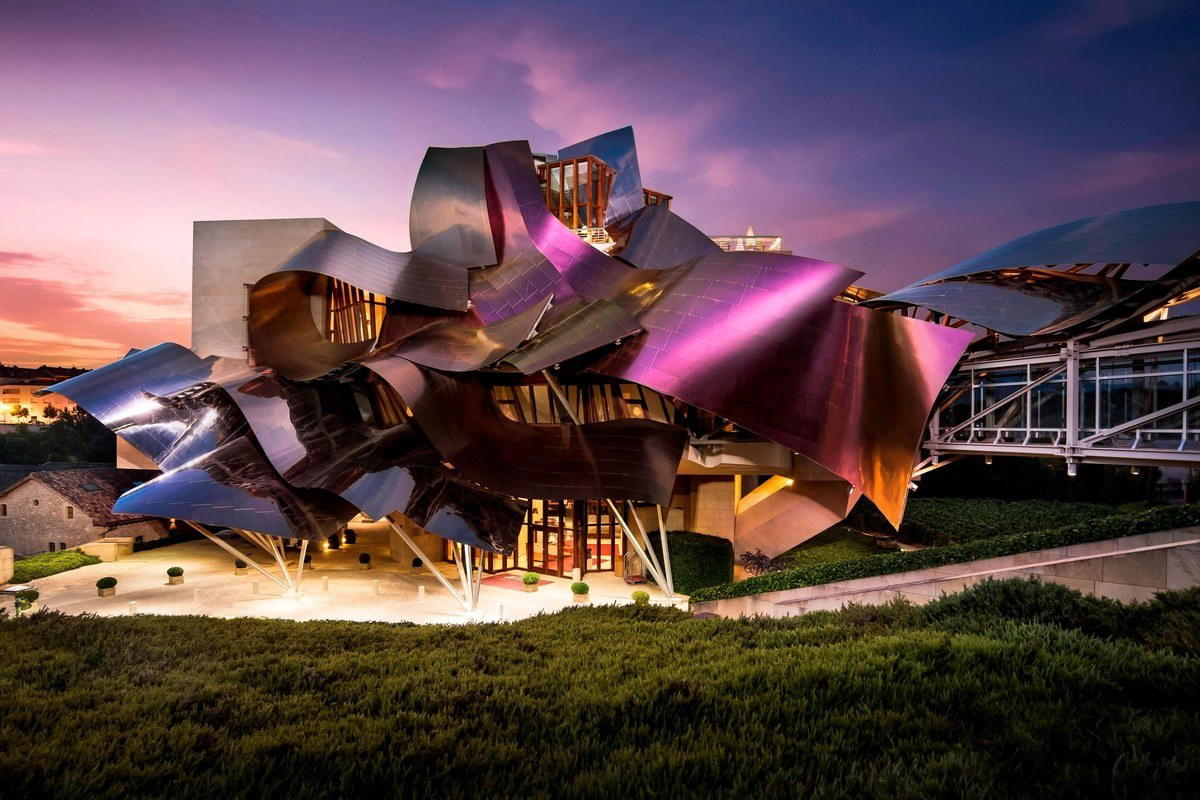
A Titanium Landmark in the Rioja Countryside
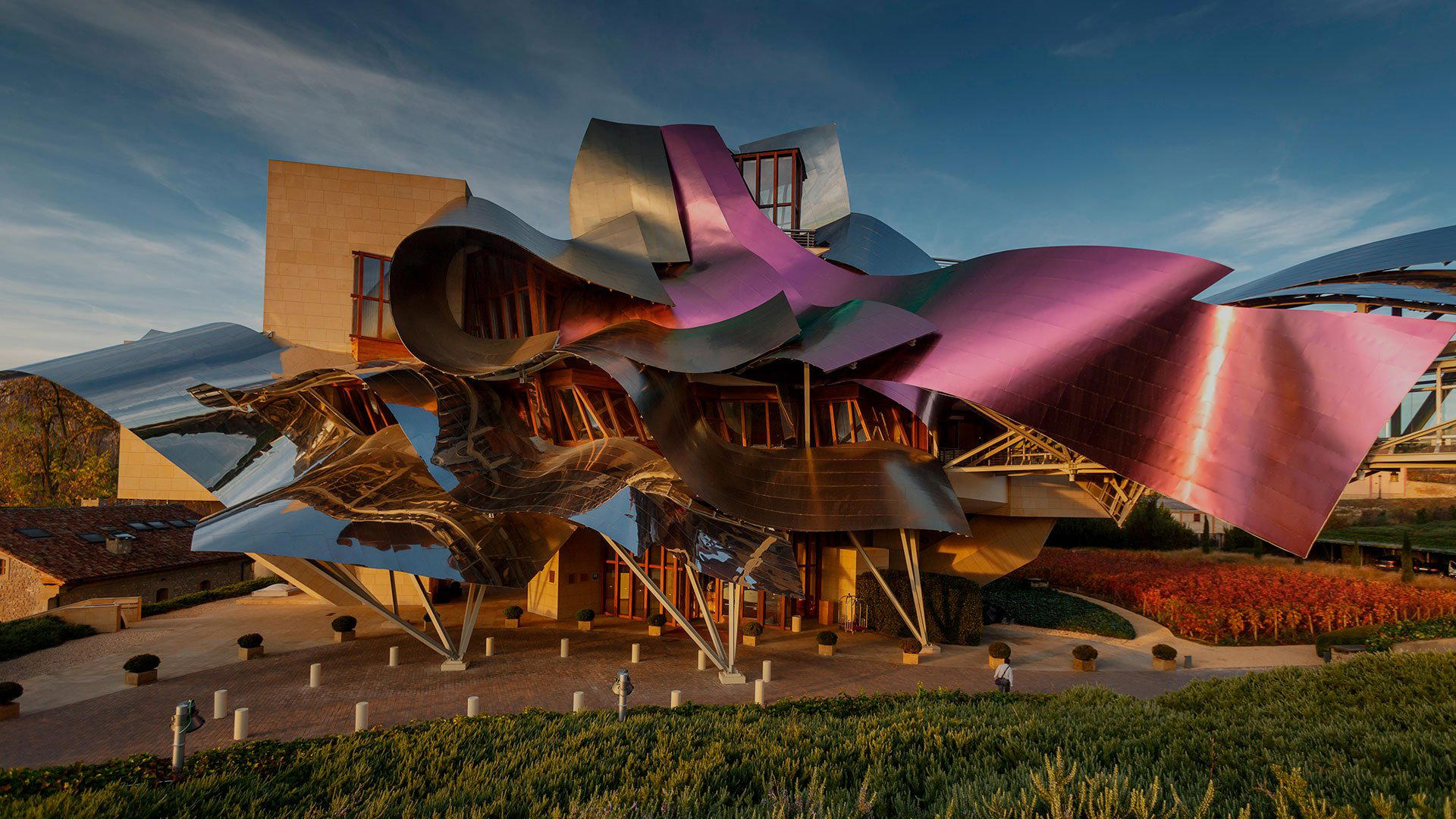
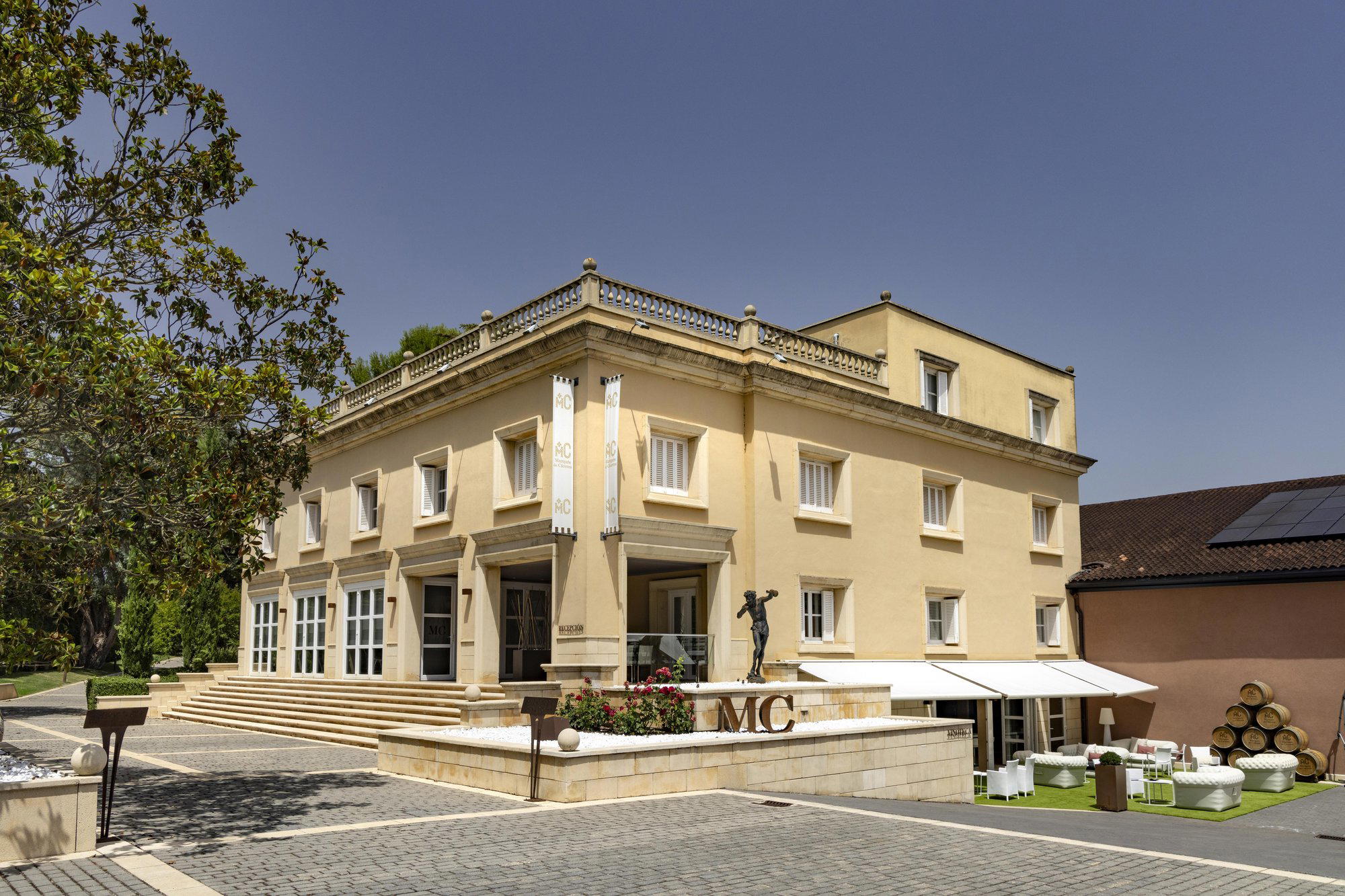
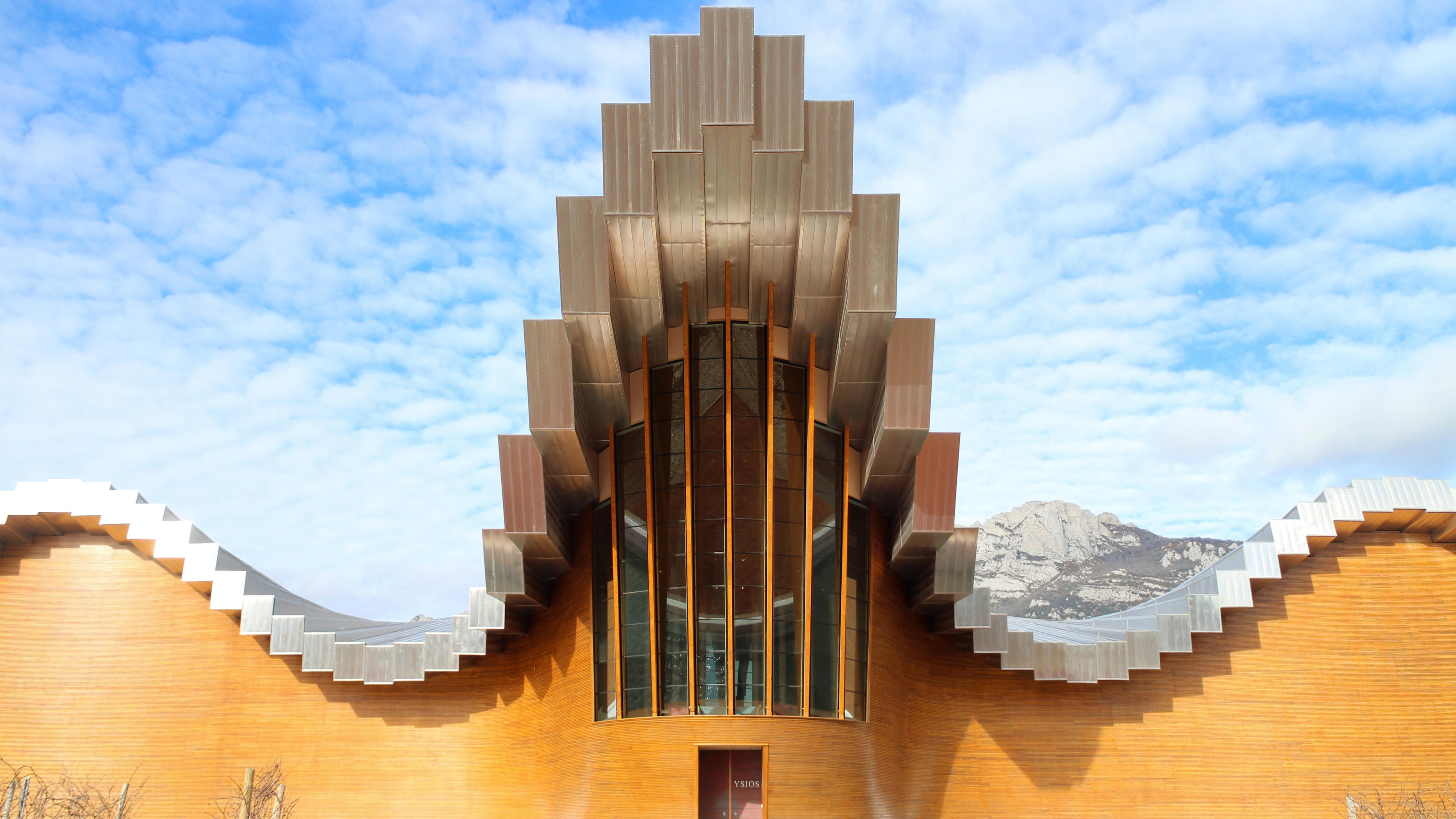
Approaching Elciego from any direction, the building registers before the village does. Frank Gehry's rippling canopy of titanium and steel rises above the Marqués de Riscal winery's 19th-century stone buildings like a crumpled prism catching the Álava light. The contrast is deliberate and unresolved, in a favorable sense: centuries of Rioja winemaking pressed against among the more recognisable architectural signatures of the late 20th century. For a context, consider that Gehry's first Spanish commission, the Guggenheim Bilbao, effectively restructured how international visitors thought about the entire Basque Country. His second project in Spain landed not in a major city but in a village of roughly a thousand people, inside an operational winery. That decision alone tells you something about the ambition behind this property.
Gehry's work at Elciego followed his Bilbao template in structural terms: titanium cladding, deconstructed geometry, an exterior that reads differently from every approach angle. Inside, the spatial logic is less chaotic than the facade suggests. The main building's rooms follow the curves of the structure, meaning floor plans that resist right angles, with windows canted outward through a web of steel supports. That framing creates something closer to a viewing platform than a conventional hotel room: the vineyards below, the town of Elciego beyond, and the building's own titanium ribbons threading across the sightline. For guests whose primary interest is the architecture itself, these rooms are the intended experience.
Two Buildings, Two Spatial Logics
Spain's premium winery hotel tier has expanded considerably in recent years, with properties like Abadía Retuerta LeDomaine in Castile and Terra Dominicata in the Priorat positioning themselves around converted historic structures and estate-grown wine programs. Hotel Marqués de Riscal operates in the same category but with a structurally different proposition: the architecture is the lead credential, and the winery relationship is the supporting context rather than the main draw.
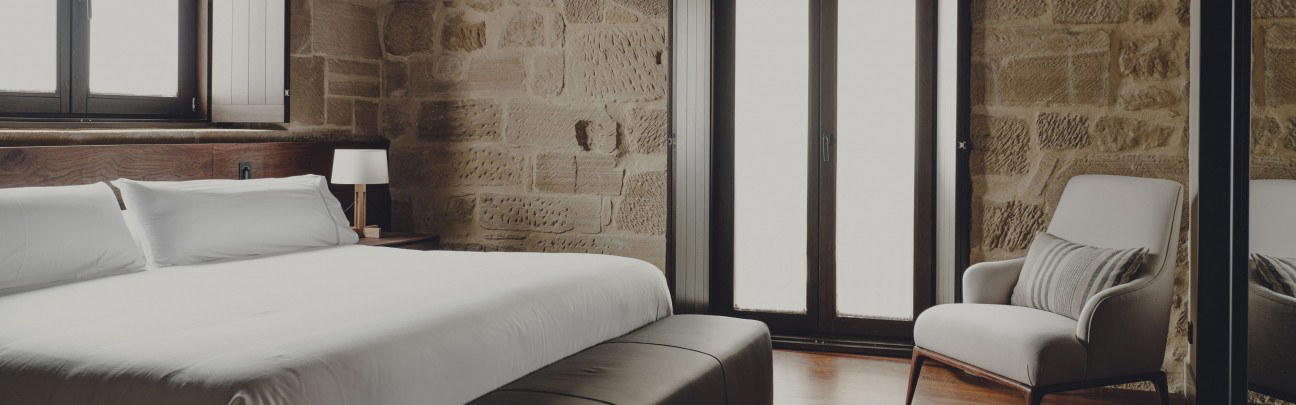
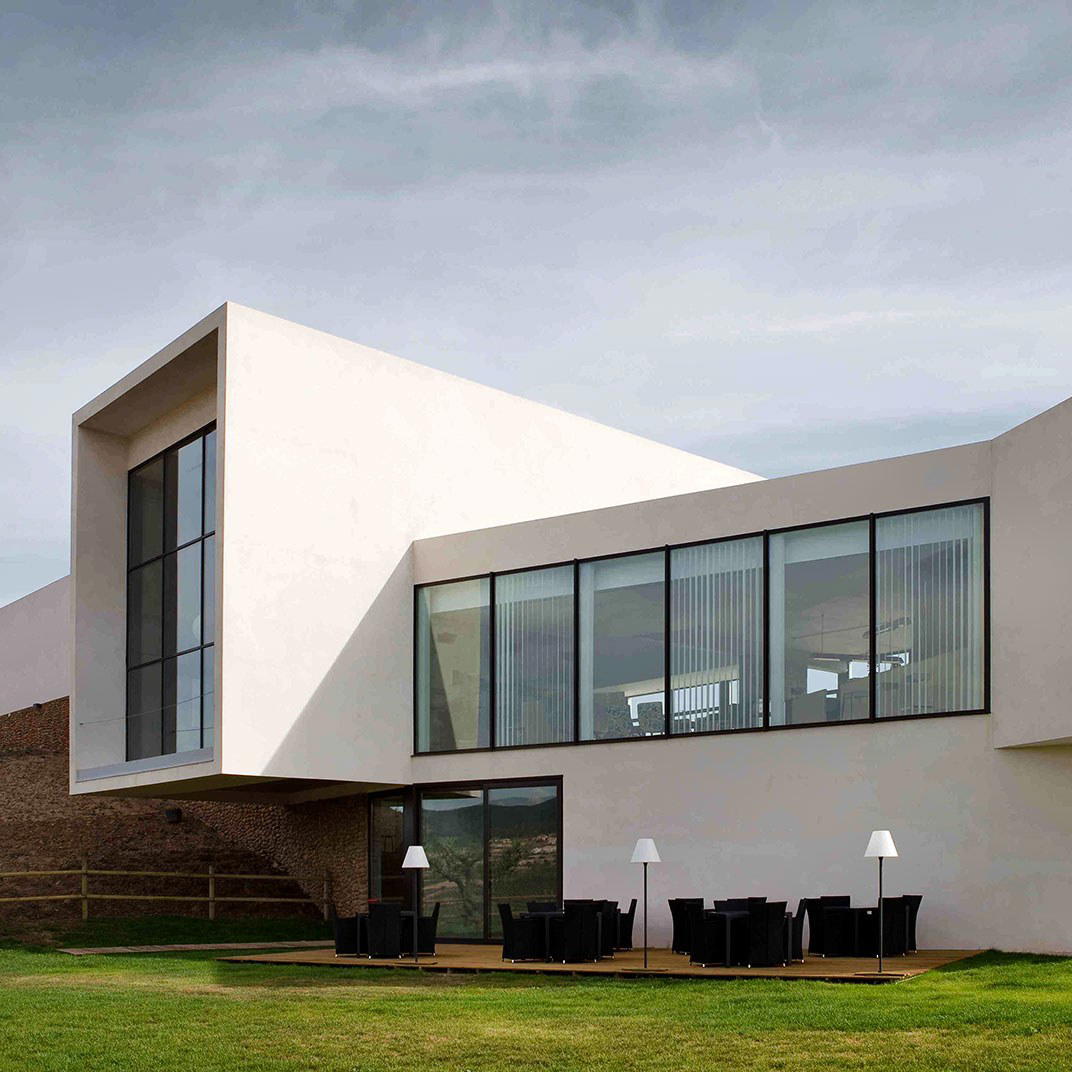
The property's 61 rooms divide across two buildings with meaningfully different guest experiences. Rooms in the Gehry building are shaped by the architecture, with the irregular geometry that produces the angled windows and canted walls. Rooms in the adjacent outbuilding follow a more conventional plan, but their orientation gives them a front-row view of the Gehry structure itself, which at certain light conditions, particularly at dusk when the titanium shifts toward rose and copper, functions as the arresting element in the guest's sightline. Both buildings share the same service infrastructure, the same spa access, and the same dining options, so the choice reduces to a question of preference: do you want to be inside the sculpture, or watching it from outside?
Eighteen rooms received a recent renovation, adding balconies and terraces that extend the indoor-outdoor relationship. All rooms include marble bathrooms, which is a consistent marker across this tier of Spanish luxury hotel, alongside standard contemporary amenities. The Michelin Key awarded in 2024 places the property within a curated set of hotels where the hospitality experience itself carries independent recognition, separate from any restaurant award.
Dining: the Echaurren Connection
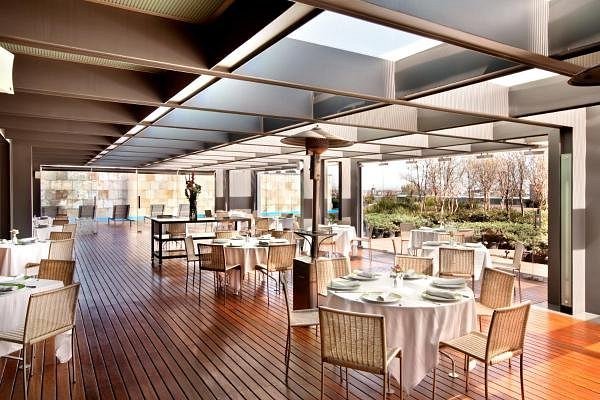
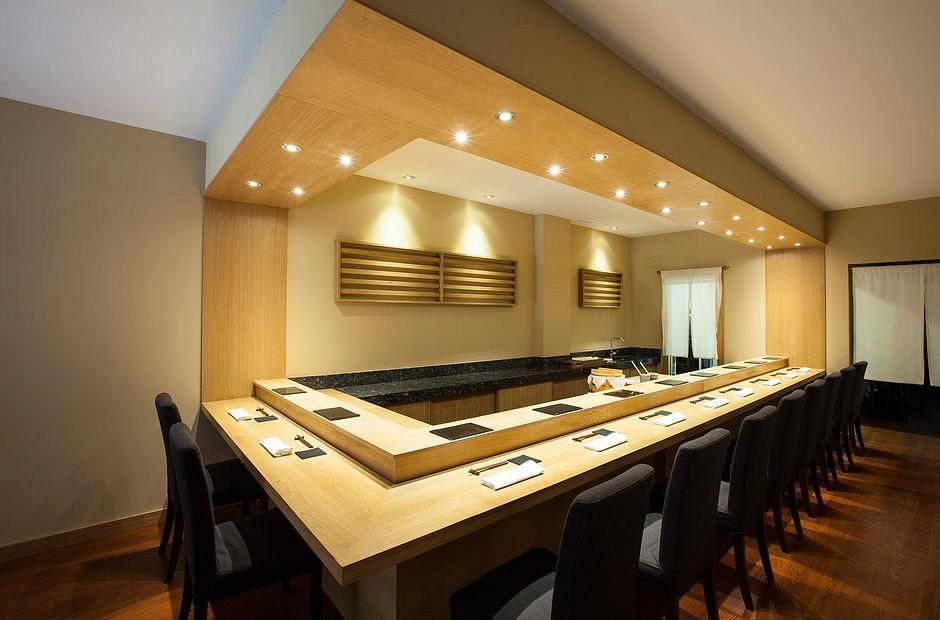
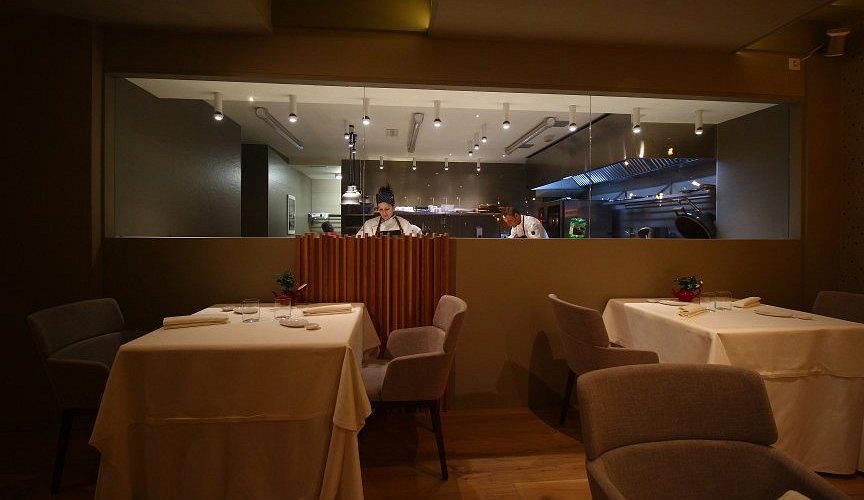
The restaurant program at Marqués de Riscal draws its fine-dining credentials from the Echaurren lineage, a family-run operation in nearby Ezcaray that holds two Michelin stars and represents one of the more quietly sustained records of culinary recognition in La Rioja. The hotel's main restaurant, positioned with panoramic views from the Gehry building, combines traditional Rioja cuisine with contemporary technique in a format that the property frames as a future centre for Spanish fine gastronomy. Whether that ambition is yet fully realised is a separate question from the baseline credential, which is substantive.
For guests less interested in a full tasting format, the Vinoteca and Bistro operates in a less formal register, and the rooftop bar and lounge adds a third option with panoramic views and, during colder months, an open fireplace. That layering of dining formats, from the Michelin-referenced restaurant down through a casual wine bar, is characteristic of how winery hotels at this level have learned to manage the range of guest intentions: a couple might move between all three spaces across a single stay without the program feeling repetitive.
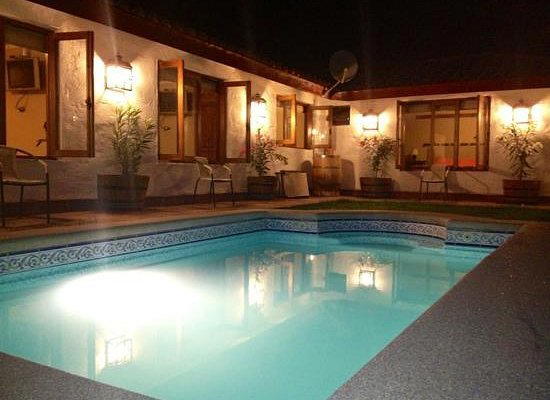
The Caudalie Vinothérapie spa anchors the wellness component. Caudalie, the French brand that pioneered grape-derived skincare and treatment protocols, operates its Vinothérapie concept at a small number of partner properties globally. The Elciego spa includes an indoor swimming pool, hammam, sauna, and a treatment menu built entirely around grape and wine extracts. It is a format with a clear point of view, and one that connects the spa program directly to the winery setting rather than presenting generic wellness offerings that could be dropped into any luxury hotel.
Elciego and the Wider Rioja Circuit
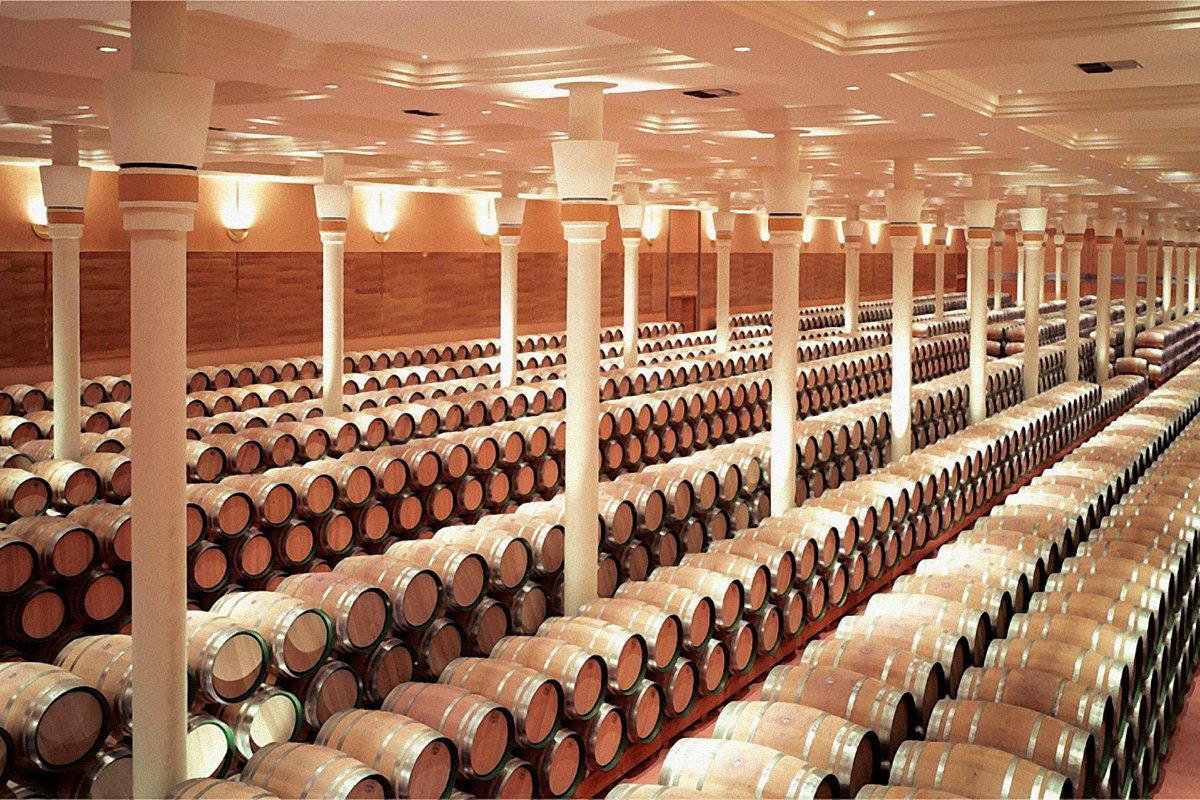
Elciego sits in the Álava subzone of Rioja, in the Basque Country's administrative territory rather than La Rioja province itself, though the appellation spans both. The village is small enough that the winery and hotel complex represent the dominant reason most international visitors arrive. The surrounding area, however, is dense with wine-related infrastructure: the Marqués de Riscal wine museum and shop are on the property, winery tours are available for guests, and the broader Ruta de Vino route covers the wine country by car for those interested in the regional context beyond a single estate.
Two golf courses fall within 35 kilometres, and the surrounding hills support walking, cycling, and horse routes. The Valdezcarray ski resort sits 50 kilometres away, making this a functional winter destination as well as a summer wine-country stop. Bilbao, where the Guggenheim effectively introduced Gehry to Spanish audiences, is the nearest major city and a logical extension of any Elciego stay. The architectural thread that connects the two projects gives a Bilbao-Elciego itinerary more coherence than a standard wine-country trip.
For guests building a broader Spain itinerary around architecture, gastronomy, or premium hospitality, the property connects naturally to other points on the peninsula. Akelarre in San Sebastián extends the Basque food and design thread northward, while Atrio Restaurante Hotel in Cáceres represents a comparable convergence of serious gastronomy and architecture in a different Spanish context. Mandarin Oriental Ritz, Madrid and Mandarin Oriental Barcelona anchor the urban end of a Spanish luxury circuit, with Elciego functioning as the rural, wine-country counterpoint. Further afield, Torre del Marqués Hotel Spa and Winery in Sardoncillo offers another Spanish winery hotel point of comparison.
Spain's broader hotel tier also includes design-led properties with a distinct regional character: Cap Rocat in Mallorca, La Residencia, A Belmond Hotel, Hotel Can Cera in Palma, and Mas de Torrent Hotel and Spa in Catalonia represent the Mediterranean coastal and rural end of the same premium tier. For the Balearics, Hotel Can Ferrereta in Santanyí and Can Alberti 1740 in Mahón each occupy a quieter, more intimate niche. In Galicia, Pepe Vieira Restaurant and Hotel in Poio and A Quinta da Auga Hotel and Spa in Santiago de Compostela extend the gastronomic hotel format into the Atlantic northwest. Casa Beatnik Hotel in A Coruña, Can Mascort Eco Hotel in Palafrugell, Canfranc Estación in the Pyrenees, Bahia del Duque in Tenerife, BLESS Hotel Ibiza, and Marbella Club Hotel round out the range of options across the country. For international reference points in Gehry-adjacent architectural tourism, Aman Venice, Aman New York, and The Fifth Avenue Hotel in New York offer comparison points in cities where architecture and premium hospitality intersect at a similar level of ambition.
Planning a Stay
Rates start at $612 per night, positioning the hotel within the upper tier of Spanish regional luxury without reaching the ceiling set by some urban flagship properties. That rate reflects both the Gehry premium and the relative isolation of Elciego as a destination: guests are paying for a concentrated, single-estate experience rather than a hotel with a city's worth of options outside its door. Booking directly through the property or through a premium travel agent is the standard approach; the combination of winery tours, spa treatments, and restaurant reservations across multiple outlets warrants coordinating in advance, particularly for peak summer and harvest season visits in September and October. For more context on what the broader Elciego area offers, our full Elciego guide covers the region in detail.
Comparable Venues
Comparable venues nearby, for context on price, style, and recognition.
| Venue | Cuisine | Price | Awards | Notes |
|---|---|---|---|---|
| Hotel Marques de RiscalThis venue — the venue you are viewing | Visionary 21st-century chateau blending modern architecture with wine heritage | $$$$ | Michelin 1 Key | Not listed |
| Helguera Palacio Boutique & Antique | Restored 17th-century palace with bespoke antique decor | $$$$ | Michelin 1 Key | Las Presillas |
| Hotel Maria Cristina | Historic Belle Époque palace hotel with contemporary luxury amenities, blending old-world grandeur with modern service standards. | $$$$ | Michelin 1 Key | Centro (City Center) |
| Nobu Hotel San Sebastián | Contemporary luxury boutique hotel blending Japanese minimalism with coastal elegance, positioned as a design destination. | $$$$ | Michelin 1 Key | San Sebastián Centro |
| URSO Hotel & Spa Madrid | Restored 20th-century palace with modernist contemporary interiors | $$$$ | Michelin 1 Key | Chueca |
| Brach Madrid - Evok Collection | Philippe Starck-designed luxury in historic Gran Via building with Parisian elegance. | $$$$ | Michelin 1 Key | Chueca |
Recognition history
Dated appearances from independent guides and award organizations, with the underlying list record or original source where available.
Virtuoso Luxury Hotel Partner
Virtuoso
Michelin 1 Key
Michelin
Michelin 1 Key
Michelin
At a Glance
- Elegant
- Sophisticated
- Scenic
- Modern
- Well Known
- Ornate
- Honeymoon
- Romantic Getaway
- Anniversary
- Weekend Escape
- Historic Building
- Design Destination
- Panoramic View
- Terrace
- Spa
- Pool
- Fitness Center
- Room Service
- Concierge
- Wi Fi
- Restaurant
- Indoor Pool
- Sauna
- Business Center
- Valet Parking
- Vineyard
- Mountain
- Spa
- Pool
- Fitness Center
- Room Service
- Concierge
- Wi Fi
- Restaurant
- Indoor Pool
- Sauna
- Business Center
- Valet Parking
Luxurious and sophisticated with warm lighting, spacious modern rooms overlooking vineyards, and an ornate spa atmosphere praised for its tranquility and cleanliness.