
Star Wine List
A wine bar in the heart of Logroño, Roots draws on the deep Rioja wine culture surrounding it, pairing seasonal, classically minded food with a selection aimed at visitors and locals heading into the region's vineyards. It functions as an entry point into Rioja's drinking culture as much as a standalone destination.

Pearl is the En Primeur Club membership app — saves, bookings, and concierge access live there. Same editors, same standards.
- Address
- C. Marqués de Vallejo, 14, 26001 Logroño, La Rioja, Spain
- Phone
- +34 629 24 31 18
- Hours
- Mon–Tue ClosedWed–Sat 10 AM–12 AMSun 10 AM–5 PM
- Website
- rootsrioja.com
- Directions
- Get directions
- Booking
- Book on CoverManager
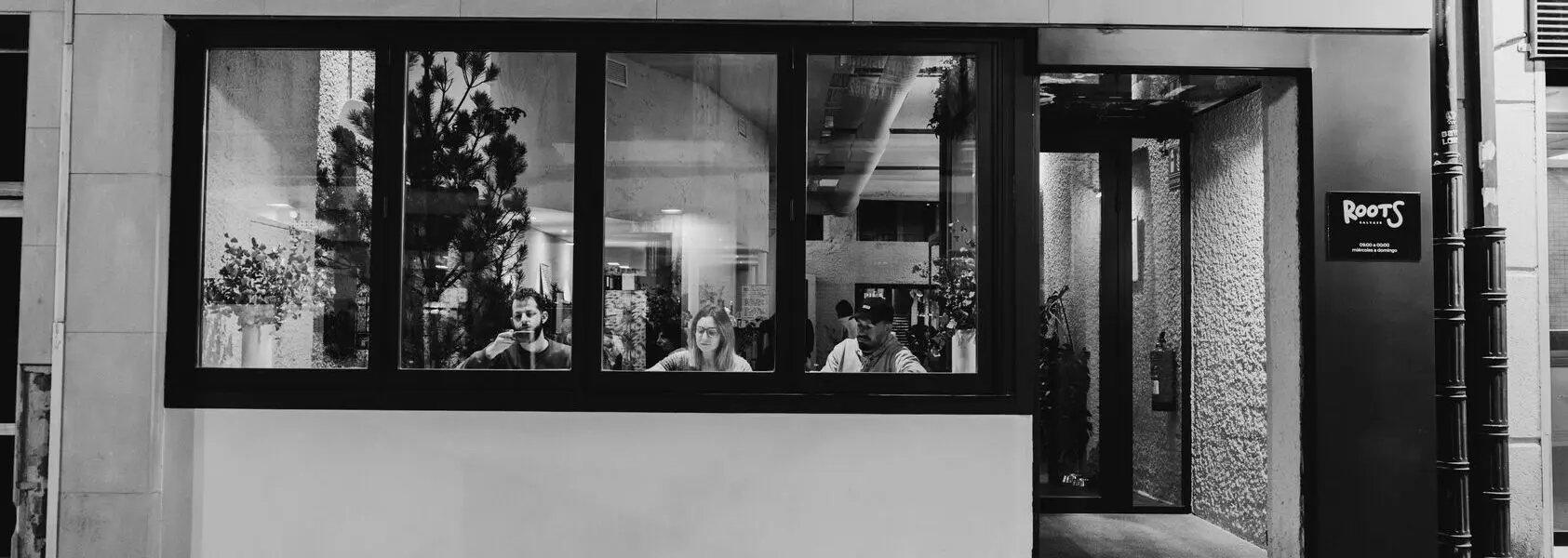
Where Rioja's Wine Culture Takes a Seat
Logroño does not announce itself the way San Sebastián does. There are no Michelin pilgrimages dominating the conversation, no international press contingent working the dining room. What the city has instead is a concentrated, locally confident food-and-wine culture built around the fact that it sits at the centre of Spain's most recognised wine region. Calle Laurel and its surrounding streets operate on a model of small glasses, small plates, and almost no ceremony. Roots, on Calle Marqués de Vallejo, occupies a different register within that same city: a wine bar oriented toward the region's producers and the visitors who arrive wanting to understand them.
The address puts it within easy reach of the old quarter, which matters in a city where most serious drinking happens on foot, moving between stops rather than committing to a single room for an evening. For anyone arriving in Logroño as a base for winery visits across the Rioja Alta, Rioja Alavesa, or Rioja Baja subzones, a bar with this kind of regional orientation functions as useful calibration before heading into the vineyards.
The Wine Programme and What It Signals
Rioja's wine identity has historically been dominated by oak-aged Tempranillo in its Crianza, Reserva, and Gran Reserva classifications, but the region has shifted considerably over the past fifteen years. Single-vineyard bottlings, white Rioja made from Viura and Malvasía, and a growing tier of producers working with lower intervention and shorter oak contact have complicated what was once a simpler story. A wine bar in Logroño that takes its role seriously has to reflect that complexity rather than defaulting to the region's most recognisable labels.
Roots positions itself around regional wine, drawing producers from across Rioja rather than anchoring to a single subzone or style. For visitors who have spent time at the larger, more visitor-ready bodegas in Haro or Elciego, this kind of bar setting offers a different kind of access: by the glass, in conversation, without the choreography of a formal winery tour. Spain's broader bar culture has a tradition of this, the place where the region's product is evaluated informally, where locals and visitors occupy the same counter. Roots fits that template in the context of a wine-producing capital rather than a tourist corridor.
Compared to the more cocktail-forward programmes at places like Angelita in Madrid or the historically grounded bar tradition represented by Boadas in Barcelona, the drinks model here is regional and product-focused rather than technique-driven. That is the appropriate response to the context: in Logroño, the wine is the technique.
Seasonal Food in a Classic Register
The food programme follows the logic of the wine: seasonal products, classic preparations. In Rioja, that means a larder built around the region's vegetable production (the Rioja Baja subzone supplies a significant share of Spain's canned and fresh produce, from peppers to artichokes to asparagus), alongside the lamb and lamb offal preparations that have defined the area's table for centuries. Pochas, the fresh white beans harvested in late summer and early autumn, are a Riojan staple that appears in bars and restaurants across the region during their short season.
Classic cuisine in this part of Spain is not a nostalgic project. It is the ongoing practice of cooking what grows nearby, in ways that have proved reliable over time. A bar that aligns its kitchen with those principles is not making a philosophical statement so much as reflecting what the region already does well. The food at Roots is described as focused on seasonal products and classic preparations, which in this geography is a defensible and coherent position rather than a marketing claim.
The Broader Spanish Bar Context
Spain's bar culture is regionally varied in ways that are easy to underestimate from outside. The tapas-and-pintxos distinction between Andalusia and the Basque Country is the most visible version of this, but the differences run deeper. In Seville, bars like Bar Sal Gorda operate within a sherry-oriented framework. In Granada, the free tapa still accompanies every drink, a model Bar Gallardo represents. In the Basque Country, the counter at Bar Stick in Errenteria reflects a different set of priorities entirely.
Logroño's model sits between these traditions. It has the counter culture of the north, the wine centrality of an appellation capital, and a food tradition that draws from both Castilian and Navarrese influences. A bar like Roots, focused on regional wine and seasonal Riojan cooking, is a product of that specific convergence. It is not trying to replicate what works in Palma, where Garito Cafe or La Margarete in Ciutadella operate in a different climate and register, or the coastal Asturian model at Casa Lin in Avilés or Bar Guillermina in Cabrales. The specificity is the point.
Planning a Visit
Roots is located at Calle Marqués de Vallejo, 14, in the 26001 postal district of central Logroño, within the old quarter and close to the main concentration of bars around Calle Laurel. For visitors using Logroño as a base for regional winery visits, the city is well connected by road to the major production areas of the Rioja Alta subzone to the west and the Rioja Alavesa across the Ebro to the north. Current booking details, hours, and any reservation requirements are best confirmed directly, as the venue's operational specifics are not listed publicly. For a wider view of where Roots sits within the city's dining and drinking options, see our full Logroño restaurants guide. Those planning broader Spanish itineraries that extend beyond the Rioja region may also find relevant reference in the cocktail programming at Bar Leather Apron in Honolulu for a contrasting approach to wine-adjacent bar culture, or Garden Bar in Calvia for Mediterranean island context.
How It Stacks Up
Comparable venues nearby, for context on price, style, and recognition.
| Venue | Cuisine | Price | Awards |
|---|---|---|---|
| RootsThis venue — the venue you are viewing | wine_bar | $20–30 | Star Wine List |
Recognition history
Dated appearances from independent guides and award organizations, with the underlying list record or original source where available.
Star Wine List
Star Wine List
Continue exploring
More in Logroño
Bars in Logroño
Browse all →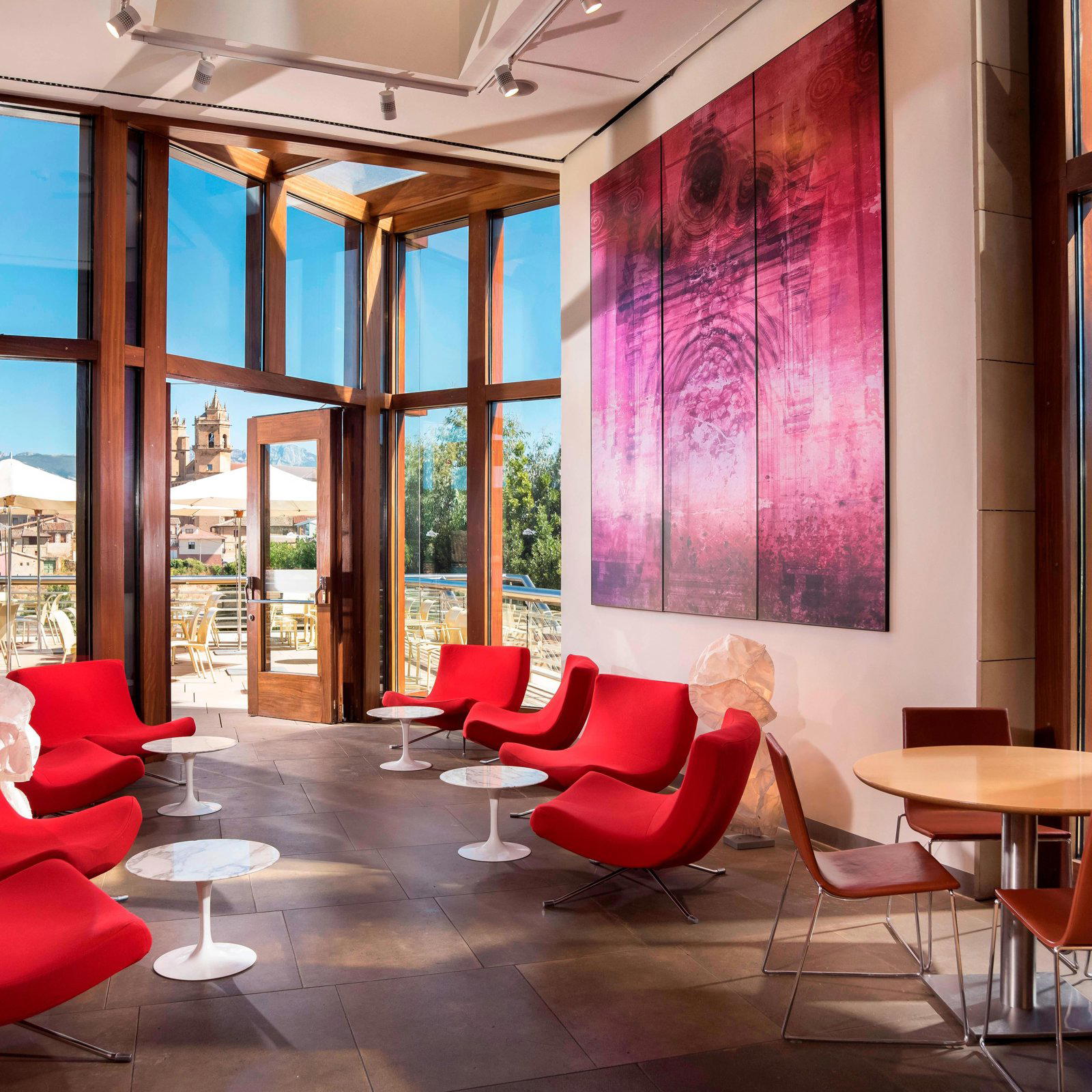
Restaurants in Logroño
Browse all →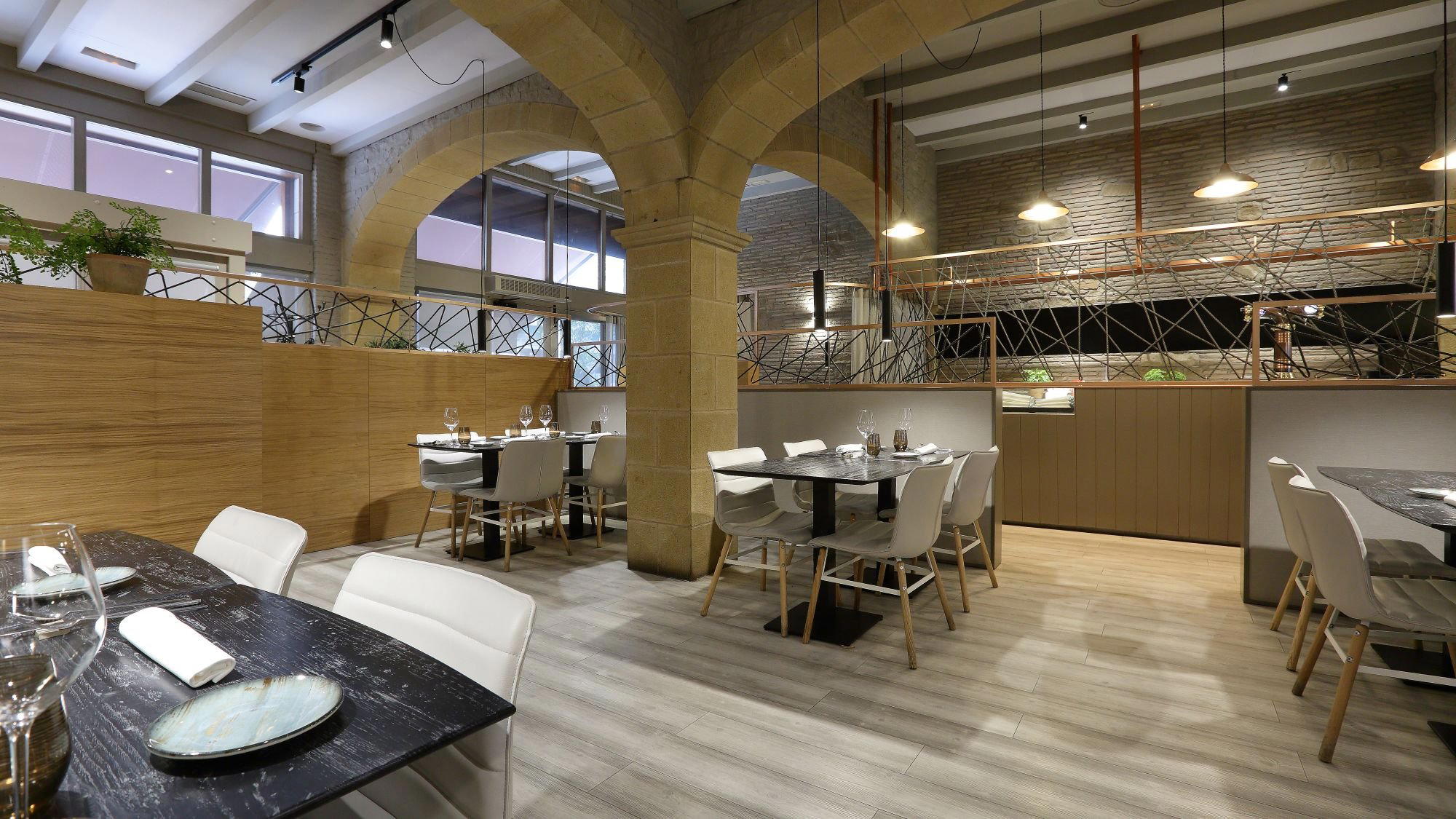
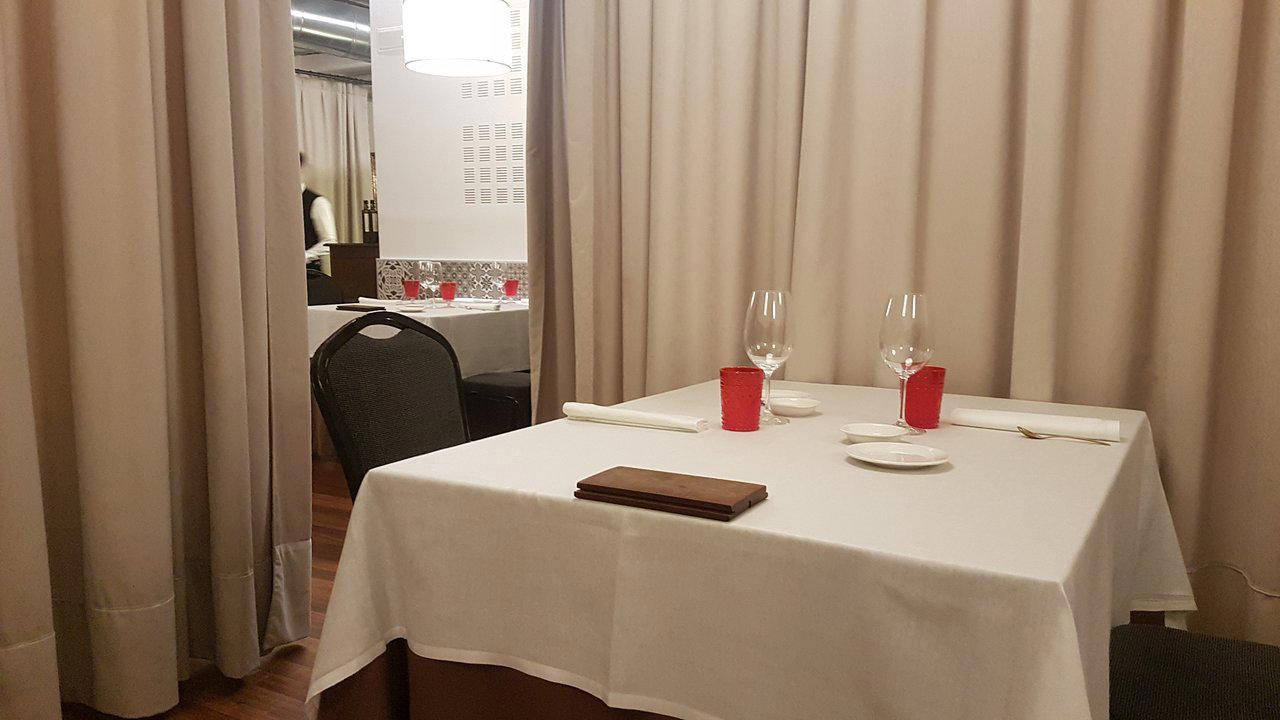
Hotels in Logroño
Browse all →




Details
- Cozy
- Modern
- Intimate
- Date Night
- Casual Hangout
- Standalone
- Lounge Seating
- Outdoor Terrace
- Conventional Wine
Current opening hours
- Monday
- Closed
- Tuesday
- Closed
- Wednesday
- 10 AM–12 AM
- Thursday
- 10 AM–12 AM
- Friday
- 10 AM–12 AM
- Saturday
- 10 AM–12 AM
- Sunday
- 10 AM–5 PM
Hours can change for holidays and private events. Last verified .
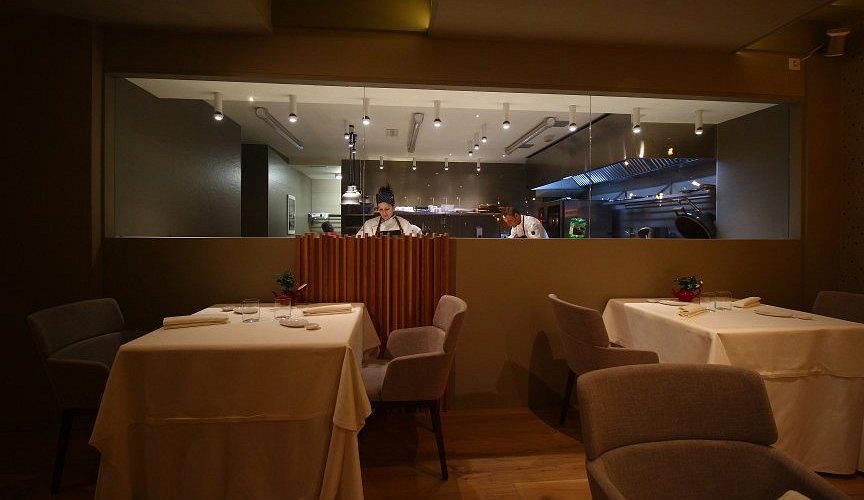
Minimal and modern interior with a relaxed, cozy vibe and friendly knowledgeable service.