La Vieja Bodega



A 17th-century wine cellar in the heart of La Rioja wine country, La Vieja Bodega holds consecutive Michelin Plate recognition (2024 and 2025) for traditional Riojan cuisine with considered modern inflections. Slow-cooked eggs and braised oxtail anchored in local produce draw a loyal regional crowd. The €€ price point makes it one of the more accessible Michelin-recognised tables in northern Spain.
Pearl is the En Primeur Club membership app — saves, bookings, and concierge access live there. Same editors, same standards.
- Address
- Av. de La Rioja, 17, 26230 Casalarreina, La Rioja, Spain
- Phone
- +34 941 32 42 54
- Website
- laviejabodega.es
- Directions
- Get directions
 Saves & bookings on Pearl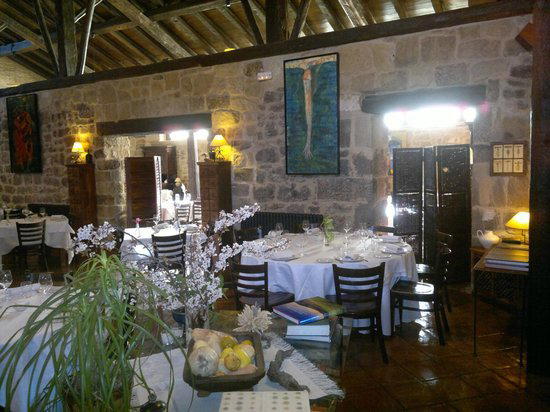
Stone, Barrel, and the Architecture of a Riojan Meal
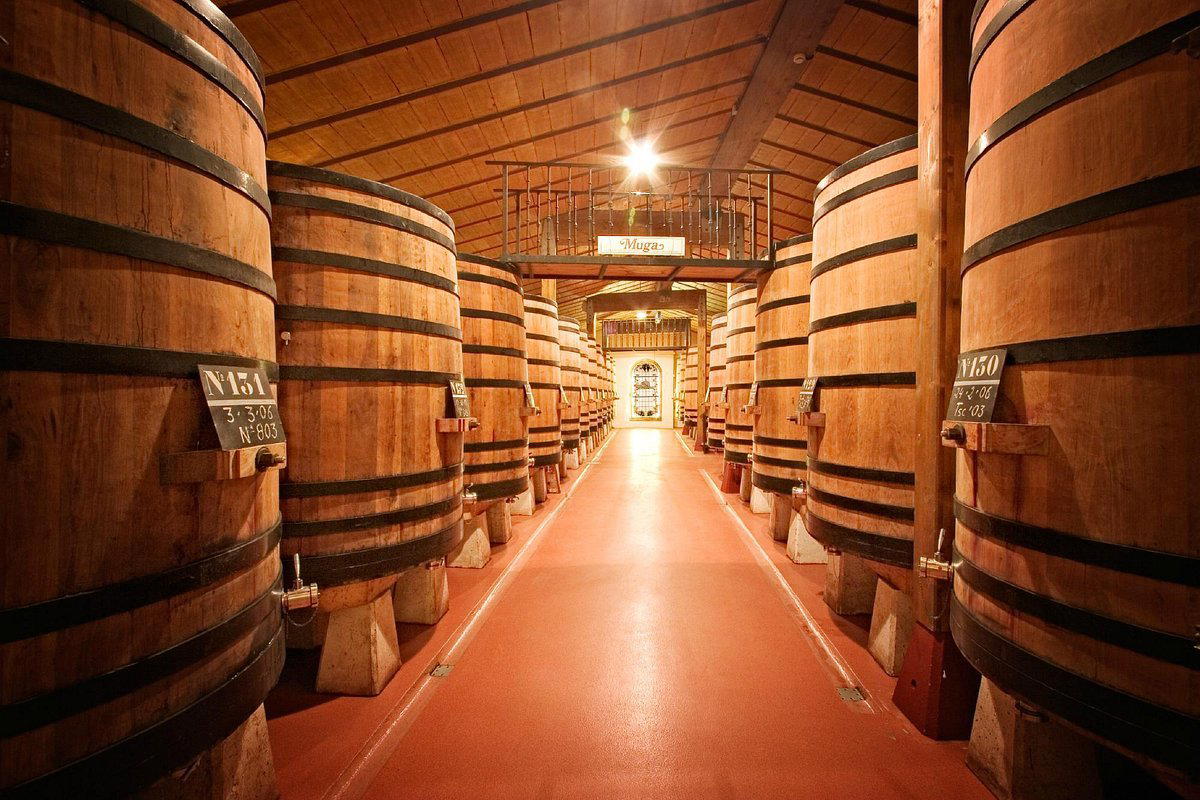
There is a particular logic to eating inside a restored 17th-century bodega in La Rioja. The stone walls, the rustic dining rooms, the sense that the space was designed around the rhythm of fermentation rather than restaurant service, all of it places the food in a context that a purpose-built dining room cannot replicate. La Vieja Bodega, on Avenida de La Rioja in Casalarreina, occupies exactly that kind of space: a wine cellar that predates modern gastronomy by several centuries, now repurposed as one of the region's Michelin Plate-recognised addresses. Arriving here, the architecture does the orienting. You understand immediately that the menu will follow the land.
Casalarreina sits in the Haro sub-zone of La Rioja Alta, a stretch of the Ebro valley where viticulture and gastronomy have been functionally inseparable for generations. The village itself is small and largely overlooked by travellers working their way between Logroño and the larger bodegas of Haro, which makes it a useful indicator of what still operates outside the tourism circuit in Spanish wine country. The restaurants that survive here do so on local reputation, not passing trade.
What the Region Puts on the Plate
Traditional Riojan cuisine is built around a set of ingredients that are tightly tied to geography: lamb and kid from the upland pastures, white asparagus and peppers from the river valleys, dried legumes that have been cultivated in the region since at least the medieval period, and river fish, trout from the upper Najerilla, crayfish where they still survive. The cooking tradition that grew up around these ingredients is slow and direct: long braises, wood-fired preparations, and techniques designed to concentrate rather than transform.
La Vieja Bodega works within this tradition. The menu carries the markers of Riojan cuisine, braised meats, locally sourced produce, preparations that prioritise depth of flavour over theatrical presentation, but with what Michelin's reviewers describe as modern touches and daily market suggestions. That framing is consistent with how the better traditional tables across northern Spain now operate: a core menu anchored in regional identity, supplemented by dishes that respond to what is available that week. Michelin awarded the venue a Plate in both 2024 and 2025, the guide's signal that the kitchen is cooking at a competent, honest level worth the detour.
The slow-cooked egg and braised, shredded oxtail have drawn specific attention from the guide's inspectors. Both dishes are illustrative of how La Rioja's cooking traditions translate to the contemporary plate: the egg requires precise temperature control over extended time, while the oxtail represents the region's long-standing practice of applying slow, moist heat to secondary cuts until collagen converts and the meat yields completely. Neither dish is showy. Both depend entirely on the quality of the base ingredient and the patience of the kitchen.
Sourcing and the Riojan Supply Chain
The editorial angle on La Vieja Bodega is not the restaurant itself but what it represents about ingredient sourcing in La Rioja. The region's position as Spain's most recognised wine appellation has, as a secondary effect, preserved an agricultural economy that many comparable Spanish regions have lost. Because the bodegas require grapes, the land stayed in production. Because the land stayed in production, the network of small producers growing vegetables, raising livestock, and supplying local restaurants remained viable.
A kitchen in Casalarreina drawing from this network has access to produce that a city restaurant in Logroño or Bilbao must work harder to source. Pimientos de La Rioja, the region's distinctive peppers, are grown within a few kilometres of the table. Lamb from the Rioja Alta uplands travels a fraction of the distance it would to reach a Basque Country restaurant. This proximity is not incidental to the food, it is the food. The braised oxtail that inspectors noted as specifically tender is a product of breed, pasture, and a braising technique calibrated to that animal, not a generic preparation applied to a commodity ingredient.
This model of hyper-local sourcing within a defined agricultural region positions La Vieja Bodega in a broader category of northern Spanish tables that derive their credibility from rootedness rather than innovation. For context, the restaurants holding multiple Michelin stars in the Basque Country and beyond, Arzak in San Sebastián, Azurmendi in Larrabetzu, Mugaritz in Errenteria, have all, in different ways, built their identities around regional ingredient systems. The Plate-level tables in La Rioja operate in the same philosophical register, at a different price point and with a different creative ambition.
Placing It in the Wider Spanish Table
Spain's Michelin-recognised dining spans an enormous range. At the leading end, three-star kitchens like DiverXO in Madrid, El Celler de Can Roca in Girona, Aponiente in El Puerto de Santa María, Cocina Hermanos Torres in Barcelona, Martin Berasategui in Lasarte-Oria, Quique Dacosta in Dénia, and Ricard Camarena in València operate at a different register entirely. The Michelin Plate tier, which is where the restaurant sits, covers restaurants cooking honestly and well without the tasting menu format or the fine-dining pricing that defines the star category. It is a useful bracket for travellers whose priority is eating regional food at its most credible expression, rather than experiencing a chef's conceptual statement.
At about $50 per person, the restaurant sits in the accessible segment of recognised Spanish dining. For comparison, Auga in Gijón and Auberge Grand'Maison in Mûr-de-Bretagne occupy a similar positioning in their respective regions: traditional cuisine, regional sourcing, Michelin recognition, and pricing that does not require a tasting menu budget. For those travelling through Casalarreina specifically, Lumbre offers a contemporary counterpoint within the same village.
Planning Your Visit
Casalarreina sits roughly 12 kilometres west of Haro along the LR-124, making it a natural stop on any circuit of La Rioja Alta's wine estates. The village has limited accommodation, so most visitors arrive from Haro or Logroño; for those extending the trip, our Casalarreina hotels guide covers the options. The €€ price range means the restaurant functions as a lunch or dinner destination rather than a special-occasion commitment. Given the combination of a historic setting, consecutive Michelin Plate recognition, and a kitchen grounded in Riojan produce, this is the kind of table worth building a half-day in the village around.
For broader planning in Casalarreina and the surrounding area, EP Club maintains guides across categories: restaurants, bars, wineries, and experiences. La Rioja's wine country rewards unhurried travel; the village of Casalarreina, with a 17th-century convent, a restored bodega-turned-restaurant, and a contemporary kitchen at Lumbre, offers more than a single meal's worth of reason to stop.
Side-by-Side Snapshot
Comparable venues nearby, for context on price, style, and recognition.
| Venue | Cuisine | Price | Awards | Notes |
|---|---|---|---|---|
| La Vieja BodegaThis venue — the venue you are viewing | Traditional Rioja Cuisine | $$$ | Michelin Plate | Not listed |
| Lumbre | Contemporary Spanish Fine Dining | $$$ | Michelin Plate | Casalarreina |
| Echaurren Tradición | Traditional Rioja Cuisine | $$$ | Michelin Plate | Ezcaray |
| Juan Carlos Ferrando | Contemporary Spanish Rioja Cuisine | $$$ | Michelin Plate | tapas area |
| La Despensa del Etxanobe | Traditional Basque | $$$ | Michelin Plate | centre |
| Bodega del Riojano | Traditional Cantabrian & Rioja Cuisine | $$$ | Michelin Plate | Downtown Santander |
Recognition history
Dated appearances from independent guides and award organizations, with the underlying list record or original source where available.
Guía Repsol 1 Sol
Guía Repsol
Macarfi 7.8 Food Rating
Macarfi
Michelin Plate
Michelin
Michelin Plate
Michelin
Michelin Plate
Michelin
Continue exploring
More in Casalarreina
Restaurants in Casalarreina
Browse all →
Bars in Casalarreina
Browse all →
Hotels in Casalarreina
Browse all →
At a Glance
- Rustic
- Cozy
- Classic
- Elegant
- Family
- Group Dining
- Celebration
- Special Occasion
- Historic Building
- Garden
- Private Dining
- Terrace
- Extensive Wine List
- Local Sourcing
- Garden
Current opening hours
- Monday
- 1:30–3:30 PM
- Tuesday
- Closed
- Wednesday
- 1:30–3:30 PM
- Thursday
- 1:30–3:30 PM
- Friday
- 1:30–3:30 PM, 9–10:30 PM
- Saturday
- 1:30–3 PM, 9–10:30 PM
- Sunday
- 1:30–3:30 PM
Hours can change for holidays and private events. Last verified .
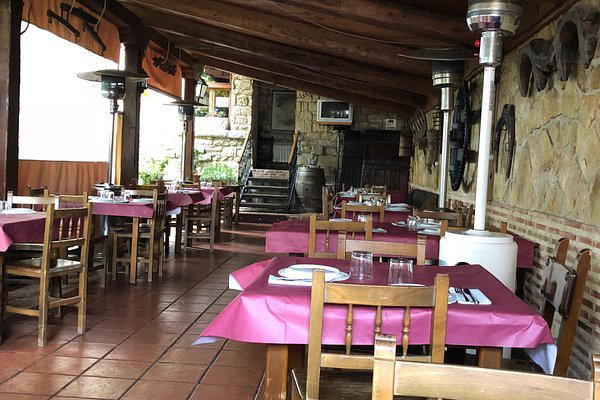
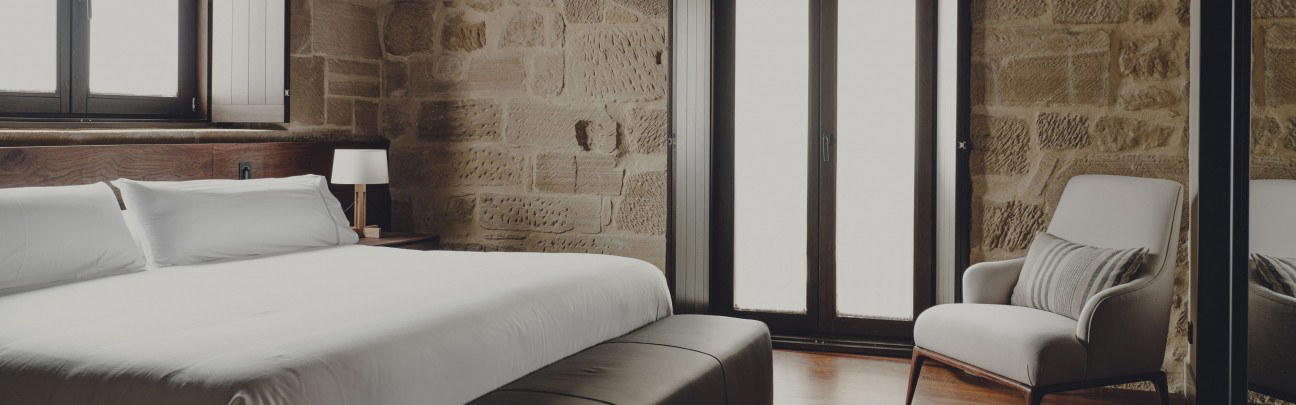
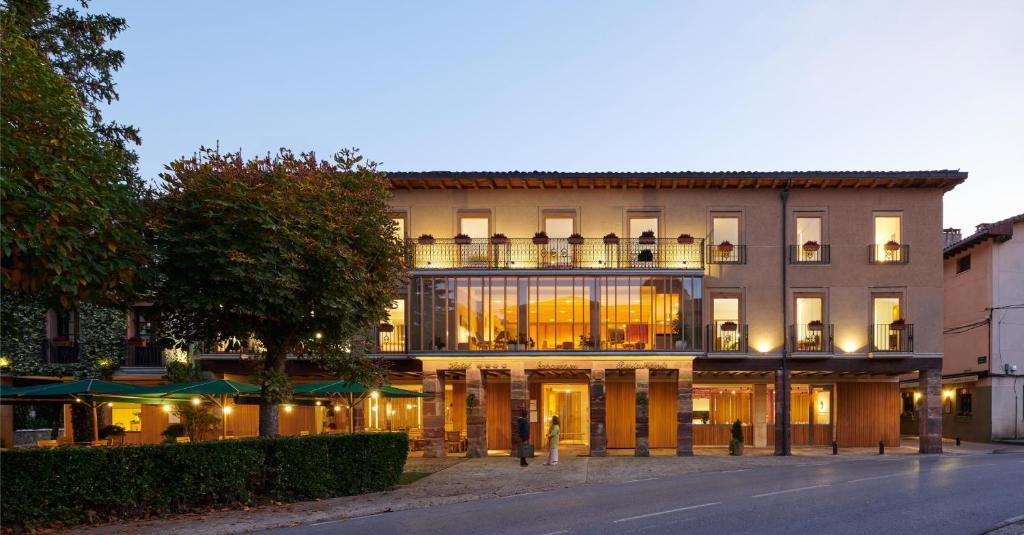
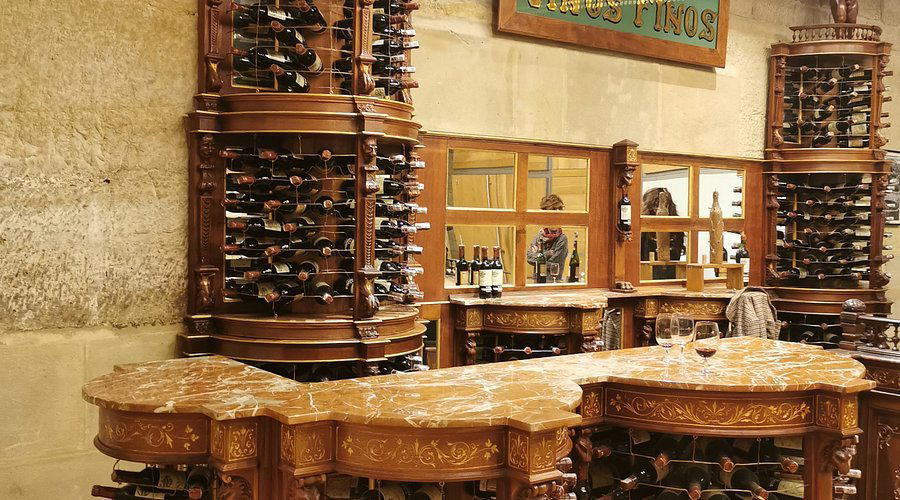
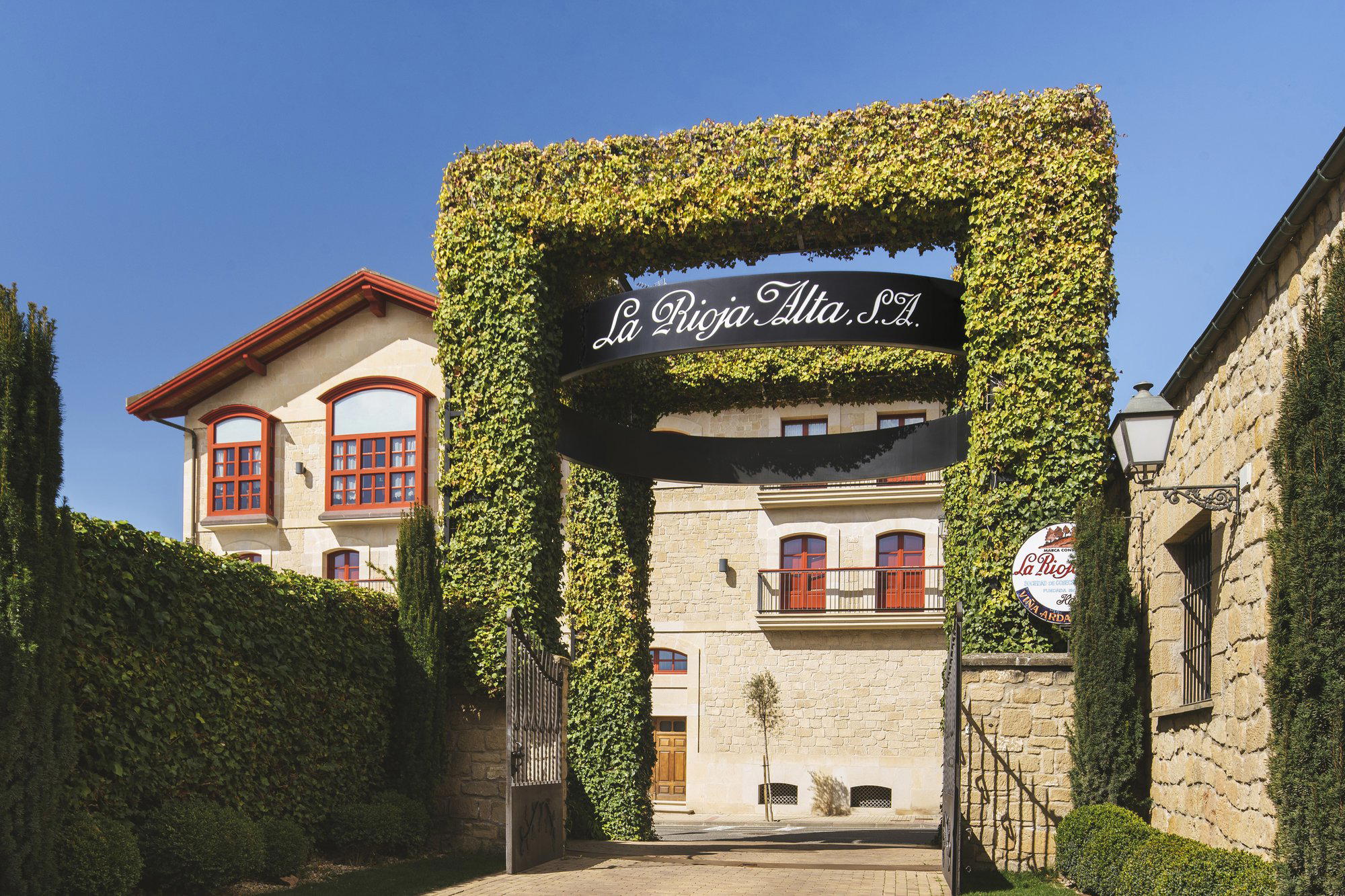
Rustic charm with exposed stone walls, wooden beams, cozy lighting, and multiple dining rooms including a glazed terrace overlooking a large garden.