Venta Moncalvillo







A two-Michelin-star and Michelin Green Star restaurant set in one of the smallest villages in Europe, Venta Moncalvillo draws serious diners to the Rioja Alta with tasting menus built around daily harvests from a biodynamic garden. Chef Ignacio Echapresto and his brother Carlos run the dining room and wine cellar together, offering three seasonal menus and a wine program that includes home-produced meads and kombuchas. Ranked in La Liste's Top Restaurants (83.5pts, 2025) and Opinionated About Dining's European Top 400.
Pearl is the En Primeur Club membership app — saves, bookings, and concierge access live there. Same editors, same standards.
- Address
- Ctra. Medrano, 6, 26373 Daroca de Rioja, La Rioja, Spain
- Phone
- +34 941 44 48 32
- Website
- ventamoncalvillo.com
- Directions
- Get directions
 Saves & bookings on Pearl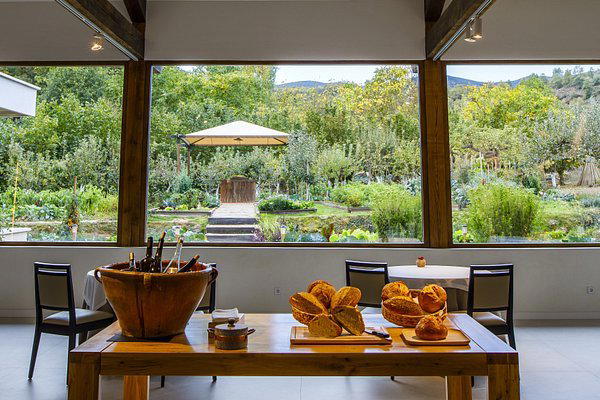
A Village Restaurant That Earns the Drive
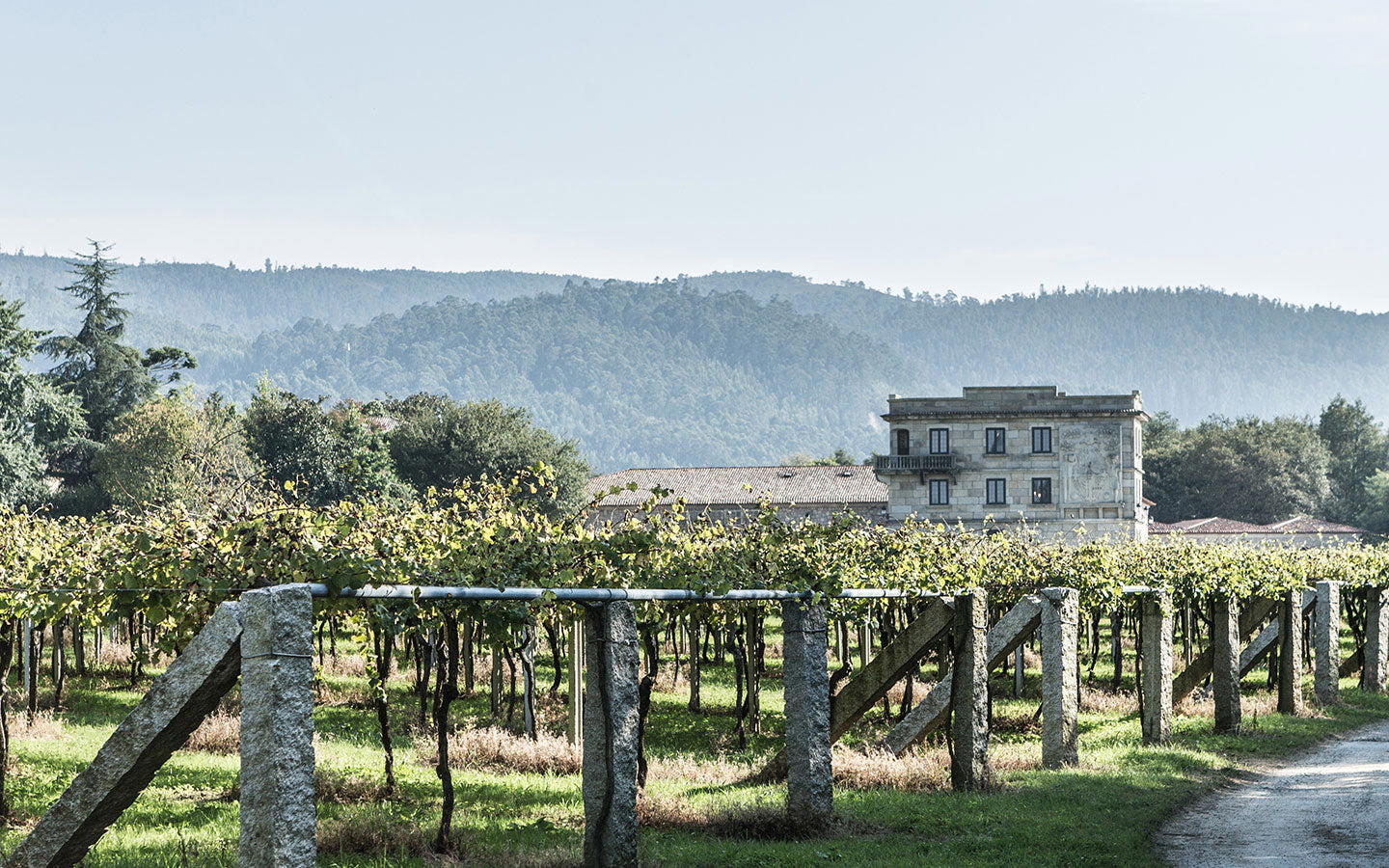
Most restaurants at the two-Michelin-star level sit in cities, or at minimum in towns with hotels nearby and a taxi rank around the corner. Venta Moncalvillo sits in Daroca de Rioja, a settlement so small it counts among the smallest villages in Europe. The Rioja Alta surrounds it: vine rows, vegetable plots, and the kind of silence that disappears somewhere around the Madrid ring road. Arriving here is a deliberate act. You have planned, you have committed, and you are already in a different register by the time you reach the door. That deliberateness is, to a significant degree, the point.
The Garden as the Starting Point
Spain's most celebrated tasting-menu restaurants have long used local produce as a talking point. What distinguishes the format here is structural: the experience at Venta Moncalvillo begins before you enter the dining room. A tour of the biodynamic garden behind the restaurant precedes the meal, with snacks offered by the kitchen as you move through it. This is not a PR gesture. It sets the interpretive frame for everything that follows, making clear that the menu is determined less by creative ambition than by what the ground has produced that week. The Echapresto kitchen describes this as the philosophy of immediacy, a discipline that limits most dishes to two or three components: artichokes, beans, pumpkin, quince, cod, venison. The constraint is the technique.
Within Spain's broader modern cuisine conversation, this approach sits in deliberate contrast to the maximalist register associated with kitchens like DiverXO in Madrid or the architectural complexity of Disfrutar in Barcelona. Where those kitchens accumulate, Venta Moncalvillo reduces. The comparison is not a hierarchy; it is a genuine fork in the road of contemporary Spanish cooking, and both paths carry serious Michelin weight.
Three Menus, One Logic
The tasting menu format has fractured across Spain's leading tables. Some houses offer a single menu as a statement of intent; others provide price-tiered versions of the same idea. Venta Moncalvillo offers three distinct menus, each framed around a different relationship with the landscape: Mirada Raíz (Root Gaze), Mirada al Horizonte (Horizon Gaze), and Mirada Vegetal (Vegetable Gaze). The names are not decorative. Each menu represents a different editorial position on the same ingredients, with Mirada Vegetal drawing exclusively on the garden's output in a format that places it in a small peer group of serious vegetable-forward tasting menus in Europe.
All three evolve with the season, anchored to daily harvests rather than a fixed repertoire. This means the menu a guest experienced in November is substantively different from what arrives in April, and returning visits across the year carry genuine variance rather than cosmetic seasonal substitutions. Among the broader comparable set of leading Spanish tasting-menu restaurants, this degree of calendar flexibility is less common than its marketing prevalence suggests. At venues like Azurmendi in Larrabetzu or El Celler de Can Roca in Girona, seasonal variation coexists with a more stable signature architecture. Here, the instability is the signature.
The Sharing Structure and the Rhythm of the Meal
The restaurant does not operate in the tradition of the informal tapas bar, where the social ritual involves ordering freely, sharing across the table, and accumulating dishes without a fixed sequence. What it does share with that tradition is a structural preference for small-format courses and the principle that multiple focused bites carry more information than fewer large plates. The tasting menu format at this level is, in one sense, the formal evolution of that small-plates logic: the kitchen controls the sequence, but the underlying philosophy, that restraint and focus in each individual plate create a more coherent whole than abundance, connects to something embedded in Spanish food culture more broadly.
The snacks served during the garden tour function as the closest moment to a traditional tasting aperitivo, informal, standing, ingredient-led, before the structured progression of the dining room begins. Guests who have experienced the aperitivo culture at houses like Arzak in San Sebastián or the opening sequences at Martin Berasategui in Lasarte-Oria will recognise the register, even if the scale and context here are quieter.
The Wine Cellar and the Ferments
Carlos Echapresto manages the dining room and the wine cellar, a pairing of responsibilities that keeps beverage decisions integrated with kitchen direction rather than delegated to a separate program. The Rioja Alta location gives the cellar a natural regional anchor, and the denomination's range from classical aged Tempranillo to more recently recognised white and rosé expressions provides structural range. What extends the program beyond a regional wine list is the inclusion of home-produced meads and kombuchas alongside the cellar. In the context of Spain's destination-dining beverage programs, this is a relatively rare integration, placing fermentation as a through-line between the garden, the kitchen, and the glass.
Recognition and Competitive Position
The restaurant holds two Michelin stars (confirmed 2024 and 2025) and a Michelin Green Star, the latter awarded to restaurants with a demonstrable sustainability commitment.
The Michelin Green Star places the restaurant in a specific and growing tier of recognised Spanish restaurants where sustainability credentials are structurally embedded rather than peripheral. Azurmendi in Larrabetzu is especially discussed Spanish Green Star holder in international press; the restaurant operates with less visibility from its village base, which means its dual-star and Green Star combination remains less cited than its recognition warrants. Within Spain's broader modern cuisine category, peers such as Aponiente in El Puerto de Santa María, Quique Dacosta in Dénia, Ricard Camarena in València, Atrio in Cáceres, Enoteca Paco Pérez in Barcelona, Atempo in Barcelona, and Mugaritz in Errenteria each carry comparable formal recognition, but none combine rural village location with this credential stack in quite the same configuration.
Planning Your Visit
The restaurant is open for lunch Tuesday through Saturday, with service running from 1:30 to 2:45 pm. It is closed on Sundays and Mondays. The price range sits at €€€€, placing it in the same tier as Spain's other two-star tasting-menu destinations. Given the rural location and the depth of the wine program, arriving by car is the practical choice for most guests; the village of Daroca de Rioja sits in the Rioja Alta and is driveable from Logroño, the regional capital, in under half an hour. Given the limited service window and the prestige of the booking, reservations should be secured well in advance.
Comparison Snapshot
Comparable venues nearby, for context on price, style, and recognition.
| Venue | Cuisine | Price | Awards | Notes |
|---|---|---|---|---|
| Venta MoncalvilloThis venue — the venue you are viewing | Modern Spanish Farm-to-Table | $$$$ | Michelin 2 Star | Not listed |
| Coque | Modern Spanish Fine Dining | $$$$ | Michelin 2 Star | Almagro |
| Molino de Urdániz | Creative Spanish Fine Dining | $$$$ | Michelin 2 Star | Urdaitz |
| DSTAgE | Avant-Garde Spanish Tasting Menus | $$$$ | Michelin 2 Star | Chueca |
| El Portal de Echaurren | Creative Modern Spanish Fine Dining | $$$$ | Michelin 2 Star | Ezcaray |
| Ramón Freixa | Modern Spanish Fine Dining | $$$$ | Michelin 2 Star | Recoletos |
Recognition history
Dated appearances from independent guides and award organizations, with the underlying list record or original source where available.
Guía Repsol 2 Soles
Guía Repsol
La Liste Top Restaurants
La Liste
Macarfi 9.3 Food Rating
Macarfi
Michelin 2 Stars
Michelin
Opinionated About Dining Top Restaurants in Europe Ranked #137
Opinionated About Dining
Star Wine List
Star Wine List
La Liste Top Restaurants
La Liste
Michelin 2 Stars
Michelin
Opinionated About Dining Top Restaurants in Europe Ranked #385
Opinionated About Dining
We're Smart World 4 Radishes
We're Smart World
Michelin 2 Stars
Michelin
Opinionated About Dining Top Restaurants in Europe Ranked #473
Opinionated About Dining
Continue exploring
More in Daroca de Rioja
Restaurants in Daroca de Rioja
Browse all →
Bars in Daroca de Rioja
Browse all →
Hotels in Daroca de Rioja
Browse all →
At a Glance
- Elegant
- Scenic
- Intimate
- Sophisticated
- Rustic
- Celebration
- Special Occasion
- Date Night
- Garden
- Private Dining
- Terrace
- Open Kitchen
- Extensive Wine List
- Sommelier Led
- Farm To Table
- Biodynamic
- Local Sourcing
- Organic
- Garden
Current opening hours
- Monday
- Closed
- Tuesday
- 1:30–2:45 PM
- Wednesday
- 1:30–2:45 PM
- Thursday
- 1:30–2:45 PM
- Friday
- 1:30–2:45 PM
- Saturday
- 1:30–2:45 PM
- Sunday
- Closed
Hours can change for holidays and private events. Last verified .
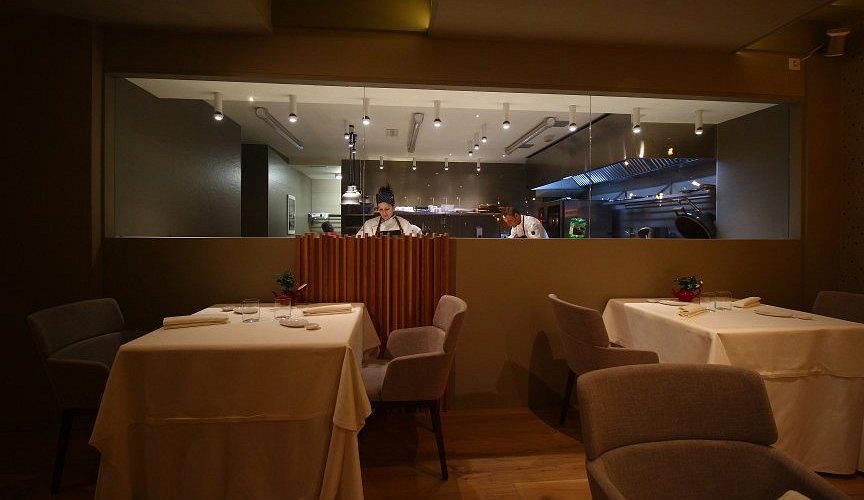
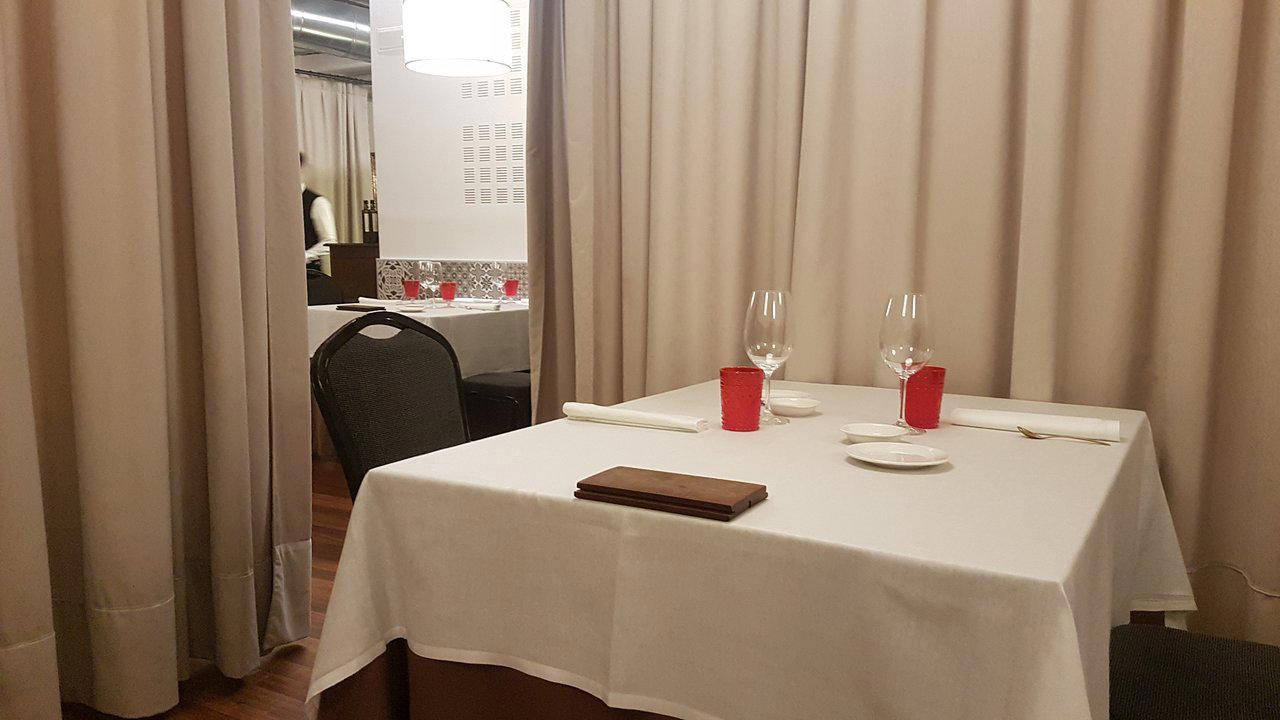
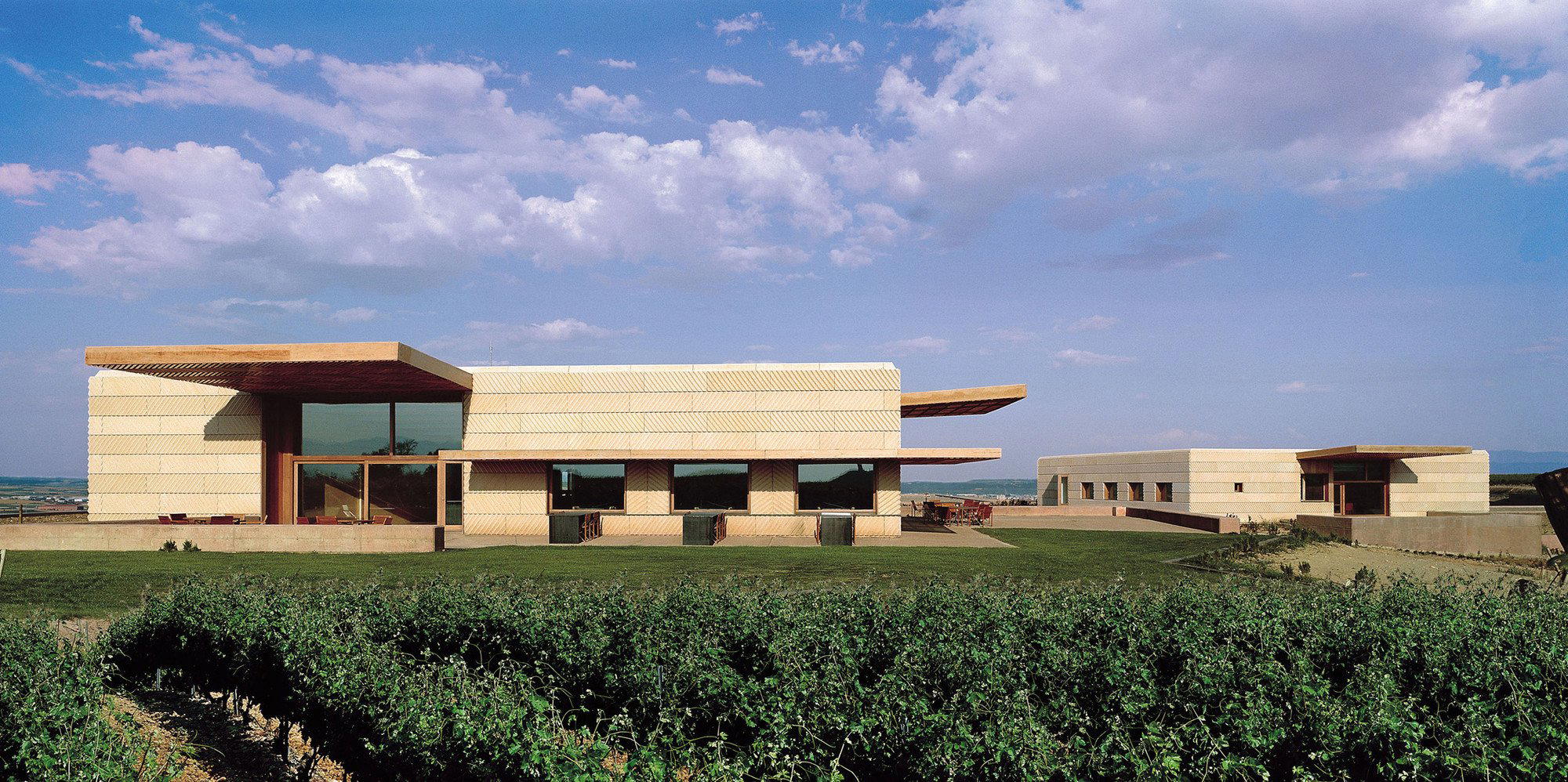
Elegant with clean lines and earth tones, featuring large windows overlooking the garden with natural light; multiple intimate dining rooms ranging from larger spaces to private rooms with single long tables; warm and unpretentious despite internationally prominent rating.