


A Leading Hotels of the World member set in the first 20th-century family mansion of Neguri, Palacio Arriluce translates a Basque aristocratic estate into a small-scale luxury hotel in Getxo, just outside Bilbao. Original heraldic colour palettes, commissioned artworks by international artists, and colonnade garden rooms distinguish it from the city's contemporary hotel alternatives.
Pearl is the En Primeur Club membership app — saves, bookings, and concierge access live there. Same editors, same standards.
- Address
- Atxekolandeta Kalea, 15, 48992 Algorta, Bizkaia
- Phone
- +34 946 18 11 56
- Website
- palacioarrilucehotel.com
- Directions
- Get directions
 Saves & bookings on Pearl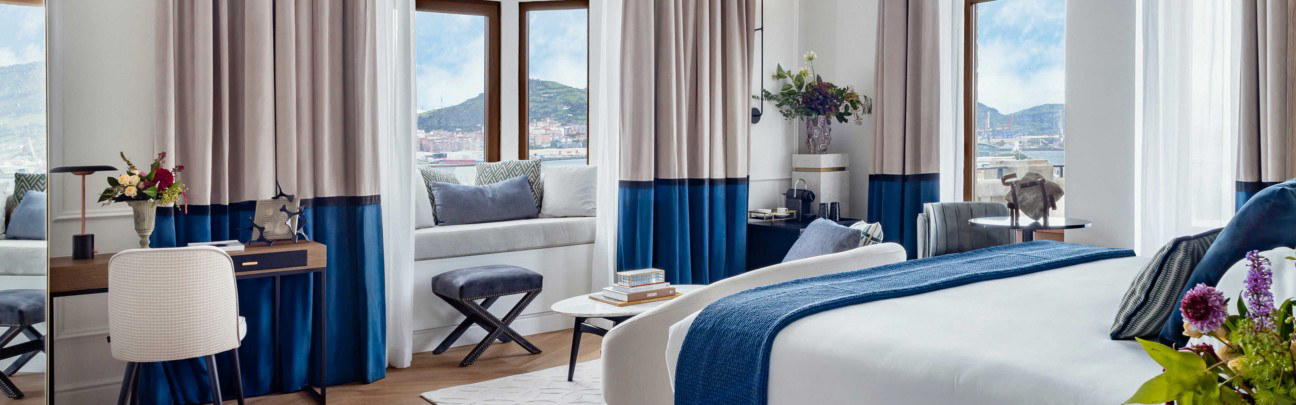
A Basque Palace Outside the City Grid
Most of Bilbao's luxury hotel conversation centres on the Guggenheim district, where properties like Hotel Miro, Tayko Bilbao, and The Artist Grand Hotel of Art occupy the design-forward, urban-premium tier. Palacio Arriluce operates on a different premise entirely. Set in Algorta, the upper residential quarter of Getxo on the Basque coast, it occupies what was the first 20th-century family mansion in the Neguri neighbourhood — a district historically associated with the Basque industrial bourgeoisie rather than with tourist infrastructure. That positioning, residential and coastal rather than civic and cultural, creates a fundamentally different relationship between the guest and Bilbao's wider offer.
Getting there requires either a short drive or a metro connection from central Bilbao, a commute that filters out casual day-trippers and keeps the property within a cohort of guests who have made a deliberate choice to stay outside the urban centre. For those visiting Bilbao through its gastronomy — the Basque Country being one of Europe's most concentrated regions for serious dining, the location offers proximity to the coast without sacrificing access to the pintxos bars of the Casco Viejo or the restaurant addresses that make this corner of Spain a destination in its own right. See our full Bilbao restaurants guide for context on where the property sits relative to the city's dining geography.
The Mansion as Medium: Art, Colour, and Institutional Memory
Spain's small-luxury hotel tier has increasingly fragmented into two camps: properties that deploy historic architecture as atmospheric backdrop, and those that treat the building itself as the primary curatorial object. Palacio Arriluce belongs clearly to the second camp. The heraldic colour system, Bilbao blue, vert green, and gules red drawn from the family escutcheon, runs through the rooms as a consistent visual argument, not as period decoration. These are not colours chosen for spa-friendly neutrality; they are a deliberate act of institutional memory, making the building's lineage legible in every room.
The artwork programme operates at a scale that distinguishes the property from the typical boutique hotel approach of sourcing locally or commissioning single statement pieces. Works span Alberdi's tribute to Basque sculpture, Modernist prints by Sonia Delaunay (whose connection to the palace family is documented in the hotel's own record), abstract lithographs by Frantisek Kupka, and the site-specific "Arriluce Abraza" collection by Diego Canogar. This is a property where the art holdings would repay attention independent of accommodation quality, a threshold most small hotels never reach. Properties in Spain pursuing comparable curatorial ambition include Mandarin Oriental Ritz, Madrid and Mandarin Oriental Barcelona, though both operate at significantly larger scale and within grand-hotel formats rather than the residential-palace typology Arriluce represents.
Rooms and Garden Configuration
Spain's estate-hotel category, think Abadía Retuerta LeDomaine or Mas de Torrent Hotel & Spa, typically disperses rooms across a main building and outbuildings, creating a spectrum of room types that carry different architectural characters. Palacio Arriluce follows the same logic, distributing accommodation across the palace proper and the colonnaded Pergola in the garden. The garden units sit in a covered colonnade, which reads differently from a standard garden annex: the pergola structure maintains a sense of architectural formality while offering direct access to the grounds, a combination that suits guests who want proximity to outdoor space without the exposed, remote-from-the-house feeling of a standalone cabin or bungalow.
Each room carries a distinct identity tied to the heraldic and artistic programme rather than a standardised category logic. The implication, consistent with how Leading Hotels of the World member properties tend to present their inventory, is that room selection matters more here than at hotels where categories are functionally interchangeable. Guests booking without guidance from the property risk under-specifying a room that doesn't align with their preference for view, colour register, or artwork concentration.
The Dining Position in the Basque Context
The Basque Country requires any serious hotel to have a credible answer to the question of food. This is a region where Akelarre in San Sebastián anchors a hotel around three Michelin stars, where the pintxo bar circuit constitutes a dining tradition with its own internal hierarchy, and where guests arrive with eating programmes already mapped out. Within that context, hotels without on-site culinary programmes of their own function as comfortable bases from which guests run their own dining itineraries, with the property's value proposition resting on everything other than food.
What the property's Leading Hotels of the World membership does signal is that the guest experience is positioned at the upper end of the small-luxury tier, where dining, whether on-site or curated as a concierge service pointing guests toward the coast's own restaurants, is expected to meet the same standard as the rooms. For travellers arriving specifically to engage with Basque gastronomy, the property's location in Getxo places it closer to coastal fish restaurants than to the concentrated pintxo zones of Bilbao's old city, a geographic nuance worth factoring into trip planning.
Comparable Spanish properties where the hotel experience is deeply integrated with a serious culinary programme include Atrio Restaurante Hotel in Cáceres, Pepe Vieira Restaurant & Hotel in Poio, and Terra Dominicata in Escaladei. Each takes a different approach to the relationship between kitchen and accommodation, offering a useful comparative frame for guests deciding how central dining should be to their choice of base.
Where Palacio Arriluce Sits in Spain's Luxury Estate Tier
Spain's small-luxury estate hotel market is geographically dispersed but stylistically coherent: historic buildings, limited room counts, curatorial attention to interiors, and positioning within Leading Hotels of the World or equivalent networks. Cap Rocat in Cala Blava, Hotel Can Cera in Palma, La Residencia, A Belmond Hotel, Mallorca, and Hotel Can Ferrereta in Santanyí operate within the same broad tier in the Balearics. On the mainland, Marbella Club Hotel and properties like Torre del Marqués Hotel Spa & Winery anchor similar propositions in Andalusia and Aragon. Palacio Arriluce's distinction within this cohort is geographic, northern Spain's estate hotel supply is considerably thinner than that of the south or the islands, and curatorial, given the specificity and documented provenance of its art programme.
For guests extending a Spain itinerary beyond the Basque Country, the northwest coast also offers Casa Beatnik Hotel in A Coruña and A Quinta da Auga Hotel & Spa in Santiago de Compostela, both operating in the smaller-scale, design-conscious register. International comparisons within the Leading Hotels of the World framework reach further afield, from Aman Venice to Aman New York and The Fifth Avenue Hotel in New York City, though the residential-palace format places Arriluce in a substantially different architectural and experiential category from those city properties.
Planning a Stay
Palacio Arriluce is located at Atxekolandeta Kalea, 15, in Algorta, Getxo. The property carries Leading Hotels of the World membership as of 2025, which provides a booking channel and standard of service expectation for travellers who use that network. Given the property's scale and the specificity of its room programme, distinct identities tied to the artistic and heraldic system, direct contact with the hotel to discuss room selection is advisable rather than booking on category alone. Guests planning to engage with Bilbao's broader dining scene should allow time for the metro or road transfer into the city centre, and factor Getxo's coastal restaurant offer into their planning as a complement rather than an alternative to what the city provides.
Recognition history
Dated appearances from independent guides and award organizations, with the underlying list record or original source where available.
Mr & Mrs Smith Smith Seal of Approval
Mr & Mrs Smith
Virtuoso Luxury Hotel Partner
Virtuoso
Leading Hotels of World Member
Leading Hotels of World
Michelin Selected
Michelin
Continue exploring
More in Bilbao
Hotels in Bilbao
Browse all →
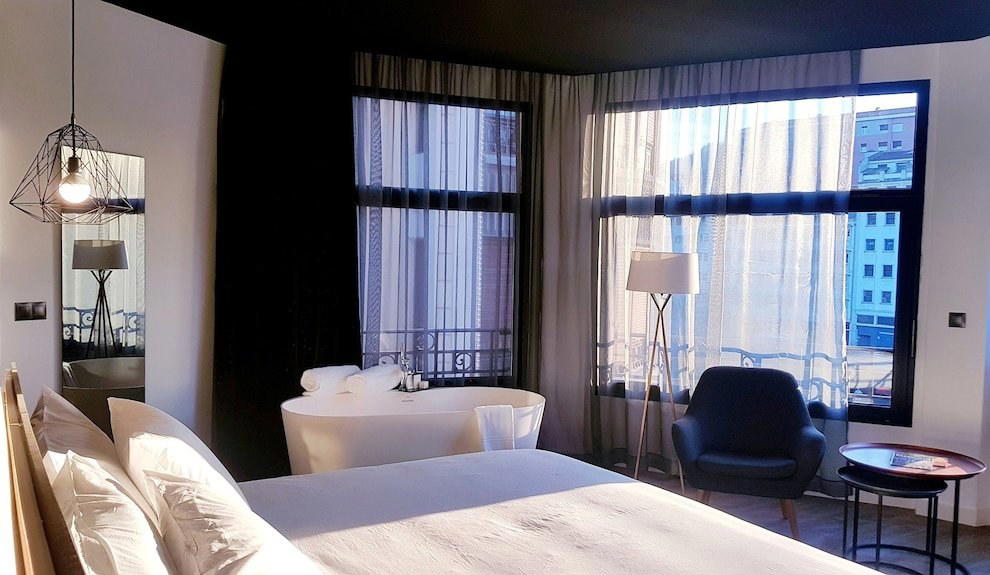
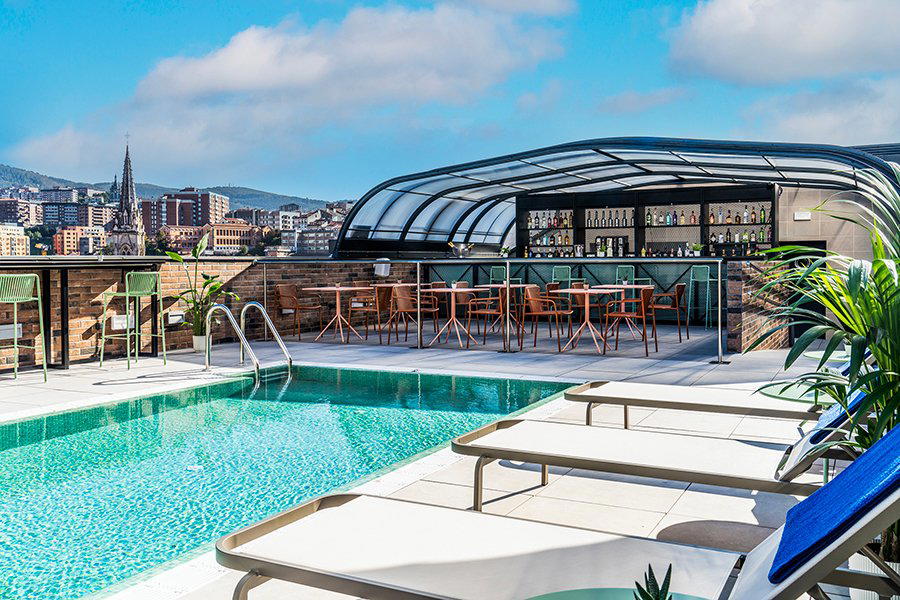
Bars in Bilbao
Browse all →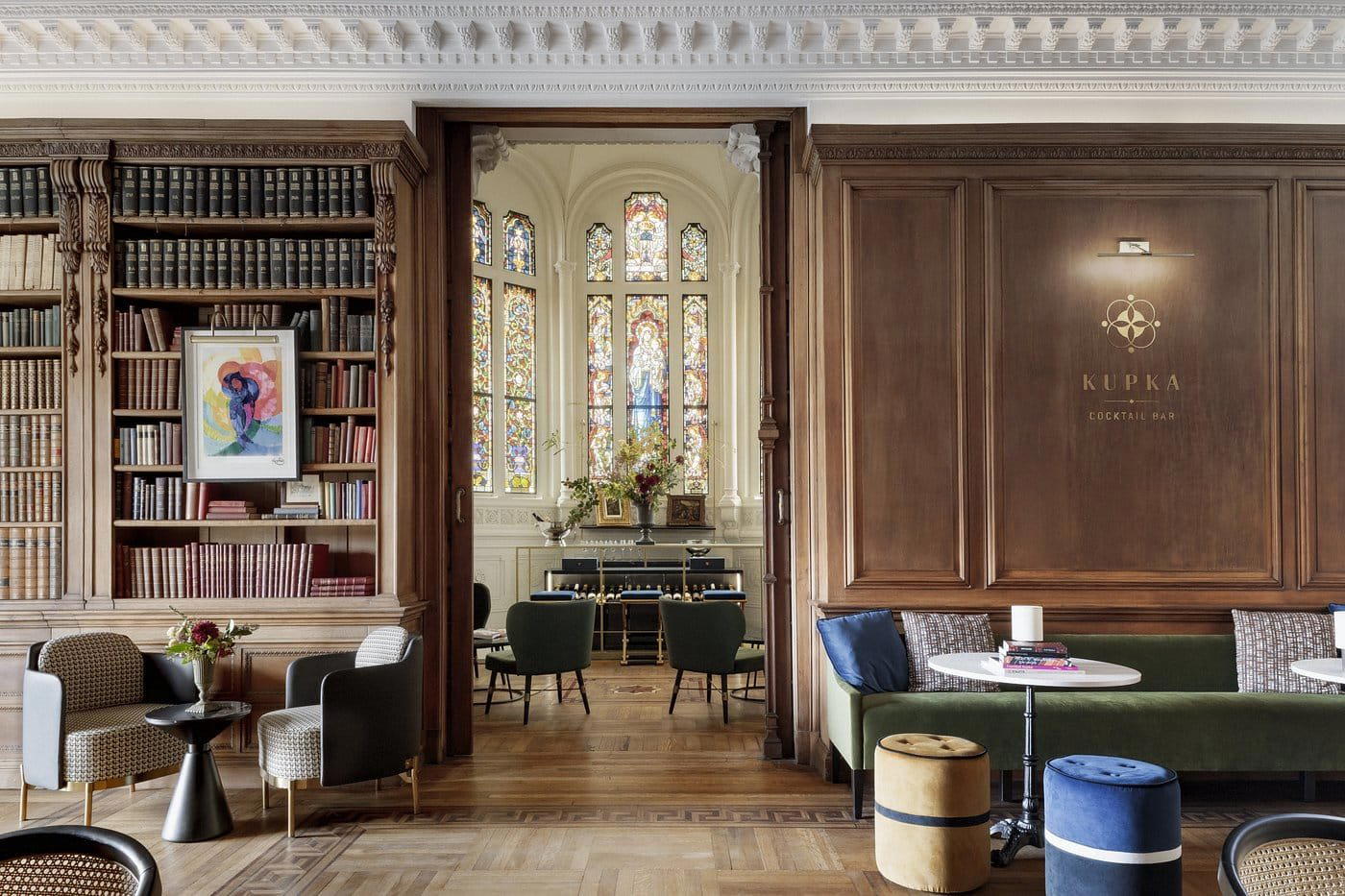
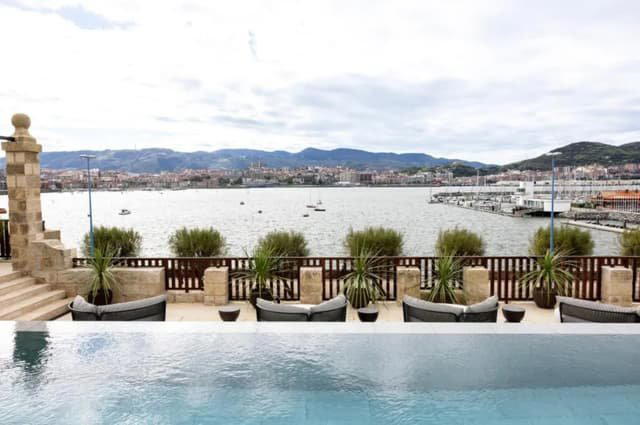
Restaurants in Bilbao
Browse all →
Wineries in Bilbao
Browse all →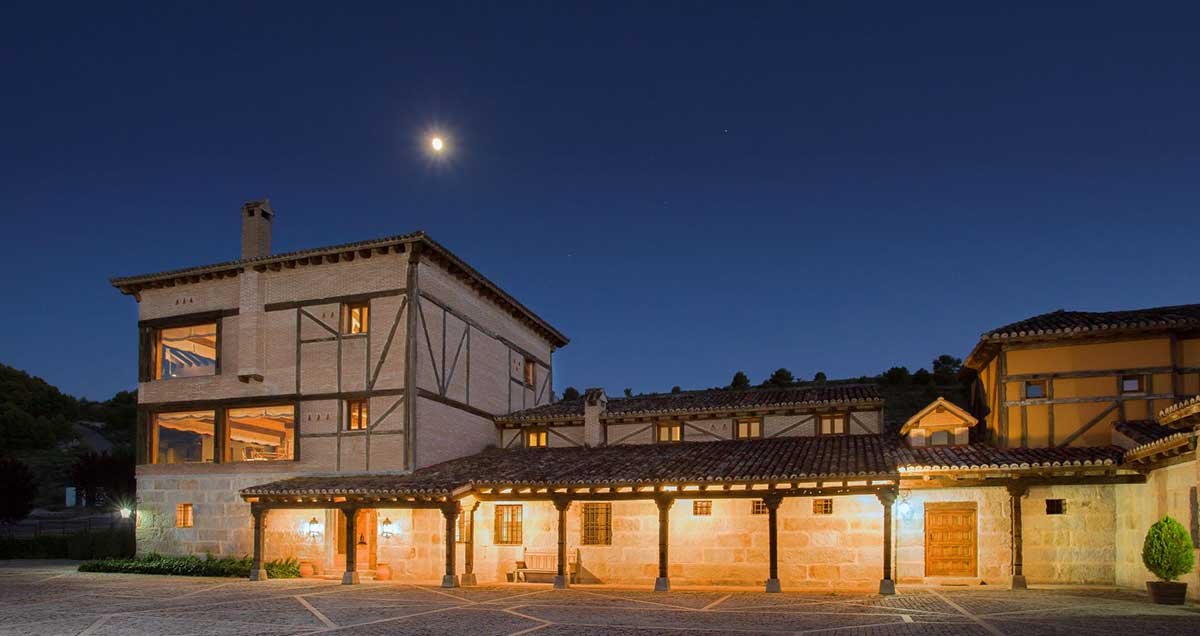
At a Glance
- Elegant
- Sophisticated
- Classic
- Romantic
- Scenic
- Romantic Getaway
- Honeymoon
- Anniversary
- Weekend Escape
- Historic Building
- Panoramic View
- Terrace
- Wi Fi
- Pool
- Spa
- Fitness Center
- Room Service
- Concierge
- Garden
- Waterfront
- Wi Fi
- Pool
- Spa
- Fitness Center
- Room Service
- Concierge
- Garden
Serene and refined atmosphere with elegant lighting, high ceilings, velvet furnishings, and a peaceful wellness oasis amid manicured gardens and pool terrace.
Know Before You Go
- Getting there
- Atxekolandeta Kalea, 15, 48992 Algorta, Bizkaia