
Michelin Selected
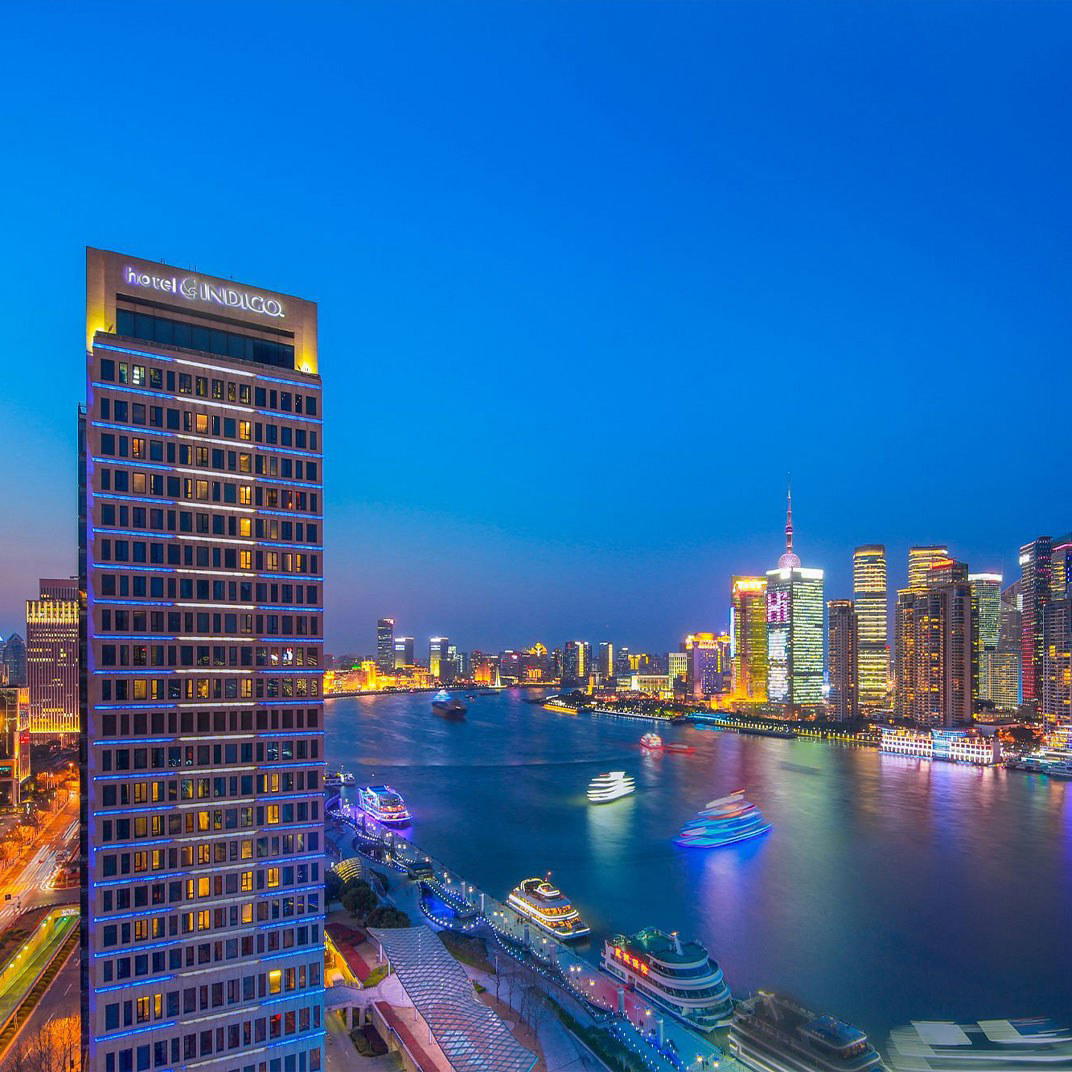
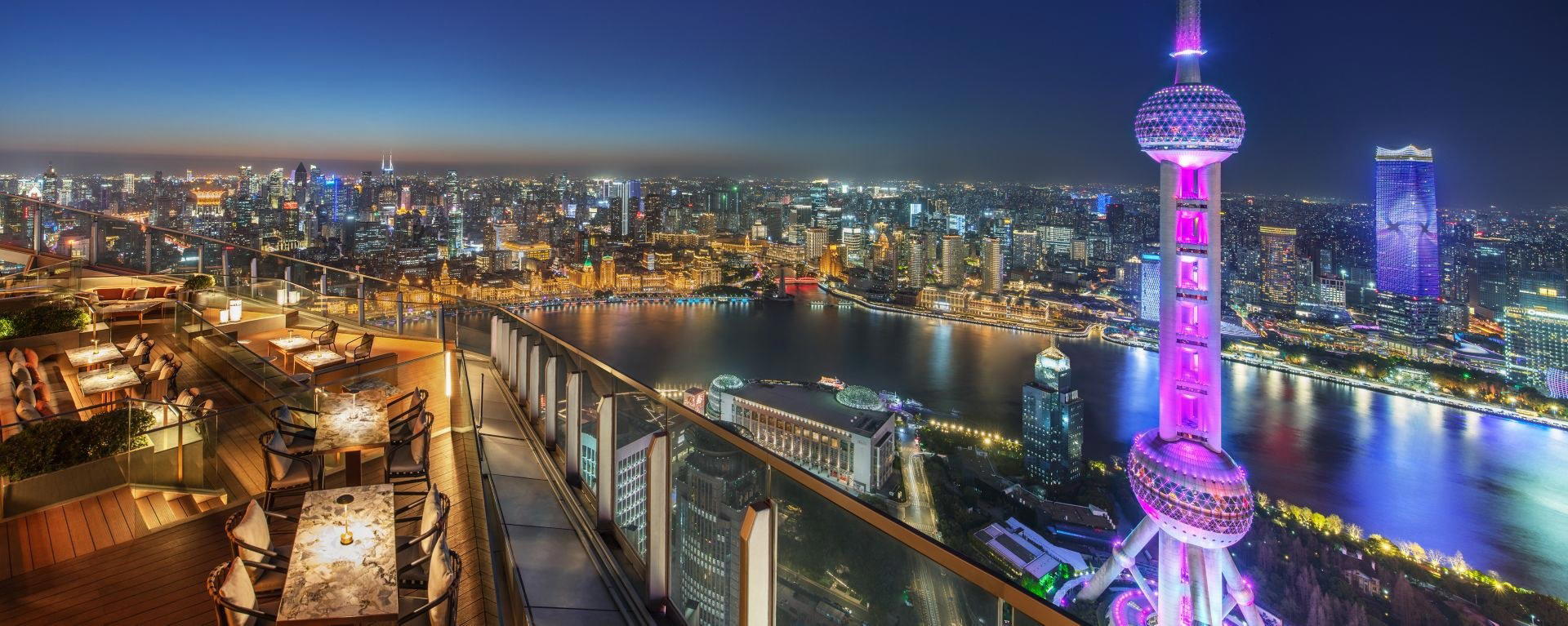
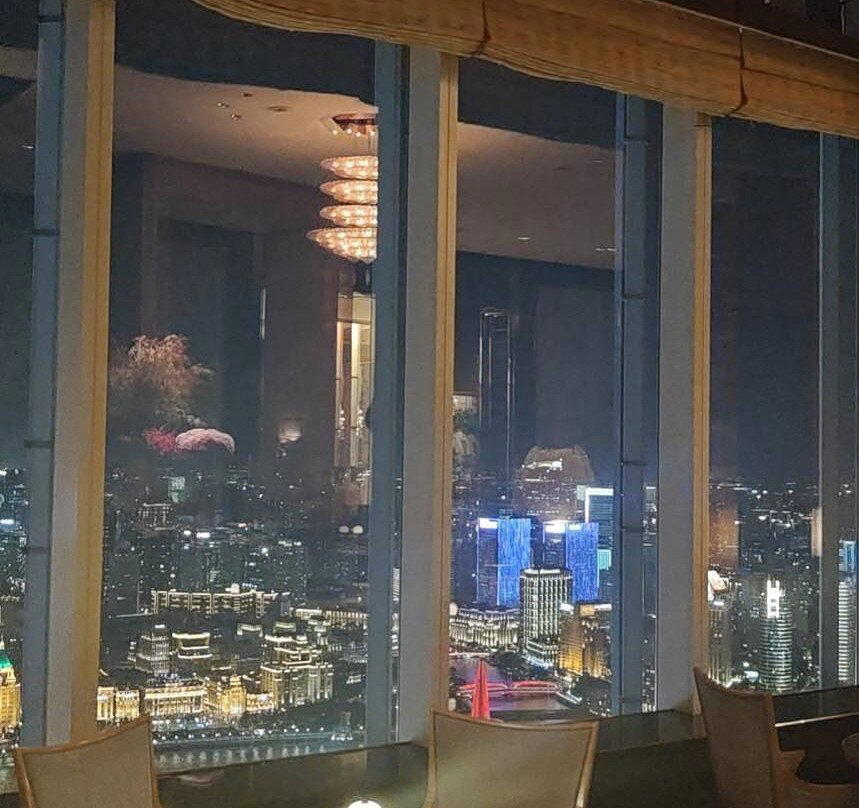
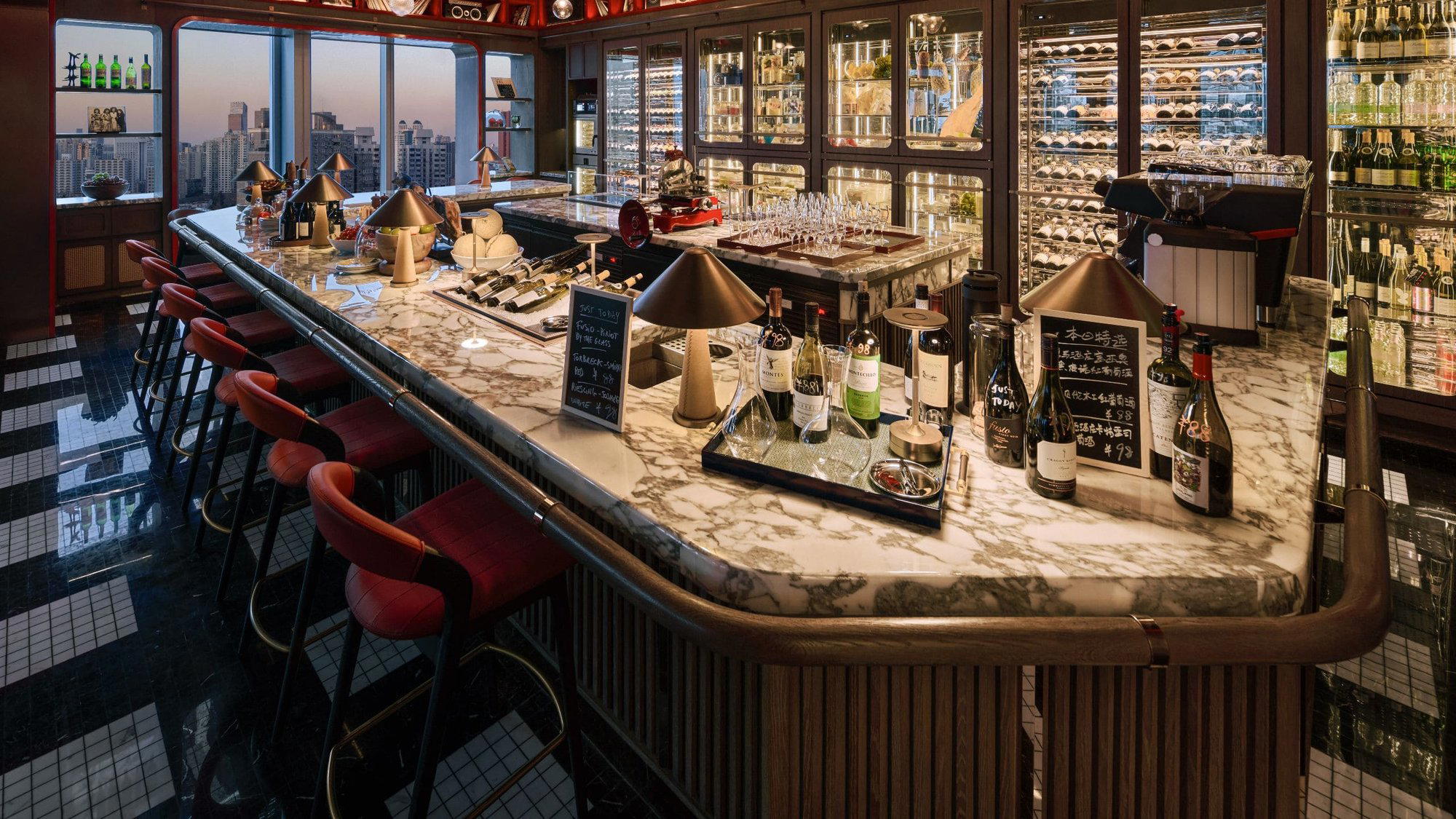
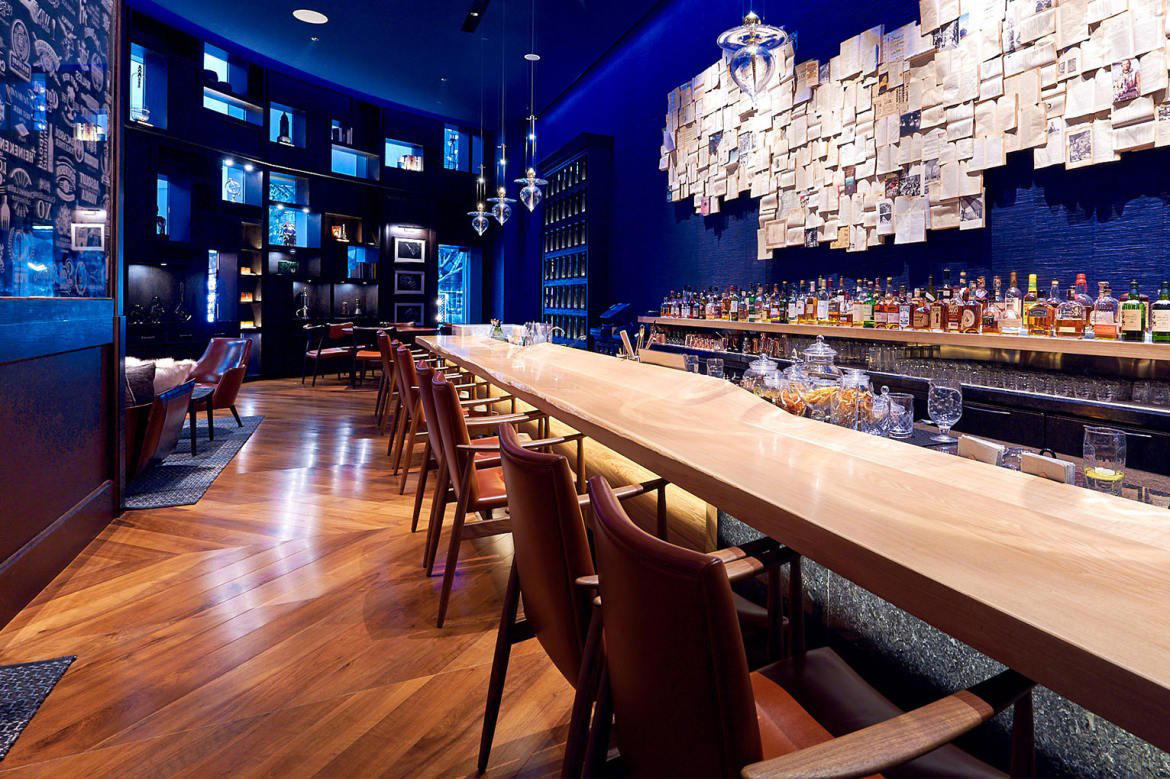
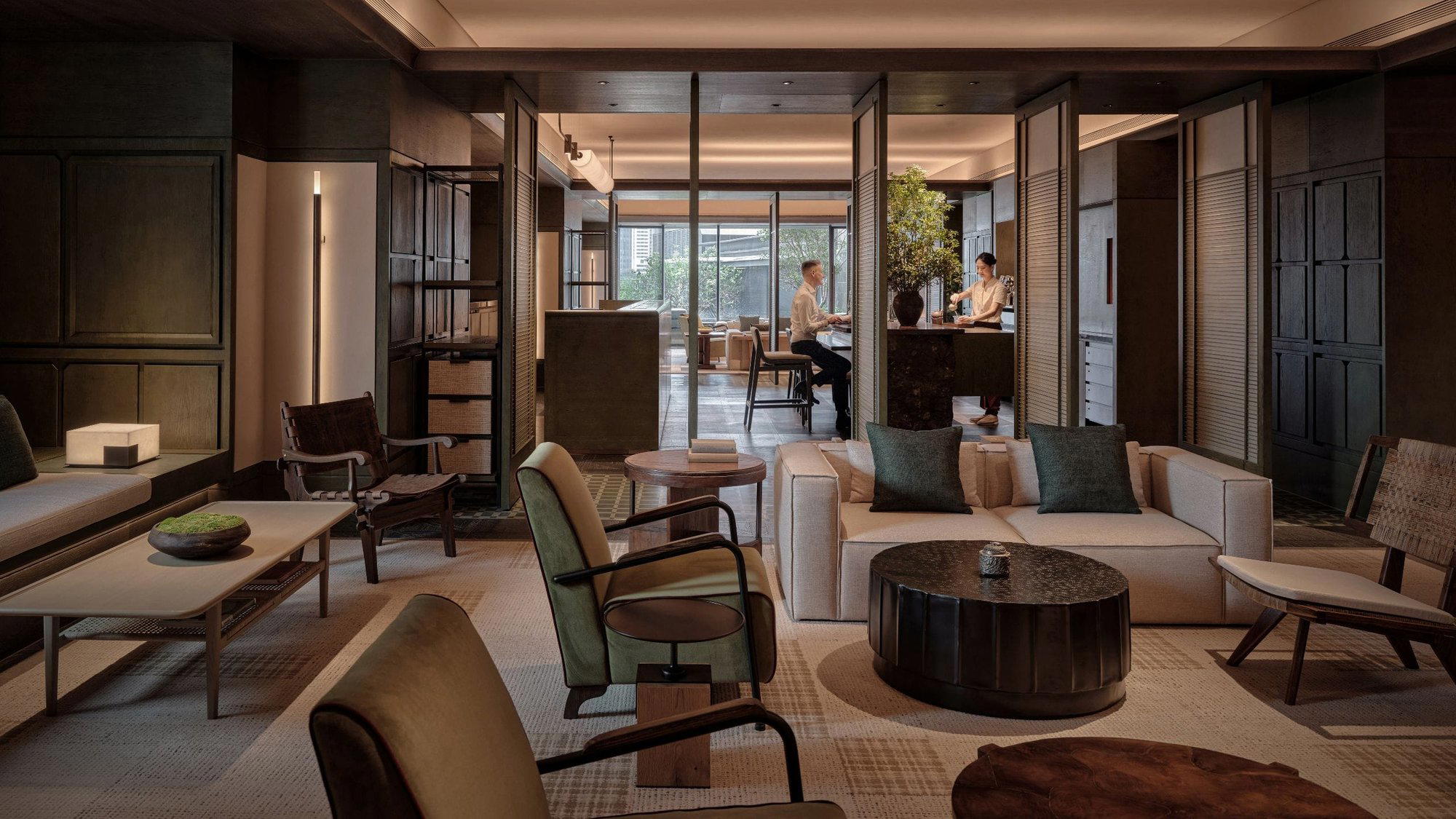
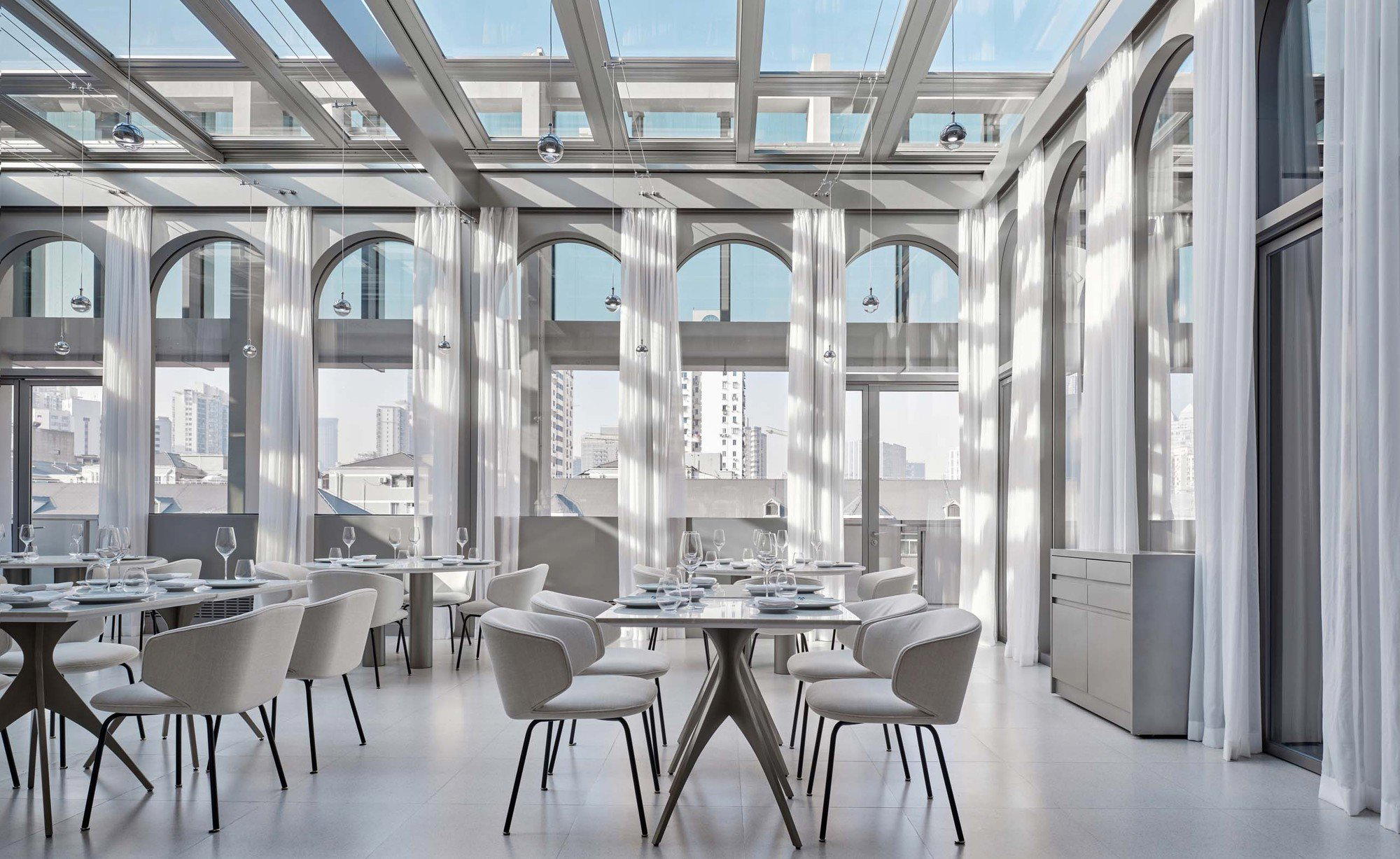
Indigo is the InterContinental Hotel Group’s design-oriented boutique hotel brand, and a glance at the Hotel Indigo Shanghai on the Bund reveals that they’re not going halfway, these interiors are nothing if not eclectic, combining ancient Chinese elements with contemporary international design, and a refreshingly liberal use of color. The rooms and suites are full of high-end modern comforts, and many of them have impressive views of the skyline across the Huangpu River, as does the Char Bar and Grill, on the top three floors of the hotel, which is joined by Quay, a riverside café.

Pearl is the En Primeur Club membership app — saves, bookings, and concierge access live there. Same editors, same standards.
- Address
- No 585 Zhongshan Dong Er Road, Shanghai, China, 200010
- Phone
- +86 21 3302 9999
- Website
- ihg.com
- Directions
- Get directions
A Bund Address Where Design Does the Heavy Lifting
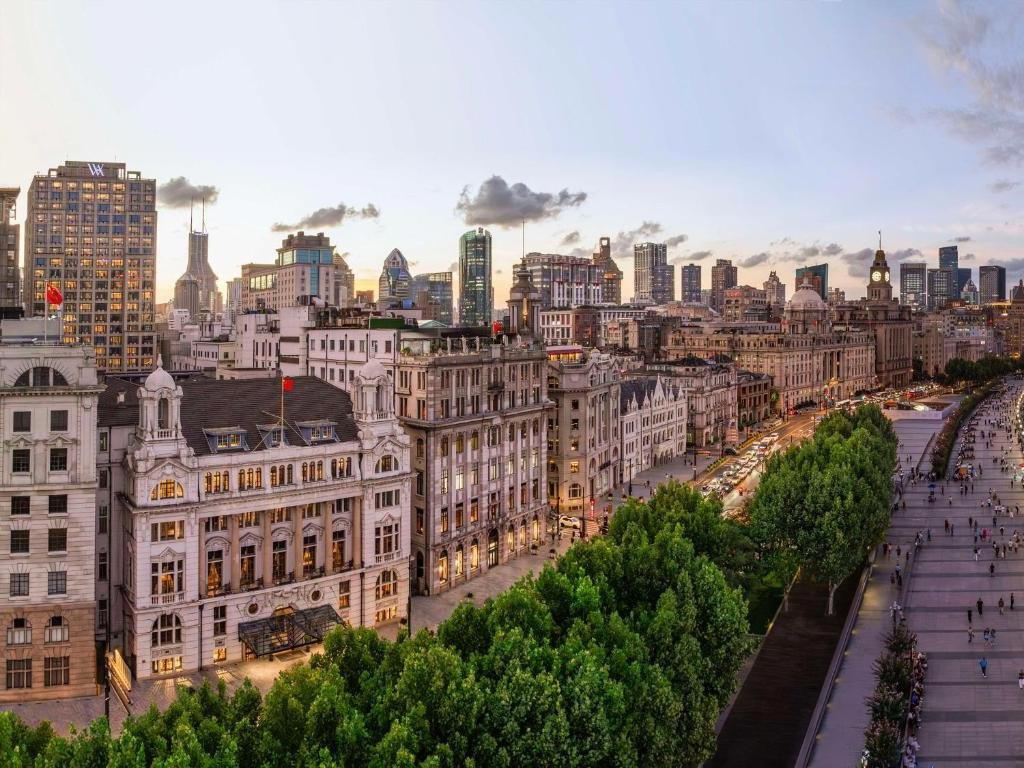
The stretch of Zhong Shan Dong Er Road that runs along Shanghai's southern Bund has always occupied a slightly different register from the northern section dominated by Waldorf Astoria and the Peace Hotel. The buildings here are quieter in their heritage ambitions, which gives design-forward hotels more room to assert a contemporary identity without competing against a century of received grandeur. Hotel Indigo Shanghai On The Bund sits at No. 585 in precisely that position: a Michelin Selected property (Michelin Hotels 2025) on one of the world's most photographed waterfronts, operating in a register that is more architectural statement than period-preservation exercise.
Hotel Indigo as a global brand has built its identity around neighbourhood storytelling expressed through interior design, and the Shanghai Bund property applies that framework to a location with unusually rich material. The result is a hotel where the physical environment — textures, sightlines, the geometry of guest floors against river views — carries more communicative weight than is typical for an international chain property in this city. In a market where the Bvlgari Hotel Shanghai sets one standard of material opulence and Andaz Xintiandi, Shanghai anchors a different neighbourhood with a similarly design-conscious approach, Hotel Indigo's Bund placement gives it a geographic argument that neither of those properties can make.
The Spatial Logic of the Bund Position
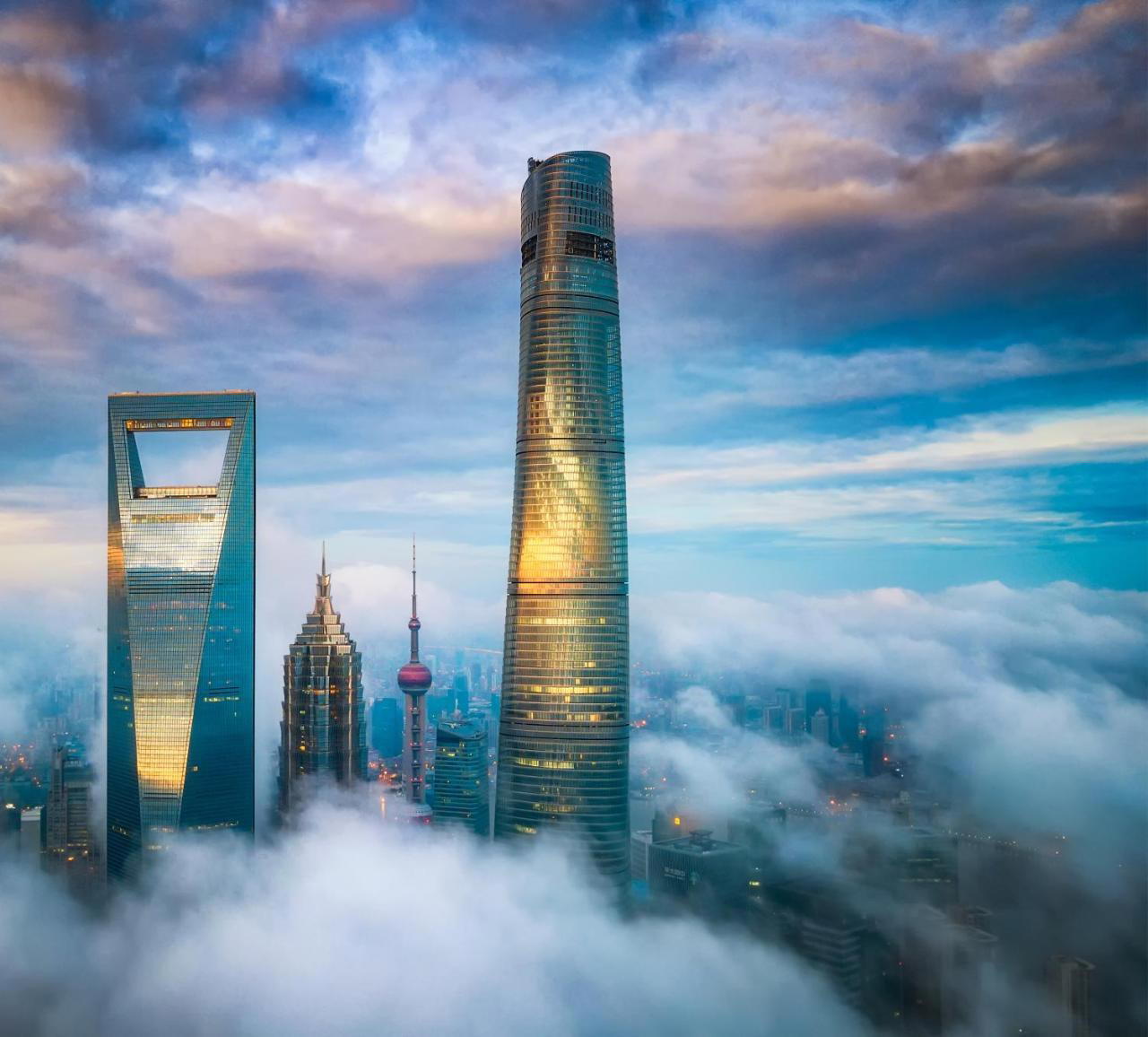
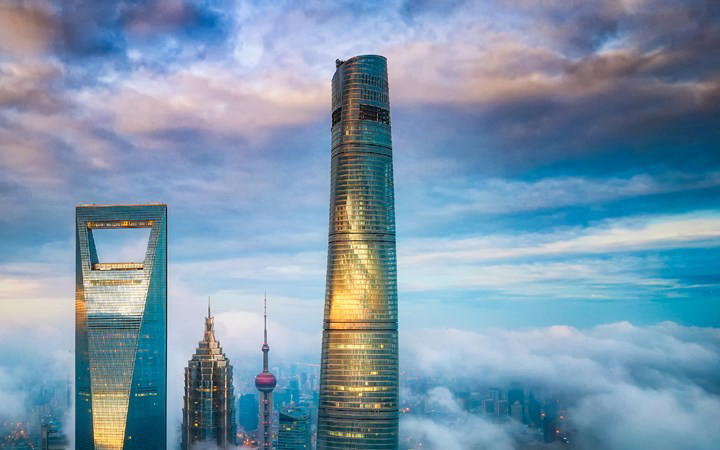
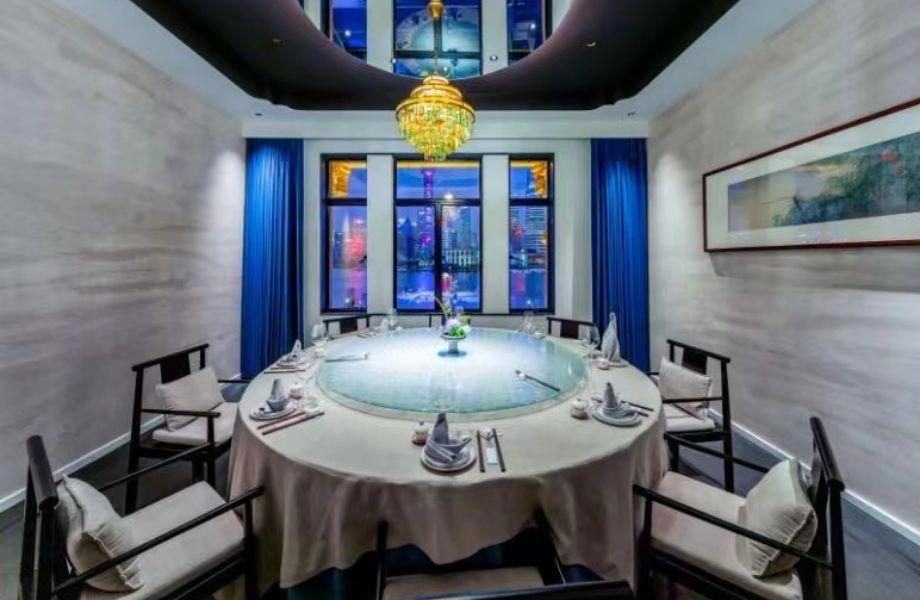
The Bund's architectural grammar is about frontality: the buildings face the Huangpu River and the Pudong skyline across it, and the quality of a hotel room here is partly a function of which direction it faces and how high it sits. This is not a subtle consideration. Pudong's cluster of towers, the Oriental Pearl, Shanghai Tower, the Jin Mao, constitutes one of the most recognisable skyline compositions in Asia, and hotels on the western bank of the Huangpu have been monetising that view for the better part of three decades. What distinguishes properties within the Bund tier is less the view itself, which is available to several competitors, and more what happens when you turn away from the window.
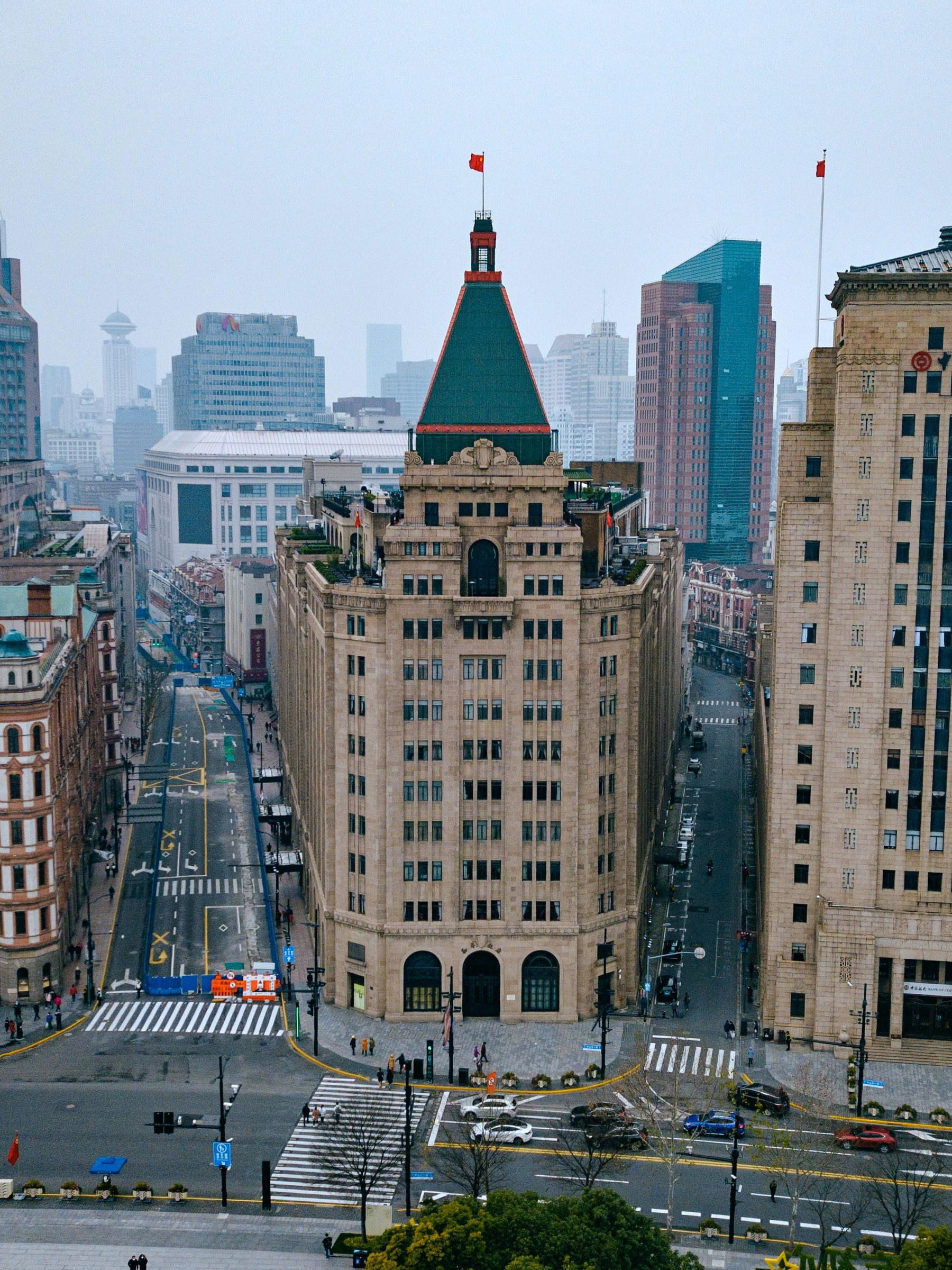
Hotel Indigo's design approach at its Bund property takes the neighbourhood's layered history as a design brief rather than a backdrop. Shanghai's Bund district accumulated its architectural identity across multiple colonial-era phases, and the interiors of design-focused hotels in this area tend either to reference that history directly or to set up a deliberate contrast with it. The Indigo brand's methodology leans toward the latter: contemporary materials and local cultural references interpreted through a modern design vocabulary, rather than reproduction period detailing. Among the city's Bund hotels, this positions it closer to Artyzen NEW BUND 31 Shanghai in its willingness to speak in a contemporary idiom, and at some distance from the heritage-restoration approach of older Bund institutions.
Michelin Selection and What It Signals in This Market
The 2025 Michelin Selected Hotels designation places Hotel Indigo Shanghai On The Bund inside a curated tier that Michelin has been building across Asia's major cities as a complement to its restaurant guides. In Shanghai, that list spans a wide range of price points and property types, but selection implies a standard of physical quality, service consistency, and overall guest experience that Michelin's inspectors consider worth recommending. For a branded chain property competing against some of Shanghai's most heavily capitalised independent and luxury-group hotels, inclusion in this list represents external validation that the property performs above the baseline of its category.
Comparable properties on the Bund and in adjacent districts that also carry Michelin recognition include Bvlgari Hotel Shanghai and Bellagio Shanghai, both of which operate at a higher price tier. The Indigo selection suggests that Michelin's evaluators found sufficient quality at this property's own price point to warrant inclusion rather than simply defaulting to the most expensive options on the waterfront. That distinction matters when choosing a Bund address: the view and the location are available at multiple investment levels, and the Michelin marker here indicates that the trade-off between price and delivery is being managed well.
Shanghai's Bund Hotel Market in Context
The Bund hotel market has stratified over the past decade into at least three distinct tiers. At the apex sit properties like Amanyangyun, which operates a different kind of luxury entirely, drawing on Ming dynasty architecture relocated from Jiangxi province. Below that, a dense mid-to-upper tier includes international brands with river-facing towers and extensive food and beverage programs. A third tier of boutique and design-led properties, of which Hotel Indigo is one, competes on spatial intelligence and brand identity rather than scale. Cachet Boutique Shanghai and Alila Shanghai occupy adjacent territory in this tier, each with a distinct approach to what a design-conscious Shanghai hotel should feel like.
Across China more broadly, this kind of positioning recurs in cities where heritage districts and contemporary hospitality ambitions intersect. Yihe Mansions in Nanjing and Mandarin Oriental Qianmen in Beijing each operate with a similar logic: the address carries historical weight, and the hotel's design response to that context defines its competitive identity. Hotel Indigo's Bund placement puts it in exactly this category at a national scale.
Planning a Stay: What to Know Before Booking
The hotel sits at No. 585 Zhong Shan Dong Er Road in the Huangpu District, placing it on the southern section of the Bund waterfront with direct access to the riverside promenade. The Bund is most legible as a destination on foot, and the proximity to both the French Concession (accessible by taxi or a longer walk south and west) and the historic northern Bund blocks means the hotel's location supports exploration in multiple directions. For Shanghai's broader dining and cultural scene, the EP Club Shanghai guide covers the full range of the city's restaurants and hospitality options across neighbourhoods.
The Michelin Selected designation and the Bund address together define the booking argument: this is a property where design, location, and external quality validation align at a price point below the Bund's most expensive tier. Travellers who prioritise the Pudong skyline view and a considered interior over the scale of a larger luxury tower will find the trade-off coherent. Those seeking the most extensive amenity packages should look at larger Bund properties or compare against Artyzen Habitat Hongqiao Shanghai for a different neighbourhood anchor. For international comparisons in terms of design-led urban hotels with similar positioning philosophies, The Fifth Avenue Hotel in New York City and Badrutt's Palace Hotel in St. Moritz represent how heritage-adjacent positioning plays out in other premium markets, while Hôtel de Paris Monte-Carlo shows what sustained investment in a landmark address looks like over decades.
Within China's wider hotel market, comparisons worth making include The Ritz-Carlton in Xi'an, InterContinental Chongqing Raffles City, Hangzhou Muh Shoou Xixi Hotel, The Hanyu Garden Reserve Suzhou, Conrad Xiamen, LN Hotel Five in Guangzhou, The St. Regis Shenzhen Bao'an, Star Tower at Studio City Macau, Hylla Vintage Hotel in Lijiang, Tian Ranju Inn in Tian Tou Zhai, and Conrad Urumqi, each of which illustrates how design-conscious hospitality operates across China's diverse urban and scenic contexts.
In Context: Similar Options
| Venue | Cuisine | Price | Awards |
|---|---|---|---|
| Hotel Indigo Shanghai On The BundThis venue — the venue you are viewing | This venue | $100–200 | Michelin Selected |
| Waldorf Astoria Shanghai on the Bund | Not listed | Not listed | 1 Michelin Key · La Liste Top Hotels |
| The Portman Ritz-Carlton, Shanghai | Not listed | Not listed | La Liste Top Hotels · Virtuoso Luxury Hotel Partner |
| Bvlgari Hotel Shanghai | Not listed | $750–1,000 | 2 Michelin Keys · La Liste Top Hotels |
| Capella Shanghai, Jian Ye Li | Not listed | Not listed | 2 Michelin Keys · Michelin Guide New Hotels New Hotel |
| Andaz Xintiandi, Shanghai | Not listed | $100–200 | Michelin Selected · Forbes Recommended |
Recognition history
Dated appearances from independent guides and award organizations, with the underlying list record or original source where available.
Michelin Selected
Michelin
Details
- Modern
- Elegant
- Sophisticated
- Scenic
- Romantic Getaway
- Business Trip
- Weekend Escape
- Waterfront
- Rooftop Pool
- Panoramic View
- Design Destination
- Historic Building
- Terrace
- Wi Fi
- Indoor Pool
- Fitness Center
- Room Service
- Concierge
- Restaurant
- Bar
- Parking
- Pool
- Waterfront
- Skyline
- Wheelchair Accessible
- Elevator
- Accessible Restroom
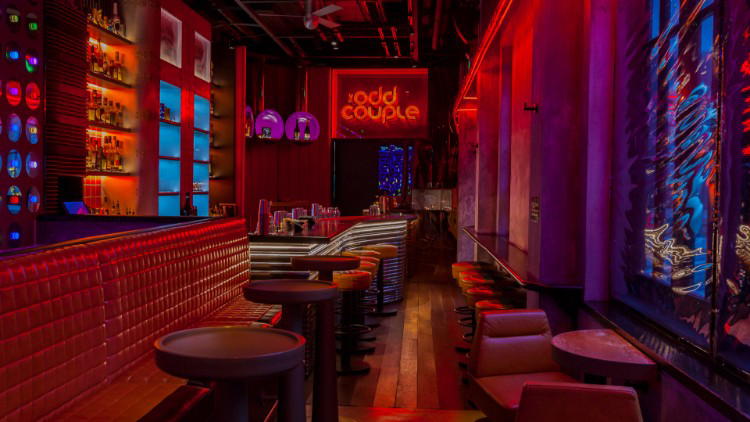
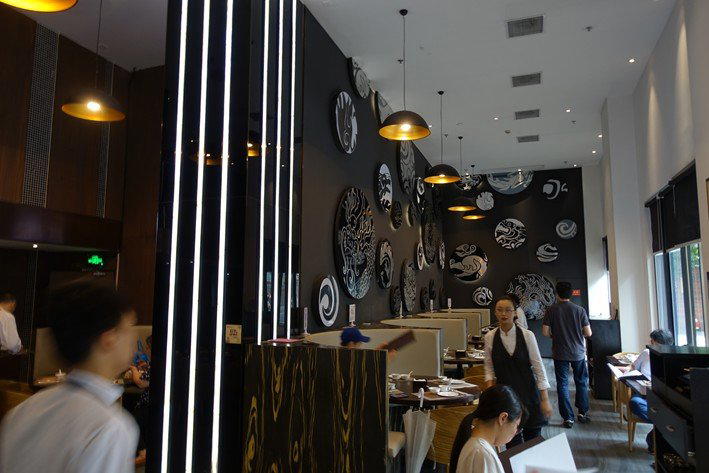
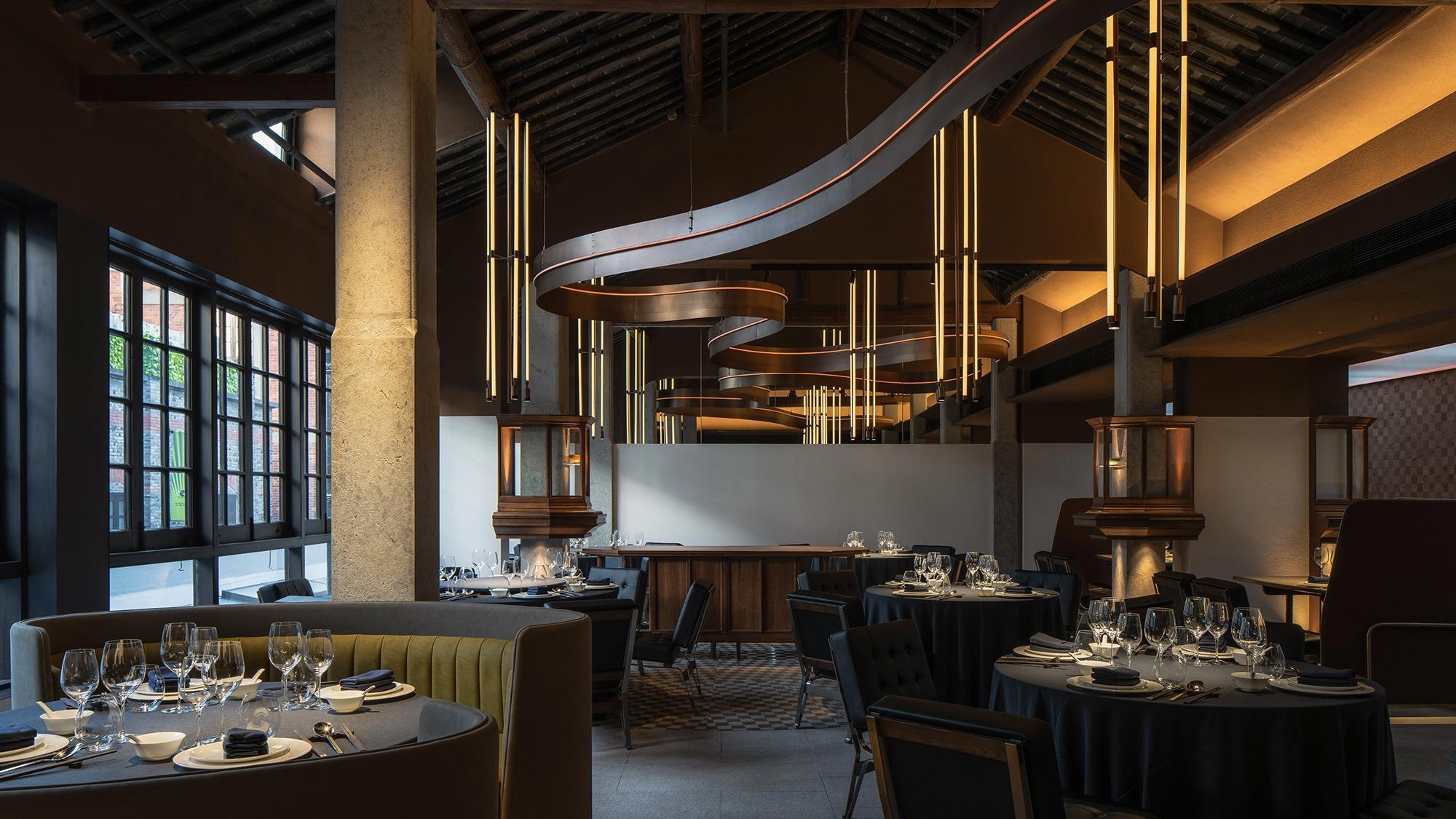
Eclectic and lively with contemporary international design elements, historic Shanghai artifacts in the lobby, and sophisticated lighting throughout public spaces and guest rooms.