
Forbes Travel Guide Hotel Star Bar
Where Pudong's Skyline Meets the Bar Counter Century Avenue in Lujiazui moves at a different pace from the rest of Shanghai. The boulevard is wide, the towers are tall, and the pedestrian rhythm is shaped by the rhythms of global finance rather than neighbourhood habit. Against that backdrop, the lobby-level bar position carries specific weight: it is simultaneously accessible to passersby and anchored to a building that draws an international clientele by default. Aura Lounge occupies exactly that kind of address at 8 Shi Ji Da Dao, sitting at the point where Pudong's corporate identity and Shanghai's evolving bar culture intersect. That intersection is worth dwelling on. Shanghai's cocktail scene has undergone a genuine structural shift over the past decade, moving from hotel bars that served international spirits to a city-wide programme that now produces some of the most technically considered drinks in Asia. Venues like Constellation and Epic have helped anchor a mid-city cocktail culture that prioritises craft and specificity. Coa (Shanghai) and Pony Up represent another register entirely. Aura Lounge's Lujiazui position places it in a different competitive set from those Jing'an and Former French Concession venues, one shaped as much by the expectations of hotel bar drinkers as by Shanghai's independent cocktail circuit. The Logic of a Lobby Bar at This Address In cities with serious bar scenes, the lobby bar has historically operated as a transitional space: somewhere to wait, somewhere to close a deal, somewhere between the airport and the meeting room. What has changed across the premium end of Asia's hotel drinking culture is that a growing number of those lobby bars now carry programmes that compete directly with the independent tier. The Ritz-Carlton Bar and Lounge in Macau is one regional example of how a hotel bar position can function at a genuinely high level. The question for any Lujiazui lounge is whether it is serving the building or serving the city. The Pudong context matters here. Lujiazui has a captive international audience that other Shanghai bar neighbourhoods do not, which creates both an opportunity and a risk. The opportunity is consistent high-spend footfall from finance, consulting, and the broader corporate international circuit. The risk is that serving that audience too narrowly produces a bar that is competent but not distinctive. The bars in mainland China that have generated the most traction, from Hope and Sesame in Guangzhou to CMYK in Changsha to Obsidian Bar in Shenzhen, have done so by building programmes specific enough to attract drinkers who were not already in the building. Cocktail Culture in the Finance District The editorial angle that matters most for any bar at this kind of address is the cocktail programme itself. Shanghai's serious drinking culture has become increasingly technique-focused, with fermentation, clarification, fat-washing, and regional ingredient sourcing all appearing as standard tools across the better programmes in the city. That shift mirrors what happened in Tokyo, Hong Kong, and Singapore in the years before, and it has gradually filtered from the independent scene into the hotel tier. For a lounge on Century Avenue, the programme needs to hold its own against both the hotel bar expectations of its immediate clientele and the broader Shanghai standard that drinkers who have spent time in the Former French Concession or Jing'an will bring with them. The most defensible position for a bar at this address is one that uses the international footfall as a foundation while building a drinks identity specific enough to give a reason to return. Bars in comparable positions elsewhere in Asia, from Janes and Hooch in Beijing to Café La Trova in Miami, have shown that a strong identity at the programme level does translate into a bar that draws beyond its immediate hotel catchment, provided the execution is consistent. Within mainland China's bar hierarchy, the venues that have generated lasting critical traction have tended to do so through specificity: a particular spirit category, a defined technique, a regional ingredient focus that gives the programme a legible editorial identity. Xing Shan Si Xi Jie in Xi'an is an example of how regional specificity can anchor a bar's identity in a city that sits outside the first tier of China's cocktail circuit. The lesson for any Lujiazui bar is similar: the geography alone is not an identity. How to Approach a Visit Lujiazui is accessible via metro Line 2, with Lujiazui station serving the immediate district. The Century Avenue address is central to the financial tower cluster, which means arrival by taxi or ride-share from either Pudong International or Hongqiao is direct, and the surrounding area operates on extended business hours that align well with a post-dinner or post-meeting drinks window. For a lobby-level bar at this kind of address, the practical threshold for arrival tends to be lower than at independent venues with fixed cover policies, but the experience during peak hours on weekday evenings will reflect the density of the Lujiazui corporate circuit. Those approaching from the Puxi side should factor in the tunnel or metro crossing, which adds time during peak periods. Full context on how Aura Lounge sits within Shanghai's broader bar and restaurant map is available in our full Shanghai restaurants guide. Frequently Asked Questions What should I try at Aura Lounge? What the Lujiazui address and the broader Shanghai cocktail context suggest is that the bar operates across a range of international and locally inflected serve styles. If you want a benchmark for the programme's ambition, ask the bar team what they are pouring that does not appear on the standard list; in a Pudong hotel lounge at this level, that conversation will tell you more about the programme's depth than the printed menu will. Why do people go to Aura Lounge? The Century Avenue address makes Aura Lounge a natural point of convergence for Lujiazui's finance and hospitality circuit. For visitors to the Pudong financial district, it fills the function that a well-positioned lobby bar should: accessible without a reservation threshold, open to both hotel guests and walk-in drinkers from the surrounding towers, and positioned at a price point consistent with the international hotel tier in one of Shanghai's highest-cost commercial corridors. Do I need a reservation for Aura Lounge? Lobby-level bars at hotel addresses in Lujiazui typically operate on a walk-in basis for most of the week, with peak demand on Thursday and Friday evenings when the corporate circuit is at its densest. If you are planning a visit around a specific event or a larger group, contacting the property directly ahead of time is the practical approach. Is Aura Lounge a good option for clients who primarily drink whisky or Champagne rather than cocktails? Hotel bars in the Lujiazui tier typically carry comprehensive spirit selections alongside their cocktail programmes, reflecting the preferences of an international corporate clientele that skews toward single malts, Japanese whiskies, and prestige Champagne labels. A lobby-level bar at a prominent Century Avenue address is built to serve that demand alongside its mixed drinks offer. For drinkers who are primarily spirits- or wine-focused, the lounge format at this address is likely to be more accommodating than a cocktail-specialist independent venue, where the programme architecture prioritises the mixed drink tier.

Pearl is the En Primeur Club membership app — saves, bookings, and concierge access live there. Same editors, same standards.
- Address
- Shanghai World Financial Center, 100 Shiji Blvd, Lujiazui, Pudong, Shanghai, China, 200120
- Phone
- +86 21 2020 1717
- Directions
- Get directions
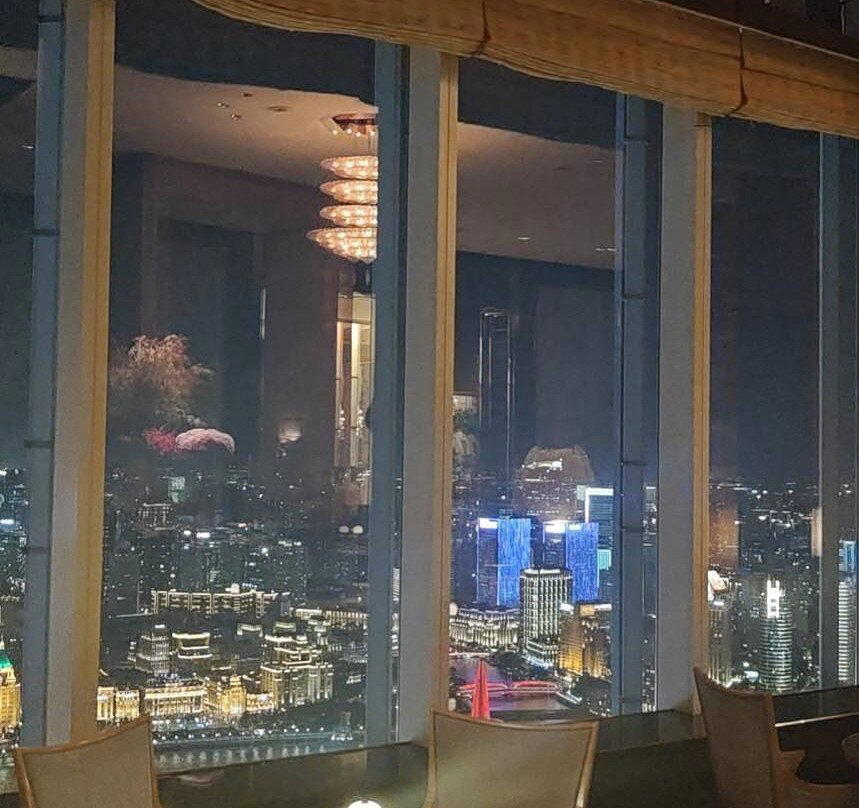
Where Pudong's Skyline Meets the Bar Counter
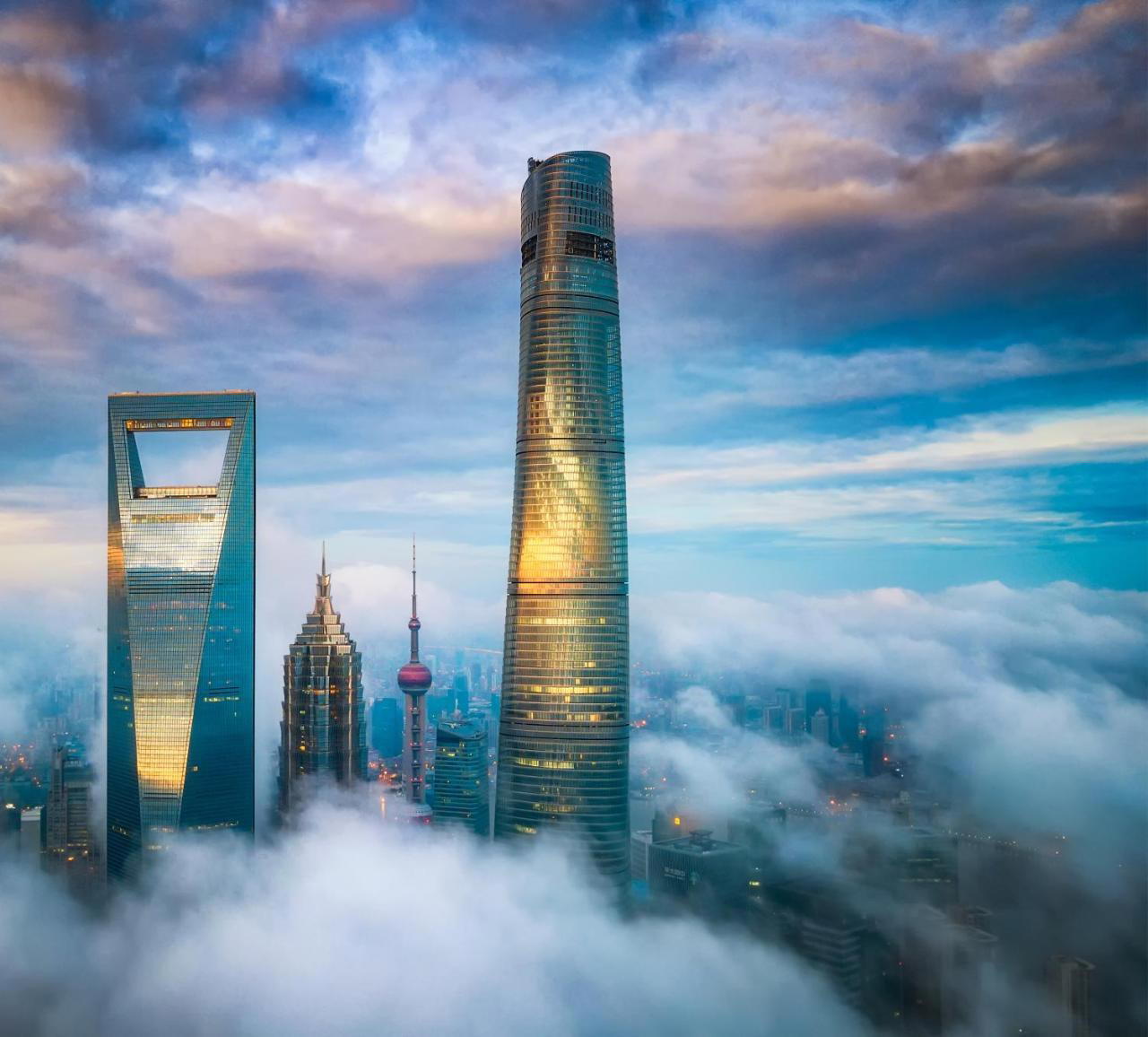
Century Avenue in Lujiazui moves at a different pace from the rest of Shanghai. The boulevard is wide, the towers are tall, and the pedestrian rhythm is shaped by the rhythms of global finance rather than neighbourhood habit. Against that backdrop, the lobby-level bar position carries specific weight: it is simultaneously accessible to passersby and anchored to a building that draws an international clientele by default. Aura Lounge occupies exactly that kind of address at 8 Shi Ji Da Dao, sitting at the point where Pudong's corporate identity and Shanghai's evolving bar culture intersect.
That intersection is worth dwelling on. Shanghai's cocktail scene has undergone a genuine structural shift over the past decade, moving from hotel bars that served international spirits to a city-wide programme that now produces some of the most technically considered drinks in Asia. Venues like Constellation and Epic have helped anchor a mid-city cocktail culture that prioritises craft and specificity. Coa (Shanghai) and Pony Up represent another register entirely. Aura Lounge's Lujiazui position places it in a different competitive set from those Jing'an and Former French Concession venues, one shaped as much by the expectations of hotel bar drinkers as by Shanghai's independent cocktail circuit.
The Logic of a Lobby Bar at This Address
In cities with serious bar scenes, the lobby bar has historically operated as a transitional space: somewhere to wait, somewhere to close a deal, somewhere between the airport and the meeting room. What has changed across the premium end of Asia's hotel drinking culture is that a growing number of those lobby bars now carry programmes that compete directly with the independent tier. The Ritz-Carlton Bar and Lounge in Macau is one regional example of how a hotel bar position can function at a genuinely high level. The question for any Lujiazui lounge is whether it is serving the building or serving the city.
The Pudong context matters here. Lujiazui has a captive international audience that other Shanghai bar neighbourhoods do not, which creates both an opportunity and a risk. The opportunity is consistent high-spend footfall from finance, consulting, and the broader corporate international circuit. The risk is that serving that audience too narrowly produces a bar that is competent but not distinctive. The bars in mainland China that have generated the most traction, from Hope and Sesame in Guangzhou to CMYK in Changsha to Obsidian Bar in Shenzhen, have done so by building programmes specific enough to attract drinkers who were not already in the building.
Cocktail Culture in the Finance District
The editorial angle that matters most for any bar at this kind of address is the cocktail programme itself. Shanghai's serious drinking culture has become increasingly technique-focused, with fermentation, clarification, fat-washing, and regional ingredient sourcing all appearing as standard tools across the better programmes in the city. That shift mirrors what happened in Tokyo, Hong Kong, and Singapore in the years before, and it has gradually filtered from the independent scene into the hotel tier.
For a lounge on Century Avenue, the programme needs to hold its own against both the hotel bar expectations of its immediate clientele and the broader Shanghai standard that drinkers who have spent time in the Former French Concession or Jing'an will bring with them. The most defensible position for a bar at this address is one that uses the international footfall as a foundation while building a drinks identity specific enough to give a reason to return. Bars in comparable positions elsewhere in Asia, from Janes and Hooch in Beijing to Café La Trova in Miami, have shown that a strong identity at the programme level does translate into a bar that draws beyond its immediate hotel catchment, provided the execution is consistent.
Within mainland China's bar hierarchy, the venues that have generated lasting critical traction have tended to do so through specificity: a particular spirit category, a defined technique, a regional ingredient focus that gives the programme a legible editorial identity. Xing Shan Si Xi Jie in Xi'an is an example of how regional specificity can anchor a bar's identity in a city that sits outside the first tier of China's cocktail circuit. The lesson for any Lujiazui bar is similar: the geography alone is not an identity.
How to Approach a Visit
Lujiazui is accessible via metro Line 2, with Lujiazui station serving the immediate district. The Century Avenue address is central to the financial tower cluster, which means arrival by taxi or ride-share from either Pudong International or Hongqiao is direct, and the surrounding area operates on extended business hours that align well with a post-dinner or post-meeting drinks window. For a lobby-level bar at this kind of address, the practical threshold for arrival tends to be lower than at independent venues with fixed cover policies, but the experience during peak hours on weekday evenings will reflect the density of the Lujiazui corporate circuit. Those approaching from the Puxi side should factor in the tunnel or metro crossing, which adds time during peak periods. Full context on how Aura Lounge sits within Shanghai's broader bar and restaurant map is available in our full Shanghai restaurants guide.
Recognition history
Dated appearances from independent guides and award organizations, with the underlying list record or original source where available.
Forbes Travel Guide Hotel Star Bar
Forbes · Forbes Travel Guide Hotel Star Bars 2026
Details
- Elegant
- Modern
- Romantic
- Sophisticated
- Date Night
- After Work
- Group Outing
- Special Occasion
- Hotel Bar
- Panoramic View
- Design Destination
- Seated Bar
- Lounge Seating
- Craft Cocktails
- Classic Cocktails
- Whiskey
- Skyline
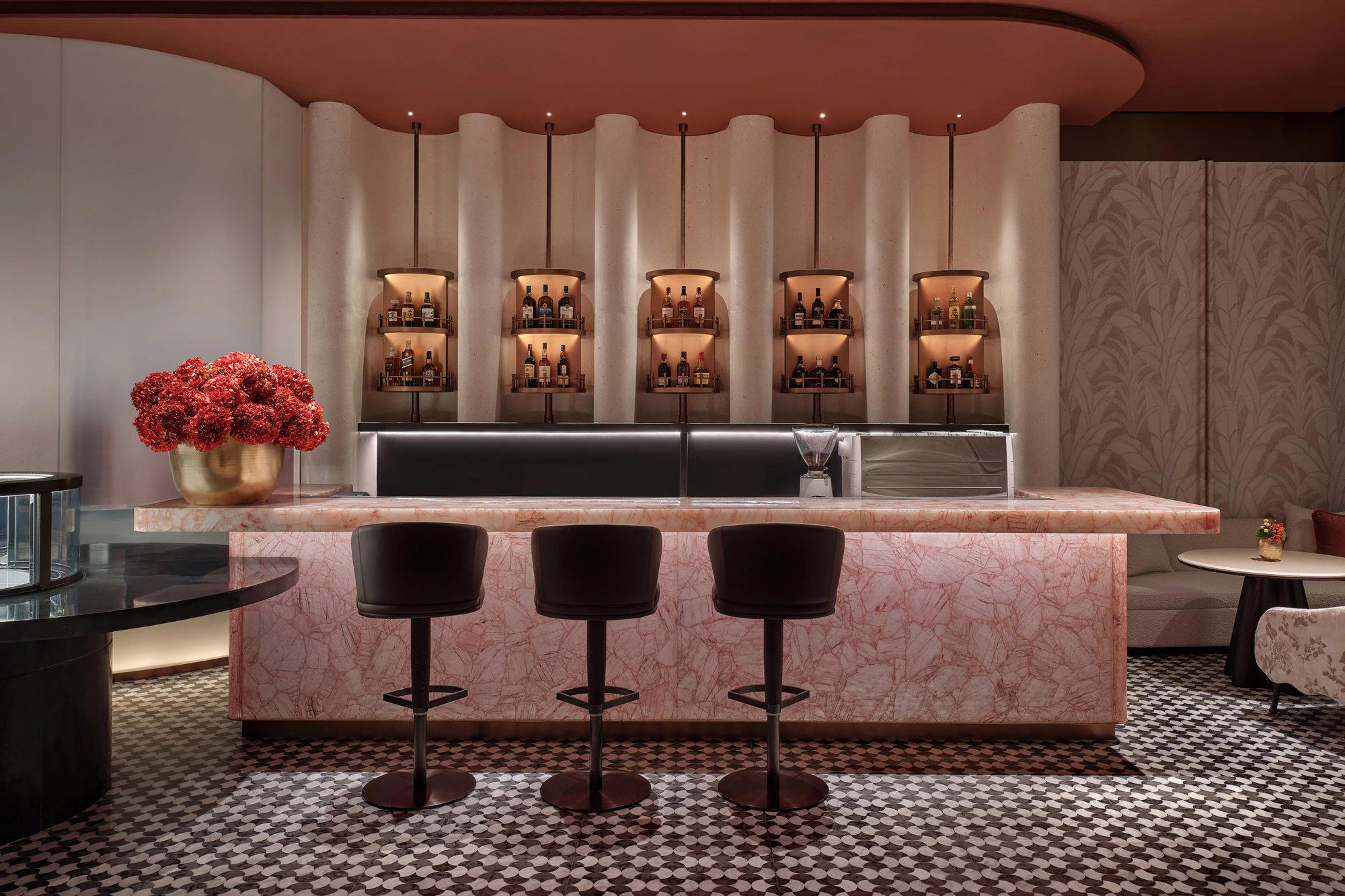
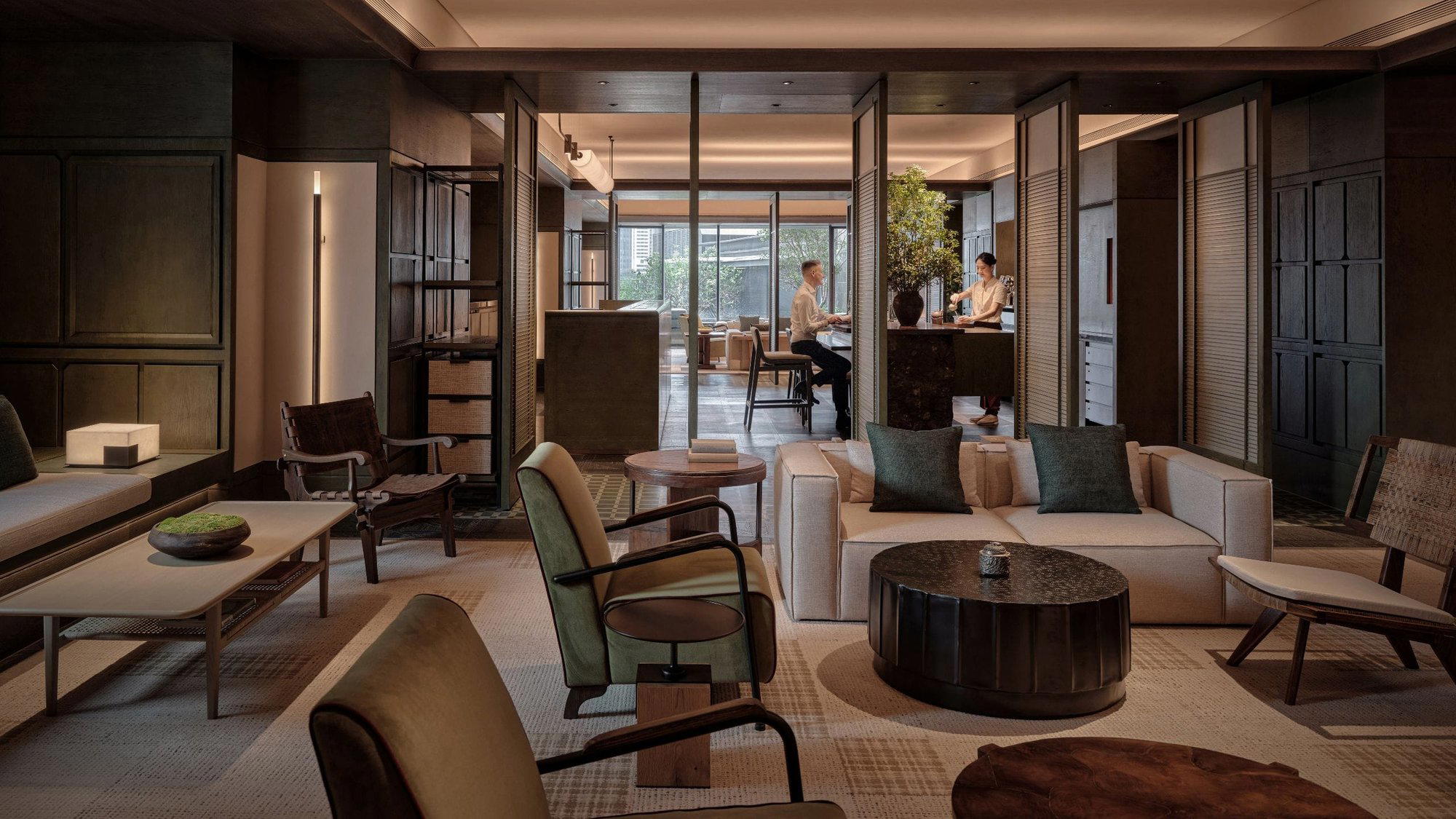
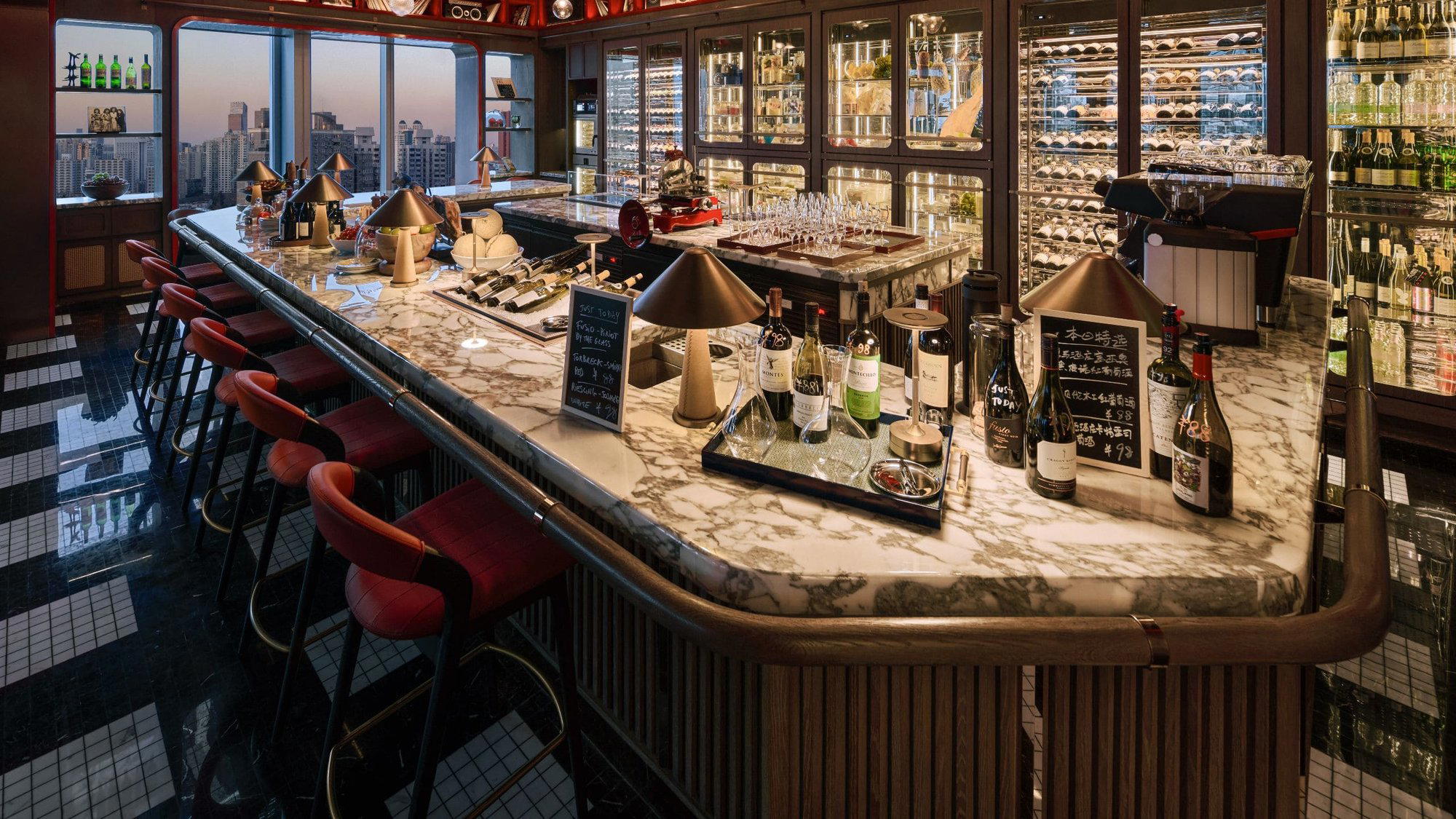
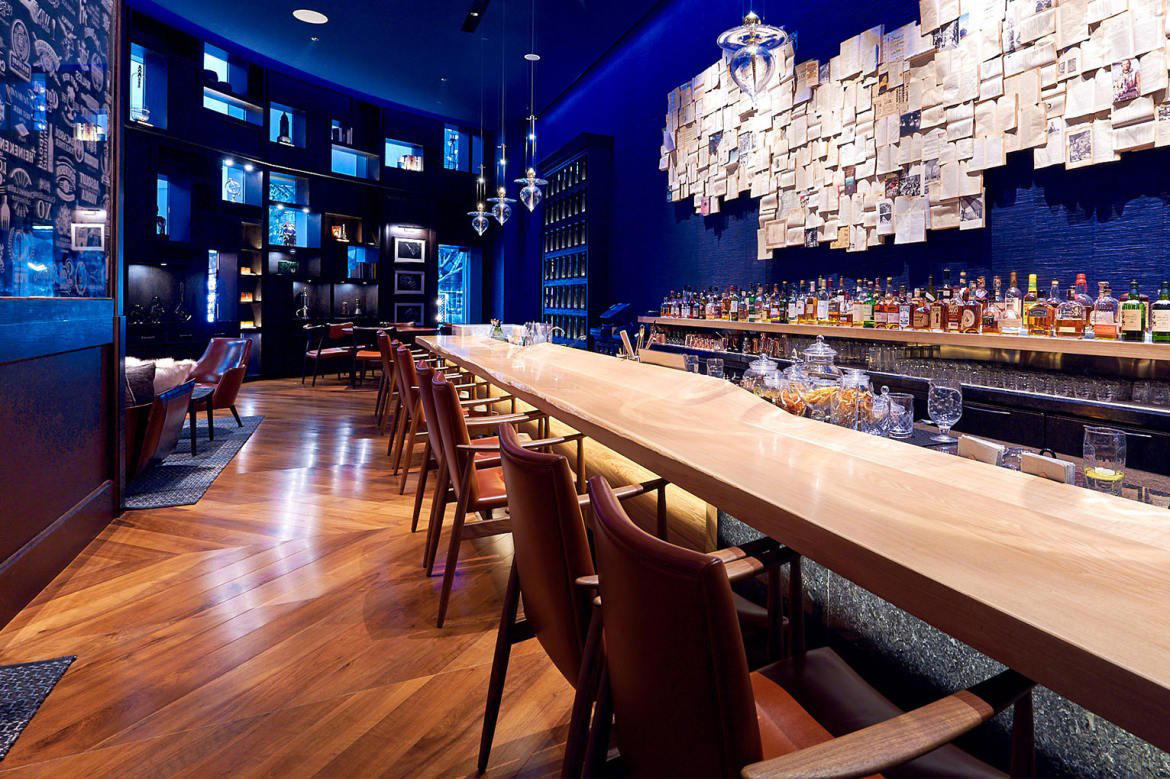
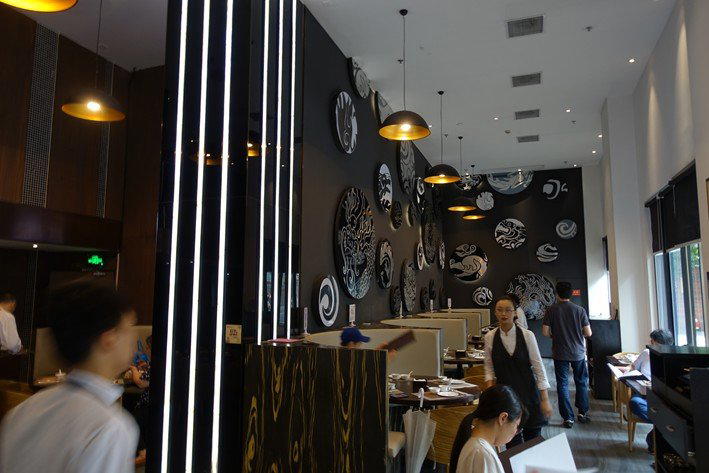
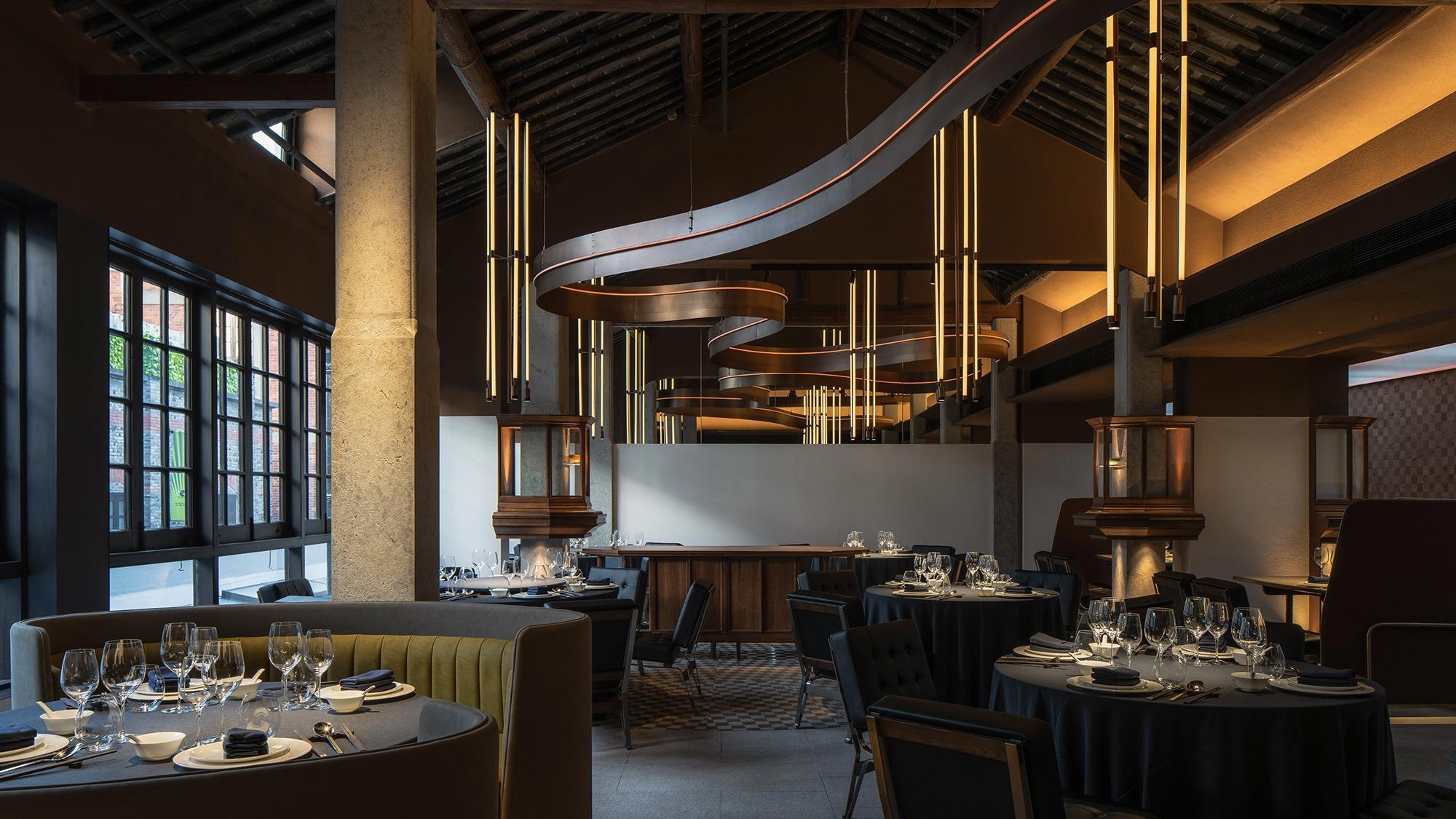
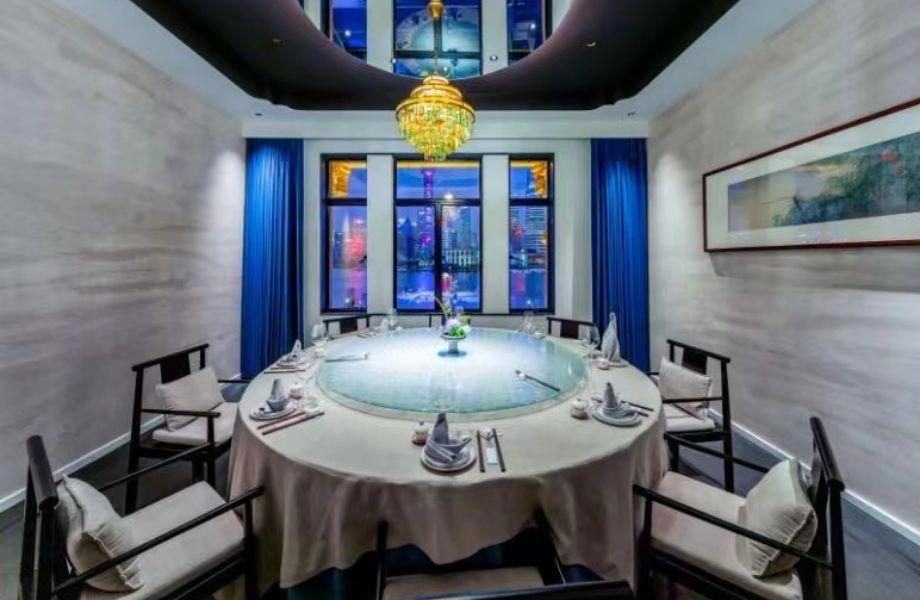
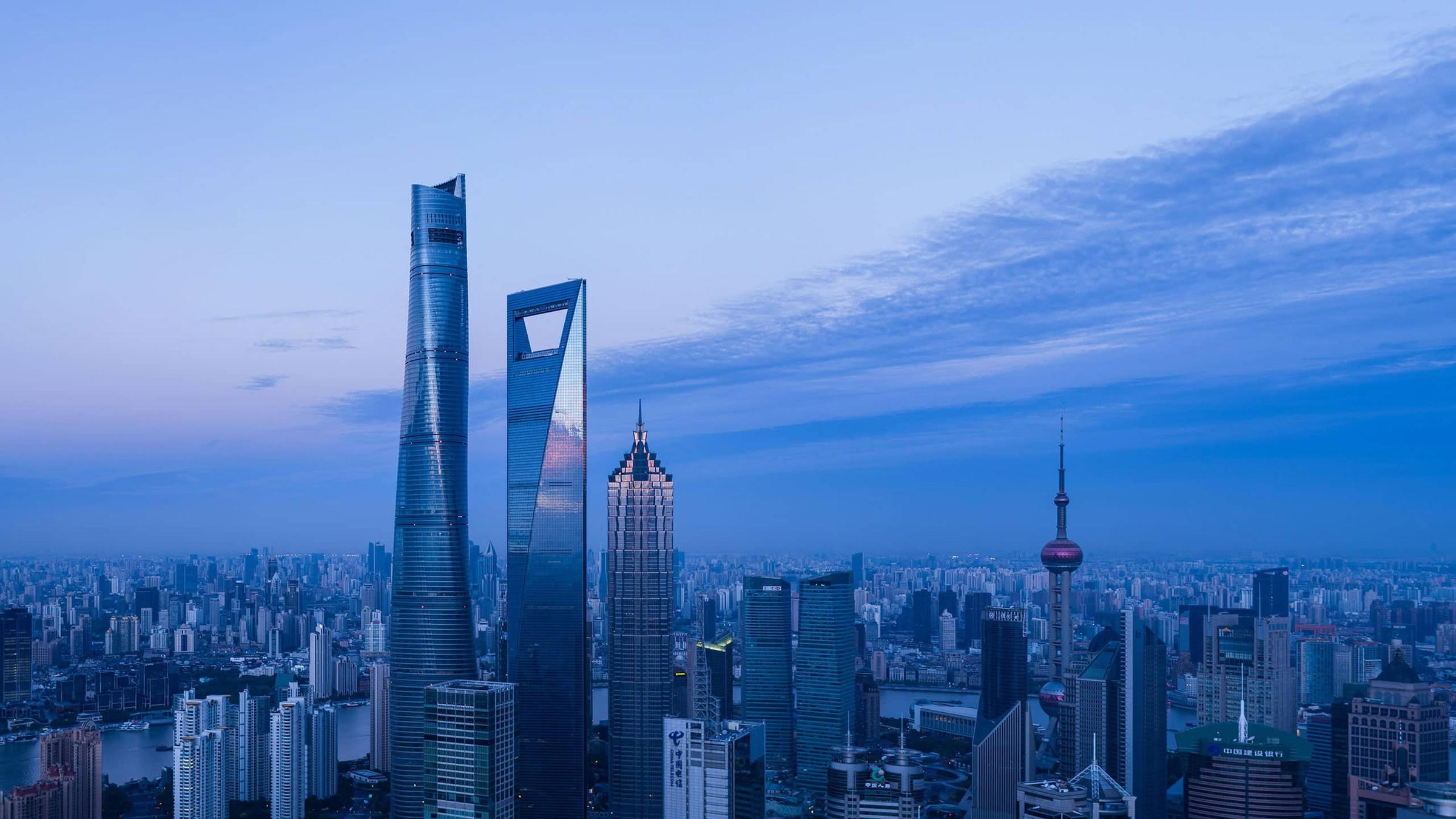
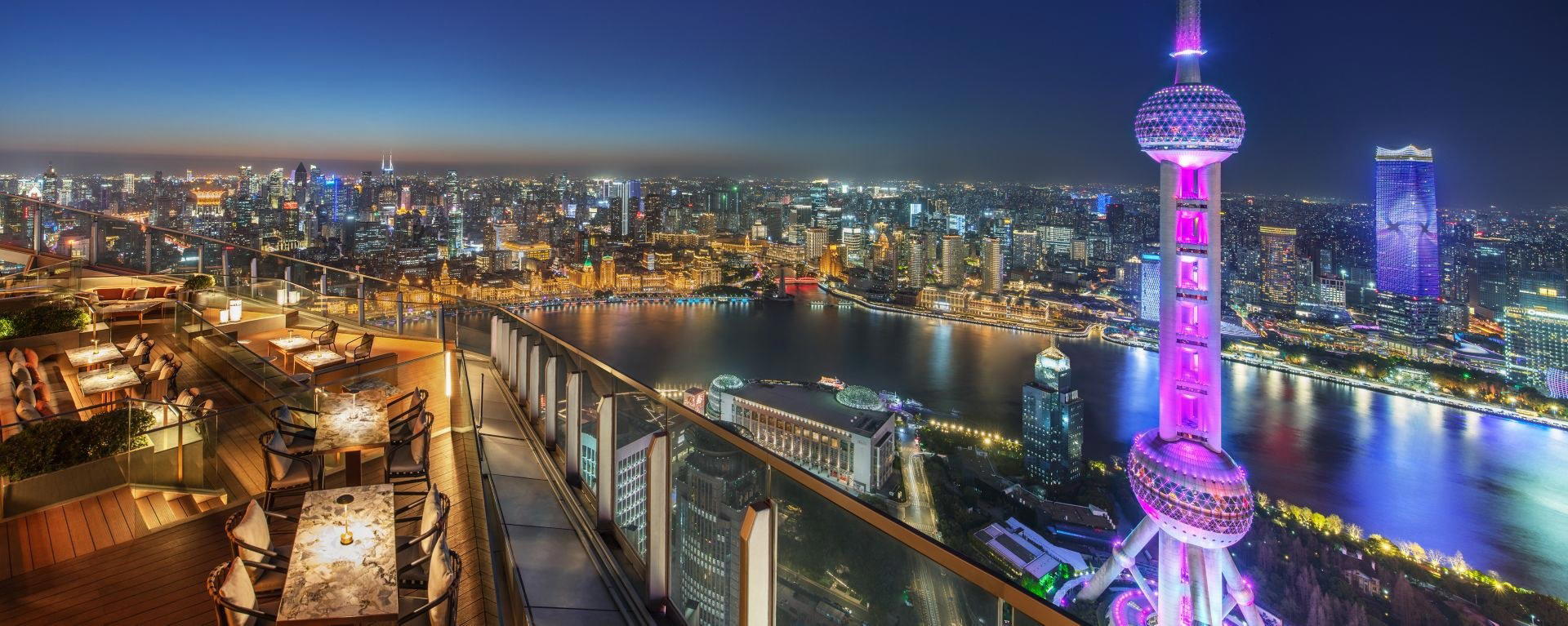
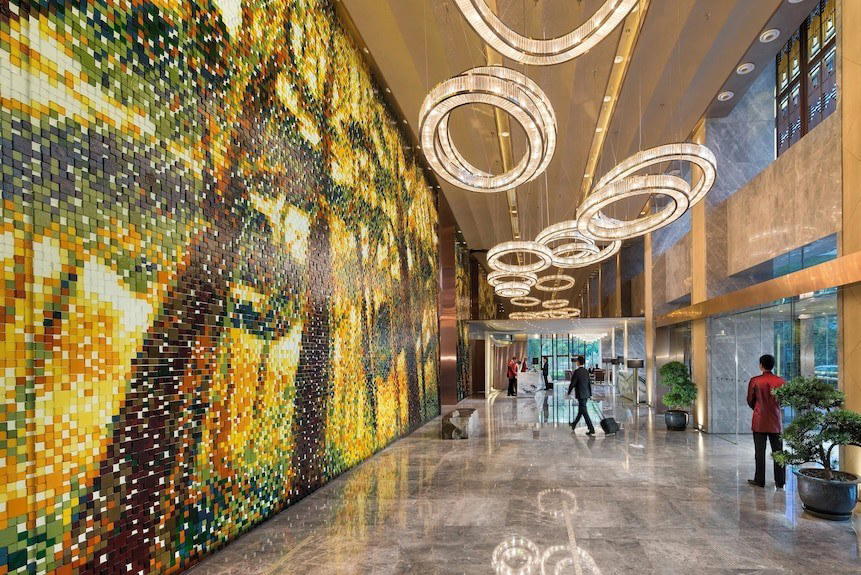
Elegant, modern, and relaxed, with dim evening lighting, art deco-inspired design, and expansive skyline views; live jazz contributes to a romantic, upscale atmosphere.