Hotel Bars and the Shanghai Question Shanghai's bar scene has spent the better part of a decade sorting itself into tiers. At one end sit the internationally recognised cocktail programmes — the venues that appear on Asia's 50 Best Bars lists and draw drinkers who have done their research. At the other end are the neighbourhood joints, the wine-and-natural-bottle shops, the late-night dives on Yongkang Lu. Hotel bars occupy a contested middle ground: they carry the infrastructure advantage of a well-resourced property, but they often struggle for the kind of earned credibility that makes a programme feel deliberate rather than decorative. Andaz Lounge, positioned in the lobby of the Huang Pu property on Song Shan Lu, sits inside that contested middle ground — and the interesting question is not whether it belongs there, but what it chooses to do with the position. The Address and What It Implies 88 Song Shan Lu is not a bar address that carries the same weight as, say, a lane house on Fumin Lu or a basement entrance on Yongfu Lu. Huang Pu is a district of broad intentions: it contains the Bund's theatre of money, the pedestrian commerce of Nanjing Lu, and the quieter residential-commercial blend where the French Concession seeps east. Song Shan Lu itself sits in that eastern bleed zone, close enough to the Concession to carry its tree-lined atmosphere, commercial enough to belong to the wider Huangpu grid. For a hotel lounge, this is a useful location: accessible from multiple directions, removed from the tourist concentration of the Bund, and within reasonable reach of the denser bar clusters further west. Guests arriving from Xintiandi on foot, or from Jing'an by cab, will find the journey uncomplicated. The lobby-level placement, standard for Andaz properties globally, means the lounge operates as both a threshold space and a destination in its own right. That dual function shapes who uses it and when: hotel guests moving through, outside drinkers arriving with a specific intent, and the grey area in between, people who walked in because the light through the entrance looked right. In Shanghai's hotel bar circuit, that last category matters more than it sounds. The Cocktail Programme in Context Shanghai's serious cocktail addresses have moved firmly toward technical programmes in recent years. Speak Low's basement operation built its reputation on rigour and education. Epic sits at the more theatrical end of the spectrum. Constellation has maintained a consistent profile among the city's spirits-forward bars. Coa (Shanghai) brought its agave-led format from Hong Kong. Against this backdrop, hotel lounges face a structural challenge: the cocktail programme must serve guests who want a gin and tonic before dinner alongside drinkers who will interrogate the back bar. The programmes that navigate this most convincingly tend to anchor their menus around a legible concept, a regional spirit focus, a local-ingredient sourcing approach, or a seasonal rotation that signals active curation rather than static listing. The Andaz brand, under Hyatt, has historically positioned its properties around local cultural immersion rather than generic luxury, a positioning that, when it translates into a bar programme, tends to mean locally sourced ingredients, references to the city's flavour traditions, or collaborations with figures from the local drinks community. How fully that brand ethos is expressed at the Song Shan Lu property is something a prospective visitor would need to verify directly, but the framework is worth understanding because it defines the ambition the programme is supposed to be held to. A lounge operating under the Andaz flag that defaults to a generic international cocktail list would represent a gap between brand promise and execution. The more interesting version leans into Shanghai specifically, its history with baijiu, its proximity to Jiangnan rice wine traditions, its current bartender generation that has trained across Asia and Europe and brought those references home. Positioning Against Peers Within the hotel bar segment specifically, Shanghai's competitive set includes properties that have made their programmes genuinely difficult to ignore. The Waldorf Astoria's Long Bar carries historical weight. The Peninsula Bar trades on its view and the ceremony of the space. Against those, a lobby lounge on Song Shan Lu is playing a different game: less ceremony, more approachability, with the Andaz brand's design sensibility doing some of the atmospheric work that a famous address would otherwise provide. Comparable hotel bar experiences across China, The Ritz-Carlton Bar and Lounge in Macau, for instance, demonstrate that a property affiliation can carry real weight when the programme is calibrated correctly, and that the calibration question is one of intent as much as execution. For readers looking at bar programmes across China's tier-one and tier-two cities, the range is genuinely varied: Hope and Sesame in Guangzhou has built a significant reputation, Obsidian Bar in Shenzhen operates at the more design-forward end, CMYK in Changsha brings a different regional sensibility, and Xing Shan Si Xi Jie in Xi'an represents the kind of city-specific approach that the leading hotel programmes in Shanghai might reasonably aspire to match. Even internationally, the calibration challenge is visible: Café La Trova in Miami shows what happens when a bar commits fully to a cultural reference rather than hedging toward universality. Closer to home, Shanghai's own standalone scene, including Pony Up, continues to set a pace that hotel programmes need to acknowledge rather than ignore. The city's drinkers are well-travelled and comparatively demanding, and the gap between a credible programme and a polished-but-generic one is something the local audience reads quickly. For a broader picture of where the lounge sits within the city's wider hospitality context, our full Shanghai guide maps the competitive set across food and drink. Planning a Visit The Song Shan Lu address puts the lounge within walking distance of Xintiandi and a short cab ride from the French Concession bar cluster. Visitors based in Jing'an or on the Bund will find either direction adds minimal travel time. As with most hotel lounges, the practical details, hours, current menu, reservation requirements, are best confirmed directly with the property, since lobby bar programming frequently shifts with seasonal updates and hotel events. The format, as a lobby-level space, is generally walk-in friendly, making it a reasonable option for pre-dinner drinks or a late-evening wind-down without the booking friction that characterises Shanghai's more sought-after standalone bars. For reference, bars like Janes and Hooch in Beijing demonstrate that the hotel-adjacent bar format can carry genuine programme depth when the intent is there. Frequently Asked Questions Is Andaz Lounge more low-key or high-energy? By the standards of Shanghai's bar circuit, a lobby lounge on Song Shan Lu in Huang Pu reads as the more composed, lower-decibel option. This is not the format for late-night high-energy drinking, that cohort gravitates toward standalone venues in the French Concession or the club-adjacent bars further north. The Andaz positioning, with its design-led hospitality ethos, leans toward a considered atmosphere rather than a charged one. Pricing, where confirmable, tends to align with international hotel bar benchmarks rather than with the neighbourhood-bar tier. at Andaz Lounge? Across the Andaz brand internationally, the intention is local cultural reference, in Shanghai, that might mean a baijiu-forward drink, a locally sourced ingredient application, or a seasonal rotation that reflects the Jiangnan region's produce cycles. The cocktail menu is the most direct signal of how seriously the programme takes its own brief, so it is the right place to start the conversation. Does Andaz Lounge suit visitors who want a Shanghai-specific drinking experience rather than a generic hotel bar? The Andaz brand's stated positioning around local cultural immersion sets a higher bar for specificity than a standard international hotel might. In practice, that means a visitor looking for Shanghai character in their glass is asking the right question at an address where the brand framework, at least, is designed to support that expectation. Whether the current programme delivers on it is worth confirming before arrival, the Huang Pu location on Song Shan Lu places the lounge close to the French Concession's denser bar scene, which provides a useful comparison set within a short distance.

Pearl is the En Primeur Club membership app — saves, bookings, and concierge access live there. Same editors, same standards.
- Address
- 88 Song Shan Lu, Huang Pu Qu, 200021 (main lobby)
- Directions
- Get directions
Hotel Bars and the Shanghai Question
Shanghai's bar scene has spent the better part of a decade sorting itself into tiers. At one end sit the internationally recognised cocktail programmes — the venues that appear on Asia's 50 Best Bars lists and draw drinkers who have done their research. At the other end are the neighbourhood joints, the wine-and-natural-bottle shops, the late-night dives on Yongkang Lu. Hotel bars occupy a contested middle ground: they carry the infrastructure advantage of a well-resourced property, but they often struggle for the kind of earned credibility that makes a programme feel deliberate rather than decorative. Andaz Lounge, positioned in the lobby of the Huang Pu property on Song Shan Lu, sits inside that contested middle ground — and the interesting question is not whether it belongs there, but what it chooses to do with the position.
The Address and What It Implies
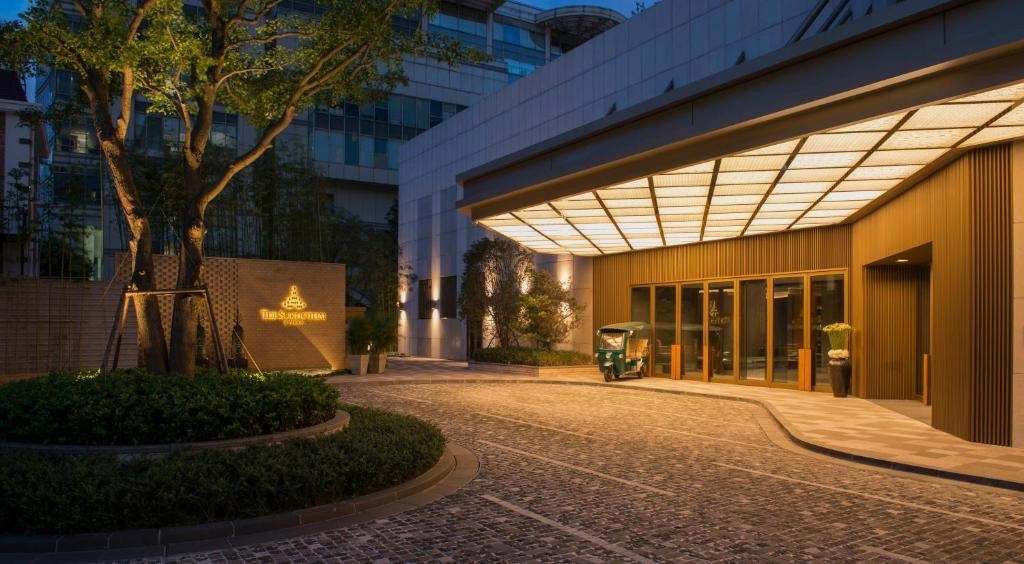
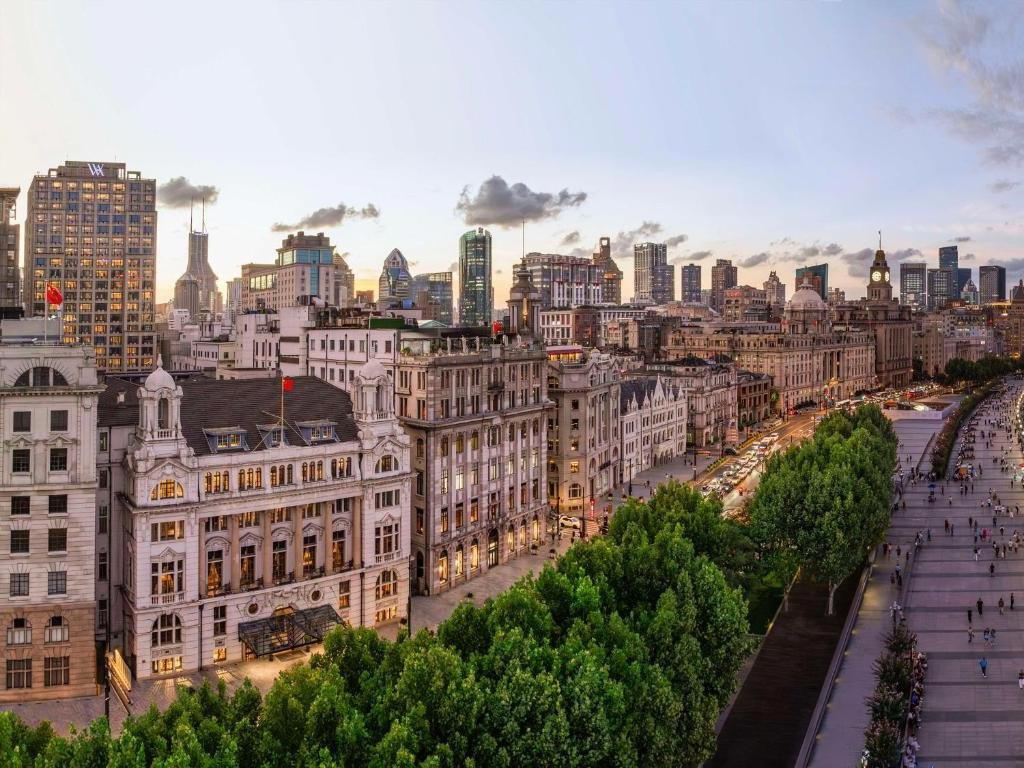
88 Song Shan Lu is not a bar address that carries the same weight as, say, a lane house on Fumin Lu or a basement entrance on Yongfu Lu. Huang Pu is a district of broad intentions: it contains the Bund's theatre of money, the pedestrian commerce of Nanjing Lu, and the quieter residential-commercial blend where the French Concession seeps east. Song Shan Lu itself sits in that eastern bleed zone, close enough to the Concession to carry its tree-lined atmosphere, commercial enough to belong to the wider Huangpu grid. For a hotel lounge, this is a useful location: accessible from multiple directions, removed from the tourist concentration of the Bund, and within reasonable reach of the denser bar clusters further west. Guests arriving from Xintiandi on foot, or from Jing'an by cab, will find the journey uncomplicated.
The lobby-level placement, standard for Andaz properties globally, means the lounge operates as both a threshold space and a destination in its own right. That dual function shapes who uses it and when: hotel guests moving through, outside drinkers arriving with a specific intent, and the grey area in between, people who walked in because the light through the entrance looked right. In Shanghai's hotel bar circuit, that last category matters more than it sounds.
The Cocktail Programme in Context
Shanghai's serious cocktail addresses have moved firmly toward technical programmes in recent years. Speak Low's basement operation built its reputation on rigour and education. Epic sits at the more theatrical end of the spectrum. Constellation has maintained a consistent profile among the city's spirits-forward bars. Coa (Shanghai) brought its agave-led format from Hong Kong. Against this backdrop, hotel lounges face a structural challenge: the cocktail programme must serve guests who want a gin and tonic before dinner alongside drinkers who will interrogate the back bar. The programmes that navigate this most convincingly tend to anchor their menus around a legible concept, a regional spirit focus, a local-ingredient sourcing approach, or a seasonal rotation that signals active curation rather than static listing.
The Andaz brand, under Hyatt, has historically positioned its properties around local cultural immersion rather than generic luxury, a positioning that, when it translates into a bar programme, tends to mean locally sourced ingredients, references to the city's flavour traditions, or collaborations with figures from the local drinks community. How fully that brand ethos is expressed at the Song Shan Lu property is something a prospective visitor would need to verify directly, but the framework is worth understanding because it defines the ambition the programme is supposed to be held to. A lounge operating under the Andaz flag that defaults to a generic international cocktail list would represent a gap between brand promise and execution. The more interesting version leans into Shanghai specifically, its history with baijiu, its proximity to Jiangnan rice wine traditions, its current bartender generation that has trained across Asia and Europe and brought those references home.
Positioning Against Peers
Within the hotel bar segment specifically, Shanghai's competitive set includes properties that have made their programmes genuinely difficult to ignore. The Waldorf Astoria's Long Bar carries historical weight. The Peninsula Bar trades on its view and the ceremony of the space. Against those, a lobby lounge on Song Shan Lu is playing a different game: less ceremony, more approachability, with the Andaz brand's design sensibility doing some of the atmospheric work that a famous address would otherwise provide. Comparable hotel bar experiences across China, The Ritz-Carlton Bar and Lounge in Macau, for instance, demonstrate that a property affiliation can carry real weight when the programme is calibrated correctly, and that the calibration question is one of intent as much as execution.
For readers looking at bar programmes across China's tier-one and tier-two cities, the range is genuinely varied: Hope and Sesame in Guangzhou has built a significant reputation, Obsidian Bar in Shenzhen operates at the more design-forward end, CMYK in Changsha brings a different regional sensibility, and Xing Shan Si Xi Jie in Xi'an represents the kind of city-specific approach that the leading hotel programmes in Shanghai might reasonably aspire to match. Even internationally, the calibration challenge is visible: Café La Trova in Miami shows what happens when a bar commits fully to a cultural reference rather than hedging toward universality.
Closer to home, Shanghai's own standalone scene, including Pony Up, continues to set a pace that hotel programmes need to acknowledge rather than ignore. The city's drinkers are well-travelled and comparatively demanding, and the gap between a credible programme and a polished-but-generic one is something the local audience reads quickly. For a broader picture of where the lounge sits within the city's wider hospitality context, our full Shanghai guide maps the competitive set across food and drink.
Planning a Visit
The Song Shan Lu address puts the lounge within walking distance of Xintiandi and a short cab ride from the French Concession bar cluster. Visitors based in Jing'an or on the Bund will find either direction adds minimal travel time. As with most hotel lounges, the practical details, hours, current menu, reservation requirements, are best confirmed directly with the property, since lobby bar programming frequently shifts with seasonal updates and hotel events. The format, as a lobby-level space, is generally walk-in friendly, making it a reasonable option for pre-dinner drinks or a late-evening wind-down without the booking friction that characterises Shanghai's more sought-after standalone bars. For reference, bars like Janes and Hooch in Beijing demonstrate that the hotel-adjacent bar format can carry genuine programme depth when the intent is there.
Details
- Modern
- Trendy
- Sophisticated
- Elegant
- Casual Hangout
- After Work
- Hotel Bar
- Lounge Seating
- Classic Cocktails
- Craft Cocktails
- Street Scene
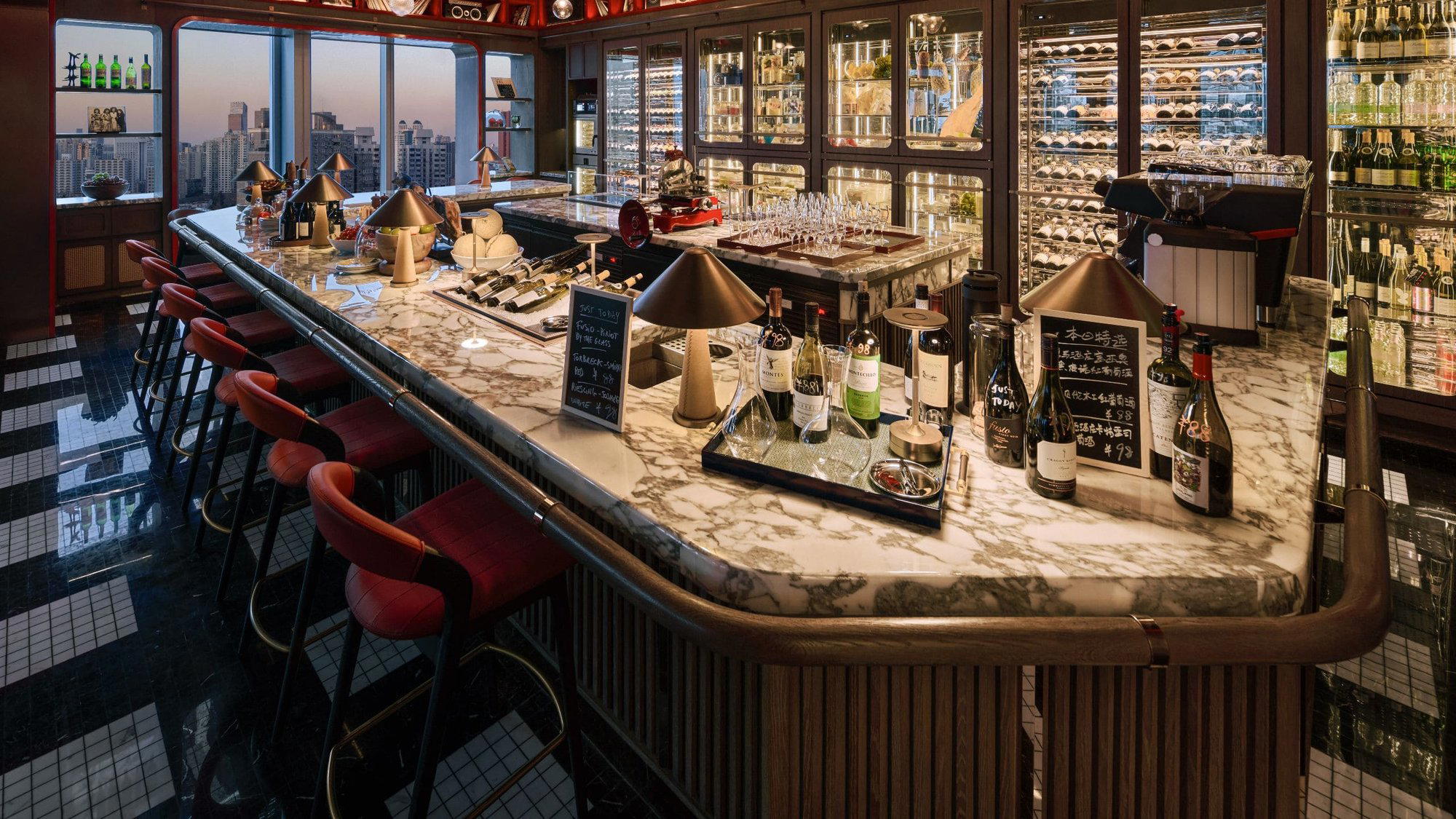
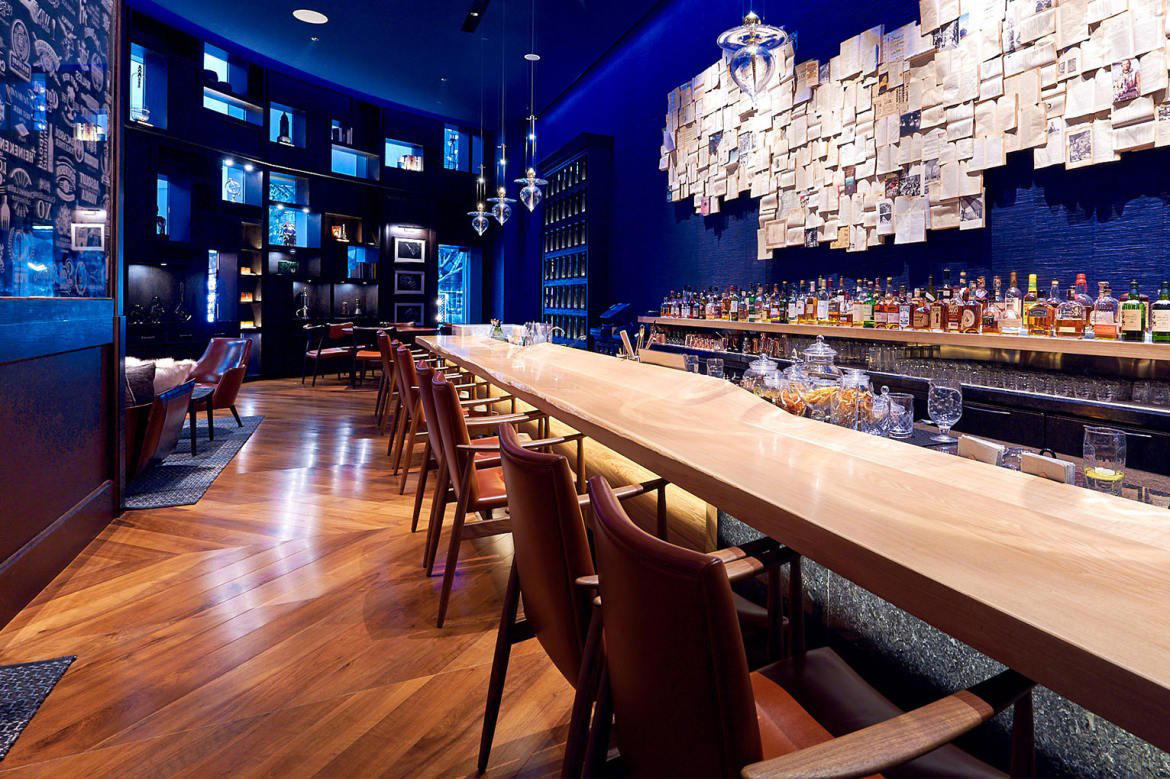
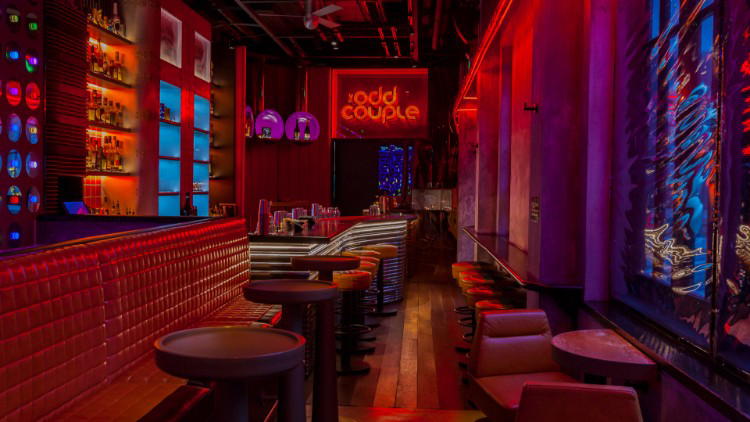
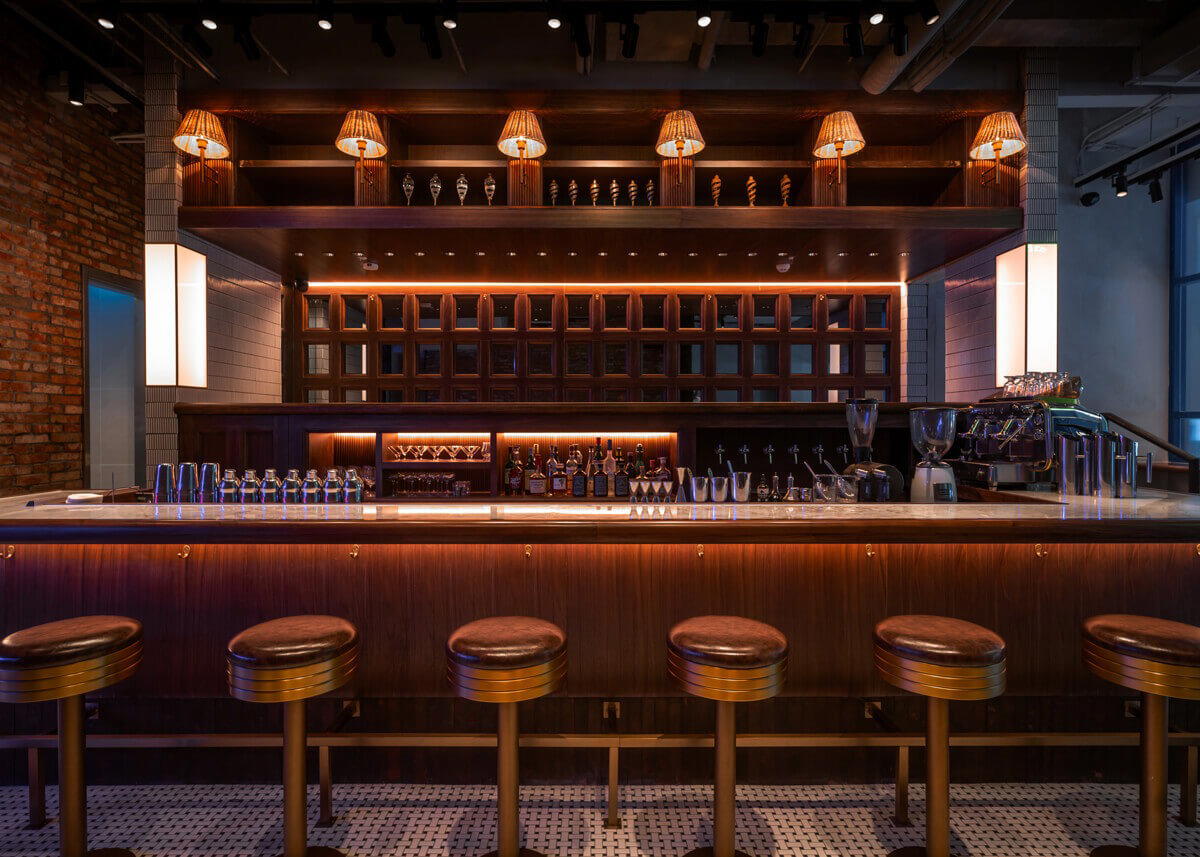
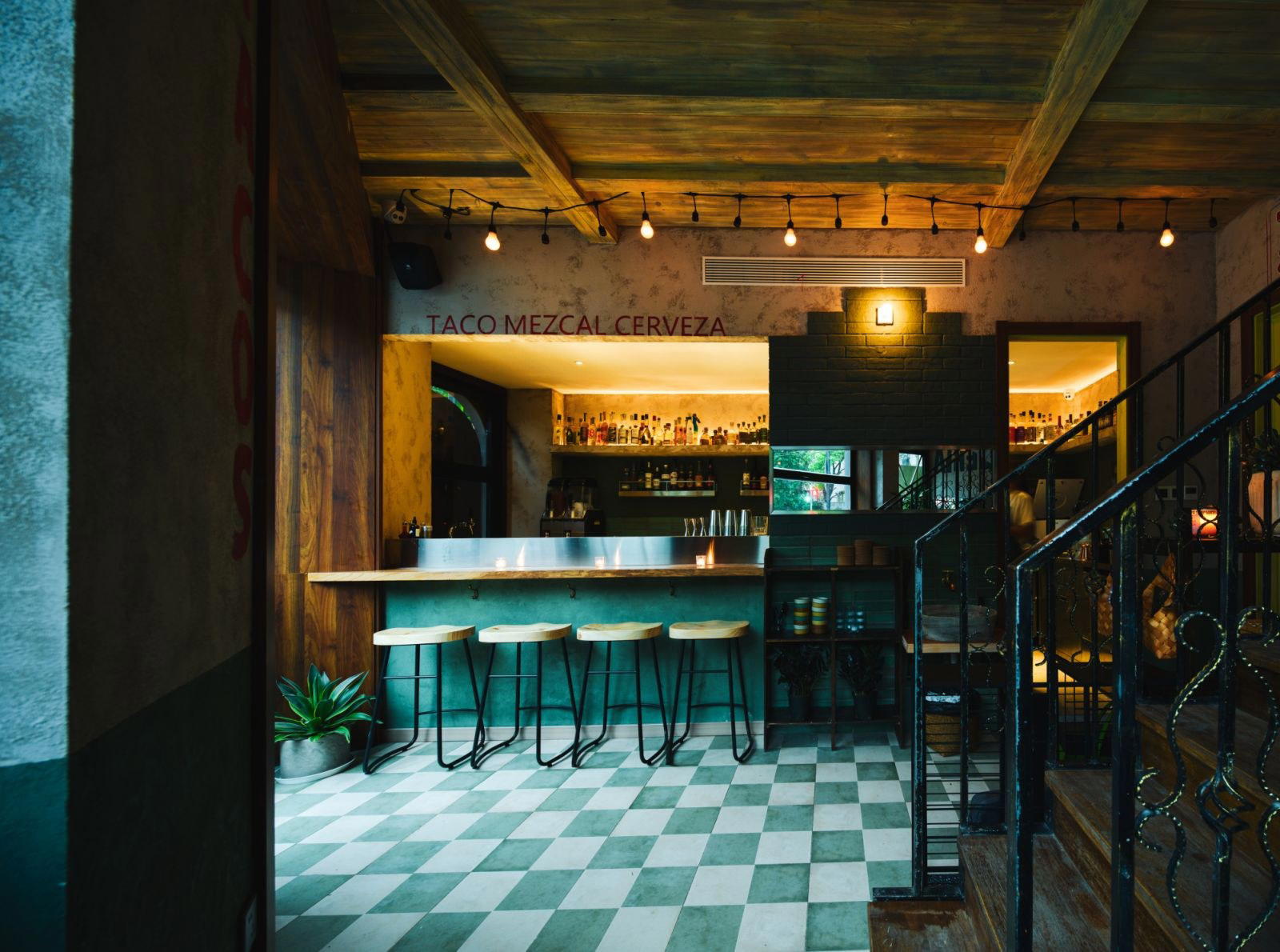
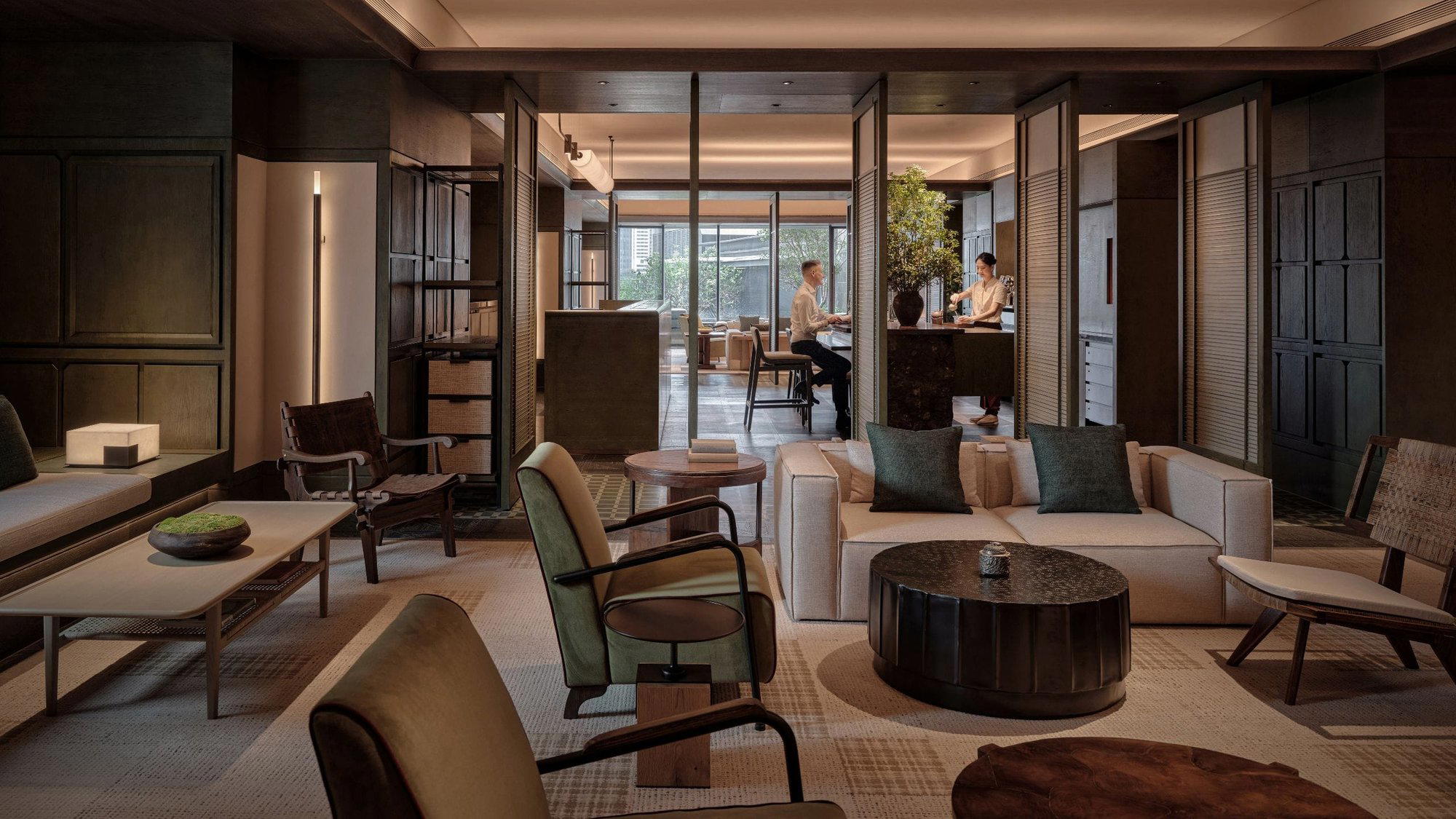
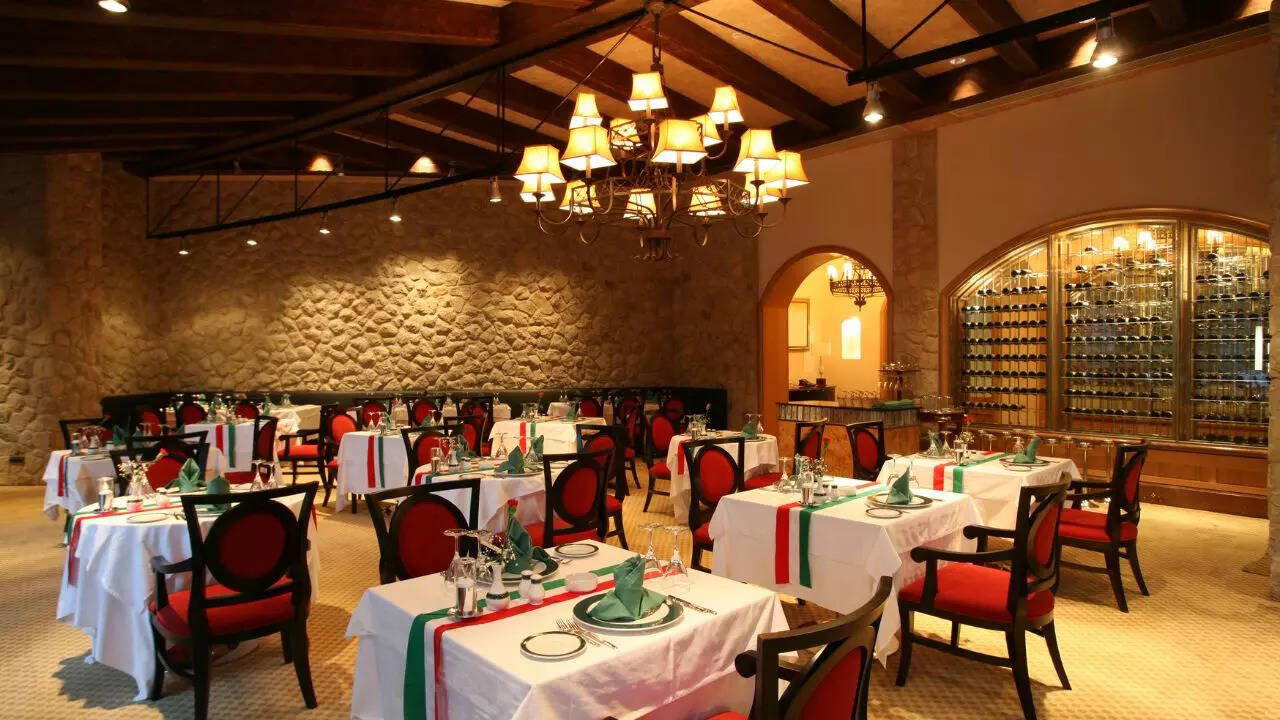
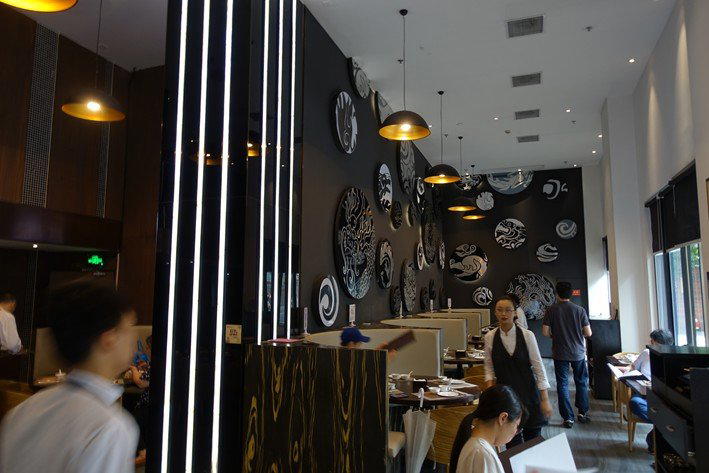
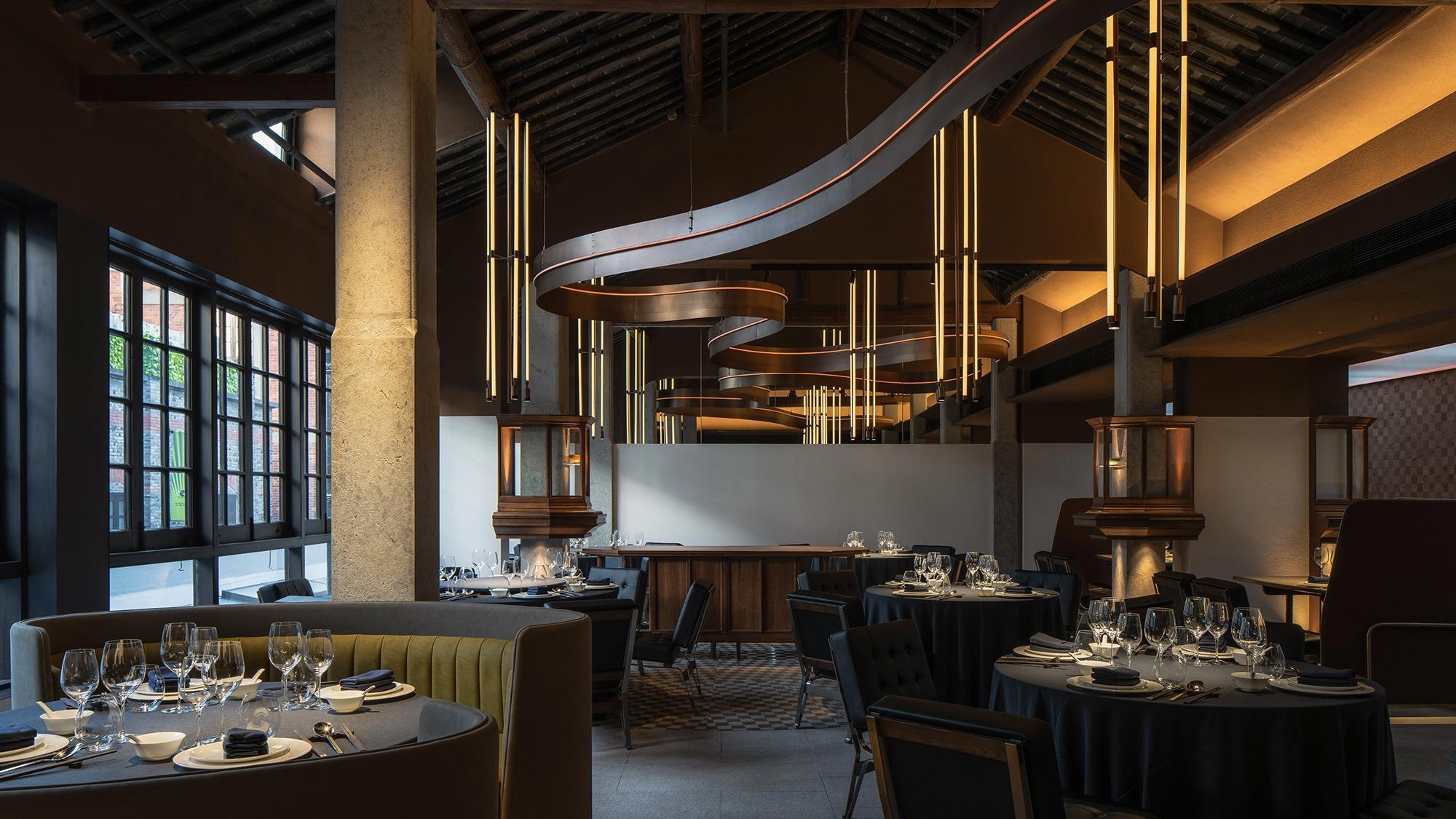
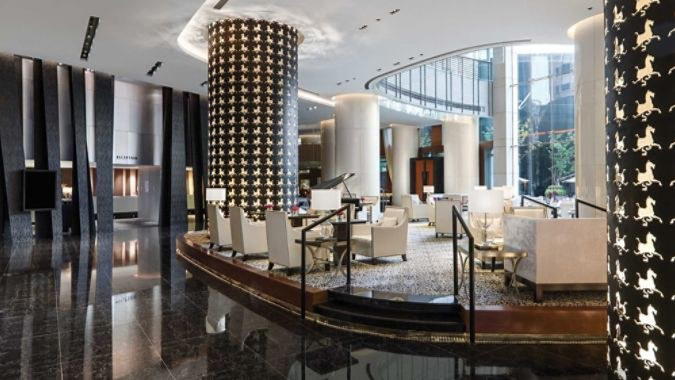
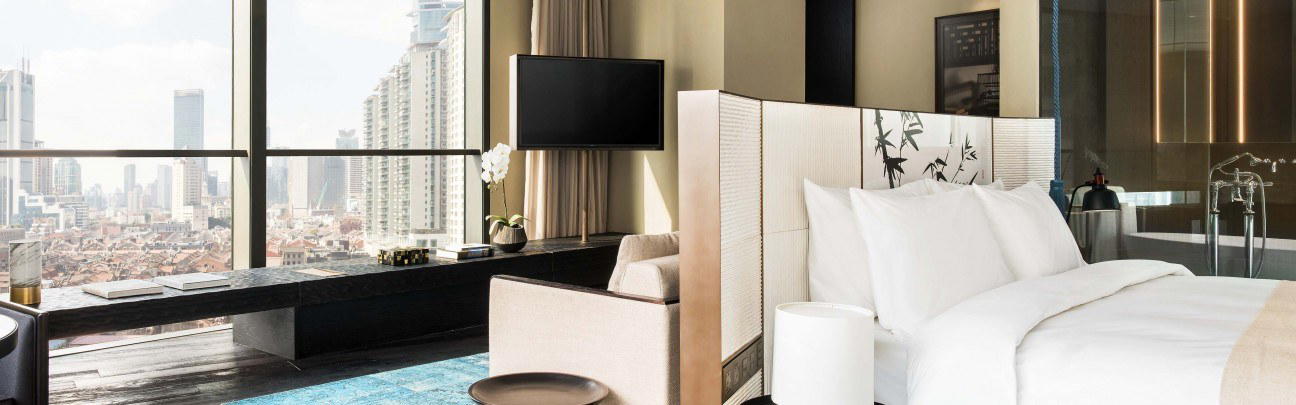
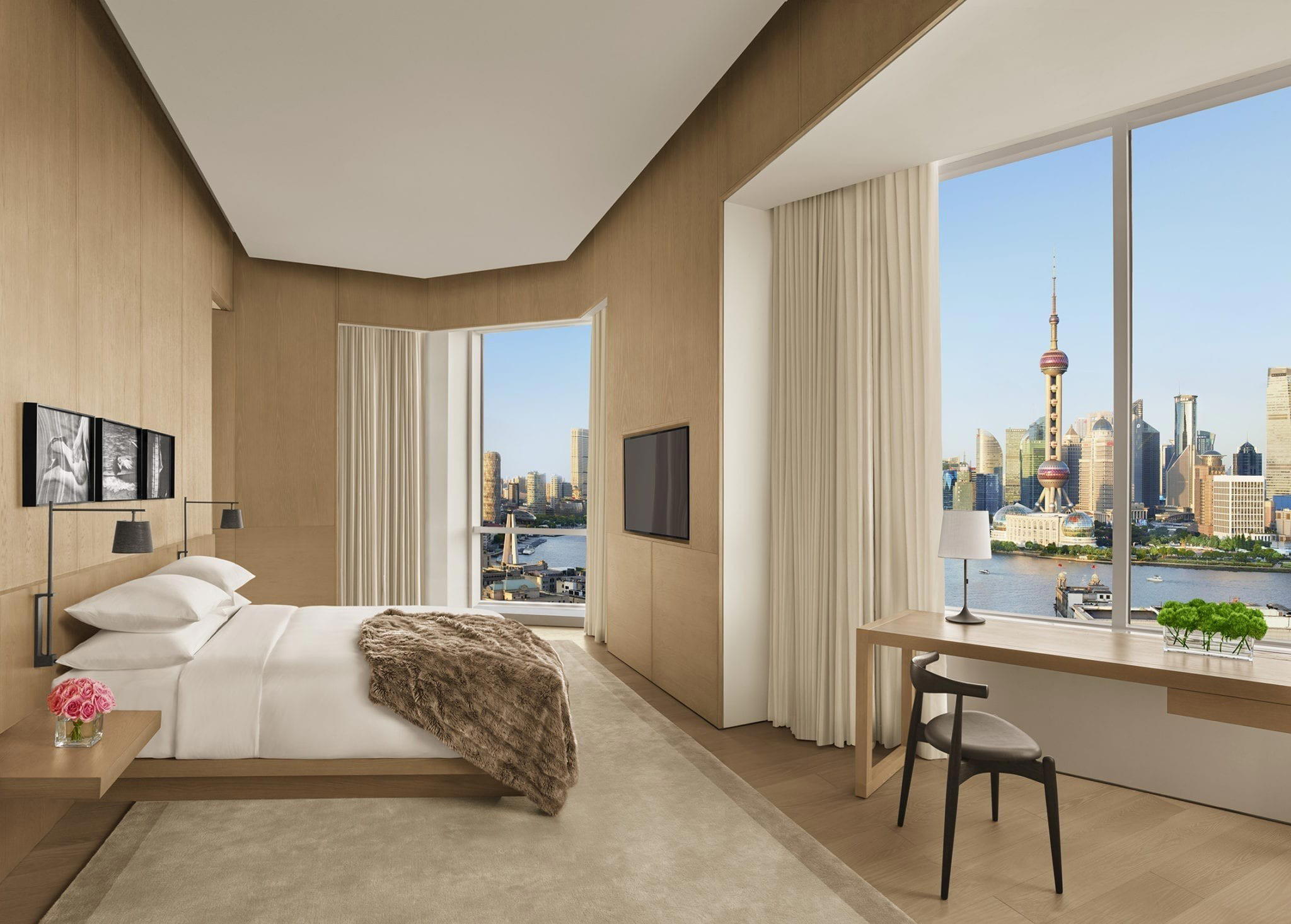
Casual and contemporary lobby lounge with home-style decor, mood lighting, and an artistic, fashionable atmosphere often featuring DJs.