
Michelin Selected
On Via Giulia, one of Rome's most architecturally coherent Renaissance streets, Hotel Indigo Rome - St. George by IHG occupies a position that few addresses in the centro storico can match for historical layering. The property sits within the IHG portfolio's design-led Indigo brand, which favours neighbourhood character over standardised luxury. For travellers anchoring in the historic core, the address alone frames the stay.

Pearl is the En Primeur Club membership app — saves, bookings, and concierge access live there. Same editors, same standards.
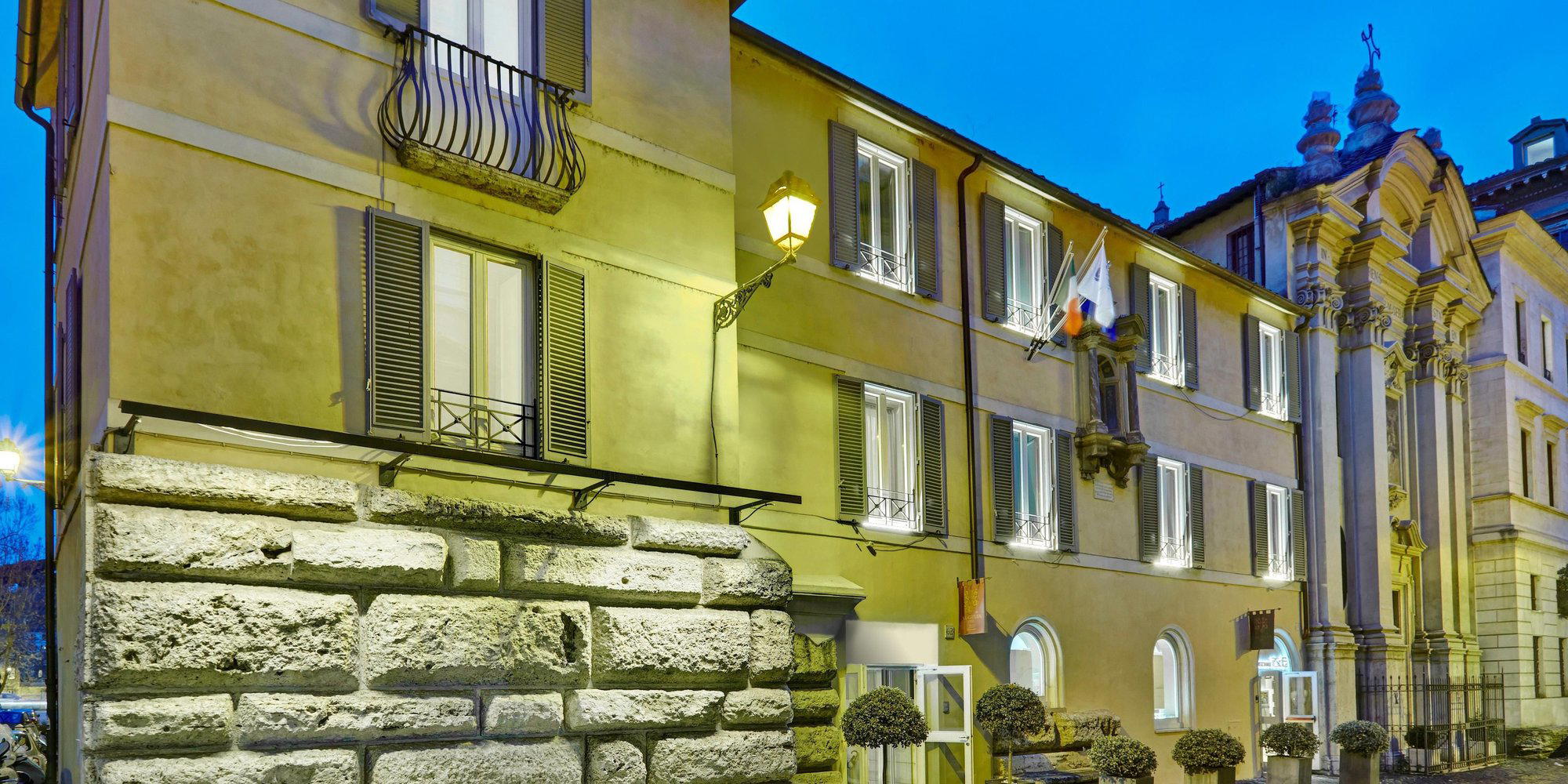
Via Giulia and the Weight of a Roman Address
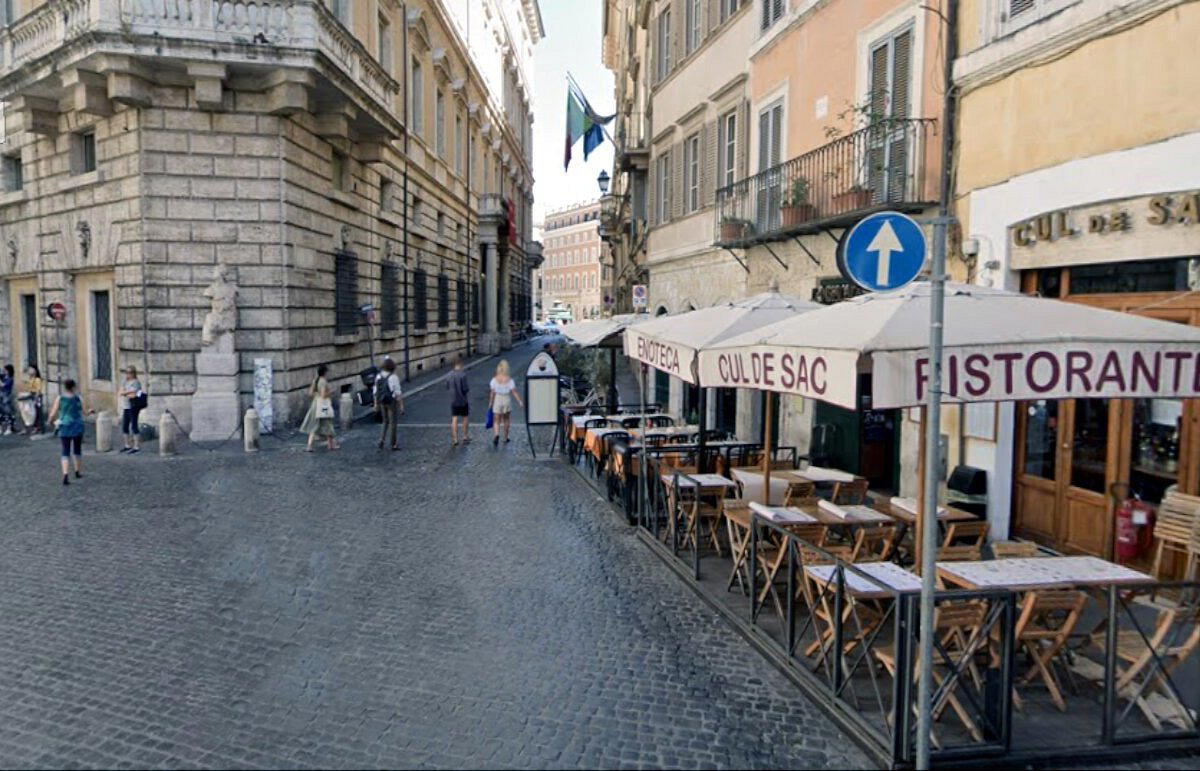
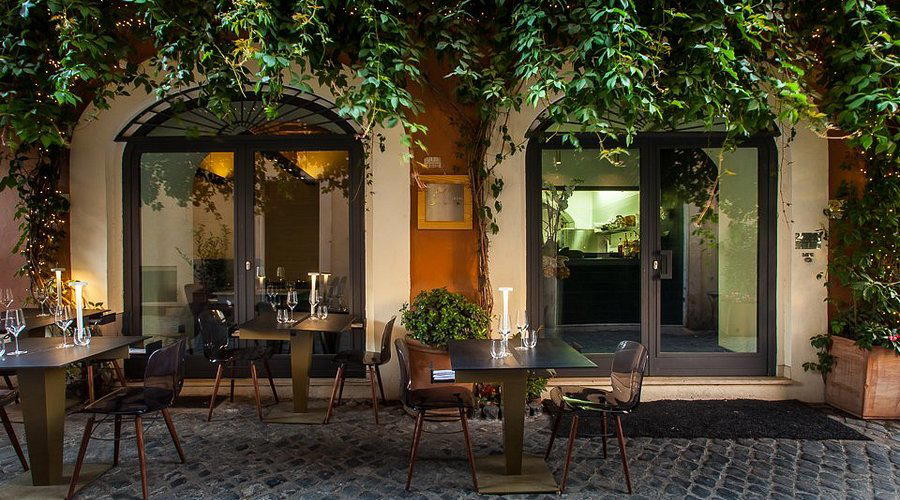
There are streets in Rome that function as arguments. Via Giulia is one of them. Commissioned by Pope Julius II in the early sixteenth century as the city's first straight road, it runs for roughly 1.1 kilometres between the Tiber and the Campo de' Fiori neighbourhood, lined with palazzo facades, ivy-draped archways, and the kind of architectural coherence that most European cities spend centuries trying to approximate. Hotel Indigo Rome - St. George by IHG sits at number 62 on this street, which means guests step directly into one of the centro storico's most legible historical sequences the moment they leave the front door.
In Rome's competitive premium hotel market, address logic matters as much as room design. The city's accommodation options split roughly between large international flagships clustered near the Via Veneto and Spanish Steps corridors, and smaller, neighbourhood-rooted properties that trade on proximity to specific quarters. Via Giulia belongs firmly to the second category: it is not a thoroughfare for crowds but a residential-scale street where the surrounding architecture sets the tone. The IHG Indigo brand, which positions itself around neighbourhood identity and local design references rather than uniform global standards, is a reasonable fit for this context.
For comparative orientation: the high-end Rome hotel market includes properties like Bulgari Hotel Roma, Hotel Eden, and Hassler Roma, which compete at the very best of the rate and prestige scale. The Indigo brand operates in a different register, one where design-led experience and local character are the differentiators rather than trophy-level amenities or legacy prestige. Travellers who want the latter should also consider Hotel Vilòn, JK Place Roma, or Portrait Roma, all of which offer boutique scale with higher service intensity.
The Neighbourhood as Orientation Framework
Via Giulia's position in the Regola rione places it within comfortable walking distance of several of Rome's most demanding sightseeing clusters. The Campo de' Fiori, with its morning market and surrounding medieval street grid, is a short walk east. The Trastevere neighbourhood, which has historically held some of the city's most direct neighbourhood-level food culture, is accessible across the Tiber. The Jewish Ghetto, with its distinct culinary traditions including carciofi alla giudia and slow-cooked offal preparations that represent one of Rome's oldest cooking lineages, sits immediately to the south.
That last detail matters if you are thinking about food from a sourcing perspective. Roman Jewish cuisine developed its ingredient logic partly from constraint: less prestigious cuts, seasonal vegetables, legumes, and olive oil rather than butter. These traditions fed back into the broader Roman kitchen over centuries, and the Ghetto's restaurants remain some of the more historically grounded places to encounter them. For guests staying on Via Giulia, this is not a detour; it is a ten-minute walk. A wider survey of where to eat and drink across the city can be found in our full Rome restaurants guide.
The Regola neighbourhood also places guests near the antique dealers and specialist food shops that cluster in the streets between Via Giulia and the Campo. This part of Rome operates at a different pace than the tourist circuits around the Colosseum or the Trevi Fountain, which are reachable by foot but feel distinctly further away in character. Guests who want to understand the city at street level rather than landmark level are better served by this quadrant than by addresses further east.
Design-Led Hospitality and the Indigo Model
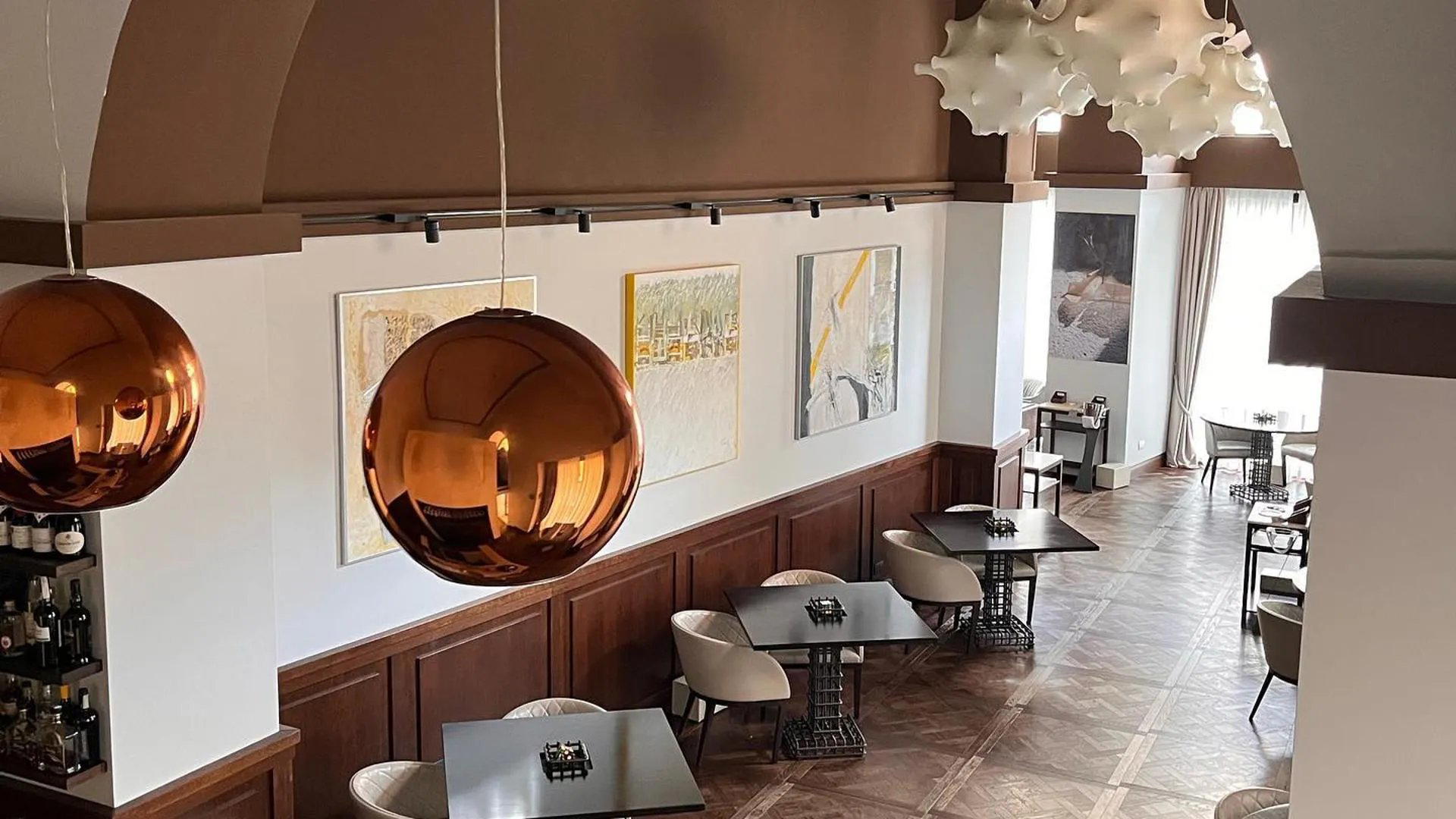
The IHG Indigo brand has expanded significantly across Europe over the past decade, positioning itself as a design-conscious alternative to the group's more standardised flags. The model asks individual properties to draw on local architectural and cultural references in their interiors and programming, which in a building on Via Giulia means working with material history: stone, plaster, and period-appropriate palette choices rather than generic contemporary hotel finishes. How successfully the St. George property executes on this brief relative to stronger boutique competitors is a question of expectation-setting.
Travellers accustomed to the independent boutique tier, represented in Rome by properties like Maalot Roma or Hotel Locarno, will find the Indigo format sits in a different category: brand-backed, with the reliability and booking infrastructure that implies, but without the fully owner-driven character of the independent tier. That is a trade-off, not a flaw. For travellers who want IHG loyalty points and a guaranteed operational baseline alongside a non-generic address, the calculation works.
Beyond Rome, the IHG network connects to Italy's broader premium hospitality circuit. Travellers extending trips into the country might compare the Via Giulia address against properties in other regions: Four Seasons Hotel Firenze in Florence, Aman Venice in Venice, or further afield into Umbria with Castello di Reschio in Lisciano Niccone. For Amalfi Coast extensions, Borgo Santandrea and Il San Pietro di Positano in Positano represent the benchmark properties. Modena-based food travel fits well around Casa Maria Luigia, while Puglia routes connect naturally to Borgo Egnazia in Savelletri di Fasano. Those focused on Tuscany's wine country have options including Rosewood Castiglion Del Bosco in Montalcino, Il Pellicano in Porto Ercole, and Passalacqua in Moltrasio for the Lakes. The hill town of Civita di Bagnoregio, roughly ninety minutes from Rome, is anchored by Corte della Maestà. For Capri extensions, JK Place Capri is the reference address. International comparisons, particularly for travellers using Rome as one stop on a longer circuit, include Aman New York, The Fifth Avenue Hotel in New York City, and Amangiri in Canyon Point, and Portrait Milano for those combining Rome with the northern fashion circuit.
Planning a Stay
Via Giulia sits within the Zona a Traffico Limitato, Rome's restricted traffic zone, which limits private vehicle access in much of the centro storico during daytime hours. Arriving by taxi or transfer from Fiumicino airport is the standard approach; the journey runs approximately 30 to 40 minutes outside peak traffic. The nearest public transport options include the Tram 8 line toward Largo di Torre Argentina and the bus corridors along Lungotevere. For guests planning food-focused days, the morning Campo de' Fiori market is walkable before 13:00 most days, and the Testaccio market, which draws a more Roman-local crowd and offers better access to the city's offal and cured-meat traditions, is reachable in roughly fifteen minutes by taxi. Booking the hotel through the IHG platform or a recognised travel agent gives access to the standard loyalty infrastructure.
Cuisine Lens
| Venue | Awards |
|---|---|
| Hotel Indigo Rome - St. George by IHGThis venue — the venue you are viewing | Michelin Selected |
| Bulgari Hotel Roma | 3 Michelin Keys · World's 50 Best #32 |
| Rocco Forte Hotel De La Ville | 2 Michelin Keys · Forbes 5-Star |
| Rocco Forte Hotel de Russie | 2 Michelin Keys · La Liste Top Hotels |
| Singer Palace Hotel | 1 Michelin Key · Virtuoso Luxury Hotel Partner |
| Six Senses Rome | 1 Michelin Key · Virtuoso Luxury Hotel Partner |
Recognition history
Dated appearances from independent guides and award organizations, with the underlying list record or original source where available.
Michelin Selected
Michelin
Continue exploring
More in Rome
Hotels in Rome
All hotels in Rome →
Bars in Rome
All bars in Rome →

Details
- Elegant
- Modern
- Sophisticated
- Historic
- Intimate
- Romantic Getaway
- Business Trip
- Weekend Escape
- Historic Building
- Panoramic View
- Wi Fi
- Spa
- Fitness Center
- Room Service
- Concierge
- Restaurant
- Bar
- Street Scene
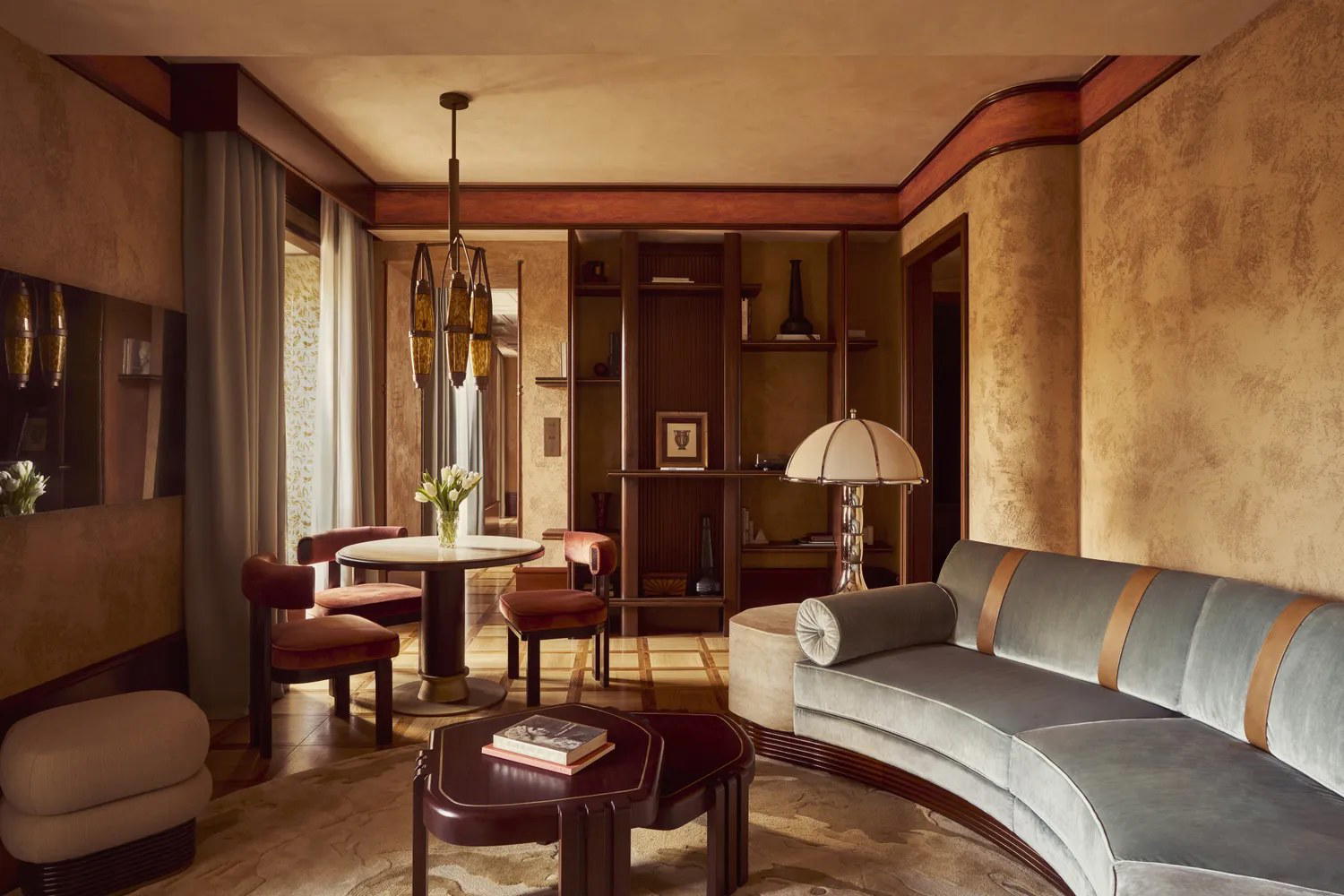
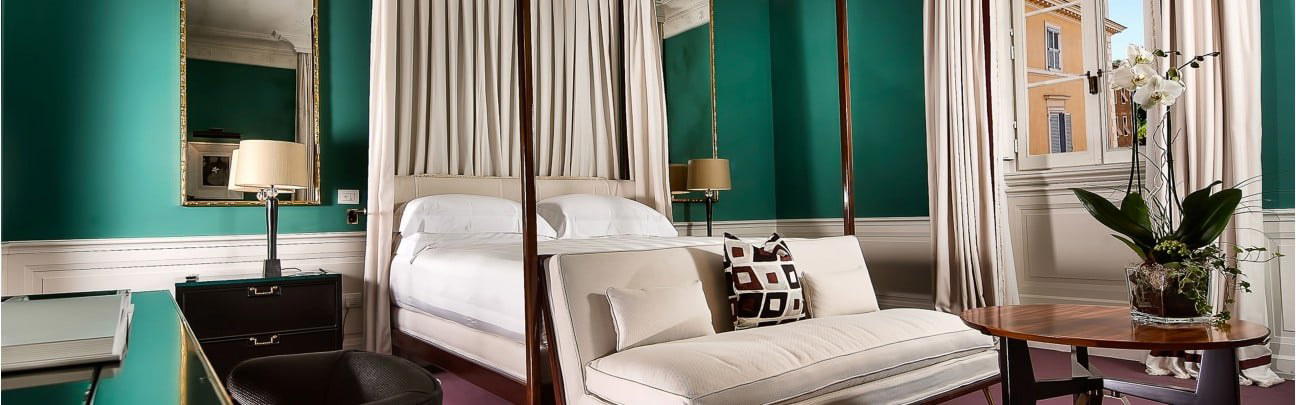
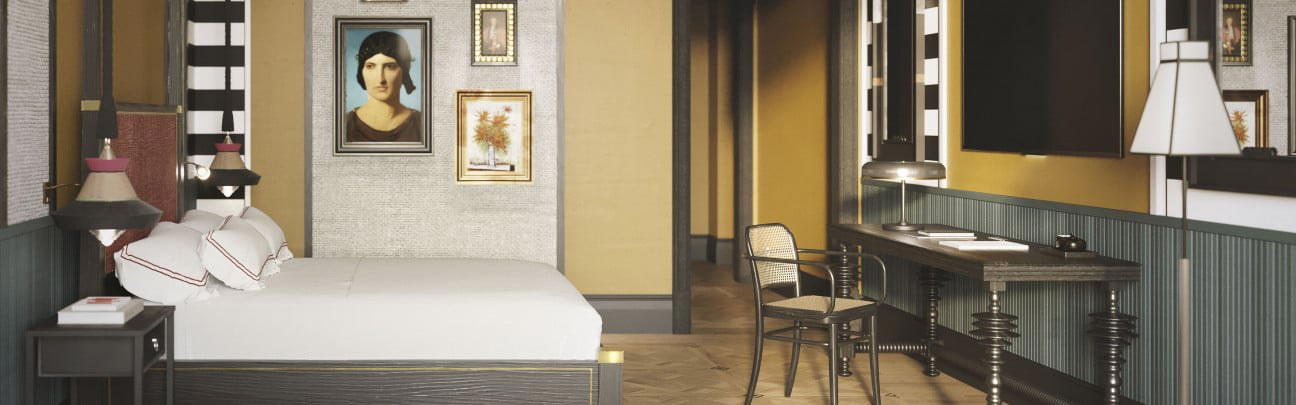
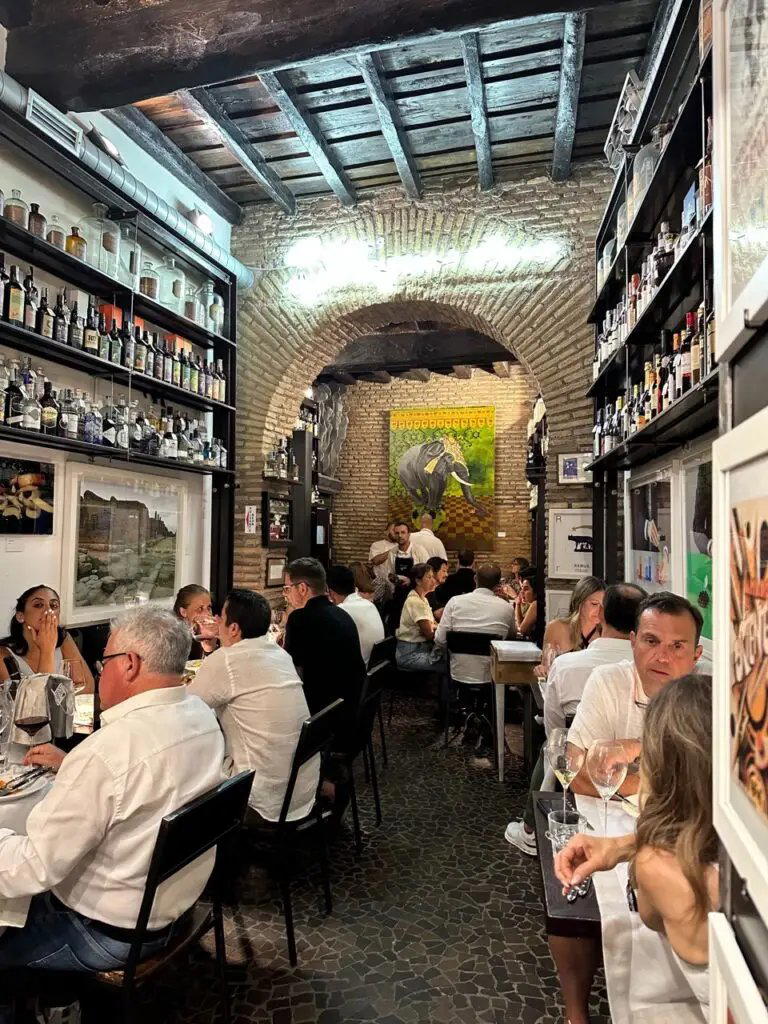
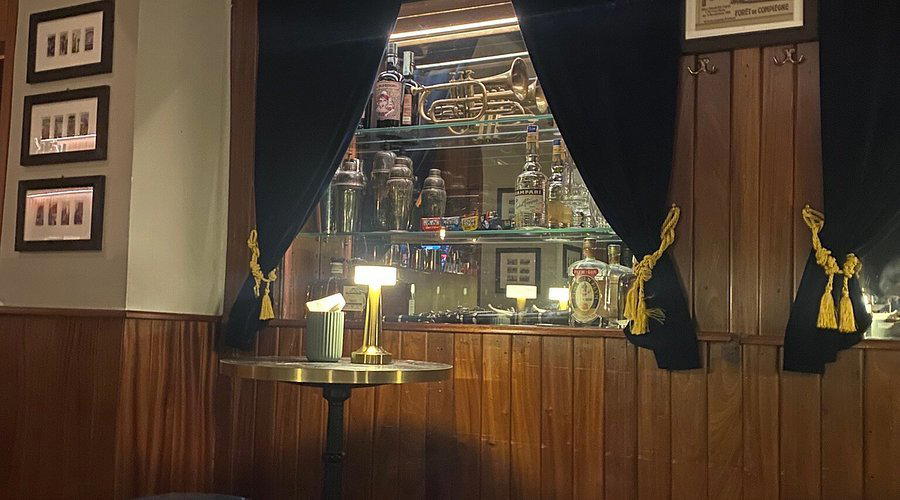
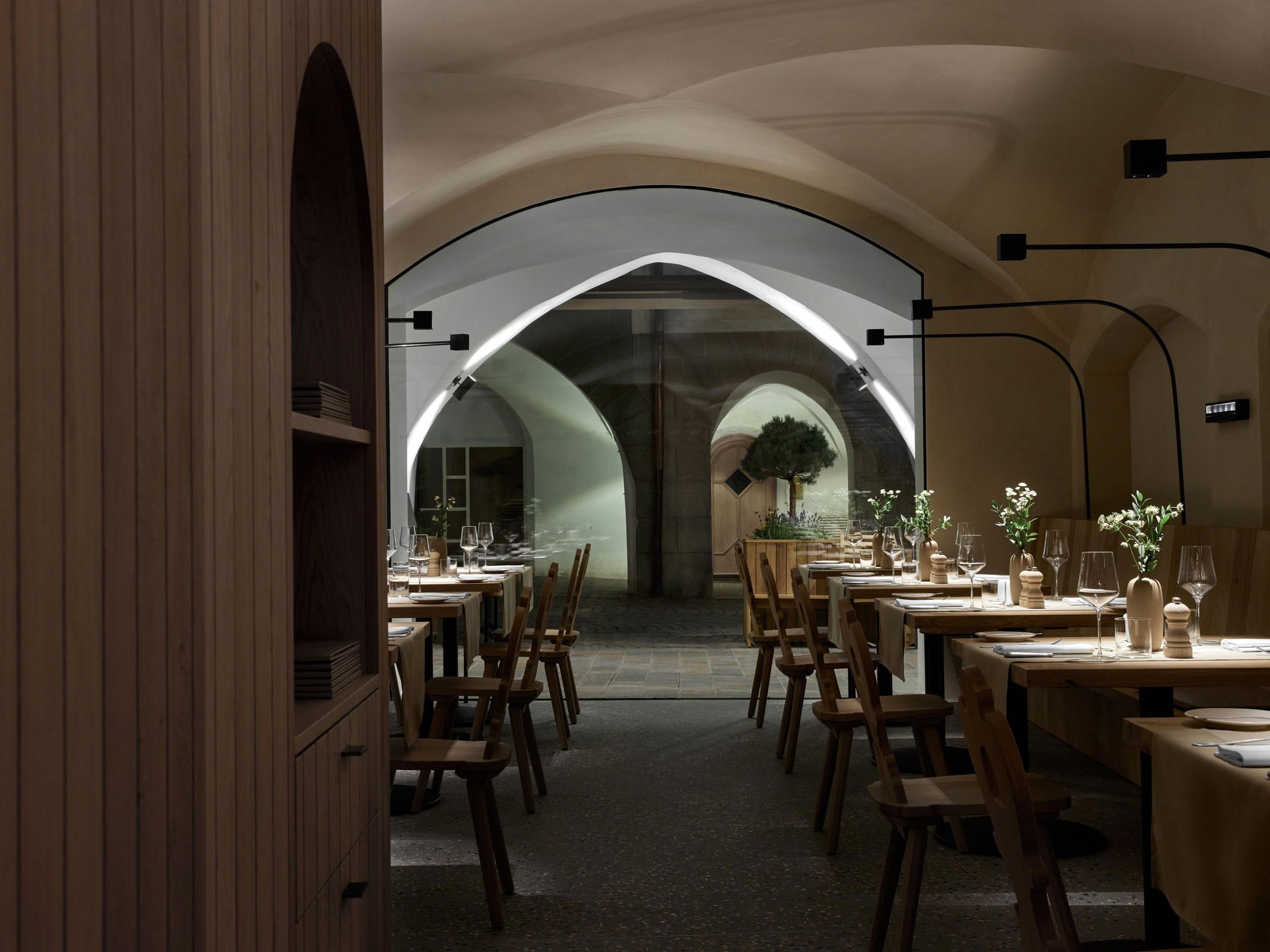
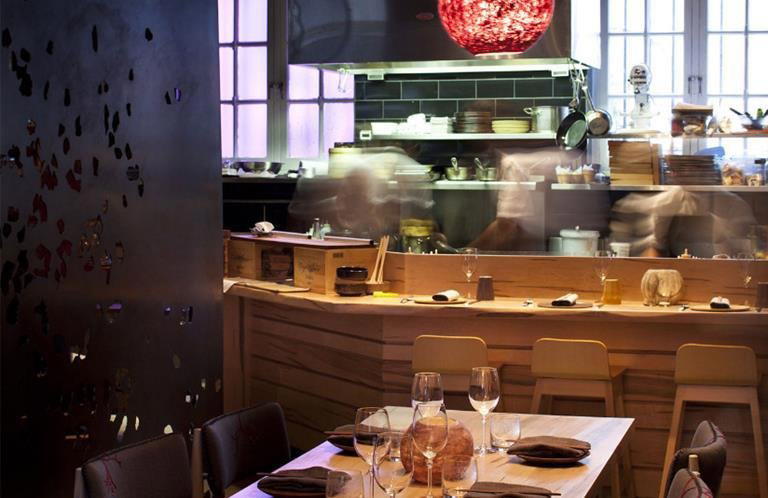
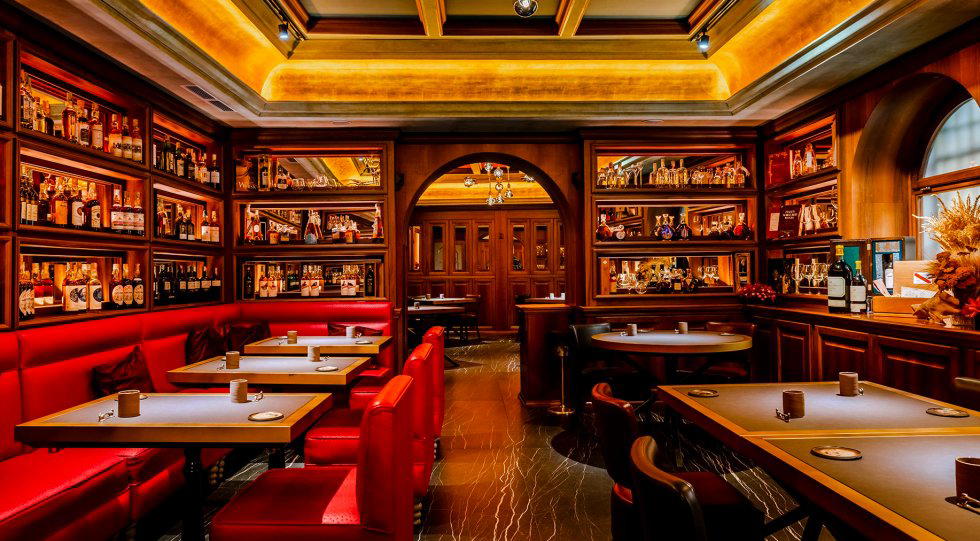
Soft lighting, enveloping scents, and refined touches create a harmonious balance of modern comfort within ancient Renaissance walls.