
Michelin Selected
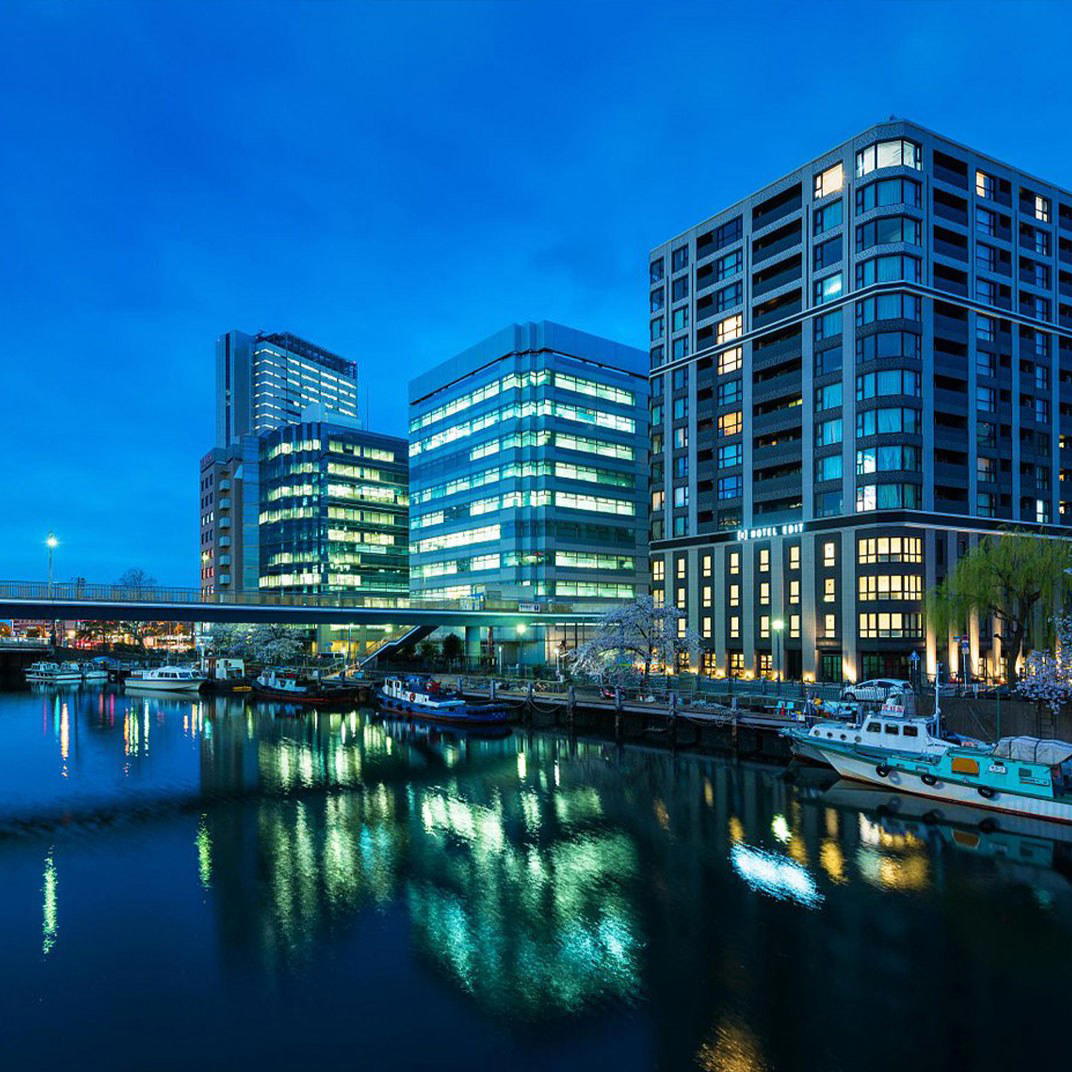
Located in Naka-ku's Sumiyoshicho district, it represents the quieter, design-attentive tier of Yokohama accommodation that sits apart from the waterfront convention hotels dominating the city's main hospitality corridor.
- Address
- 6-78-1 Sumiyoshicho, Naka-ku, Yokohama, Japan
- Phone
- 045-680-0238
A Different Register of Yokohama Hospitality
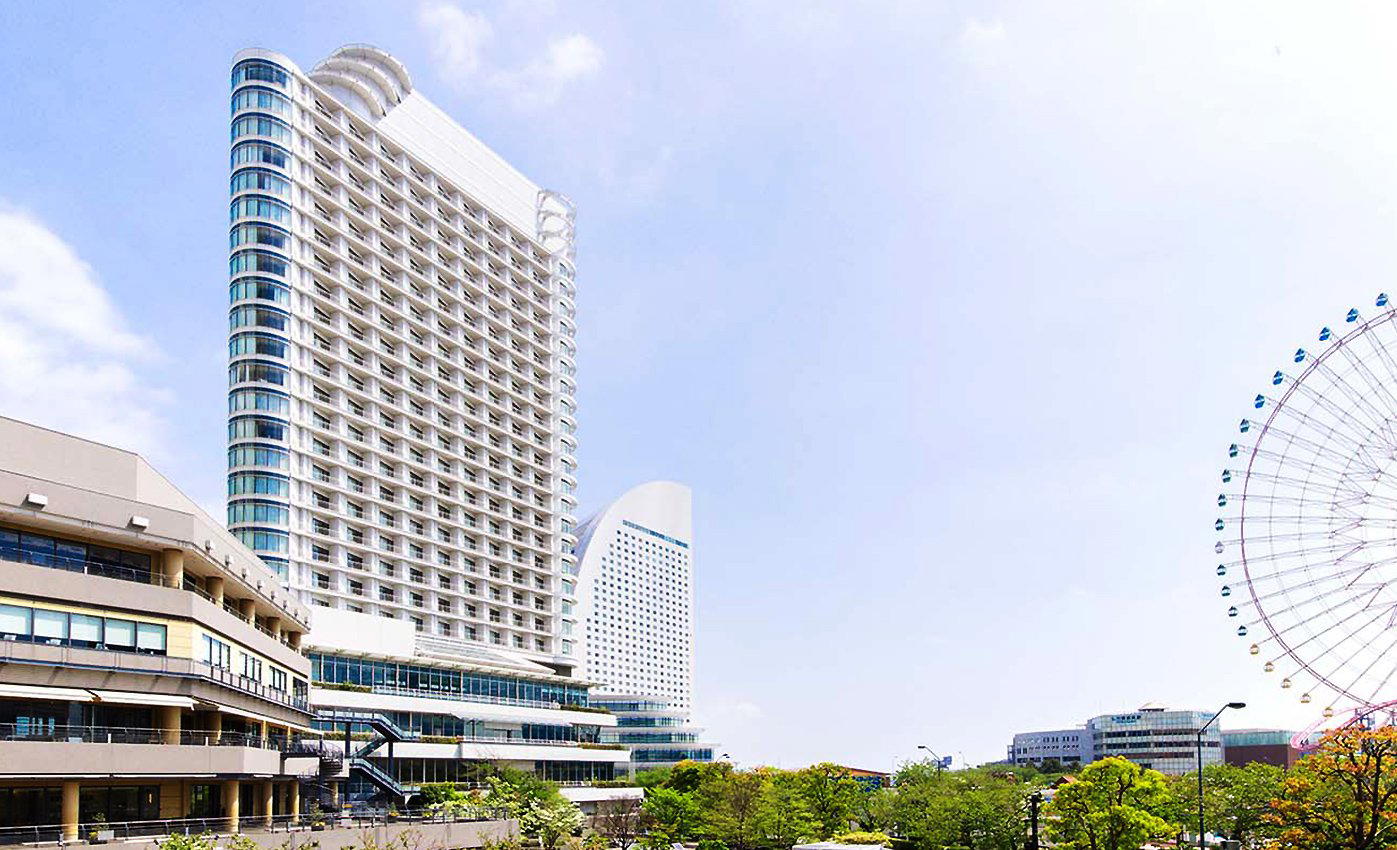
Yokohama's hotel market has long been sorted into two broad categories: the large-footprint properties that anchor Minato Mirai's reclaimed waterfront, and a smaller tier of independently minded hotels that prioritise spatial coherence over room count. Hotel Edit Yokohama, addressed at 6-78-1 Sumiyoshicho in Naka-ku, belongs to the second group. Michelin's hotel selection process typically rewards properties where physical space and atmosphere do substantive editorial work, and the Edit's inclusion signals that the property clears that bar.
Naka-ku is one of Yokohama's most architecturally layered wards, carrying traces of the Meiji-era foreign settlement alongside postwar commercial development and more recent adaptive reuse. Hotels in this district tend to attract guests who are less interested in harbour panoramas and more interested in the texture of the city itself. That context matters when calibrating what Hotel Edit Yokohama is trying to do: the address alone positions it closer to the grain of urban Yokohama than the refined-podium properties clustered around the bay.
Design as the Primary Argument
In the broader trajectory of Japanese urban hospitality, a distinct design-led hotel category has emerged over the past decade that explicitly treats the physical environment as the primary product. Properties in this tier are defined less by star rating than by the coherence of their material choices, spatial proportions, and the degree to which the building's character shapes the experience of staying there. Hotel Edit Yokohama operates within this tradition. The name itself suggests editorial selectivity, a curatorial stance toward space and object rather than comprehensive provision.
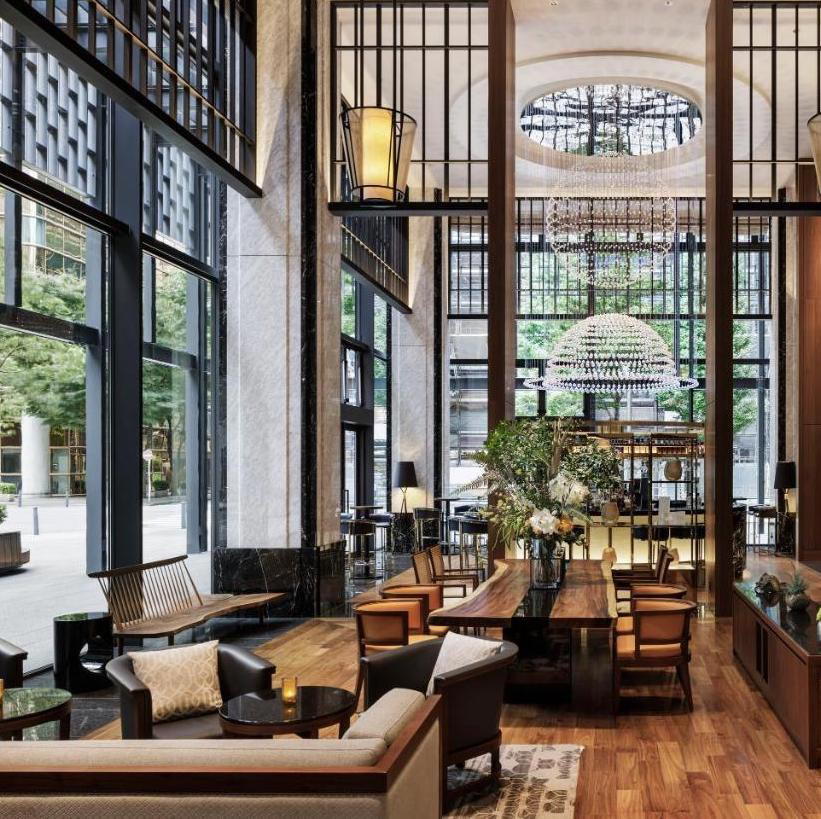
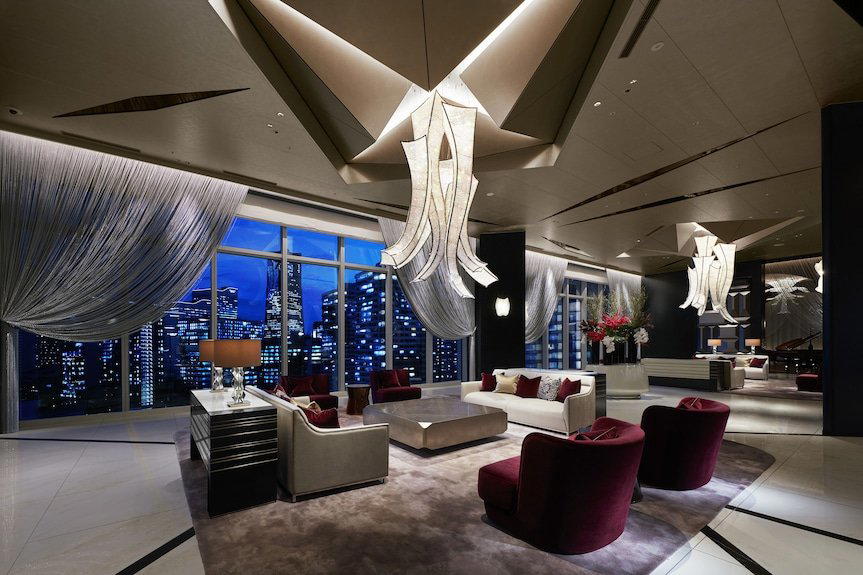
Japanese urban design hotels at this level typically draw on a compressed vocabulary: natural materials with visible texture, restrained colour registers, and furnishings that favour proportion over decoration. The guest experience in these properties is deliberately slower than a transit hotel; the spaces are meant to be inhabited rather than merely occupied. Where a convention hotel in Minato Mirai might default to harbour-view spectacle as its primary offer, a design-led property in Naka-ku has to make the interior itself compelling enough to hold attention.
For travellers calibrating Yokohama against Tokyo's design hotel offer, the comparison is instructive. Properties like Bvlgari Hotel Tokyo or HOTEL THE MITSUI KYOTO operate at a different scale of investment and brand recognition, but the underlying impulse toward considered materiality is shared. Hotel Edit Yokohama applies that same premise at a more intimate urban scale, which in practice tends to mean fewer rooms, less programmatic formality, and a more direct relationship between guest and space.
Where It Sits in the Yokohama Field
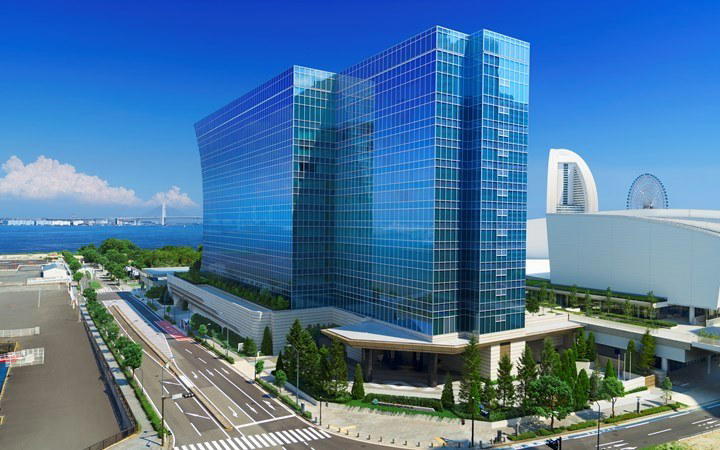
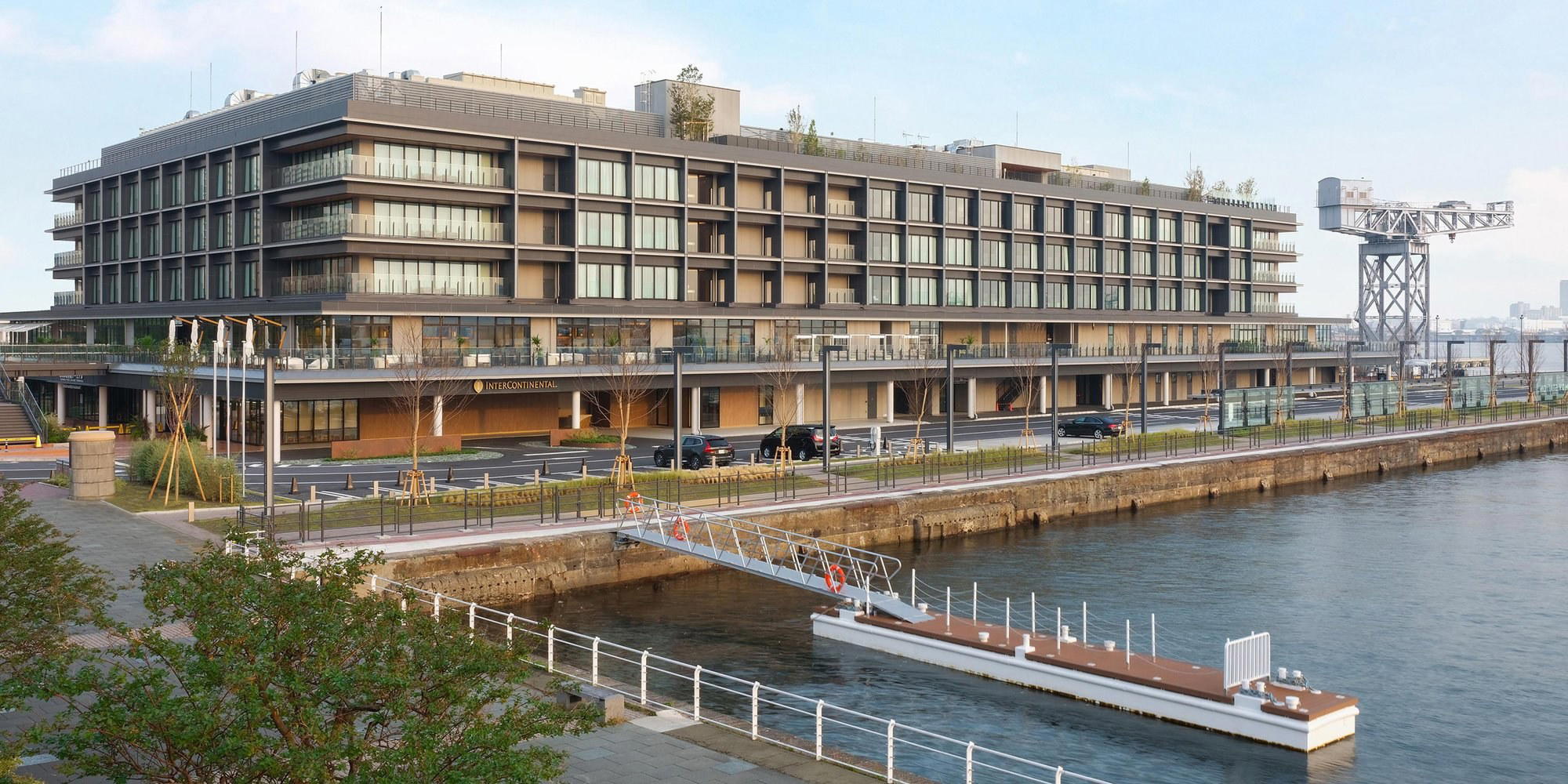
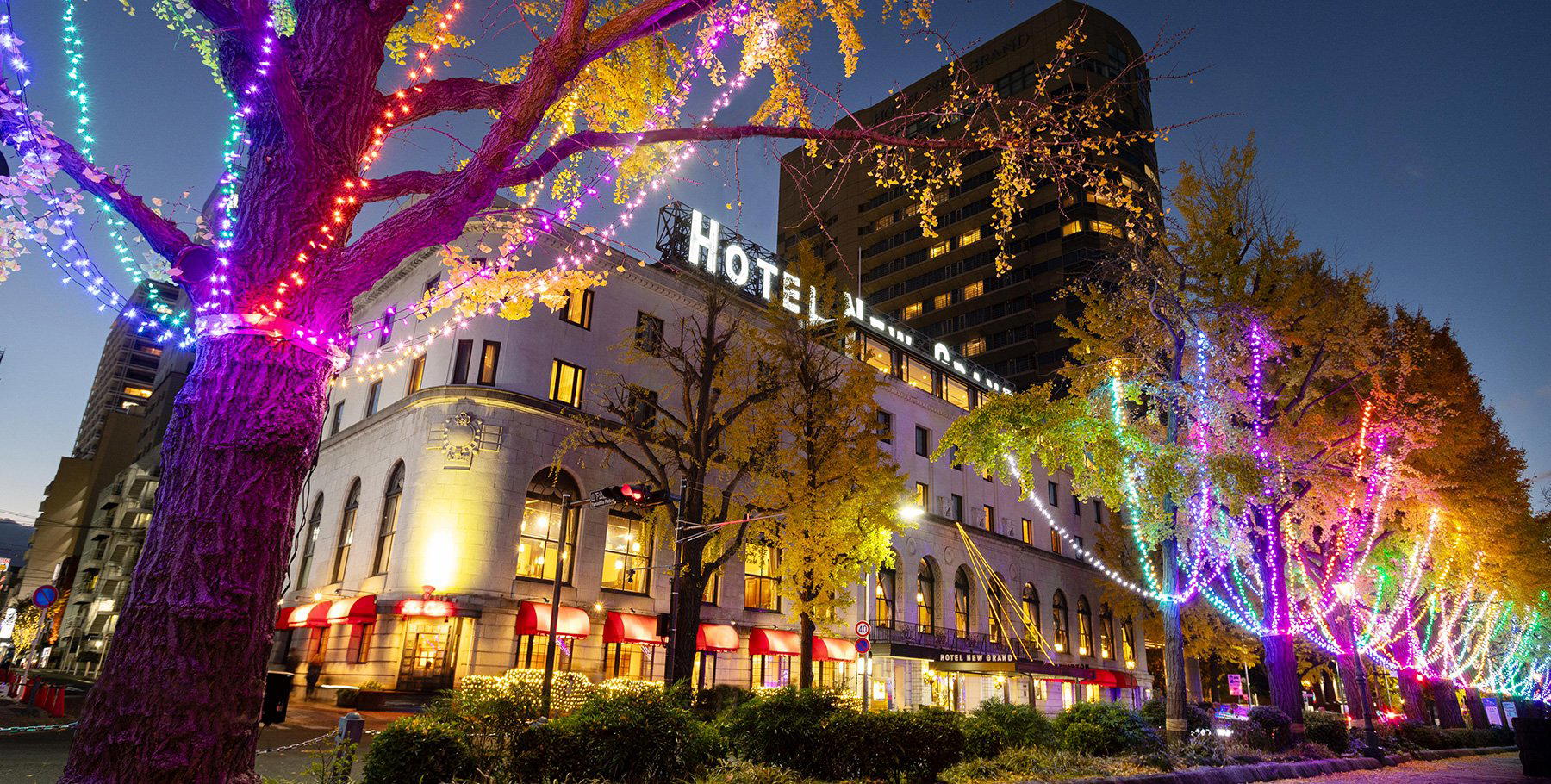
Yokohama's Michelin-recognised hotel tier includes properties with significantly different identities. The Kahala Hotel & Resort Yokohama and InterContinental Yokohama Pier 8 occupy the resort-adjacent and full-service convention end of the market respectively. Hotel New Grand carries the weight of historical pedigree as one of Yokohama's oldest Western-style hotels. The Yokohama Bay Hotel Tokyu and Hyatt Regency Yokohama anchor the larger-scale full-service bracket. Hotel Edit Yokohama competes on different terms from all of them, offering a more concentrated, design-forward proposition without the structural overhead of a convention or resort property.
Among the city's other mid-tier entries, the The Knot Yokohama and Hilton Garden Inn Yokohama Minatomirai target a broadly similar price-conscious traveller, but neither carries Michelin recognition. Mitsui Garden Hotel Yokohama Minatomirai PREMIER sits closer to Hotel Edit in design orientation, though the Minatomirai address pulls it back toward the waterfront cluster. The Edit's Naka-ku position differentiates it from that waterfront logic entirely.
For context on what Michelin Selected means within Japan's broader hotel offer, the benchmark is clarifying. Properties that earn the designation without a starred restaurant attached, as appears to be the case here, are typically being evaluated on accommodation quality, physical environment, and the coherence of the guest experience on its own terms. That places Hotel Edit Yokohama in company with design-attentive properties across Japan, from ryokan-adjacent retreats like Gora Kadan in Hakone and Zaborin in Kutchan to more urban expressions like Benesse House on Naoshima, where the physical environment is itself the primary cultural argument for the stay.
Planning the Stay
Sumiyoshicho in Naka-ku sits within walking distance of Yokohama's Kannai district, the area that formed the core of the 19th-century foreign settlement and now carries a mix of municipal buildings, independent food businesses, and low-rise commercial architecture. Access from central Tokyo runs via the JR Keihin-Tohoku line or the Tokaido line to Yokohama Station, with local transit connecting to the Naka-ku addresses. The neighbourhood functions as an entry point to older Yokohama rather than the postcard waterfront, which suits a different kind of traveller: one arriving to understand the city rather than view it from a distance.
For a broader view of Yokohama dining and neighbourhood context around a stay here, our full Yokohama restaurants guide covers the city's food scene in detail.
Travellers building a longer Japan itinerary around quality accommodation at comparable designconsciousness might cross-reference properties such as Amanemu in Mie, Asaba in Izu, Fufu Nikko, Nishimuraya Honkan in Kinosaki-cho, Kamenoi Besso in Yufu, Sekitei in Hatsukaichi-shi, Halekulani Okinawa, and Jusandi in Ishigaki. For international comparison against Michelin-grade urban properties in a different register, The Fifth Avenue Hotel in New York City, Badrutt's Palace in St. Moritz, and Hôtel de Paris Monte-Carlo each illustrate how design-led hospitality at Michelin recognition level translates across very different urban contexts.
How It Stacks Up
| Venue | Cuisine | Price | Awards |
|---|---|---|---|
| Hotel Edit YokohamaThis venue — the venue you are viewing | This venue | Not listed | Michelin Selected |
| The Kahala Hotel & Resort Yokohama | Not listed | Not listed | 1 Michelin Key · Forbes Recommended |
| InterContinental Yokohama Pier 8 | Not listed | Not listed | 1 Michelin Key |
| Hotel New Grand | Not listed | $100–200 | Preferred Hotels Member |
| The Yokohama Bay Hotel Tokyu | Not listed | $100–200 | Preferred Hotels Member |
| Hyatt Regency Yokohama | Not listed | $100–200 | Michelin Selected |
Recognition history
Dated appearances from independent guides and award organizations, with the underlying list record or original source where available.
Michelin Selected
Michelin
Details
- Modern
- Trendy
- Cozy
- Business Trip
- Weekend Escape
- Design Destination
- Wi Fi
- Restaurant
- Laundry Service
- Concierge
- Elevator
- Wheelchair Accessible
- Elevator
Modern and tastefully designed rooms with comfort in mind, featuring cozy compact spaces, communal lounge areas, and a relaxing harbor-city atmosphere with brick tiles and deep blue carpets.