Hotel Arpoador

Michelin Selected
Hotel Arpoador sits at the junction of Ipanema and Copacabana, a MICHELIN Selected property on Rua Francisco Otaviano positioned within metres of two of Rio's most recognised stretches of sand. For travellers who want address precision over grand-hotel scale, it occupies a distinct tier in the city's accommodation map, trading lobby spectacle for direct neighbourhood immersion in one of Rio's most desirable residential pockets.

Pearl is the En Primeur Club membership app — saves, bookings, and concierge access live there. Same editors, same standards.
- Address
- R. Francisco Otaviano, 177 - Ipanema, Rio de Janeiro - RJ, 22080-046, Brazil
- Phone
- +55 21 2529-1000
- Website
- hotelarpoador.com
- Directions
- Get directions
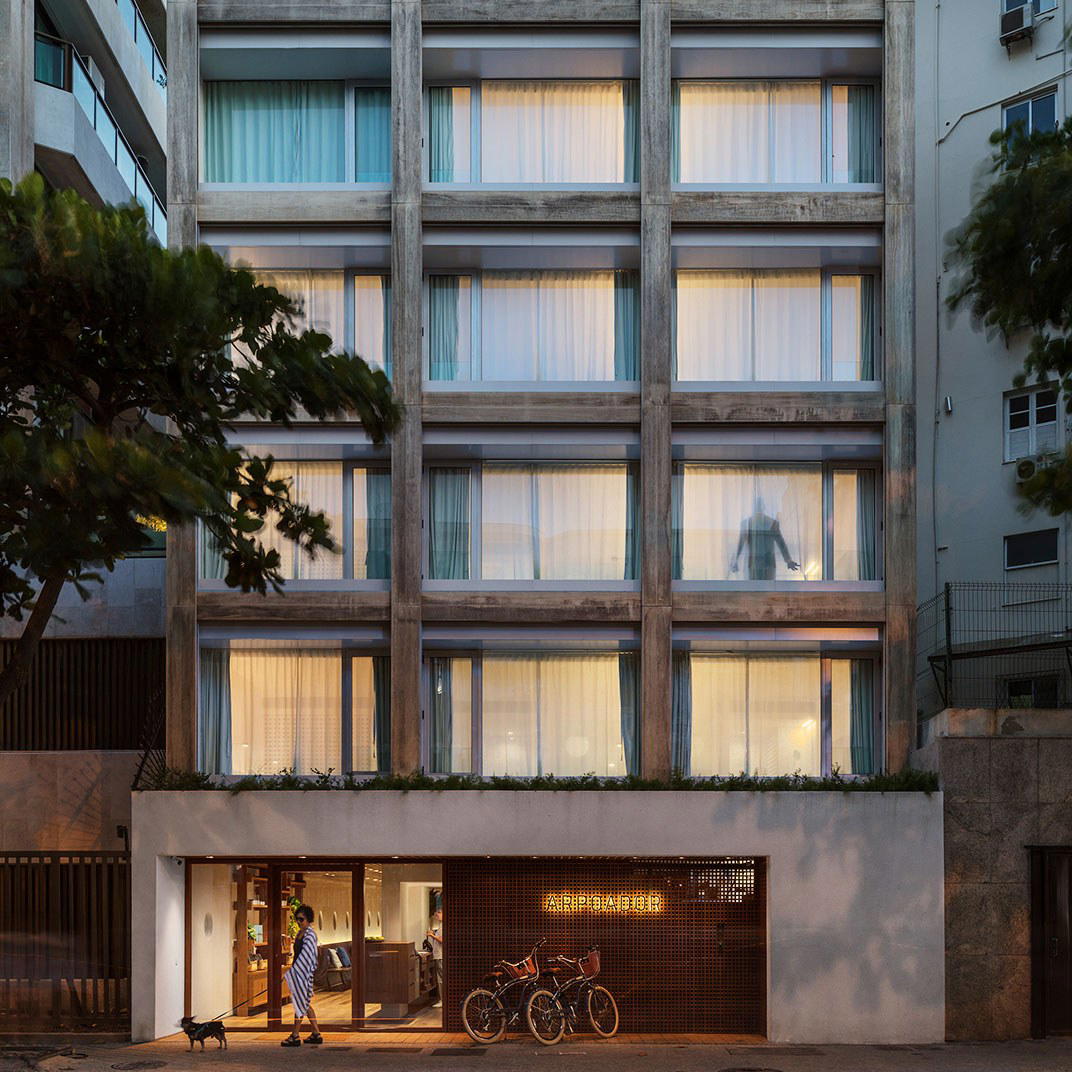
The Address That Does the Work
In Rio de Janeiro, where you sleep determines what Rio you experience. The city's accommodation market has long split along a clear axis: large-scale hotels anchoring the Copacabana strip, design-led boutique properties scattered through Santa Teresa's hillside streets, and a smaller cohort of address-driven hotels that earn their position entirely through location capital. Hotel Arpoador belongs to the third group, sitting on Rua Francisco Otaviano at the precise point where Ipanema and Copacabana converge — a few minutes' walk from Arpoador Rock, where locals gather at dusk to applaud the sunset over the Atlantic.
That specific geography is not incidental. The Arpoador headland separates two beaches with different social registers: Copacabana's broader, more democratic promenade and Ipanema's tighter, more residential character. A hotel positioned at that seam gives guests both without committing fully to either. For travellers who want to move fluidly between the two, the address compresses what would otherwise require a taxi or a long walk into a direct stroll.
Where Arpoador Sits in Rio's Hotel Hierarchy
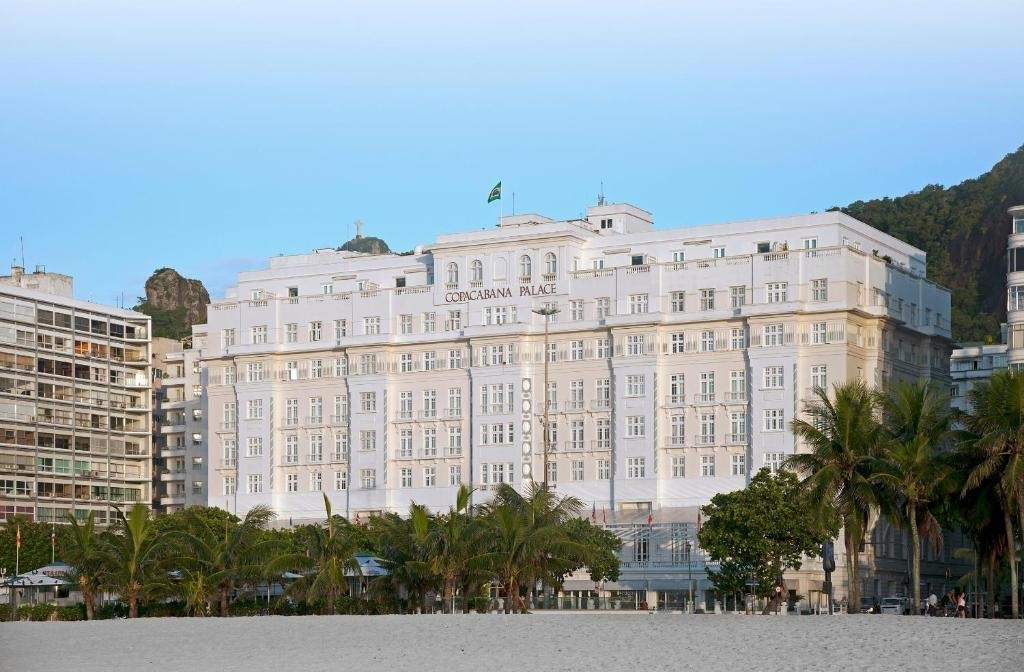
Rio's premium hotel tier is anchored by properties like the Copacabana Palace, A Belmond Hotel and the Fairmont Rio de Janeiro Copacabana, both of which deliver the full grand-hotel experience: large room counts, multiple food and beverage outlets, extensive amenities, and prices to match. The Emiliano Rio sits in a design-led premium bracket of its own. Hotel Arpoador operates at a different scale and with a different value proposition: MICHELIN Selected recognition in the 2025 guide signals that the quality threshold is met, while the property's boutique format means the experience is calibrated differently from those larger flagships.
The MICHELIN Selected designation, applied through the 2025 hotels guide, places Hotel Arpoador in a curated tier rather than a starred one — it is a quality endorsement rather than an award for distinction at the very best of the market. That framing matters for how to read the property. It is not competing with the Belmond or the Grand Hyatt Rio de Janeiro on amenity counts or lobby scale. It competes on specificity: a precise address, a manageable size, and proximity to the neighbourhood rather than separation from it.
Boutique properties in Rio's Zona Sul have multiplied over the past decade, with options like Casa Cool Beans, Casa Mosquito, and Chez Georges each representing different micro-niches within the small-hotel category. Casa Marques Santa Teresa pulls in a different direction entirely, emphasising Santa Teresa's hillside character over beachside immediacy. Hotel Arpoador's distinction within this group is its position at one of the coast's most recognised junctions, which is harder to replicate than design choices or room counts.
The Neighbourhood as an Extension of the Stay
Arpoador operates as a residential neighbourhood as much as a tourist zone, which changes the texture of staying here compared to the more commercial stretch of Copacabana further east. The streets behind Rua Francisco Otaviano feed into Ipanema's grid, where juice bars, padarias, and fishmongers serve a local clientele alongside visitors. Morning runs along the beachside path connect directly to Ipanema's Posto 9 and Posto 10, the stretches most associated with the neighbourhood's social life. For guests whose priorities include moving through Rio as residents rather than as visitors, the Arpoador address supports that mode of travel in a way that a hotel further from the beach-neighbourhood interface cannot.
The rock formation at the western end of Ipanema beach, Pedra do Arpoador, draws a nightly crowd that has no equivalent in Copacabana. The ritual of gathering there at sunset is embedded in the neighbourhood's identity, not organised for tourists, and proximity to it gives the hotel's location a character beyond simple beach access. That kind of embedded neighbourhood ritual is what the Arpoador address delivers that a large-format hotel on Avenida Atlântica, with its barrier of road and pavement between the building and the sand, structurally cannot.
Planning Your Stay
Hotel Arpoador is located at Rua Francisco Otaviano, No. 177, placing it within walking distance of both Ipanema and Copacabana beaches without requiring a car or rideshare for the primary draws of the immediate area. Rio's Zona Sul is well served by the metro, with the General Osório station on Line 1 serving the Ipanema end; the hotel's position makes it accessible from both the metro network and the coastal road. For wider exploration of the city, including the Santa Teresa neighbourhood and the historic centre, rideshare services are the most practical option. For travellers planning a Brazil itinerary beyond Rio, reference points in the broader market include the Rosewood São Paulo in São Paulo, Hotel das Cataratas, A Belmond Hotel near Iguassu Falls, and coastal properties such as Txai Resort Itacaré and Zorah Beach Hotel in Trairi for those building a broader coastal circuit. In Salvador, Fera Palace Hotel and Hotel Fasano Salvador represent distinct positions in that city's market.
For guests whose itineraries extend further into Brazil's interior or natural landscapes, Cristalino Lodge in Alta Floresta and Parador Casa da Montanha in Cambara do Sul cover the ecological and highland segments of the country that a city base like Arpoador does not attempt to serve. Closer to Rio, Casas Brancas Boutique Hotel and Spa in Buzios and Ilha de Toque Toque Eco Hotel in São Sebastião serve the coastal day-trip and weekend-extension market.
For international travellers calibrating expectations against comparable city boutique properties in other markets, the reference set is more usefully peers like The Fifth Avenue Hotel in New York City or Badrutt's Palace Hotel in St. Moritz for address-led, quality-endorsed smaller properties rather than the full-service grand-hotel tier represented by Hôtel de Paris Monte-Carlo. The point is not equivalence of market or price, but the category logic: Hotel Arpoador earns its position through location capital and MICHELIN recognition, not through scale or brand affiliation. For dining context beyond the hotel, our full Rio de Janeiro restaurants guide covers the city's broader food scene across neighbourhoods. For those considering eco-lodges and mountain retreats in Brazil's south, Wyndham Gramado Termas Resort and Spa and Rancho do Peixe in Jericoacoara round out the range of property types available across the country.
The Short List
Comparable venues nearby, for context on price, style, and recognition.
| Venue | Price | Awards | Notes |
|---|---|---|---|
| Hotel ArpoadorThis venue — the venue you are viewing | $1–100 | Michelin Selected | Not listed |
| JANEIRO Hotel | $200–300 | Michelin Selected · Virtuoso Luxury Hotel Partner | Leblon, Contemporary luxury boutique hotel emphasizing simple elegance and carioca lifestyle curation with minimalist design principles. |
| Mama Shelter Rio de Janeiro Santa Teresa | Not listed | Not listed | Lapa, Playful urban-inspired design in historic houses |
| Yoo2 Rio de Janeiro | $200–300 | Michelin Selected | Flamengo, Modern design hotel blending tropical Brazilian elements with contemporary urban style. |
| La Suite by Dussol Rio de Janeiro | $200–300 | Michelin Selected · Mr & Mrs Smith Seal of Approval | São Conrado, Intimate cliffside luxury guesthouse |
| Casa Marques Santa Teresa | Not listed | Not listed | Rio Comprido, Restored late colonial mansion with modern Brazilian touches |
Recognition history
Dated appearances from independent guides and award organizations, with the underlying list record or original source where available.
Michelin Selected
Michelin
Continue exploring
More in Rio de Janeiro
Hotels in Rio de Janeiro
Browse all →
Bars in Rio de Janeiro
Browse all →

Details
- Modern
- Scenic
- Sophisticated
- Intimate
- Trendy
- Romantic Getaway
- Family Vacation
- Weekend Escape
- Beachfront
- Rooftop Pool
- Panoramic View
- Wi Fi
- Pool
- Spa
- Fitness Center
- Concierge
- Beach Access
- Restaurant
- Waterfront
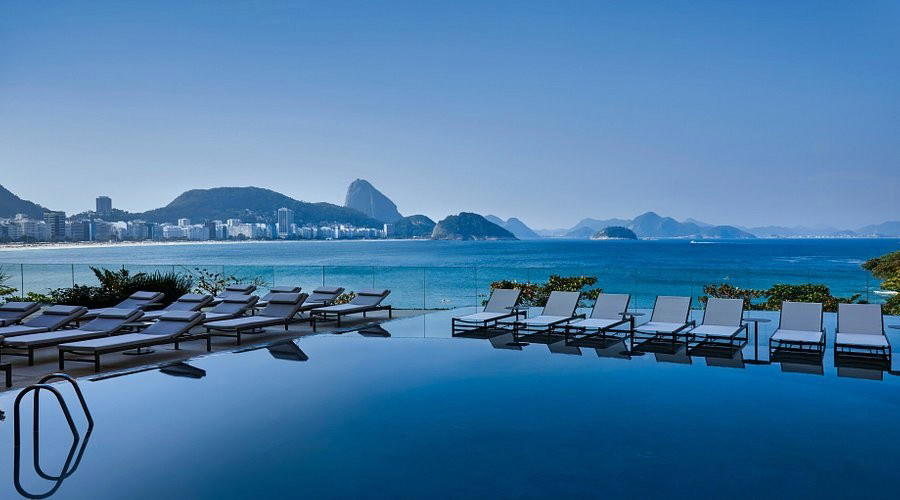
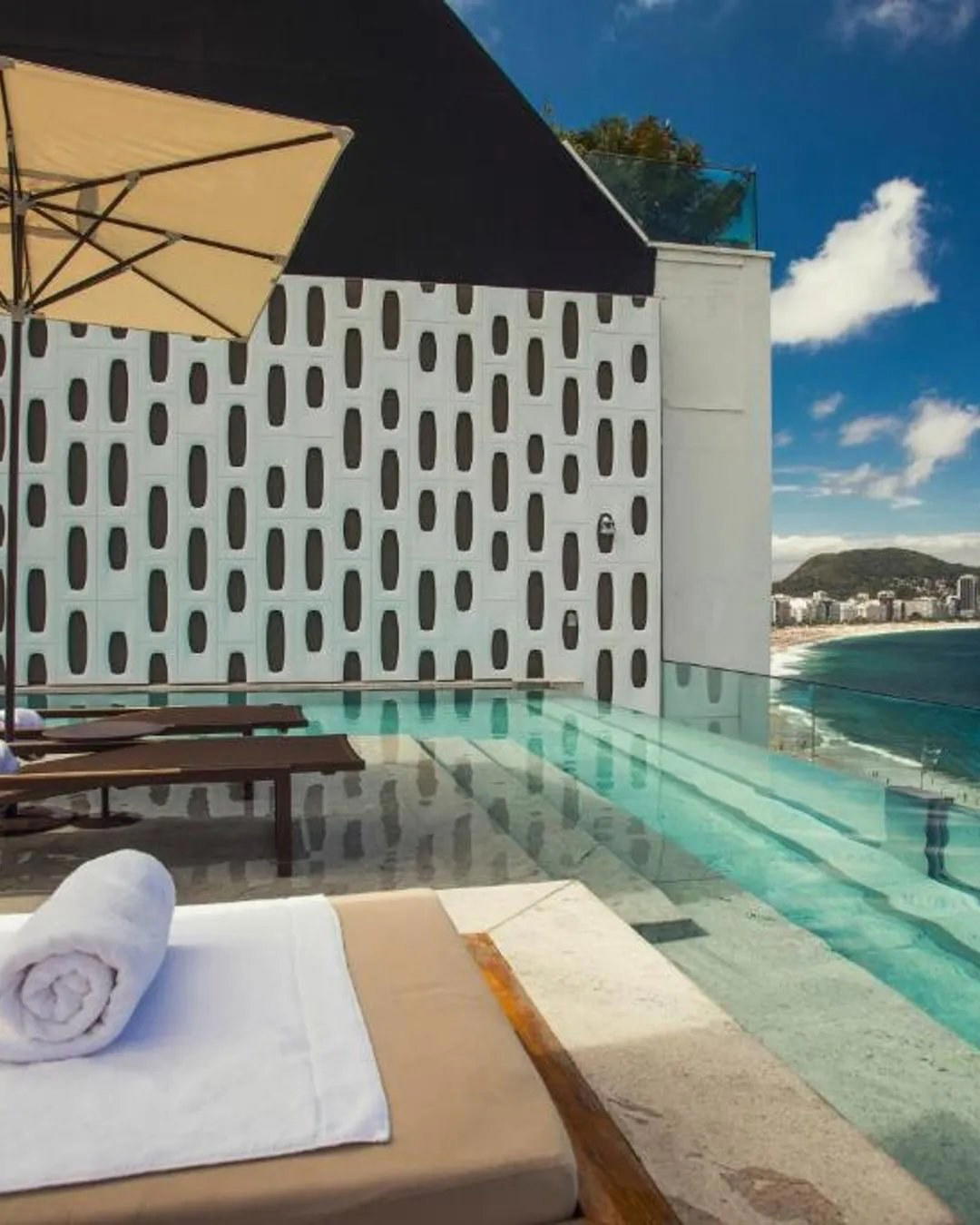
Sophisticated simplicity blending nature and urban life with modern navy design, tiled floors, and dramatic coastal views.