Fosfobox Bar Club
Fosfobox Bar Club occupies a basement address on Rua Siqueira Campos in Copacabana, operating at the intersection of nightlife and bar culture that defines Rio's late-night south zone. The venue sits within a broader generation of Brazilian bars where the drink program carries as much weight as the room itself. For visitors calibrating their nights around considered drinking rather than spectacle, it belongs on the shortlist.

Pearl is the En Primeur Club membership app — saves, bookings, and concierge access live there. Same editors, same standards.
- Address
- Rua Siqueira Campos, 143 - loja 22a - Copacabana, Rio de Janeiro - RJ, 22031-070, Brazil
- Phone
- +55 21 2548 7498
- Hours
- Mon–Thu ClosedFri–Sat 11 PM–4:45 AMSun Closed
- Website
- fosfobox.com.br
- Directions
- Get directions
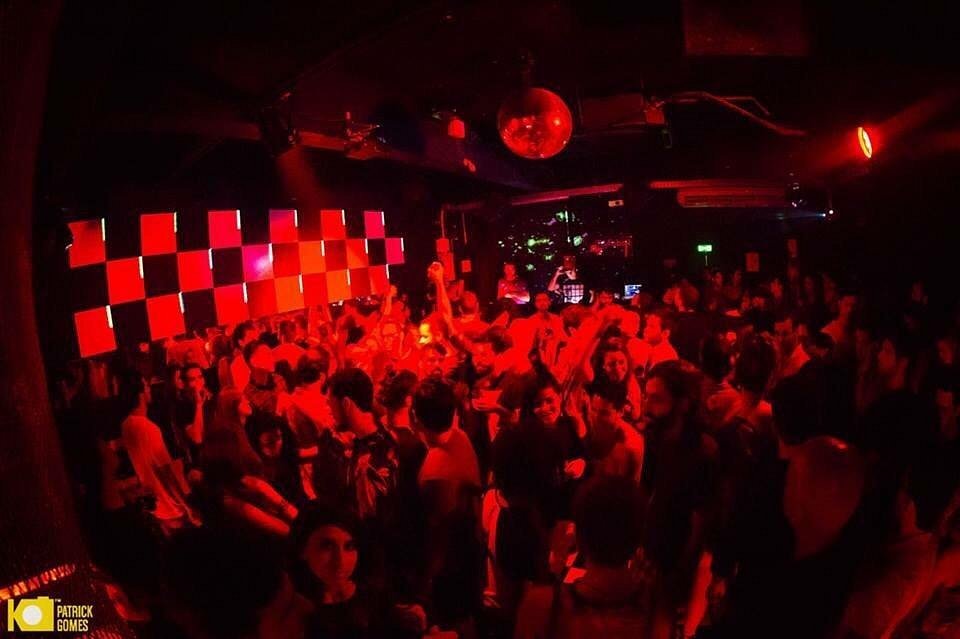
Copacabana's Basement Circuit and Where Fosfobox Sits
Rio de Janeiro's bar culture has never been tidily zoned. Copacabana, which outsiders often reduce to beachfront tourism, carries a parallel nightlife geography that runs inland, through side streets, shopping gallery basements, and stairwells that lead somewhere worth going. Rua Siqueira Campos is one of those corridors. Fosfobox Bar Club operates at number 143, loja 22a, which means descending into a gallery complex rather than arriving at a street-facing facade. That physical format, sub-street, compressed, deliberately non-obvious, has historically self-selected for a crowd that came because they knew, not because they wandered past.
This positioning matters when you consider how Rio's nightlife has stratified over the past decade. The beachfront strip draws volume. The inland addresses, particularly the basement and gallery-level venues, draw regulars. Fosfobox belongs to the latter category, which in practice means the room operates on a different social logic: familiarity between staff and guests, a programme built around return visits rather than first impressions, and a drink offering that has to hold up to scrutiny over multiple nights rather than novelty alone.
The Drink Program in the Context of Rio's Bar Evolution
Brazil's bar culture has been undergoing a structural shift for roughly fifteen years. The country's cocktail scene, once dominated by caipirinha variations and imported spirits ordered by brand name, has fractured into distinct tiers. São Paulo led the charge toward technically rigorous programming, venues like Exímia in São Paulo represent that city's commitment to format discipline and ingredient provenance. Rio has followed a different path: the leading drinking rooms here tend to integrate into the social fabric more organically, prioritising atmosphere and community alongside craft.
Fosfobox sits at that intersection. The venue's Copacabana address places it outside Leblon and Ipanema's more polished bar circuits, which has both advantages and trade-offs. The advantage is a room less shaped by tourist expectation and more by what the neighbourhood's own drinkers actually want over a long night. The trade-off is lower visibility in international bar rankings, which disproportionately reward venues in areas with heavy press traffic.
Within Rio specifically, the comparison set for Fosfobox includes south-zone bars that operate on similar informal authority. Bar de Copa and Bar dos Descasados occupy adjacent points in that network, venues where the room's personality outweighs any single credential. Bar do Mineiro and Bar do Bode Cheiroso anchor a slightly different register, leaning harder into traditional boteco culture, but they share the same principle: authority built through consistency rather than press cycles.
What the Wine Angle Tells You About the Room
The editorial angle of wine curation is a useful lens here, not because Fosfobox operates as a wine bar in any formal sense, but because how a venue handles its drink list reveals its underlying priorities. Brazil's wine scene has matured considerably, particularly in the south, producers from Rio Grande do Sul and Serra Gaúcha are now drawing serious attention from sommeliers who previously looked only to Argentina or Chile. Venues in Rio that engage with Brazilian wine rather than defaulting to imported labels signal something about their relationship to the broader national drinks culture.
For context, the bar operators across Brazil who are doing this thoughtfully include Dionisia Restaurante VinhoBar in Porto Alegre, which sits at the production source and integrates regional curation deeply into its identity, and Vivan Wine Bar in Balneario Camboriu, which approaches the list with clear sommelier discipline. What these venues demonstrate is that Brazilian bar culture, when it takes its drink list seriously, can compete credibly with any South American peer. The question for any Rio venue, Fosfobox included, is how much that broader shift has filtered into what gets poured at the bar on a given night.
Across the country, the bars that have aged well are those that read the room accurately: Bar da Lora in Belo Horizonte holds a loyal following through exactly this kind of consistency, and Acarajé da Dinha in Salvador shows how deep local specificity translates into durability. SEEN Belém in Belem extends the principle to the north, building around Amazonian ingredients and a distinct regional identity. For international comparison, Bar Leather Apron in Honolulu demonstrates how a technically serious program can coexist with a neighbourhood-bar social register, a model that Rio's better basement venues understand intuitively.
The Copacabana Address: Practical Considerations
Rua Siqueira Campos runs roughly parallel to the beach, a few blocks inland, and sits within walking distance of the Siqueira Campos metro station. The gallery format at number 143 means the entrance is not immediately obvious to first-time visitors; arriving by foot from the metro is direct, but allowing a few extra minutes to locate loja 22a within the complex is worth factoring in. Copacabana's south zone is well-served by Rio's ride-share infrastructure, which remains the most reliable late-night option in the neighbourhood.
For a fuller orientation to Rio's bar and restaurant circuit, the EP Club Rio de Janeiro guide maps the city's drinking and dining geography across neighbourhoods.
Where Fosfobox Fits in the Night
Rio's south zone operates on late timing by international standards. Kitchens at neighbourhood restaurants run until midnight or beyond; bars shift into higher gear from eleven onwards. Venues in the basement-gallery format like Fosfobox tend to draw their core crowd after the dinner hour has cleared, visitors who have already eaten elsewhere and are moving through the neighbourhood's informal circuit rather than anchoring for the evening.
That sequencing matters for how you approach the night. Fosfobox works better as a destination you arrive at with purpose rather than one you stumble into expecting a full evening's orientation. The physical format, underground, gallery-accessed, compact, rewards visitors who already have some map of what Copacabana's inland bar geography looks like. First-timers to the neighbourhood may find it easier to start with a street-level room and work toward Fosfobox as the night advances.
How It Stacks Up
Comparable venues nearby, for context on price, style, and recognition.
| Venue | Cuisine | Price | Notes |
|---|---|---|---|
| Fosfobox Bar ClubThis venue — the venue you are viewing | lounge | $10–20 | Not listed |
| Bar do Bode Cheiroso | pub | Not listed | Maracanã |
| Bar e Restaurante Urca | beer_bar | $10–20 | Urca |
| Pabu Izakaya | sake_bar | $30–50 | Leblon |
| Galeto Sat's Botafogo | pub | $10–20 | Botafogo |
| Quartinho Bar | cocktail_bar | $20–30 | Botafogo |
Continue exploring
More in Rio de Janeiro
Bars in Rio de Janeiro
Browse all →
Restaurants in Rio de Janeiro
Browse all →
Details
- Lively
- Energetic
- Trendy
- Late Night
- Group Outing
- Casual Hangout
- Live Music
- Standing Room
- Lounge Seating
- Classic Cocktails
Current opening hours
- Monday
- Closed
- Tuesday
- Closed
- Wednesday
- Closed
- Thursday
- Closed
- Friday
- 11 PM–4:45 AM
- Saturday
- 11 PM–4:45 AM
- Sunday
- Closed
Hours can change for holidays and private events. Last verified .
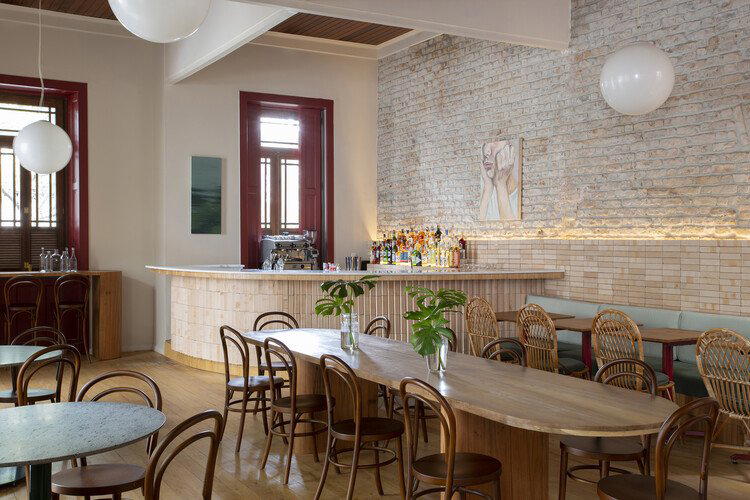
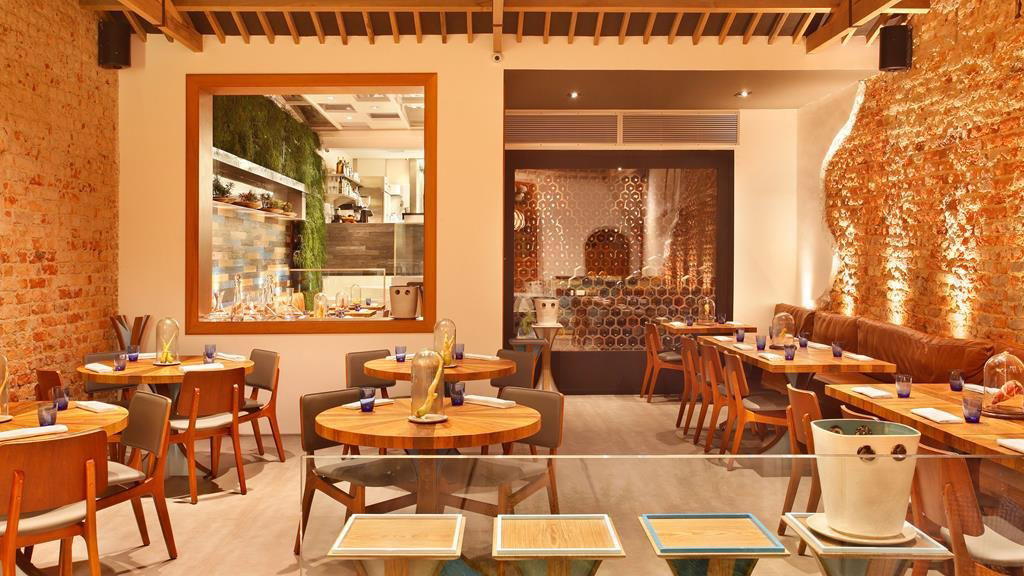
Dark, immersive underground atmosphere with pulsating beats, creative decor, and high-energy dancing under dim lighting.