Didier

Awarded a Michelin Bib Gourmand in 2025, Didier sits in Ipanema's mid-range French contemporary tier, a position with few direct peers in Rio. Chef James Baron's à la carte spans French classics and Brazilian-inflected dishes across a two-floor space with natural light, making it a rare address where cassoulet and moqueca share the same menu with genuine purpose.
Pearl is the En Primeur Club membership app — saves, bookings, and concierge access live there. Same editors, same standards.
- Address
- R. Vinícius de Moraes, 124 - A - Ipanema, Rio de Janeiro - RJ, 22411-010, Brazil
- Phone
- +55 21 3624-7960
- Directions
- Get directions
 Saves & bookings on Pearl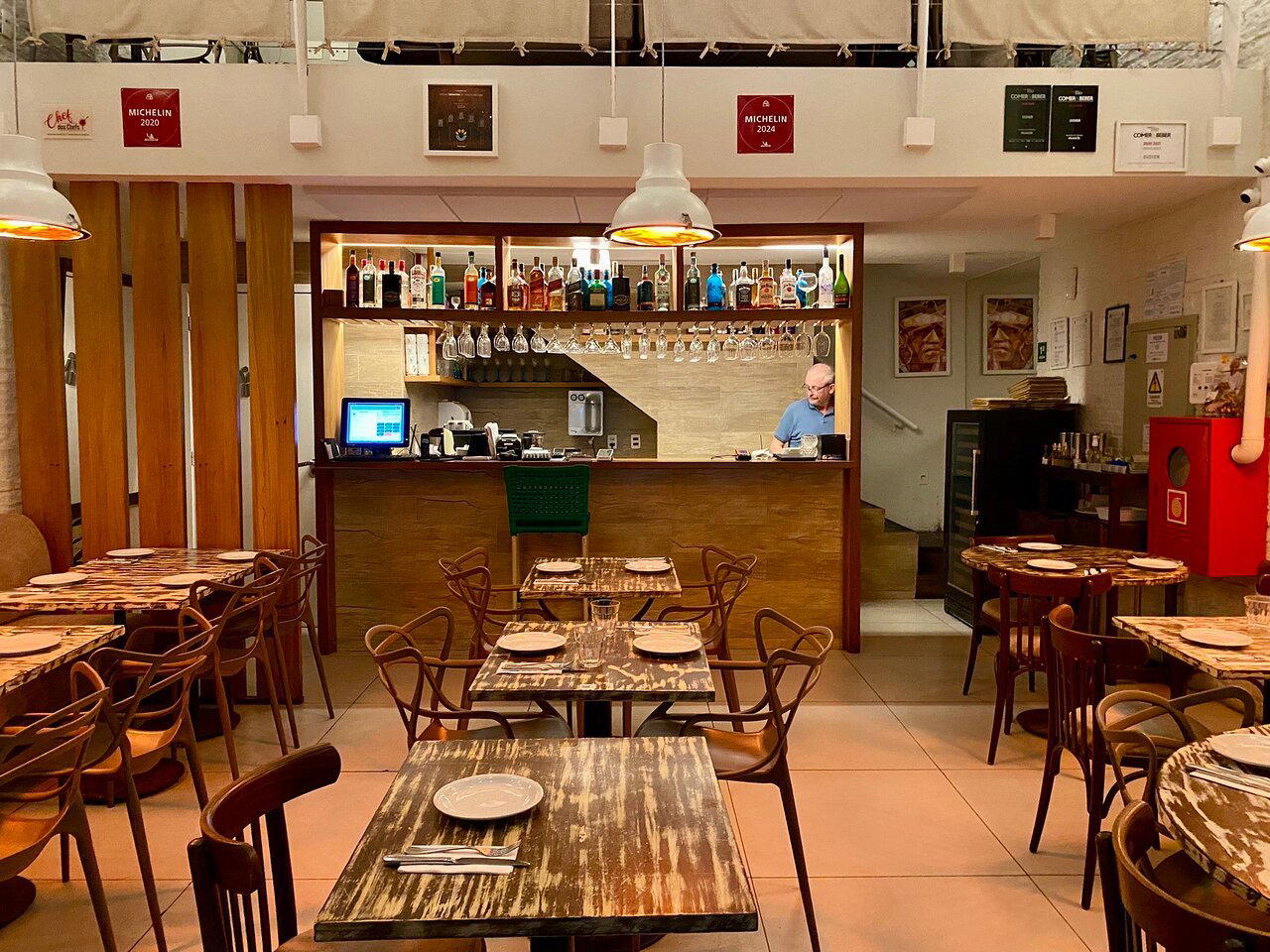
A French Bistro in Ipanema, Placed in Context
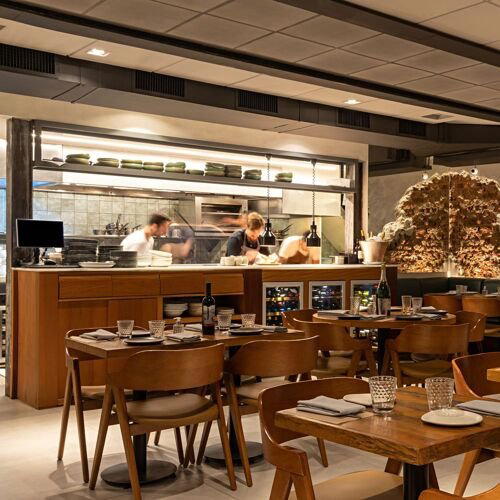
Ipanema's dining scene has long been divided between the high-ticket omakase and tasting-menu format that clusters around Leblon and the Zona Sul's more casual neighbourhood tables. Didier occupies a deliberately different position: a two-floor space on Rua Vinícius de Moraes with enough natural light to make the room feel open rather than formal, operating at a price tier that places it well below Rio's Michelin-starred tasting-menu circuit. That the restaurant earned a Michelin Bib Gourmand in 2025, the Guide's recognition for quality cooking at accessible prices, confirms what the mid-range French contemporary category rarely manages in a city where European fine dining tends to price itself out of regular use.
The Bib Gourmand designation is worth pausing on. Across Brazil's Michelin selections, it signals a specific kind of value proposition: technically grounded cooking, consistent execution, and a price point that makes return visits plausible. For comparison, the French address Casa 201 holds a full Michelin Star at the $$$$ tier, while Didier's $$ positioning means it functions more like a genuine neighbourhood bistro than a destination restaurant requiring advance financial planning. That distinction shapes everything about how the room operates.
The Room and How It Works
French bistro service has a particular choreography: attentive but not hovering, knowledgeable without being pedagogical, and paced to allow conversation rather than accelerate turnover. The two-floor layout at Didier creates a natural division between the ground-level energy and a slightly more contained upper floor, both benefiting from the natural light that gives the space its daytime appeal. The front-of-house rhythm at a restaurant of this type tends to reflect the menu's own logic: a long à la carte, no fixed tasting sequence, and a service approach that asks staff to know the range rather than recite a set script.
That range is genuinely broad. Classical French preparation, snails, beef tartare, cassoulet, sits alongside what the kitchen frames as Brazilian-inflected departures: grilled octopus alla putanesca, black risotto, rabbit stew, and a French-style moqueca. The last item is worth noting specifically. Moqueca is a Brazilian fish stew with deep regional identity, particularly in Bahia and Espírito Santo. A kitchen choosing to prepare it through a French lens is making a considered cross-cultural argument, and the execution is reportedly among the more talked-about dishes on the menu. For a broader map of where Brazilian regional cooking sits in the current moment, Lasai (two Michelin Stars, $$$$ tier) and Oteque (one Michelin Star, $$$$ tier) represent the tasting-menu end of that conversation in Rio.
Where French Contemporary Sits in Rio's Wider Scene
Rio's European-leaning restaurants have historically operated in one of two registers: the grand hotel dining room model, represented by addresses like Cipriani at the Copacabana Palace, or the more modern European-Brazilian hybrid format pursued by restaurants like Oro (two Michelin Stars). Didier sits outside both of those categories. It is named after its chef, James Baron, which signals a personal rather than institutional project, and the menu's mix of French classics and Brazilian ingredients reads less like fusion exercise and more like the natural output of a kitchen working between two culinary traditions without needing to resolve the tension between them.
Across Brazil more broadly, the French-Brazilian conversation appears in different forms at different price points. D.O.M. in São Paulo has long operated at the apex of Brazilian fine dining with European technique applied to Amazonian ingredients. Regionally, addresses like Manu in Curitiba and Manga in Salvador represent how different Brazilian cities are processing that same European-local negotiation. Didier's contribution to that conversation is quieter in ambition but no less specific in execution: a Bib Gourmand-level bistro in one of Rio's most sought-after neighbourhoods, holding its own without requiring the full tasting-menu apparatus.
For international comparison, the French contemporary category at a similar level of critical recognition can be tracked through addresses like Amber in Hong Kong and Odette in Singapore, though both operate at considerably higher price points and with formal tasting structures that place them in a different use-case bracket entirely. Didier's comparable set is closer to the accessible-but-rigorous bistro format that cities like Paris still produce reliably, and that most other cities struggle to sustain.
The Menu's Logic
An à la carte at a French bistro of this type functions differently from a tasting sequence. The guest constructs their own meal, which means the kitchen has to maintain quality across a wider range of outputs simultaneously. The dishes reported in Didier's selection span cold starters (beef tartare), hot starters (snails), main proteins (cassoulet, rabbit stew, grilled octopus), and the moqueca as a cross-category item that doesn't fit neatly into classical French taxonomy. The black risotto adds an Italian-adjacent element that is also deeply embedded in certain coastal Brazilian traditions. The result is a menu that rewards guests who are willing to read it as an argument rather than a checklist.
That kind of sustained scoring at a non-tasting-menu address in a tourist-heavy neighbourhood is harder to maintain than it might appear, since the volume of passing trade tends to dilute both service focus and kitchen consistency. That Didier holds its rating alongside a Michelin Bib Gourmand suggests the kitchen and floor team are operating at a level of discipline the score implies.
Planning a Visit
Didier is at Rua Vinícius de Moraes, 124-A in Ipanema, one of Rio's most walkable and well-connected neighbourhoods. The $$$ price tier makes it accessible without advance saving, and the à la carte format means visits can be calibrated by appetite and budget without the commitment of a tasting menu.
What to Order at Didier
The French-style moqueca is especially discussed item on the menu and the clearest expression of what the kitchen is doing conceptually: a Brazilian dish prepared through a French culinary framework, available at a price point that makes ordering it feel like a reasonable experiment rather than a significant investment. Among the classical French options, the cassoulet and beef tartare represent the kitchen's grounding in the bistro tradition, while the grilled octopus alla putanesca sits at the Italian-Mediterranean-Brazilian intersection that defines some of Rio's most interesting mid-range cooking. The 2025 Bib Gourmand, held by Chef James Baron, serves as one reliable signal that the kitchen's range is being executed with sufficient consistency to merit the recognition. For context on how the Michelin framework distributes recognition across Rio's French addresses, Casa 201 represents what the full-Star tier looks like in the same cuisine category in the same city. Didier's value is precisely that it delivers comparable French culinary seriousness at a significantly lower price point, in a neighbourhood where that combination is harder to find than it should be.
The Quick Read
Comparable venues nearby, for context on price, style, and recognition.
| Venue | Cuisine | Price | Notes |
|---|---|---|---|
| DidierThis venue — the venue you are viewing | Ipanema, Modern French Bistro | $$$ | Not listed |
| Miam Miam | Not listed | $$ | Botafogo, French-Brazilian Fusion Comfort Food |
| Babbo Osteria | Not listed | $$$ | Leblon, Italian Osteria with Carioca Fusion |
| Mr. Lam | Jardim Botânico, Modern Beijing Chinese | $$$ | Not listed |
| Pici Trattoria | Ipanema, Authentic Italian Trattoria | $$ | Not listed |
| Nôa | Not listed | $$$$ | Ipanema, Mediterranean Coastal with Brazilian Influences |
Recognition history
Dated appearances from independent guides and award organizations, with the underlying list record or original source where available.
Michelin Bib Gourmand
Michelin
Michelin Bib Gourmand
Michelin
Michelin Bib Gourmand
Michelin
Continue exploring
More in Rio de Janeiro
Restaurants in Rio de Janeiro
Browse all →
Bars in Rio de Janeiro
Browse all →


At a Glance
- Modern
- Elegant
- Cozy
- Date Night
- Family
- Casual Hangout
- Terrace
- Extensive Wine List
- Local Sourcing
- Street Scene
Current opening hours
- Monday
- 11:30 AM–11 PM
- Tuesday
- 11:30 AM–11 PM
- Wednesday
- 11:30 AM–11 PM
- Thursday
- 11:30 AM–11 PM
- Friday
- 11:30 AM–12 AM
- Saturday
- 11:30 AM–12 AM
- Sunday
- 11:30 AM–10 PM
Hours can change for holidays and private events. Last verified .
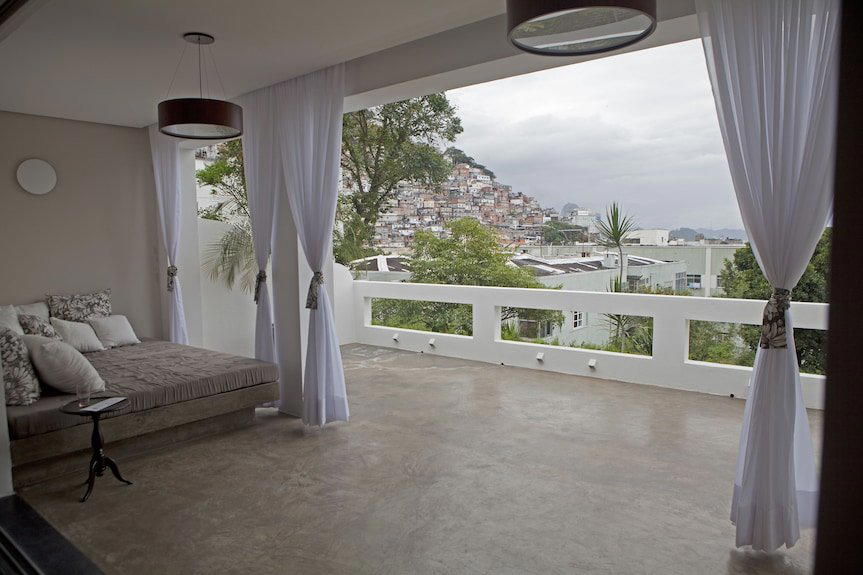
Modern lively feel with natural light on two floors, relaxed and welcoming country French decor.