Pici Trattoria

Michelin Bib Gourmand
Our verdict
Chef Allan Hernandez runs a trattoria format on Rua Barão da Torre that delivers serious Italian cooking at accessible prices, making it one of the few Bib Gourmand holders in Rio's Zona Sul.

Pearl is the En Primeur Club membership app — saves, bookings, and concierge access live there. Same editors, same standards.
- Address
- R. Barão da Torre, 348 - Ipanema, Rio de Janeiro - RJ, 22411-002, Brazil
- Phone
- +55 21 99757-9160
- Hours
- Mon–Thu 12 PM–12 AMFri–Sat 12 PM–1 AMSun 12–11 PM
- Website
- picitrattoria.com.br
- Directions
- Get directions
The menu
What to order
- Spaghetti Alla Carbonara
- Polpo d'Estate
- Fettuccine with truffle and mushroom sauce
- Wagyu polpetone with mozzarella di bufala
- Tiramisu
Where Ipanema Slows Down Before Dinner
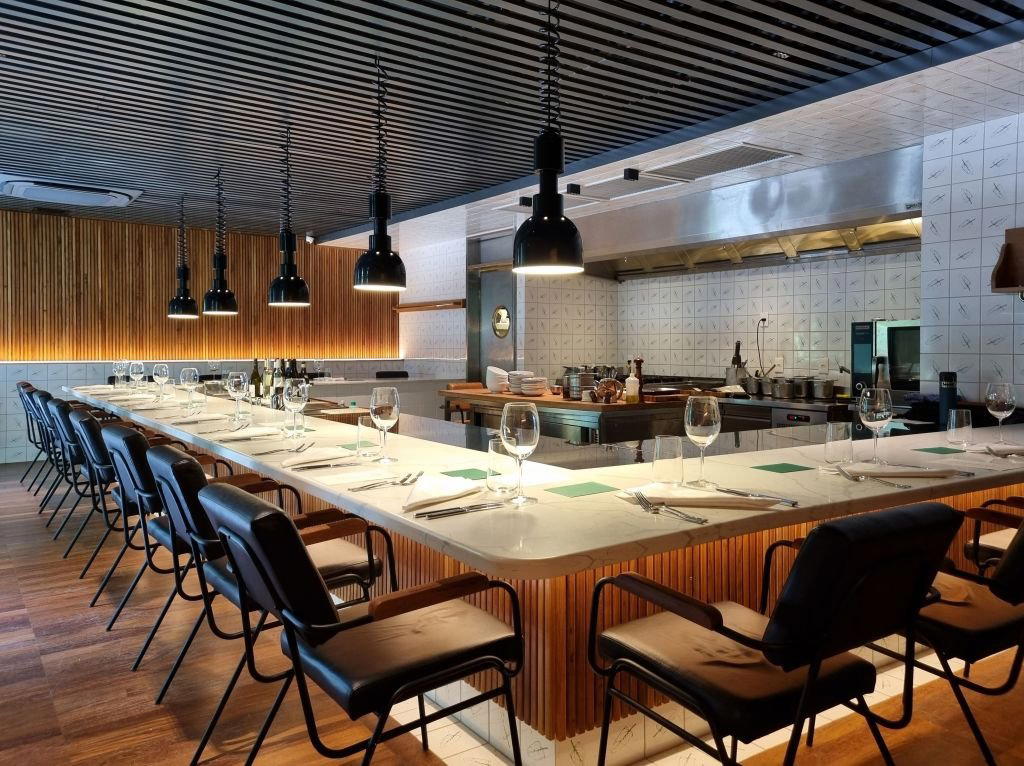
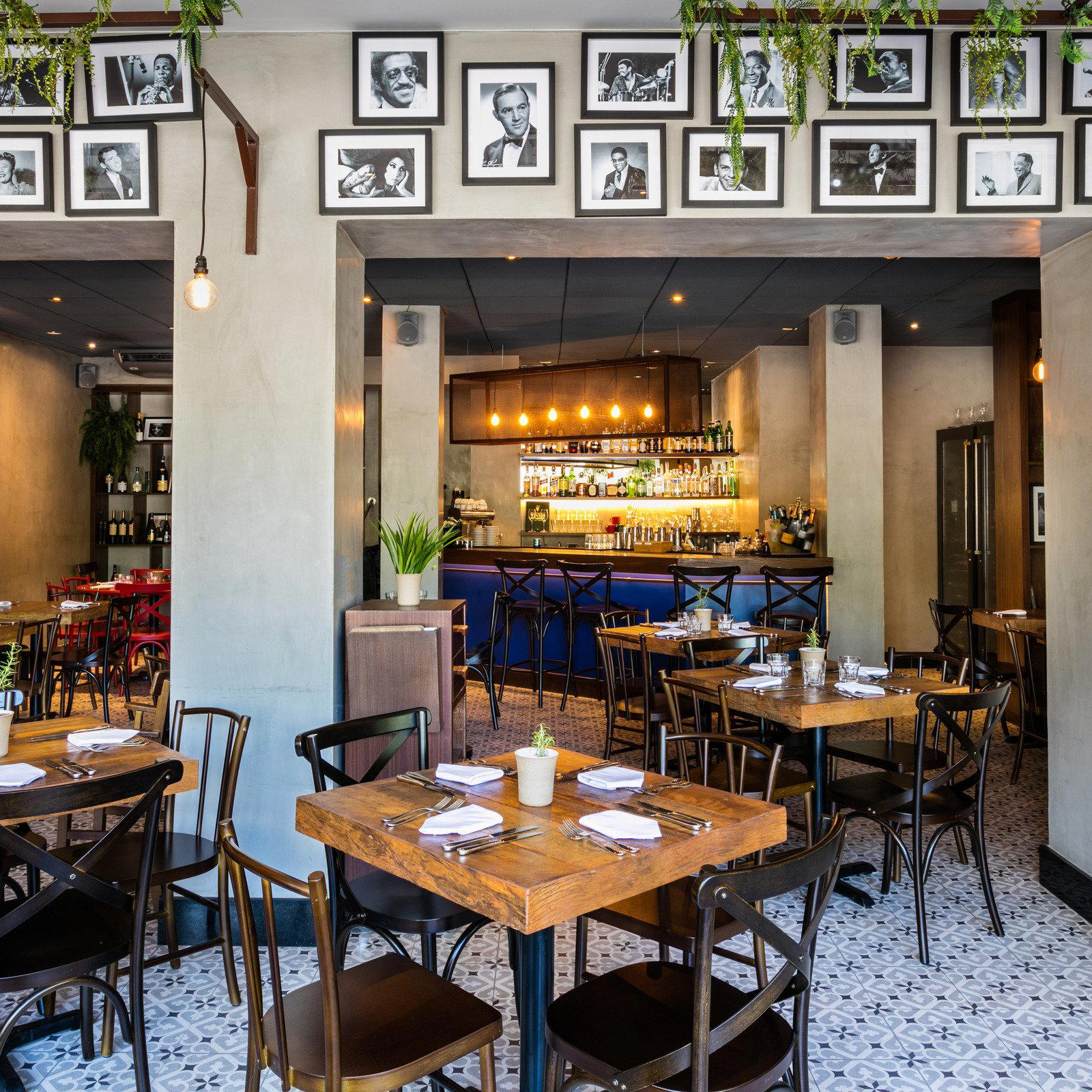
Rua Barão da Torre runs parallel to the beach but belongs to a different tempo. By early evening, the street shifts from errand-running to something more deliberate: aperitivo hour, unhurried tables, the particular calm of a neighbourhood that has worked out how to eat well without making it a production. Pici Trattoria sits inside that rhythm. The address at number 348 is residential in scale, the kind of frontage that requires you to be looking for it, and that quality sets the register for everything that follows.
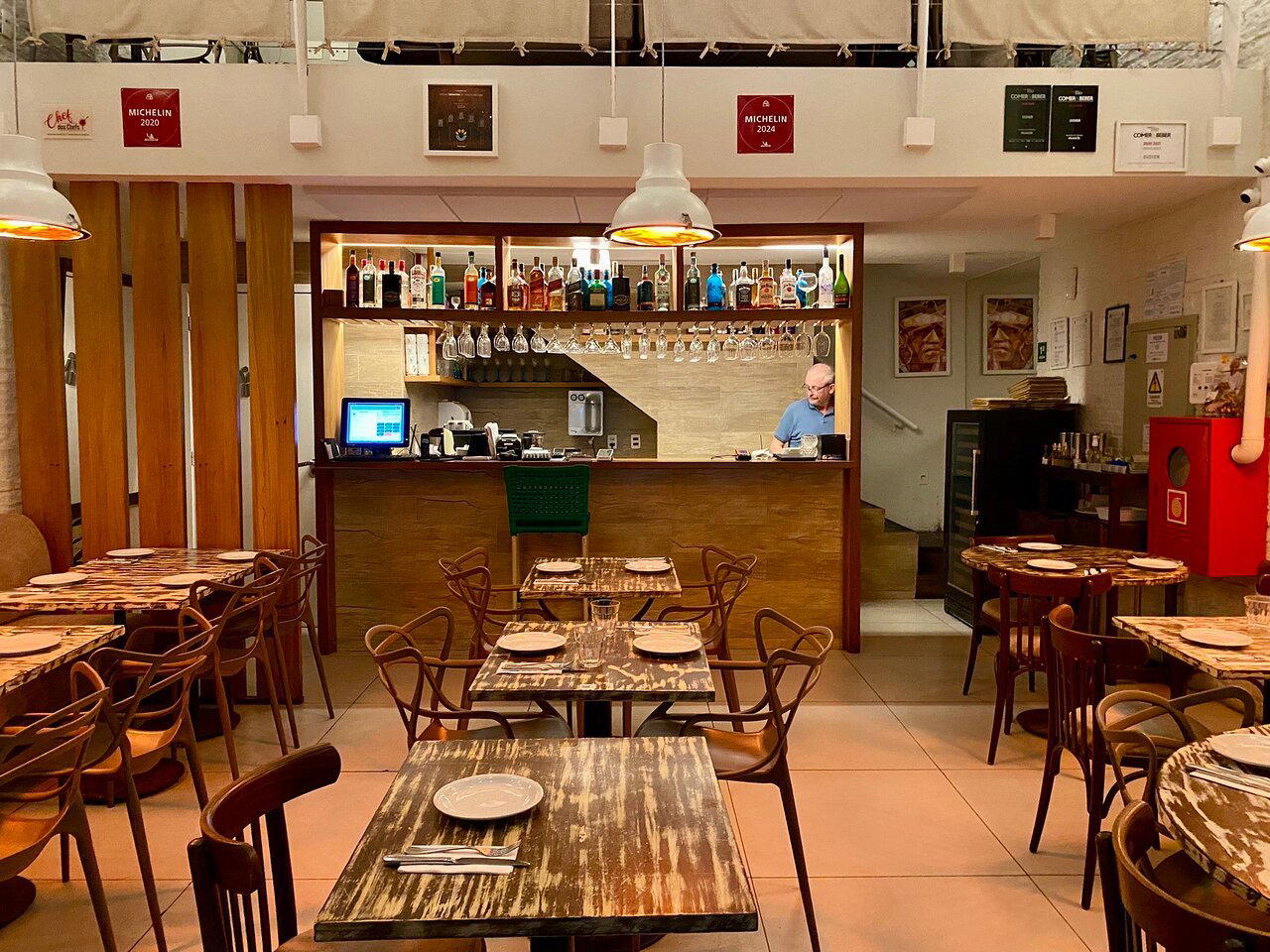
Rio's Italian restaurant scene has deepened considerably over the past decade, splitting between white-tablecloth formality at one end and fast-casual pasta counters at the other. The trattoria tier — honest Italian cooking at mid-range prices, with enough attention to craft to reward repeat visits — is where Pici operates, and it does so with more rigour than the format might suggest. Two consecutive Michelin Bib Gourmand awards, in 2024 and again in 2025, confirm what the neighbourhood already knew: this is food that delivers above its price point.
The Aperitivo Frame
Italian dining culture in Brazil has always carried traces of the aperitivo tradition brought by early Italian immigrants to São Paulo and the south, but Rio absorbed it differently, folding it into the carioca habit of the pre-dinner hour by the beach. The ritual matters here: a spritz or Negroni, something salty and small to eat, the gradual shift from afternoon light to evening. A trattoria format like Pici's is particularly well suited to this pace. The entry into a meal is allowed to be gentle, building through small plates and drinks rather than arriving fully formed at the table.
That aperitivo sensibility, food as accompaniment to conversation, not spectacle, runs through how a place like this works well. You arrive a little early, you order something to drink, and the kitchen earns your attention incrementally. It is a different contract than the tasting-menu restaurants that dominate Rio's Michelin roster. For context, Lasai and Oteque both operate at the $$$$ tier with structured tasting formats; Pici sits at $$ and keeps the format open. That difference in price and structure is not incidental, it reflects two genuinely distinct ideas about what a dinner should be.
Italian Cooking in a Brazilian Context
The question of how Italian food translates in Rio is worth pausing on. The city has a long-standing Italian presence in its restaurant culture, and the range is wide. Cipriani, the Venetian brand installed in Copacabana's Belmond hotel, represents the formal, heritage-brand approach. Artigiano and Babbo Osteria occupy other positions in the mid-range Italian conversation. Pici's Bib Gourmand distinction places it in a specific sub-tier of that field: not the most expensive Italian in the city, but among the few where Michelin's inspectors found the cooking to be genuinely good value relative to what is on the plate.
The trattoria format itself is doing editorial work here. A trattoria is not a ristorante; it carries expectations of informality, generosity, and directness. The name Pici refers to a hand-rolled Tuscan pasta, thick and irregular, associated with simplicity and technique in roughly equal measure. Choosing that as a house identity signals something about priorities: pasta made properly, the kitchen's craft visible in texture and form rather than hidden behind elaborate plating. Italian cooking in this mode is less about innovation and more about execution, and execution is exactly what Michelin's Bib Gourmand category rewards.
Globally, the trattoria format has proven durable across very different food cities. 8½ Otto e Mezzo Bombana in Hong Kong and cenci in Kyoto both demonstrate how Italian cooking adapts when transplanted to cities far from Italy, finding new registers without abandoning the original grammar. In Rio, the adaptation is different again, the climate, the carioca pace, and the Brazilian ingredient pool all press gently on what Italian cooking becomes.
Chef Allan Hernandez and the Bib Gourmand Signal
Chef Allan Hernandez leads the kitchen at Pici. In a city where the Michelin star conversation tends to dominate coverage, and where restaurants like Evvai in São Paulo represent the starred Italian tier in Brazil, the Bib Gourmand designation is worth reading carefully. Michelin awards it to restaurants where the cooking is genuinely good and the prices are deliberately accessible. It is not a consolation prize; it is a specific endorsement of a value proposition. Two consecutive years of Bib Gourmand recognition, in 2024 and 2025, indicates consistency rather than a single strong inspection cycle.
At that volume, a rating reflects sustained performance across a wide range of diners rather than a curated slice of critical opinion. The alignment between Michelin's inspector assessment and the broader public response is not always guaranteed; at Pici, they point in the same direction.
Planning a Visit
Pici Trattoria is on Rua Barão da Torre, 348, in Ipanema, a walkable location from most of the neighbourhood's hotels and well within reach of Santa Teresa or Leblon if you're prepared to take a short taxi or rideshare. The $$ price range places it firmly in the accessible tier: a full dinner for two with wine should land well below what a comparable meal would cost at Rio's starred addresses.
For a broader picture of where Pici sits within Rio's dining scene, our full Rio de Janeiro restaurants guide covers the city's range from neighbourhood trattorias to starred kitchens. If you're building an itinerary around more than dinner, our Rio hotels guide, bars guide, and experiences guide cover the wider city. For Italian cooking elsewhere in Brazil, Evvai in São Paulo represents the starred end of the spectrum, while regional highlights like Manga in Salvador, Primrose in Gramado, Mina in Campos do Jordão, Orixás in Itacaré, and Castelo Saint Andrews in Gramado show the range of recognised cooking across the country. Rio's winery and wine bar scene is also worth factoring in if you're pairing the evening properly.
What Dish Is Pici Trattoria Famous For?
The restaurant takes its name from pici, the hand-rolled Tuscan pasta traditionally made without egg, shaped by rolling dough into thick, irregular strands. As a trattoria that names itself after a single pasta form, the kitchen's identity is clearly anchored in pasta craft. No specific signature dishes are documented in current Michelin or public records beyond this thematic anchoring, but the name itself is a reliable indicator of where the kitchen's priorities lie: technique-driven, ingredient-focused Italian cooking in the trattoria tradition, recognised twice by Michelin for the quality it delivers at its price point.
Frequently asked questions
Where do I go for Pici Trattoria?
Pici Trattoria is located at R. Barão da Torre, 348 - Ipanema, Rio de Janeiro - RJ, 22411-002, Brazil, Rio de Janeiro.
What style of cooking does Pici Trattoria do?
Does Pici Trattoria have a Michelin star or similar recognition?
Pici Trattoria has received recognition including: Michelin Bib Gourmand (2025); Michelin Bib Gourmand (2024).
What dish is Pici Trattoria famous for?
The restaurant takes its name from pici, the hand-rolled Tuscan pasta made without egg and shaped into thick, irregular strands. It is a format that demands consistency and technique at volume, which makes the Michelin Bib Gourmand recognition across 2024 and 2025 a meaningful signal of execution. Chef Allan Hernandez has built the kitchen's identity around this pasta tradition in an Ipanema setting where Italian cooking competes with some of Rio's most established restaurants.
What price level is Pici Trattoria?
Pricing at Pici Trattoria is listed as $$.
Is Pici Trattoria chef-led?
The chef associated with Pici Trattoria is Allan Hernandez.
A Tight Comparison
| Venue | Cuisine | Price | Awards | Notes |
|---|---|---|---|---|
| Pici TrattoriaThis venue — the venue you are viewing | Authentic Italian Trattoria | $30–50 | Michelin Bib Gourmand | Not listed |
| Lasai | Modern Brazilian Fine Dining | Not listed | 2 Michelin Stars · World's 50 Best #28 | Regional Brazilian, Modern Cuisine |
| Oteque | Modern Seafood Fine Dining | $100–150 | 1 Michelin Star · World's 50 Best #38 | Modern Brazilian, Modern Cuisine |
| Oro | Brazilian Vanguard Fine Dining | Not listed | 2 Michelin Stars · La Liste Top Restaurants | Contemporary Italian, Brazilian, Modern Italian |
| Lilia | Modern Brazilian Creative | $20–30 | Michelin Plate | Italian, Brazilian |
| Casa 201 | Modern French with Brazilian Ingredients | $150–200 | 1 Michelin Star | French |
Recognition history
Dated appearances from independent guides and award organizations, with the underlying list record or original source where available.
Michelin Bib Gourmand
Michelin
Full recognition history (3 entries)
Michelin Bib Gourmand
Michelin
Michelin Bib Gourmand
Michelin