Santa Teresa Hotel RJ - MGallery Hotel Collection




1 Michelin Key · Condé Nast Johansens Best for Romance · Forbes Recommended
A reclaimed 18th-century coffee plantation turned 44-room boutique hotel, the Santa Teresa MGallery sits above Rio's beach corridor in the bohemian hill district that most visitors never reach. Interiors draw on Brazilian hardwoods, recycled jacaranda and ipê, and indigenous design alongside works by modernist Sergio Rodrigues. The Térèze restaurant, pool lounge, and Le Spa give the property a self-contained character that pairs well with the neighbourhood's colonial streets and artist workshops.

Pearl is the En Primeur Club membership app — saves, bookings, and concierge access live there. Same editors, same standards.
- Address
- R. Alm. Alexandrino, 660 - Santa Teresa, Rio de Janeiro - RJ, 20241-260
- Phone
- +55 21 3380-0200
- Website
- mgallery.accor.com
- Directions
- Get directions
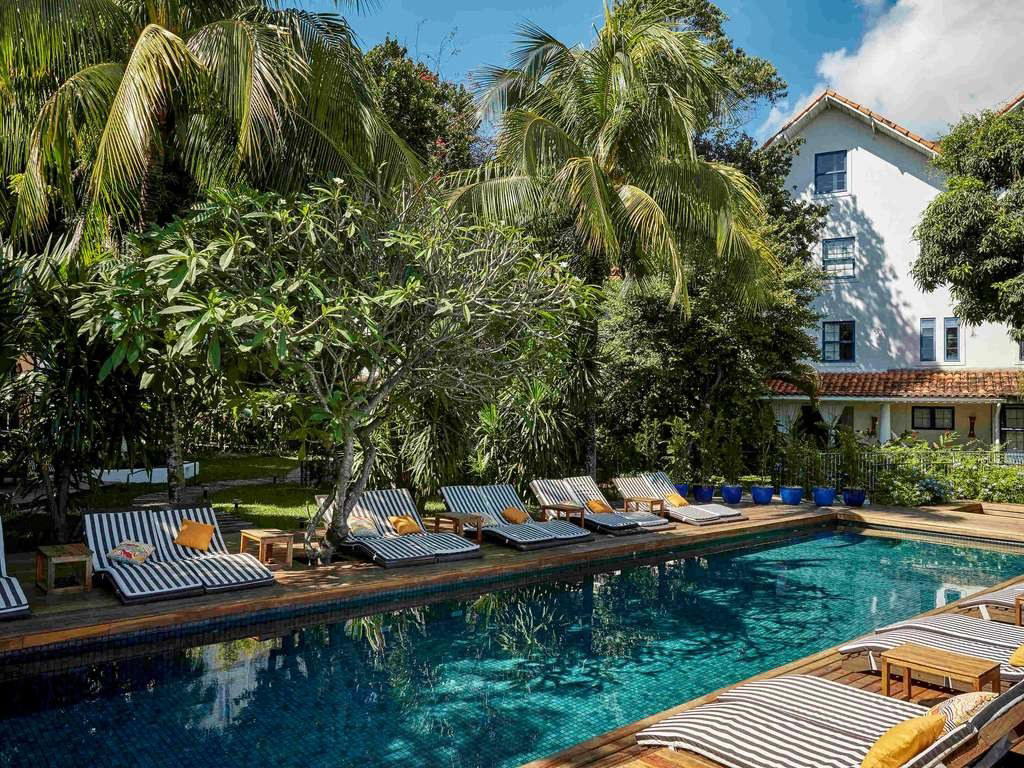
A Different Altitude: Santa Teresa's Hillside Hotel Logic
Rio de Janeiro's most-visited hotels align along the Zona Sul coastline, where Copacabana, Ipanema, and Leblon provide the familiar backdrop of sand, sea, and the cidade maravilhosa in postcard form. The Copacabana Palace, A Belmond Hotel, the Fairmont Rio de Janeiro Copacabana, and the Hotel Fasano Rio de Janeiro all operate in that beachfront tier, pricing and positioning against one another along a strip where access to the orla is the primary value proposition. Santa Teresa MGallery belongs to a different competitive logic altogether. The hotel sits in the hillside bairro of the same name, a neighbourhood defined by 19th-century colonial mansions, working artists' studios, and a street culture closer to Montmartre than to Copacabana. This is not a compromise position.
What the Building Tells You Before You Check In
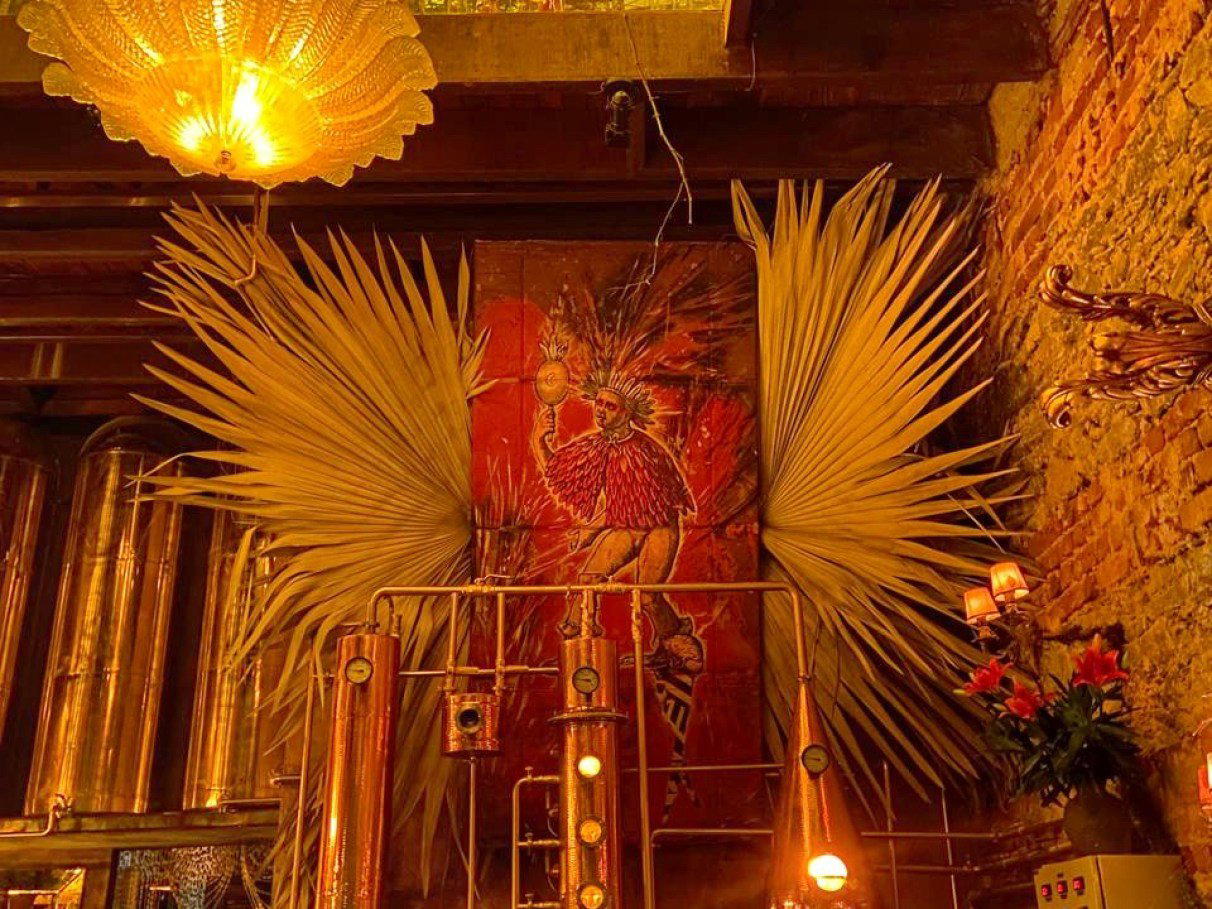
The approach along Rua Almirante Alexandrino sets expectations accurately. Santa Teresa's streets are narrow, cobbled, and lined with bougainvillea-draped ironwork — the architectural remnants of a neighbourhood that was Rio's wealthiest quarter during the coffee-plantation era. The MGallery property itself was originally an 18th-century fazenda, and the decision to preserve rather than erase that provenance runs through every design decision inside. Recycled tropical hardwoods — jacaranda, cinnamon, ipê, appear in flooring, furniture frames, and cladding. Local golden slate lines the showers. The effect is not rustic in the apology sense; it is materially specific in a way that few luxury properties anywhere manage. Where a larger international chain might import Italian marble and French linen, this 44-room hotel draws its palette almost entirely from Brazilian sources, including indigenous art, natural fibres, and original pieces by Brazilian designers, among them modernist furniture designer Sergio Rodrigues, whose work is collected rather than mass-produced.
Guestrooms carry that material sensibility into their details: white walls and wood furnishings anchor a light, airy atmosphere, while silk drapes, slate showers, and overscale wood-framed mirrors add weight without darkness. Rooms include fresh orchids, bathrobes, flip-flops, and 46-inch LCD televisions. Some configurations offer king-size beds. The overall count stays at 44 rooms and suites, which is relevant: at that scale, corridor noise, impersonal service, and the institutional feel that can afflict mid-size properties are all easier to avoid.
The Térèze Menu and What It Reveals About the Hotel's Orientation
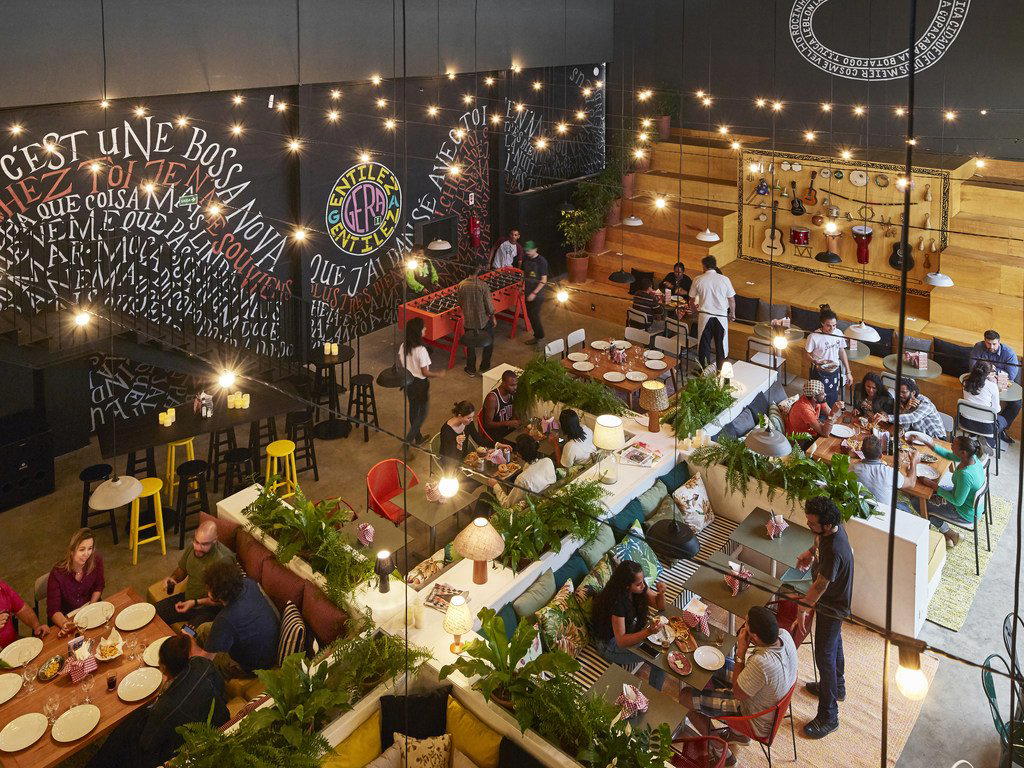
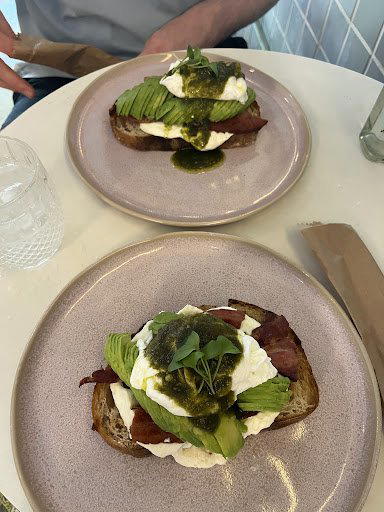
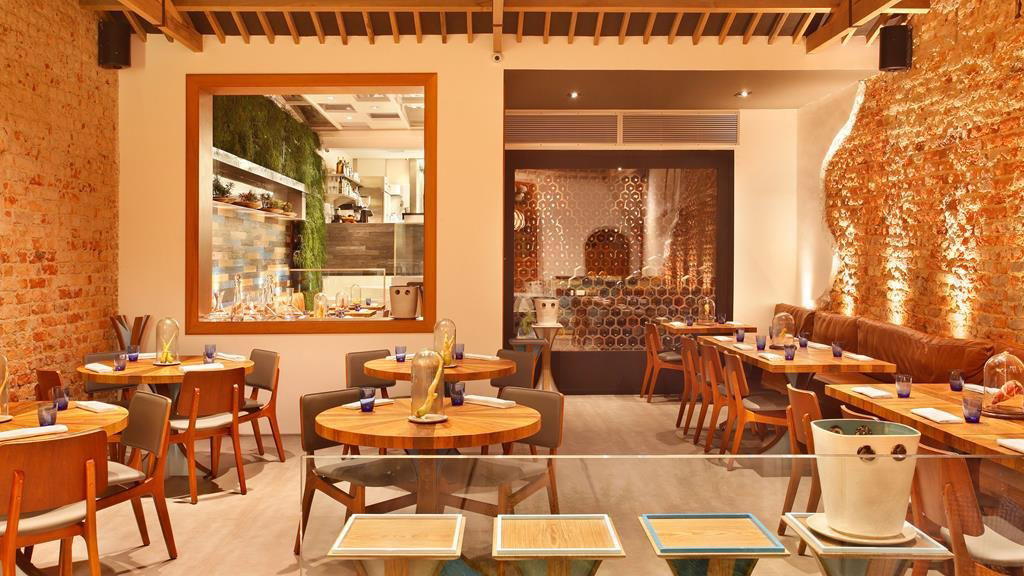
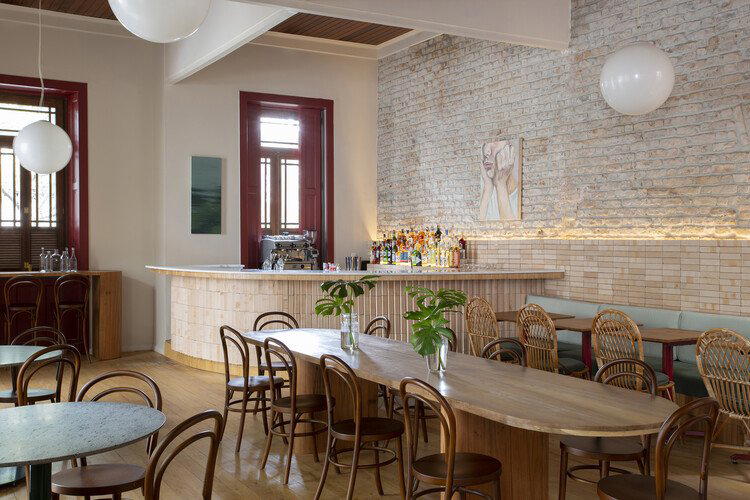
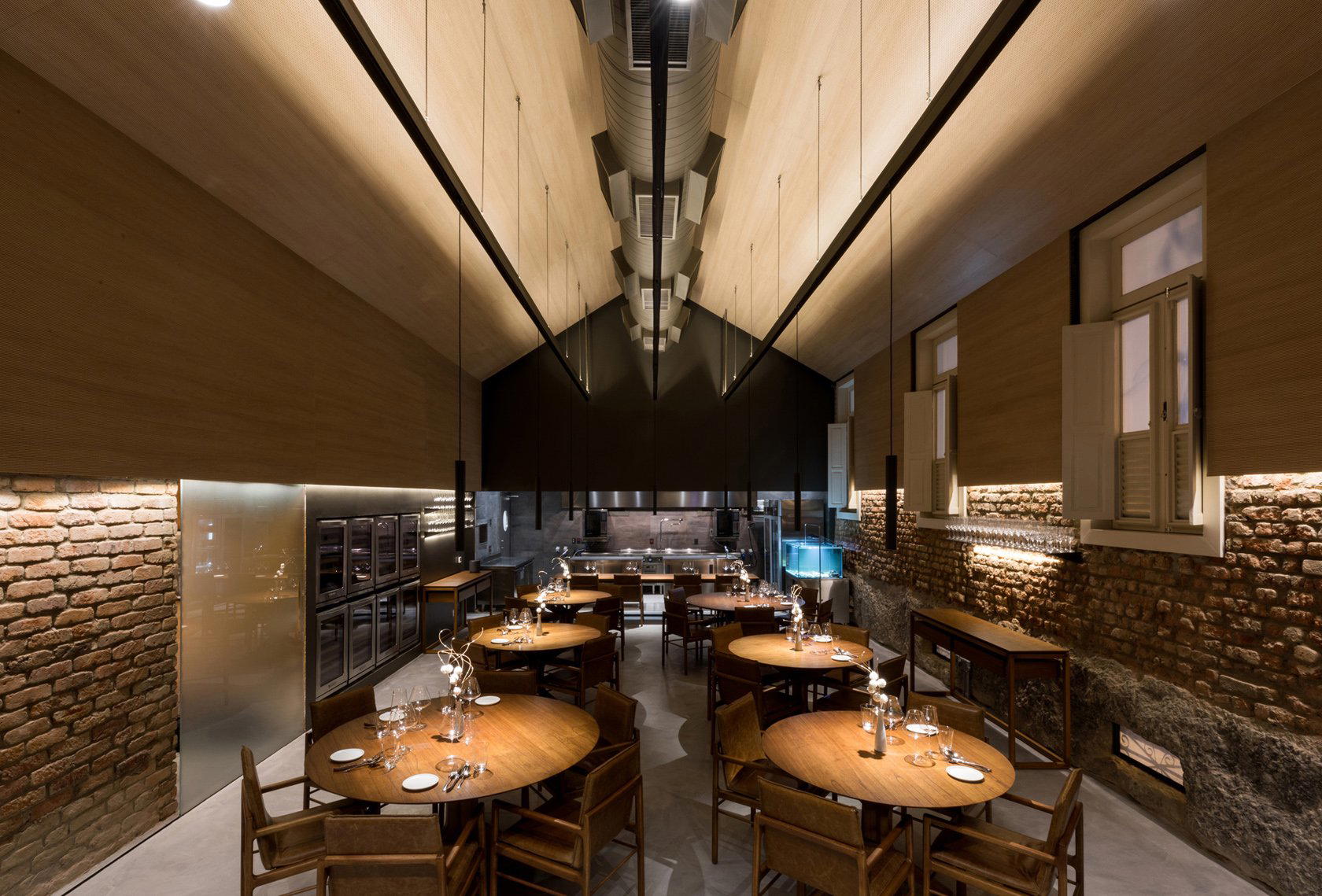
For a hotel in a neighbourhood without a concentrated restaurant row, the on-site food and drink program carries more weight than it would in, say, Ipanema, where dozens of options compete within walking distance. The Térèze restaurant is positioned around local Brazilian cuisine, which in Rio means drawing on the country's extraordinary larder: tropical fruits, Atlantic seafood, northeastern spice traditions, and the Portuguese-African culinary inheritance that underpins carioca cooking at its most characterful. The Bar dos Descasados operates as a separate drinks venue within the property, offering a defined social space that functions independently of the restaurant, a structure that allows the hotel to serve both guests settling in for the evening and those passing through on their way down to Lapa or the Escadaria Selarón.
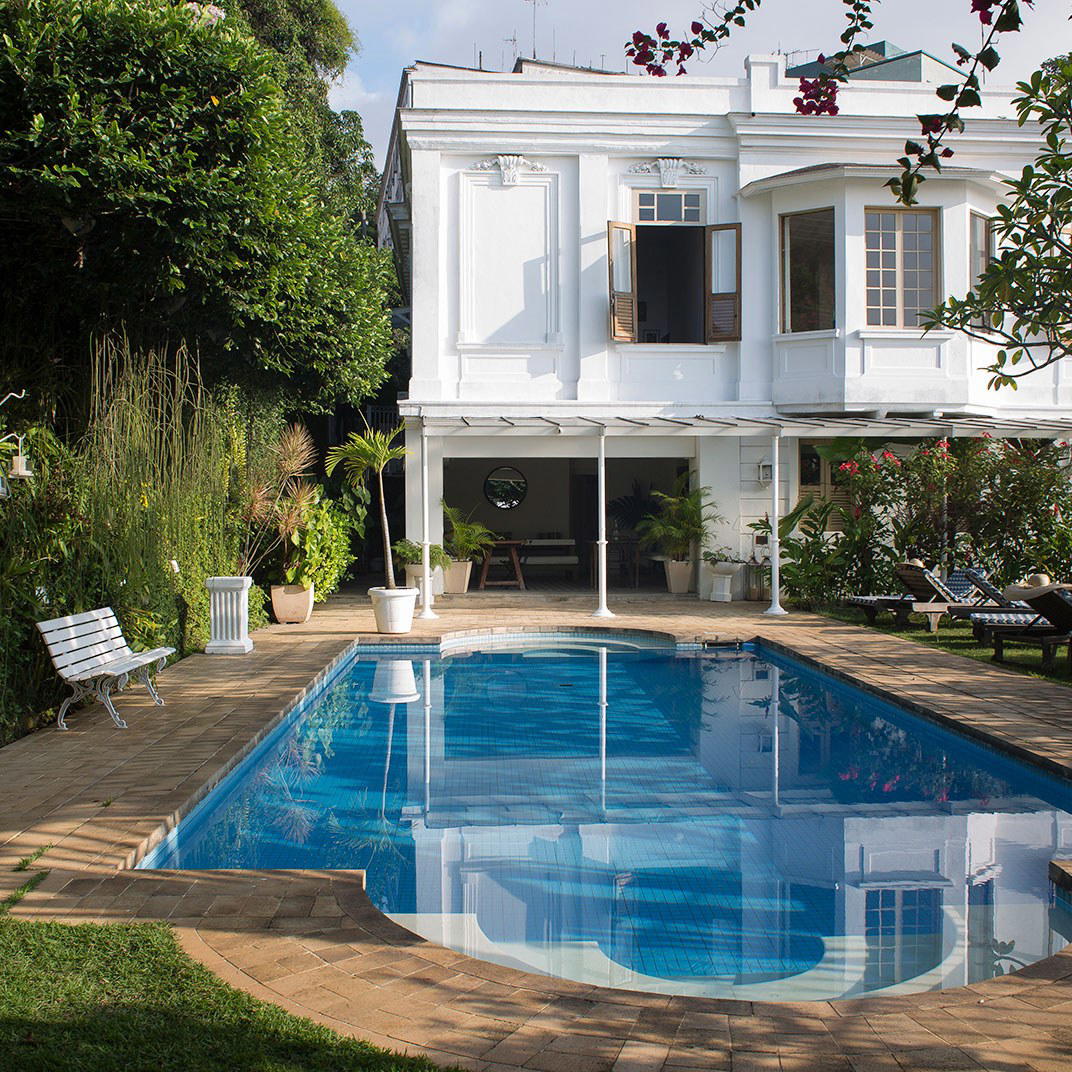
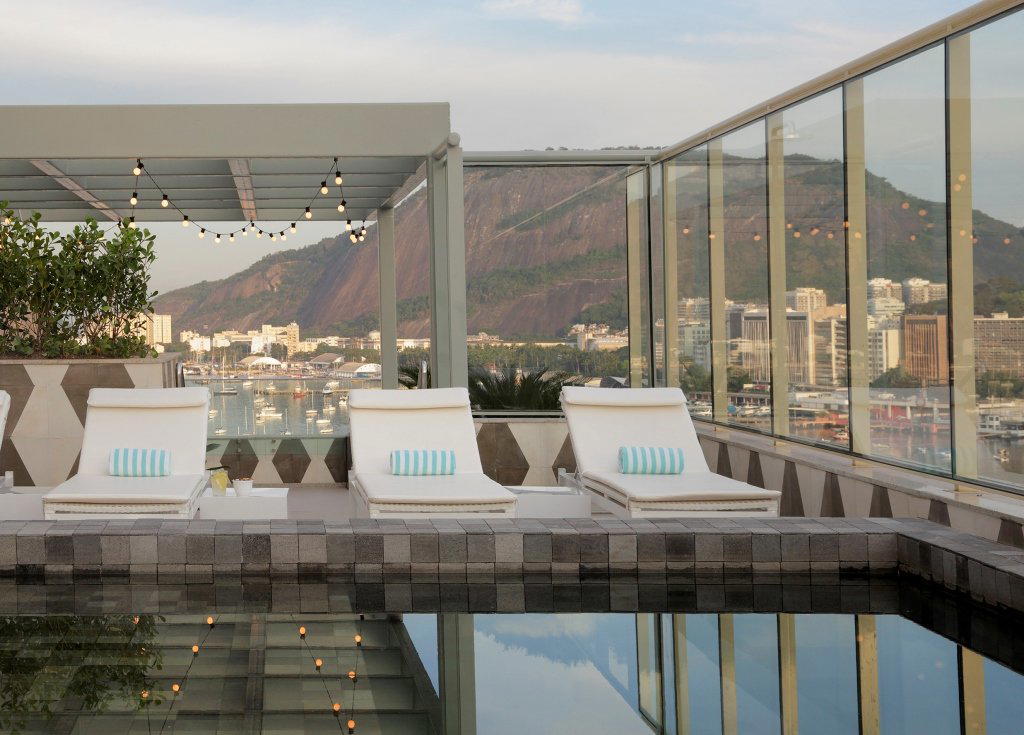
That separation of food and drink into distinct but complementary venues is an architectural decision about how guests use the property across different times of day. The Pool Lounge, overlooking the city and Guanabara Bay, extends the same logic into the afternoon, providing a setting for late-day drinks that would compete with many standalone bars in the city for sheer quality of outlook. The pool itself is surrounded by tropical gardens that include mango and apricot trees on the property, lending the terrace a density of planting unusual for an urban hotel.
Le Spa and the Self-Contained Character of the Property
A full-service spa with treatments using natural oils and locally sourced ingredients from the Natura line completes the picture of a property designed to be genuinely self-sufficient for guests who want that. The combination of restaurant, bar, pool lounge, and spa is more typical of a resort than a 44-room urban boutique, which partly explains the hotel's appeal for visitors who are not primarily motivated by beach access. For guests arriving from the Emiliano Rio or Grand Hyatt Rio de Janeiro end of the market but seeking a different register of experience, the Santa Teresa MGallery offers comparable amenity depth without the scale or the beachfront address.
The La Villa event space adds a function capacity that positions the hotel for weddings and private gatherings, a segment that increasingly matters to boutique properties operating in heritage buildings where the architecture itself becomes part of the event proposition.
Getting There and Getting Around
The practical geography requires a clear-eyed reading. Santos Dumont Airport, the city-centre domestic terminal, is approximately 3.5 kilometres from the hotel, under ten minutes by car in light traffic, with a transfer bookable through the hotel for BRL 70 each way. Galeão International Airport, used for most international arrivals, sits roughly 20 kilometres out, with hotel transfers at BRL 160 each way, typically around 35 minutes depending on traffic. The hotel's position on the hill means distances that appear short on a map can feel longer on foot; the neighbourhood is walkable within itself, but connections to the beach districts are better served by car or the historic Santa Teresa tram, which provides access to Lapa and the wider city.
From the hotel, access to the Escadaria Selarón, the bars of Rua do Lavradio, and Marina da Glória is direct and manageable. Copacabana, Leme, and Leblon beaches, along with Corcovado and the Cristo Redentor statue, are accessible day-trip distances. The hotel can also arrange a helicopter circuit over the city for guests who want the aerial context that makes Rio's geography comprehensible in a way that no map quite replicates. For a broader view of what the city offers across all neighbourhoods and price points, see our full Rio de Janeiro restaurants guide.
Travellers extending itineraries further into Brazil can cross-reference Rosewood São Paulo for a São Paulo contrast, or look to properties such as Hotel das Cataratas, A Belmond Hotel, Iguassu Falls, Cristalino Lodge, Caiman, Pantanal, Casas Brancas Boutique Hotel and Spa, Awasi Santa Catarina, Barracuda Hotel and Villas, Botanique Hotel Experience, Atlantica Jungle Lodge, Carmel Charme Resort, Carmel Taíba Exclusive Resort, Buona Vitta Gramado, and Castelo Saint Andrews Gramado for a range of regional contexts beyond Rio. For international reference points, Aman Venice, Aman New York, and The Fifth Avenue Hotel occupy a similar boutique-within-heritage-building register, though at materially different price points.
Comparison Snapshot
Comparable venues nearby, for context on price, style, and recognition.
| Venue | Cuisine | Price | Awards | Notes |
|---|---|---|---|---|
| Santa Teresa Hotel RJ - MGallery Hotel CollectionThis venue — the venue you are viewing | Tropical boutique design with African Indigenous influences and contemporary Brazilian aesthetics, featuring curated art pieces by renowned Brazilian designers. | $1,000–1,500 | 1 Michelin Key · Condé Nast Johansens Best for Romance | Not listed |
| Hotel Fasano Rio de Janeiro | Contemporary luxury boutique hotel blending Italo-Brazilian sophistication with Philippe Starck's well-known design vision. | $500–750 | Michelin Selected · La Liste Top Hotels | Catumbi |
| Emiliano Rio | Modernist luxury beachfront retreat | Not listed | Michelin Selected · Virtuoso Luxury Hotel Partner | Copacabana |
| JANEIRO Hotel | Contemporary luxury boutique hotel emphasizing simple elegance and carioca lifestyle curation with minimalist design principles. | $200–300 | Michelin Selected · Virtuoso Luxury Hotel Partner | Leblon |
| R. Alm. Alexandrino, 660 - Santa Teresa | Luxury boutique hotel housed in a restored colonial mansion with contemporary design elements and Brazilian heritage influences. | $1,000–1,500 | 1 Michelin Key · Condé Nast Johansens Best for Romance | Lapa |
| Hotel Arpoador | Beachfront boutique with architectural design by Thiago Bernardes | $1–100 | Michelin Selected | Catumbi |
Recognition history
Dated appearances from independent guides and award organizations, with the underlying list record or original source where available.
Michelin 1 Key
Michelin
Condé Nast Johansens Best for Romance
Condé Nast Johansens
Forbes Recommended
Forbes
Virtuoso Luxury Hotel Partner
Virtuoso
Full recognition history (6 entries)
Forbes Recommended
Forbes
Michelin 1 Key
Michelin
Continue exploring
More in Rio de Janeiro
Hotels in Rio de Janeiro
Browse all →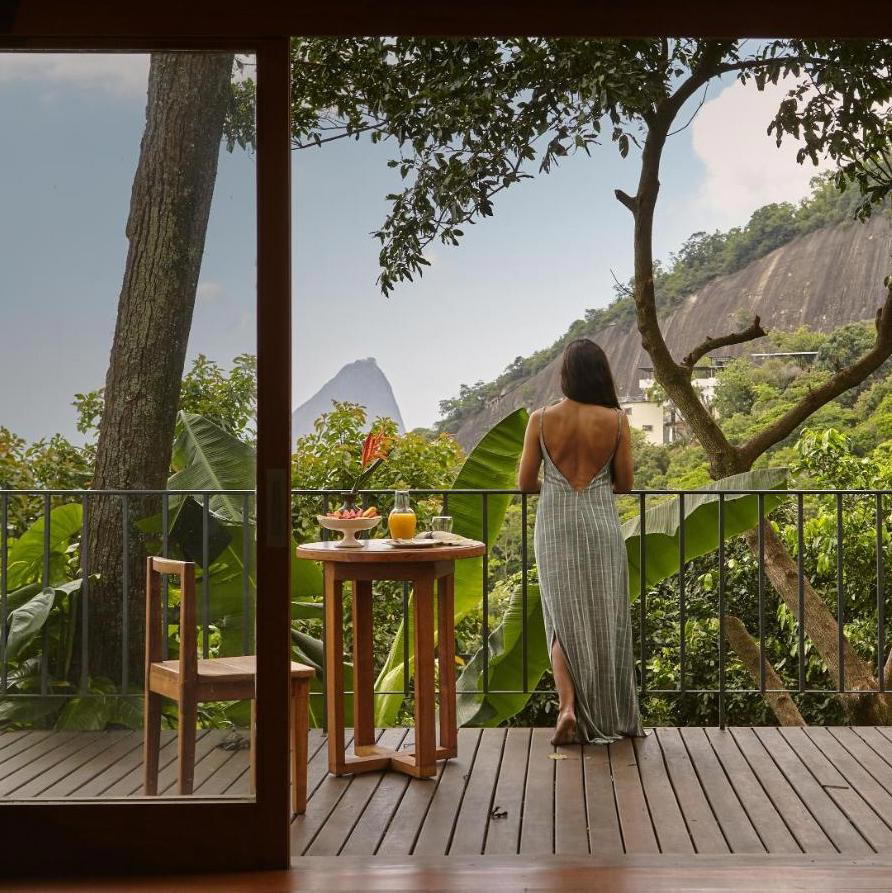
Bars in Rio de Janeiro
Browse all →
Details
- Romantic
- Elegant
- Sophisticated
- Scenic
- Romantic Getaway
- Wellness Retreat
- Anniversary
- Celebration
- Garden
- Terrace
- Historic Building
- Design Destination
- Panoramic View
- Destination Spa
- Wi Fi
- Pool
- Spa
- Room Service
- Concierge
- Restaurant
- Bar
- Business Center
- Airport Transfer
- Garden
- Mountain
- Skyline
- Wheelchair Accessible
- Accessible Restroom
Elegant and serene with tropical design elements, garden views, and warm hospitality; guests describe it as a peaceful retreat with beautiful natural lighting and refined atmosphere.