Casa Marques Santa Teresa
Casa Marques Santa Teresa occupies a residential address on Rua Almirante Alexandrino, the spine of one of Rio de Janeiro's most architecturally layered neighbourhoods. Positioned among the hillside villas and cobblestone lanes of Santa Teresa, it offers a different entry point to the city than the Zona Sul beach corridor, closer to Lapa's nightlife, the Museu Chácara do Céu, and the lived-in texture of Rio's bohemian interior.
- Address
- R. Alm. Alexandrino, 3780 - Casa 01 - Santa Teresa, Rio de Janeiro - RJ, 20241-266, Brazil
- Phone
- +55 21 3147 3500
- Website
- casamarquesrio.com
- Directions
- Get directions
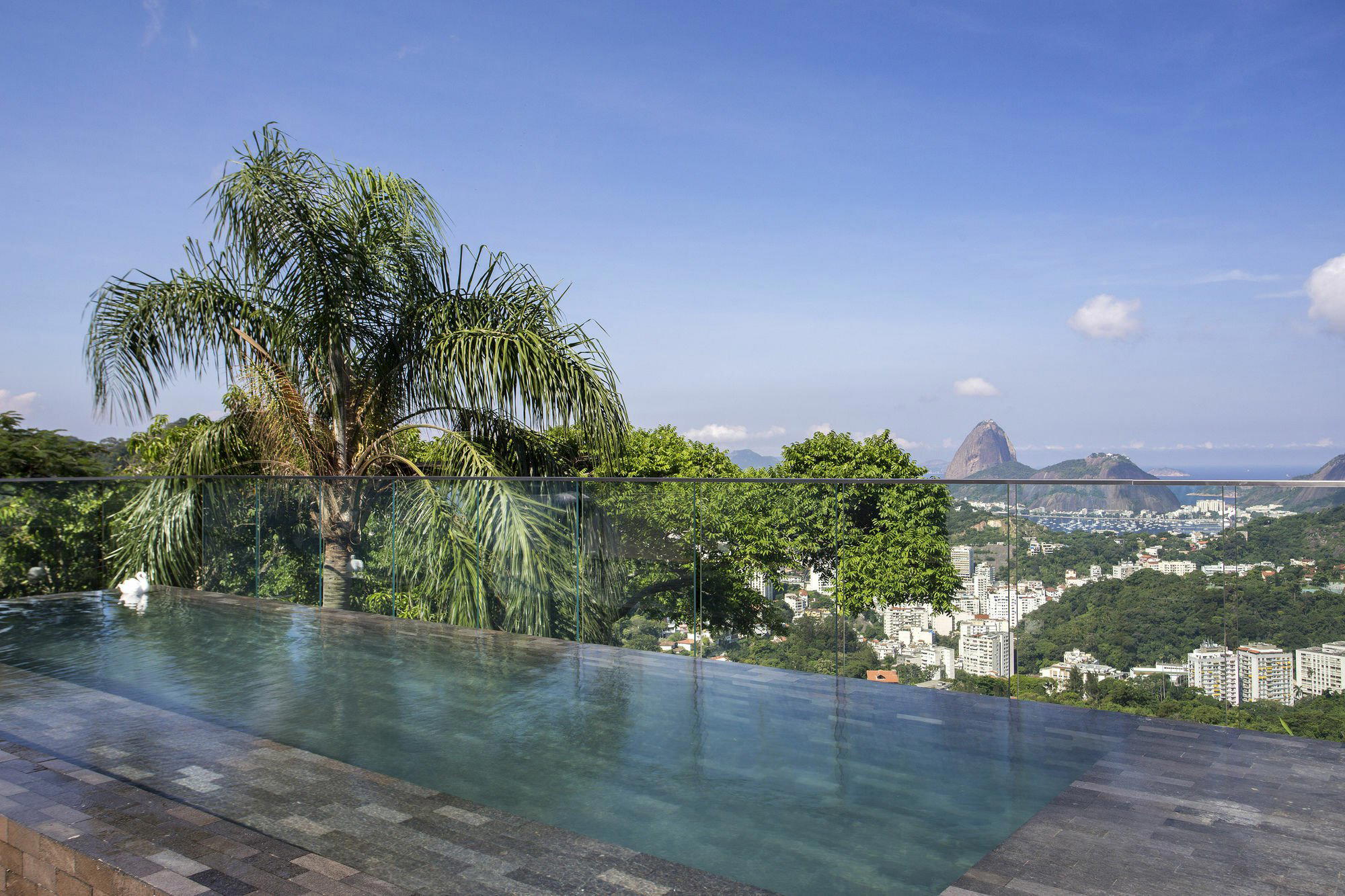
Santa Teresa's Address and What It Actually Means
Rio de Janeiro's accommodation market splits along a familiar axis: the beachfront Zona Sul corridor, Copacabana, Ipanema, Leblon, where properties like the Copacabana Palace, A Belmond Hotel, the Fairmont Rio de Janeiro Copacabana, and the Hotel Fasano Rio de Janeiro trade on ocean proximity and the gravitational pull of the Atlantic. And then there is Santa Teresa, perched above the city centre on a hill that the bonde tram once climbed daily, where the logic of a good address is entirely different.
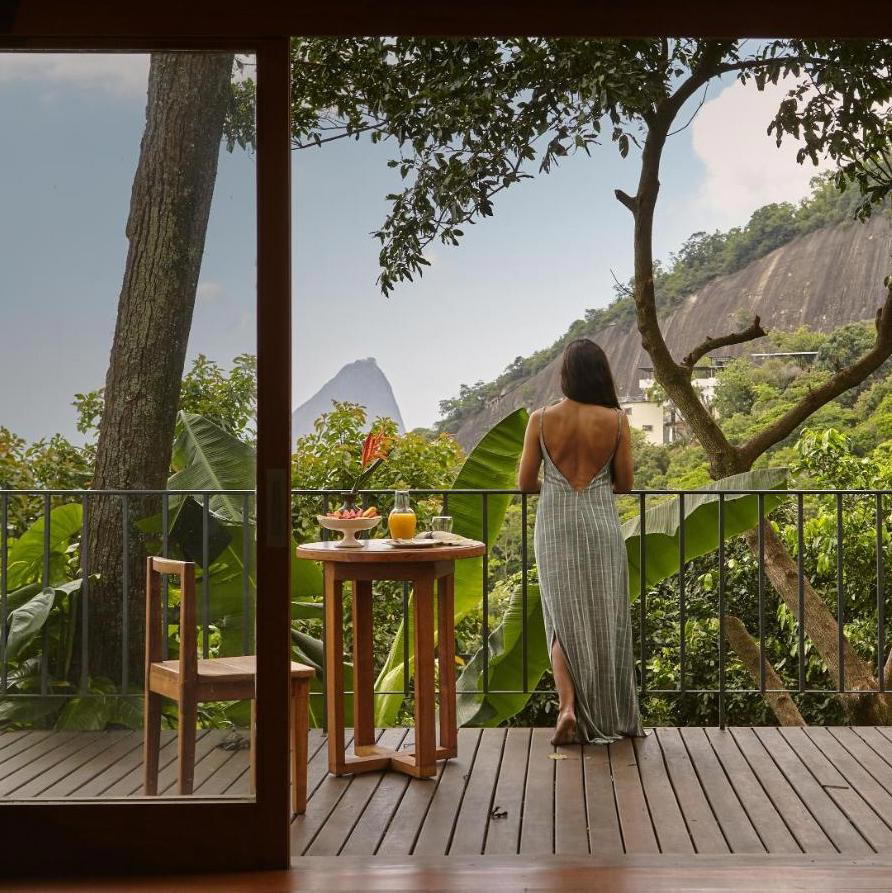
Casa Marques Santa Teresa sits at Rua Almirante Alexandrino 3780, which is not a hotel strip address, it is a residential one, on the main artery that connects Santa Teresa's lower reaches near Largo do Guimarães to its quieter upper elevations. That specific placement matters. Properties along this stretch are embedded in a neighbourhood that retained its architectural character through decades when the Zona Sul absorbed the bulk of Rio's investment. The result is a streetscape of nineteenth-century villas, iron balconies, and mature trees that frame views down toward Guanabara Bay. The address itself functions as the amenity.
The Neighbourhood as Context
Santa Teresa operates as a distinct zone within Rio's geography, and understanding what the neighbourhood provides clarifies what staying here means in practice. The hillside has long attracted artists, intellectuals, and the kind of traveller who treats neighbourhood texture as a core part of the trip rather than a backdrop to pool time. The Museu Chácara do Céu, which holds works by Matisse, Picasso, and Portinari within a former modernist villa, sits within the neighbourhood's walkable perimeter. Largo do Guimarães, the informal social centre of Santa Teresa, concentrates a cluster of bars, casual restaurants, and the bonde terminal that once connected the hill to downtown via the Arcos da Lapa aqueduct.
That aqueduct, the Arcos da Lapa, is visible from multiple vantage points in lower Santa Teresa, and the descent from Rua Almirante Alexandrino toward Lapa takes roughly ten to fifteen minutes on foot. Lapa's concentration of samba clubs, choro bars, and late-night street life represents a different register of Rio's music culture than what reaches the beach hotels via curated hotel programming. The proximity is logistical: guests at this address can walk into that scene and walk back, rather than coordinating late-night transport from Ipanema.
For comparison, Emiliano Rio and the Grand Hyatt Rio de Janeiro deliver polished international formats anchored in the Zona Sul. Casa Marques Santa Teresa occupies a different competitive position: it is for travellers who have decided that neighbourhood immersion in one of Rio's most historically layered districts matters more than beachfront access. These are not interchangeable priorities, and the address makes that choice explicit.
Smaller Properties, Different Logic
The broader shift in premium travel has moved some demand away from large branded properties toward smaller, character-driven addresses where the building and its location carry more weight than brand infrastructure. Santa Teresa has attracted several of these, including the MGallery-affiliated Santa Teresa Hotel, which occupies a converted nineteenth-century mansion at the neighbourhood's upper end. Casa Marques, as a smaller residential-scale property at number 3780, sits in an even more intimate tier, the kind of address that does not announce itself through a lobby or a branded facade, but through its position within the street's continuous residential fabric.
Properties in this category, smaller than boutique hotel scale, embedded in residential streets, tend to attract a specific traveller profile: those doing longer stays in Rio, those returning to the city with an existing relationship with Santa Teresa, or those arriving with a primary interest in Brazil's cultural and musical heritage rather than its beaches. The Casa Cool Beans and Casa Mosquito represent comparable points on this spectrum in Santa Teresa, each occupying restored residential structures with deliberately small guest counts.
Placing This Within a Brazil Trip
Rio is typically one node in a broader Brazilian itinerary. Travellers who start in São Paulo, where the Rosewood São Paulo anchors the premium end, often move to Rio before continuing south toward Búzios, or north toward the Amazon corridor via the Cristalino Lodge in Alta Floresta. Others route through the Pantanal, Caiman in Miranda, or the Northeast coast, anchored by properties like the Carmel Charme Resort in Ceará or the Carmel Taíba Exclusive Resort. Within that kind of itinerary, a Santa Teresa address in Rio signals a particular appetite: the traveller wants the city's cultural density, not a resort interlude.
Those crossing into the Atlantic Forest or island options after Rio might consider the Atlantica Jungle Lodge in Vila do Abraão on Ilha Grande, or travel further south to the Awasi Santa Catarina. The Iguaçu Falls extension remains a standard addition to longer Brazil itineraries, with the Hotel das Cataratas, A Belmond Hotel holding the position within the park perimeter.
Planning a Stay: What to Know
Rua Almirante Alexandrino is accessible by car and taxi, though the narrow hill streets require attention during the city's heavier rain periods, typically November through March, when surface water moves quickly down Santa Teresa's cobblestone gradients. The neighbourhood's position above the city centre means temperatures run slightly cooler than Copacabana in summer. Guests arriving from the international airport should factor forty-five to sixty minutes in standard traffic, longer during Carnaval or major city events when Lapa and the surrounding area draws heavy movement.
Travellers comparing JANEIRO Hotel against Santa Teresa options should weigh the trade-off between Zona Sul beach access and the hillside neighbourhood's cultural density, both are coherent choices for different kinds of Rio trips.
At a Glance
Comparable venues nearby, for context on price, style, and recognition.
| Venue | Cuisine | Price | Notes |
|---|---|---|---|
| Casa Marques Santa TeresaThis venue — the venue you are viewing | Not listed | $$$$ | Not listed |
| Mama Ruisa Boutique Hotel | Not listed | $$$$ | Lapa, Elegant 19th-century boutique guesthouse with French-Brazilian fusion. |
| Hotel Arpoador | Not listed | $$$$ | Catumbi, Beachfront boutique with architectural design by Thiago Bernardes |
| Casa Cool Beans | Santa Teresa, Bed and breakfast | $$ | Not listed |
| Fairmont Rio de Janeiro Copacabana | Not listed | $$$$ | Copacabana, Luxury beachfront hotel blending 1950s style with modern comfort. |
| Emiliano Rio | Not listed | $$$$ | Copacabana, Modernist luxury beachfront retreat |
Continue exploring
More in Rio de Janeiro
Hotels in Rio de Janeiro
Browse all →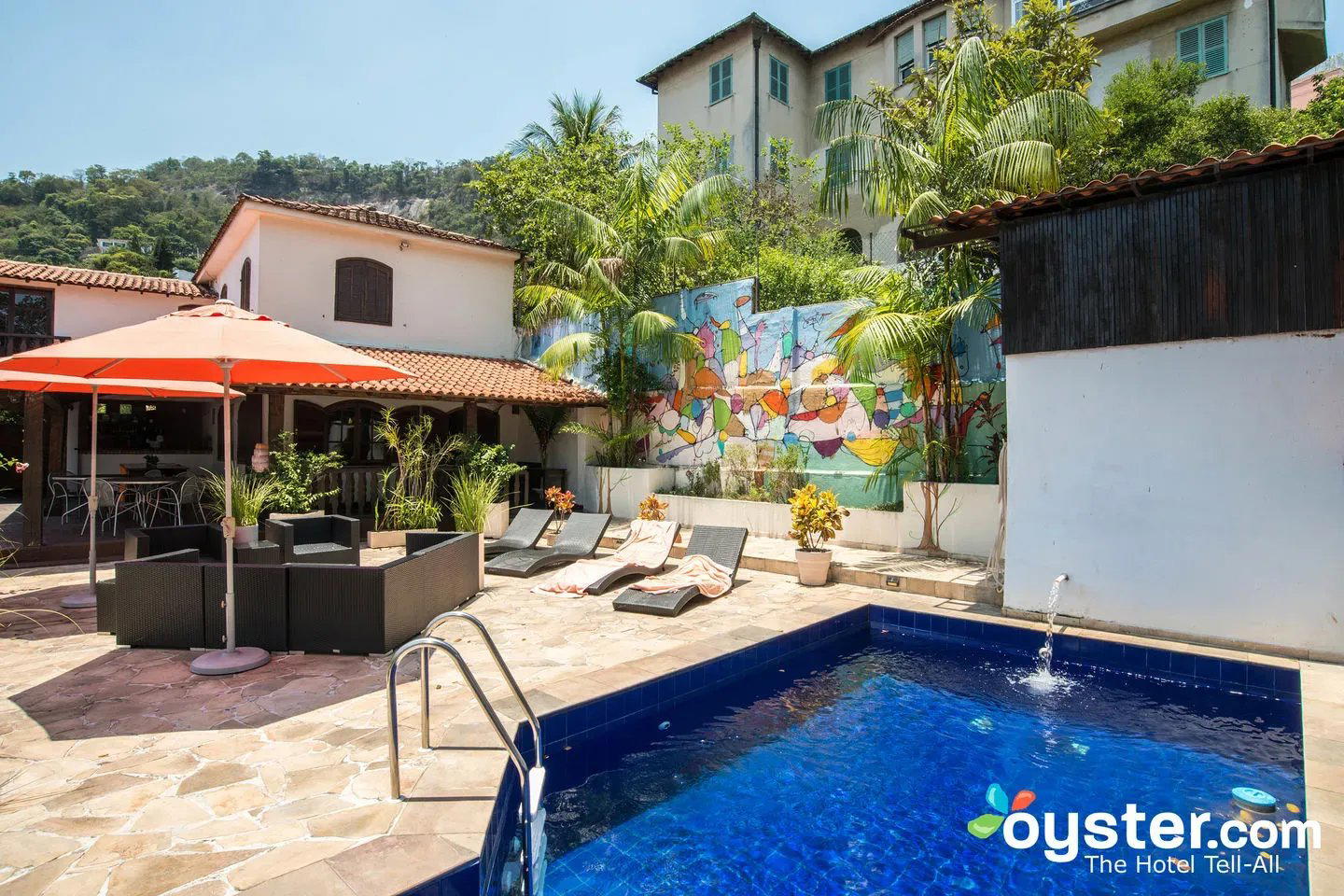
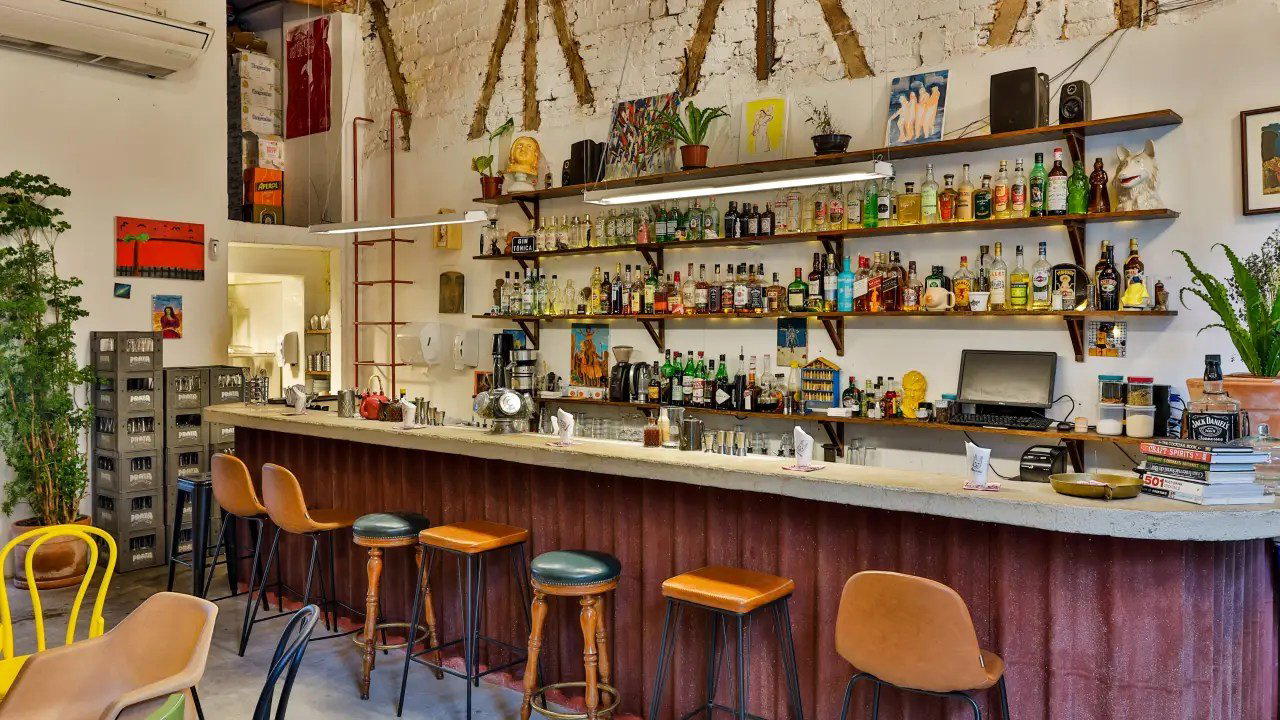
Bars in Rio de Janeiro
Browse all →
Restaurants in Rio de Janeiro
Browse all →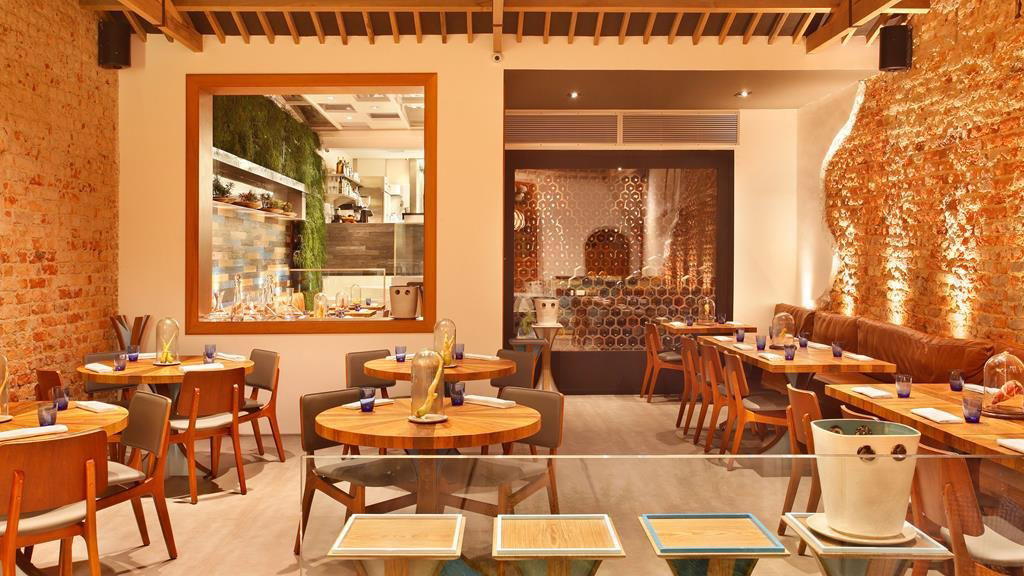
At a Glance
- Bohemian
- Elegant
- Intimate
- Scenic
- Sophisticated
- Romantic Getaway
- Weekend Escape
- Panoramic View
- Historic Building
- Wi Fi
- Outdoor Pool
- Concierge
- Garden
- Air Conditioning
- Mountain
- Skyline
- Wi Fi
- Outdoor Pool
- Concierge
- Garden
- Air Conditioning
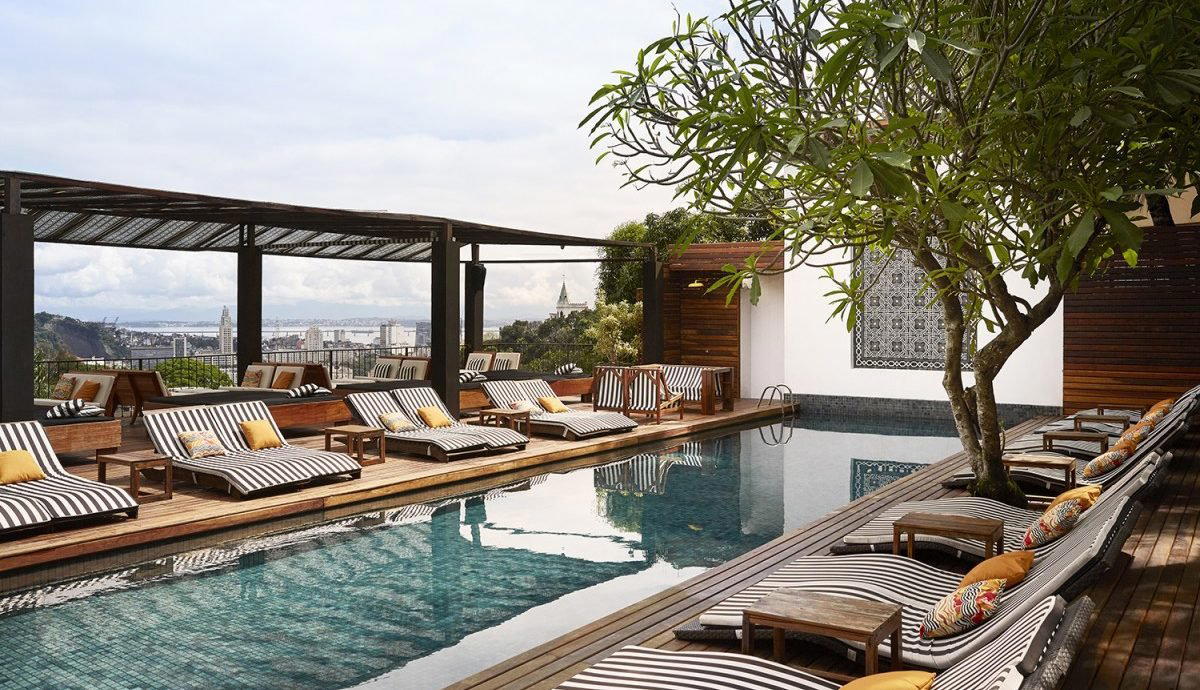
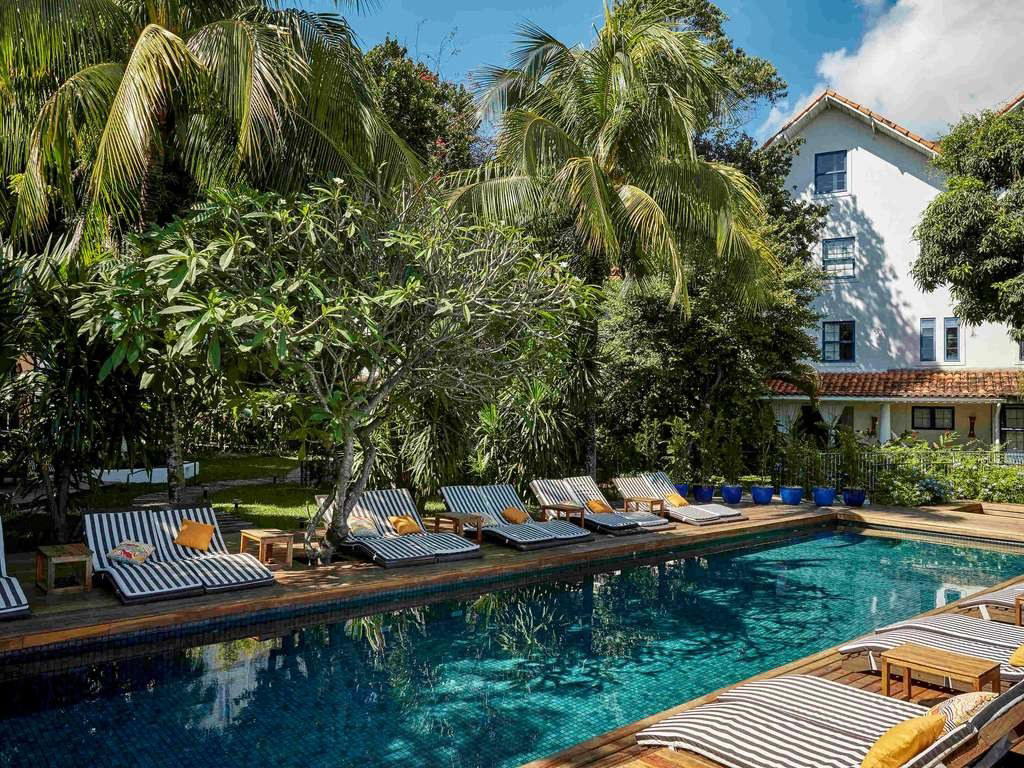
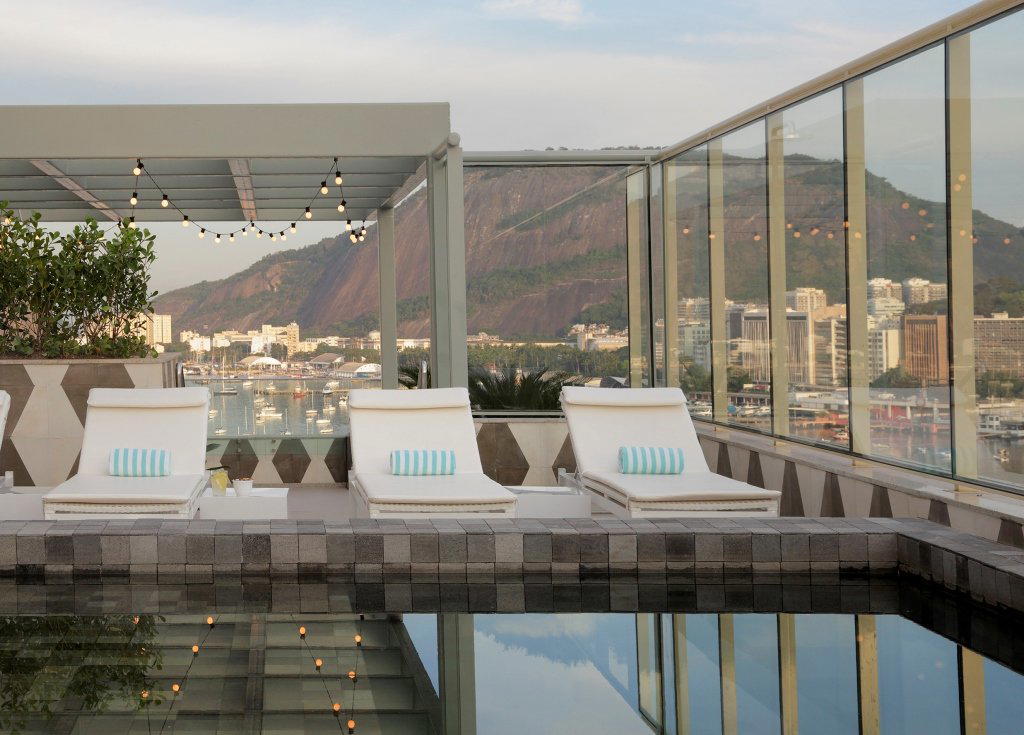
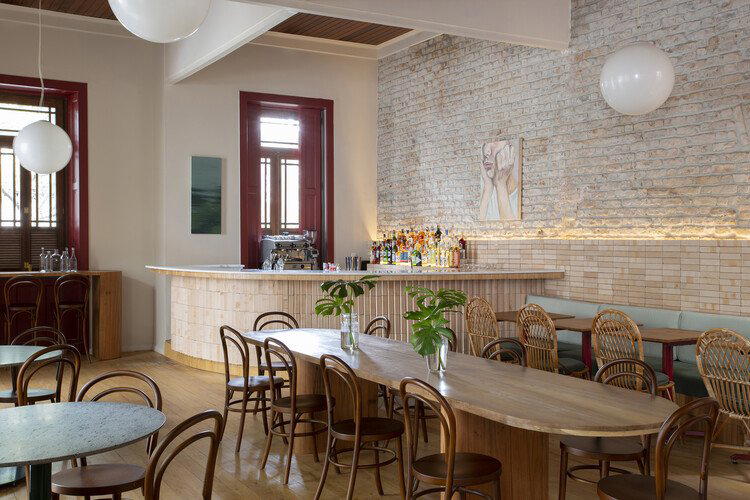
Relaxed and artistic atmosphere with natural light, cozy rooms featuring original artwork, and panoramic vistas from poolside and rooftop terrace.