Palaphita Kitch
Current operating status was confirmed in a June 2026 audit; detailed venue content is being refreshed from verified sources.
- Address
- Quiosque 19 e 20, Av. Epitácio Pessoa, S/N - Ipanema, Rio de Janeiro - RJ, 22410-090, Brazil
- Phone
- +55 21 2227 0837
- Website
- palaphitakitch.com.br
- Directions
- Get directions
Where the Lagoa Defines the Drink
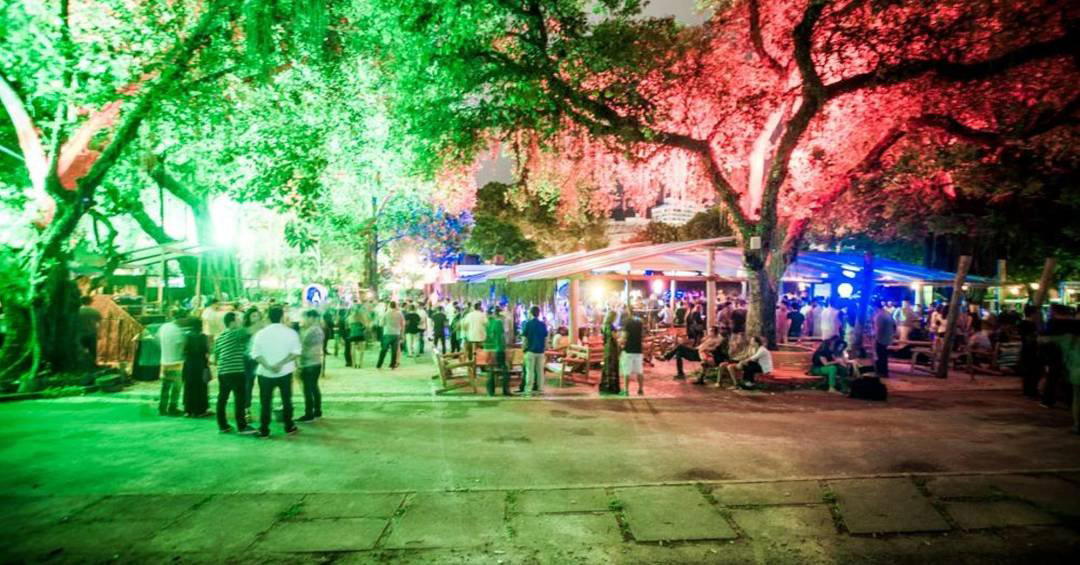
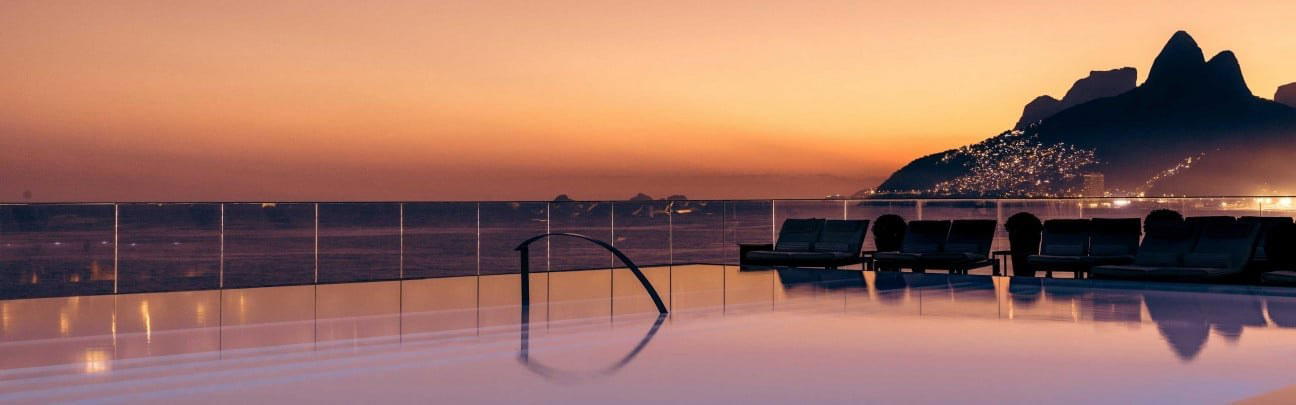
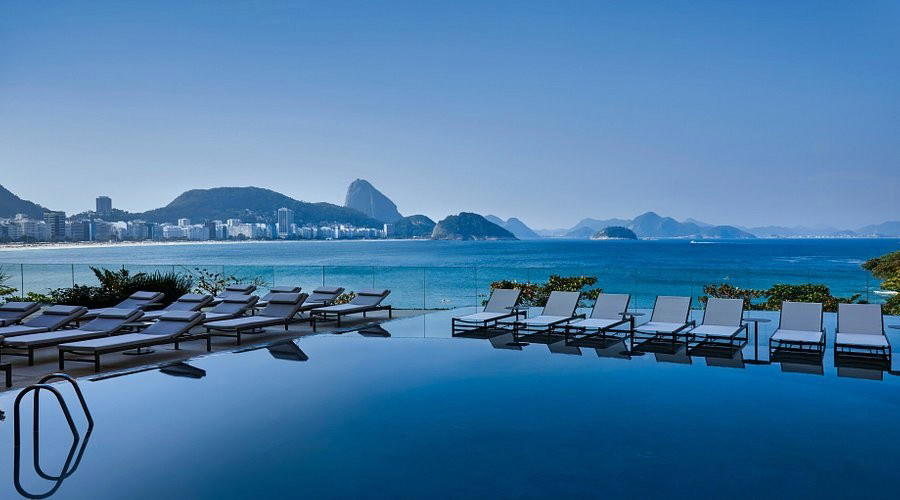
Rio de Janeiro's quiosque culture operates on a logic that most cities cannot replicate: the setting is the concept. Along Avenida Epitácio Pessoa, the ring road that traces Lagoa Rodrigo de Freitas in Ipanema, a succession of open-air bars occupy numbered kiosks between the bicycle path and the water's edge. Palaphita sits at Quiosques 19 and 20, directly facing the lagoon with the Tijuca massif rising behind the far bank. It is a casual bar in Rio de Janeiro’s Ipanema neighborhood, priced around $25 per person. At dusk, when the peaks catch the last light and the water goes flat and dark, the geography does more work than any interior designer could.
This is not a cocktail bar in the conventional sense, the kind of technical program that cities like São Paulo have developed through venues such as Exímia in São Paulo. Palaphita belongs to a different and older Brazilian tradition: the outdoor communal drinking space where the view sets the pace and the drinks exist to extend the stay. That tradition is serious in its own terms. Rio's quiosque circuit has become a benchmark for a particular kind of urban leisure that other Brazilian cities have tried to reproduce without the same geographical conditions to support it.
The Lagoa Circuit and Its Place in Rio's Bar Culture
Understanding Palaphita requires understanding where the Lagoa quiosques sit in Rio's broader drinking geography. The city operates across several distinct registers. The Zona Sul bar scene runs from the neighbourhood botequims of Botafogo and Flamengo, represented by places like Bar do Mineiro and Bar dos Descasados, through to the beachfront kiosks of Ipanema and Leblon, and then out to the lakeside strip. Each zone has its own clientele logic and its own price positioning.
The Lagoa quiosques occupy a middle tier in terms of cost but a high tier in terms of real estate. The city government allocates these kiosk concessions, and the positions closest to the water with particularly direct lagoon views are the ones that have generated particularly established operators. Palaphita's double-kiosk footprint at 19 and 20 gives it more lateral spread than single-unit neighbours, which means more seating facing the water rather than side-on to it. In a circuit where the front row matters, that is a structural advantage.
The comparison set here is not other cocktail programs. It is other lakeside positions: which quiosque has the better sightline, the larger terrace, the more consistent service. Palaphita has held its position on that circuit long enough to become a familiar stop for residents who rotate between a small number of known spots.
Carioca Drinking in Open Air
Brazil's indoor-outdoor bar culture has deep roots, but Rio's version is shaped by specific conditions: year-round warmth, a population that gravitates toward water, and an urban planning legacy that placed amenity at the edges of the city's natural features. The Lagoa itself is a brackish lake in the middle of the Zona Sul, surrounded by residential towers, joggers, and cyclists by day, and drinkers by night. The quiosques are the infrastructure through which the city uses that edge.
Caipirinha variants, chopp (draft beer), and tropical-inflected mixed drinks form the standard vocabulary at Lagoa kiosks, and Palaphita operates within that grammar. The drink list at venues in this tier leans toward what works in humid heat: cold, citrus-forward, and uncomplicated. That is not a limitation; it is a calibration to context. The same logic applies in Honolulu's open-air bar culture, where places like Bar Leather Apron in Honolulu serve technically rigorous drinks but the outdoor Pacific setting remains the organizing principle of the experience.
Rio's quiosque operators who have lasted know that the drink is a supporting actor. The production is the hill, the water, the heat breaking after sunset, and the sound of the city at a certain remove. Palaphita has held a position on this circuit that suggests it understands that calibration.
Getting There and Timing Your Visit
Avenida Epitácio Pessoa runs the full perimeter of the lagoon, and Quiosques 19 and 20 sit on the Ipanema-side arc. From Ipanema beach, it is a short trip inland, and from Leblon or Jardim Botânico it is similarly accessible by taxi or app. The bicycle lane that rings the lagoon makes it reachable on foot or by bike from much of the Zona Sul, and the quiosque strip is a natural terminus for an evening cycle.
Timing at the Lagoa quiosques follows a clear logic: arrive before sunset if the view matters to you, because the-positioned tables fill early on weekends and on any warm weekday evening. The period from roughly five in the afternoon through nine at night is when the light, the crowd, and the temperature align. After that, the scene continues but the panoramic payoff diminishes. For visitors coming from further afield, the Lagoa sits between the beach neighbourhoods and Jardim Botânico, which makes it a natural stop on a Zona Sul evening rather than a standalone destination requiring a dedicated trip.
Among Rio's outdoor bar options, the Lagoa quiosque strip occupies a different register than the Santa Teresa neighbourhood options like Bar de Copa or the botecos of Bar do Bode Cheiroso. Those are neighbourhood spots embedded in residential streets; the Lagoa quiosques are destination drinking spots built around a natural feature. Both have their place in a full reading of Rio's bar scene, and our full Rio de Janeiro restaurants guide maps the city across both registers.
Brazil's bar scene beyond Rio offers useful comparisons for calibrating expectations. Bar da Lora in Belo Horizonte, Dionisia Restaurante VinhoBar in Porto Alegre, Vivan Wine Bar in Balneario Camboriu, SEEN Belém in Belem, and Acarajé da Dinha in Salvador each represent the outdoor and communal drinking tradition in their respective cities, but none share the specific lagoon-and-mountain geography that makes the Ipanema quiosque strip its own category.
The Quick Read
Comparable venues nearby, for context on price, style, and recognition.
| Venue | Cuisine | Price | Notes |
|---|---|---|---|
| PalaphitaThis venue — the venue you are viewing | Copacabana, lounge | Not listed | Not listed |
| Bar dos Descasados | Lapa, Bar | Not listed | Not listed |
| Liz Cocktails & Co | Not listed | Not listed | Leblon, cocktail_bar |
| Quartinho Bar | Not listed | $20–30 | Botafogo, cocktail_bar |
| Galeto Sat's Botafogo | Botafogo, pub | $10–20 | Not listed |
| Bar do Bode Cheiroso | Maracanã, pub | Not listed | Not listed |
Continue exploring
More in Rio de Janeiro
Bars in Rio de Janeiro
Browse all →
Restaurants in Rio de Janeiro
Browse all →
Details
- Scenic
- Lively
- Rustic
- Trendy
- Bohemian
- Romantic
- Date Night
- After Work
- Late Night
- Group Outing
- Casual Hangout
- Celebration
- Waterfront
- Terrace
- Panoramic View
- Standalone
- Seated Bar
- Lounge Seating
- Outdoor Terrace
- Communal Tables
- Classic Cocktails
- Frozen
- Craft Beer
- Waterfront
- Mountain
- Skyline