



1 Michelin Key · Relais Chateaux Award · Virtuoso Luxury Hotel Partner
A 38-room boutique resort on Bahia's Atlantic coast, Txai sits on the site of a former coconut and cocoa farm where dense rainforest meets white-sand beach. Rates from US$519 per night. Bungalows on stilts spread through coconut groves, a spa with panoramic ocean views, and a kitchen drawing on local Bahian produce make it a reference point for eco-luxury in northeast Brazil.7 from 583 reviews.

Pearl is the En Primeur Club membership app — saves, bookings, and concierge access live there. Same editors, same standards.
- Address
- BA-001, KM 48 - de, Itacaré - BA, 45530-000
- Phone
- +55 11 3040-5010
- Website
- txairesorts.com
- Directions
- Get directions
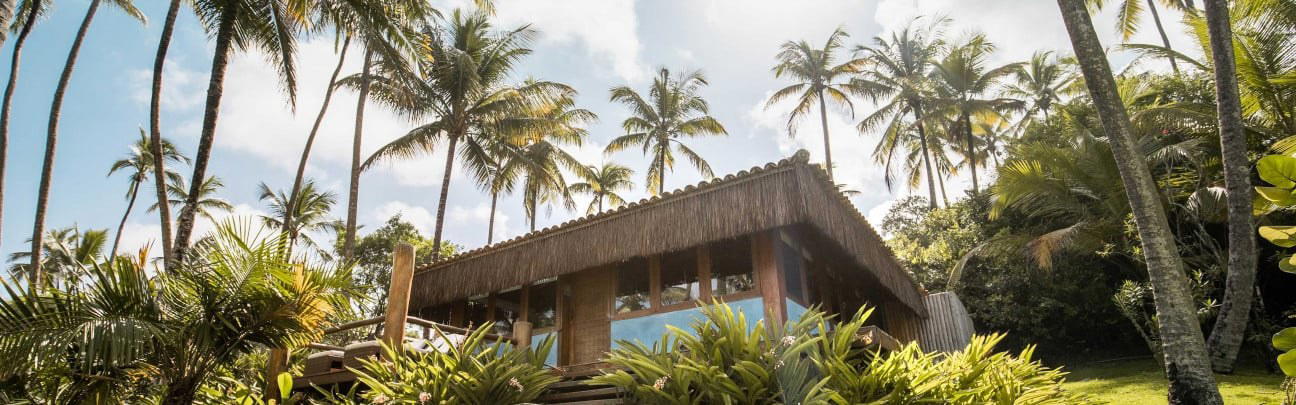
Where the Rainforest Meets the Atlantic
The approach to Txai Resort along BA-001 tells you something about the Bahia coast that no amount of travel writing can quite convey: this is not the Brazil of Carnival crowds and cable cars. The road cuts through Atlantic Forest, the air thickens with humidity and the scent of tropical vegetation, and the white sand of Itacaré's beaches appears only in glimpses through the tree line. By the time you reach kilometre 48, the premise of the resort has already been established by the landscape itself. Txai — a word drawn from the Kaxinawa indigenous language meaning companion or friend — positions itself as an extension of that environment rather than an imposition on it.
Itacaré sits in southern Bahia, roughly 50 kilometres north of Ilhéus Jorge Amado Airport, a drive of around 50 minutes. The town built its early economy on cocoa, and Txai occupies a former coconut and cocoa farm, which shapes both its physical character and its relationship to local agricultural heritage. Visitors arriving from Rio or São Paulo, where the luxury hotel market runs through properties like the Copacabana Palace, A Belmond Hotel, Rio de Janeiro or the Rosewood São Paulo, encounter a fundamentally different register here: fewer keys, lower density, and an orientation toward the natural rather than the urban.
A Boutique Format Built for Low Impact
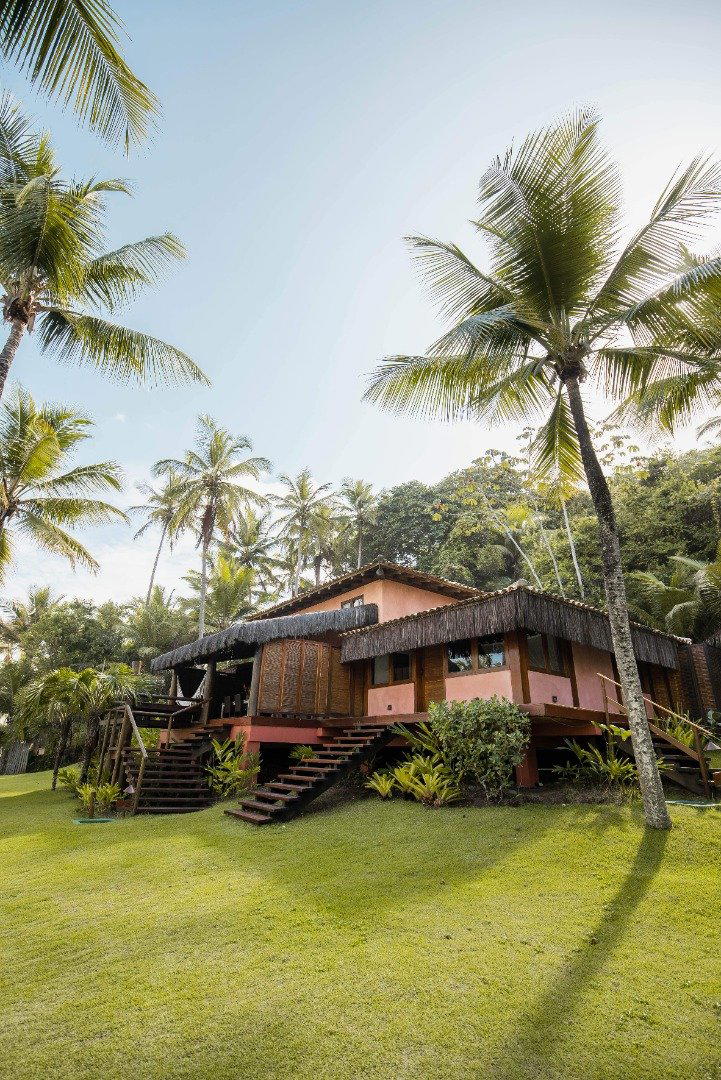
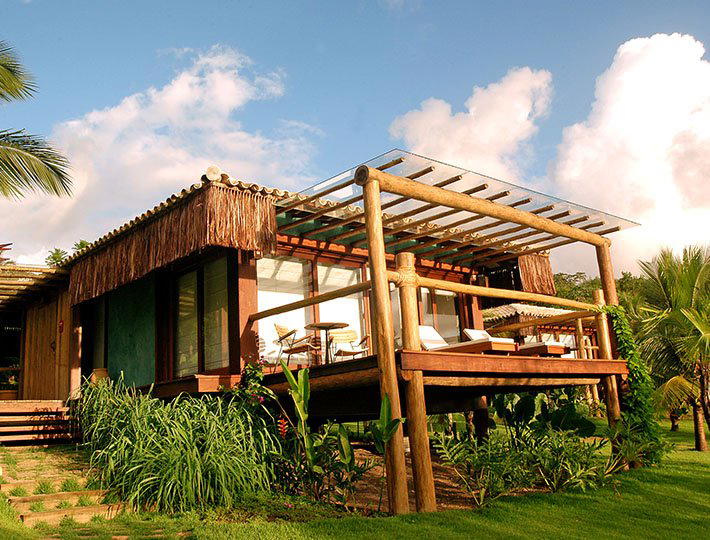
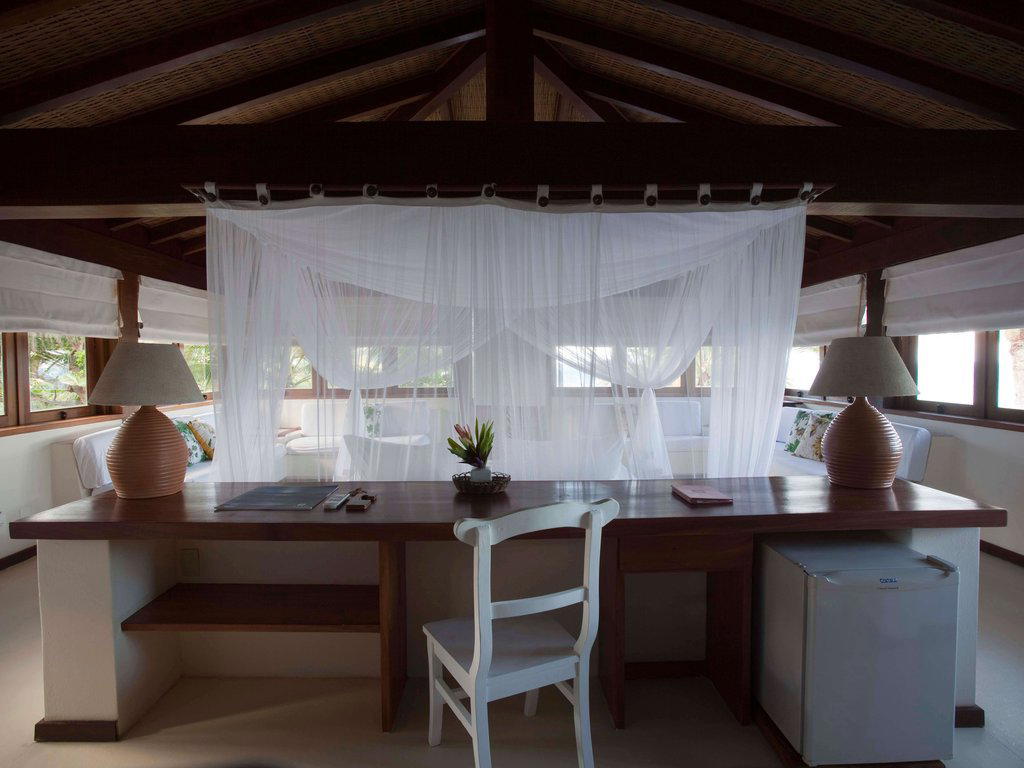
Brazil's premium resort sector has split along a familiar axis: large-footprint properties with full amenity suites on one side, and smaller design-led retreats that trade scale for specificity on the other. Txai occupies the latter category with 38 rooms spread across two configurations. Suites in the main building face the sea directly, while bungalows on stilts are distributed through the coconut groves, each with a wraparound deck positioned to draw the surrounding landscape into daily life. The interiors take a contemporary-rustic approach, mosquito-netted beds scaled for the room, picture windows opening onto forest or ocean views, and bathrooms that include outdoor showers. Some bungalows extend to outdoor Jacuzzis or private plunge pools.
The resort's design philosophy carries through to its ecological commitments. Reforestation programs and sensitive construction have been applied across the property, and the broader operational model is framed around minimising impact on the Atlantic Forest ecosystem. This places Txai in a peer group that includes properties like Cristalino Lodge in Alta Floresta and Caiman, Pantanal, Brazilian eco-lodges where conservation is a structural feature of the offering rather than a branding layer. For a Bahian coastal comparison, Barracuda Hotel and Villas operates in the same town with a different scale and format.
The Kitchen and the Bahian Table
Bahian cuisine is among the most distinctive regional food traditions in South America. It draws heavily on West African techniques and ingredients brought during the colonial period, dendê palm oil, dried shrimp, coconut milk, layered over indigenous and Portuguese foundations. The result is a cooking culture with its own internal logic: moqueca (seafood stew cooked in clay pots), acarajé (black-eyed pea fritters), vatapá (a dense paste of bread, shrimp, and spices). These are not tourist approximations but daily staples with deep local roots.
Txai's kitchen operates from the position that the region's ingredients are the brief. The gastronomy is described as inspired by local products, and the former farm setting gives the property a direct relationship to the agricultural context that shapes Bahian cooking. Fresh seafood from the Atlantic coast and produce sourced locally form the core of what appears on the table. This is a model that has become a consistent reference point in premium Brazilian hospitality: the Hotel Fasano Trancoso in the nearby Bahian village of Trancoso operates a similar commitment to regional ingredients within a luxury format, as does the Kenoa Exclusive Beach and Spa Resort further along Brazil's northeastern coast.
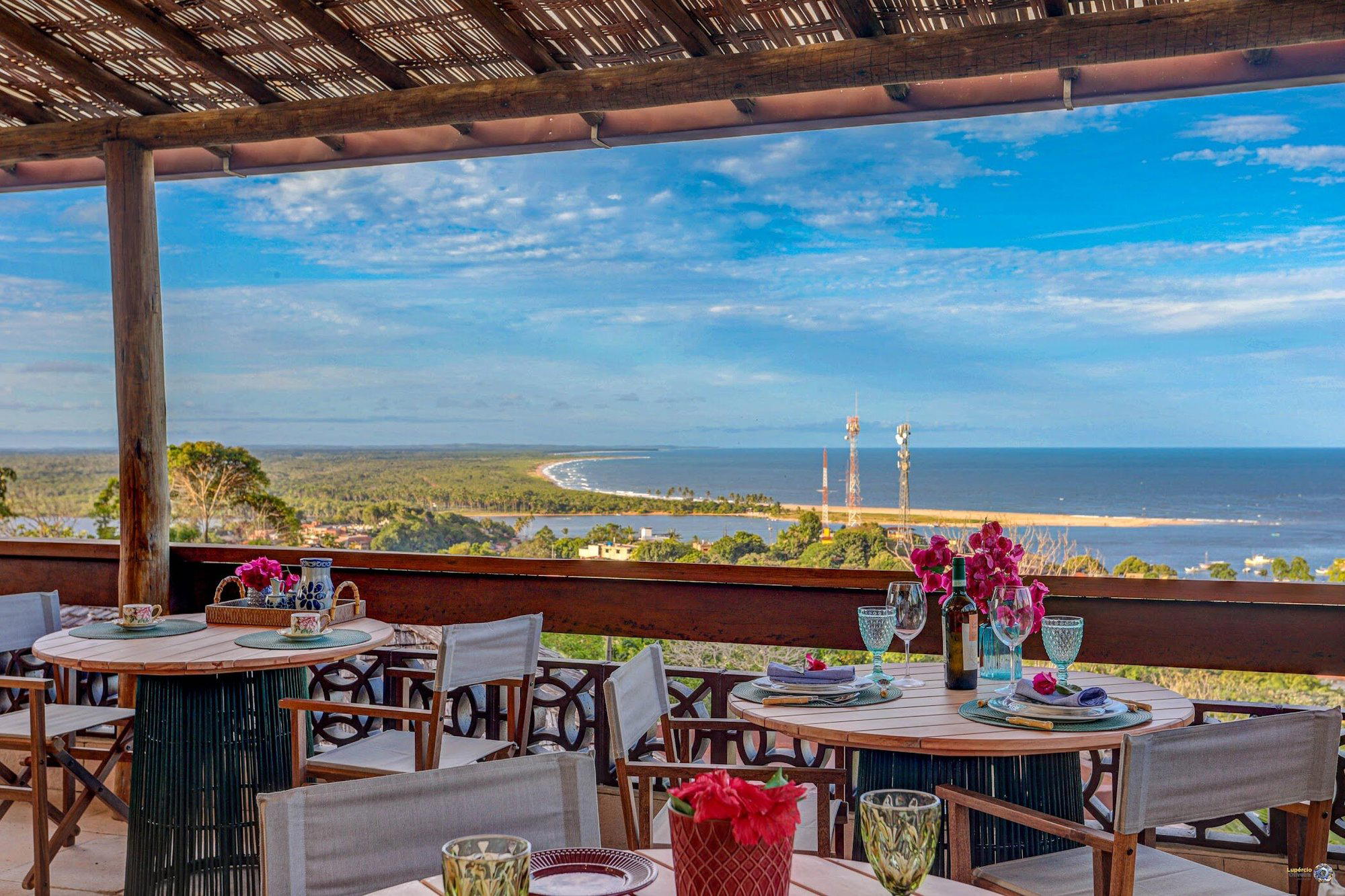
Sunset cocktails on the beach, with fresh Bahian seafood served nearby, represent the most direct expression of what Txai's food and beverage offering does well: place guests inside the landscape and the culinary culture simultaneously, without requiring them to go anywhere else. For a broader survey of what the town produces in terms of dining, our full Itacaré restaurants guide covers the options beyond the resort perimeter.
Activity and Restoration in Equal Measure
Itacaré has a surf culture that predates its luxury tourism infrastructure. The beaches along this stretch of Bahia, protected from development by the Atlantic Forest, produce consistent swells that have drawn Brazilian surfers for decades. Txai offers surfing lessons as part of its activity programme, alongside horseback riding, trail walking through the forest, and kayaking and sailing excursions. The spa carries a panoramic ocean view and offers treatments built around local oils and essences, including botanical ingredients from the surrounding forest.
The balance Txai strikes is the one that defines this category of property globally: enough activity to justify the setting, enough stillness to justify the price. A walk along the beach constitutes the athletic ceiling for most guests on most days, and the resort is designed with that in mind. This is not a complaint but an observation about what the property is for, and what the Bahian coast at this latitude does leading.
Properties with a comparable ratio of activity to restoration elsewhere in Brazil include Botanique Hotel Experience in Campos do Jordão and Awasi Santa Catarina, both of which position themselves at the intersection of natural setting and curated ease. For a different kind of immersive natural experience in Brazil, Atlantica Jungle Lodge on Ilha Grande and Hotel das Cataratas, A Belmond Hotel at Iguassu Falls operate within entirely different ecosystems but share the same underlying logic of landscape-led hospitality.
Planning Your Stay
Access from Ilhéus Jorge Amado Airport (IOS) takes approximately 50 minutes by road via BA-001. The GPS coordinates are -14.3797, -39.0112 for navigation. Bahia's dry season runs from roughly October through March, which aligns with the period when the Atlantic swell is most consistent for surfing and when beach conditions are at their most favourable. The broader Bahia luxury circuit, for those building a longer itinerary, includes the Fera Palace Hotel in Salvador and the Hotel Fasano Salvador as urban anchors before or after time on the southern coast. The Carmel Charme Resort in Ceará and Carmel Taíba Exclusive Resort extend the northeastern coastal resort conversation further north for those who want to compare formats across the region.
Cost Snapshot
Comparable venues nearby, for context on price, style, and recognition.
| Venue | Price | Awards | Notes |
|---|---|---|---|
| Barracuda Hotel & Villas | Not listed | 1 Michelin Key · Mr & Mrs Smith Seal of Approval | Pituba, Intimate clifftop boutique with suites and private villas |
| Fera Palace Hotel | $200–300 | 1 Michelin Key | Pelourinho, Historic boutique hotel blending 1930s glamour with modern luxury |
| Aventora Resort Baía Formosa, Minor Reserve Collection | Not listed | Not listed | Baía Formosa, Luxury eco‑resort and branded residence enclave positioned as a landmark destination in northeastern Brazil’s Baía Formosa region. |
| Kenoa Exclusive Beach & Spa Resort | Not listed | 1 Michelin Key · Virtuoso Luxury Hotel Partner | Barra de São Miguel, Eco-chic beachfront retreat |
| Campo Bahia | Not listed | Michelin Selected | Santo André, Contemporary Brazilian luxury with local craftsmanship and natural materials; designed by architect Sandro Pretti to blend cutting-edge infrastructure with exuberant local nature. |
Recognition history
Dated appearances from independent guides and award organizations, with the underlying list record or original source where available.
Michelin 1 Key
Michelin
Mr & Mrs Smith Seal of Approval
Mr & Mrs Smith
Relais Chateaux Award
Relais Chateaux
Virtuoso Luxury Hotel Partner
Virtuoso
Full recognition history (6 entries)
Michelin 1 Key
Michelin
Relais Chateaux Award
Relais Chateaux
Continue exploring
More in Itacaré
Hotels in Itacaré
Browse all →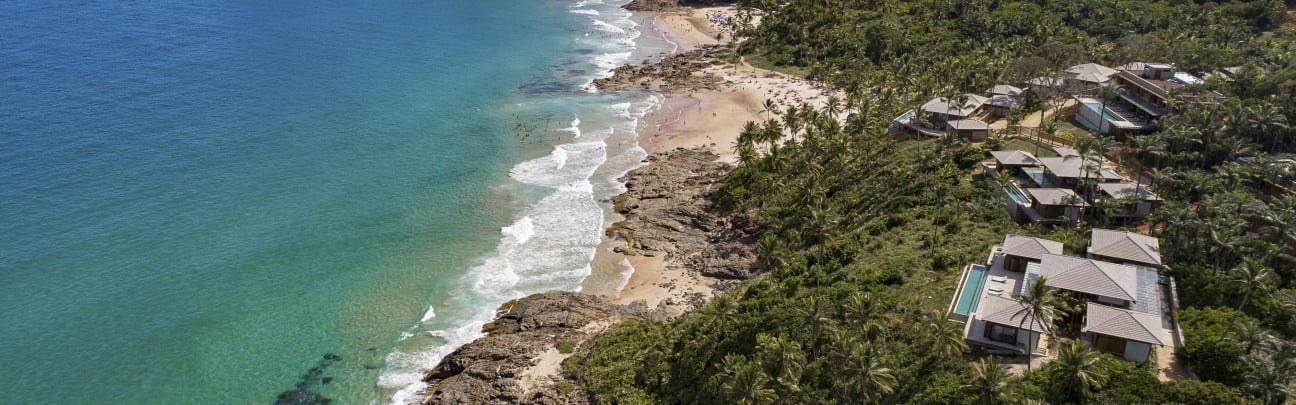

Details
- Romantic
- Scenic
- Quiet
- Elegant
- Bohemian
- Honeymoon
- Romantic Getaway
- Wellness Retreat
- Family Vacation
- Beachfront
- Destination Spa
- Panoramic View
- Private Villa
- Waterfront
- Garden
- Terrace
- Wi Fi
- Pool
- Spa
- Fitness Center
- Room Service
- Concierge
- Restaurant
- Bar
- Beach Access
- Tennis Court
- Sauna
- Waterfront
- Garden
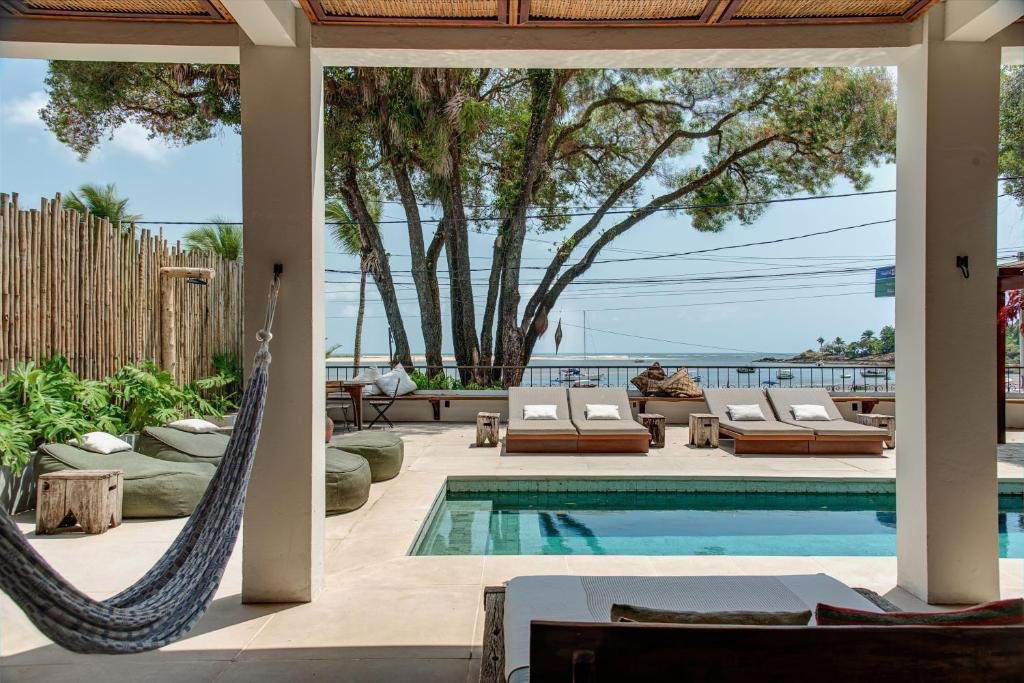
Contemporary-rustic interiors with vast picture windows, panoramic ocean views, and an atmosphere of serene idleness suited to relaxation and natural beauty.