

Hoshinoya Tokyo transplants the ryokan into a 17-storey tower in Otemachi, Tokyo's financial district, arriving at number 39 on the World's 50 Best Hotels list in 2023. It represents the domestic ryokan tradition reimagined for an urban, internationally mobile guest.
Pearl is the En Primeur Club membership app — saves, bookings, and concierge access live there. Same editors, same standards.
- Address
- 1-chōme-9-1 Ōtemachi, Chiyoda City, Tokyo 100-0004
- Phone
- +81 50-3134-8091
- Website
- hoshinoresorts.com
- Directions
- Get directions
 Saves & bookings on Pearl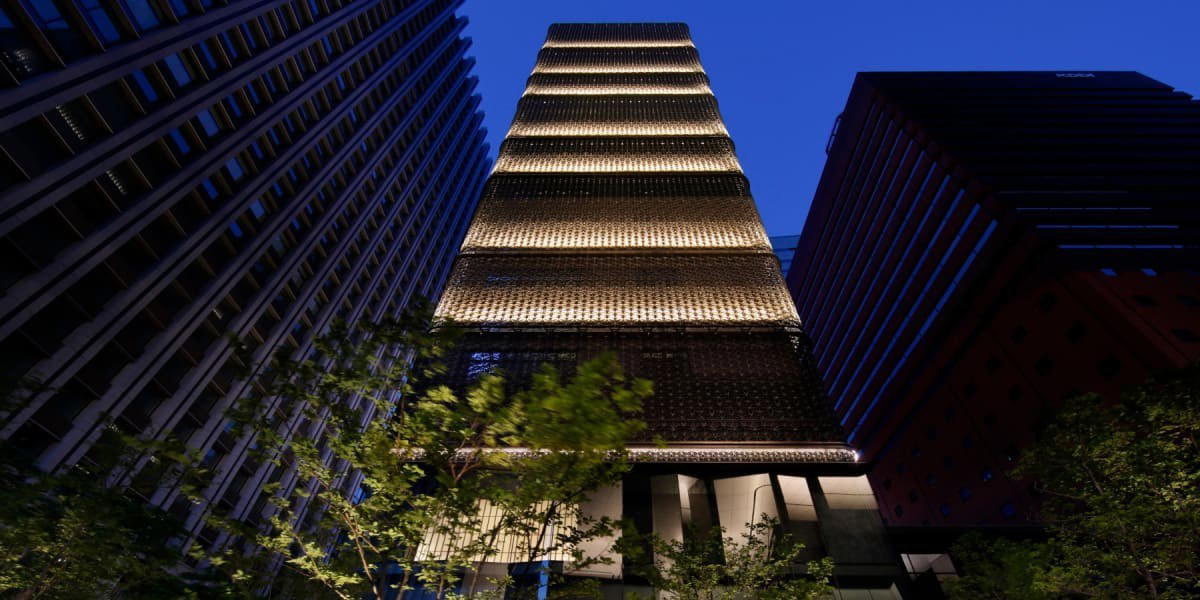
The Urban Ryokan and What It Asks of You
Arriving at the base of Hoshinoya Tokyo's tower in Otemachi, you enter one of the capital's densest corridors of banking headquarters and government ministries. The contrast is the point. The property occupies a vertical footprint where a traditional inn would sprawl horizontally across a mountain valley. Shoes come off in the lobby. Yukata replace street clothes. The transition is not theatrical — it is structural, and the building's logic insists on it from the first floor upward.
This is the model that Japan's domestic ryokan tradition has been testing in urban form for the better part of two decades: whether the rituals of hot-spring inns — the communal bath, the kaiseki rhythm, the slowing of pace, can survive transplantation into a city that never pauses. Hoshinoya Tokyo's answer, at least by the measure of sustained critical attention, is a qualified yes.
Recognition That Places It in a Specific Tier
The property ranked 39th on the World's 50 Best Hotels list in 2023, a ranking that sits it inside a peer group defined more by experiential differentiation than room size or lobby spectacle. That list, which skews toward properties with a distinct curatorial point of view, has historically rewarded hotels where the guest experience is structured around a coherent concept rather than assembled from luxury amenities. Hoshinoya Tokyo's placement in that cohort says something about how the property is read by the industry: as a format hotel, not simply a luxury hotel.
Among Tokyo's premium accommodation tier, that positioning is meaningful. The city now has a cluster of internationally recognised properties across Otemachi and Marunouchi, including Four Seasons Hotel Tokyo at Otemachi, Aman Tokyo, and Bvlgari Hotel Tokyo. Each of those competes on different axes, Aman on sanctuary and scale, Bvlgari on Italian design precision, Four Seasons on international service standards. Hoshinoya Tokyo's competitive axis is cultural format: it is asking the guest to participate in something rather than simply be accommodated. That is a narrower proposition, and it earns a different kind of loyalty.
The people who book an urban ryokan in a Tokyo skyscraper understand what they are choosing. The satisfaction signal is correspondingly high.
The Otemachi Address and Its Implications
Otemachi is not a neighbourhood in the conventional sense. It is a financial district that empties at night and fills with suits by morning. Staying here on a leisure basis is a deliberate choice, and Hoshinoya Tokyo's concept makes it a coherent one: the property is designed to be a destination in itself, pulling the guest inward rather than outward. The logic of a traditional ryokan, you arrive, you settle, you do not leave, maps reasonably onto a location that offers little ambient street life after business hours.
For access to the wider city, the Otemachi subway interchange connects to most major lines. The Imperial Palace grounds are within walking distance, and the Marunouchi dining corridor, one of Tokyo's more concentrated clusters of high-end restaurants, sits immediately adjacent. Guests who want to move through the city efficiently are well-positioned; guests who want to remain inside the property have a structure that supports that entirely.
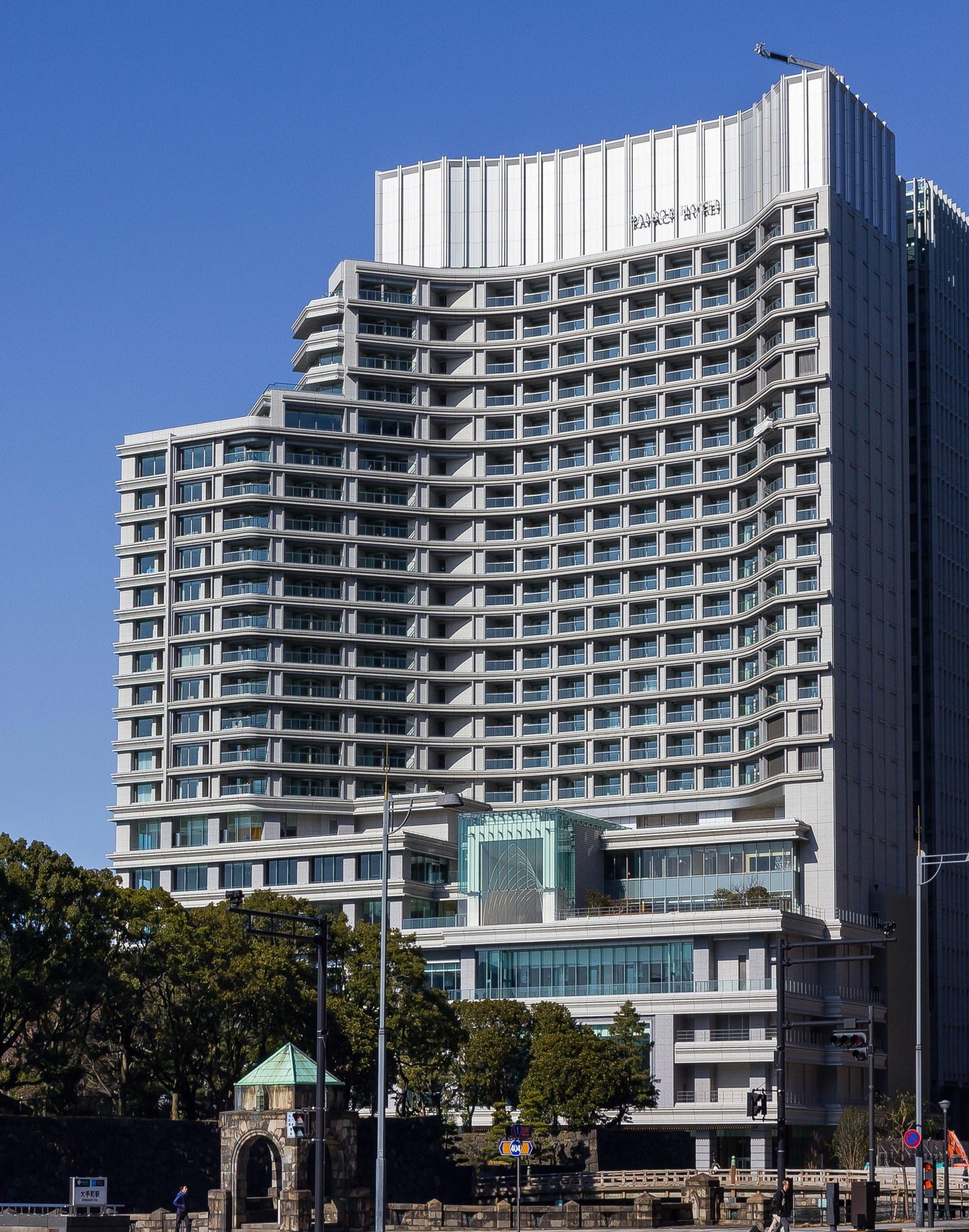
Other Tokyo premium addresses worth considering, Andaz Tokyo in Toranomon, Palace Hotel Tokyo on the Imperial Palace moat, and JANU Tokyo in Azabudai Hills, each position differently relative to neighbourhood character. The Capitol Hotel Tokyu in Nagatacho (The Capitol Hotel Tokyu) and Bellustar Tokyo, A Pan Pacific Hotel in Shinjuku round out a city-wide spread for guests deciding where to anchor a Tokyo stay.
The Ryokan Format in the Context of Japanese Hospitality
Japan's ryokan tradition is one of the more codified hospitality forms in the world. The sequence of arrival, bathing, dressing, eating, and sleeping follows a structure that has been refined over centuries at properties like Nishimuraya Honkan in Kinosaki-cho, Gora Kadan in Hakone, and Asaba in Izu. Those properties operate in natural-thermal settings where the bath is fed by actual onsen water and the kaiseki meal draws on local seasonal produce with the surrounding landscape as context.
Hoshinoya Tokyo replicates the sequence, including a rooftop hot-spring bath sourced from underground, without the natural setting. That substitution is not a compromise so much as an experiment: can the ritual hold its meaning when the view is Otemachi rather than a cedar forest? The 2023 World's 50 Best ranking suggests that for a significant portion of the premium travel market, it can. The property sits within the Hoshino Resorts group, which operates the format across Japan in both rural and urban configurations, giving it access to supply chains, seasonal expertise, and staff training that smaller independent ryokan cannot easily replicate.
For guests specifically seeking the landscape-embedded ryokan experience, the group's other properties, including Zaborin in Kutchan, Hokkaido, offer that. Within Tokyo, Hoshinoya is the format's urban expression, and that distinction should inform the booking decision.
Where It Sits Among Japan's Premium Lodging
Japan's premium lodging market has diversified considerably. International brands have established significant Tokyo presences, while design-led domestic operators have pushed into both urban and remote territory. Properties like ENOWA Yufu in Yufu, Fufu Kawaguchiko in Fujikawaguchiko, Fufu Nikko in Nikko, and HOTEL THE MITSUI KYOTO in Kyoto each occupy a different segment of that market: some emphasise natural immersion, others historical architecture, others the translation of Japanese craft into contemporary hotel form.
Amanemu in Mie and Benesse House in Naoshima represent the international-brand and art-institution ends of the spectrum. Further afield, Halekulani Okinawa and Jusandi in Ishigaki, as well as Sekitei in Hatsukaichi-shi, extend Japan's premium lodging geography into southern and western reaches. Hoshinoya Tokyo's position in this field is the urban anchor of a format that is otherwise rural in character, a specific role that explains both its appeal and its limitations.
Planning a Stay
The address at 1-chōme-9-1 Ōtemachi, Chiyoda City, places the property inside the Otemachi Station interchange, making it direct to reach from Tokyo Station (a short walk) and from Haneda and Narita via rail connections. Booking lead times for premium Tokyo properties generally run four to eight weeks ahead for standard periods, longer during cherry blossom season in late March and early April and autumn colour season in November, when demand across the city compresses availability significantly.
For guests extending into other regions, the Hoshino Resorts network across Japan provides a degree of format continuity. For dining beyond the property, our full Tokyo restaurants guide covers the range of options across the city's various districts, from the Michelin-dense corridors of Ginza to the neighbourhood-scale dining of Yanaka and Koenji.
Hoshinoya Tokyo is not the right choice for guests who want a hotel that places them at the centre of a walkable neighbourhood or a buzzy bar scene. It is the right choice for guests who want the ryokan structure, the rhythm, the bathing ritual, the in-room meal sequence, without leaving the city, and who value an internationally recognised reference point for that format in Japan.
Recognition, Side-by-Side
| Venue | Cuisine | Awards |
|---|---|---|
| Hoshinoya TokyoThis venue — the venue you are viewing | This venue | World's 50 Best |
| Bvlgari Hotel Tokyo | Not listed | Michelin 3 Key |
| Aman Tokyo | Not listed | Michelin 2 Key |
| Four Seasons Hotel Tokyo at Otemachi | Not listed | Michelin 3 Key |
| Palace Hotel Tokyo | Not listed | Michelin 3 Key |
| Andaz Tokyo | Not listed | Michelin 1 Key |
Recognition history
Dated appearances from independent guides and award organizations, with the underlying list record or original source where available.
World's 50 Best Best Hotels 51-100 #85
World's 50 Best
Michelin Selected
Michelin
World's 50 Best Best Hotels #39
World's 50 Best
Continue exploring
More in Tokyo
Hotels in Tokyo
Browse all →


Bars in Tokyo
Browse all →

Restaurants in Tokyo
Browse all →


At a Glance
- Elegant
- Quiet
- Sophisticated
- Minimalist
- Romantic
- Romantic Getaway
- Wellness Retreat
- Anniversary
- Weekend Escape
- Destination Spa
- Garden
- Rooftop Pool
- Private Dining
- Historic Building
- Design Destination
- Panoramic View
- Wi Fi
- Spa
- Room Service
- Concierge
- Garden
- Restaurant
- Laundry Service
- Garden
- Skyline
- Wi Fi
- Spa
- Room Service
- Concierge
- Garden
- Restaurant
- Laundry Service
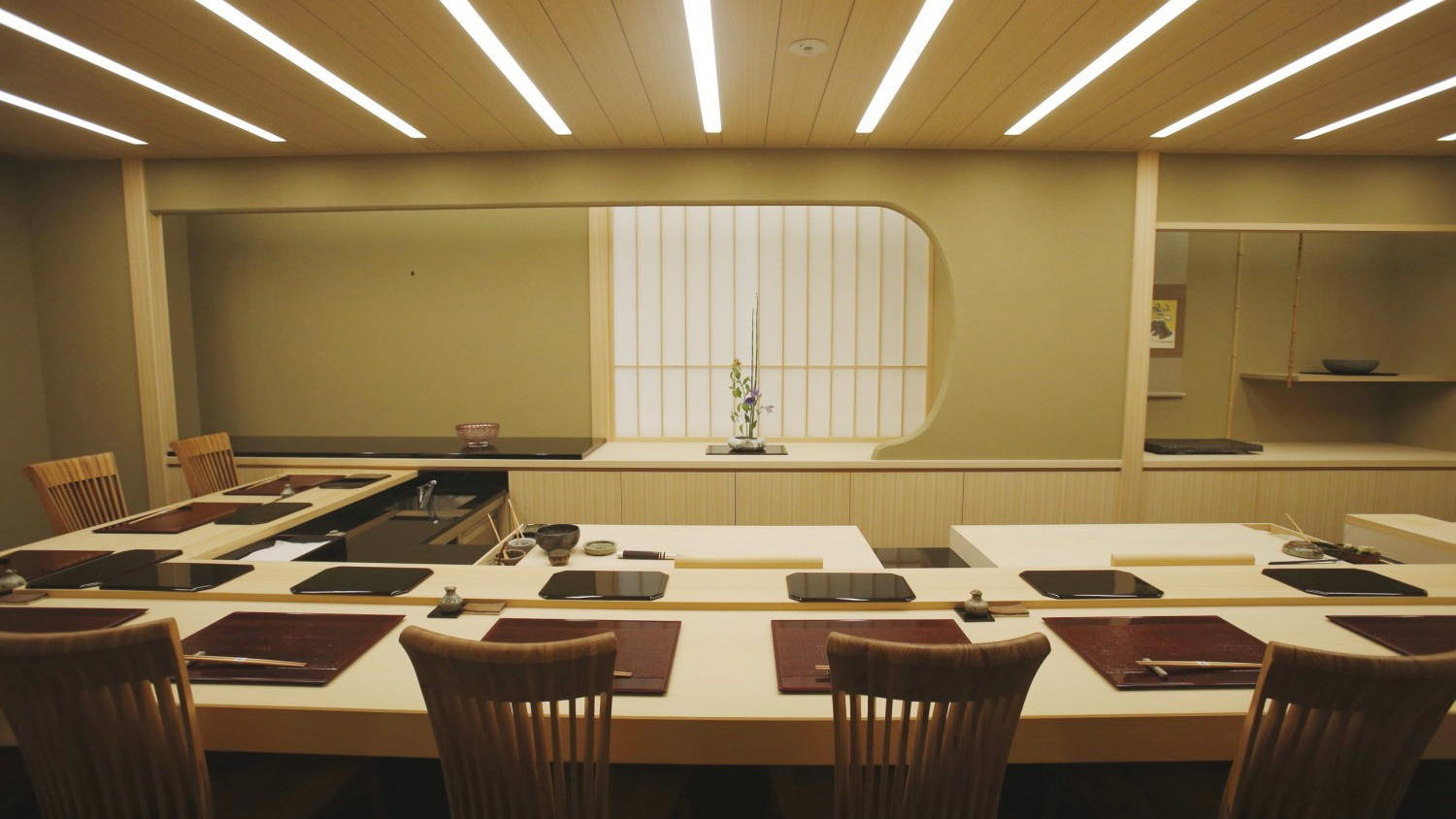
Serene and tranquil with minimalist design; each floor functions as a private retreat with tatami-matted corridors, soft lighting, and a communal lounge stocked with tea and books; the open-air rooftop onsen provides a meditative escape under the Tokyo sky.
Know Before You Go
- Getting there
- 1-chōme-9-1 Ōtemachi, Chiyoda City, Tokyo 100-0004