Higashiyama Niseko Village, a Ritz-Carlton Reserve

Higashiyama Niseko Village, a Ritz-Carlton Reserve, holds a Michelin Key distinction (2025) and sits within Hokkaido's most internationally recognised ski and onsen corridor. The property's design draws from the surrounding mountain terrain and traditional Japanese spatial principles, placing it in a comparable set of architecturally considered luxury ryokan-adjacent retreats rather than conventional resort hotels. Advance planning is essential, particularly for the winter season.
Pearl is the En Primeur Club membership app — saves, bookings, and concierge access live there. Same editors, same standards.
- Address
- 919-28 Soga, Niseko, Abuta District, Hokkaido 048-1522, Japan
- Phone
- +81 136-44-3491
- Website
- ritzcarlton.com
 Saves & bookings on Pearl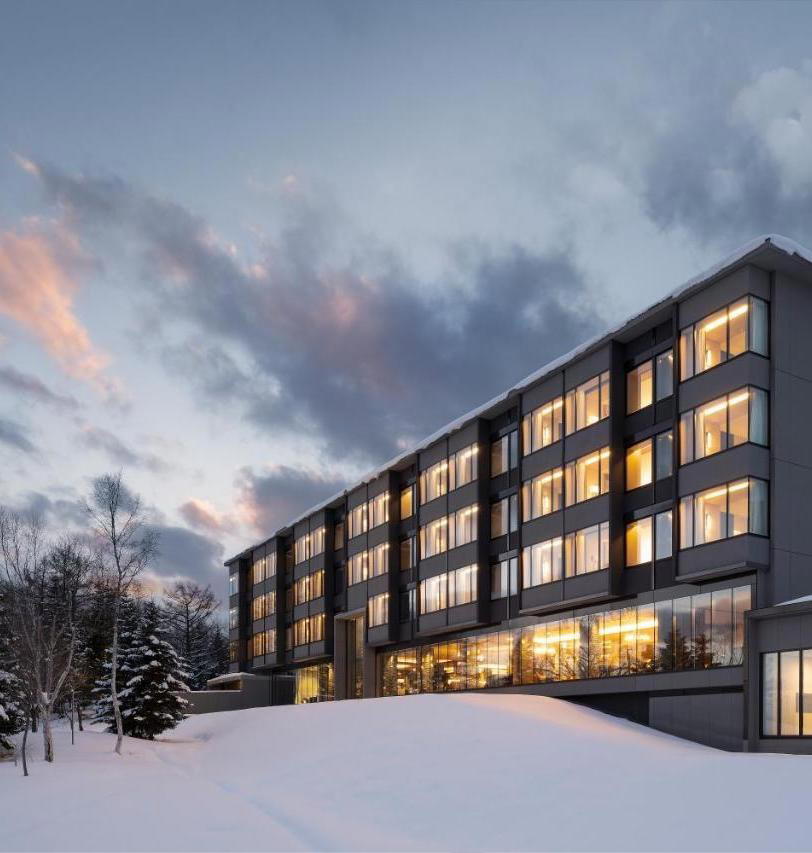
Where Snow Country Meets Considered Design
Hokkaido's Niseko area has spent two decades sorting itself into distinct hospitality tiers. At the lower end, ski-in/ski-out condominiums serve the volume market; at the upper end, a small cohort of properties competes on design restraint, thermal bathing culture, and a calibrated relationship with the surrounding landscape. Higashiyama Niseko Village, a Ritz-Carlton Reserve, sits inside that upper cohort, and the 2025 Michelin Key recognition signals that the distinction is not merely a branding exercise. The Michelin Key programme evaluates hotels on the quality of the overall experience.
The Ritz-Carlton Reserve tier operates differently from the main Ritz-Carlton brand. Reserve properties are intentionally smaller, more place-specific, and more architecturally considered than their parent brand's flagship hotels. Globally, only a handful of Reserve addresses exist, and Higashiyama represents the tier's interpretation of Japan's snow country tradition. That positioning matters for understanding what the property is: not a large alpine resort with Japanese decorative touches, but a restrained, terrain-responsive property where the design vocabulary draws from the mountain environment and local craft tradition rather than importing a generic luxury format.
The Architecture of Arrival
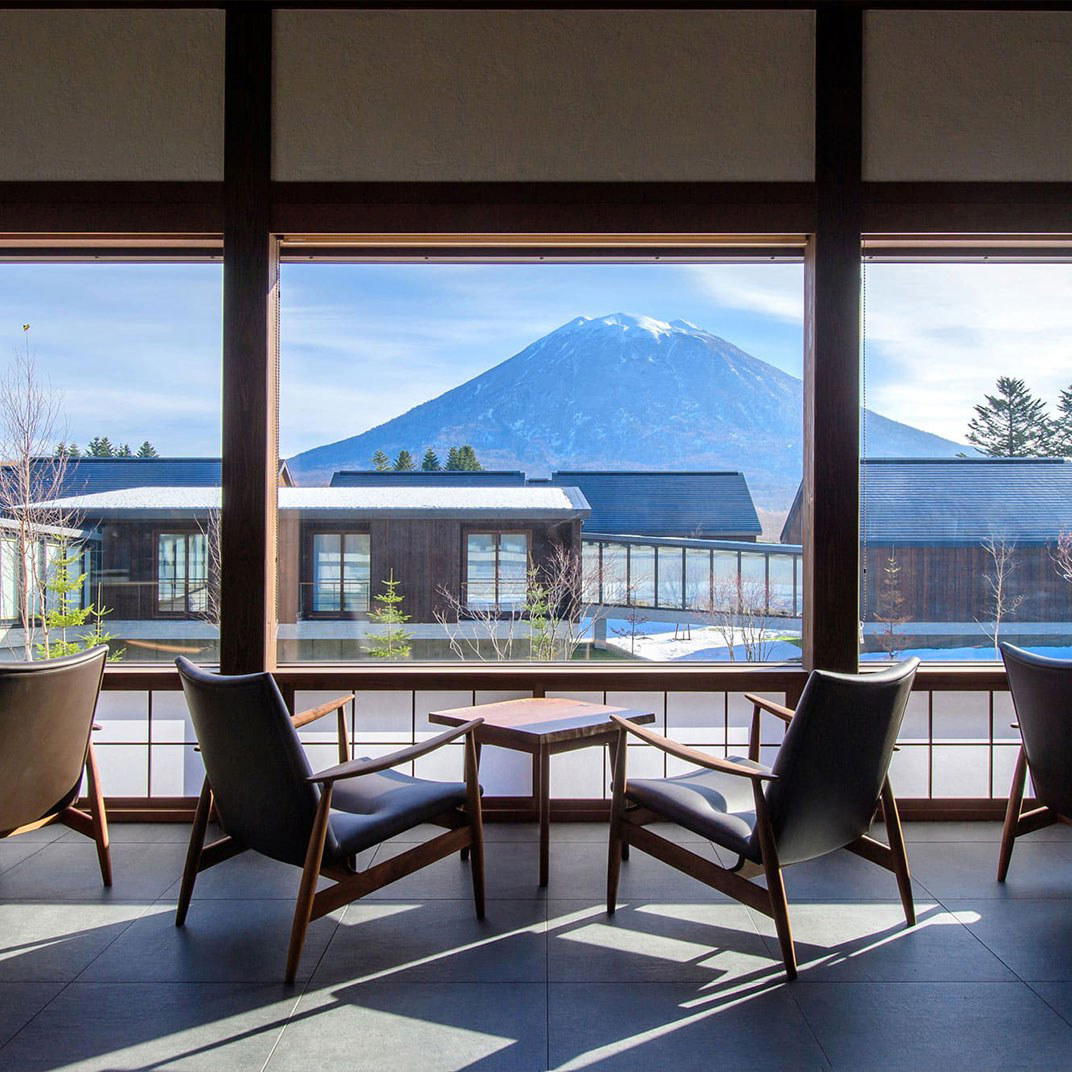
Approaching the property from the village base, the structure reads as an extension of the landscape rather than an imposition on it. This approach to siting, where the building mass follows topography and the material palette references local stone, timber, and traditional construction, has become a recognisable signature of premium Japanese resort design over the past decade. Properties like Zaborin in Kutchan, also in the Niseko corridor, represent the same impulse in a ryokan format, while broader national comparators like Gora Kadan in Hakone and Amanemu in Mie demonstrate how premium Japanese retreats consistently privilege architectural dialogue with natural surroundings over visual spectacle.
The Reserve format amplifies this tendency. Interior spaces in properties of this designation are typically organised around a central logic of material honesty, exposed structural elements, natural textiles, local craft references, that communicates restraint before comfort. The geometry of the building responds to Hokkaido's dramatic seasonal shifts: winter arrives with heavy snow loads and temperatures that regularly drop below minus ten degrees Celsius, while summer reveals a different range of forest green and highland meadows. Design that works across both seasons, and reads as coherent in each, is a harder problem than it appears.
Thermal Culture and the Role of the Onsen
Niseko's appeal as a year-round destination rests on two foundations: the winter powder snow, which draws skiers from across Asia and Australia, and the geothermal activity that makes the area an active onsen region. The Higashiyama zone specifically sits within this thermal geography, and the integration of onsen bathing into a property's spatial logic is a design decision as much as an amenity one. How the bathing spaces relate to the landscape, how natural light enters, how the transition between indoor and outdoor thermal pools is handled, these are the details that separate properties that treat onsen as a wellness add-on from those that treat it as a core architectural concern.
Japan's premium ryokan tradition, represented by properties like Asaba in Izu and Nishimuraya Honkan in Kinosaki-cho, has spent centuries developing the spatial grammar of onsen architecture. The Reserve format imports some of that grammar into an international luxury context, which produces a different register, more contemporary in finish, more Western in certain service conventions, but the underlying thermal culture remains intact and is arguably the most distinctive element of the Niseko Higashiyama experience for international guests arriving without deep familiarity with Japanese bathing traditions.
Positioning in the Japanese Luxury Hotel Scene
Japan's upper tier of hospitality has diversified considerably over the past decade. Urban properties like Bvlgari Hotel Tokyo and HOTEL THE MITSUI KYOTO in Kyoto compete on brand prestige and urban cultural access. Ryokan-format retreats such as Fufu Nikko, Fufu Kawaguchiko, and Fufu Kyu-Karuizawa Restful Forest serve the domestic market's preference for seasonal retreat formats. Design-led resort properties like Benesse House in Naoshima position around art and cultural programming. Higashiyama Niseko Village occupies the specific intersection of international brand infrastructure, mountain sport access, and Japanese spatial tradition, a position that few competitors can replicate across all three axes simultaneously.
For international travellers familiar with alpine luxury in contexts like Badrutt's Palace Hotel in St. Moritz, the Niseko property offers a fundamentally different register: quieter in social energy, more inward in spatial orientation, and more explicitly connected to a natural and cultural setting that rewards attention rather than spectacle.
Planning a Stay
Niseko's peak demand falls in the December to February window, when Hokkaido's powder conditions draw ski visitors from across Asia and further afield. During this period, the premium properties in the area book well in advance, and the Reserve designation attracts a globally distributed clientele that plans months ahead. A summer visit, July to September, offers a different Niseko: quieter, greener, and with the thermal bathing culture operating without the logistical pressure of ski season. Both periods are valid, but they produce different experiences of the property and the surrounding area.
Access to Niseko typically involves flying into New Chitose Airport in Sapporo, followed by a road transfer of approximately 90 minutes to two hours depending on conditions and specific route. Winter road conditions on the approach require appropriate vehicle preparation or guided transfer. The property's address in the Soga area of Nisekocho, Abuta-gun, places it within the Higashiyama village zone, which is less densely developed than the Hirafu area and tends toward a quieter atmosphere.
Kamenoi Besso in Yufu, Satoyama-Jujo in Niigata, and Nasu Mukunone in Nasu, all of which represent the same generation of architecturally deliberate Japanese rural luxury.
How It Stacks Up
Comparable venues nearby, for context on price, style, and recognition.
| Venue | Cuisine | Price | Awards | Notes |
|---|---|---|---|---|
| Higashiyama Niseko Village, a Ritz-Carlton ReserveThis venue — the venue you are viewing | Alpine luxury resort inspired by Kachou Fuugetsu philosophy, harmonizing nature and contemporary Japanese design. | $$$$ | 5-Star | |
| guntu | Floating luxury ryokan blending traditional Japanese inn with modern yacht design | $$$$ | 5-Star | Onomichi |
| moksa | Modern ryokan rebirth hotel blending tradition with contemporary wellness. | $$$$ | 5-Star | Yase |
| Akan Tsuruga Bessou Hinanoza | Contemporary classic luxury ryokan blending traditional Japanese hospitality with modern comfort and design. | $$$$ | 5-Star | Akanko Onsen |
| 倭乃里 (Wanosato) (Wanosato) | Traditional Japanese luxury ryokan with preserved heritage architecture | $$$$ | 5-Star | Ichinomiya |
| Hacienda Vison Hotel | Mid-century modern boutique manor house with artist-inspired rooms | $$$$ | 5-Star | Odaicho |
Continue exploring
More in Nisekocho, Abuta Gun
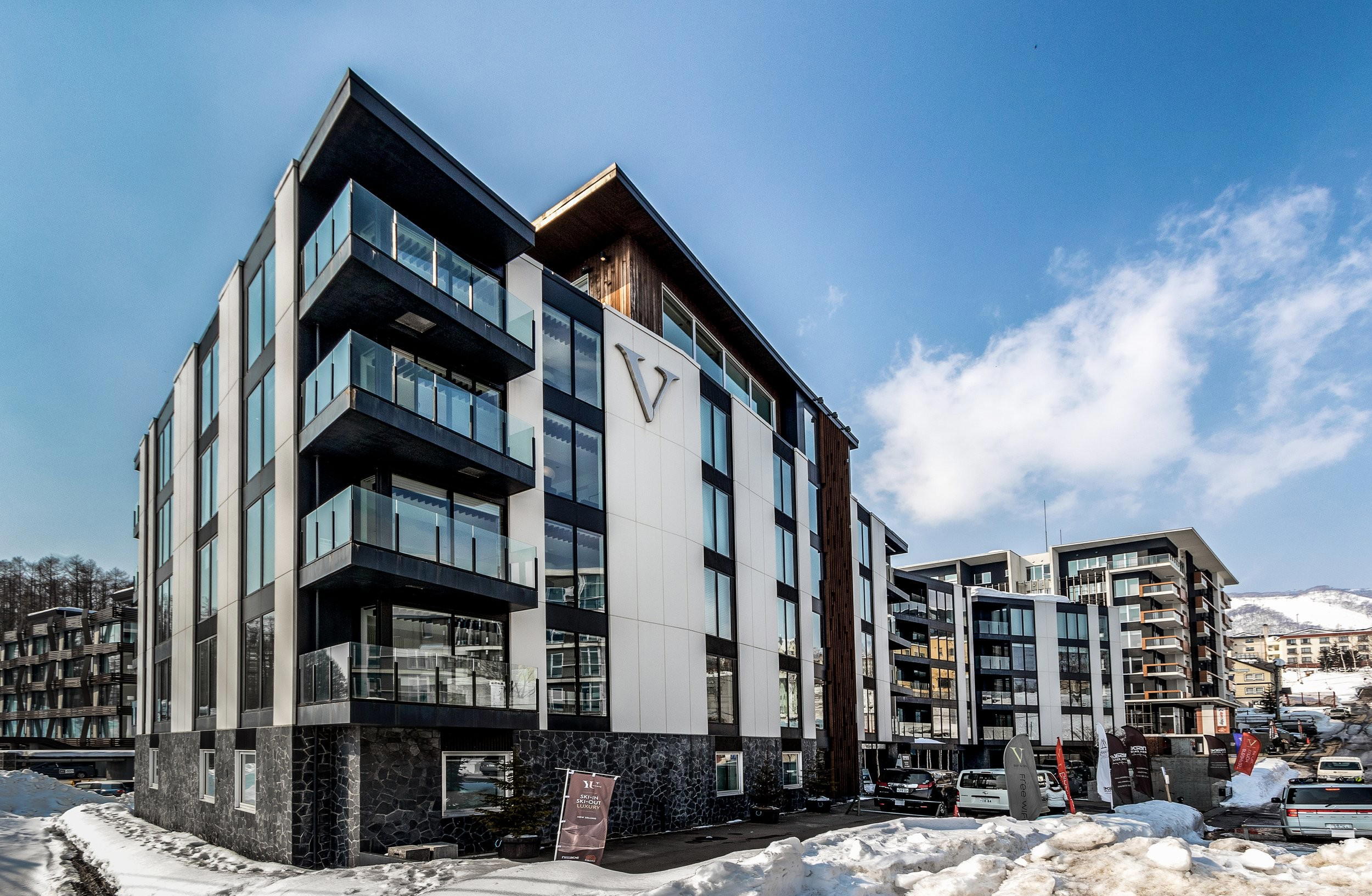
Hotels in Nisekocho, Abuta Gun
Browse all →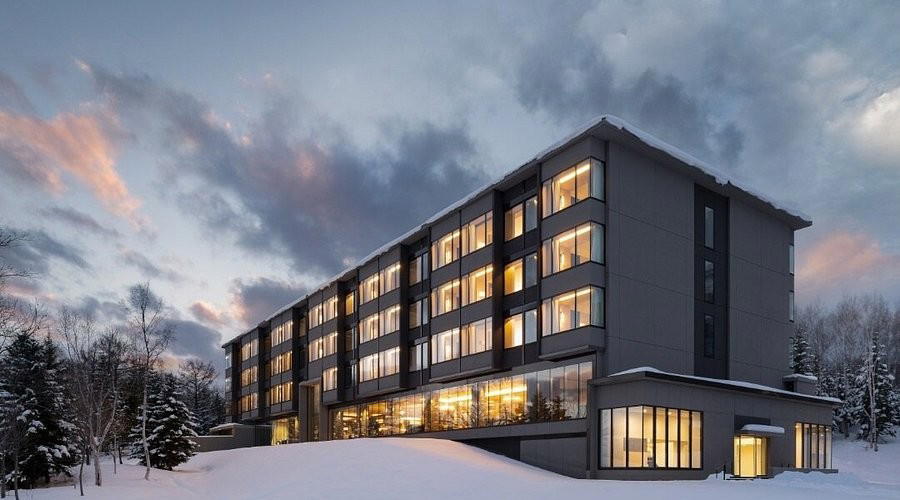
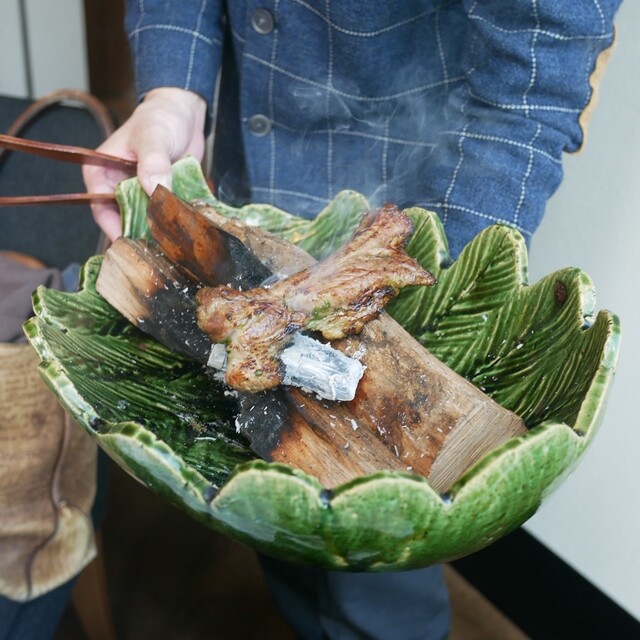
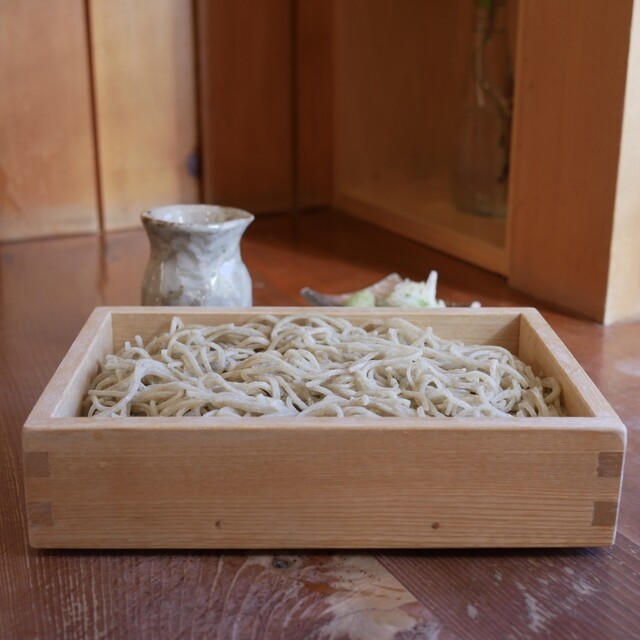
Restaurants in Nisekocho, Abuta Gun
Browse all →
Wineries in Nisekocho, Abuta Gun
Browse all →
At a Glance
- Elegant
- Sophisticated
- Quiet
- Scenic
- Intimate
- Modern
- Honeymoon
- Romantic Getaway
- Wellness Retreat
- Weekend Escape
- Ski In Ski Out
- Panoramic View
- Wifi
- Spa
- Pool
- Fitness Center
- Room Service
- Concierge
- Mountain
Intimate and calming atmosphere with natural materials, restrained color palette, and floor-to-ceiling windows offering breathtaking mountain views.