Raku Suisan

Michelin Selected
Raku Suisan is a Michelin Selected property in the Niseko region of Hokkaido, where Kutchan's ski-town energy gives way to a more considered, ryokan-adjacent hospitality tradition. Positioned among a small tier of design-conscious stays in Abuta-gun, it earns its recognition through spatial character and a sense of place that the wider resort corridor rarely delivers.

Pearl is the En Primeur Club membership app — saves, bookings, and concierge access live there. Same editors, same standards.
- Address
- 119-1 Kabayama, Kutchan, Abuta District, Hokkaido 044-0078, Japan
- Phone
- +81 136-22-0520
- Website
- raku-suisan.com
- Directions
- Get directions
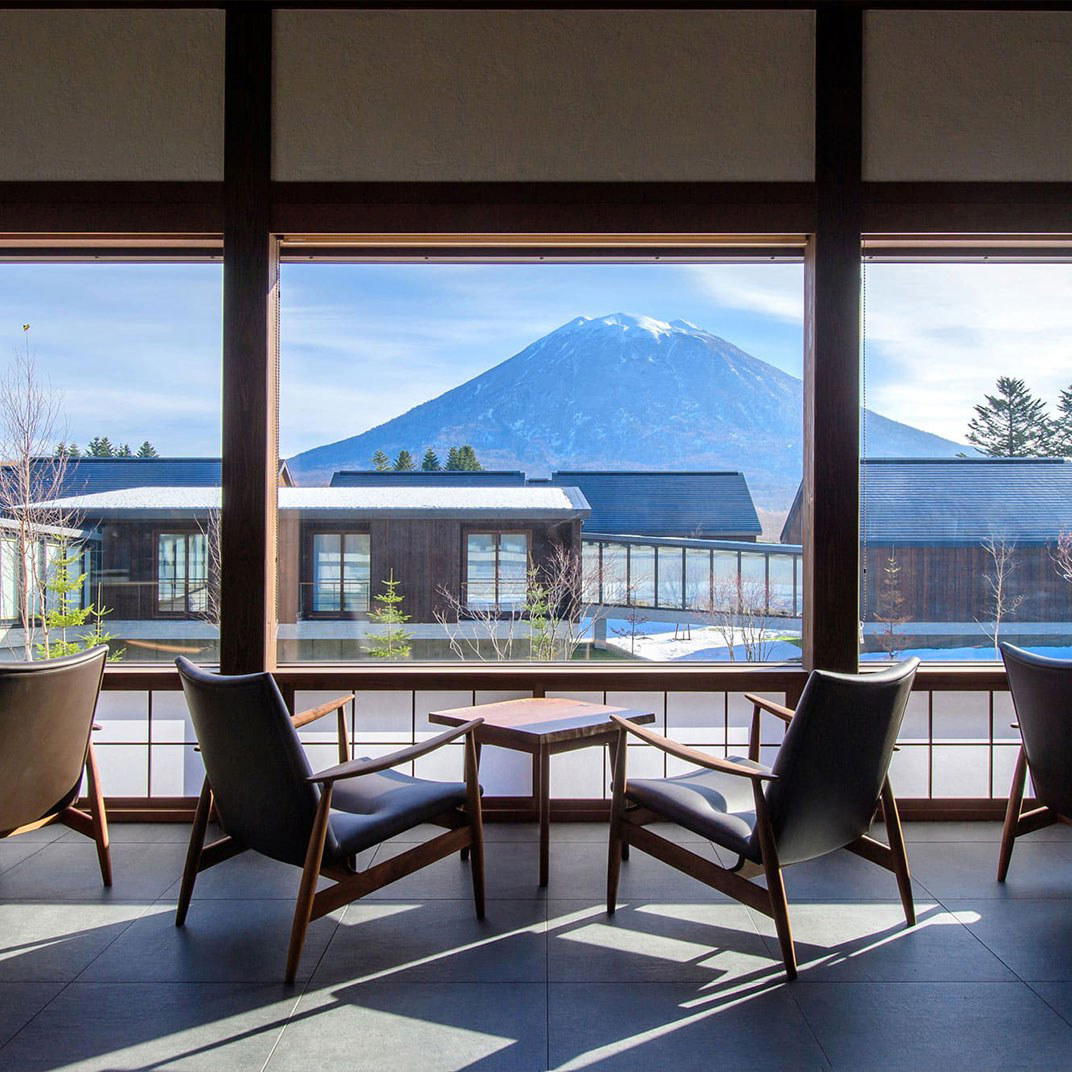
Where Hokkaido's Resort Region Gets Quieter
The Niseko area has spent two decades pulling in international ski tourism, and the construction record along Route 343 through Kutchan shows it. Luxury hotel brands — including Park Hyatt Niseko Hanazono and Andaru Collection Niseko — have staked positions at altitude, building toward the groomed runs of Annupuri and Hanazono. Raku Suisan, addressed at 119-1 Kabayama in Kutchan, sits outside that vertical race. Its Kabayama location places it in a quieter residential-agricultural fringe of Abuta-gun, where the visual register is farmland and low roof lines rather than gondola terminals and valet lanes.
That geography shapes everything about what Raku Suisan is. Properties in this quieter tier of the Niseko market don't compete on ski-in convenience; they compete on atmosphere, material character, and the quality of stillness they can offer. Michelin's 2025 hotel selection, which includes Raku Suisan on its curated shortlist, reflects a judgment about exactly those qualities. The Michelin hotel guide does not operate like its restaurant counterpart, where stars signal cooking precision. Michelin Selected status for accommodation signals a level of care about place, comfort, and considered design that the guide's editors found worth recommending to their readership. For Hokkaido, that shortlist is short.
The Physical Setting: Low Structures in a Wide Landscape
Hokkaido's architectural vernacular for premium stays has moved in two directions over the past fifteen years. One direction follows the international resort model: glass curtain walls, double-height lobbies, and snow-country materials deployed at scale. The other, less visible direction borrows from the mainland ryokan tradition of compression and enclosure, low ceilings, natural material palettes, rooms oriented toward small curated views rather than panoramic spectacle. Properties in this second tradition include Zaborin in Kutchan, which operates in the same Niseko vicinity and has built a reputation on exactly that philosophy of scaled-down spatial intensity.
Properties earning Michelin Selected status in Japan's onsen and rural hotel categories tend to share a design sensibility: natural timber, stone or clay wall finishes, deliberate control of natural light, and a spatial sequence from arrival to room that slows the guest down rather than impressing them at scale. Whether Raku Suisan uses a traditional tatami floor plan, a hybrid Western-Japanese layout, or something more idiosyncratic, the building's Hokkaido context means snow load, winter light, and the visual mass of Yotei-zan in the middle distance are part of its sensory frame for roughly five months of the year.
For travellers accustomed to Japan's established ryokan circuit, Gora Kadan in Hakone, Asaba in Izu, or Nishimuraya Honkan in Kinosaki-cho, Raku Suisan represents an extension of that tradition into Hokkaido's cooler, more agricultural north, where the design references are less manicured garden and more open field, and where the colour palette of the surroundings shifts dramatically between seasons.
Placing Raku Suisan in Japan's Broader Ryokan and Boutique Hotel Map
Japan's premium small-hotel market has grown considerably more competitive since Michelin began publishing its hotel guide. Properties that once operated under the radar of international travellers now appear on shortlists alongside long-established names. Across the country, recognition tends to cluster around a few recurring profiles: historic ryokan in established hot-spring towns, contemporary design properties with strong architectural narratives, and smaller rural properties whose appeal rests on food, landscape access, or both.
Raku Suisan earns comparison to the third category. Its Abuta-gun address puts it within reach of Niseko's snow season, Hokkaido's summer hiking and cycling circuits, and the coastal seafood markets that have made Hokkaido a reference point for ingredient quality in Japanese cuisine. Properties in this category, including Satoyama-Jujo in Niigata and Nasu Mukunone in Nasu, operate on a similar logic: distance from major urban centres is offset by direct access to the agricultural or natural resource that gives the property its identity.
For context on how this tier sits against Japan's most formally recognised luxury accommodation, the reference points are properties like Amanemu in Mie, HOTEL THE MITSUI KYOTO in Kyoto, or Fufu Nikko in Nikko, all operating at a higher price and public profile tier, with the corresponding infrastructure and staffing depth that comes with it. Raku Suisan operates in a more compressed, self-contained register. That compression is part of the offer, not a limitation.
Getting There and Timing Your Visit
Kutchan is accessible by train from Sapporo on the JR Hakodate Line, with journey times of roughly two hours, or by direct bus services that increase significantly in frequency during the ski season. New Chitose Airport in Sapporo handles international connections and serves as the standard arrival point for Niseko-bound travellers. The fastest ground transfer from New Chitose to Kutchan runs around two hours by road, shorter during off-peak periods.
Seasonality at this latitude matters more than at most Japanese destinations. Winter, roughly December through March, brings the powder snow that defines Niseko's international reputation and fills the ski-resort corridor. Summer, from June through August, offers cooler temperatures than Honshu, green farm fields, and significantly lower visitor volume. Autumn colour arrives by late October. Travellers who have done the ski season and want to understand a different register of Hokkaido should consider a late-summer or autumn visit, when the Kabayama fringe reads as agricultural rather than resort-adjacent, and the property's relationship to its surroundings shifts accordingly. For the full picture of what the Niseko region offers across its accommodation tiers, see our full Kutchancho, Abuta-gun guide.
Michelin Selected properties in Japan's rural and resort categories operate in a global conversation about what premium small-scale accommodation means when it's detached from the city-hotel playbook. The reference points extend well beyond Japan: Badrutt's Palace Hotel in St. Moritz anchors one end of the ski-destination luxury spectrum, where scale and heritage operate as the primary signals. Hôtel de Paris Monte-Carlo in Monte Carlo and Bvlgari Hotel Tokyo in Tokyo sit in a different category entirely, urban, brand-driven, and built around maximised service depth. What Raku Suisan shares with properties like Benesse House in Naoshima or Kamenoi Besso in Yufu is a different governing logic: the property's value derives from the quality of its specific place, not from its brand's global consistency. That is a meaningful distinction for the traveller deciding where to spend limited nights in Japan.
Fast Comparison
| Venue | Awards |
|---|---|
| Raku SuisanThis venue — the venue you are viewing | Michelin Selected |
| Bvlgari Hotel Tokyo | 3 Michelin Keys · World's 50 Best #24 |
| Aman Kyoto | 2 Michelin Keys · World's 50 Best #74 |
| Aman Tokyo | 2 Michelin Keys · World's 50 Best #11 |
| Palace Hotel Tokyo | 3 Michelin Keys · World's 50 Best #73 |
| Amanemu | 3 Michelin Keys · La Liste Top Hotels |
Recognition history
Dated appearances from independent guides and award organizations, with the underlying list record or original source where available.
Michelin Selected
Michelin
Continue exploring
More in Kutchancho, Abuta Gun
Hotels in Kutchancho, Abuta Gun
Browse all →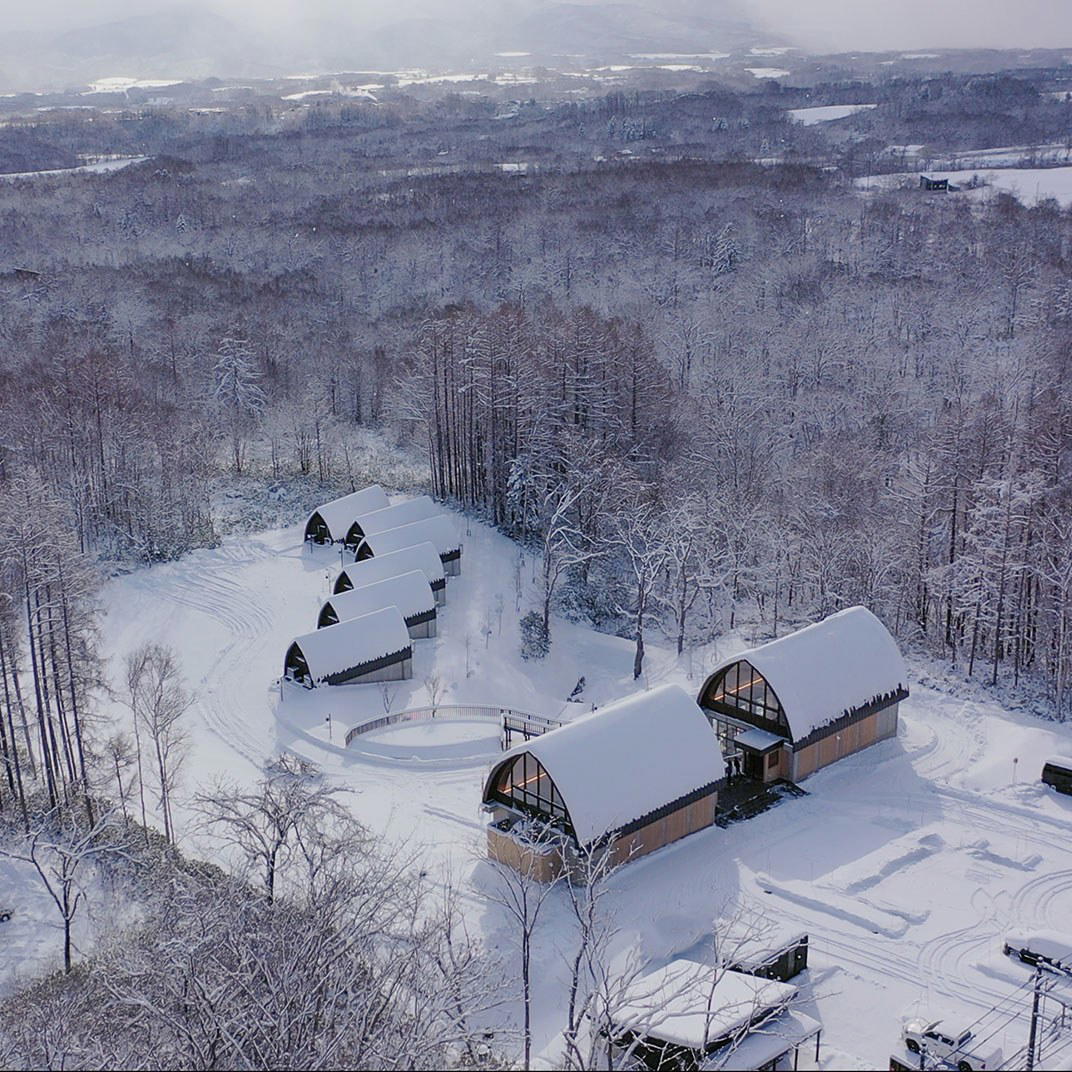
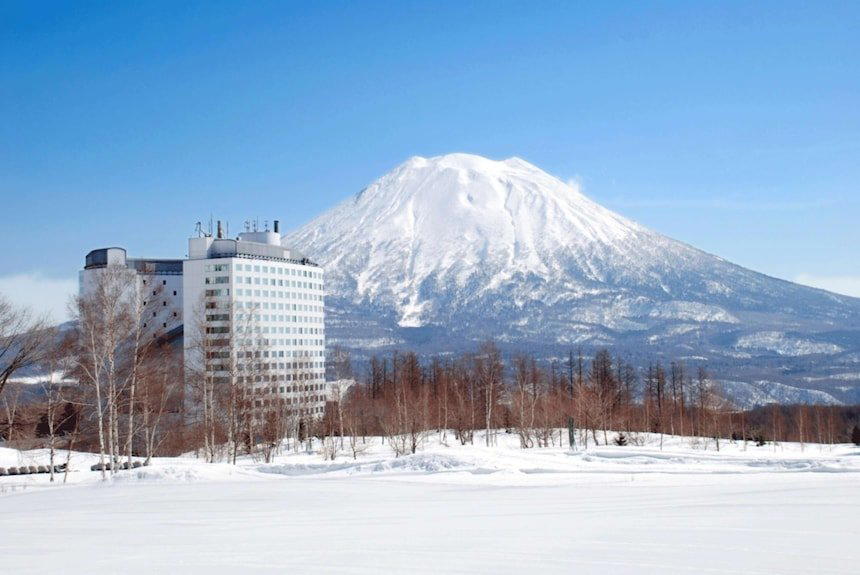
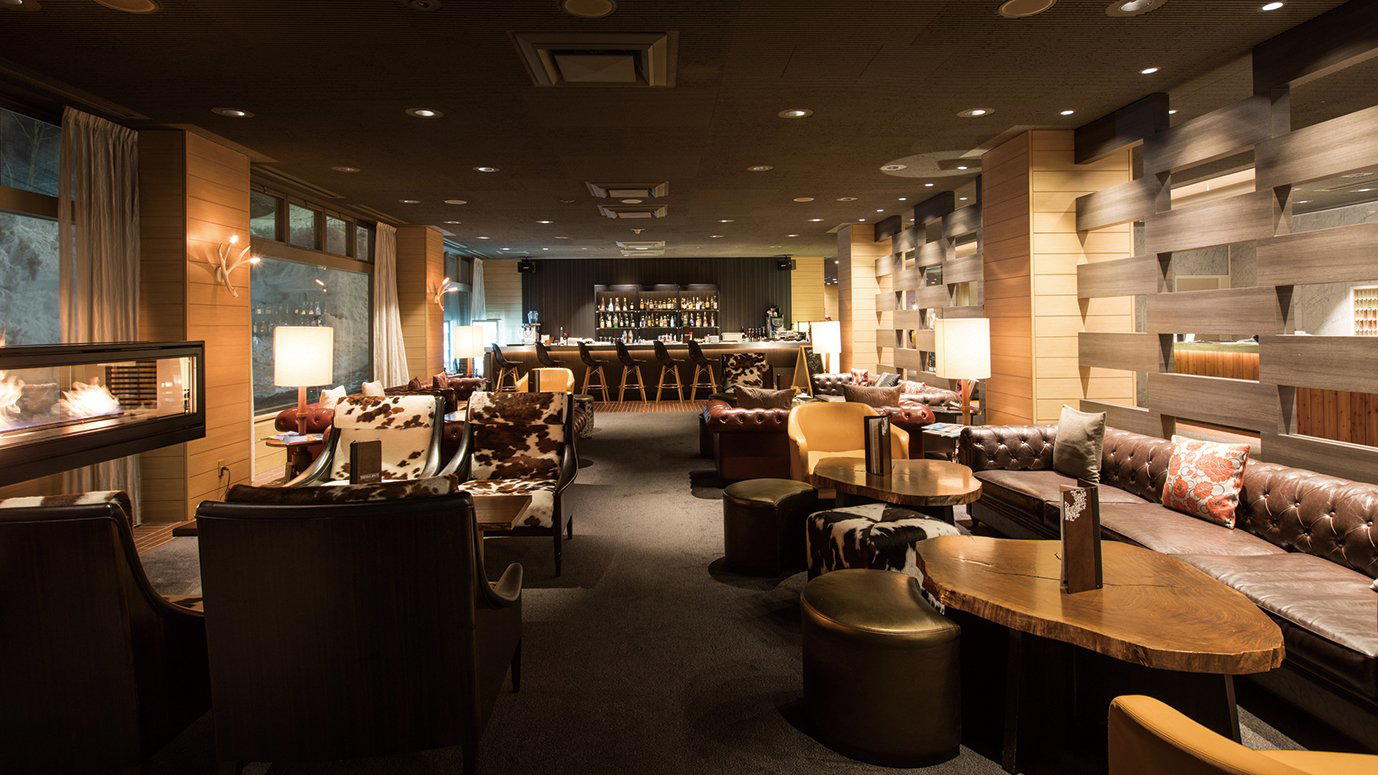
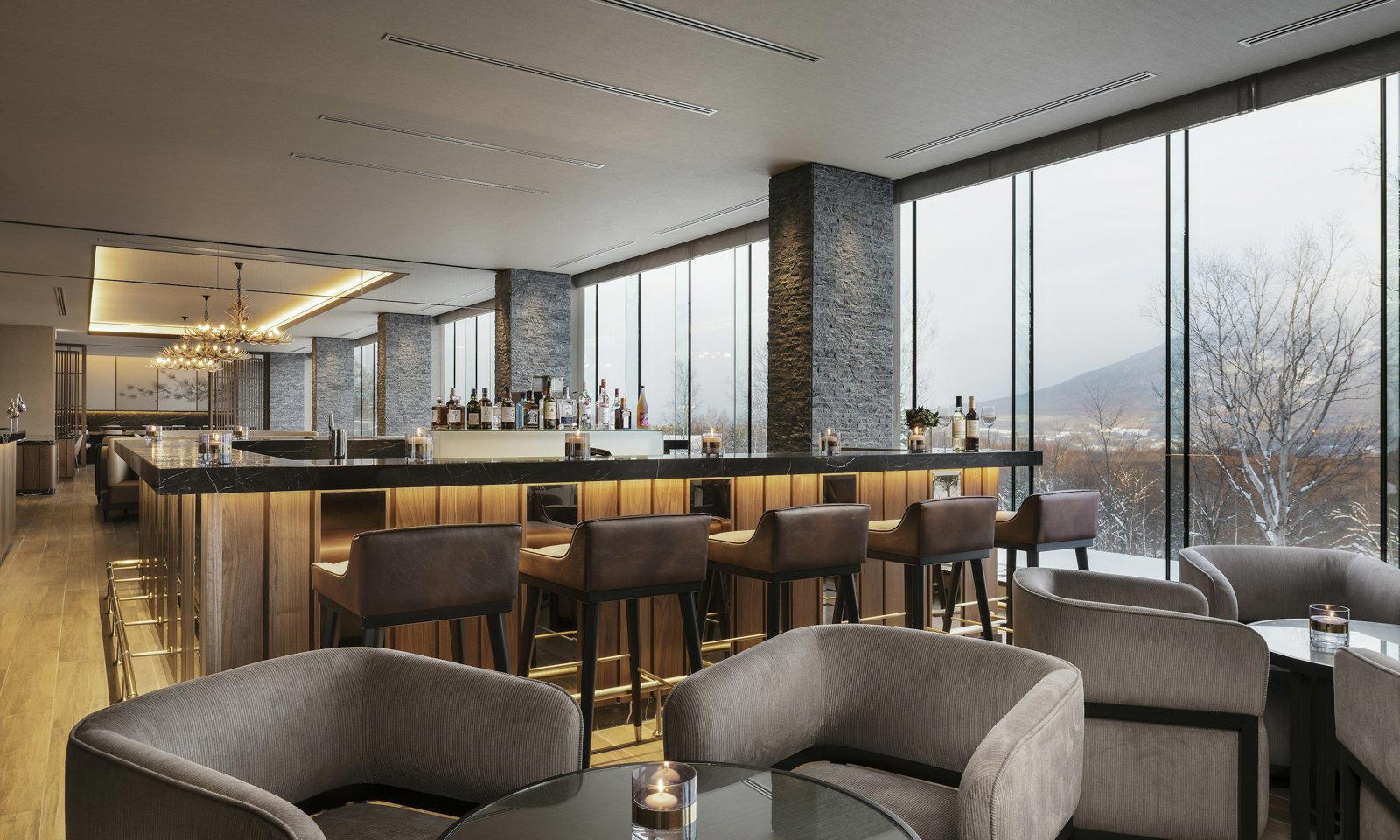
Bars in Kutchancho, Abuta Gun
Browse all →
Restaurants in Kutchancho, Abuta Gun
Browse all →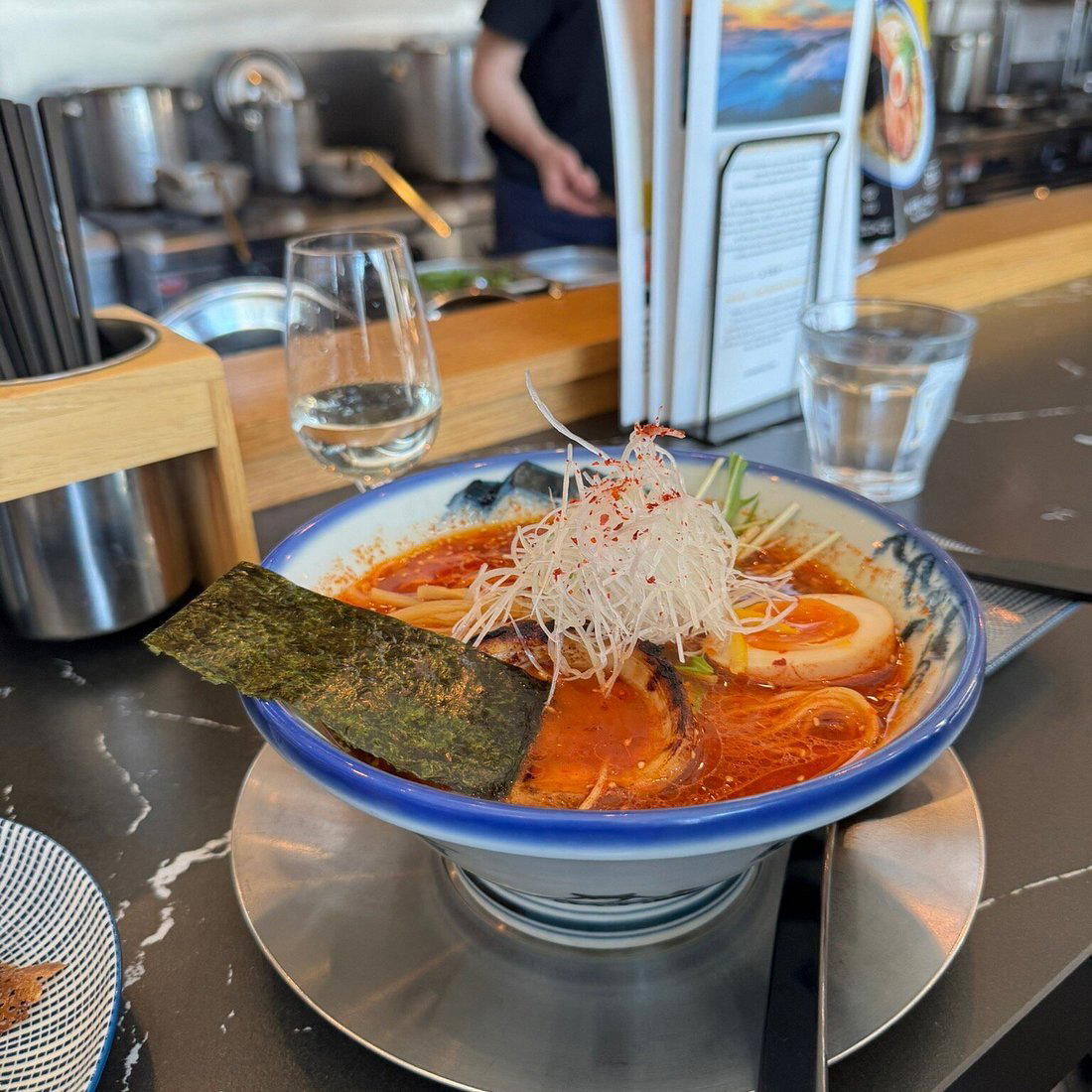
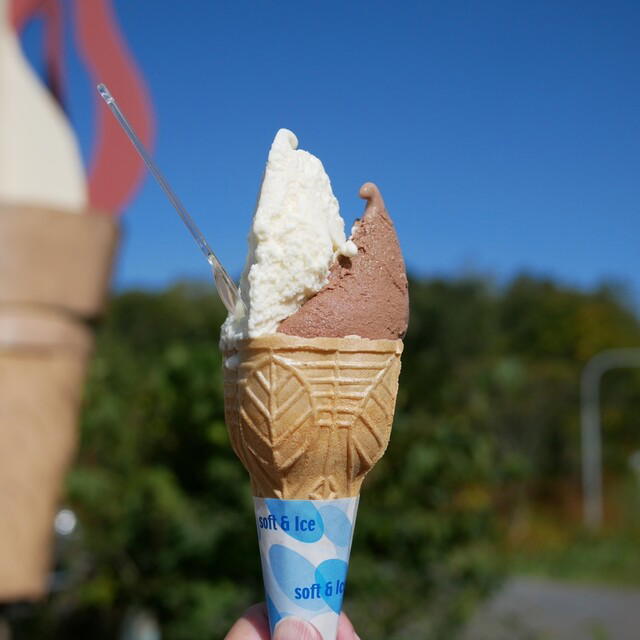
Wineries in Kutchancho, Abuta Gun
Browse all →
Details
- Quiet
- Scenic
- Sophisticated
- Intimate
- Elegant
- Wellness Retreat
- Romantic Getaway
- Weekend Escape
- Private Dining
- Panoramic View
- Design Destination
- Spa
- Fitness Center
- Concierge
- Mountain
- Step Free Entrance
Quiet, intimate, and serene, with a refined Japanese ryokan atmosphere shaped by minimalist interiors, Hokkaido wood, fireplace and lounge spaces, and mountain views.