
1 Michelin Key
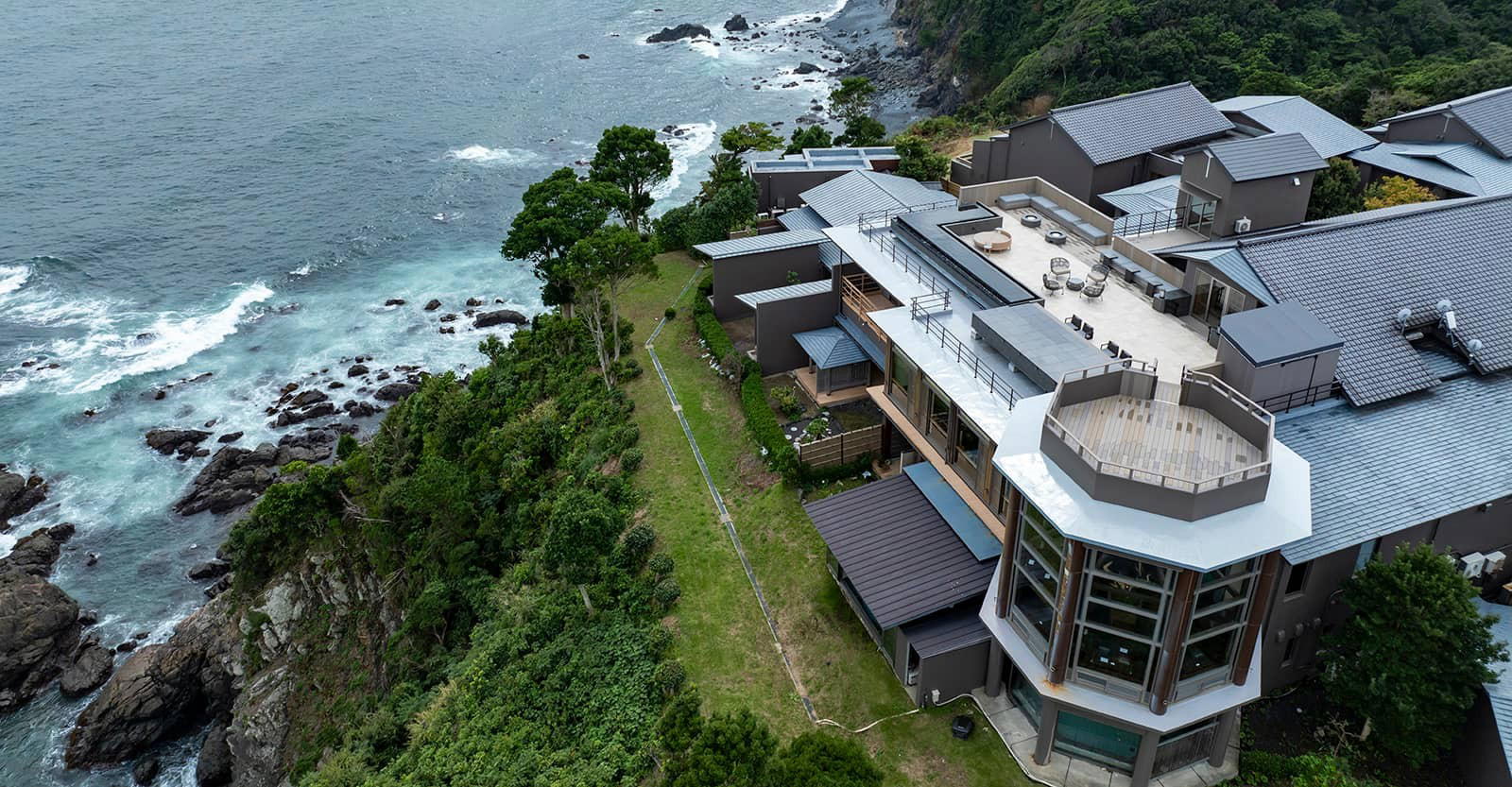
Hacienda Vison Hotel sits within the Vison complex in Odaicho, Mie Prefecture, a large-scale rural development that fuses Japanese craft traditions with European agricultural aesthetics. Selected by the Michelin Guide Hotels 2025, the property occupies farmland settings that separate it from both urban luxury hotels and conventional onsen ryokan. For travelers moving through Mie's Kii Peninsula, it represents a distinct alternative format.

Pearl is the En Primeur Club membership app — saves, bookings, and concierge access live there. Same editors, same standards.
- Address
- Farm 4, 672-1 Vison, Takicho, Odaicho, Japan
- Phone
- +81 598-67-0698
- Directions
- Get directions
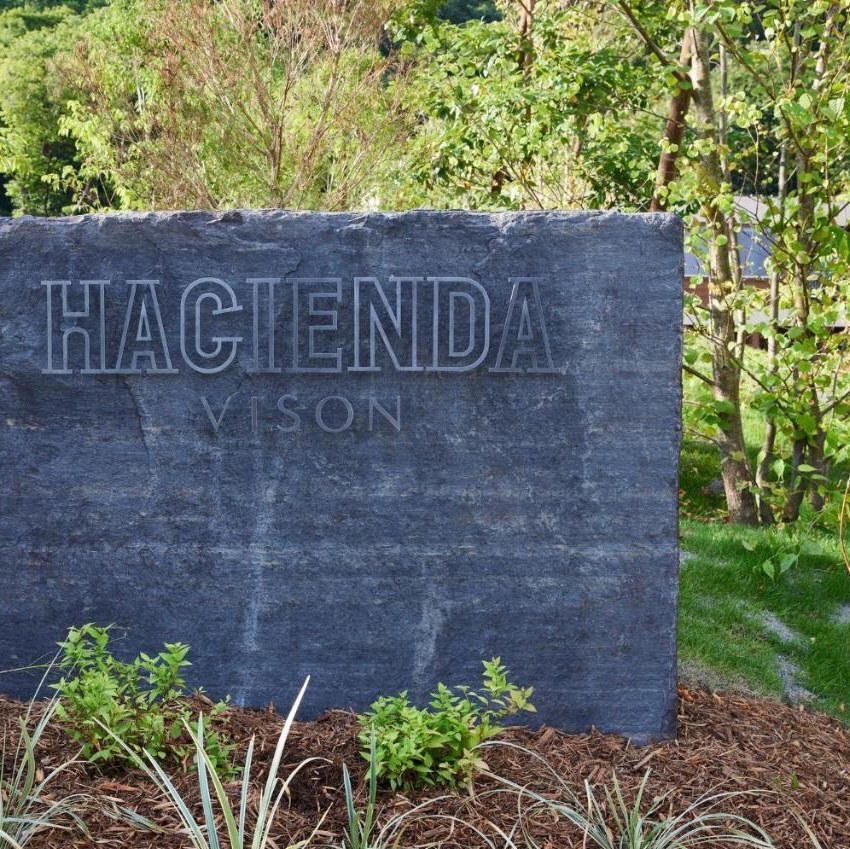
A Different Geometry of Japanese Hospitality
Most premium hotel development in Japan follows one of two well-worn paths: the urban high-rise model, where properties like Bvlgari Hotel Tokyo trade on density and city access, or the traditional ryokan format, where properties such as Gora Kadan in Hakone or Asaba in Izu anchor themselves to onsen culture and centuries of inn-keeping convention. Hacienda Vison Hotel occupies neither category. Its address — Farm 4, 672-1 Vison, Takicho, Odaicho — is itself a statement of intent. This is a hotel situated within a working agricultural complex, in a rural pocket of Mie Prefecture that most international travelers pass through only en route to the Ise Grand Shrine or the Kumano Kodo pilgrimage routes.
The Vison development, spanning a considerable footprint in the mountains above the Miyagawa River, was conceived as a destination in its own right: a compound of restaurants, food producers, artisan workshops, hot spring facilities, and accommodation units spread across a landscape shaped to resemble a hybrid of Japanese countryside and southern European farmstead. The hacienda typology that gives the hotel its name is not cosmetic. The architectural language borrows from Spanish and Portuguese agricultural vernacular, terracotta roof profiles, wide covered walkways, stucco-adjacent exterior finishes, and places it in deliberate dialogue with the cedar forests and river valleys of the Kii Peninsula. The result is unusual enough to register as genuinely disorienting on first approach, which is a more interesting design response than simple regional pastiche.
Design as Premise, Not Decoration
The broader question that Vison poses, architecturally, is whether cross-cultural design references can carry weight in a Japanese rural context, or whether they collapse into theme-park territory. The answer at Hacienda Vison Hotel appears to hinge on material commitment. Where cheaper interpretations of this kind of concept use surface finishes to suggest a place, the structures at Vison appear to use massing, proportion, and the relationships between built volumes and open land to do the heavier work. The long, low profiles of the farm buildings, the arrangement of covered outdoor spaces, and the integration of working agricultural land into the visual foreground produce a spatial experience that feels less like a hotel dressed as a farm and more like a working estate that has been adapted for hospitality.
This places the property in an interesting peer conversation with Japanese hotels that have pursued architecture as a primary differentiator. Benesse House in Naoshima made Tadao Ando's concrete geometry the organizing logic of a hotel-museum hybrid. Zaborin in Kutchan used minimalist Japanese spatial logic to root an intimate forest retreat in Hokkaido. Hacienda Vison Hotel's approach is less austere and more explicitly layered, it is asking visitors to accept a cultural translation, and the degree to which that translation succeeds will vary by guest. What is not in question is that the design program is the point, not the backdrop.
Where It Sits in the Mie Hospitality Context
Mie Prefecture has historically been underserved by internationally recognized hotel infrastructure relative to its cultural significance. The Ise-Shima region draws substantial domestic pilgrimage and tourism traffic, but the prefecture's premium accommodation offer has been thinner than its Kyoto or Hakone equivalents. Amanemu, the Aman property on the Ago Bay, established a high-water mark for design-led luxury in the region, drawing on traditional Japanese residential forms filtered through the Aman aesthetic. Hacienda Vison Hotel represents a different ambition: rather than a retreat that minimizes external distraction, it positions itself within a broader destination complex where food production, artisan craft, and bathing facilities create a programmed environment for multi-day stays.
The Michelin Guide Hotels 2025 selection signals that the property meets the guide's threshold for accommodation quality, which in the Michelin framework covers comfort, service consistency, and the overall guest experience rather than simply the food program. For a hotel within a destination-resort complex, this recognition places it within a set that includes properties across Japan where the accommodation offer is substantive rather than incidental. For travelers comparing options across the region, the Michelin Selected designation provides a useful baseline. Other properties in adjacent categories, from Nishimuraya Honkan in Kinosaki to Satoyama-Jujo in Niigata, demonstrate how rural Japanese hospitality increasingly competes on depth of concept rather than facility count.
Food, Land, and the Vison Program
One of the more coherent aspects of the Vison complex as a hospitality format is the integration of food production with the guest experience. The broader site includes herb gardens, a San Sebastian-style food hall, Japanese food producers, and multiple restaurant formats. This is a significant point of distinction from the standard resort hotel model, where dining is contained, branded, and internally facing. At Vison, the food offer is distributed across the complex, drawing on regional produce from Mie, a prefecture with a serious claim on Japanese culinary attention through its beef, seafood, and agricultural output. The structural logic of placing accommodation within that food ecosystem, rather than adjacent to it, shapes the guest experience in ways that are harder to replicate through menu design alone. For context on Mie's broader appeal to serious travelers, our full Odaicho restaurants guide covers the dining options in the area.
The Wider Japanese Rural Luxury Conversation
Rural luxury accommodation in Japan is in a period of active development. Properties that once competed primarily on onsen quality and kaiseki precision are now being joined by concept-driven alternatives that propose entirely different relationships between guest, landscape, and program. Fufu Nikko, Fufu Kawaguchiko, and Fufu Kyu-Karuizawa represent one strand of this development, applying a consistent brand logic to multiple scenic destinations. Nasu Mukunone and GOTO RETREAT by Onko Chishin take more locally anchored approaches. Hacienda Vison Hotel is harder to categorize within those patterns, which is either its strength or its complication depending on what a traveler is seeking.
Internationally, the comparison set broadens to include properties where architectural ambition and rural setting combine in ways that create destinations in their own right. HOTEL THE MITSUI KYOTO and Higashiyama Niseko Village, a Ritz-Carlton Reserve represent the international-brand tier operating within Japanese cultural contexts. Hacienda Vison Hotel operates outside that framework entirely, which is the most honest thing that can be said about its positioning.
Planning Your Stay
Odaicho is accessible by road from Tsu and Matsusaka, with Nagoya serving as the most practical major transit hub for international arrivals. The Vison complex is designed for stays of at least two nights to use the full range of facilities across the site, and the hotel's address within Farm 4 of the complex places it at the agricultural edge of the development. Booking is handled through the Vison complex's own reservation system; travelers researching this property alongside other Michelin Selected properties in Japan, including Kamenoi Besso in Yufu, Sekitei in Hatsukaichi-shi, or Halekulani Okinawa, will find the property occupies a genuinely distinct niche within that group.
Comparable Venues
Comparable venues nearby, for context on price, style, and recognition.
| Venue | Cuisine | Price | Awards | Notes |
|---|---|---|---|---|
| Hacienda Vison HotelThis venue — the venue you are viewing | Mid-century modern boutique manor house with artist-inspired rooms | $500–750 | 1 Michelin Key | Not listed |
| moksa | Modern ryokan rebirth hotel blending tradition with contemporary wellness. | $100–200 | Michelin Selected | Yase |
| Hotel Okura Kyoto Okazaki Bettei | Small luxury hideaway reminiscent of a mountain lodge in Higashiyama culture | $300–500 | Michelin Selected | Sakyō |
| Fufu Kyu-Karuizawa Restful Forest | Small luxury forest resort | $500–750 | 1 Michelin Key | Kyu-Karuizawa |
| Takefue (竹ふえ) | Traditional farmhouse-style ryokan scattered across expansive bamboo forest grounds. | $1,500–2,500 | Michelin Selected | Minamioguni |
| Park Hyatt Niseko Hanazono | luxury year-round mountain resort | Not listed | 1 Michelin Key · Star Wine List | Hanazono |
Recognition history
Dated appearances from independent guides and award organizations, with the underlying list record or original source where available.
Michelin 1 Key
Michelin
Full recognition history (2 entries)
Michelin Selected
Michelin
Details
- Quiet
- Scenic
- Elegant
- Cozy
- Sophisticated
- Romantic Getaway
- Wellness Retreat
- Anniversary
- Weekend Escape
- Garden
- Terrace
- Panoramic View
- Wi Fi
- Sauna
- Spa
- Room Service
- Garden
- Air Conditioning
- Mountain
- Garden
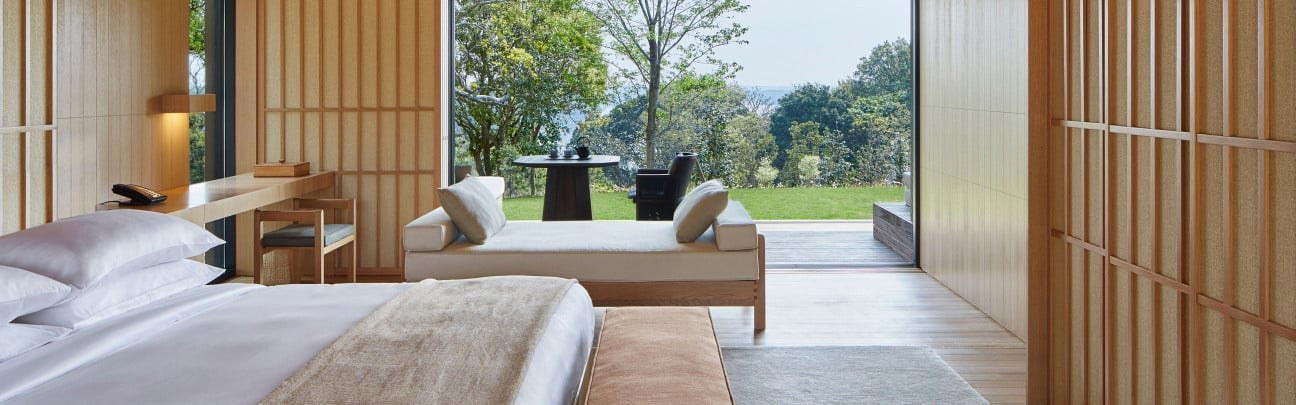
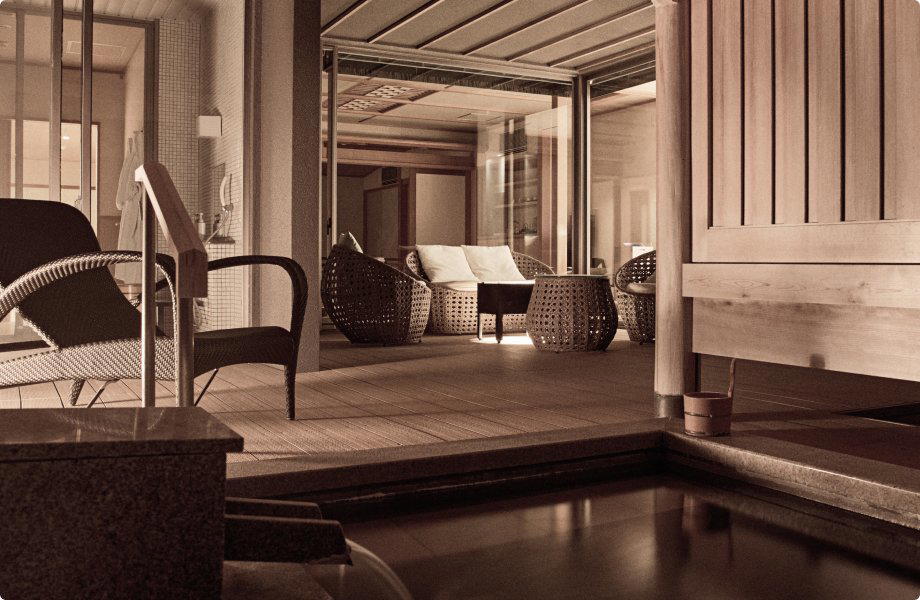
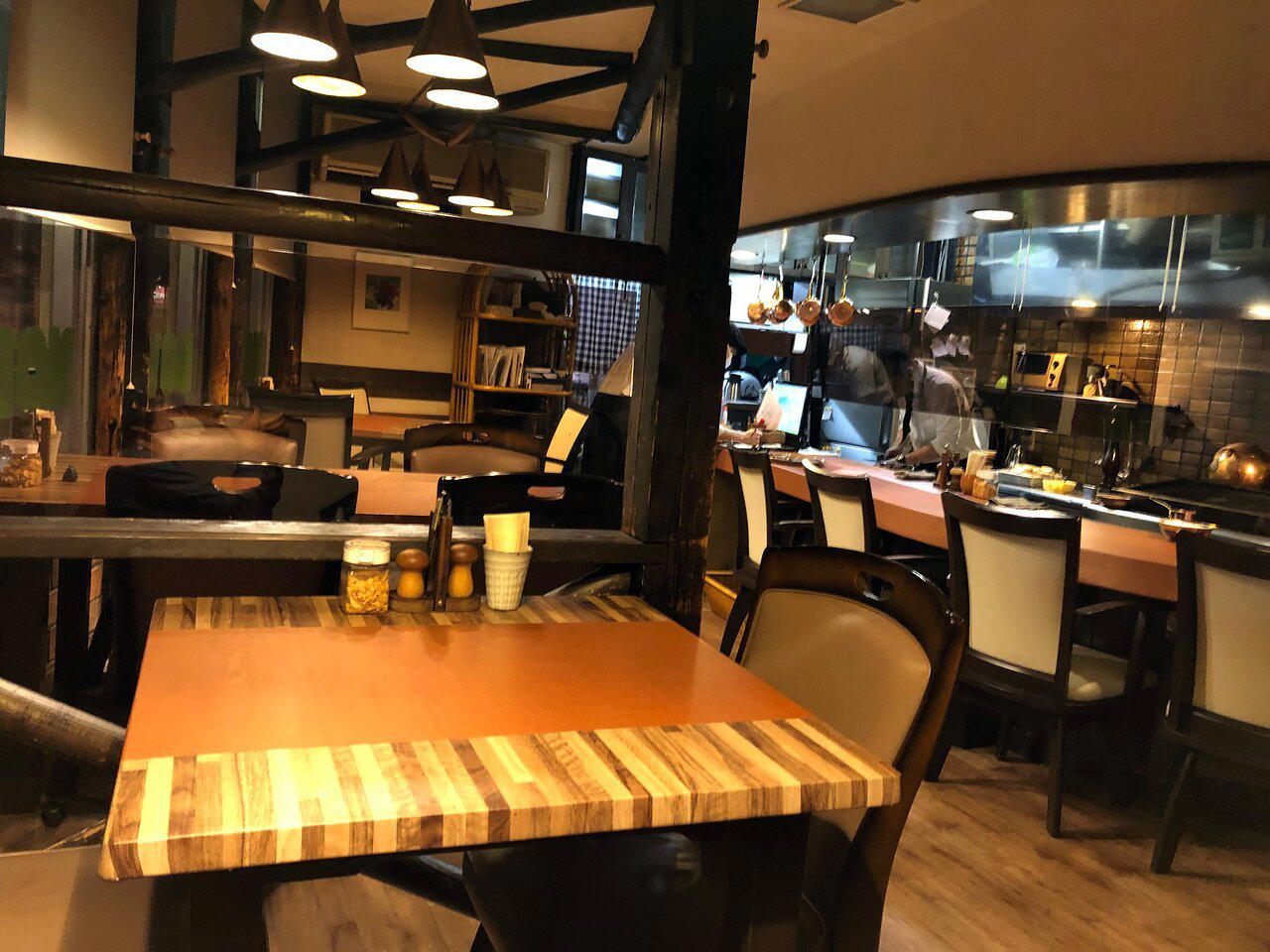
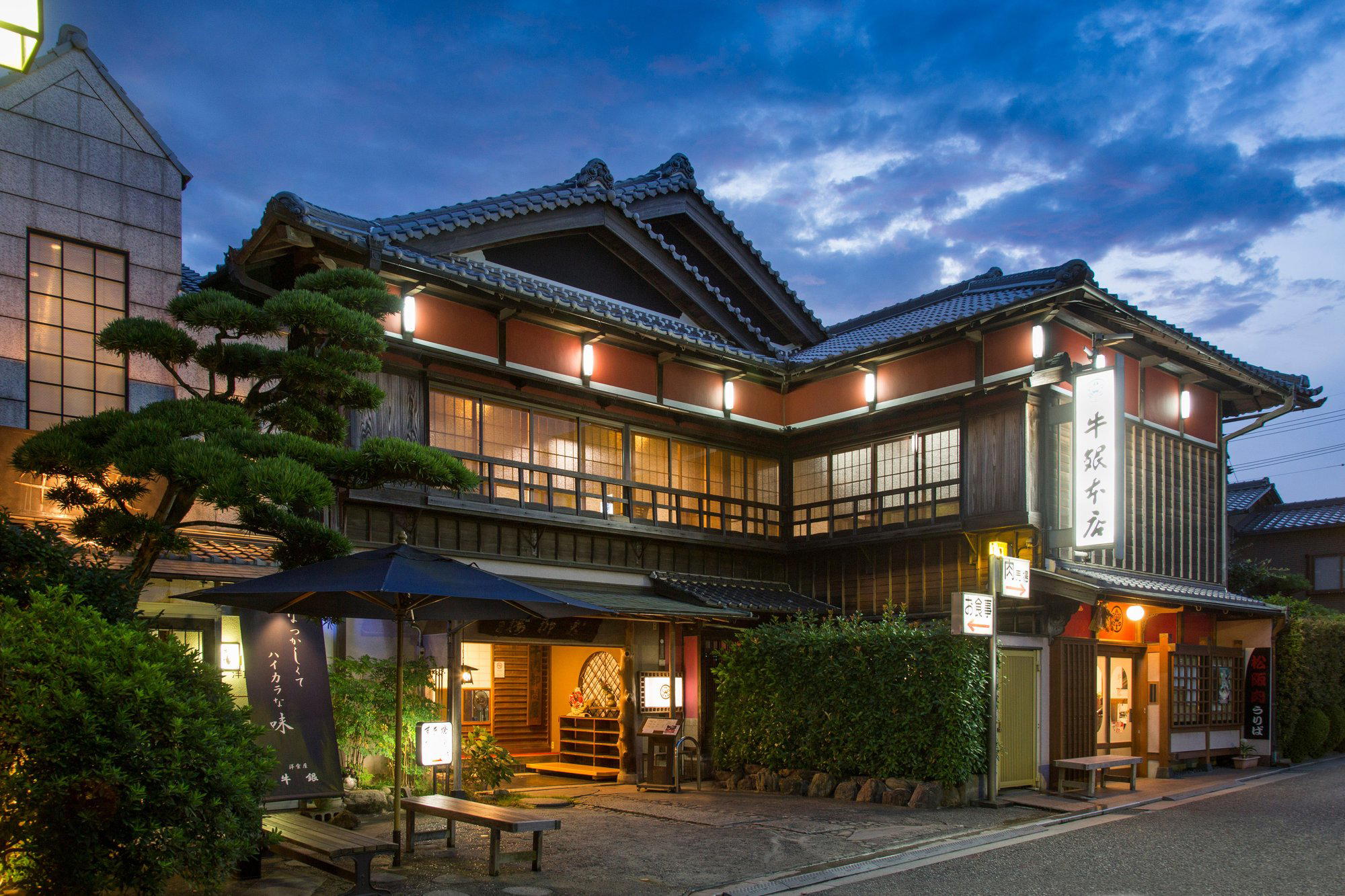
Serene and tranquil atmosphere with warm natural materials like wood and stone, enhanced by beautiful garden and mountain views, a cozy lobby fireplace, and a peaceful natural setting.