.png)
A two-time Michelin Bib Gourmand recipient on Hàng Điếu, Mr Bảy Miền Tây brings the cooking traditions of Vietnam's Mekong Delta to the heart of Hanoi's Old Quarter. The kitchen holds a 4.5 Google rating across more than 1,600 reviews, and the price point sits at the accessible end of the city's Vietnamese dining spectrum, making it one of Hoàn Kiếm's more compelling addresses for regional cooking at low cost.
Pearl is the En Primeur Club membership app — saves, bookings, and concierge access live there. Same editors, same standards.
- Address
- 79 Hàng Điếu, Cửa Đông, Hoàn Kiếm, Hà Nội, Vietnam
- Phone
- +84 786 768 075
- Website
- foody.vn
 Saves & bookings on Pearl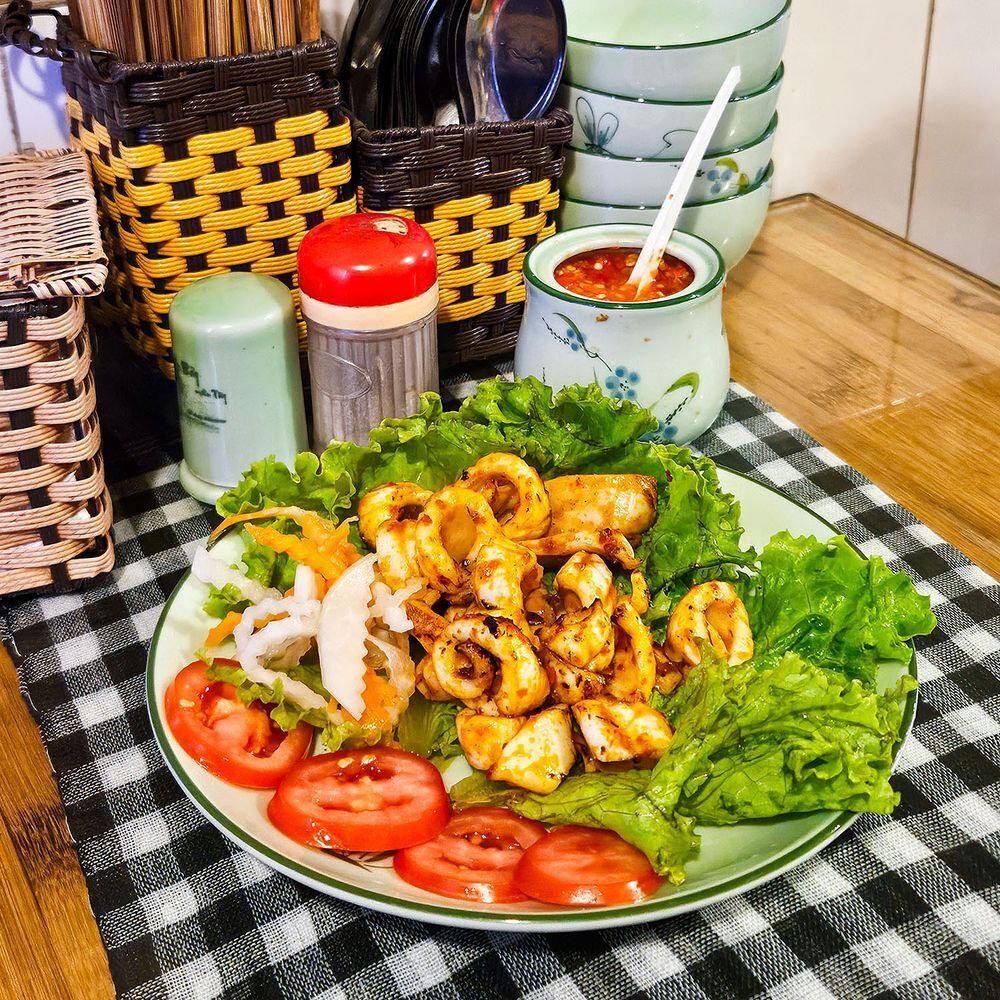
Southern Cooking in a Northern City
Hàng Điếu runs through the western fringe of Hanoi's Old Quarter, a street that doesn't draw the same foot traffic as Hàng Bạc or Mã Mây but carries its own quieter commercial rhythm. The buildings here lean in close, the pavement narrows, and the signage tends toward the functional rather than the decorative. Mr Bảy Miền Tây fits that register: a ground-floor address at number 79 that announces itself without theatre, drawing a clientele that has come specifically for what the kitchen produces rather than the setting around it.
That kitchen is oriented around Miền Tây, the western region, as Vietnamese speakers understand it, meaning the Mekong Delta, the network of waterways and rice paddies that fans out from the southern lowlands toward Cambodia. The Delta has one of the most distinctive regional food identities in Vietnam: sweeter base flavours than the north, a different relationship with herbs and freshwater fish, and a long tradition of dishes that don't travel as readily as phở or bánh mì. Bringing that cooking to Hanoi, where palates skew toward lighter, more restrained preparations, is a specific editorial act, and it's one that Michelin's inspectors have recognised in both 2024 and 2025 with a Bib Gourmand, the guide's designation for kitchens that deliver serious cooking at accessible prices.
What the Bib Gourmand Signals Here
The Bib Gourmand category is worth reading carefully in Hanoi's context. The city's Michelin selection spans a wide price range: at one end, addresses like Bếp Prime and Cau Go occupy higher price tiers, while 1946 Cua Bac and Mr Bảy Miền Tây anchor the affordable end of the recognised spectrum. The Bib Gourmand specifically rewards value alongside quality, so consecutive recognition in 2024 and 2025 indicates that the kitchen has maintained its standard across two full inspection cycles, not a given in a city where openings and closures move at Old Quarter pace.
Within the broader Vietnamese dining scene in Hanoi, regional specificity is increasingly a point of differentiation. Tầm Vị operates in a similar mid-range Vietnamese bracket; A Bản Mountain Dew pulls from northern highland traditions. Mr Bảy Miền Tây's focus on the Mekong Delta places it in a different conversation entirely, one where the reference point is southern Vietnam's cooking culture rather than the city's own culinary inheritance. That displacement, southern food transplanted north, cooking for an audience that knows the original context well, is precisely what makes the Michelin recognition meaningful rather than merely polite.
The Mekong Delta Tradition on the Plate
The Mekong Delta has produced some of Vietnam's most complex and least-exported cooking. The region's food culture developed around its geography: an abundance of freshwater fish, crab, and shrimp; fertile land that supports a wider variety of tropical herbs and vegetables than the north; and a historical openness to Khmer and Chinese culinary influence that shaped the seasoning logic of the dishes. The result is a cuisine that uses coconut milk in savoury applications, leans on fresh aromatics like lemongrass, galangal, and wild betel leaf, and builds sweetness into braised and grilled preparations in ways that can read as unfamiliar to diners raised on Hanoi's plainer cooking.
Dishes common to this tradition include canh chua, the sour tamarind soup loaded with pineapple, tomato, and river fish, along with cá kho tộ, the caramelised braised fish in clay pot that is one of the Delta's signature exports, and various preparations involving bông điên điển, the water flower that blooms seasonally along canal banks and appears in soups and stir-fries across the western provinces.
For diners who know the tradition from time spent in Cần Thơ, Vĩnh Long, or the markets of An Giang province, eating this food in Hanoi carries a different weight than encountering it as novelty. For those discovering Miền Tây cooking for the first time, an address with two consecutive Bib Gourmand recognitions and a 4.5 rating across 2,068 Google reviews is a credible introduction to a regional tradition that deserves attention beyond the south.
Hanoi's Old Quarter Context
The Hoàn Kiếm district holds the densest concentration of Hanoi's historically significant eating addresses, and the Old Quarter's grid of guild streets has always mixed residential, commercial, and food functions in ways that resist easy categorisation. Restaurants here occupy shophouses designed for other purposes; the boundary between kitchen, dining room, and street is frequently approximate. Mr Bảy Miền Tây at 79 Hàng Điếu is part of that fabric, a fixed address in a neighbourhood where the leading eating has always happened in places that prioritise cooking over comfort, and where a full room of returning locals is the most reliable trust signal available.
Across Vietnam more broadly, the regional cooking gap between north and south has narrowed considerably as internal migration and the food media have carried southern dishes into northern cities. But the quality of that representation varies. A kitchen that earns Michelin attention for Miền Tây cooking in Hanoi is not simply replicating a southern menu but making an argument about how that food should taste when the sourcing and technique are taken seriously. Elsewhere in the region, kitchens like Anan Saigon in Ho Chi Minh City and La Maison 1888 in Da Nang approach Vietnamese cooking from entirely different angles and price points. At the accessible end of Vietnamese dining internationally, addresses like Berlu in Portland and Ăn Chơi in Hong Kong show how far the cuisine's reference points have spread, while An Nam in Singapore and Ăn Thôi in Da Nang anchor the tradition closer to home. Mr Bảy Miền Tây sits in the domestic category, making its case on home ground, in a city with high standards and a well-calibrated sense of what southern cooking should actually taste like.
Planning a Visit
The restaurant is at 79 Hàng Điếu in the Cửa Đông ward of Hoàn Kiếm, walkable from Hoàn Kiếm Lake and the core of the Old Quarter's main tourist circuit. The price point (₫) puts it among Hanoi's most accessible Michelin-recognised addresses. Walk-in service is the norm here, and the restaurant opens daily from 11 AM to 11 PM, with Saturday and Sunday service starting at 11:30 AM. The combination of the Bib Gourmand recognition and a high volume of Google reviews suggests consistent demand, so timing matters more than formal reservations.
What People Recommend at Mr Bảy Miền Tây
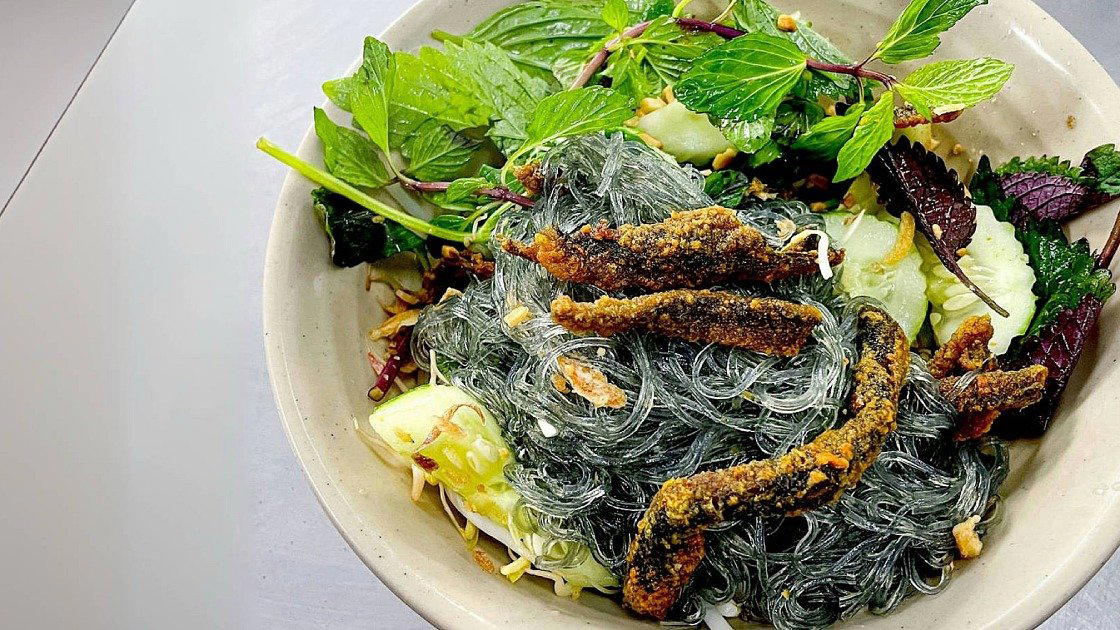
The kitchen's focus on Mekong Delta cuisine means the most-discussed preparations tend to be those that define the regional tradition: braised and clay-pot fish dishes, sour soups built on tamarind and fresh herbs, and grilled or stewed proteins that carry the Delta's characteristic caramelised sweetness. The Bib Gourmand recognition, held across 2024 and 2025, signals consistent quality in this register. The Google rating of 4.5 from 1,625 reviews points to a kitchen where the regulars return for specific dishes rather than a rotating seasonal concept. The ₫ price tier means that most diners order broadly rather than selectively, which is consistent with how Miền Tây food is traditionally eaten: as a spread of complementary preparations rather than a single focused plate.
Comparable Spots, Quickly
Comparable venues nearby, for context on price, style, and recognition.
| Venue | Cuisine | Price | Awards | Notes |
|---|---|---|---|---|
| Mr Bảy Miền Tây | Southern Vietnamese Banh Xeo | $$ | Bib Gourmand | Hoan Kiem |
| Phở Gà Nguyệt | Authentic Hanoi Chicken Pho | $ | Bib Gourmand | Hoan Kiem |
| 1946 Cua Bac | Northern Vietnamese | $$ | Bib Gourmand | Ba Dinh |
| Quán Ăn Ngon (Hoan Kiem) | Authentic Vietnamese Street Food | $$ | Michelin Plate | Hoan Kiem |
| Phở Gia Truyền (Hoan Kiem) | Traditional Hanoi Beef Pho | $ | Bib Gourmand | Hoan Kiem |
| Chào Bạn | Modern Vietnamese | $$ | Bib Gourmand | Tay Ho |


At a Glance
- Rustic
- Cozy
- Lively
- Casual Hangout
- Family
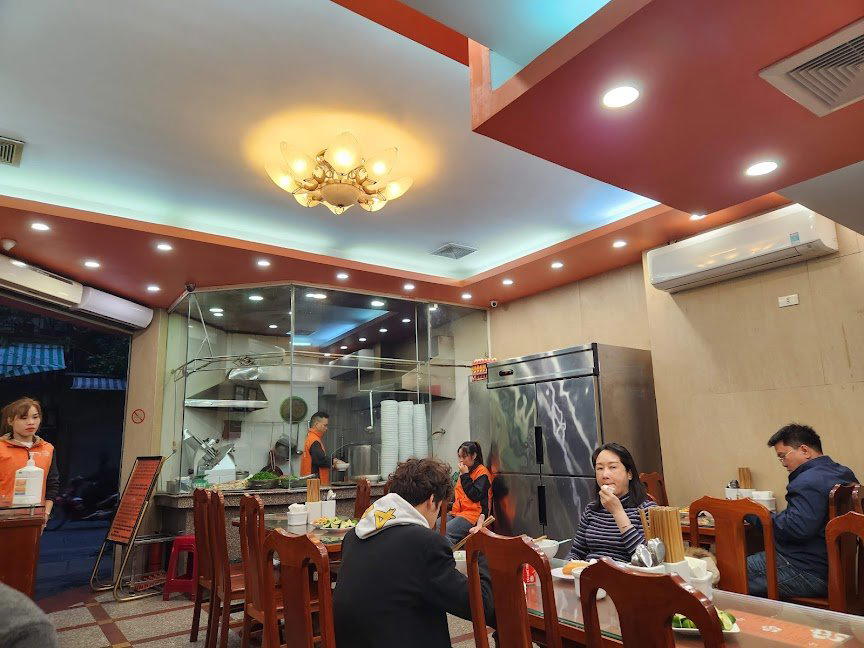
- Open Kitchen
- Local Sourcing
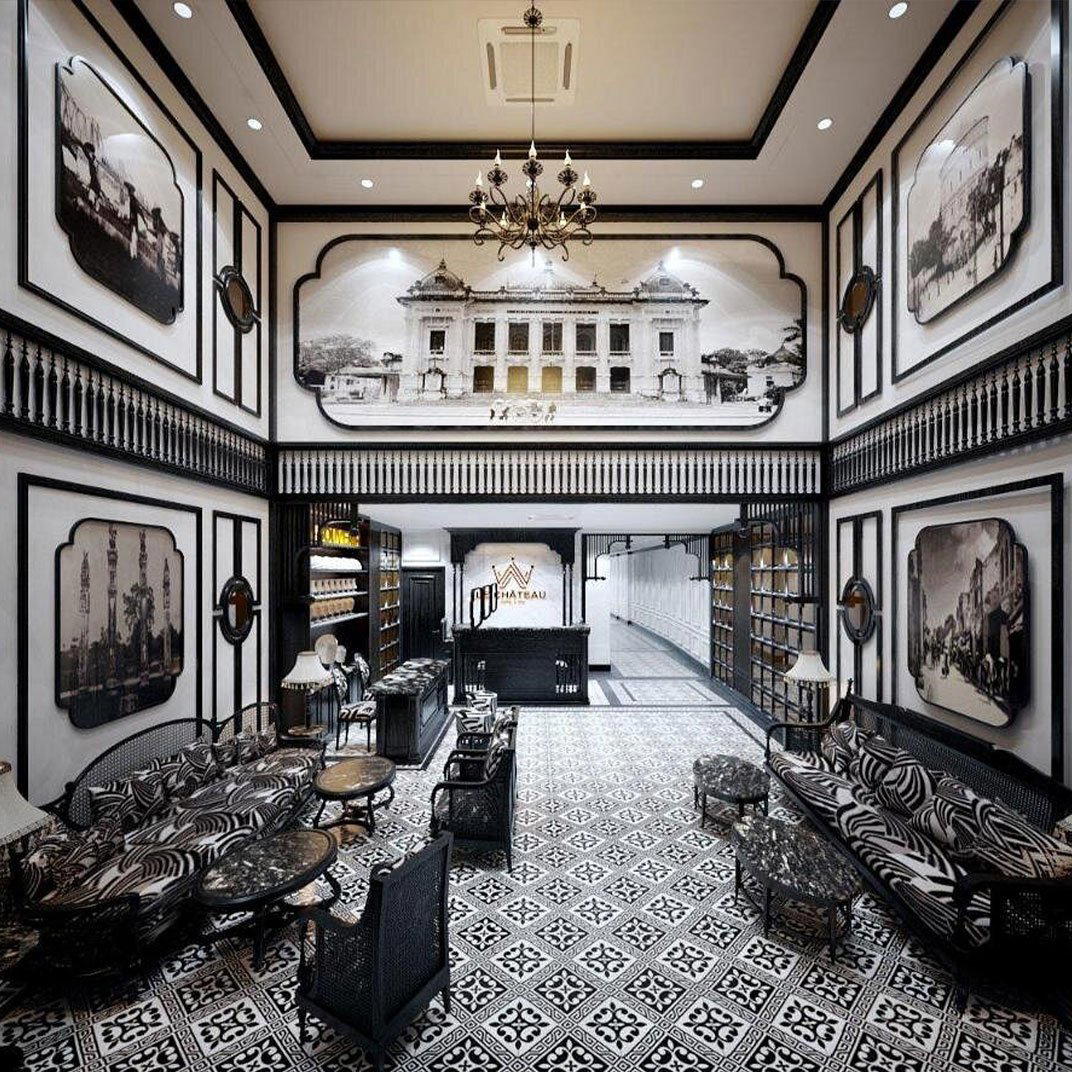
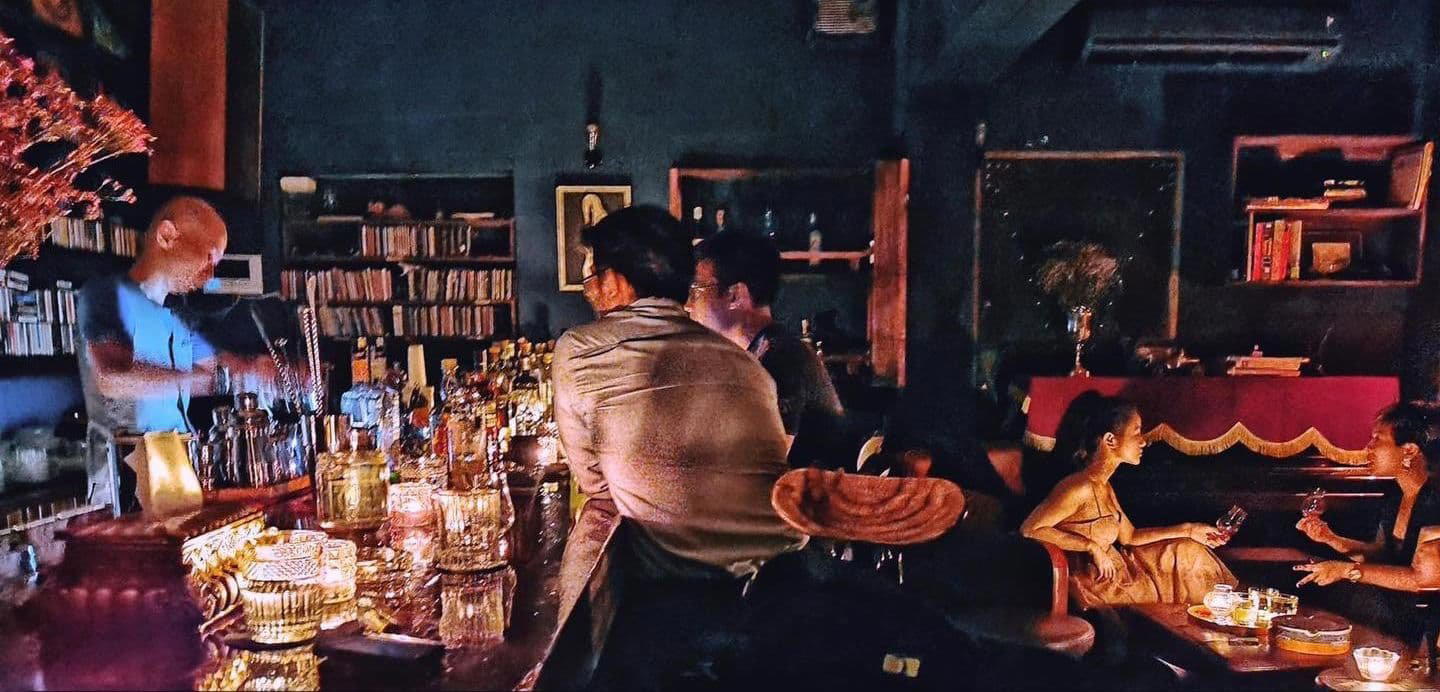
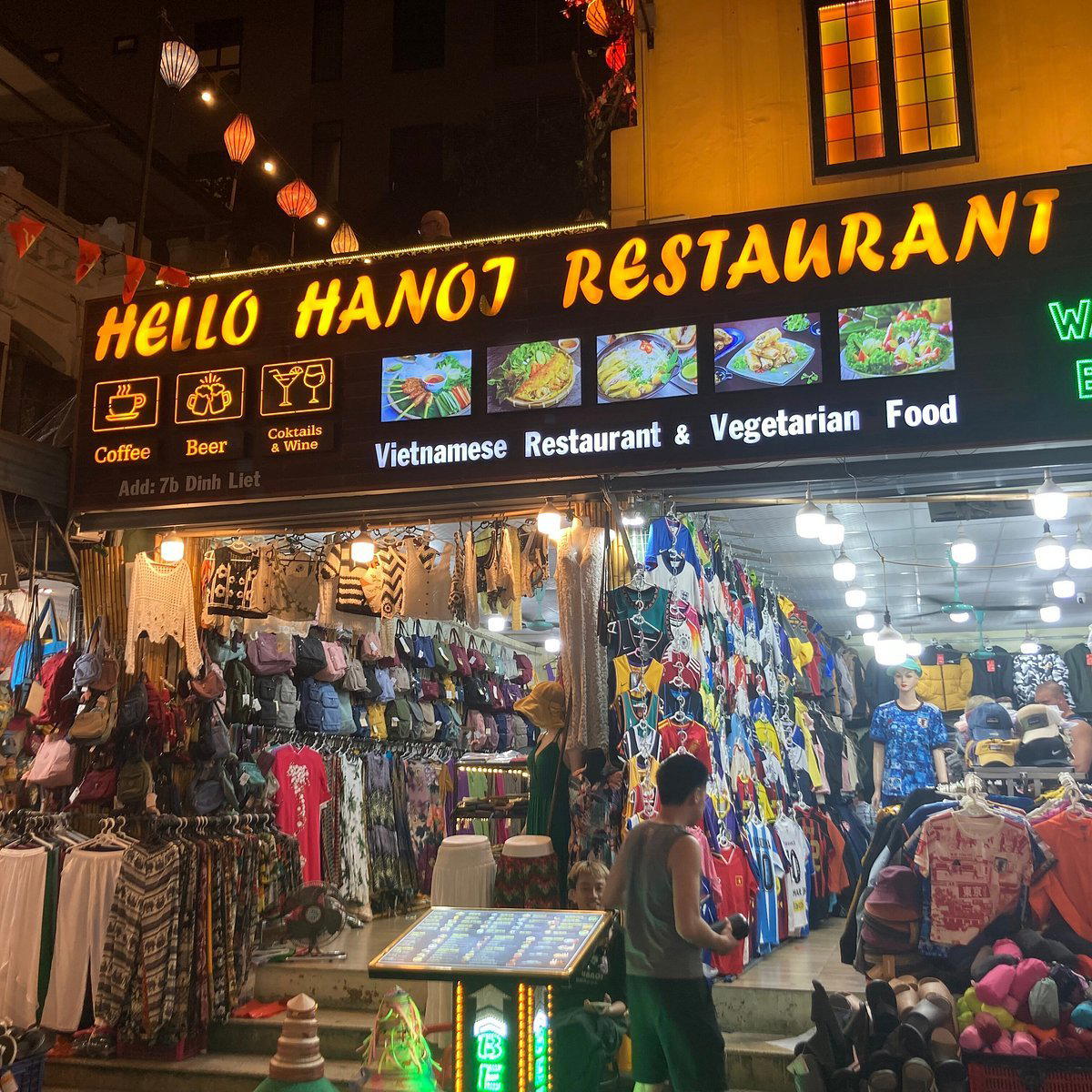
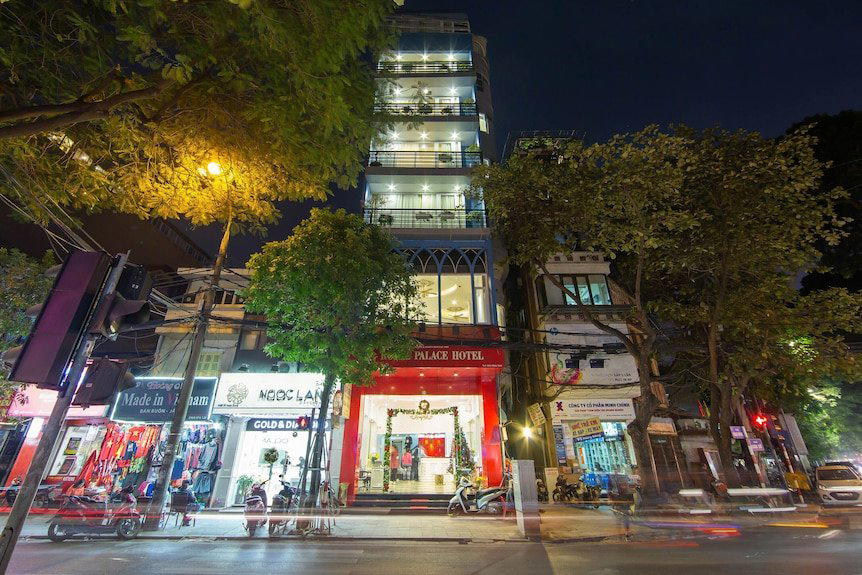
Rustic with bamboo furniture evoking a natural, Southern Vietnamese feel, featuring lanterns and a comfortable upstairs seating away from street bustle.