

Chapter Dining occupies a restored address in Hanoi's Old Quarter and applies fine dining structure to northern Vietnamese ingredients, handled by a young, all-Vietnamese kitchen team. The concept treats local sourcing as its editorial spine rather than a marketing footnote. For visitors tracking where Vietnamese cuisine is heading at the considered end of the market, it sits in a comparable set worth knowing.
Pearl is the En Primeur Club membership app — saves, bookings, and concierge access live there. Same editors, same standards.
- Address
- 12C P. Chân Cầm, Hàng Trống, Hoàn Kiếm, Hà Nội, Vietnam
- Phone
- +84 333 201 221
- Website
- chapterhanoi.com
 Saves & bookings on Pearl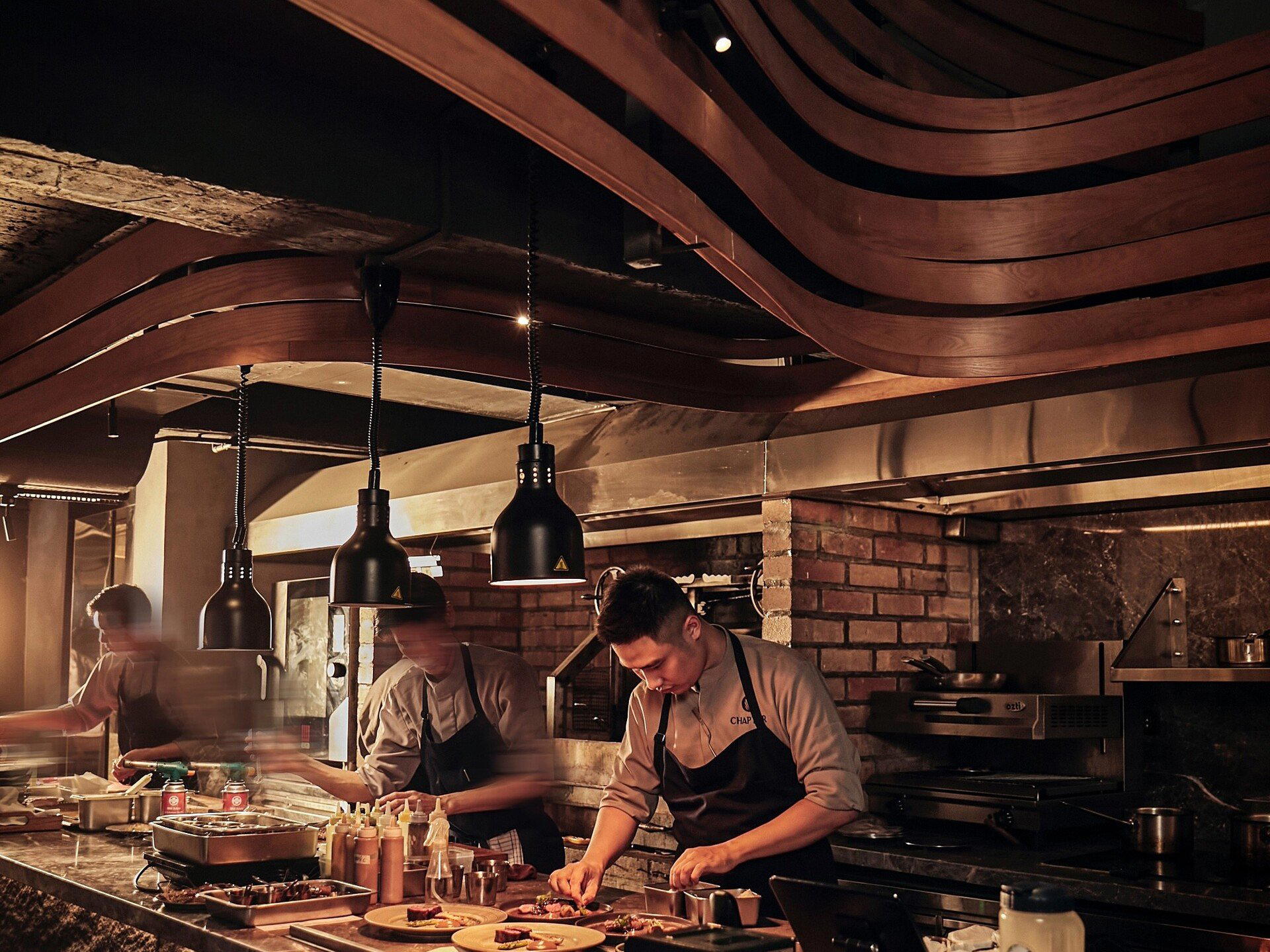
Where the Old Quarter Meets a Different Kind of Precision
Chân Cầm Street in the Hàng Trống ward sits just inside the edge of Hanoi's Old Quarter, close enough to the lake district to carry its atmosphere but removed from the densest tourist corridors. The street is narrow and low-lit in the evenings, with the particular quality of quiet that older Hoàn Kiếm lanes hold between the noise of Đinh Tiên Hoàng and the night-market stretch further north. Arriving at Chapter Dining, the physical transition from the street is the first signal that the format here operates on different terms from the pho counters and bánh mì stalls that form the neighbourhood's commercial backbone.
Fine dining in this part of Hanoi is still a small category. The city's considered restaurant scene has expanded over the past decade, but it remains concentrated around a handful of addresses where kitchen ambition aligns with sourcing discipline. Chapter Dining belongs to that group, and the framing it has chosen, local ingredients, northern Vietnamese culinary tradition, a wholly Vietnamese staff, positions it as a statement about what the cuisine can carry at this register, not simply a well-executed night out.
Northern Ingredients as the Structural Argument
Vietnamese fine dining outside Vietnam is almost always southern in character. The cuisine that travels, pho, fresh herb plates, caramel-braised proteins, draws heavily from Saigon's flavour vocabulary: bright, sweet, herb-forward. Northern Vietnamese cooking operates on a different logic. The seasoning is more restrained, fermented elements appear more frequently, and the relationship to specific regional produce is closer. Chapter Dining's sourcing orientation sits inside that northern tradition and uses it as the architecture of the menu rather than as decoration.
The significance of local ingredient focus at this price tier is worth pausing on. At the budget end of Hanoi's restaurant market, local sourcing is simply the default: a bowl of bún chả at a street stall uses whatever the morning market supplied. As restaurants move upmarket, the pressure to import premium proteins and European pantry staples increases, because these carry legibility with international guests and justify higher price points. A fine dining concept that maintains a locally sourced northern Vietnamese framework is making a deliberate structural choice, and that choice defines the competitive distance between Chapter Dining and peers like Hibana by Koki, whose teppanyaki format and imported Japanese produce put it in a different category entirely.
Within Hanoi's contemporary Vietnamese fine dining tier, the closer comparison is Gia, which also operates at the ₫₫₫₫ level and applies modern technique to Vietnamese ingredients. The distinction is one of emphasis: Gia's framing is explicitly contemporary and technique-driven, while Chapter Dining's stated orientation toward northern tradition and local sourcing suggests a closer relationship to terroir in the culinary sense, the cuisine as an expression of place rather than of method.
Further down the market, Vietnamese ingredients appear across the price spectrum. Tầm Vị and 1946 Cua Bac both operate at the ₫ and ₫₫ tiers with Vietnamese menus, and the Old Quarter itself is built on street-level cooking that sources locally as a matter of economics. What Chapter Dining's format adds is the editorial layer: the sourcing becomes intentional, the ingredients are contextualised within a tasting structure, and the progression of a meal becomes a way of reading the region's produce rather than simply consuming it.
This approach has international parallels at addresses operating in entirely different budget brackets. The discipline of building a fine dining menu around a specific regional ingredient culture rather than a global luxury pantry is visible at places like Lazy Bear in San Francisco and, at the ultra-premium end, at Alain Ducasse's Louis XV in Monte Carlo, where Provençal produce underpins a three-Michelin-star framework. The principle transfers across price tiers: specificity of sourcing, when treated as the structural argument, creates a category of its own.
The Kitchen and Its Positioning
The all-Vietnamese staff noted in Chapter Dining's profile is not incidental detail. In Hanoi's fine dining segment, international kitchens and imported culinary directors remain common, particularly at hotel-affiliated restaurants. A young, Vietnamese-led team working a fine dining concept rooted in northern cuisine is a different kind of institutional signal: the interpretation of the tradition stays inside the tradition. Across Vietnam, a similar instinct drives some of the more interesting contemporary projects, including Akuna in Ho Chi Minh City and Rice Bowl in Hue City, where local culinary identity shapes the format rather than accommodating it.
For context on where Vietnamese fine dining sits relative to the broader regional picture, La Maison 1888 in Da Nang represents the French-Vietnamese luxury hotel tier, and 8½ Otto e Mezzo Bombana in Hong Kong sits in the multi-Michelin international category that regional fine dining is often benchmarked against. Chapter Dining operates in a different register from both, closer in spirit to A Bản Mountain Dew, which similarly uses northern Vietnamese produce as its primary material.
Planning a Visit
Chapter Dining is located at 12C Chân Cầm Street in the Hàng Trống ward of Hoàn Kiếm district. The address is walkable from the major hotels on and around Hoàn Kiếm Lake, making it a practical choice for visitors based in the Old Quarter without requiring transport. Given the fine dining format and the neighbourhood's popularity, booking ahead is the practical approach rather than arriving without a reservation, the category typically operates on limited covers. The restaurant is open Monday through Saturday from 6 to 11 PM and closed on Sunday; reservations are essential, and the price point sits at about $165 per person.
At-a-Glance Comparison
Comparable venues nearby, for context on price, style, and recognition.
| Venue | Cuisine | Price | Awards | Notes |
|---|---|---|---|---|
| Chapter DiningThis venue — the venue you are viewing | Contemporary Northern Vietnamese Fine Dining | $$$$ | ||
| Cau Go | Authentic Regional Vietnamese Cuisine | $$$ | Michelin Plate | Hoan Kiem |
| Quán Ăn Ngon (Hoan Kiem) | Authentic Vietnamese Street Food | $$ | Michelin Plate | Hoan Kiem |
| Vị An | Authentic Northern Vietnamese Homestyle | $$$ | Michelin Plate | Dong Da |
| Mậu Dịch Số 37 | Traditional Vietnamese Home Cooking | $$ | Bib Gourmand | Ba Dinh |
| Bếp Prime | Traditional Hanoian Vietnamese | $$ | Michelin Plate | Hoan Kiem |
At a Glance
- Elegant
- Intimate
- Sophisticated
- Modern
- Hidden Gem
- Date Night
- Special Occasion
- Celebration
- Open Kitchen
- Design Destination
- Standalone
- Sommelier Led
- Zero Proof
- Farm To Table
- Local Sourcing
- Sustainable
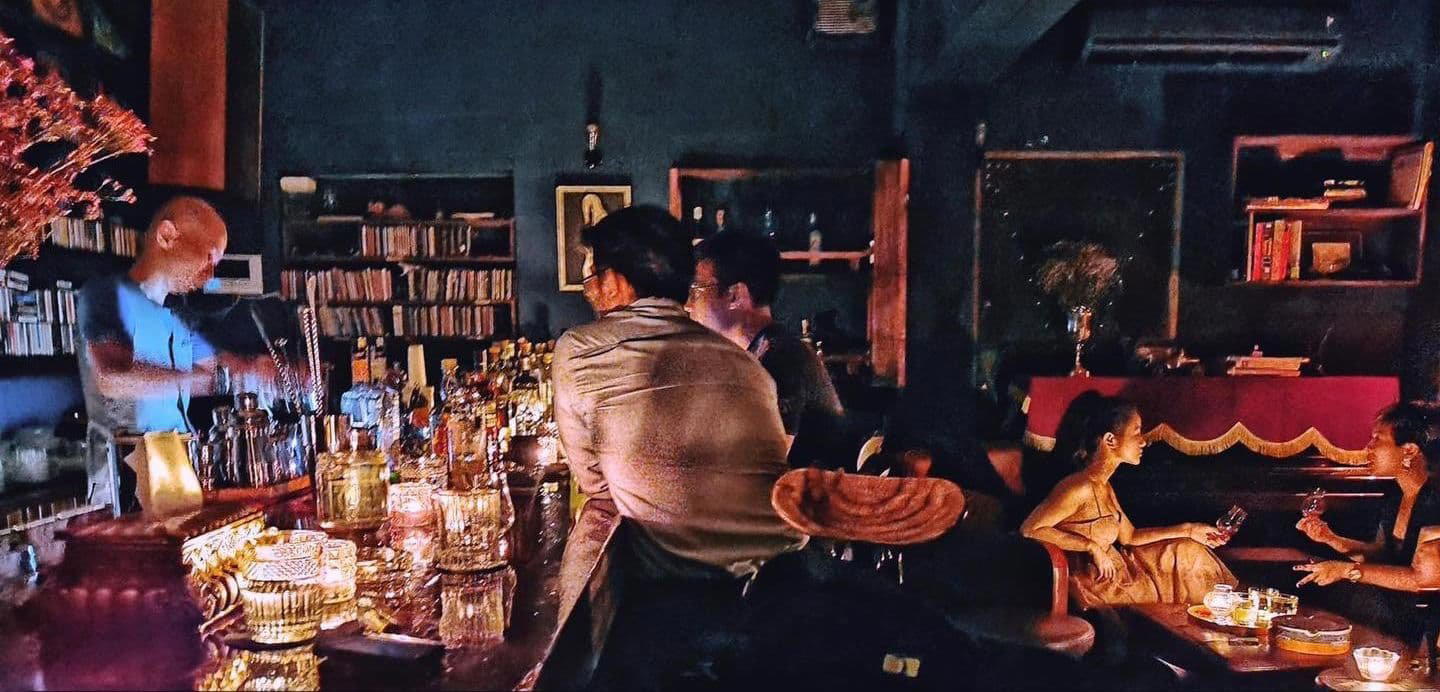
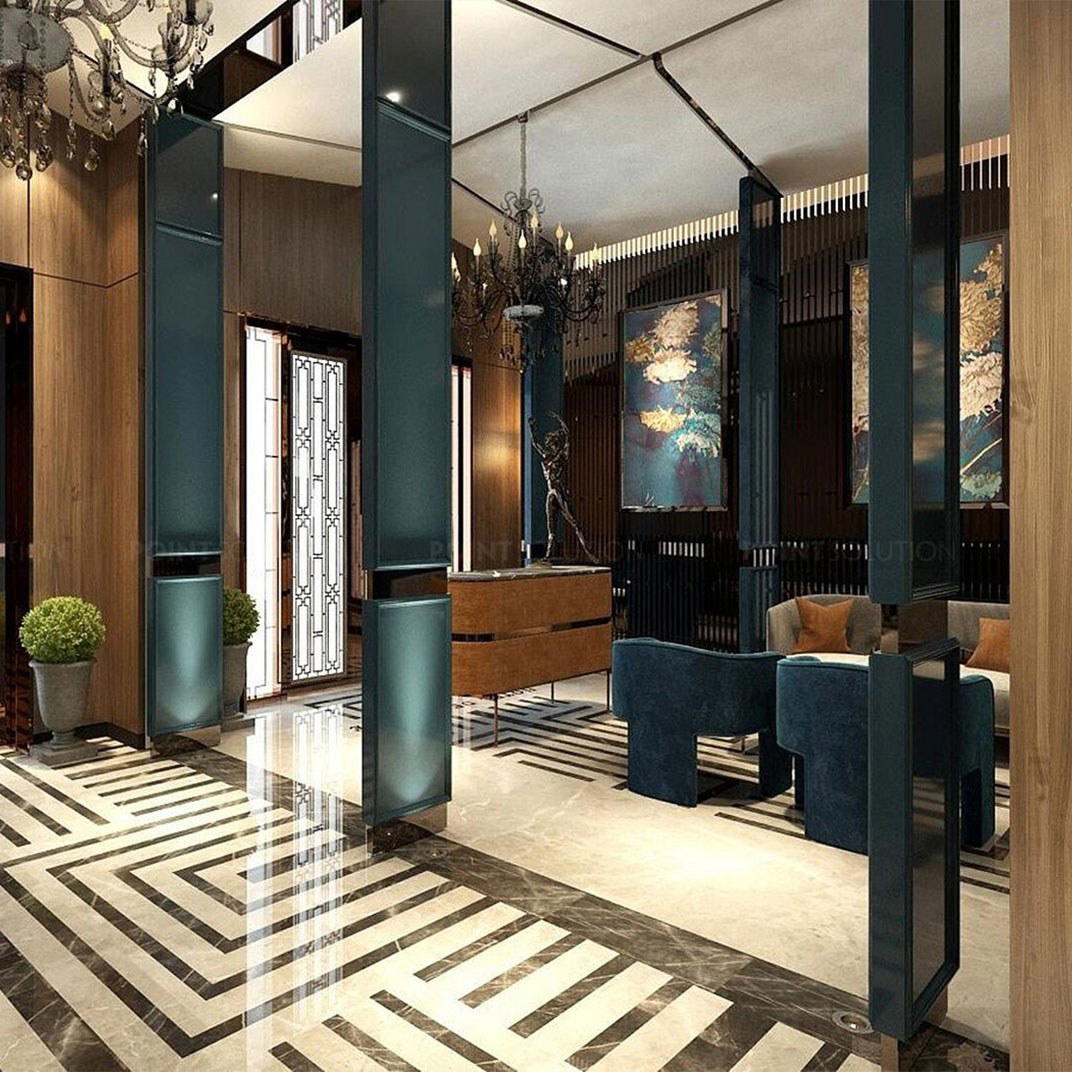
Serene and calming with soft lighting, subtle woody notes, and an open kitchen where diners can observe the choreographed precision of the chefs at work. The space is elegantly understated with thoughtfully curated details.